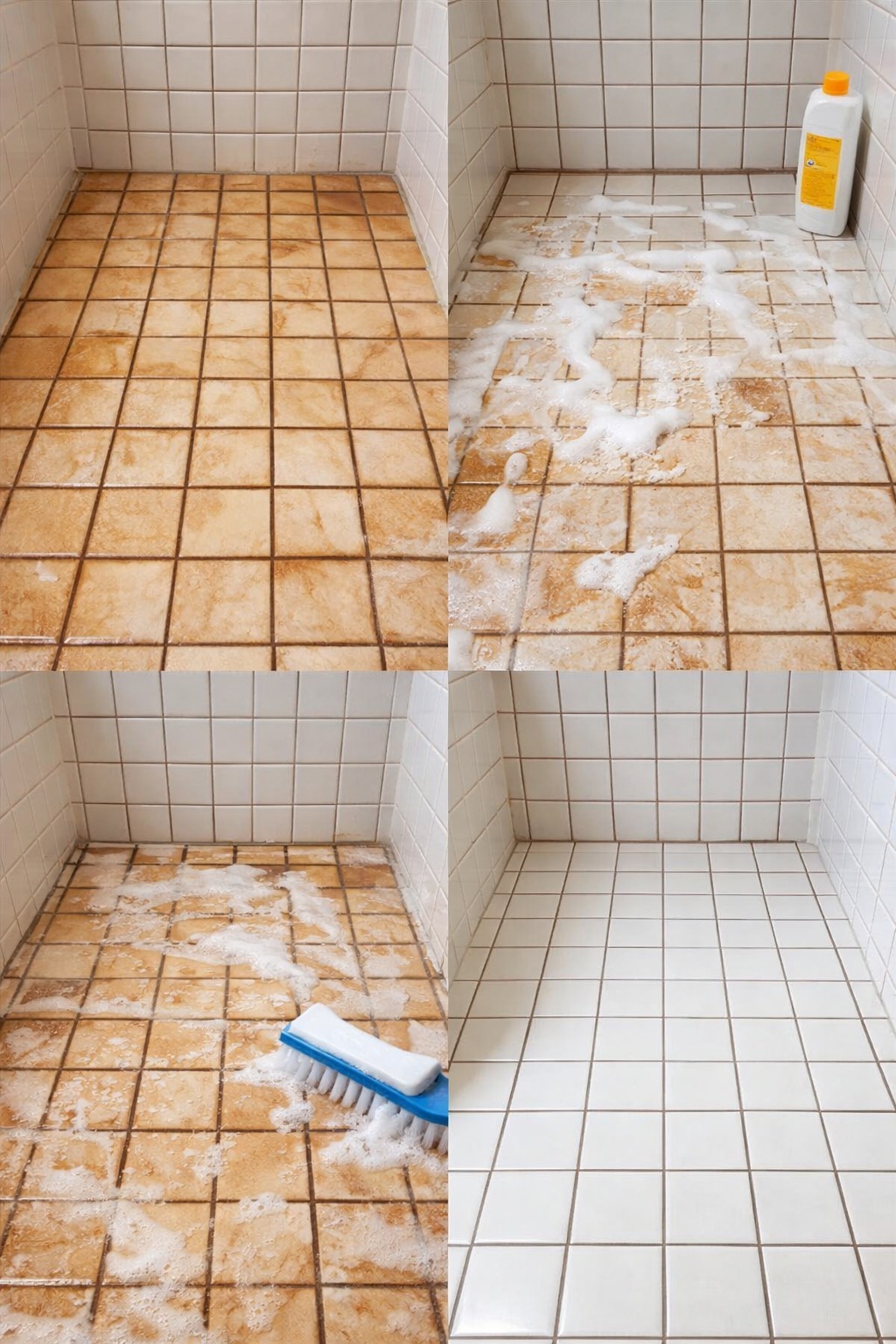
Homemade floor cleaner recipes have become increasingly popular, and for good reason. Many store-bought cleaners contain harsh chemicals, strong artificial fragrances, and unnecessary additives. With a simple homemade mixture, you can restore shine, remove dirt, and leave your floors smelling fresh—without damaging delicate surfaces. The best part? Most ingredients are already in your kitchen.
If your floors look dull, sticky, or tired, this easy mixture can make them look like new again. It works beautifully on tile, ceramic, vinyl, laminate, and even sealed hardwood floors (with slight adjustments).
Let’s break it down.
Why Make Your Own Floor Cleaner?
There are several benefits to switching to a homemade solution:
-
Cost-effective – No need to buy expensive specialty cleaners.
-
Safer for families and pets – Fewer harsh chemicals.
-
Customizable scent – You control the fragrance.
-
Eco-friendly – Fewer plastic bottles and toxic residues.
Commercial cleaners often leave behind residue that builds up over time, causing floors to lose their shine. A natural solution cleans without that sticky film.
The Powerful 4-Ingredient Floor Cleaner
Ingredients:
-
1 cup white vinegar
-
1 tablespoon baking soda
-
1 tablespoon dish soap (mild, non-bleach)
-
2 liters warm water
Optional:
-
10–15 drops essential oil (lemon, lavender, eucalyptus, or peppermint)
How It Works
White vinegar acts as a natural disinfectant and cuts through grease.
Baking soda helps lift grime and neutralize odors.
Dish soap breaks down oils and sticky residues.
Warm water helps dissolve everything and enhances cleaning power.
When combined properly, these ingredients create a powerful yet gentle floor cleaner.
Step-by-Step Instructions
-
Fill a large bucket with 2 liters of warm water.
-
Slowly add 1 tablespoon baking soda.
-
Add 1 cup white vinegar (it will fizz slightly—that’s normal).
-
Stir gently.
-
Add 1 tablespoon dish soap.
-
If desired, add essential oils for fragrance.
-
Mix carefully to avoid too much foam.
Your cleaner is ready to use immediately.
How to Use It Properly
-
Sweep or vacuum floors first to remove dust and debris.
-
Dip your mop into the mixture and wring it out well.
-
Mop in sections.
-
Avoid soaking the floor—especially wood or laminate.
-
Allow to air dry.
For extra shine, go over the floor once more with clean warm water.
Surface-Specific Tips
Tile & Ceramic
This mixture works perfectly. It removes grime from grout lines and restores shine.
Vinyl & Linoleum
Use as directed, but make sure the mop is only damp, not dripping.
Sealed Hardwood
Reduce vinegar to ½ cup and skip baking soda if preferred. Too much moisture can damage wood, so wring out the mop very well.
Laminate
Use a lightly damp mop only. Avoid excessive water.
Extra Shine Boost Option
If your floors look extremely dull, add:
-
1 tablespoon rubbing alcohol
This helps speed drying and adds extra shine, especially on tile and laminate.
Deep Cleaning Version (For Heavy Dirt)
For floors that haven’t been cleaned in a while:
-
1 cup vinegar
-
1 tablespoon dish soap
-
1 tablespoon baking soda
-
1 tablespoon rubbing alcohol
-
2 liters warm water
Let the solution sit on tough spots for 2–3 minutes before mopping over them.
What NOT to Mix
Avoid mixing vinegar with:
-
Bleach
-
Hydrogen peroxide
These combinations can create harmful fumes.
Also avoid using vinegar on:
-
Natural stone (marble, granite, travertine)
It can dull and damage the surface.
How Often Should You Use It?
-
High-traffic areas: 2–3 times per week
-
Low-traffic areas: Once per week
Regular cleaning prevents buildup and keeps floors looking polished.
Natural Fragrance Ideas
Instead of artificial scents, try:
-
Lemon essential oil for freshness
-
Lavender for a calming scent
-
Eucalyptus for a spa-like feel
-
Peppermint for a crisp, clean aroma
Just 10–15 drops is enough for a bucket.
Why Floors Lose Their Shine
Over time, residue from:
-
Shoes
-
Cooking grease
-
Cleaning products
-
Hard water
can build up. This layer dulls the surface and makes floors appear worn. A simple acidic solution like vinegar breaks down that residue naturally.
Budget Breakdown
Store-bought cleaners can cost significantly over time. This homemade version costs only a fraction per batch and can clean your entire home.
Safety Tips
-
Always test in a small hidden area first.
-
Keep out of reach of small children.
-
Do not store in sealed bottles if baking soda and vinegar are still reacting.
-
Label your mixture clearly if storing short-term.
Final Thoughts
With just vinegar, baking soda, dish soap, and water, you can transform dull floors into sparkling surfaces again. This simple homemade cleaner cuts grease, removes residue, neutralizes odors, and leaves your home smelling fresh—all without harsh chemicals.
