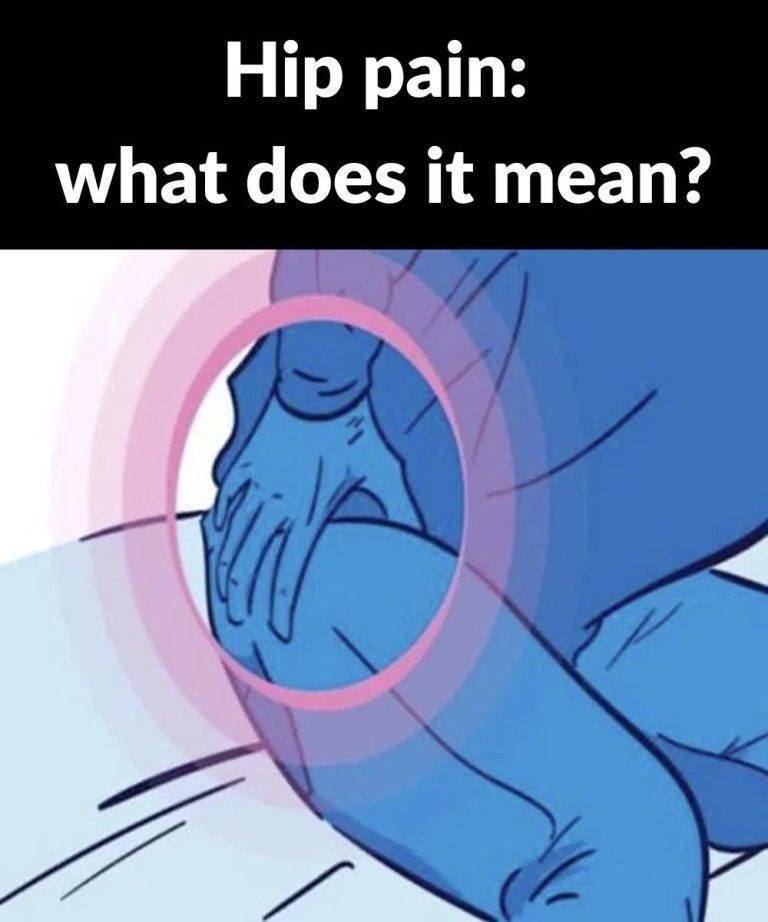
Hip pain is a common complaint that can affect people of all ages, from active young adults to older individuals. While it might seem like a simple ache after a long day, hip pain can sometimes signal underlying issues that deserve attention. Understanding what hip pain means, its possible causes, and how to manage it can help you take better care of your body and prevent long-term complications.
🚀 Make Money Online – Up to $50 Per Day!
Understanding Hip Pain
The hip is one of the largest and most important joints in the body. It connects the thigh bone (femur) to the pelvis, allowing for smooth movement when walking, sitting, or standing. Because it bears much of the body’s weight, the hip joint is vulnerable to wear and tear, injuries, and inflammation.
Hip pain can be felt in different areas:
- Front of the hip or groin – often related to joint problems
- Outer hip or thigh – commonly linked to muscles, tendons, or bursae
- Back of the hip or buttock – may be related to the lower back or sciatic nerve
The location of the pain can give important clues about its cause.
Common Causes of Hip Pain
Hip pain can result from a wide range of conditions, from minor strains to more serious disorders. Some of the most common causes include:
1. Muscle Strain and Overuse
One of the most frequent reasons for hip pain is muscle strain. This can happen due to intense physical activity, improper exercise technique, or sudden movements. Athletes and people with physically demanding jobs are especially at risk.
Symptoms often include:
- Sharp or aching pain
- Stiffness
- Pain that worsens with movement
2. Arthritis
Arthritis is a leading cause of hip pain, especially in older adults. The most common type is osteoarthritis, which occurs when the cartilage that cushions the joint wears down over time.
Signs of arthritis include:
- Gradual onset of pain
- Stiffness, especially in the morning
- Reduced range of motion
3. Bursitis
Bursae are small fluid-filled sacs that cushion the bones, tendons, and muscles around joints. When they become inflamed, it leads to bursitis, causing pain on the outer part of the hip.
This pain may:
- Worsen when lying on the affected side
- Increase with prolonged activity
4. Tendinitis
Tendinitis occurs when tendons become inflamed due to overuse or repetitive motion. It often affects people who engage in activities like running or cycling.
Symptoms include:
- Pain during movement
- Tenderness around the joint
- Swelling
5. Hip Labral Tear
The labrum is a ring of cartilage that surrounds the hip socket. A tear can occur due to injury or repetitive motion.
People with a labral tear may experience:
- Clicking or locking sensation
- Groin pain
- Stiffness
6. Sciatica
Sometimes hip pain doesn’t originate in the hip itself. Sciatica occurs when the sciatic nerve is compressed, often due to a herniated disc in the lower spine.
Symptoms include:
- Pain radiating from the lower back to the hip and leg
- Tingling or numbness
- Weakness in the leg
7. Fractures or Injuries
Falls or accidents can cause hip fractures, especially in older adults with weaker bones. This type of pain is usually severe and requires immediate medical attention.
When Should You Be Concerned?
While mild hip pain often resolves with rest and simple care, certain symptoms should not be ignored. Seek medical attention if you experience:
- Severe or sudden pain
- Inability to bear weight on the leg
- Swelling or deformity
- Pain that persists for several weeks
- Fever along with joint pain
These signs may indicate a more serious condition that requires professional treatment.
Natural Ways to Relieve Hip Pain
For mild to moderate hip pain, there are several effective home remedies and lifestyle changes that can help:
1. Rest and Activity Modification
Avoid activities that worsen the pain. Give your body time to heal, but don’t remain completely inactive, as gentle movement helps maintain flexibility.
2. Cold and Heat Therapy
- Cold packs can reduce inflammation and numb pain, especially after activity
- Heat therapy can relax muscles and improve blood flow
3. Gentle Stretching and Exercise
Simple stretches and strengthening exercises can improve flexibility and support the hip joint. Focus on low-impact activities like walking, swimming, or yoga.
4. Maintain a Healthy Weight
Excess weight puts additional pressure on the hip joint, increasing pain and accelerating wear and tear. Maintaining a healthy weight can significantly reduce stress on the hips.
5. Proper Posture
Poor posture can strain the hips and lower back. Sitting and standing correctly helps distribute weight evenly and reduces discomfort.
A Simple Anti-Inflammatory Drink (“Recipe”)
Here’s a natural drink that may help reduce inflammation and support joint health:
Ingredients:
- 1 cup warm water
- 1 teaspoon turmeric powder
- ½ teaspoon grated ginger
- 1 teaspoon honey
- A squeeze of lemon juice
Instructions:
- Warm the water (do not boil).
- Add turmeric and ginger, and stir well.
- Mix in honey and lemon juice.
- Drink once daily, preferably in the morning.
Turmeric and ginger are known for their anti-inflammatory properties, which may help ease joint discomfort over time.
Final Thoughts
Hip pain can mean many different things, from a simple muscle strain to a more complex joint condition. Paying attention to where the pain is located, how it feels, and when it occurs can help you understand its cause. While many cases improve with rest and home care, persistent or severe pain should always be evaluated by a healthcare professional.
