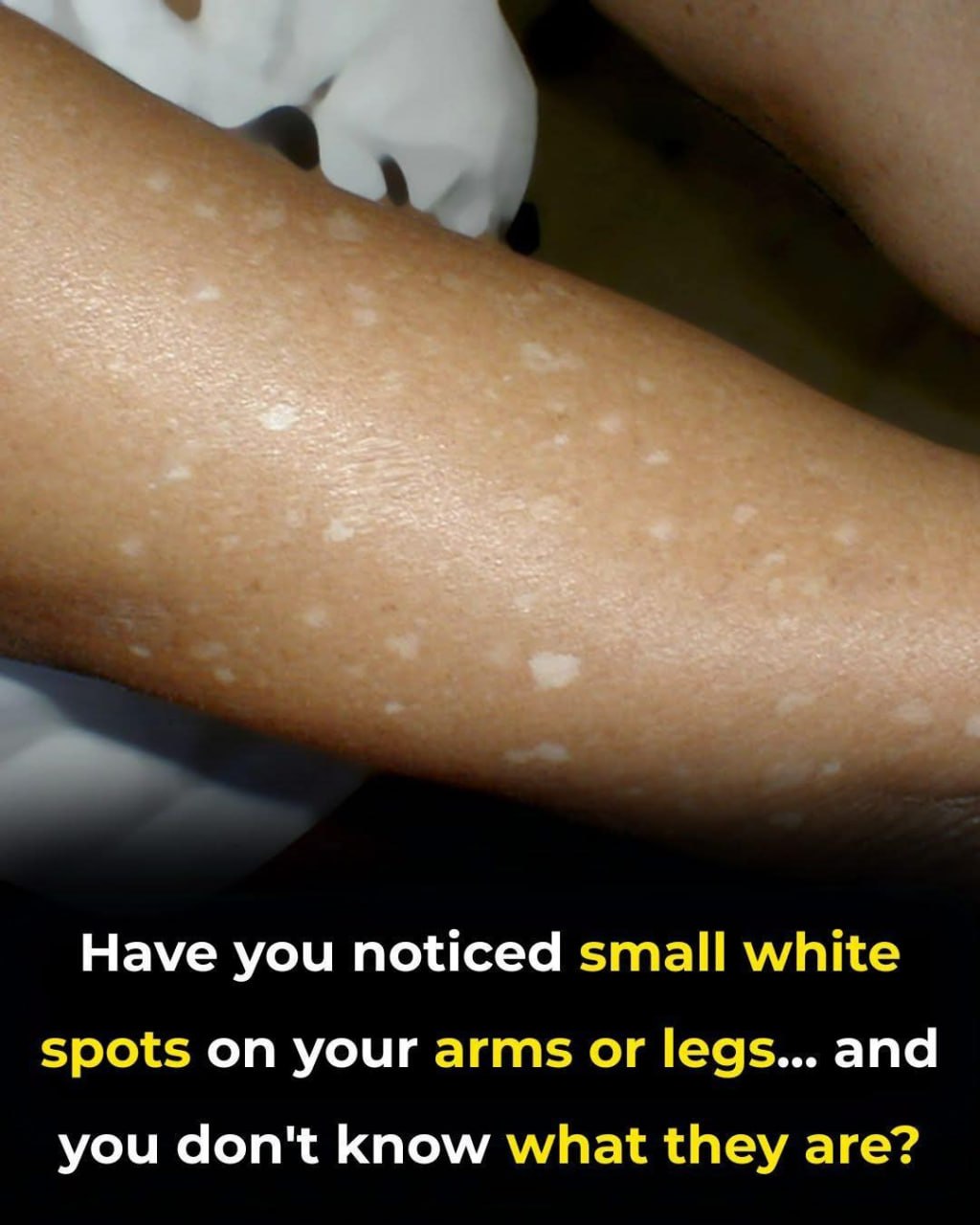
Have you ever looked down at your arms or legs and noticed tiny white spots scattered across your skin? At first glance, they might seem harmless—or even a bit puzzling. You may wonder if they’re caused by dryness, aging, or something more serious. The truth is, these small white spots are quite common, and in most cases, they’re completely harmless. However, understanding what they are and why they appear can help you take better care of your skin and know when it might be time to seek medical advice.
🚀 Make Money Online – Up to $50 Per Day!
One of the most common causes of small white spots on the skin is a condition called idiopathic guttate hypomelanosis (IGH). This condition typically appears as small, round or oval white patches on areas that are frequently exposed to the sun, such as the forearms, shins, and shoulders. IGH is more common in people over the age of 40, but it can also occur earlier, especially in those with significant sun exposure. These spots develop because of a reduction in melanin, the pigment responsible for giving your skin its color. Over time, sun damage can disrupt melanin production, leading to these lighter patches.
Another possible cause of white spots is a fungal infection known as tinea versicolor. Unlike IGH, tinea versicolor can appear on various parts of the body, including the chest, back, neck, and arms. It’s caused by an overgrowth of yeast that naturally lives on the skin. This condition can result in patches that are lighter or darker than your natural skin tone and may sometimes be slightly itchy or scaly. The good news is that tinea versicolor is treatable with antifungal creams, shampoos, or medications prescribed by a doctor.
White spots can also be associated with vitiligo, a condition in which the immune system attacks the cells that produce melanin. This leads to clearly defined white patches that can appear anywhere on the body. Unlike IGH, vitiligo patches are often larger and may spread over time. While vitiligo is not harmful or contagious, it can have a significant emotional impact due to its visible nature. Treatment options are available to help manage the condition and restore some pigmentation, but results can vary from person to person.
In some cases, white spots may simply be a result of dry skin or minor skin damage. When the skin becomes dehydrated, it can appear dull and uneven, sometimes creating the illusion of lighter patches. Similarly, healed cuts, burns, or insect bites can leave behind temporary white marks as the skin regenerates. These spots usually fade over time and don’t require any special treatment beyond proper skincare.
Nutritional deficiencies can also play a role in skin discoloration. A lack of essential vitamins and minerals, such as vitamin D, vitamin E, or calcium, may contribute to changes in skin tone. While this is less common, maintaining a balanced diet rich in nutrients can support overall skin health and reduce the likelihood of such issues.
If you’re noticing white spots on your skin, it’s important to pay attention to their size, shape, and any accompanying symptoms. Are they spreading? Do they itch or flake? Have they appeared suddenly or gradually over time? These details can help determine the underlying cause. In most cases, white spots are harmless and don’t require treatment. However, if you’re concerned or if the spots are changing, it’s always a good idea to consult a dermatologist for an accurate diagnosis.
Taking care of your skin can also help prevent or minimize the appearance of white spots. Protecting your skin from excessive sun exposure is one of the most effective steps you can take. Regular use of sunscreen with a high SPF can help maintain even pigmentation and reduce the risk of sun-related skin changes. Moisturizing your skin daily can also improve its texture and appearance, especially if dryness is a contributing factor.
If the white spots are caused by a fungal infection, maintaining good hygiene and keeping your skin dry can help prevent recurrence. Wearing breathable clothing and avoiding excessive sweating can also make a difference. For conditions like vitiligo or IGH, treatment options may include topical creams, light therapy, or cosmetic solutions to even out skin tone.
In conclusion, small white spots on your arms or legs are usually nothing to worry about. They can result from a variety of causes, ranging from harmless age-related changes to minor infections or skin conditions. Understanding the possible reasons behind these spots can help you feel more confident and informed about your skin. While most cases don’t require medical attention, staying aware of any changes and practicing good skincare habits can go a long way in keeping your skin healthy and radiant.
