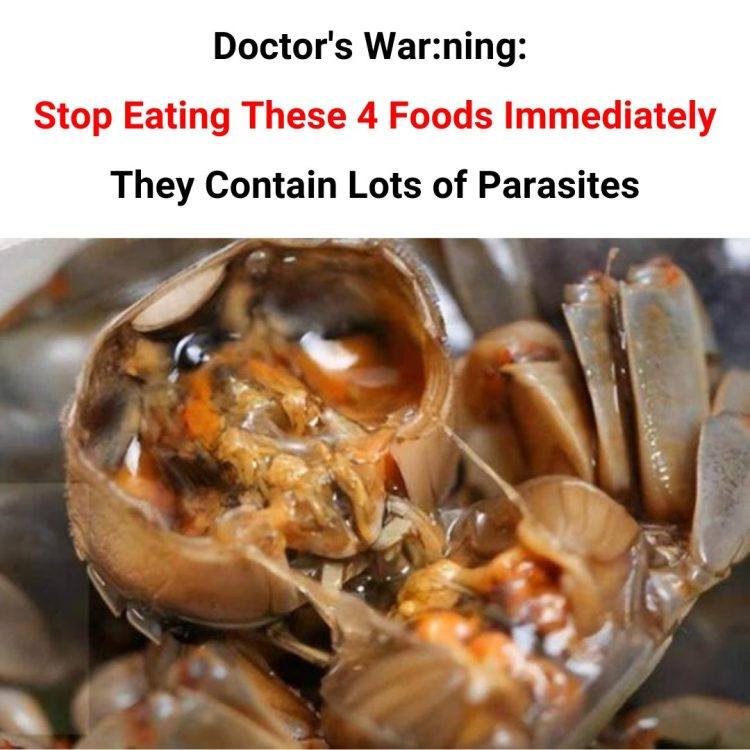
Over the past few months, a dramatic headline has been circulating across social media, blogs, and messaging apps: “Doctors warn: Limit eating these 4 foods immediately, they contain a lot of parasites.” It sounds alarming, urgent, and authoritative. But is it actually true?
Short answer: No—at least not in the way the headline suggests.
Long answer: the claim is a mix of half-truths, exaggeration, and fear-based misinformation that spreads easily because it taps into a very real concern: food safety.
Let’s unpack where this claim comes from, what science actually says, and what you should do instead.
Why This Claim Goes Viral So Easily
Parasites are real. Foodborne illnesses are real. Doctors do warn about improper food handling. That’s why these headlines feel believable.
But viral posts often:
-
Lack named doctors or credible sources
-
Use vague language like “experts say”
-
Ignore context, food safety standards, and preparation methods
-
Turn rare risks into daily threats
Fear spreads faster than facts—especially when food is involved.
The “4 Foods” Usually Named — And the Truth About Each
Most versions of the claim list some combination of these foods:
1. Raw or Undercooked Meat
Truth:
Yes, raw or undercooked meat can contain parasites such as Toxoplasma or Trichinella. But this is not new information, and it’s not a reason to avoid meat entirely.
Reality check:
-
Proper cooking kills parasites
-
Freezing meat (as required in many countries) reduces risk
-
Modern meat inspection standards make parasite infections rare
Doctors don’t say “never eat meat”—they say cook it properly.
2. Raw Fish (Sushi)
Truth:
Certain parasites like Anisakis can exist in raw fish.
What viral posts ignore:
-
Sushi-grade fish is deep-frozen by law in many countries
-
Freezing kills parasites
-
Regulated restaurants follow strict safety rules
Doctors warn against unregulated raw fish, not sushi as a whole.
3. Unwashed Fruits and Vegetables
Truth:
Yes, parasites can be present on produce grown in contaminated soil.
But here’s the missing part:
-
Washing produce thoroughly removes most risks
-
This does not mean fruits and vegetables are “dangerous”
-
The health benefits of produce far outweigh the risks
Doctors encourage washing, not avoiding.
4. Unpasteurized Dairy Products
Truth:
Unpasteurized milk and cheese can carry harmful organisms, including parasites.
Important distinction:
-
This applies mostly to raw, unregulated dairy
-
Pasteurized dairy is considered safe by health authorities worldwide
Doctors warn specific populations (pregnant women, elderly, immunocompromised) to be cautious—not the general public to panic.
What Doctors Actually Say About Parasites
Medical professionals agree on a few simple principles:
-
Parasite infections from food are rare in developed food systems
-
Risk depends more on handling and preparation, not the food itself
-
Fear-based food restrictions can cause nutritional deficiencies
-
Hygiene and cooking practices matter far more than avoidance
No major medical organization has issued a warning to “limit eating 4 foods immediately” due to parasites.
Why This Claim Is Dangerous
Ironically, these viral warnings can do more harm than good.
They may:
-
Cause unnecessary fear around healthy foods
-
Push people toward overly restrictive diets
-
Spread distrust in food systems without evidence
-
Distract from real food safety advice
Misinformation thrives when nuance is removed.
The Real Food Safety Rules You Should Follow
Instead of panicking over viral headlines, doctors recommend these evidence-based habits:
-
Cook meat and fish to safe temperatures
-
Wash fruits and vegetables thoroughly
-
Avoid unregulated raw dairy products
-
Practice good kitchen hygiene
-
Buy food from reputable sources
Simple, boring—and effective.
Final Verdict: Myth With a Grain of Truth
Yes, parasites exist.
Yes, food safety matters.
But no, doctors are not urging people to immediately limit eating four common foods because they “contain a lot of parasites.”
