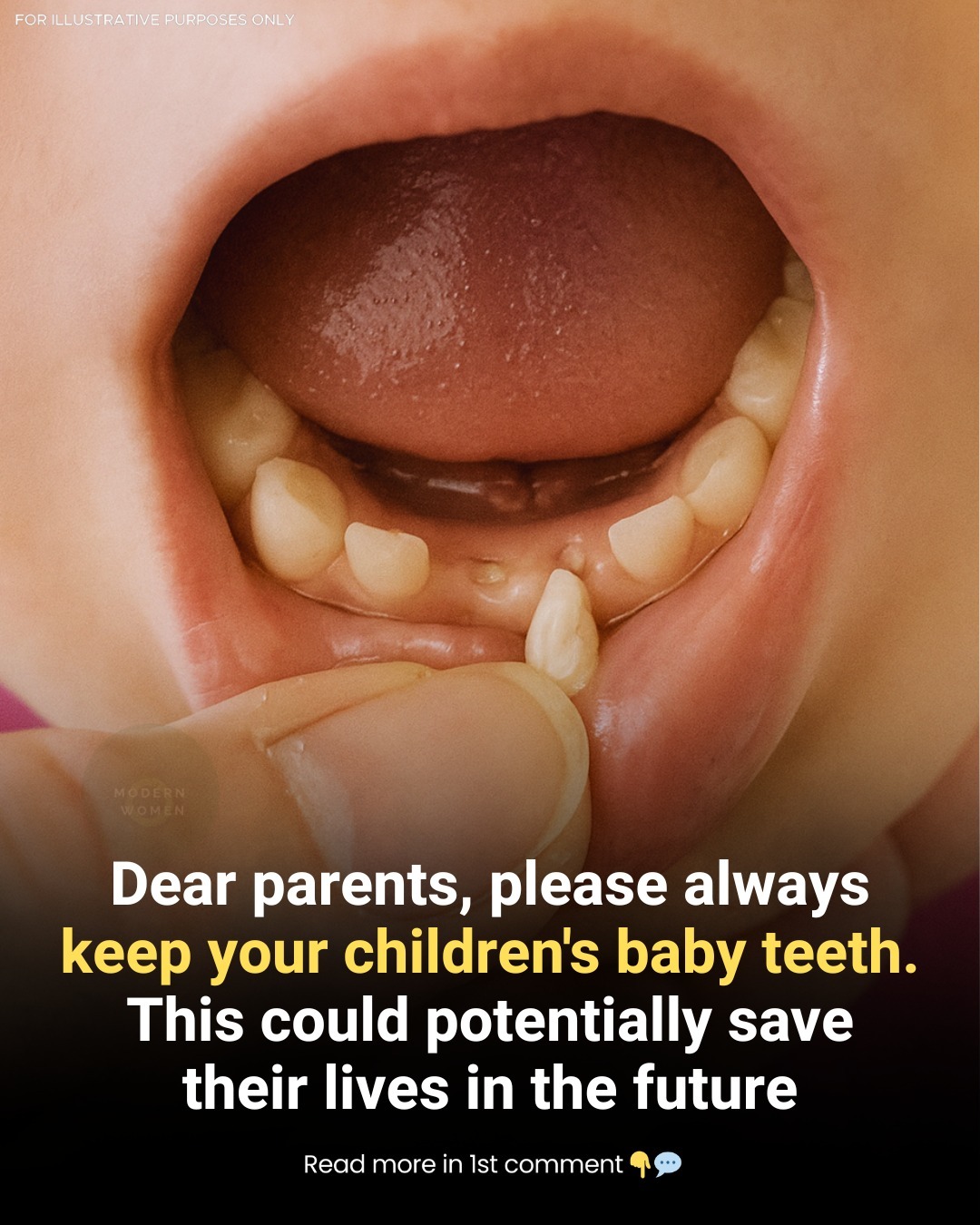
As parents, we celebrate every milestone in our child’s life—their first smile, first word, and especially their first tooth. Those tiny pearly whites may seem temporary, but baby teeth are far more important than many people realize. Too often, parents think, “They’re just baby teeth—they’ll fall out anyway.” However, these small teeth play a powerful role in your child’s health, development, and future smile.
Let’s explore why keeping your children’s baby teeth healthy and intact is one of the best investments you can make in their overall well-being.
What Are Baby Teeth?
4
Baby teeth, also known as primary teeth, typically begin to appear around six months of age. By the time your child turns three, they usually have a full set of 20 baby teeth. These teeth remain in place until about age six, when they gradually begin to fall out to make room for permanent teeth.
Although temporary, baby teeth are essential for:
Proper chewing and nutrition
Speech development
Maintaining space for permanent teeth
Building confidence through a healthy smile
Why Baby Teeth Matter More Than You Think
1. They Help Your Child Eat Properly
Healthy baby teeth allow children to chew food correctly. When teeth are damaged or lost too early due to cavities or injury, chewing becomes difficult and sometimes painful. This may lead to poor eating habits or nutritional deficiencies.
Strong baby teeth support a balanced diet, ensuring your child receives the nutrients needed for healthy growth and development.
2. They Support Clear Speech Development
Teeth play an important role in pronunciation. Many sounds—like “s,” “th,” and “f”—require proper tooth placement. If baby teeth are lost too early, speech development may be affected. Children may struggle with articulation, leading to frustration or confidence issues.
Maintaining healthy primary teeth helps your child speak clearly and confidently.
3. They Hold Space for Permanent Teeth
Each baby tooth acts as a placeholder for the permanent tooth growing underneath. If a baby tooth falls out too early due to decay, neighboring teeth can shift into the empty space. This can block permanent teeth from coming in correctly, potentially leading to crowding or misalignment.
Orthodontic problems later in life often begin with early loss of baby teeth. Protecting these teeth can reduce the need for braces or complex dental treatments in the future.
4. They Prevent Infections and Pain
Tooth decay in baby teeth is not harmless. Cavities can cause significant pain, infections, and even abscesses. In severe cases, untreated dental infections can affect overall health.
Bacteria from decayed teeth may spread to other parts of the body. Maintaining good oral hygiene from infancy protects your child from unnecessary pain and medical complications.
Common Myths About Baby Teeth
Myth 1: “They’ll fall out anyway, so treatment isn’t necessary.”
This is one of the most harmful misconceptions. Even though baby teeth are temporary, they need proper care. Ignoring cavities can cause pain and long-term damage to permanent teeth developing beneath them.
Myth 2: “Children are too young for the dentist.”
Dental professionals recommend a child’s first dental visit by their first birthday or when the first tooth appears. Early visits help detect problems and establish healthy habits.
Myth 3: “Cavities in baby teeth don’t affect permanent teeth.”
Infections in baby teeth can damage developing permanent teeth underneath. Protecting baby teeth protects the future smile.
How to Care for Baby Teeth Properly
4
Caring for baby teeth does not need to be complicated. Simple daily habits make a huge difference.
1. Start Early
Even before teeth appear, gently wipe your baby’s gums with a clean, damp cloth after feedings. Once the first tooth erupts, use a soft-bristled toothbrush and a tiny smear of fluoride toothpaste.
2. Brush Twice Daily
Brush your child’s teeth in the morning and before bedtime. For children under three, use a rice-sized amount of toothpaste. For ages three to six, use a pea-sized amount.
Supervise brushing until your child develops proper technique, usually around age 7 or 8.
3. Limit Sugary Foods and Drinks
Frequent snacking on sugary foods increases the risk of cavities. Avoid putting your child to bed with milk or juice bottles, as sugars can sit on teeth overnight and cause decay.
Encourage water between meals and healthy snacks like fruits, vegetables, and cheese.
4. Schedule Regular Dental Visits
Routine dental checkups every six months help catch problems early. Dentists can apply protective fluoride treatments and sealants to reduce cavity risk.
Emotional and Social Benefits of Healthy Baby Teeth
A healthy smile builds confidence. Children with dental pain may avoid smiling, speaking, or interacting with others. Untreated dental problems can affect self-esteem and social development.
When children feel good about their smile, they are more likely to participate in school activities, communicate openly, and build friendships.
The Long-Term Impact
Good oral hygiene habits formed in early childhood often last a lifetime. Teaching your child to value dental health sets the foundation for healthy permanent teeth and fewer dental problems as adults.
Baby teeth are the training ground for lifelong oral health. By caring for them properly, you are teaching responsibility, discipline, and self-care.
A Loving Reminder to Parents
Dear parents, your child’s baby teeth may be small, but their importance is enormous. They are not disposable or unimportant. They guide speech, nutrition, facial development, and future dental alignment.
Protecting baby teeth means protecting your child’s comfort, health, and confidence. Simple daily care, regular dental visits, and healthy habits can prevent pain and costly treatments later.
When you help your child brush their tiny teeth each night, you are doing much more than cleaning enamel—you are building a foundation for a lifetime of healthy smiles.
