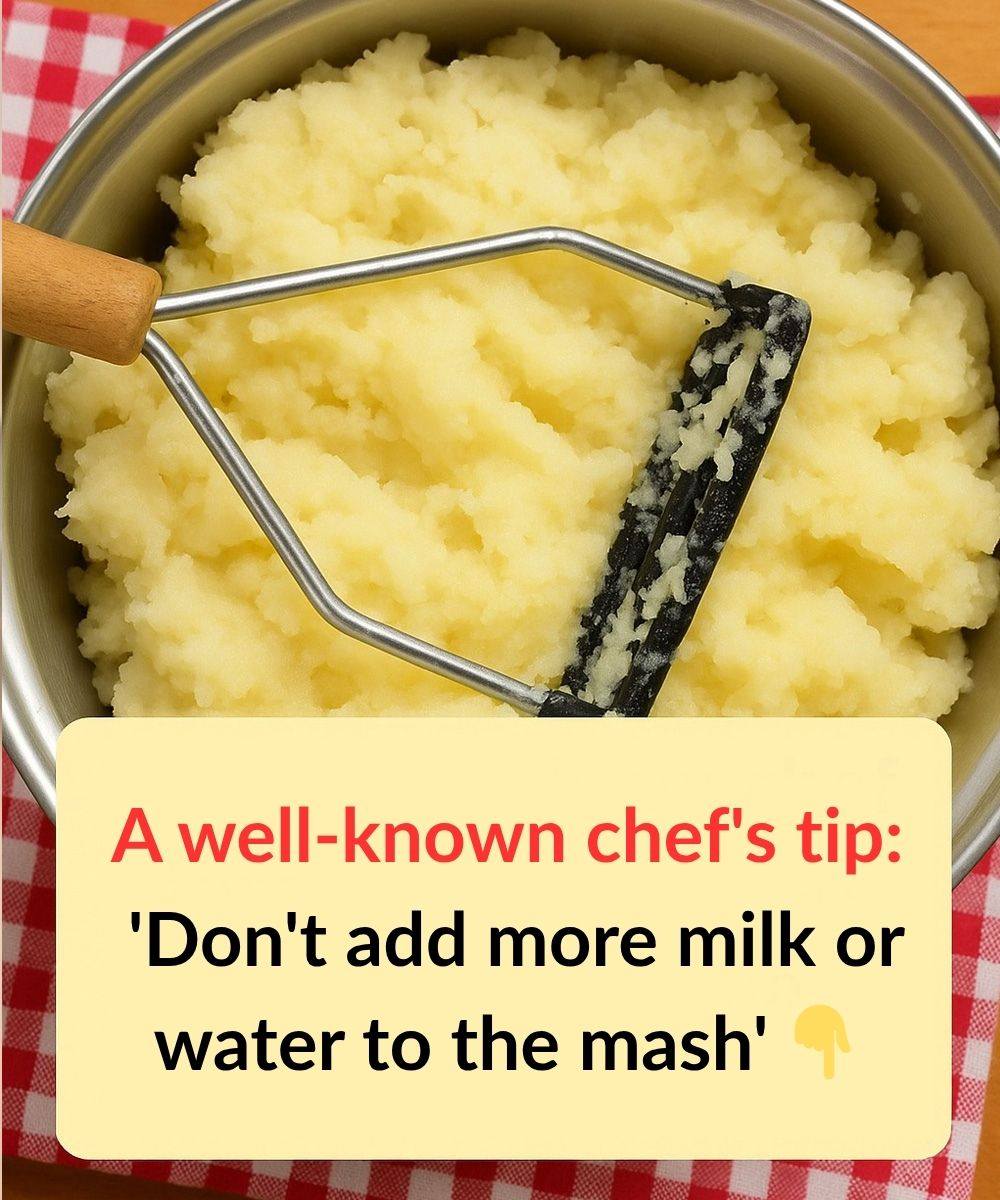
Mashed potatoes are one of the most beloved comfort foods around the world. Soft, fluffy, and buttery, they pair perfectly with everything from roasted chicken to grilled steak. Although they seem simple to prepare, achieving perfectly smooth and creamy mashed potatoes requires a few important techniques. One well-known chef’s tip is especially important: don’t add too much milk or water to the mash. Doing so can make the potatoes gluey and watery instead of light and fluffy.
In this detailed guide, you’ll learn how to make rich, creamy mashed potatoes the right way.
Ingredients
-
1 kg (2.2 lbs) potatoes (Yukon Gold or Russet work best)
-
4 tablespoons unsalted butter (room temperature)
-
½ cup warm milk or cream (adjust as needed)
-
Salt to taste
-
Optional: black pepper, garlic, chopped parsley
Choosing the Right Potatoes
The type of potato you use makes a big difference. Yukon Gold potatoes produce naturally creamy mash with a buttery flavor. Russet potatoes are starchier and give you a fluffier texture. Avoid waxy potatoes like red potatoes if you want smooth mash, as they can turn slightly gluey.
Step-by-Step Instructions
1. Peel and Cut Evenly
Peel the potatoes and cut them into evenly sized chunks. This ensures they cook at the same rate. Uneven pieces may result in some being overcooked while others remain firm.
2. Start in Cold Water
Place the potato chunks in a pot and cover them with cold water. Starting with cold water helps the potatoes cook evenly from the inside out. Add a generous pinch of salt to the water.
3. Boil Gently
Bring the pot to a boil over medium-high heat. Once boiling, reduce to a gentle simmer and cook for about 15–20 minutes, or until the potatoes are fork-tender. Do not overboil, as waterlogged potatoes can lead to watery mash.
4. Drain Thoroughly
Drain the potatoes well and return them to the hot pot. Let them sit for 1–2 minutes over low heat to allow excess moisture to evaporate. This step is crucial for fluffy mashed potatoes.
5. Mash While Hot
Use a potato masher, ricer, or food mill to mash the potatoes while they are still hot. Avoid using a blender or food processor, as overmixing can release too much starch and create a glue-like texture.
The Chef’s Secret: Don’t Add Too Much Liquid
Many people believe adding extra milk or water makes mashed potatoes creamier. In reality, too much liquid can ruin the texture. Instead:
-
Warm the milk or cream before adding it. Cold liquid cools down the potatoes and affects texture.
-
Add butter first and mix well. The fat coats the starch, helping maintain fluffiness.
-
Slowly pour in warm milk or cream in small amounts, mixing gently until you reach the desired consistency.
Remember, you can always add more liquid — but you can’t remove it once added.
Seasoning and Flavor Variations
Classic mashed potatoes need only butter and salt, but you can enhance the flavor in many ways:
-
Garlic Mashed Potatoes: Add roasted or sautéed garlic.
-
Cheesy Mash: Stir in grated Parmesan or cheddar cheese.
-
Herb Mash: Mix in fresh parsley, chives, or thyme.
-
Cream Cheese Addition: A spoonful of cream cheese makes them extra rich.
Taste and adjust seasoning before serving.
Common Mistakes to Avoid
-
Overmixing: Leads to sticky, gummy potatoes.
-
Adding cold milk: Can make mash dense and less smooth.
-
Skipping the drying step: Extra moisture causes watery mash.
-
Undersalting: Potatoes need proper seasoning to bring out their flavor.
Serving Suggestions
Mashed potatoes pair beautifully with:
-
Roast chicken
-
Grilled steak
-
Turkey and gravy
-
Meatloaf
-
Sausages
-
Vegetable stews
They also make a perfect base for shepherd’s pie or can be piped decoratively onto casseroles.
Storage Tips
If you have leftovers:
-
Store in an airtight container in the refrigerator for up to 3 days.
-
Reheat gently over low heat, adding a splash of warm milk if needed.
-
Avoid microwaving for too long, as it can dry them out.
Mashed potatoes can also be frozen, although the texture may slightly change upon thawing.
Final Thoughts
Perfect mashed potatoes are all about technique. Choose the right potatoes, cook them properly, remove excess moisture, and most importantly — don’t overload them with milk or water. Adding liquid gradually and gently mixing ensures a smooth, creamy texture every time.
With these tips, you’ll never serve bland or watery mashed potatoes again. Instead, you’ll have a fluffy, buttery side dish that feels luxurious yet comforting — the kind that disappears quickly from the dinner table.
Once you master this classic recipe, you can experiment with flavors and make it your own. Whether served at a holiday feast or a simple weeknight dinner, mashed potatoes remain one of the most satisfying and timeless dishes in home cooking.
