7 Common Morning Signs That May Indicate High Blood Sugar Levels

Waking up in the morning should feel refreshing, but for many people, the early hours bring strange discomforts they brush off as “normal.” What most don’t realize is that the body often sends early warning signals overnight and first thing in the morning—especially when blood sugar levels are higher than they should be. Because blood glucose naturally fluctuates during sleep, the morning can reveal clues that go unnoticed during the day.

High blood sugar (hyperglycemia) doesn’t always cause dramatic symptoms at first. Instead, it whispers before it screams. Recognizing these subtle morning signs can help you take action early and protect your long-term health.

Below are 7 common morning signs that may indicate elevated blood sugar levels, explained clearly and naturally.

1. Waking Up Extremely Thirsty

If the first thing you crave every morning is a large glass of water—and your thirst feels intense rather than mild—it may be more than simple dehydration. High blood sugar causes the kidneys to work overtime to remove excess glucose through urine, which pulls water from the body. This fluid loss often becomes noticeable after hours of sleep.

Persistent morning thirst, especially when paired with frequent urination, is one of the body’s most common early signals of elevated blood sugar.

2. Dry Mouth or Sticky Feeling on the Tongue

A dry, cotton-like mouth upon waking can be another sign your blood sugar was elevated overnight. When glucose levels rise, saliva production can decrease, leaving the mouth dry and uncomfortable. Some people describe it as a sticky or pasty sensation that doesn’t go away immediately after brushing.

This symptom is often overlooked, but when it happens repeatedly, it deserves attention.

3. Morning Fatigue Despite Enough Sleep

Feeling tired after a full night’s sleep isn’t always due to poor rest. When blood sugar is high, glucose struggles to enter cells efficiently, meaning your body lacks usable energy—even when fuel is available.

As a result, you may wake up feeling:

  • Drained

  • Heavy-bodied

  • Mentally sluggish

This kind of fatigue tends to improve slightly during the day but returns each morning if blood sugar remains uncontrolled.

4. Blurry Vision Upon Waking

Temporary blurred vision in the morning can occur when elevated blood sugar causes fluid shifts in the eye’s lens. These changes affect how the eye focuses, leading to fuzziness or difficulty seeing clearly when you first wake up.

While vision often improves after blood sugar stabilizes, repeated morning blurriness may indicate ongoing glucose fluctuations that should not be ignored.

5. Headaches in the Early Hours

Morning headaches can have many causes, but high blood sugar is a lesser-known contributor. Elevated glucose levels can affect blood vessels and fluid balance, triggering tension-like or dull headaches upon waking.

If you frequently wake up with a headache that fades as the day goes on—especially when paired with thirst or fatigue—it may be linked to overnight blood sugar imbalance.

6. Frequent Morning Urination

Waking up once or multiple times during the night to urinate, followed by an urgent need to go again in the morning, can be a sign of excess glucose in the bloodstream. When blood sugar rises, the kidneys attempt to flush it out, producing more urine.

This process disrupts sleep and contributes to dehydration, fatigue, and thirst—creating a cycle that repeats daily.

7. Hunger Immediately After Waking

Feeling hungry in the morning is normal—but intense or urgent hunger, especially shortly after waking, can suggest blood sugar instability. When glucose isn’t being used properly by the cells, the body mistakenly signals hunger, even if energy stores are sufficient.

This can lead to cravings for carbohydrates or sugary foods early in the day, which may further worsen blood sugar control if not managed carefully.

Why Morning Signs Matter

Morning symptoms are particularly important because they reflect what happens overnight, when hormonal changes naturally raise blood sugar levels. For some people, this phenomenon—often called the “dawn effect”—can exaggerate existing glucose issues.

Ignoring these early signs may allow blood sugar problems to progress silently, increasing the risk of long-term complications over time.

What You Can Do Next

If you notice several of these signs occurring regularly:

  • Pay attention to patterns rather than one-time symptoms

  • Focus on balanced meals, hydration, and consistent sleep

  • Consider discussing your symptoms with a healthcare professional

Early awareness is powerful. Small adjustments made now can prevent bigger health challenges later.

Final Thought

Your body speaks every morning—sometimes quietly, sometimes clearly. Learning to listen can make all the difference. These signs don’t confirm a diagnosis, but they offer valuable clues that something may be out of balance. When it comes to blood sugar, early attention is one of the best forms of prevention.
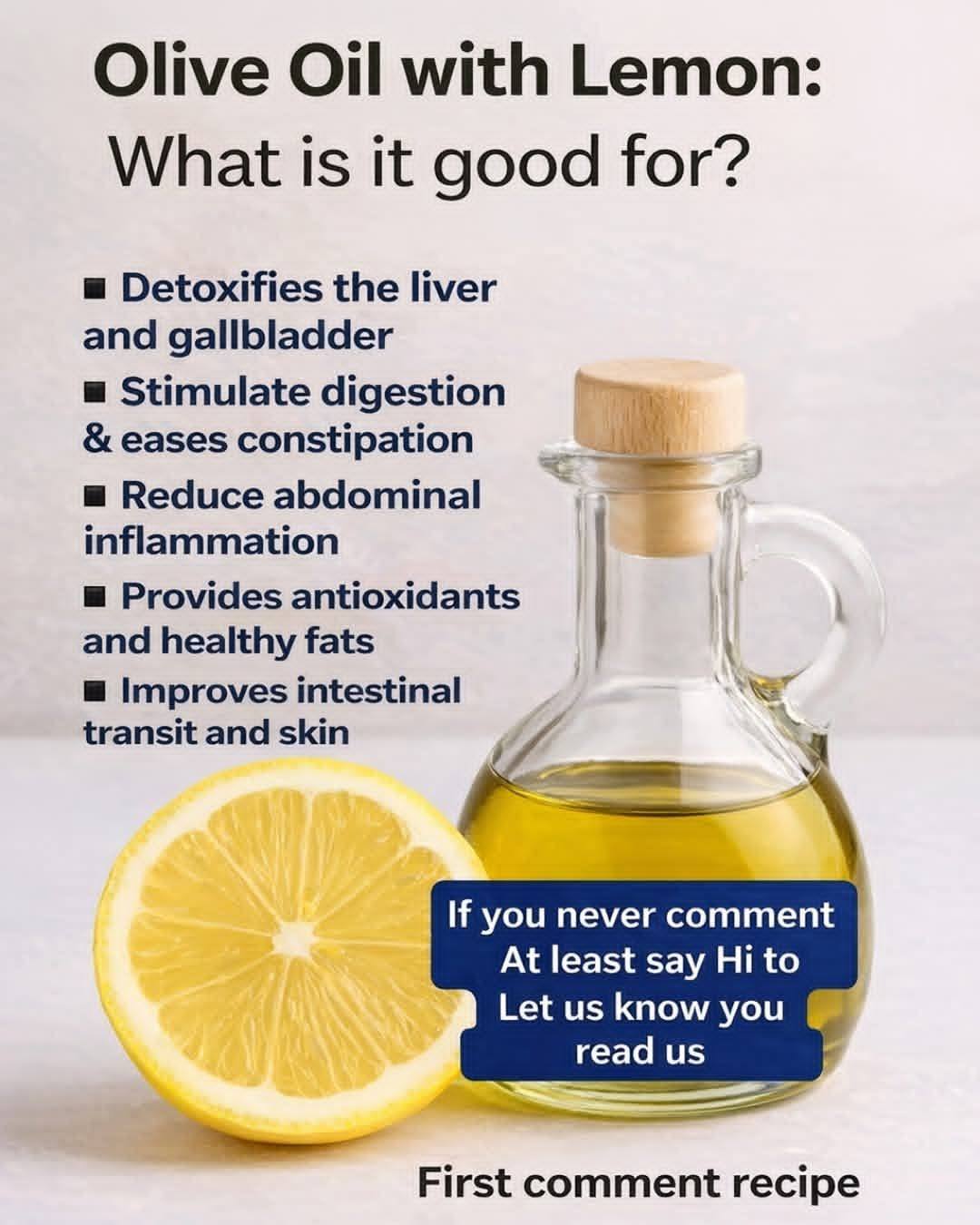

25 Health Benefits of Taking Olive Oil with Lemon

The simple habit of taking olive oil mixed with fresh lemon juice has been practiced for centuries in Mediterranean cultures. This powerful natural combination blends the healthy fats of olive oil with the vitamin-rich, detoxifying properties of lemon. While it may sound modest, this duo can support digestion, heart health, immunity, skin, and much more. Below are 25 impressive health benefits of taking olive oil with lemon regularly, followed by a simple way to use it safely.

1. Supports Digestive Health

Olive oil lubricates the digestive tract, while lemon stimulates digestive enzymes, helping food move smoothly through the intestines.

2. Helps Relieve Constipation

Taken in the morning, this combination acts as a gentle natural laxative, promoting regular bowel movements without harsh effects.

3. Aids Liver Detoxification

Lemon encourages bile production, while olive oil helps the liver flush out toxins more efficiently.

4. Protects Heart Health

Olive oil is rich in monounsaturated fats that help reduce bad (LDL) cholesterol, while lemon adds antioxidant protection.

5. Reduces Inflammation

Both ingredients contain anti-inflammatory compounds that may help calm chronic inflammation in the body.

6. Supports Healthy Blood Pressure

The polyphenols in olive oil and potassium in lemon contribute to balanced blood pressure levels.

7. Boosts Immune Function

Lemon is packed with vitamin C, which strengthens the immune system and helps the body fight infections.

8. Improves Nutrient Absorption

Healthy fats in olive oil help the body absorb fat-soluble vitamins like A, D, E, and K more effectively.

9. Supports Weight Management

This mixture helps control appetite, promotes satiety, and may reduce unhealthy snacking.

10. Enhances Skin Glow

Olive oil hydrates from within, while lemon supports collagen production, helping skin appear brighter and healthier.

11. Slows Signs of Aging

Antioxidants in both olive oil and lemon help neutralize free radicals that contribute to premature aging.

12. Strengthens Hair

Healthy fats nourish hair follicles, while lemon helps maintain a healthy scalp environment.

13. Supports Gallbladder Health

Regular intake may help prevent gallstone formation by improving bile flow.

14. Improves Gut Health

This combination supports beneficial gut bacteria, which play a key role in digestion and immunity.

15. Supports Joint Health

Anti-inflammatory properties may help reduce stiffness and discomfort in joints.

16. Helps Balance Blood Sugar

Olive oil slows sugar absorption, while lemon may help reduce blood sugar spikes after meals.

17. Freshens Breath

Lemon helps neutralize odor-causing bacteria, while olive oil reduces dryness in the mouth.

18. Supports Brain Function

Healthy fats are essential for brain health, and olive oil has been linked to improved cognitive function.

19. Aids Fat Metabolism

Lemon supports metabolic processes, while olive oil provides energy without spiking insulin.

20. Supports Healthy Vision

Antioxidants like vitamin E and polyphenols help protect eye health over time.

21. Reduces Acid Reflux Symptoms

Contrary to popular belief, lemon combined with olive oil may help balance stomach acidity in some people.

22. Helps Cleanse the Colon

This natural mixture supports gentle cleansing of the intestinal tract.

23. Supports Kidney Function

Lemon contains citric acid, which may help prevent kidney stone formation.

24. Improves Overall Energy

By supporting digestion and nutrient absorption, the body gains more usable energy throughout the day.

25. Encourages Longevity

Regular consumption aligns with Mediterranean dietary patterns associated with longer, healthier lives.

Simple Olive Oil and Lemon “Recipe”

Ingredients:

  • 1 tablespoon extra virgin olive oil

  • 1 tablespoon freshly squeezed lemon juice

How to Use:

  • Mix both ingredients well

  • Take once daily, preferably in the morning on an empty stomach

Tips:

  • Always use high-quality extra virgin olive oil

  • Fresh lemon juice works best—avoid bottled juice

  • Start with smaller amounts if you have a sensitive stomach

Final Thoughts

Taking olive oil with lemon is a simple, affordable, and natural habit that supports many aspects of health when used consistently. While it’s not a miracle cure, it can be a powerful addition to a balanced lifestyle focused on whole foods, hydration, and movement. As with any natural remedy, moderation and consistency are key.

One Month Before a Heart Attack, Your Body Will Alert You: Here Are the 6 Symptoms

A heart attack rarely comes out of nowhere. In many cases, the body begins sending warning signals weeks—sometimes even a month—before the event occurs. Unfortunately, these early signs are often subtle, misunderstood, or brushed off as stress, aging, or everyday fatigue. Recognizing these symptoms early can be lifesaving. Understanding what your body is trying to tell you gives you a crucial opportunity to seek medical help before irreversible damage occurs.

Below are six common warning signs that may appear up to a month before a heart attack, along with explanations of why they happen and when you should take them seriously.

1. Unusual and Persistent Fatigue

One of the earliest and most commonly ignored warning signs is unusual fatigue. This is not normal tiredness after a long day—it’s a deep, persistent exhaustion that doesn’t improve with rest. Everyday activities such as showering, walking short distances, or making the bed may suddenly feel overwhelming.

This happens because the heart is struggling to pump enough blood to meet the body’s oxygen demands. As blood flow to muscles and organs decreases, energy levels drop dramatically. Many people, especially women, report extreme fatigue weeks before a heart attack, yet dismiss it as stress or lack of sleep.

Red flag: Fatigue that is new, unexplained, and worsening over time.

2. Shortness of Breath

If you find yourself getting out of breath more easily than usual, even while resting or doing light activities, your heart may be signaling distress. Shortness of breath can occur weeks before a heart attack and often accompanies fatigue.

When the heart’s pumping ability weakens, oxygen-rich blood does not circulate efficiently. This causes fluid to back up in the lungs, making breathing more difficult. Some people notice they need extra pillows at night or wake up feeling breathless.

Red flag: Breathlessness without exertion or that appears suddenly and persists.

3. Chest Discomfort or Pressure

Chest pain isn’t always sudden or severe before a heart attack. Many people experience mild pressure, tightness, fullness, or discomfort that comes and goes. It may feel like indigestion, heartburn, or a squeezing sensation rather than sharp pain.

This discomfort occurs when the coronary arteries become narrowed, reducing blood flow to the heart muscle. Because the pain may be intermittent and tolerable, it is often ignored until it becomes severe.

Red flag: Recurrent chest discomfort, especially when combined with other symptoms.

4. Dizziness or Lightheadedness

Feeling dizzy, faint, or lightheaded can be another early warning sign. These sensations occur when the brain does not receive enough oxygenated blood due to reduced heart function.

Some people describe feeling unsteady, weak, or as if they might pass out. This symptom is especially concerning when paired with shortness of breath or chest discomfort.

Red flag: Frequent dizziness without an obvious cause such as dehydration or low blood sugar.

5. Digestive Issues and Nausea

Heart-related symptoms don’t always involve the chest. Nausea, indigestion, bloating, or stomach discomfort can appear weeks before a heart attack. Because these symptoms resemble gastrointestinal problems, many people assume they are food-related.

The vagus nerve connects the heart and digestive system, which explains why heart distress can cause stomach symptoms. Women are particularly likely to experience nausea or abdominal discomfort instead of classic chest pain.

Red flag: Persistent digestive symptoms that do not improve with dietary changes.

6. Pain in the Jaw, Neck, Back, or Arms

Pain associated with heart trouble doesn’t always stay in the chest. It may radiate to the jaw, neck, shoulders, upper back, or left arm. This pain is often dull, aching, or pressure-like rather than sharp.

Because it may come and go, people frequently attribute it to muscle strain or poor posture. However, this referred pain is a classic sign of reduced blood flow to the heart.

Red flag: Unexplained pain in these areas, especially if it appears alongside fatigue or breathlessness.

Why These Symptoms Are Often Ignored

The biggest danger is not the symptoms themselves—it’s how easily they can be dismissed. Busy lifestyles, stress, and lack of awareness cause many people to normalize these warning signs. Some wait until the heart attack happens, losing the opportunity for early intervention.

What You Should Do Immediately

If you notice two or more of these symptoms lasting several days or worsening, do not wait. Schedule a medical evaluation promptly. Early tests such as blood work, ECGs, and imaging can detect heart problems before a major event occurs.

If symptoms become sudden or severe—especially chest pain, shortness of breath, or fainting—seek emergency care immediately.

Final Thoughts

Your body is remarkably intelligent. Long before a heart attack strikes, it often whispers warnings instead of shouting alarms. Learning to listen, recognize, and act on these signals can truly save your life—or the life of someone you love.

Heart health is not just about reacting to emergencies; it’s about recognizing early signs and taking action before it’s too late.

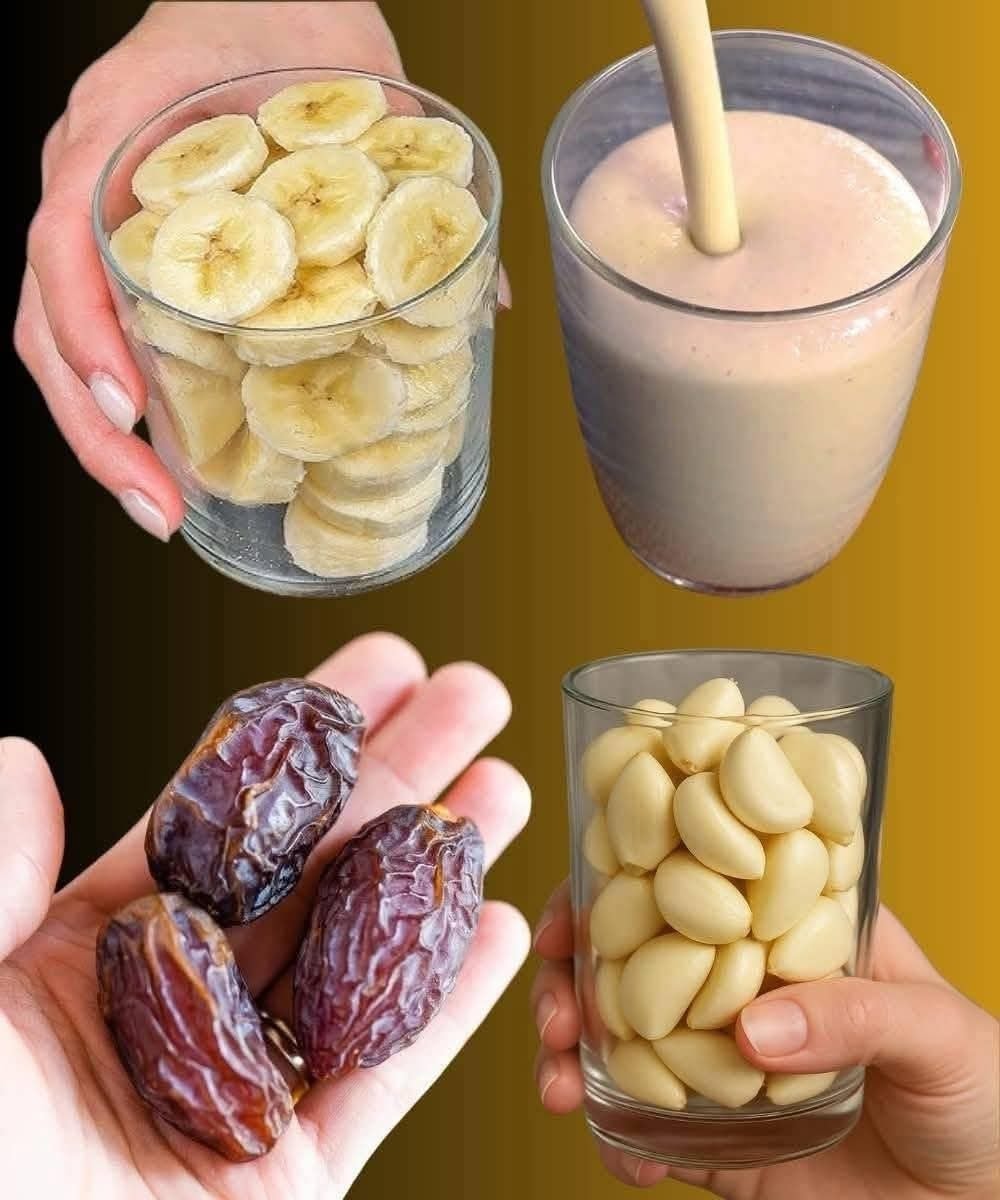
Mix Bananas, Garlic, and Dates

At first glance, bananas, garlic, and dates may seem like an unlikely trio. One is creamy and sweet, another sharp and pungent, and the third rich and caramel-like. But when thoughtfully combined, these ingredients create a deeply flavorful, sweet-savory elixir that feels both comforting and adventurous. This recipe draws inspiration from traditional wellness tonics and modern fusion cooking, resulting in a smooth, spoonable blend that can be enjoyed warm or chilled.

This Banana–Garlic–Date Elixir is perfect as a morning energy boost, a light savory spread, or even a nourishing snack when you want something different from the ordinary.

Why This Combination Works

Bananas bring natural creaminess and gentle sweetness, acting as the base. Dates intensify that sweetness with a deep, almost molasses-like flavor. Garlic, when gently cooked, loses its harsh bite and transforms into something mellow, slightly sweet, and incredibly aromatic. The key is softening the garlic, not using it raw.

Together, they form a balance: sweet, savory, earthy, and warming.

Ingredients

  • 2 ripe bananas (yellow with light brown spots)

  • 6 soft dates (Medjool preferred), pitted

  • 4 garlic cloves, peeled

  • 1 cup water or unsweetened almond milk

  • 1 tablespoon olive oil

  • ½ teaspoon ground cinnamon

  • ¼ teaspoon ground ginger

  • A pinch of sea salt

  • 1 teaspoon lemon juice (optional, for brightness)

  • 1 teaspoon honey or maple syrup (optional)

Step-by-Step Instructions

Step 1: Prepare the Garlic

Heat the olive oil in a small pan over low heat. Add the garlic cloves and cook slowly for 6–8 minutes, turning often. You want the garlic soft and lightly golden, not browned. This step is essential—it transforms the garlic into something sweet and mellow.

Remove from heat and let it cool slightly.

Step 2: Soften the Dates

If your dates are not very soft, place them in warm water for 5 minutes, then drain. This ensures a silky-smooth texture when blended.

Step 3: Blend Everything Together

In a blender, add the bananas, softened dates, cooked garlic, water or almond milk, cinnamon, ginger, and sea salt. Blend until completely smooth and creamy.

Taste the mixture. If you want more sweetness, add honey or maple syrup. For a hint of brightness, add lemon juice and blend again.

Step 4: Adjust Consistency

For a thicker, spread-like texture, use less liquid. For a drinkable elixir, add a bit more water or milk and blend again.

How to Serve

This recipe is incredibly versatile:

  • Warm tonic: Gently heat the mixture in a saucepan and sip it like a nourishing drink.

  • Savory spread: Use it as a spread on toast, flatbread, or crackers.

  • Smoothie base: Add oats or nut butter and blend again for a hearty smoothie.

  • Sauce companion: Spoon lightly over roasted vegetables or grilled chicken for a sweet-savory glaze.

Flavor Profile

  • Sweet: From ripe bananas and dates

  • Savory: From mellow, slow-cooked garlic

  • Warm: From cinnamon and ginger

  • Balanced: A touch of salt brings everything together

The result is smooth, comforting, and surprisingly addictive.

Storage Tips

  • Store in an airtight jar in the refrigerator for up to 3 days

  • Stir before using, as natural separation may occur

  • Can be gently reheated on the stove or enjoyed cold

Creative Variations

  • Spicy version: Add a pinch of cayenne or black pepper

  • Nutty twist: Blend in a tablespoon of tahini or almond butter

  • Herbal note: Add a tiny pinch of ground cardamom or cloves

  • Vegan dessert vibe: Skip garlic and double the cinnamon for a sweet pudding

Final Thoughts

This Banana–Garlic–Date Elixir proves that unexpected ingredients can create something truly special when treated with care. It’s a recipe for adventurous eaters, wellness enthusiasts, and anyone tired of boring flavors. Sweet, savory, creamy, and warming, it’s the kind of dish that makes people ask, “What’s in this?”—and then go back for another spoonful.

13 Early Signs of Heart Failure (You Ignore Daily) | Symptoms Of Heart Failure

Heart failure doesn’t usually appear overnight. In most cases, it develops quietly, sending out subtle warning signals long before a serious emergency occurs. The problem is that many of these early signs feel “normal,” especially if you’re busy, stressed, or getting older. Ignoring them, however, can allow the condition to progress silently until daily life becomes a struggle.

Heart failure doesn’t mean the heart has stopped working. It means the heart is no longer pumping blood efficiently enough to meet the body’s needs. Recognizing early symptoms can lead to faster diagnosis, better treatment, and a longer, healthier life. Below are 13 early signs of heart failure that people often ignore every day.

1. Shortness of Breath

Feeling winded after climbing stairs or walking short distances can be an early red flag. When the heart struggles to pump effectively, fluid may build up in the lungs, making breathing harder—especially during activity or when lying flat.

2. Constant Fatigue

Unusual tiredness that doesn’t improve with rest may be your heart asking for help. Poor blood circulation means your muscles and organs aren’t getting enough oxygen, leaving you feeling drained throughout the day.

3. Swelling in Feet, Ankles, or Legs

Fluid retention is one of the most common early symptoms. Swollen ankles or tight shoes by evening may indicate your heart is failing to move blood efficiently, causing fluid to pool in the lower body.

4. Rapid or Irregular Heartbeat

When the heart weakens, it may beat faster or irregularly to compensate. Palpitations, fluttering sensations, or sudden racing of the heart should never be ignored.

5. Persistent Cough or Wheezing

A chronic cough—especially one that produces white or pink-tinged mucus—can be a sign of fluid buildup in the lungs. Many people mistake this for allergies or a lingering cold.

6. Sudden Weight Gain

Rapid weight gain over a few days may not be from food. It often signals fluid retention, a hallmark of worsening heart function.

7. Reduced Ability to Exercise

If activities that once felt easy now leave you exhausted or breathless, your heart may be struggling to keep up with your body’s demands.

8. Loss of Appetite or Nausea

Poor blood flow to the digestive system can cause bloating, nausea, or feeling full quickly. These symptoms are often blamed on stomach problems instead of heart health.

9. Difficulty Sleeping Flat

Needing extra pillows to sleep comfortably or waking up gasping for air can indicate fluid buildup in the lungs—a serious but often overlooked warning sign.

10. Brain Fog or Difficulty Concentrating

When the brain doesn’t receive enough oxygen-rich blood, mental clarity can suffer. Confusion, forgetfulness, or difficulty focusing may appear early on.

11. Cold Hands and Feet

Reduced circulation can cause extremities to feel unusually cold. This symptom is subtle but can signal poor blood flow caused by heart weakness.

12. Frequent Nighttime Urination

Heart failure affects kidney function, often increasing the need to urinate at night. Many people assume this is just aging or drinking water late.

13. Persistent Chest Discomfort

While not always severe pain, ongoing pressure, tightness, or discomfort in the chest should never be ignored, especially when combined with other symptoms.

Why Early Detection Matters

Catching heart failure early can dramatically slow its progression. Lifestyle changes, medications, and medical monitoring can significantly improve quality of life and reduce hospitalizations. The longer symptoms go unnoticed, the more damage occurs to the heart muscle.

When to See a Doctor

If you notice several of these symptoms, especially if they worsen or appear together, seek medical attention promptly. Early evaluation can save your life.

Final Thoughts

Heart failure often whispers before it screams. The signs may feel mild, routine, or easy to dismiss—but your body is communicating something important. Paying attention today could prevent serious complications tomorrow.

Crescent Reuben Bake

If you love a classic Reuben sandwich—the tangy sauerkraut, savory corned beef, melted Swiss cheese, and creamy dressing—you’re going to fall hard for this Crescent Reuben Bake. It takes everything you crave about the deli favorite and transforms it into a cozy, oven-baked dish that’s perfect for family dinners, potlucks, or lazy weekends when you want big flavor with minimal effort.

What makes this recipe special is the use of flaky crescent roll dough as both the base and the topping. It bakes up golden and buttery, wrapping the rich filling in soft layers that are crisp on the outside and tender inside. This isn’t just a casserole—it’s comfort food with personality.

Why You’ll Love This Recipe

This Crescent Reuben Bake is incredibly easy to assemble, yet it tastes like something you’d order from a café. There’s no need for fancy techniques or hard-to-find ingredients. Everything comes together in one baking dish, making cleanup simple and stress-free.

It’s also versatile. You can serve it as a main dish with a simple salad, cut it into squares for a party appetizer, or even enjoy leftovers for lunch the next day. The flavors deepen overnight, making it even better reheated.

Ingredients You’ll Need

For the base and topping:

  • 2 cans refrigerated crescent roll dough

For the filling:

  • 12 oz corned beef, thinly sliced or chopped

  • 1½ cups shredded Swiss cheese

  • 1½ cups sauerkraut, well-drained

  • ¾ cup Thousand Island dressing (or Russian dressing)

Optional flavor boosters:

  • 1 teaspoon caraway seeds (classic Reuben flavor)

  • ½ teaspoon black pepper

  • 1 tablespoon melted butter for brushing the top

Step-by-Step Instructions

1. Prepare the Oven and Pan

Preheat your oven to 375°F (190°C). Lightly grease a 9×13-inch baking dish to prevent sticking and help the crescent dough bake evenly.

2. Create the Crescent Base

Unroll one can of crescent dough and press it into the bottom of the prepared baking dish. Pinch the seams together to form a solid layer. This base will soak up flavor while still baking fluffy and golden.

3. Layer the Filling

Start by evenly spreading the corned beef over the dough. Make sure it reaches all corners so every bite is balanced.

Next, sprinkle the shredded Swiss cheese over the meat. Swiss cheese melts beautifully and adds that signature nutty flavor Reubens are known for.

Now add the sauerkraut. The key here is to drain it very well—press it in a sieve or pat it dry with paper towels. Too much moisture can make the bake soggy.

Drizzle the Thousand Island dressing evenly over the top. Don’t drown it, but make sure each section gets some creamy tang.

If you’re using caraway seeds or black pepper, sprinkle them on now for an extra layer of flavor.

4. Add the Crescent Topping

Unroll the second can of crescent dough and gently place it over the filling. Pinch seams together and tuck in the edges slightly so the filling stays inside while baking.

Brush the top lightly with melted butter if desired. This step adds shine and helps the crust turn beautifully golden.

5. Bake to Perfection

Place the dish in the preheated oven and bake for 30–35 minutes, or until the crescent dough is puffed and deep golden brown. If the top browns too quickly, loosely cover with foil during the last 5–10 minutes.

Remove from the oven and let it rest for about 10 minutes before slicing. This helps the layers set and makes serving easier.

Serving Suggestions

Serve your Crescent Reuben Bake warm, cut into squares. It pairs wonderfully with:

  • A crisp green salad

  • Dill pickles or pickled vegetables

  • Potato chips or oven-roasted potatoes

For an extra indulgent touch, offer a little extra Thousand Island dressing on the side for dipping.

Storage and Reheating Tips

Leftovers can be stored in an airtight container in the refrigerator for up to 3 days. To reheat, place slices in the oven at 350°F (175°C) for about 10–15 minutes. This keeps the crust crisp, unlike the microwave, which can soften it too much.

Final Thoughts

This Crescent Reuben Bake proves that classic flavors don’t need to be complicated to be unforgettable. With buttery crescent dough, hearty corned beef, melty Swiss cheese, and tangy sauerkraut, every bite delivers comfort and bold flavor in equal measure.

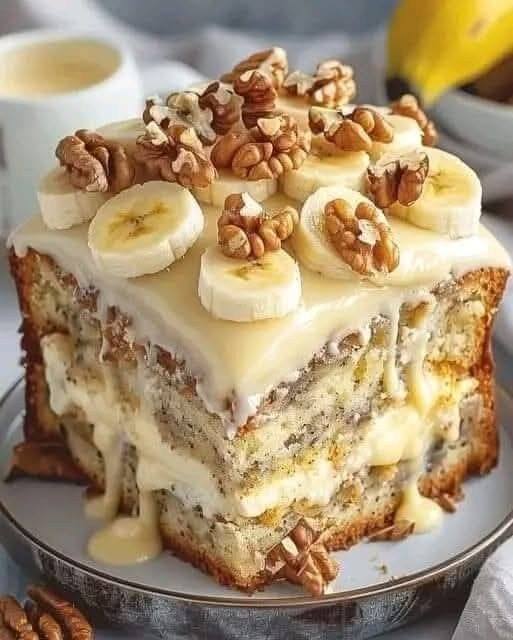
Banana Walnut Cream Cake

If banana bread and classic cream cake ever fell in love, this Banana Walnut Cream Cake would be the irresistible result. It’s soft and tender with deep banana flavor, studded with toasted walnuts, and finished with a silky cream frosting that melts into every bite. This cake feels nostalgic yet elevated—perfect for birthdays, tea time, potlucks, or when you simply have ripe bananas begging to be used.

What makes this recipe special is balance: not too sweet, not too dense, and not overloaded with frosting. The walnuts add crunch and warmth, while the cream frosting brings everything together with gentle richness. One slice is never enough.

Why You’ll Love This Cake

  • Uses overripe bananas for maximum flavor

  • Incredibly moist crumb that stays fresh for days

  • Toasted walnuts for texture and nutty depth

  • Creamy frosting that’s light, not heavy

  • Simple ingredients, bakery-style results

Ingredients

For the Banana Walnut Cake

  • 2 ½ cups all-purpose flour

  • 1 teaspoon baking powder

  • 1 teaspoon baking soda

  • ½ teaspoon salt

  • 1 teaspoon ground cinnamon

  • ¾ cup unsalted butter, softened

  • 1 cup granulated sugar

  • ½ cup light brown sugar

  • 3 large eggs, room temperature

  • 1 cup mashed ripe bananas (about 3 medium bananas)

  • ¾ cup sour cream or plain yogurt

  • 2 teaspoons vanilla extract

  • 1 cup chopped walnuts, lightly toasted

For the Cream Frosting

  • 8 oz cream cheese, softened

  • ½ cup unsalted butter, softened

  • 2 ½ cups powdered sugar, sifted

  • 1 teaspoon vanilla extract 

1. Prep the Oven and Pans

Preheat your oven to 350°F (175°C). Grease and flour two 9-inch round cake pans or line them with parchment paper for easy removal.

2. Toast the Walnuts

Spread chopped walnuts on a dry skillet or baking tray and toast for 5–7 minutes, stirring once. This step intensifies flavor and keeps them crunchy inside the cake. Let cool.

3. Mix the Dry Ingredients

In a medium bowl, whisk together flour, baking powder, baking soda, salt, and cinnamon. Set aside.

4. Cream Butter and Sugars

In a large mixing bowl, beat butter with granulated and brown sugar until light and fluffy—about 3 minutes. This step is key to a tender cake.

5. Add Eggs and Bananas

Beat in eggs one at a time, mixing well after each addition. Stir in mashed bananas and vanilla extract until smooth and fragrant.

6. Add Sour Cream and Dry Ingredients

Mix in the sour cream. Gradually add the dry ingredients, mixing just until combined. Do not overmix. Fold in toasted walnuts gently.

7. Bake

Divide batter evenly between prepared pans. Bake for 28–32 minutes, or until a toothpick inserted in the center comes out clean.

Let cakes cool in pans for 10 minutes, then transfer to a wire rack to cool completely before frosting.

Cream Frosting Instructions

In a large bowl, beat cream cheese and butter until smooth and creamy. Gradually add powdered sugar, beating on low speed. Add vanilla extract and heavy cream one tablespoon at a time until the frosting is fluffy and spreadable.

The texture should be silky—not stiff, not runny.

Assembling the Cake

Place one cake layer on a serving plate. Spread a generous layer of cream frosting over the top. Add the second cake layer and frost the top and sides. For a rustic look, keep the sides lightly frosted. Garnish with extra chopped walnuts or banana slices if desired.

Pro Tips for Best Results

  • Use very ripe bananas with brown spots—they’re sweeter and more flavorful

  • Measure flour correctly to avoid a dry cake

  • Cool the cake completely before frosting

  • Toasting nuts is optional, but highly recommended

  • Chill the cake for 30 minutes before slicing for clean cuts

Storage & Make-Ahead Tips

  • Store covered in the refrigerator for up to 4 days

  • Bring to room temperature before serving for best flavor

  • Cake layers can be baked and frozen (unfrosted) for up to 2 months

Final Thoughts

This Banana Walnut Cream Cake is the kind of dessert that quietly steals the show. It’s comforting, elegant, and deeply satisfying without being overly sweet. Every forkful delivers moist banana cake, buttery walnuts, and cloud-like cream frosting—a trio that never fails.

Pfizer (finally) publishes the list of side effects of its vaccines

When Pfizer-BioNTech’s COVID-19 vaccine was authorized for emergency use, it marked a turning point in the global fight against the pandemic. Since then, millions of doses have been administered worldwide, and extensive safety data has been collected, reviewed, and publicly released by Pfizer and independent health authorities. While some headlines suggest these side effects were “finally” revealed, the truth is more nuanced: the information has existed all along, but growing public access to raw trial data has renewed discussion.

Understanding what these side effects are — and how common they actually are — helps people make informed decisions based on facts rather than fear.

Why Side Effect Lists Matter

All vaccines, like all medications, can cause side effects. Publishing these effects is not unusual or alarming; it is a standard part of medical transparency. Pfizer’s clinical trials, post-authorization surveillance, and pharmacovigilance reports have consistently documented adverse events, ranging from mild and temporary to very rare serious reactions.

Importantly, the vast majority of reported side effects are short-lived and non-dangerous, indicating the body’s immune response is working as intended.

Commonly Reported Side Effects

The most frequently reported side effects typically appear within one to three days after vaccination and resolve on their own. These include:

  • Pain, redness, or swelling at the injection site

  • Fatigue or tiredness

  • Headache

  • Muscle or joint pain

  • Chills

  • Mild fever

  • Nausea

These reactions were seen in both clinical trials and real-world data. They are more common after the second dose and tend to be stronger in younger adults, whose immune systems respond more vigorously.

Less Common but Documented Reactions

A smaller number of recipients reported additional symptoms, such as:

  • Swollen lymph nodes

  • Dizziness

  • Decreased appetite

  • Night sweats

  • Mild allergic reactions like itching or rash

These effects were still considered non-serious and typically resolved without medical treatment.

Rare but Serious Adverse Events

As vaccination expanded to hundreds of millions of people, extremely rare adverse events were identified — a normal outcome when medications are used on such a large scale.

The most discussed rare side effects include:

Myocarditis and Pericarditis
These inflammatory heart conditions were observed mainly in adolescent and young adult males, usually after the second dose. Most cases were mild, responded well to treatment, and resolved fully.

Severe Allergic Reactions (Anaphylaxis)
This occurs in a very small number of individuals, usually those with a history of severe allergies. Vaccination sites are equipped to treat this immediately, which is why observation periods are required after injection.

Temporary Neurological Symptoms
Isolated reports of facial paralysis (such as Bell’s palsy) were recorded, though studies did not establish a clear causal link beyond normal background rates.

What the Data Does Not Show

Extensive monitoring has found no evidence that Pfizer’s vaccine causes infertility, DNA damage, cancer, or long-term immune system harm. These claims circulate widely online but are not supported by clinical or epidemiological data.

Additionally, serious adverse events remain far rarer than complications caused by COVID-19 infection itself, including hospitalization, long COVID, organ damage, and death.

Why Public Concern Keeps Returning

As more trial documents become publicly accessible, some lists of reported symptoms are misunderstood. These reports often include any health event that occurred after vaccination — not events proven to be caused by the vaccine. This distinction is critical but frequently lost in social media discussions.

Regulatory agencies analyze these reports to determine patterns, frequency, and causality before updating official safety guidance.

Transparency Builds Trust

Pfizer’s ongoing release of safety updates reflects regulatory requirements, not secrecy. Independent bodies such as the FDA, EMA, and WHO continuously review this data and adjust recommendations accordingly. Vaccine safety monitoring remains one of the most robust systems in modern medicine.

Final Perspective

Side effects from Pfizer’s COVID-19 vaccine are real, documented, and publicly available — and they always have been. Most are mild and temporary, while serious reactions are rare and closely monitored. Transparency does not mean danger; it means accountability.

Warning! The list of side effects of the COVID-19 vaccine is growing. Here are some symptoms

Since the rollout of COVID-19 vaccines worldwide, millions of people have safely received protection against severe illness, hospitalization, and death. As with any medical intervention, vaccines can cause side effects. Over time, reports and data have expanded—not because vaccines are becoming more dangerous, but because larger populations and longer monitoring naturally reveal more information.

Understanding these side effects clearly and calmly helps people make informed decisions and recognize when medical attention is needed.

Why Side Effect Lists Change Over Time

When vaccines are first approved, clinical trials involve tens of thousands of participants. Once vaccines are used globally, hundreds of millions of doses provide a much larger data pool. This allows health authorities to identify rare reactions that may not appear in smaller trials.

Importantly, this ongoing monitoring is a sign that safety systems are working, not failing.

Common and Expected Side Effects

These symptoms are the most frequently reported and usually appear within 1–3 days after vaccination. They are signs that the immune system is responding.

1. Injection Site Reactions

  • Pain or tenderness

  • Redness

  • Swelling

These effects typically resolve within a few days and are the most common reactions across all COVID-19 vaccines.

2. Fatigue and Weakness

Many people report feeling unusually tired, sometimes lasting 24–72 hours. Rest and hydration usually help.

3. Headache

Mild to moderate headaches are common and generally temporary.

4. Muscle and Joint Aches

Body aches, similar to flu-like symptoms, can occur as part of the immune response.

5. Fever or Chills

A low-grade fever is a normal immune reaction and usually passes quickly.

Less Common but Recognized Side Effects

These occur in a smaller percentage of people and may last slightly longer but are still generally temporary.

6. Swollen Lymph Nodes

Often felt in the neck or under the arm on the side of the injection. This happens because lymph nodes help activate immune cells.

7. Nausea or Upset Stomach

Digestive symptoms have been reported but are usually mild.

8. Dizziness or Lightheadedness

This may occur shortly after vaccination, sometimes related to anxiety or dehydration rather than the vaccine itself.

Rare Side Effects That Are Monitored Closely

These reactions are very uncommon, but health agencies worldwide actively track them.

9. Allergic Reactions

Severe allergic reactions (anaphylaxis) are rare and typically occur within minutes after vaccination, which is why observation periods are recommended.

10. Myocarditis and Pericarditis

Inflammation of the heart muscle or surrounding tissue has been reported mainly in younger males, usually after mRNA vaccines. Most cases are mild and resolve with treatment.

11. Blood Clotting Disorders

Very rare clotting conditions were linked to specific vaccine types and led to changes in recommendations in some countries.

Long-Term Side Effects: What the Evidence Shows

Extensive monitoring over several years has found no evidence of widespread long-term harm from COVID-19 vaccines. Historically, vaccine side effects appear within weeks or months—not years later.

In contrast, COVID-19 infection itself is associated with long-term complications, including heart, lung, and neurological issues.

When to Seek Medical Attention

Contact a healthcare provider immediately if you experience:

  • Chest pain or shortness of breath

  • Persistent high fever

  • Severe headache with vision changes

  • Swelling of the face or throat

  • Symptoms lasting longer than expected or worsening

Balancing Risk and Benefit

No medical intervention is completely risk-free, but the overwhelming evidence shows that COVID-19 vaccines greatly reduce the risk of severe disease and death. For most people, the risk of serious side effects is far lower than the risk of complications from COVID-19 itself.

Final Thoughts

Hearing that “the list of side effects is growing” can sound alarming, but it actually reflects transparent science and ongoing safety monitoring. The vast majority of side effects are mild, temporary, and manageable.

Staying informed—without panic—allows individuals to protect their health and make confident decisions in consultation with healthcare professionals.

Cream Cheese Corn Casserole

Corn casseroles have long been a staple in comfort cooking, but when you add silky cream cheese, savory butter, and just the right amount of seasoning, it transforms into a luxurious side dish that tastes like a main course. This Cream Cheese Corn Casserole is rich, creamy, slightly sweet, and irresistibly satisfying. It pairs beautifully with roasted meats, grilled chicken, barbecue, or even as a cozy vegetarian meal on its own.

What makes this version unique is the balance of creaminess and texture, with optional toppings that add crunch and depth of flavor. It’s simple to prepare, but tastes like something you’d find in a restaurant or a holiday feast.

Ingredients (Serves 6–8)

For the casserole:

  • 4 cups corn (fresh, frozen, or canned and drained)

  • 225 g (8 oz) cream cheese, softened

  • 2 tablespoons butter

  • ½ cup heavy cream or milk

  • 1 cup shredded cheddar cheese (or Monterey Jack for a milder flavor)

  • 2 tablespoons sugar (optional, for a slightly sweet corn flavor)

  • ½ teaspoon garlic powder

  • ½ teaspoon onion powder

  • ¼ teaspoon smoked paprika (optional, but highly recommended)

  • Salt and black pepper to taste

For the topping (optional but delicious):

  • ½ cup crushed buttery crackers or breadcrumbs

  • 2 tablespoons melted butter

  • ¼ cup grated Parmesan cheese

  • Chopped parsley or green onions for garnish

Step-by-Step Instructions

1. Preheat and Prepare

Start by preheating your oven to 175°C (350°F). Lightly grease a baking dish with butter or cooking spray. A medium-sized casserole dish works best so the mixture bakes evenly.

2. Cook the Corn Base

In a medium saucepan, melt the butter over medium heat. Add the corn and cook for about 3–4 minutes until warmed through. If using fresh corn, cook slightly longer to soften it.

3. Make It Creamy

Lower the heat and add the softened cream cheese. Stir gently until it melts and coats the corn. This step creates that signature creamy, velvety texture. Pour in the heavy cream or milk and mix well.

4. Season for Flavor

Add sugar (if using), garlic powder, onion powder, smoked paprika, salt, and black pepper. Stir everything together and taste. Adjust seasoning as needed—some people like it sweeter, others more savory.

5. Add the Cheese

Remove the pan from heat and stir in shredded cheddar cheese. The residual heat will melt it, giving the casserole a cheesy, gooey consistency.

6. Transfer to Baking Dish

Pour the creamy corn mixture into the prepared baking dish and spread it evenly.

Creating the Crunchy Topping (Optional)

In a small bowl, mix crushed crackers or breadcrumbs with melted butter and Parmesan cheese. Sprinkle this mixture evenly over the corn casserole. This topping adds a golden, crispy contrast to the creamy interior.

Bake to Perfection

Place the dish in the oven and bake for 25–30 minutes, or until the top is lightly golden and the casserole is bubbling around the edges. If you want a deeper golden top, switch to the broiler for the last 2–3 minutes, watching carefully to avoid burning.

Rest and Garnish

Let the casserole rest for about 5 minutes before serving. Sprinkle chopped parsley or green onions on top for a fresh, colorful finish.

Why This Recipe Is Special

This Cream Cheese Corn Casserole stands out because of its balance of textures and flavors. The cream cheese gives it a luxurious, smooth mouthfeel, while the cheddar adds savory depth. The optional crunchy topping elevates it from a simple side dish to a show-stopping comfort food classic.

Unlike many corn casseroles that rely heavily on boxed mixes, this recipe uses simple, real ingredients for a fresher, homemade taste. It’s also incredibly versatile—you can easily customize it with extra ingredients.

Delicious Variations

Spicy Jalapeño Corn Casserole

Add 1–2 finely chopped jalapeños or a pinch of chili flakes for a spicy kick. Pepper Jack cheese also works wonderfully here.

Bacon Corn Casserole

Stir in ½ cup cooked, crumbled bacon before baking for a smoky, savory version that meat lovers will adore.

Herb and Garlic Corn Casserole

Add minced garlic and fresh herbs like thyme or rosemary for a gourmet twist.

Vegetable-Packed Version

Mix in sautéed bell peppers, onions, or spinach for extra nutrition and color.

Serving Suggestions

This casserole pairs beautifully with:

  • Roast chicken or turkey

  • Grilled steak or barbecue ribs

  • Fried chicken or chicken tenders

  • Holiday meals like Thanksgiving or Eid feasts

  • A simple green salad for a lighter vegetarian meal

You can also serve it as a dip with tortilla chips or toasted bread—it’s that creamy and delicious.

Storage and Reheating

Refrigerator:
Store leftovers in an airtight container for up to 4 days.

Freezer:
Freeze in a sealed container for up to 2 months. Thaw overnight in the refrigerator before reheating.

Reheating:
Reheat in the microwave or oven at 160°C (325°F) until warmed through. Add a splash of milk or cream if it seems dry.

Final Thoughts

Cream Cheese Corn Casserole is one of those dishes that brings comfort with every bite. It’s rich, creamy, slightly sweet, and wonderfully cheesy—perfect for cozy family dinners or festive gatherings. Whether you keep it classic or customize it with spices, bacon, or vegetables, this casserole will quickly become a favorite in your kitchen.