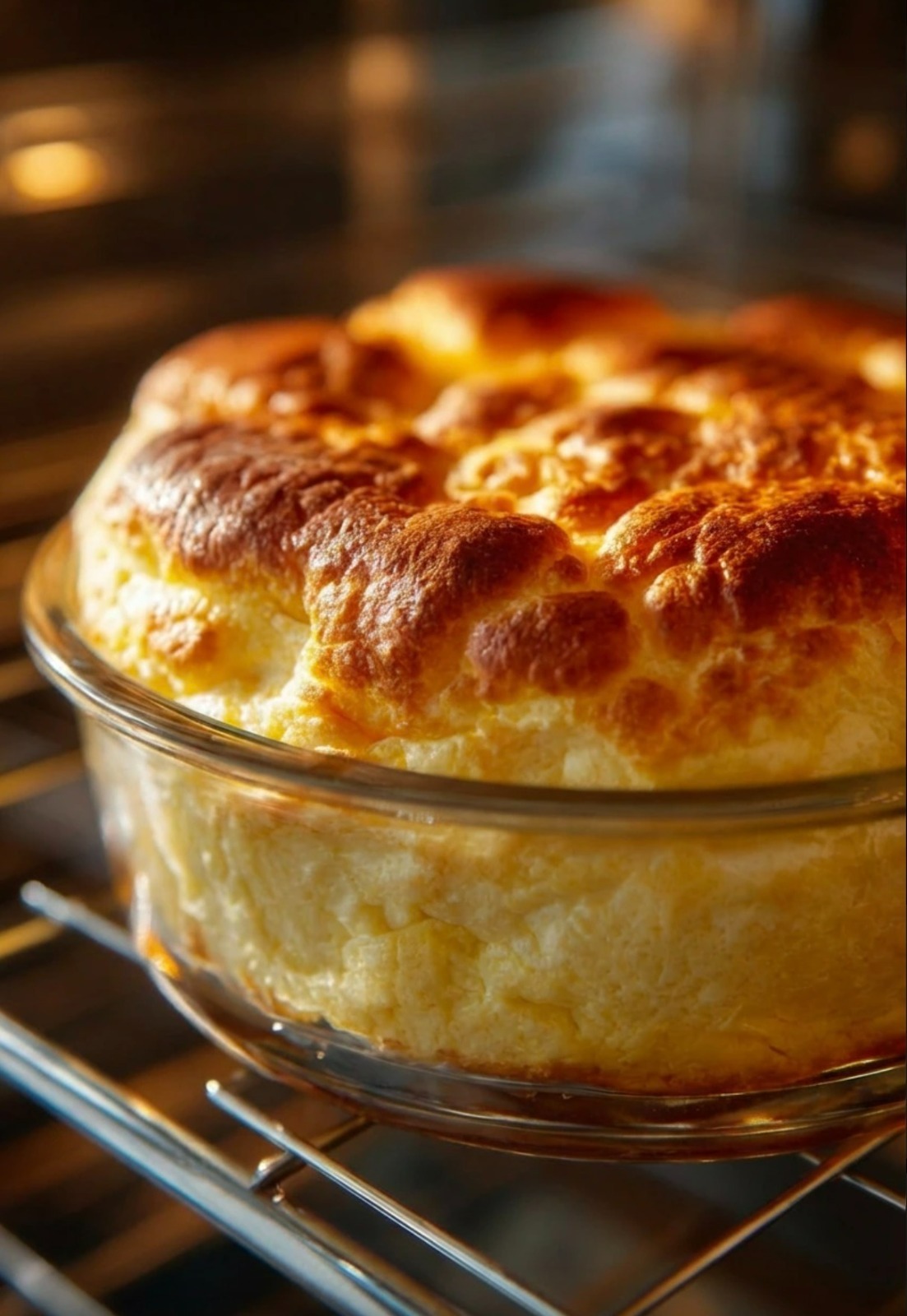
The “No-Fuss, Feed-a-Crowd” Incredible Breakfast Bake: Your Secret Weapon for Lazy Mornings & Holiday Brunches

This is the kind of breakfast you throw together while half-awake, slide into the oven, and somehow emerge as the person who “always makes the best brunch.” The No-Fuss Breakfast Bake is cozy, hearty, endlessly adaptable, and designed to feed a hungry crowd without chaining you to the stove.

Whether you’re hosting a holiday brunch, feeding overnight guests, or just reclaiming your weekend from constant flipping and frying, this baked breakfast casserole is the quiet MVP of your recipe collection.

Why This Breakfast Bake Works Every Single Time

What makes this dish incredible isn’t just the flavor—it’s the strategy. Everything bakes together in one dish, meaning the flavors mingle, the textures balance, and you’re free to sip coffee instead of babysitting a skillet.

It’s:

  • Make-ahead friendly

  • Customizable for picky eaters

  • Comforting but impressive

  • Perfect for feeding 6–10 people

Soft bread soaks up seasoned eggs, melty cheese binds everything together, and savory add-ins turn it into a full meal that feels indulgent but familiar.

Ingredients (The Flexible Foundation)

This recipe is designed to bend, not break. Here’s a classic, crowd-pleasing version:

  • 6 cups day-old bread, cubed (French bread, brioche, or sandwich bread)

  • 8 large eggs

  • 2½ cups milk (whole milk for richness, any milk works)

  • 1½ cups shredded cheese (cheddar, mozzarella, Monterey Jack, or a blend)

  • 1 lb breakfast sausage, bacon, or diced cooked chicken

  • 1 small onion, finely diced

  • 1 bell pepper, diced (optional but great)

  • 2 cloves garlic, minced

  • 2 tablespoons butter or oil

  • 1 teaspoon salt

  • ½ teaspoon black pepper

  • ½ teaspoon paprika or smoked paprika

  • ½ teaspoon dried oregano or thyme

  • Optional: green onions, spinach, mushrooms, or chili flakes

Step-by-Step: Lazy-Morning Simple

1. Prep the Filling

In a skillet, cook your sausage or bacon until browned. Remove and set aside. In the same pan, sauté onion, bell pepper, and garlic until soft and fragrant. This quick step adds big flavor and prevents watery vegetables later.

2. Build the Base

Grease a 9×13 baking dish generously. Spread the bread cubes evenly across the bottom. Sprinkle the cooked meat and vegetables over the bread, making sure everything is well distributed.

3. Mix the Magic

In a large bowl, whisk together eggs, milk, salt, pepper, paprika, and herbs. Pour the mixture slowly over the bread, pressing gently so every piece gets soaked.

4. Cheese It Up

Scatter shredded cheese evenly over the top. This creates that golden, bubbling crust everyone fights over.

5. Rest or Bake

  • Bake immediately: 350°F (175°C) for 45–50 minutes

  • Make ahead: Cover and refrigerate overnight, then bake in the morning (add 5–10 minutes)

You’ll know it’s done when the center is set and the top is lightly golden.

What Makes It “Feed-a-Crowd” Worthy

This bake slices cleanly, reheats beautifully, and stays warm longer than individual breakfast items. It pairs effortlessly with fruit, yogurt, or a simple salad, and you don’t need multiple pans or last-minute cooking chaos.

Bonus: it smells amazing while baking—instant brunch ambiance.

Easy Variations (Same Effort, New Flavor)

  • Vegetarian: Skip meat, add sautéed mushrooms, spinach, and extra cheese

  • Spicy: Use chorizo, pepper jack cheese, and a pinch of chili flakes

  • Holiday Luxe: Swap bread for croissants, add caramelized onions

  • Kid-Friendly: Use mild cheese and plain sausage, skip veggies

This recipe loves creativity and forgives substitutions.

Storage & Reheating

  • Refrigerate leftovers up to 4 days

  • Reheat slices in the microwave or oven

  • Freezes well when wrapped tightly—perfect for busy mornings later

Final Thought

The No-Fuss, Feed-a-Crowd Incredible Breakfast Bake isn’t just a recipe—it’s a strategy for stress-free mornings. It lets you host without hovering, serve something hearty without overthinking, and enjoy your coffee while the oven does the work.


Drink this to lose 70 pounds

Losing a significant amount of weight—whether it’s 30, 50, or even 70 pounds—is not about shortcuts. It’s about consistency, hormone balance, digestion, and controlling cravings. This simple homemade drink has gained popularity because it targets the root causes of weight gain, not just calories.

This recipe won’t melt fat overnight. What it will do is help your body work with you instead of against you.

Why This Drink Works

Weight gain is often driven by:

  • Insulin spikes

  • Constant hunger and cravings

  • Poor digestion

  • Inflammation

  • Slow metabolism

  • Water retention

This drink addresses all of these gently and naturally.

Key Benefits:

  • Helps reduce appetite naturally

  • Supports blood sugar balance

  • Improves digestion and gut health

  • Reduces bloating and water weight

  • Encourages fat burning over time

  • Boosts energy without stimulants

When consumed daily and paired with mindful eating, many people report steady, noticeable weight loss over months.

The Fat-Loss Support Drink Recipe

Ingredients:

  • 1 glass warm water

  • 1 tablespoon fresh lemon juice

  • 1 teaspoon apple cider vinegar (with the mother)

  • ½ teaspoon cinnamon powder

  • ½ teaspoon grated ginger (or ginger powder)

  • 1 teaspoon raw honey (optional)

How to Prepare:

  1. Warm the water (not boiling).

  2. Add lemon juice and apple cider vinegar.

  3. Stir in cinnamon and ginger.

  4. Add honey if needed.

  5. Mix well and drink slowly.

When to Drink It

  • Best time: Morning on an empty stomach

  • Optional second time: 30 minutes before dinner

Consistency matters more than timing.

What Each Ingredient Does

Lemon Juice

Supports liver detoxification, improves digestion, and helps reduce insulin spikes that lead to fat storage.

Apple Cider Vinegar

Helps control appetite, improves insulin sensitivity, and reduces cravings—especially for sugar.

Cinnamon

Stabilizes blood sugar and prevents sudden hunger crashes that lead to overeating.

Ginger

Boosts metabolism, reduces inflammation, and improves digestion.

Honey (Optional)

Provides a small amount of natural sweetness without spiking blood sugar when used sparingly.

What Results to Expect (Realistically)

Week 1–2:

  • Reduced bloating

  • Better digestion

  • Fewer cravings

Week 3–6:

  • Noticeable weight loss

  • Smaller appetite

  • Improved energy

2–6 months:

  • Consistent fat loss

  • Inches lost

  • Better blood sugar control

Losing 70 pounds is possible, but it happens over time with daily habits—not overnight drinks.

Important Lifestyle Tips (This Is Where Results Multiply)

To maximize results:

  • Eat protein at every meal

  • Reduce sugar and refined carbs

  • Walk 20–30 minutes daily

  • Drink enough water

  • Sleep 7–8 hours

This drink supports your body—but your habits do the real work.

Who Should Avoid This Drink

  • Pregnant women

  • People with stomach ulcers

  • Anyone on blood sugar or blood pressure medication (check with a doctor)

The Truth You Deserve

There is no miracle drink—but there are powerful daily rituals that change your body slowly, safely, and permanently. This drink is one of them.

Skillet Dish with Chicken, Noodles & Vegetables — The One-Pan Wonder That’s Ready in 30 Minutes

Some nights call for comfort food without the chaos. You want something warm, filling, and full of flavor—but you don’t want to wash a mountain of dishes afterward. That’s where this Skillet Dish with Chicken, Noodles & Vegetables comes in. It’s a true one-pan miracle: tender chicken, slurp-worthy noodles, colorful vegetables, and a savory sauce that pulls everything together in just 30 minutes.

This dish is perfect for busy weeknights, last-minute dinners, or anytime you need a reliable meal that tastes like you spent way more effort than you actually did.

Why This One-Pan Skillet Works So Well

The beauty of this recipe is balance. You get protein from the chicken, carbs from the noodles, and freshness from the vegetables—all cooked in one skillet so the flavors layer naturally. The noodles absorb the seasoned broth as they cook, creating a light but satisfying sauce without needing cream or complicated steps.

Even better? This recipe is flexible. Swap vegetables based on what’s in your fridge, use different noodles, or adjust the seasoning to suit your mood.

Ingredients You’ll Need

For the skillet dish:

  • 2 tablespoons olive oil

  • 1 pound chicken breast, thinly sliced

  • 1 small onion, finely chopped

  • 3 cloves garlic, minced

  • 1 cup carrots, sliced into thin rounds

  • 1 cup bell peppers, sliced (any color)

  • 1 cup broccoli florets

  • 2 cups chicken broth

  • 6 ounces egg noodles (or any quick-cooking noodles)

  • 1 tablespoon soy sauce

  • 1 teaspoon paprika

  • ½ teaspoon black pepper

  • ½ teaspoon dried thyme or Italian seasoning

  • Salt, to taste

Optional additions:

  • A splash of lemon juice for brightness

  • Red chili flakes for heat

  • Fresh parsley or green onions for garnish

Step-by-Step Instructions

1. Sauté the Chicken

Heat olive oil in a large skillet over medium-high heat. Add the sliced chicken and season lightly with salt and pepper. Cook for 4–5 minutes, stirring occasionally, until the chicken is lightly golden and cooked through. Remove it from the skillet and set aside.

This step builds flavor and ensures the chicken stays juicy instead of overcooking later.

2. Build the Flavor Base

In the same skillet, add the chopped onion. Sauté for 2 minutes until soft and fragrant. Stir in the garlic and cook for another 30 seconds—just until aromatic.

Add carrots, bell peppers, and broccoli. Cook for 3–4 minutes, stirring often. The vegetables should soften slightly but still keep a bit of crunch.

3. Add the Broth and Noodles

Pour in the chicken broth and soy sauce, scraping up any browned bits from the bottom of the pan. These bits are pure flavor. Bring the mixture to a gentle boil.

Add the noodles directly into the skillet, pressing them down so they’re mostly submerged. Sprinkle in paprika, black pepper, and thyme.

4. Simmer and Combine

Reduce heat to medium-low and let everything simmer for 7–10 minutes, stirring occasionally. As the noodles cook, they’ll soak up the seasoned broth and release starch, creating a silky sauce.

Return the cooked chicken to the skillet and stir well. Let it cook for another 2–3 minutes until everything is heated through and coated in the sauce.

5. Taste and Finish

Taste and adjust seasoning with salt or extra soy sauce if needed. Add a squeeze of lemon juice if you want a little brightness. Remove from heat and garnish with fresh parsley or green onions.

Tips for the Best Skillet Dish

  • Slice chicken thinly so it cooks fast and stays tender.

  • Don’t overcook the noodles—they should be soft but not mushy.

  • Use a wide skillet to ensure even cooking and proper liquid reduction.

  • Prep everything first so the cooking process flows smoothly.

Easy Variations to Try

  • Creamy version: Stir in ¼ cup cream or evaporated milk at the end.

  • Asian-inspired: Add ginger, sesame oil, and swap paprika for a dash of hoisin.

  • Vegetarian: Skip the chicken and add mushrooms or snap peas instead.

  • Spicy kick: Add sriracha or chili oil before serving.

Why You’ll Keep Coming Back to This Recipe

This skillet dish checks all the boxes: fast, flavorful, comforting, and minimal cleanup. It’s the kind of recipe you can memorize after one try and adapt endlessly based on what’s in your kitchen. Whether you’re feeding your family or just yourself, it delivers a satisfying meal without stress.

Heavenly Dinner: Just 5 Ingredients — The Sauce Is So Rich and Creamy

Some of the most unforgettable dinners aren’t complicated or time-consuming. They’re simple, comforting, and made with ingredients you probably already have in your kitchen. This heavenly dinner proves exactly that. With just five humble ingredients, you can create a dish so rich, creamy, and satisfying that it tastes like something from a cozy restaurant kitchen. No long prep, no fancy tools—just pure comfort on a plate.

This recipe is perfect for busy weeknights, lazy weekends, or anytime you want a stress-free meal that still feels special. The magic lies in the sauce: velvety, savory, and deeply comforting, it coats every bite beautifully. Let’s dive in.

Why This 5-Ingredient Dinner Works

The beauty of this dish is balance. Each ingredient plays a clear role, and nothing is wasted. Instead of layering dozens of flavors, this recipe focuses on quality, simplicity, and technique. When cooked gently, these ingredients come together to create a sauce that tastes far more luxurious than the effort required.

This meal is also incredibly versatile. Serve it over pasta, rice, mashed potatoes, or even with crusty bread to soak up every drop of that creamy sauce.

The 5 Simple Ingredients

Here’s all you need to make this heavenly dinner:

  1. Boneless chicken breasts or thighs
    Tender, juicy, and perfect for soaking up flavor. Thighs give extra richness, while breasts keep it lighter.

  2. Heavy cream
    This is the heart of the dish. It creates that silky, indulgent sauce that makes the recipe unforgettable.

  3. Butter
    Adds depth, richness, and a smooth base for the sauce.

  4. Garlic
    Just a few cloves bring warmth and aroma that elevate the entire dish.

  5. Parmesan cheese (freshly grated)
    Salty, nutty, and slightly sharp, Parmesan thickens the sauce and adds incredible flavor.

Salt and black pepper are assumed pantry staples and don’t count toward the five ingredients.

Step-by-Step Instructions

Step 1: Prepare the Chicken
Pat the chicken dry with paper towels and season both sides generously with salt and black pepper. This simple seasoning allows the creamy sauce to shine later.

Step 2: Sear for Flavor
In a large skillet over medium heat, melt the butter. Once it starts to foam slightly, add the chicken. Cook for about 4–5 minutes per side, until golden brown and cooked through. Remove the chicken from the pan and set aside.

Step 3: Build the Sauce
In the same skillet (don’t wipe it out—those browned bits are flavor!), add the minced garlic. Sauté for about 30 seconds until fragrant, being careful not to burn it.

Slowly pour in the heavy cream, stirring constantly. Lower the heat and let the sauce gently simmer for 3–5 minutes until it begins to thicken.

Step 4: Make It Creamy and Rich
Add the grated Parmesan cheese, stirring until fully melted and smooth. The sauce should now be thick, glossy, and irresistibly creamy. Taste and adjust seasoning if needed.

Step 5: Bring It All Together
Return the chicken to the pan, spooning the sauce over each piece. Let it simmer gently for another 2–3 minutes so the flavors meld beautifully.

Serving Suggestions

This dish is incredibly flexible. Here are a few delicious ways to serve it:

  • Over buttery pasta for a classic creamy dinner

  • With steamed rice to soak up the sauce

  • Alongside mashed potatoes for ultimate comfort

  • With roasted vegetables for a balanced plate

  • Served with crusty bread for dipping (highly recommended!)

Tips for the Best Results

  • Use freshly grated Parmesan, not pre-shredded, for the smoothest sauce.

  • Keep the heat low once the cream is added to prevent curdling.

  • If the sauce gets too thick, add a small splash of milk or pasta water to loosen it.

  • Chicken thighs provide extra richness if you want an even more indulgent dish.

Why You’ll Love This Recipe

This heavenly dinner is proof that you don’t need a long ingredient list to create something extraordinary. It’s comforting, elegant, and deeply satisfying, with a sauce so rich and creamy you’ll want to lick the plate clean. Whether you’re cooking for family, guests, or just yourself, this recipe delivers maximum flavor with minimal effort.

Easy cream puffs

Few desserts feel as magical as cream puffs. Crisp on the outside, airy on the inside, and filled with silky cream—these little pastries look fancy but are surprisingly easy to make at home. If you’ve ever thought cream puffs were “bakery-only” desserts, this recipe will change your mind. With simple ingredients and clear steps, you’ll have perfect cream puffs even if it’s your first time working with choux pastry.

This easy cream puffs recipe is designed for beginners, using everyday pantry staples while delivering bakery-quality results. Whether you’re making them for guests, celebrations, or just a sweet weekend treat, these cream puffs are guaranteed to impress.

What Makes Cream Puffs So Special?

Cream puffs are made from choux pastry, a unique dough cooked on the stovetop before baking. Instead of yeast or baking powder, steam does all the work—creating hollow centers that are perfect for filling with whipped cream, pastry cream, or even ice cream.

The beauty of this recipe is its simplicity. No special equipment, no complicated techniques—just follow the steps and trust the process.

Ingredients for Easy Cream Puffs

For the Choux Pastry:

  • 1 cup water

  • ½ cup unsalted butter

  • 1 cup all-purpose flour

  • ¼ teaspoon salt

  • 4 large eggs

For the Cream Filling:

  • 1½ cups heavy whipping cream (cold)

  • 3 tablespoons powdered sugar

  • 1 teaspoon vanilla extract

Optional Toppings:

  • Powdered sugar for dusting

  • Chocolate ganache or melted chocolate

  • Caramel drizzle

Step-by-Step Instructions

Step 1: Prepare the Dough

In a medium saucepan, combine the water, butter, and salt. Place over medium heat and bring to a gentle boil. Once the butter has completely melted, reduce the heat to low and add the flour all at once.

Stir vigorously with a wooden spoon. The mixture will quickly form a thick dough and pull away from the sides of the pan. Cook for about 1 minute, stirring constantly, to remove excess moisture. This step is key for light, airy cream puffs.

Remove the pan from heat and let the dough cool for 3–4 minutes.

Step 2: Add the Eggs

Add the eggs one at a time, mixing well after each addition. At first, the dough may look separated or lumpy—don’t worry, this is normal. Keep stirring, and it will become smooth and glossy.

The final dough should be thick but pipeable, falling slowly from the spoon in a ribbon.

Step 3: Shape the Cream Puffs

Preheat your oven to 400°F (200°C) and line a baking sheet with parchment paper.

Using a spoon or piping bag, drop mounds of dough onto the baking sheet, about 2 tablespoons each. Leave space between them, as they will puff up while baking. Lightly smooth the tops with a damp finger for even shapes.

Step 4: Bake Until Golden

Bake for 30–35 minutes, until the cream puffs are puffed, golden brown, and crisp. Avoid opening the oven during baking—this can cause them to collapse.

Once done, turn off the oven, crack the door slightly, and let the cream puffs sit inside for 10 minutes. This helps dry out the centers.

Transfer to a wire rack and allow them to cool completely before filling.

Making the Cream Filling

In a cold mixing bowl, beat the heavy whipping cream, powdered sugar, and vanilla extract until stiff peaks form. The cream should be thick, smooth, and hold its shape.

For extra richness, you can fold in a spoonful of cream cheese or custard, but classic whipped cream works beautifully.

Filling the Cream Puffs

Once the shells are fully cooled, use a sharp knife to cut them in half horizontally, or poke a small hole in the bottom.

Fill generously with whipped cream using a spoon or piping bag. Place the top back on gently.

Finishing Touches

Dust the filled cream puffs with powdered sugar for a classic look, or drizzle with melted chocolate for a more indulgent finish. You can also dip the tops in chocolate before filling for an elegant dessert presentation.

Tips for Perfect Cream Puffs

  • Measure ingredients accurately—choux pastry depends on balance

  • Use room-temperature eggs for smoother mixing

  • Bake until deeply golden to prevent soggy centers

  • Always fill cream puffs just before serving for best texture

Storage Tips

Unfilled cream puff shells can be stored in an airtight container for up to 2 days. Refresh them in a 300°F oven for a few minutes if needed. Filled cream puffs should be enjoyed the same day for maximum freshness.

Final Thoughts

This easy cream puffs recipe proves that elegant desserts don’t have to be complicated. With crisp shells and fluffy cream filling, these homemade cream puffs are light, satisfying, and endlessly customizable. Once you make them once, you’ll realize how fun—and addictive—they are to prepare.

COVID-19 vaccine: four years later, the list of persistent symptoms continues to grow

Four years after the global rollout of COVID-19 vaccines, billions of doses later, and countless lives saved, discussion has shifted from emergency response to long-term outcomes. While vaccines remain one of the most effective public-health tools ever deployed, a growing number of individuals continue to report persistent symptoms following vaccination, prompting ongoing scientific investigation and public debate.

It’s important to approach this topic with nuance. Persistent symptoms do not mean vaccines are broadly unsafe—but they do highlight the complexity of immune responses and the need for continued research, transparency, and patient support.

What Are “Persistent Symptoms”?

Persistent post-vaccination symptoms—sometimes informally referred to as post-vaccine syndrome—describe health complaints that last weeks or months beyond the expected short-term side effects such as fever, arm pain, or fatigue.

Reported symptoms vary widely and may include:

  • Prolonged fatigue

  • Headaches or brain fog

  • Muscle or joint pain

  • Heart palpitations

  • Dizziness or balance issues

  • Sleep disturbances

  • Tingling or numbness

These symptoms are not universal, and most vaccinated individuals do not experience them. However, a small subset of people report ongoing effects that affect quality of life, leading clinicians and researchers to explore possible mechanisms.

Why Are Reports Increasing?

There are several reasons why reports of persistent symptoms appear to be growing—even years later:

1. Greater Awareness
Early in the pandemic, focus was on survival and mass vaccination. As time passed, individuals began noticing patterns, comparing experiences, and speaking up—especially through patient advocacy groups and online communities.

2. Better Surveillance
Healthcare systems now track adverse events more carefully. Long-term follow-ups and pharmacovigilance systems have improved, capturing symptoms that may not have been obvious in initial trials.

3. Overlap With Long COVID
One of the biggest challenges is distinguishing vaccine-related symptoms from Long COVID, which can occur after infection—even mild or asymptomatic cases. Many people were infected unknowingly before or after vaccination, complicating cause-and-effect analysis.

What Does Science Say So Far?

Current scientific consensus recognizes that:

  • Most vaccine side effects are mild and temporary

  • Serious long-term adverse effects are rare

  • Persistent symptoms are being actively studied

Researchers are exploring several possible explanations, including immune dysregulation, autonomic nervous system responses, inflammation, and unmasking of underlying conditions. Importantly, similar post-immune symptoms have been observed after other vaccines and viral infections throughout medical history.

No large-scale evidence suggests COVID-19 vaccines cause widespread chronic illness. However, medicine acknowledges that rare outcomes can still matter deeply to those affected.

Who May Be More Vulnerable?

Studies suggest persistent symptoms may be more commonly reported among:

  • Individuals with autoimmune conditions

  • People with a history of allergic reactions

  • Those who previously experienced Long COVID

  • Individuals with heightened inflammatory responses

This does not mean vaccination should be avoided in these groups—but rather that personalized medical guidance is essential.

The Role of Risk–Benefit Balance

One of the most important points often lost in online discussions is risk comparison. COVID-19 infection itself is strongly linked to:

  • Long COVID

  • Heart inflammation

  • Neurological complications

  • Blood clotting disorders

For the vast majority of people, the risk of long-term complications is significantly higher after infection than after vaccination. This is why global health authorities continue to support vaccination while also encouraging ongoing safety monitoring.

Listening Without Dismissing

A major concern raised by patients reporting persistent symptoms is feeling unheard. Regardless of cause, symptoms are real to the person experiencing them. Modern medicine increasingly emphasizes patient-centered care—acknowledging experiences while seeking evidence-based explanations and treatments.

Many healthcare providers now focus on:

  • Symptom management

  • Inflammation reduction

  • Nervous system regulation

  • Gradual recovery strategies

This approach mirrors treatment paths used for other post-viral and post-immune conditions.

What Comes Next?

Four years later, COVID-19 vaccines are no longer “new,” but research is far from finished. Ongoing studies aim to:

  • Identify biological markers for persistent symptoms

  • Improve screening and follow-up

  • Refine vaccine formulations

  • Develop targeted treatments for those affected

Science evolves by asking hard questions—not by ignoring concerns or exaggerating fears.

Final Thoughts

The conversation around persistent symptoms after COVID-19 vaccination reflects a broader truth: no medical intervention is one-size-fits-all. Vaccines have saved millions of lives and remain overwhelmingly safe and effective, yet continued research is essential to support the small number of individuals who experience prolonged effects.

Southern Caramel Cake

Few desserts capture the soul of Southern baking quite like a classic Southern Caramel Cake. This cake isn’t about shortcuts, boxed mixes, or bottled frosting. It’s about patience, butter, sugar, and that unmistakable deep caramel flavor that only comes from carefully cooked sugar and cream. In many Southern homes, caramel cake is reserved for special occasions—Sunday dinners, holidays, reunions, and birthdays—because it takes time, love, and attention. One bite, however, makes every minute worthwhile.

What sets a true Southern caramel cake apart is the cooked caramel frosting. Unlike caramel-flavored buttercream, this frosting is made by browning sugar until it turns amber, then blending it with butter and cream to create a silky glaze that firms up beautifully as it cools. Paired with tender yellow cake layers, the result is a dessert that’s sweet, slightly smoky, and deeply nostalgic.

Ingredients

For the Cake Layers:

  • 2½ cups all-purpose flour

  • 2½ teaspoons baking powder

  • ½ teaspoon salt

  • 1 cup unsalted butter, softened

  • 2 cups granulated sugar

  • 4 large eggs, room temperature

  • 1 tablespoon vanilla extract

  • 1 cup whole milk, room temperature

For the Southern Caramel Frosting:

  • 2 cups granulated sugar

  • ½ cup unsalted butter

  • 1 cup heavy cream, warmed

  • 1 teaspoon vanilla extract

  • A pinch of salt

Step-by-Step Instructions

1. Prepare the Cake Pans

Preheat your oven to 350°F (175°C). Grease and flour three 9-inch round cake pans, or line them with parchment paper. Proper preparation ensures the delicate cake layers release cleanly after baking.

2. Mix the Dry Ingredients

In a medium bowl, whisk together the flour, baking powder, and salt. Set aside. This step helps distribute the leavening evenly for a soft, uniform crumb.

3. Cream the Butter and Sugar

In a large mixing bowl, beat the softened butter and granulated sugar until pale and fluffy—about 4 to 5 minutes. This step incorporates air into the batter, giving the cake its tender texture.

4. Add Eggs and Vanilla

Add the eggs one at a time, beating well after each addition. Stir in the vanilla extract. Scrape down the sides of the bowl to ensure everything is evenly mixed.

5. Alternate Milk and Flour

Add the dry ingredients in three additions, alternating with the milk. Begin and end with the flour mixture. Mix just until combined—overmixing can make the cake dense.

6. Bake the Cake Layers

Divide the batter evenly among the prepared pans. Bake for 22–25 minutes, or until a toothpick inserted in the center comes out clean. Allow the cakes to cool in the pans for 10 minutes before transferring them to wire racks to cool completely.

Making the Old-Fashioned Caramel Frosting

This is where the magic happens—and patience is key.

1. Caramelize the Sugar

In a heavy-bottomed saucepan over medium heat, add the granulated sugar. Stir constantly as it melts and turns from white to golden, then to a deep amber color. Be careful not to burn it—this step determines the flavor of your frosting.

2. Add Butter and Cream

Once the sugar is fully melted and amber-colored, carefully add the butter. It will bubble vigorously. Slowly pour in the warm heavy cream while stirring continuously. The mixture will foam, then settle into a smooth caramel sauce.

3. Cook to Perfection

Reduce the heat to medium-low and cook the caramel for 10–15 minutes, stirring often, until it thickens slightly. Remove from heat and stir in vanilla extract and a pinch of salt.

4. Cool and Thicken

Allow the caramel frosting to cool for 10–15 minutes, stirring occasionally. As it cools, it will thicken to a spreadable consistency. If it becomes too thick, gently rewarm it.

Assembling the Cake

Place one cake layer on a serving plate. Spread a generous amount of warm caramel frosting over the top. Add the second layer and repeat. Finish with the third layer and pour the remaining caramel frosting over the top, allowing it to drip naturally down the sides for that classic Southern look.

Let the cake sit for 30–45 minutes before slicing. This allows the frosting to set and develop its signature texture.

Tips for the Best Southern Caramel Cake

  • Use room-temperature ingredients for a smoother batter.

  • Don’t rush the caramel—low and slow creates depth of flavor.

  • Serve at room temperature for the best texture and taste.

Final Thoughts

Southern Caramel Cake is more than a dessert—it’s a tradition passed down through generations. With its tender layers and rich, cooked caramel frosting, this cake tells a story of patience, hospitality, and comfort. Whether you’re making it for a celebration or simply craving a taste of old-fashioned Southern sweetness, this cake delivers warmth in every slice.

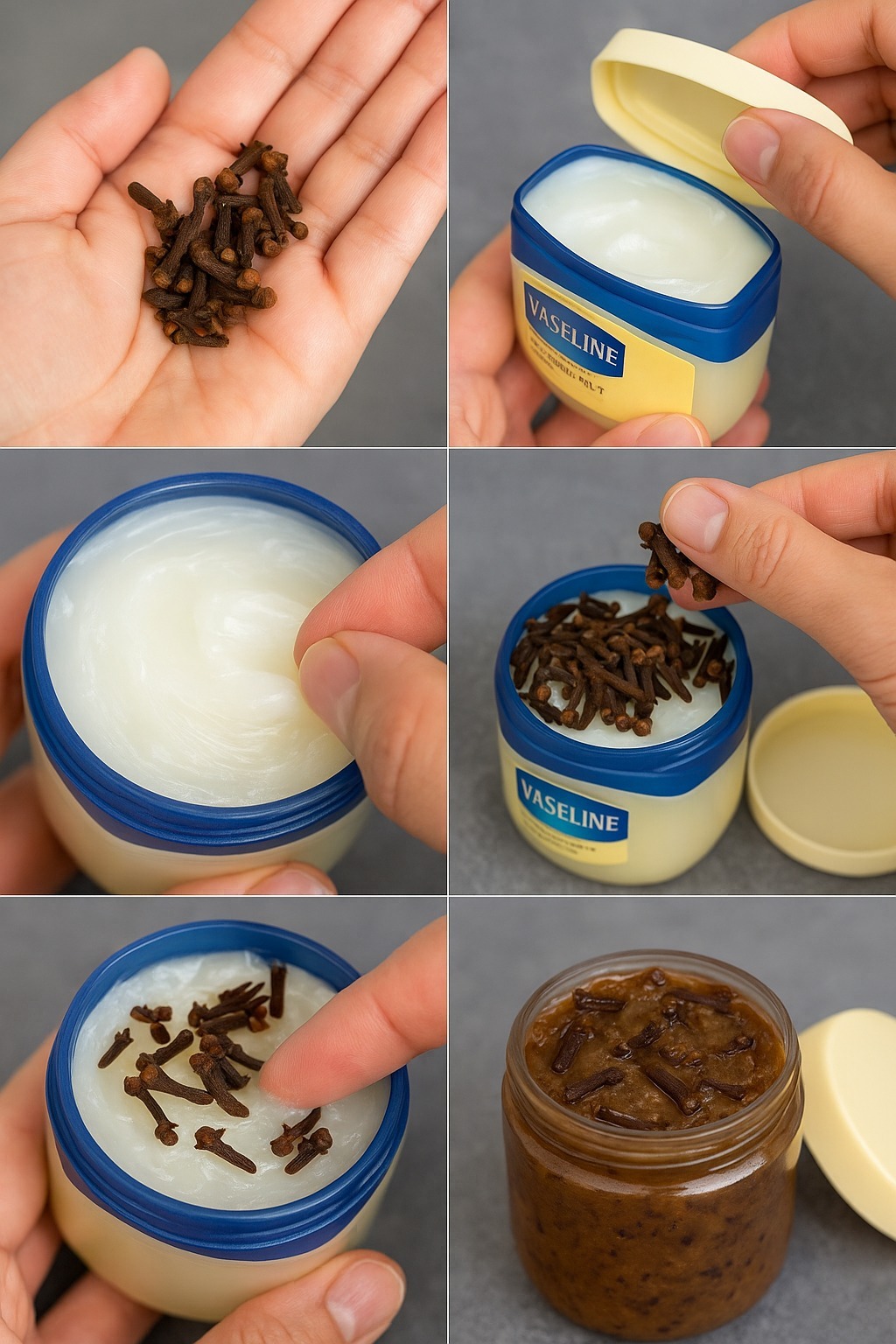
Mix cloves with Vaseline : A secret nobody will never tell you. thank me later

What if small, daily choices could gently guide your body toward better balance, less pain, and more energy? While no single food or drink can magically cure chronic conditions like diabetes, fatty liver disease, or joint pain, consistent lifestyle habits can dramatically support the body’s natural healing systems. When nutrition, movement, and mindful routines work together, the results can feel life-changing.

Let’s explore how a simple daily wellness recipe, paired with smart habits, may help reduce inflammation, stabilize blood sugar, support liver function, and ease joint discomfort over time.

Understanding the Root of the Problem

Diabetes, fatty liver disease, and joint pain often share the same underlying triggers:

  • Chronic inflammation

  • Insulin resistance

  • Excess fat accumulation in the liver

  • Oxidative stress

  • Poor circulation

These conditions don’t appear overnight. They develop slowly, fueled by processed foods, sugar overload, inactivity, stress, and poor sleep. The good news? They can also be improved gradually by addressing those same roots.

The Power of a Daily Anti-Inflammatory Wellness Drink

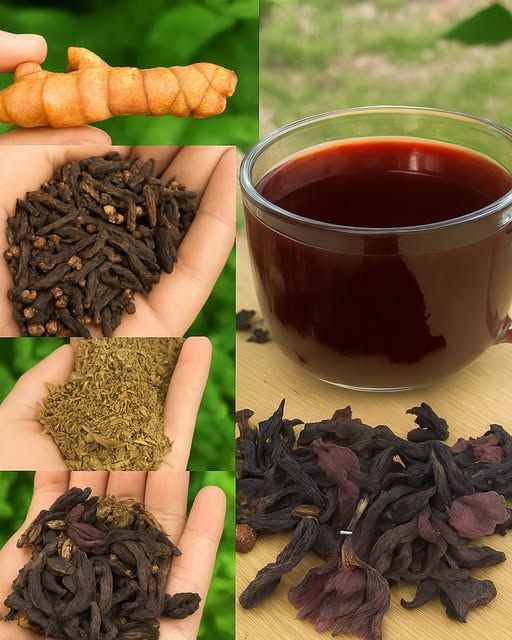
This simple, natural drink is designed to support metabolic health, liver detoxification, and joint lubrication, using ingredients known for their traditional and scientifically studied benefits.

The Wellness Support Recipe

Ingredients:

  • 1 cup warm water

  • 1 tablespoon fresh lemon juice

  • ½ teaspoon turmeric powder

  • ¼ teaspoon cinnamon powder

  • 1 teaspoon olive oil

  • A pinch of black pepper

How to Prepare:

  1. Warm the water until comfortable to drink (not boiling).

  2. Add lemon juice, turmeric, cinnamon, olive oil, and black pepper.

  3. Stir well and drink slowly, preferably on an empty stomach in the morning.

Why This Recipe Supports the Body

Turmeric
Turmeric contains curcumin, a powerful compound known for its anti-inflammatory properties. It may help reduce joint stiffness and support insulin sensitivity when consumed consistently.

Cinnamon
Cinnamon has been shown to help regulate blood sugar levels by improving insulin response, making it especially helpful for people managing glucose fluctuations.

Lemon Juice
Lemon supports liver enzymes and digestion. A healthy liver plays a crucial role in fat metabolism and detoxification.

Olive Oil
Rich in healthy monounsaturated fats, olive oil supports joint lubrication, reduces inflammation, and helps the liver process fats more efficiently.

Black Pepper
Black pepper enhances the absorption of curcumin by up to 2000%, making turmeric far more effective.

How This Helps With Diabetes Support

This drink may help:

  • Reduce insulin resistance

  • Prevent sharp blood sugar spikes

  • Support pancreatic function

  • Encourage healthier cravings

Paired with a balanced diet rich in fiber, lean protein, and healthy fats, it can become a powerful daily habit for blood sugar control.

Supporting Fatty Liver Health Naturally

Fatty liver disease often improves when the liver gets a break from sugar, refined carbs, and excess calories. Ingredients like lemon and olive oil support bile flow and fat metabolism, while turmeric helps reduce liver inflammation.

Additional liver-friendly habits:

  • Avoid sugary drinks

  • Eat more vegetables and legumes

  • Limit refined carbohydrates

  • Stay hydrated throughout the day

Relief for Joint Pain and Stiffness

Joint pain is often driven by inflammation and poor circulation. The anti-inflammatory properties of turmeric and olive oil may help:

  • Reduce morning stiffness

  • Improve joint flexibility

  • Support cartilage health

  • Ease swelling over time

Gentle daily movement like walking, stretching, or yoga enhances these benefits.

Lifestyle Habits That Multiply the Results

This recipe works best when combined with simple, realistic habits:

  • Walk 20–30 minutes daily

  • Sleep 7–8 hours per night

  • Reduce sugar and ultra-processed foods

  • Practice stress-reduction techniques like deep breathing

  • Stay consistent, not perfect

Healing is not about extremes—it’s about sustainability.

What to Expect Over Time

With regular use and healthy lifestyle choices, many people report:

  • Improved energy levels

  • Less joint stiffness

  • Better digestion

  • More stable blood sugar readings

  • Reduced bloating and inflammation

Results vary, and improvements happen gradually, but consistency is key.

A Gentle Reminder

This recipe is not a medical treatment and does not replace prescribed medications. Always consult a healthcare professional before making significant dietary changes, especially if you have a diagnosed condition.

Final Thoughts

You don’t need drastic diets or expensive supplements to support your health. Sometimes, healing begins with a warm cup, a mindful morning, and the decision to care for your body one day at a time. While you may not “say goodbye” overnight, you can absolutely say hello to better balance, mobility, and vitality.

Say goodbye to diabetes, fatty liver disease and joint pain

What if small, daily choices could gently guide your body toward better balance, less pain, and more energy? While no single food or drink can magically cure chronic conditions like diabetes, fatty liver disease, or joint pain, consistent lifestyle habits can dramatically support the body’s natural healing systems. When nutrition, movement, and mindful routines work together, the results can feel life-changing.

Let’s explore how a simple daily wellness recipe, paired with smart habits, may help reduce inflammation, stabilize blood sugar, support liver function, and ease joint discomfort over time.

Understanding the Root of the Problem

Diabetes, fatty liver disease, and joint pain often share the same underlying triggers:

  • Chronic inflammation

  • Insulin resistance

  • Excess fat accumulation in the liver

  • Oxidative stress

  • Poor circulation

These conditions don’t appear overnight. They develop slowly, fueled by processed foods, sugar overload, inactivity, stress, and poor sleep. The good news? They can also be improved gradually by addressing those same roots.

The Power of a Daily Anti-Inflammatory Wellness Drink

This simple, natural drink is designed to support metabolic health, liver detoxification, and joint lubrication, using ingredients known for their traditional and scientifically studied benefits.

The Wellness Support Recipe

Ingredients:

  • 1 cup warm water

  • 1 tablespoon fresh lemon juice

  • ½ teaspoon turmeric powder

  • ¼ teaspoon cinnamon powder

  • 1 teaspoon olive oil

  • A pinch of black pepper

How to Prepare:

  1. Warm the water until comfortable to drink (not boiling).

  2. Add lemon juice, turmeric, cinnamon, olive oil, and black pepper.

  3. Stir well and drink slowly, preferably on an empty stomach in the morning.

Why This Recipe Supports the Body

Turmeric
Turmeric contains curcumin, a powerful compound known for its anti-inflammatory properties. It may help reduce joint stiffness and support insulin sensitivity when consumed consistently.

Cinnamon
Cinnamon has been shown to help regulate blood sugar levels by improving insulin response, making it especially helpful for people managing glucose fluctuations.

Lemon Juice
Lemon supports liver enzymes and digestion. A healthy liver plays a crucial role in fat metabolism and detoxification.

Olive Oil
Rich in healthy monounsaturated fats, olive oil supports joint lubrication, reduces inflammation, and helps the liver process fats more efficiently.

Black Pepper
Black pepper enhances the absorption of curcumin by up to 2000%, making turmeric far more effective.

How This Helps With Diabetes Support

This drink may help:

  • Reduce insulin resistance

  • Prevent sharp blood sugar spikes

  • Support pancreatic function

  • Encourage healthier cravings

Paired with a balanced diet rich in fiber, lean protein, and healthy fats, it can become a powerful daily habit for blood sugar control.

Supporting Fatty Liver Health Naturally

Fatty liver disease often improves when the liver gets a break from sugar, refined carbs, and excess calories. Ingredients like lemon and olive oil support bile flow and fat metabolism, while turmeric helps reduce liver inflammation.

Additional liver-friendly habits:

  • Avoid sugary drinks

  • Eat more vegetables and legumes

  • Limit refined carbohydrates

  • Stay hydrated throughout the day

Relief for Joint Pain and Stiffness

Joint pain is often driven by inflammation and poor circulation. The anti-inflammatory properties of turmeric and olive oil may help:

  • Reduce morning stiffness

  • Improve joint flexibility

  • Support cartilage health

  • Ease swelling over time

Gentle daily movement like walking, stretching, or yoga enhances these benefits.

Lifestyle Habits That Multiply the Results

This recipe works best when combined with simple, realistic habits:

  • Walk 20–30 minutes daily

  • Sleep 7–8 hours per night

  • Reduce sugar and ultra-processed foods

  • Practice stress-reduction techniques like deep breathing

  • Stay consistent, not perfect

Healing is not about extremes—it’s about sustainability.

What to Expect Over Time

With regular use and healthy lifestyle choices, many people report:

  • Improved energy levels

  • Less joint stiffness

  • Better digestion

  • More stable blood sugar readings

  • Reduced bloating and inflammation

Results vary, and improvements happen gradually, but consistency is key.

A Gentle Reminder

This recipe is not a medical treatment and does not replace prescribed medications. Always consult a healthcare professional before making significant dietary changes, especially if you have a diagnosed condition.

Final Thoughts

You don’t need drastic diets or expensive supplements to support your health. Sometimes, healing begins with a warm cup, a mindful morning, and the decision to care for your body one day at a time. While you may not “say goodbye” overnight, you can absolutely say hello to better balance, mobility, and vitality.

Chocolate cake

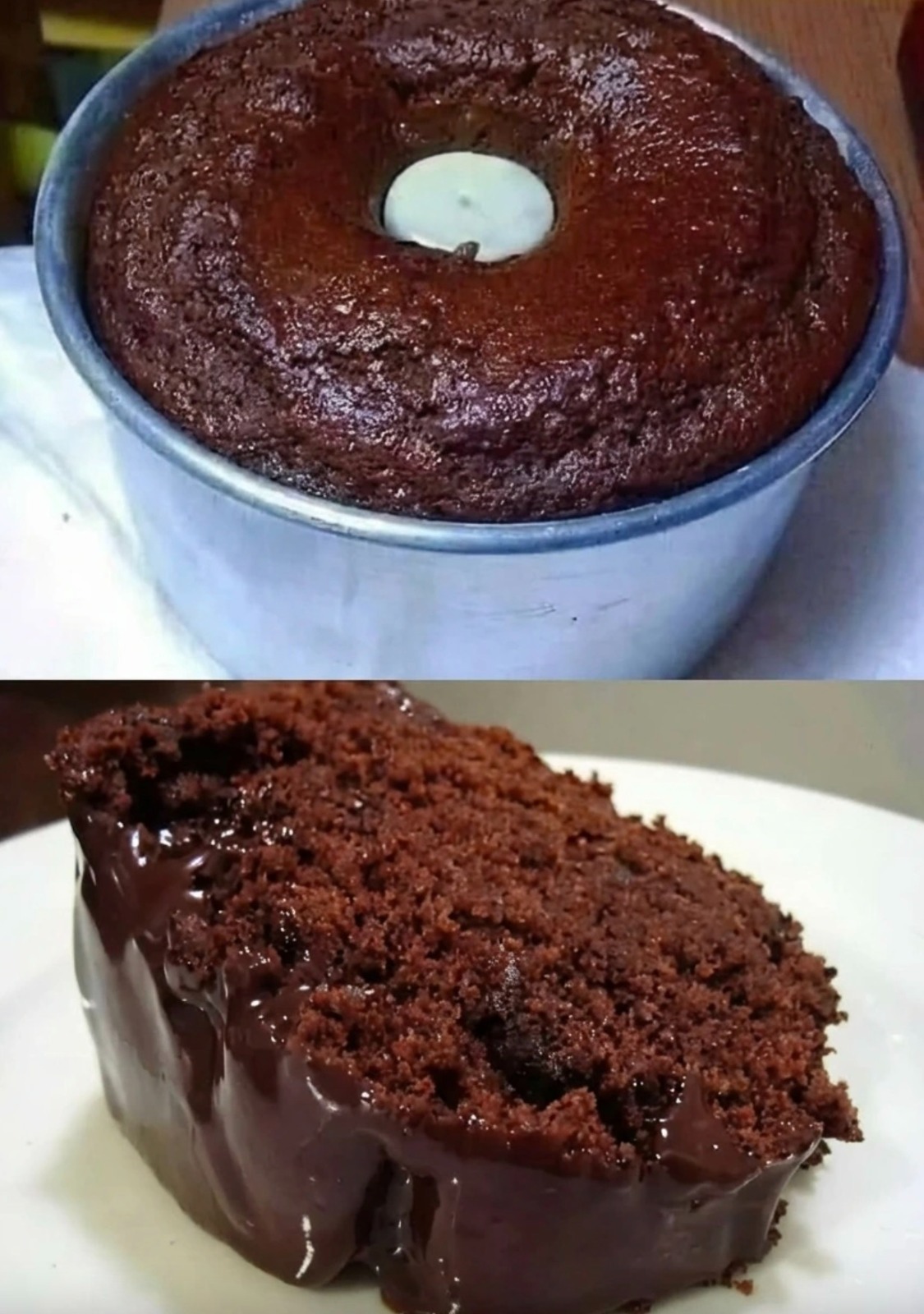
There’s chocolate cake… and then there’s that chocolate cake—the one people remember long after the plates are cleared. The kind that’s impossibly moist, deeply chocolatey, and balanced so perfectly it doesn’t even need frosting (though we’ll add one anyway, because why not?). This Decadent Chocolate Dream Cake is a unique recipe designed to deliver bakery-level results using simple pantry ingredients, with one secret technique that transforms the crumb into pure velvet.

Unlike dry or overly sweet chocolate cakes, this recipe focuses on depth of flavor, achieved through blooming cocoa powder, gentle acidity, and controlled moisture. Whether you’re baking for a celebration or a quiet evening treat, this cake promises comfort, luxury, and that unmistakable “wow” factor.

Why This Chocolate Cake Is Different

Most chocolate cakes rely heavily on melted chocolate or excess sugar. This one takes a smarter route:

  • Bloomed cocoa for intense chocolate flavor

  • Oil + butter combo for moisture and richness

  • Hot milk infusion for a soft, bakery-style crumb

  • Balanced sweetness so the chocolate shines

The result? A cake that stays moist for days and tastes even better the next morning.


Ingredients

For the Chocolate Cake

  • 1¾ cups all-purpose flour

  • ¾ cup unsweetened cocoa powder (high quality)

  • 1½ cups granulated sugar

  • ½ cup light brown sugar

  • 1½ teaspoons baking powder

  • 1 teaspoon baking soda

  • ½ teaspoon salt

  • 2 large eggs, room temperature

  • ½ cup vegetable oil

  • ¼ cup unsalted butter, melted and cooled

  • 1 cup hot milk (not boiling)

  • 2 teaspoons vanilla extract

  • 1 tablespoon apple cider vinegar or lemon juice

For the Silky Chocolate Frosting

  • ¾ cup unsalted butter, softened

  • 2½ cups powdered sugar

  • ½ cup cocoa powder

  • ¼ cup warm cream or milk

  • 1 teaspoon vanilla extract

  • Pinch of salt


Step-by-Step Instructions

Step 1: Prepare the Pan and Oven

Preheat your oven to 175°C (350°F). Grease and line a 9-inch round cake pan (or two for layers). Dust lightly with cocoa powder instead of flour to prevent white marks.

Step 2: Mix the Dry Ingredients

In a large bowl, whisk together flour, cocoa powder, granulated sugar, brown sugar, baking powder, baking soda, and salt. This even distribution ensures a smooth, lump-free batter later.

Step 3: Add the Wet Ingredients

Add the eggs, oil, melted butter, vanilla, and vinegar to the dry mixture. Stir gently until just combined. Don’t overmix—this keeps the cake tender.

Step 4: The Secret Blooming Step

Slowly pour the hot milk into the batter while stirring. The heat activates the cocoa powder, intensifying the chocolate flavor and giving the cake its signature dark color and aroma. The batter will be thin—this is exactly what you want.

Step 5: Bake to Perfection

Pour the batter into the prepared pan and tap gently to release air bubbles. Bake for 35–40 minutes, or until a toothpick inserted in the center comes out with a few moist crumbs (not wet batter).

Let the cake cool in the pan for 10 minutes, then transfer to a wire rack to cool completely.

Making the Silky Chocolate Frosting

Beat the softened butter until pale and creamy. Add powdered sugar and cocoa powder gradually, mixing on low speed. Pour in warm cream, vanilla, and salt, then beat on high for 2–3 minutes until light, smooth, and glossy.

If the frosting feels too thick, add a tablespoon of cream. Too thin? Add a bit more powdered sugar.

Assemble and Decorate

Spread the frosting generously over the cooled cake using a spatula. For an elegant finish, create soft swirls or sprinkle with:

  • Dark chocolate shavings

  • Cocoa powder dusting

  • Crushed nuts or chocolate chips


Pro Tips for the Best Chocolate Cake

  • Use room-temperature eggs for better texture

  • Don’t skip the vinegar—you won’t taste it, but it makes the cake softer

  • Rest overnight if possible—the flavor deepens beautifully

  • Store covered at room temperature for up to 2 days, or refrigerate for 5

Final Thoughts

This Decadent Chocolate Dream Cake isn’t just dessert—it’s an experience. Moist, rich, and perfectly balanced, it proves that a truly great chocolate cake doesn’t need complicated techniques or rare ingredients—just the right ones used thoughtfully.