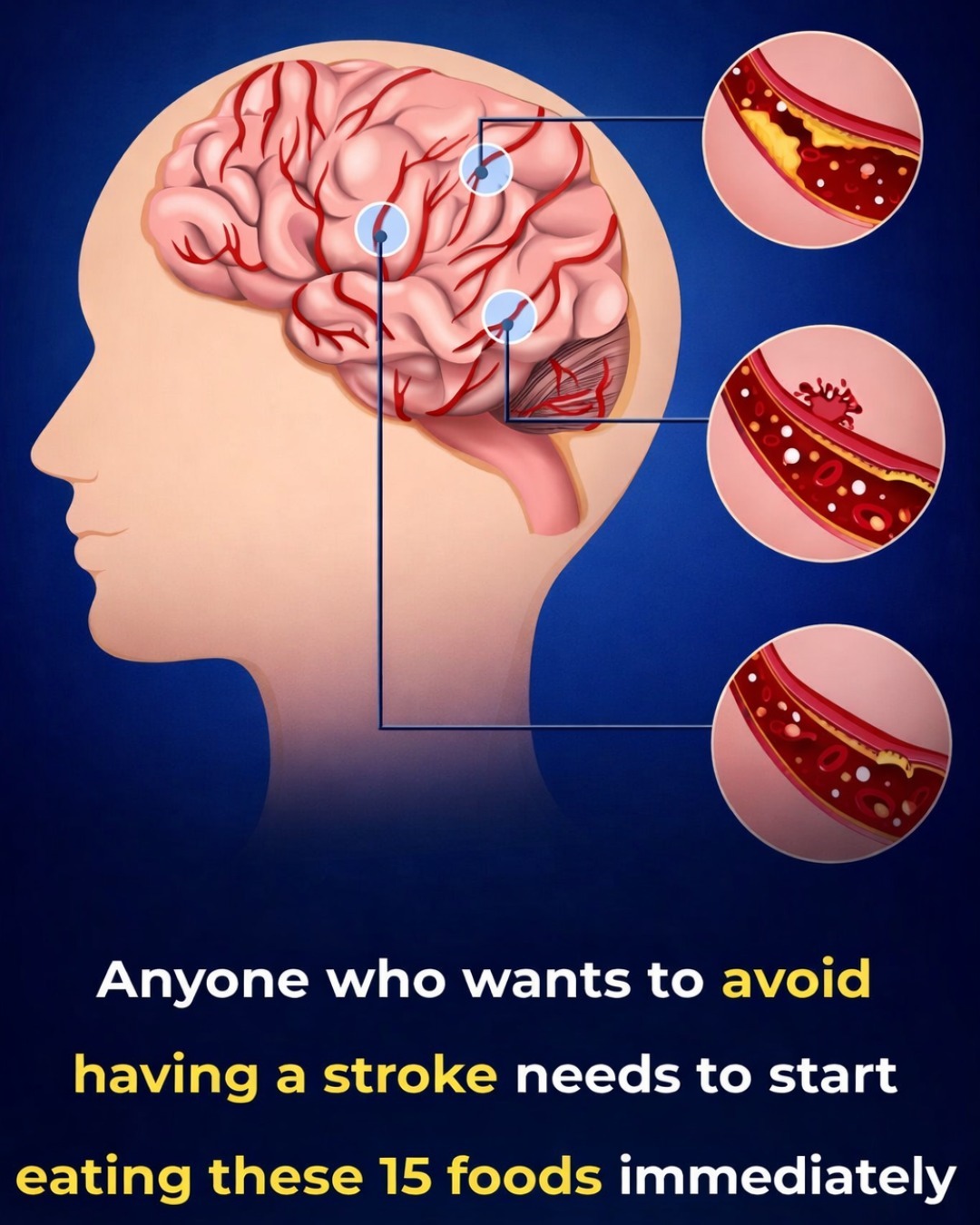
Anyone who wants to prevent a stroke needs to start eating these 15 foods immediately

Preventing a stroke isn’t just about avoiding risk—it’s about actively nourishing your body with foods that support healthy blood vessels, balanced cholesterol levels, and proper circulation. Diet plays a powerful role in reducing stroke risk, and incorporating the right foods into your daily meals can make a meaningful difference. Here are 15 foods you should consider adding to your routine, along with simple ideas on how to enjoy them.

Leafy green vegetables like spinach, kale, and Swiss chard are among the most important foods for stroke prevention. They are rich in nitrates, which help lower blood pressure and improve artery function. Try adding a handful of spinach to your morning omelet or blending kale into a smoothie with fruit for a nutrient-packed start to your day.

Berries, especially blueberries, strawberries, and raspberries, are loaded with antioxidants called flavonoids. These compounds help reduce inflammation and protect blood vessels. A simple recipe is to mix fresh berries with yogurt and a drizzle of honey for a heart-healthy snack or dessert.

Fatty fish such as salmon, mackerel, and sardines provide omega-3 fatty acids, which are essential for reducing inflammation and preventing blood clots. Aim to eat fatty fish at least twice a week. You can bake salmon with lemon, garlic, and olive oil for a quick and flavorful meal.

Whole grains like oats, brown rice, and quinoa are high in fiber, which helps lower cholesterol levels and maintain steady blood sugar. Start your morning with oatmeal topped with fruit and nuts, or use quinoa as a base for a vegetable bowl.

Nuts and seeds, including almonds, walnuts, chia seeds, and flaxseeds, are excellent sources of healthy fats, protein, and fiber. A small handful each day can support heart health. Sprinkle chia seeds over yogurt or add crushed walnuts to salads for extra crunch and nutrition.

Avocados are rich in monounsaturated fats that help reduce bad cholesterol levels. They also contain potassium, which supports healthy blood pressure. Spread mashed avocado on whole-grain toast and top with tomatoes and a pinch of salt for a simple, satisfying meal.

Beans and legumes such as lentils, chickpeas, and black beans are packed with fiber and plant-based protein. They help regulate blood sugar and cholesterol. You can prepare a hearty lentil soup with vegetables and spices for a filling, stroke-preventive dish.

Citrus fruits like oranges, lemons, and grapefruits are high in vitamin C and flavonoids, which support blood vessel health. Enjoy fresh orange slices as a snack or add lemon juice to water for a refreshing drink.

Tomatoes are rich in lycopene, an antioxidant linked to reduced stroke risk. Cooking tomatoes can enhance lycopene absorption, so consider making a simple tomato sauce with garlic and olive oil to serve over whole-grain pasta.

Olive oil is a cornerstone of heart-healthy diets. It contains antioxidants and healthy fats that reduce inflammation and improve cholesterol levels. Use extra virgin olive oil as your primary cooking oil or drizzle it over salads and vegetables.

Garlic has natural compounds that help lower blood pressure and improve circulation. Adding fresh garlic to your meals—whether in soups, sauces, or stir-fries—can provide both flavor and health benefits.

Dark chocolate, when consumed in moderation, contains flavonoids that may improve blood flow and reduce stroke risk. Choose chocolate with at least 70% cocoa and enjoy a small piece as an occasional treat.

Green tea is rich in catechins, powerful antioxidants that support cardiovascular health. Replacing sugary beverages with green tea can be a simple step toward reducing stroke risk.

Bananas are an excellent source of potassium, which helps regulate blood pressure. They make a convenient snack or can be sliced over cereal or blended into smoothies.

Finally, yogurt—especially low-fat or Greek yogurt—provides calcium, potassium, and probiotics that support overall health. Pair it with fruits and seeds for a balanced and delicious meal.

A simple daily meal plan might include oatmeal with berries and chia seeds for breakfast, a quinoa salad with vegetables and olive oil for lunch, a handful of nuts as a snack, and baked salmon with leafy greens and tomatoes for dinner. Small, consistent choices like these can significantly lower your risk of stroke over time.
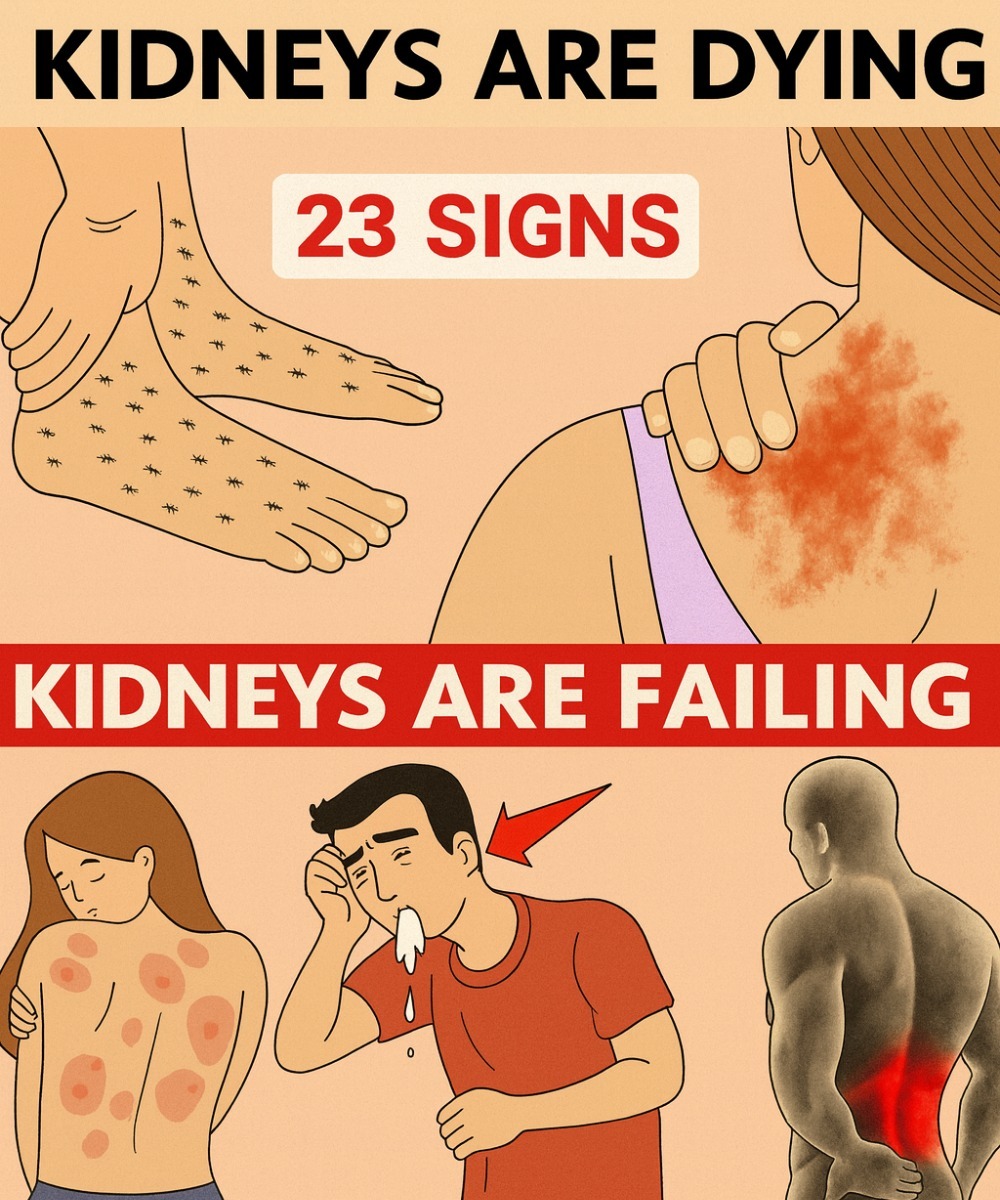

23 Weird Signs of Kidney Disease Most People Will Miss

Kidney disease is often called a “silent condition” because many of its early symptoms are subtle, unusual, or easy to ignore. Your kidneys play a crucial role in filtering waste, balancing fluids, and regulating essential minerals. When they start to struggle, your body may send signals—but not always the obvious ones you’d expect.

Here are 23 strange and often overlooked signs that could point to kidney trouble.


1. Constant Fatigue

Feeling unusually tired even after a full night’s sleep can be a sign your kidneys aren’t filtering toxins properly. Waste buildup in the blood can drain your energy.

2. Trouble Concentrating

If you’re finding it hard to focus or feeling mentally foggy, it might be due to reduced oxygen delivery caused by kidney-related anemia.

3. Dry and Itchy Skin

Your kidneys help maintain mineral balance. When they fail, skin can become dry, irritated, and persistently itchy.

4. Metallic Taste in Mouth

A strange metallic taste or bad breath (often described as ammonia-like) can occur due to toxin buildup in the bloodstream.

5. Swollen Ankles and Feet

Fluid retention is a classic sign, but it often starts subtly—like slightly tight shoes or puffiness at the end of the day.

6. Puffy Eyes

Persistent puffiness around the eyes, especially in the morning, can indicate protein leakage due to kidney damage.

7. Frequent Urination at Night

Waking up multiple times to urinate may be an early sign your kidneys aren’t concentrating urine properly.

8. Foamy Urine

Excess bubbles or foam in urine can indicate protein loss, a key warning sign of kidney issues.

9. Muscle Cramps

Electrolyte imbalances—especially low calcium or high phosphorus—can cause frequent muscle cramps.

10. Loss of Appetite

A sudden lack of interest in food may result from toxin accumulation affecting your digestive system.


11. Nausea and Vomiting

As waste builds up, it can irritate the stomach, leading to frequent nausea or even vomiting.

12. Cold Sensitivity

Feeling cold all the time, even in warm environments, may be linked to anemia caused by kidney dysfunction.

13. Shortness of Breath

Fluid buildup in the lungs or anemia can make breathing feel more difficult than usual.

14. Headaches

High blood pressure, often associated with kidney disease, can lead to recurring headaches.

15. Changes in Urine Color

Dark, pale, or reddish urine can all indicate potential kidney problems.

16. Back Pain

Pain near the lower back or sides (where the kidneys are located) may signal inflammation or infection.

17. Ammonia-Like Breath

Toxins not being filtered properly can cause a strong, unpleasant smell in the breath.

18. Difficulty Sleeping

Toxin buildup can disrupt sleep patterns, making it harder to fall or stay asleep.


19. Restless Legs

An uncomfortable urge to move your legs, especially at night, can be linked to kidney-related mineral imbalances.

20. Tingling in Hands and Feet

Nerve issues caused by toxin accumulation can lead to numbness or tingling sensations.

21. High Blood Pressure

Kidneys help regulate blood pressure. When they’re damaged, hypertension often follows—or worsens.

22. Sudden Weight Changes

Unexplained weight gain (from fluid retention) or loss (from poor appetite) can both occur.

23. Bad Skin Complexion

A dull, grayish, or unhealthy skin tone may result from waste buildup in the blood.


Why These Signs Matter

The tricky part about kidney disease is that these symptoms can easily be mistaken for other conditions or everyday stress. Many people ignore them until the disease has progressed significantly.

Early detection is key. When caught early, kidney disease can often be managed through lifestyle changes, diet, and proper medical care.


What You Can Do

If you notice several of these signs, it’s important to take them seriously. Here are a few simple steps:

  • Stay hydrated, but don’t overdo it
  • Reduce salt and processed foods
  • Monitor blood pressure regularly
  • Avoid overuse of painkillers
  • Get routine blood and urine tests

Final Thoughts

Your body has a unique way of signaling when something isn’t right. While these symptoms may seem minor or unrelated, together they can paint a bigger picture of your kidney health.

Did you know that waking up at 3 or 4 am is a clear sign of

Waking up at 3 or 4 a.m. is something many people experience at some point in their lives. It can feel mysterious, frustrating, or even a little unsettling—especially when it becomes a pattern. While some might think it’s a random sleep disturbance, others believe it’s a “clear sign” of something deeper going on in the body or mind. The truth is, waking up at this time can be linked to several physical, emotional, and lifestyle factors—and understanding them can help you regain restful sleep.

First, it’s important to know that sleep occurs in cycles. Throughout the night, your body moves through different stages, including light sleep, deep sleep, and REM (rapid eye movement) sleep. These cycles typically last about 90 minutes. Around 3 or 4 a.m., many people are transitioning between cycles, often moving into lighter sleep. This makes it easier for you to wake up—even from small disturbances like noise, temperature changes, or internal stress signals.

One of the most common reasons for waking up at this hour is stress or anxiety. Even if you don’t feel anxious during the day, your subconscious mind may still be processing worries at night. When your cortisol levels (the stress hormone) begin to rise early in the morning, your body may shift toward wakefulness. This can cause you to suddenly open your eyes and find it difficult to fall back asleep. Often, people who wake at this time report racing thoughts or an inability to “shut off” their mind.

Another factor could be blood sugar imbalance. If your blood sugar drops too low during the night, your body may release stress hormones like adrenaline and cortisol to stabilize it. This can wake you up abruptly, sometimes with a feeling of restlessness or even mild panic. This is more common in people who skip dinner, eat very late, or consume high-sugar foods before bed.

Hormonal changes also play a role. For example, as people age, their sleep patterns naturally shift, and they may find themselves waking earlier. In women, hormonal fluctuations during menopause can lead to nighttime awakenings, often around the early morning hours. These changes affect how deeply and continuously you sleep.

Your lifestyle habits can also contribute. Drinking caffeine too late in the day, using electronic devices before bed, or having an inconsistent sleep schedule can disrupt your internal body clock (circadian rhythm). When your rhythm is out of sync, your body may wake you up at odd times, including 3 or 4 a.m., even if you still feel tired.

There is also a concept rooted in traditional Chinese medicine called the “body clock,” which suggests that waking at specific times may be linked to certain organs. According to this theory, waking between 3 and 5 a.m. is associated with the lungs and may indicate emotional issues such as grief or sadness. While this idea isn’t strongly supported by modern scientific research, some people find it helpful as a way to reflect on their emotional health.

Environmental factors shouldn’t be overlooked either. A room that is too hot or too cold, noise disturbances, or even light creeping in through curtains can interrupt your sleep cycle. Around 3 or 4 a.m., your sleep is lighter, making you more sensitive to these external triggers.

So, what can you do if this keeps happening? Start by improving your sleep hygiene. Go to bed and wake up at the same time every day, even on weekends. Avoid caffeine in the late afternoon and evening, and try to limit screen time at least an hour before bed. Creating a relaxing bedtime routine—such as reading, meditating, or taking a warm shower—can signal to your body that it’s time to wind down.

If you wake up in the middle of the night, avoid checking your phone or clock, as this can increase anxiety. Instead, try deep breathing or gentle relaxation techniques. If you can’t fall back asleep after about 20 minutes, get up and do something calming in low light until you feel sleepy again.

Your diet can also help stabilize your sleep. Eating a balanced dinner with protein, healthy fats, and complex carbohydrates can prevent blood sugar dips during the night. Avoid heavy meals right before bed, but don’t go to sleep overly hungry either.

If the problem persists or is affecting your daily life, it may be worth speaking to a healthcare professional. Chronic sleep disturbances can sometimes be linked to underlying conditions like insomnia, sleep apnea, or anxiety disorders that may need proper evaluation.

6 Vitamins to Unclog Your Arteries

Keeping your arteries clear is essential for heart health, circulation, and overall longevity. While no vitamin alone can magically “unclog” arteries overnight, certain nutrients play a powerful role in reducing plaque buildup, lowering inflammation, and improving blood flow. Combined with a healthy lifestyle, these vitamins can support your body’s natural ability to maintain clean and flexible arteries. Here’s a practical, recipe-style guide to six key vitamins that help promote cardiovascular health.


1. Vitamin C – The Artery Protector

Vitamin C is a potent antioxidant that helps protect the inner lining of your arteries (the endothelium) from damage caused by free radicals. This damage is often the starting point for plaque buildup. Vitamin C also supports collagen production, which strengthens blood vessels and keeps them flexible.

How to include it:
Start your day with a glass of warm lemon water or a citrus smoothie made with oranges, strawberries, and a handful of spinach. These foods are rich in vitamin C and easy to incorporate into your routine.


2. Vitamin D – The Heart Regulator

Vitamin D plays a crucial role in regulating blood pressure and reducing inflammation, both of which are linked to arterial health. Low levels of vitamin D have been associated with increased risk of heart disease and hardened arteries.

How to include it:
Sunlight is one of the best natural sources. Aim for 10–20 minutes of sun exposure daily. Dietary sources include fortified milk, eggs, and fatty fish like salmon. If needed, supplements can help maintain optimal levels.


3. Vitamin K2 – The Calcium Director

Vitamin K2 is essential for directing calcium to the right places in your body—like bones and teeth—while preventing it from depositing in your arteries. Without enough K2, calcium can build up in artery walls, leading to stiffness and blockages.

How to include it:
Fermented foods such as natto (fermented soybeans), cheese, and yogurt are excellent sources. Adding a small serving of these foods to your daily diet can support proper calcium metabolism.


4. Vitamin E – The Antioxidant Shield

Vitamin E helps prevent oxidation of LDL (bad cholesterol), a key step in the formation of arterial plaque. By reducing oxidative stress, vitamin E supports smoother blood flow and healthier arteries.

How to include it:
Snack on a handful of almonds or sunflower seeds, or add avocado slices to your meals. These foods are naturally rich in vitamin E and healthy fats that further support heart health.


5. Vitamin B3 (Niacin) – The Cholesterol Balancer

Niacin is known for its ability to improve cholesterol levels by increasing HDL (good cholesterol) and lowering LDL (bad cholesterol) and triglycerides. Balanced cholesterol levels are crucial for preventing plaque buildup in arteries.

How to include it:
Include foods like chicken, tuna, brown rice, and peanuts in your meals. These provide a natural source of niacin without the need for high-dose supplements unless prescribed.


6. Vitamin B9 (Folate) – The Homocysteine Reducer

Folate helps break down homocysteine, an amino acid that, at high levels, can damage artery walls and increase the risk of cardiovascular disease. Lowering homocysteine levels supports smoother, healthier blood vessels.

How to include it:
Leafy greens like spinach, kale, and lentils are rich in folate. A simple lentil soup or a green salad can go a long way in boosting your intake.


A Simple “Artery-Friendly” Daily Recipe Plan

To combine these vitamins into a practical routine, here’s a simple daily plan:

Morning:

  • Warm lemon water (Vitamin C)
  • Oatmeal topped with strawberries and almonds (Vitamin C & E)

Lunch:

  • Spinach and lentil salad with olive oil dressing (Vitamin B9 & E)
  • Grilled chicken or tuna (Vitamin B3)

Snack:

  • Yogurt with seeds or a handful of nuts (Vitamin K2 & E)

Dinner:

  • Baked salmon with steamed vegetables (Vitamin D)
  • Brown rice on the side (Vitamin B3)

Final Thoughts

While these vitamins support artery health, they work best as part of a bigger picture that includes regular exercise, a balanced diet, avoiding smoking, and managing stress. Think of them not as a quick fix but as essential ingredients in a long-term recipe for a healthy heart. By consistently nourishing your body with these nutrients, you help maintain flexible, clean arteries and reduce your risk of cardiovascular problems over time.

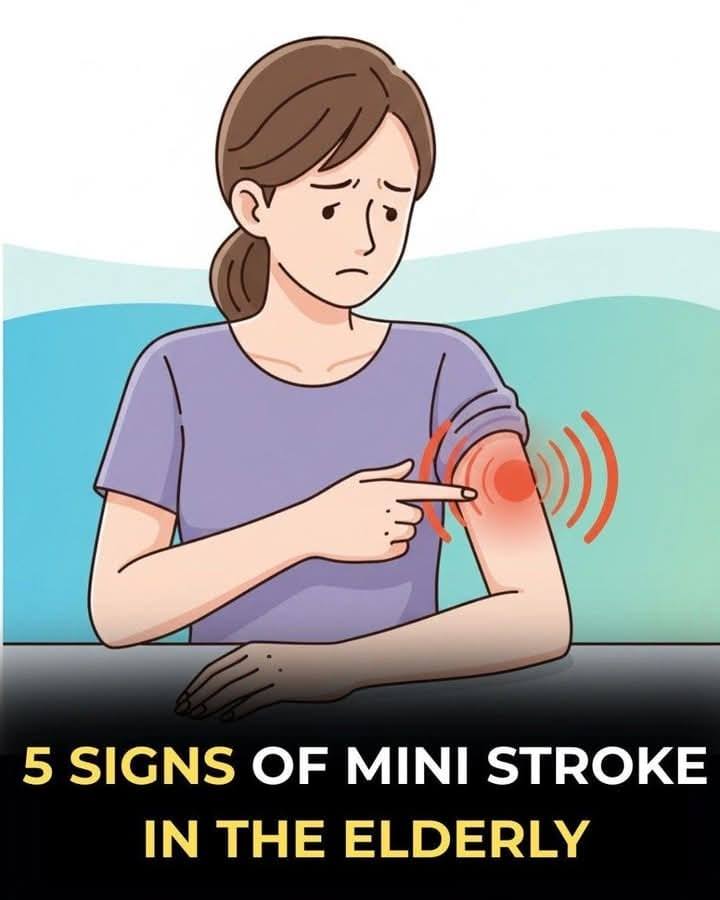
5 Signs of a Mini Stroke in the Elderly

A mini stroke, medically known as a transient ischemic attack (TIA), is often a warning sign that a more serious stroke may occur in the future. Although the symptoms are temporary and may disappear within minutes or hours, they should never be ignored—especially in elderly individuals, who are at higher risk. Recognizing the signs early can make a life-saving difference. Below are five important signs of a mini stroke in the elderly, along with an explanation of why they matter and what to do if they occur.

1. Sudden Weakness or Numbness on One Side of the Body

One of the most common signs of a mini stroke is sudden weakness or numbness, particularly on one side of the body. This can affect the face, arm, or leg. For example, an elderly person may suddenly be unable to lift one arm or may feel tingling or loss of sensation on one side.

You might notice facial drooping, where one side of the face appears uneven when the person smiles. This symptom occurs because the blood flow to a part of the brain responsible for muscle control is temporarily blocked. Even if the weakness disappears quickly, it is still a serious warning sign that should be evaluated by a medical professional.

2. Difficulty Speaking or Understanding Speech

Another key symptom is trouble with speech. An elderly person experiencing a mini stroke may suddenly slur their words, struggle to form sentences, or have difficulty understanding what others are saying.

This can be confusing and frightening, both for the individual and those around them. They may appear disoriented or respond inappropriately to questions. These communication issues happen when the parts of the brain responsible for language are affected.

If you notice someone having sudden speech problems—even if it lasts only a few minutes—it is important to seek immediate medical attention. Quick action can help prevent a future, more severe stroke.

3. Vision Problems in One or Both Eyes

Temporary vision disturbances are another warning sign of a mini stroke. An elderly person may suddenly experience blurred vision, double vision, or even partial or complete loss of vision in one or both eyes.

Some people describe it as a curtain falling over their field of vision. Others may have difficulty focusing or may see dark spots. These symptoms occur when blood flow to the visual centers of the brain or the eyes is interrupted.

Because vision problems can also be linked to other health issues, they are sometimes dismissed. However, when they appear suddenly and without explanation, they should be treated as a medical emergency.

4. Loss of Balance, Coordination, or Dizziness

A mini stroke can also affect balance and coordination. An elderly individual may suddenly feel dizzy, unsteady, or have trouble walking. They might stumble, lose their balance, or feel like the room is spinning.

This symptom is particularly dangerous because it increases the risk of falls, which can lead to serious injuries such as fractures or head trauma. In older adults, even a minor fall can have significant consequences.

These balance issues occur when the parts of the brain responsible for coordination and movement are affected. Even if the dizziness goes away quickly, it is important not to ignore it.

5. Sudden Severe Headache with No Known Cause

Although less common, a sudden and severe headache can also be a sign of a mini stroke. This type of headache often comes on quickly and may feel different from any headache the person has had before.

It may be accompanied by other symptoms such as nausea, confusion, or sensitivity to light. In some cases, it can indicate bleeding in the brain or other serious conditions.

Because headaches are common and can have many causes, this symptom is sometimes overlooked. However, when it is sudden, intense, and unusual, it should be taken seriously.

What to Do If You Notice These Signs

If you observe any of these symptoms in an elderly person—even if they disappear within minutes—do not wait. A mini stroke is a medical emergency and a strong warning that a major stroke could follow.

Act quickly by seeking immediate medical help. Early diagnosis and treatment can significantly reduce the risk of a full stroke. Doctors may recommend medications, lifestyle changes, or further tests to prevent future episodes.

A helpful way to remember the most common stroke symptoms is the acronym FAST:

  • Face drooping
  • Arm weakness
  • Speech difficulty
  • Time to call for help

Final Thoughts

Mini strokes are often overlooked because their symptoms are temporary. However, they are a critical warning sign that should never be ignored, especially in the elderly. Understanding these five signs—weakness, speech difficulties, vision problems, balance issues, and sudden headaches—can help you act quickly and potentially save a life.

WAR.NING: STOP Taking These Pills If You Have High Bl00d Pressure

High blood pressure, also known as hypertension, is often called the “silent killer” because it can quietly damage your heart, brain, and kidneys without obvious symptoms. If you’ve been diagnosed with high blood pressure, managing it properly is essential—not just through prescribed medication, but also by avoiding certain pills that can make your condition worse.

Many people unknowingly take over-the-counter or even prescribed medications that can elevate blood pressure or interfere with their treatment. Understanding what to avoid can make a major difference in keeping your numbers under control and protecting your long-term health.

Let’s explore the common pills you should stop—or at least use with caution—if you have high blood pressure.


1. Nonsteroidal Anti-Inflammatory Drugs (NSAIDs)

Pain relievers like ibuprofen, naproxen, and similar medications are widely used for headaches, muscle pain, and arthritis. However, these drugs can raise blood pressure by causing your body to retain sodium and reducing kidney function.

For someone with hypertension, regular use of NSAIDs can lead to dangerously elevated readings and may even reduce the effectiveness of blood pressure medications.

Safer alternative: Consider acetaminophen (paracetamol) in moderation, but always consult your doctor first.


2. Decongestants

Cold and flu medications often contain decongestants such as pseudoephedrine or phenylephrine. These ingredients work by narrowing blood vessels in your nasal passages—but unfortunately, they also constrict blood vessels throughout your body.

This can cause a significant spike in blood pressure, especially in people who already have hypertension.

What to do instead: Look for “decongestant-free” or “for high blood pressure” labeled products, or try natural remedies like steam inhalation and saline sprays.


3. Certain Antidepressants

Some antidepressants, particularly serotonin-norepinephrine reuptake inhibitors (SNRIs), can increase blood pressure. While these medications are important for mental health, they may not be suitable for everyone with hypertension.

If you notice your blood pressure rising after starting an antidepressant, it’s important to discuss this with your healthcare provider.

Tip: Never stop antidepressants suddenly—always consult a doctor for safe adjustments.


4. Hormonal Birth Control Pills

Birth control pills containing estrogen can increase blood pressure in some women. This risk is higher if you already have hypertension, are overweight, or smoke.

Estrogen can affect how your body regulates fluid and blood vessel tone, leading to higher readings over time.

Better options: Progestin-only pills or non-hormonal methods may be safer alternatives—talk to your doctor about what’s right for you.


5. Steroids (Corticosteroids)

Medications like prednisone are commonly prescribed for inflammation, allergies, and autoimmune conditions. While effective, steroids can cause fluid retention and increase blood pressure.

Long-term use is especially concerning for individuals with hypertension.

Important note: If you’re on steroids, your doctor should monitor your blood pressure regularly.


6. Weight Loss Pills

Many diet pills and appetite suppressants contain stimulants that can raise heart rate and blood pressure. Ingredients like caffeine, ephedra (in some regions), or similar compounds can put serious strain on your cardiovascular system.

Even “natural” or herbal weight loss supplements can have hidden risks.

Advice: Focus on safe, sustainable weight loss through diet and exercise instead of relying on pills.


7. Energy Pills and High-Caffeine Supplements

Energy boosters and caffeine pills may seem harmless, but they can temporarily spike blood pressure and heart rate. For people with hypertension, repeated use can lead to complications.

Even large amounts of coffee or energy drinks can have similar effects.

Better approach: Stay energized with proper sleep, hydration, and balanced nutrition.


8. Certain Herbal Supplements

Not all natural remedies are safe. Some herbal supplements—like licorice root, ginseng, and yohimbine—can raise blood pressure or interfere with medications.

Because supplements are not always strictly regulated, it’s easy to underestimate their impact.

Golden rule: Always inform your doctor about any supplements you are taking.


Why This Matters

Taking the wrong medications can silently worsen your condition, even if you’re following your blood pressure treatment plan. Many people blame their diet or stress for rising numbers, without realizing that a common pill is the real cause.

Unchecked high blood pressure increases the risk of heart attack, stroke, kidney damage, and vision problems. That’s why awareness is critical.


Smart Tips for Managing Blood Pressure Safely

  • Read labels carefully: Especially for cold, flu, and pain medications
  • Consult your doctor or pharmacist: Before starting any new medication or supplement
  • Monitor your blood pressure regularly: Keep track of changes
  • Stick to prescribed treatments: Don’t skip or adjust doses without medical advice
  • Adopt a healthy lifestyle: Low-sodium diet, regular exercise, and stress management

Final Thoughts

Living with high blood pressure doesn’t mean you have to fear every medication—but it does mean you need to be more cautious than most. Many commonly used pills can quietly raise your blood pressure or interfere with your treatment.

The key is awareness and communication. Always check with your healthcare provider before taking anything new, even if it’s over-the-counter or labeled “natural.”

Doctors reveal that eating eggs in the morning causes

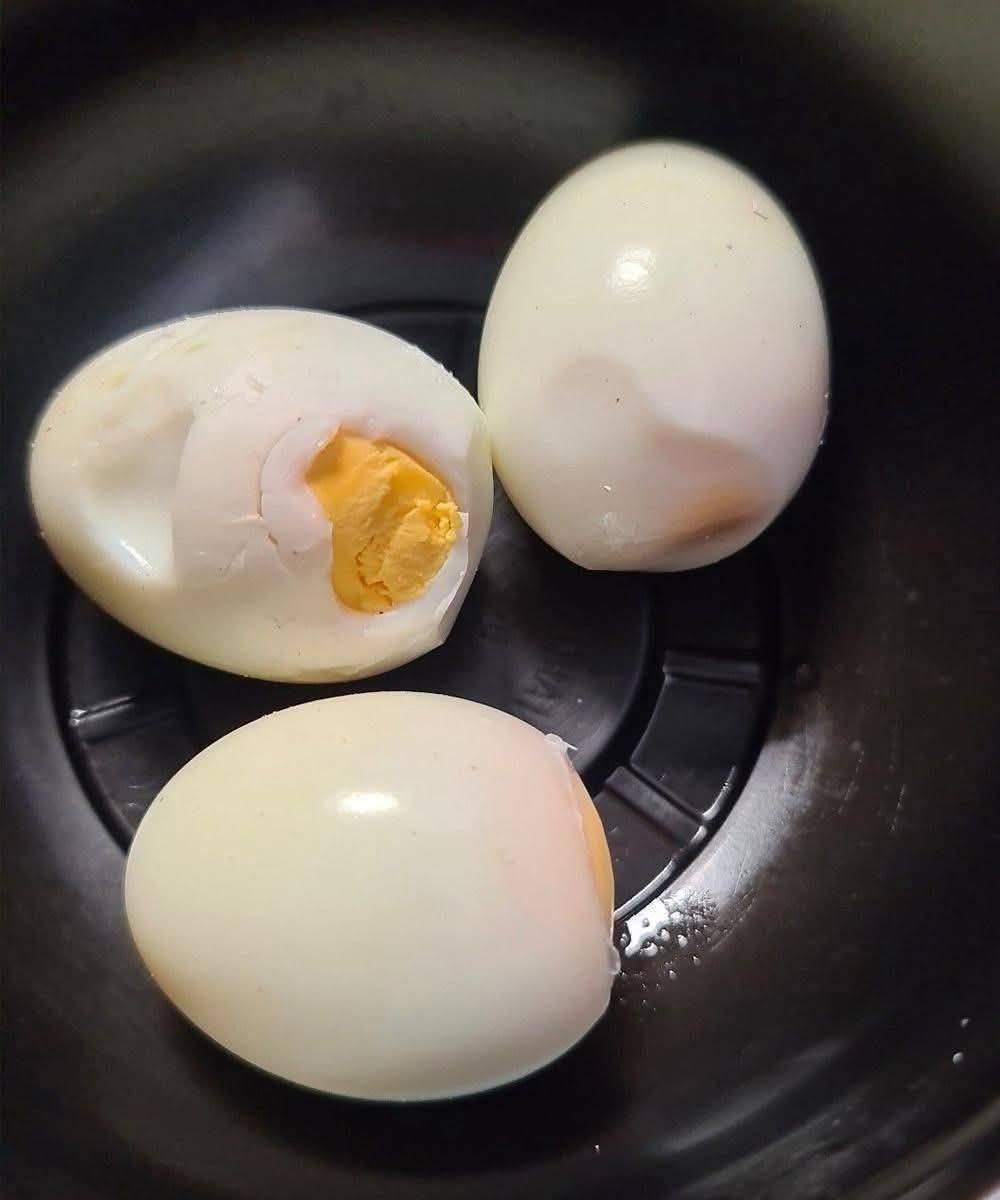
Eggs have long been a staple of the morning table, and for good reason. Doctors and nutrition experts often highlight the benefits of starting your day with eggs, noting that they are rich in high-quality protein, essential vitamins, and healthy fats. Eating eggs in the morning can help stabilize blood sugar, keep you feeling full for longer, and provide sustained energy throughout the day. Instead of reaching for processed breakfast options, a simple egg-based recipe can set a strong nutritional foundation for the rest of your day.

One of the easiest and most satisfying ways to enjoy eggs in the morning is by preparing a wholesome vegetable omelet. This recipe is not only delicious but also highly customizable depending on your taste preferences and what ingredients you have available in your kitchen.

To begin, gather your ingredients. You will need three fresh eggs, a small handful of chopped vegetables such as onions, tomatoes, spinach, and bell peppers, a tablespoon of milk, a pinch of salt, a dash of black pepper, and a teaspoon of butter or olive oil. If you enjoy a richer flavor, you can also add a small amount of grated cheese.

Start by cracking the eggs into a bowl. Add the tablespoon of milk, which helps make the omelet softer and fluffier. Whisk the mixture thoroughly until the yolks and whites are completely combined. This step is important because it ensures an even texture when the eggs cook. Add a pinch of salt and a dash of black pepper to enhance the flavor.

Next, prepare your vegetables. Chop them into small, even pieces so they cook quickly and blend well into the omelet. Heat a non-stick pan over medium heat and add the butter or olive oil. Once the butter has melted or the oil is warm, add the vegetables to the pan. Sauté them for about two to three minutes until they become slightly soft and fragrant. This step brings out their natural sweetness and ensures they are fully cooked.

Once the vegetables are ready, pour the egg mixture into the pan. Tilt the pan gently to spread the eggs evenly over the vegetables. Allow the eggs to cook undisturbed for a minute or two. As the edges begin to set, you can use a spatula to gently lift them, allowing any uncooked egg to flow underneath.

If you are using cheese, sprinkle it evenly over one half of the omelet while the eggs are still slightly soft. This allows the cheese to melt perfectly. When the omelet is mostly set but still a little moist on top, carefully fold it in half using your spatula. Let it cook for another minute to ensure the inside is fully done.

Slide the omelet onto a plate and serve it hot. You can pair it with a slice of whole-grain toast or a small bowl of fresh fruit for a balanced breakfast. The combination of protein, fiber, and healthy fats makes this meal both satisfying and energizing.

Doctors often emphasize that eating protein-rich foods like eggs in the morning can help control appetite throughout the day. Unlike sugary cereals or refined carbohydrates, eggs digest more slowly, preventing sudden spikes and crashes in blood sugar levels. This can lead to improved focus, better mood, and reduced cravings later in the day.

Additionally, eggs are a natural source of important nutrients such as vitamin B12, vitamin D, and choline, which supports brain health. Including vegetables in your omelet further boosts the nutritional value by adding fiber, antioxidants, and essential minerals.

Another advantage of this recipe is its flexibility. You can experiment with different herbs and spices, such as parsley, chili flakes, or turmeric, to add variety and additional health benefits. You can also substitute or add ingredients like mushrooms, zucchini, or even leftover cooked chicken for extra protein.

In conclusion, starting your morning with eggs is a simple yet powerful way to support your overall health. This vegetable omelet recipe is quick to prepare, packed with nutrients, and adaptable to your preferences. By making eggs a regular part of your breakfast routine, you can enjoy a delicious meal while giving your body the fuel it needs to function at its best throughout the day.

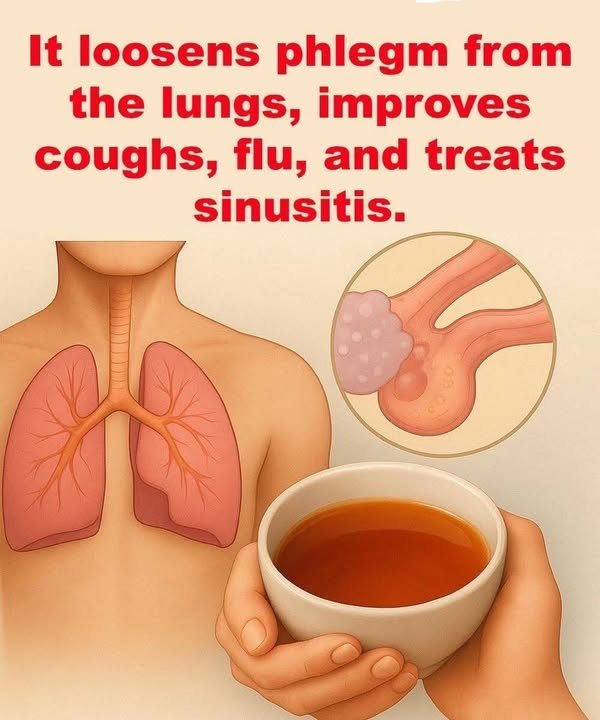
How to Get Rid of Excess Phlegm and Mucus: 10 Effective Remedies

Excess phlegm and mucus can be uncomfortable, causing throat irritation, coughing, congestion, and difficulty breathing. While mucus is a natural defense mechanism that traps dust, bacteria, and allergens, too much of it can signal infections, allergies, or lifestyle factors. Fortunately, there are several simple and effective home remedies you can try to reduce mucus buildup and feel more comfortable. Here are 10 proven remedies to help you get rid of excess phlegm and mucus.

1. Stay Hydrated
Drinking plenty of fluids is one of the easiest and most effective ways to thin mucus. Warm liquids such as water, herbal teas, clear broths, and warm lemon water help loosen thick phlegm, making it easier to expel. Aim for at least 8–10 glasses of fluids daily, and increase intake when you’re sick.

2. Steam Inhalation
Steam therapy helps moisturize dry nasal passages and loosen mucus. Boil water, pour it into a bowl, and inhale the steam by covering your head with a towel. Adding a few drops of eucalyptus or peppermint oil can enhance the effect. Do this for 5–10 minutes once or twice daily for relief.

3. Gargle with Salt Water
Salt water gargling is a classic remedy that helps soothe a sore throat and break down mucus. Mix half a teaspoon of salt in a glass of warm water and gargle for 30 seconds before spitting it out. Repeat this 2–3 times a day.

4. Use Honey and Warm Water
Honey has natural antibacterial and soothing properties. Mix one tablespoon of honey in warm water or herbal tea and drink it once or twice daily. It helps coat the throat and reduce irritation caused by mucus.

5. Try Ginger Tea
Ginger is known for its anti-inflammatory and antimicrobial properties. Slice fresh ginger, boil it in water for 10 minutes, and drink it as tea. You can add honey or lemon for taste. Ginger helps reduce mucus production and eases congestion.

6. Eat Spicy Foods
Spices like chili peppers, black pepper, and garlic can help thin mucus and promote drainage. Including moderate amounts of spicy foods in your diet may provide temporary relief from nasal congestion and phlegm buildup.

7. Humidify Your Environment
Dry air can worsen mucus production and irritation. Using a humidifier adds moisture to the air, helping keep your respiratory tract hydrated. This is especially helpful during winter or in air-conditioned environments.

8. Avoid Dairy (If It Worsens Symptoms)
Some people find that dairy products can thicken mucus, although scientific evidence is mixed. If you notice increased phlegm after consuming milk, cheese, or yogurt, consider reducing your intake temporarily to see if symptoms improve.

9. Practice Controlled Coughing
Instead of frequent, harsh coughing, try controlled coughing to effectively clear mucus. Sit upright, take a deep breath, and cough firmly from your abdomen. This helps expel mucus without irritating your throat further.

10. Use Turmeric Milk (Golden Milk)
Turmeric contains curcumin, a compound with powerful anti-inflammatory and antimicrobial properties. Add half a teaspoon of turmeric to a cup of warm milk and drink it before bedtime. This can help reduce mucus and improve sleep quality.

Bonus Tips:

  • Avoid smoking and exposure to pollutants, as they can increase mucus production.
  • Get enough rest to support your immune system.
  • Wash your hands frequently to prevent infections.
  • Elevate your head while sleeping to prevent mucus accumulation in the throat.

When to See a Doctor
While these remedies are effective for mild cases, persistent or excessive mucus may indicate an underlying condition such as sinus infection, asthma, or chronic bronchitis. Seek medical attention if your symptoms last more than 10 days, are accompanied by high fever, or include thick green or bloody mucus.

In conclusion, managing excess phlegm and mucus doesn’t always require medication. Simple lifestyle changes and natural remedies can significantly reduce discomfort and help your body recover. By staying hydrated, using steam therapy, and incorporating healing foods like ginger and turmeric into your diet, you can keep your respiratory system clear and healthy.

Doctors reveal that boil eggshells and say goodbye to the.

Eggshells are often thrown away without a second thought, but they are actually packed with minerals—especially calcium—that can be incredibly useful in everyday life. Recently, many doctors and nutrition enthusiasts have been talking about a simple yet powerful home remedy: boiling eggshells to create a natural supplement or solution that can support health, hygiene, and even household needs. If you’ve never tried this before, here is a detailed, easy-to-follow guide explaining how to prepare and use boiled eggshells effectively.

To begin, you will need eggshells from about 8 to 12 eggs. It’s best to use shells from organic or free-range eggs if possible, as they tend to be cleaner and contain fewer contaminants. After cracking the eggs, make sure to rinse the shells thoroughly under running water. This step is important because it removes any leftover egg white or yolk that could cause odor or bacterial growth later on.

Once cleaned, place the eggshells in a pot and fill it with enough water to completely cover them. Bring the water to a boil and let the shells cook for at least 10 to 15 minutes. This boiling process is essential because it sterilizes the shells, killing harmful bacteria such as salmonella. After boiling, carefully drain the water and allow the shells to cool completely.

Next comes the drying process. Spread the boiled eggshells on a clean cloth or baking tray and let them air dry. If you want faster results, you can place them in an oven at a low temperature (around 100–120°C) for 10–15 minutes. The goal is to remove all moisture, as dry shells are easier to grind and store.

Once the shells are fully dry, grind them into a fine powder. You can use a blender, coffee grinder, or mortar and pestle for this step. Make sure the powder is as fine as possible to ensure it is safe and easy to use. Large, sharp pieces should be avoided, especially if you plan to consume it.

Now that your eggshell powder is ready, you can use it in several beneficial ways. One of the most popular uses is as a natural calcium supplement. Eggshells are made up of about 90–95% calcium carbonate, which is the same form of calcium found in many commercial supplements. To use it, simply add half a teaspoon of the powder to a glass of water, juice, or smoothie. Some people also mix it with honey or yogurt to improve taste. However, it’s important not to exceed small amounts, as too much calcium can cause health issues.

Another useful application is for dental health. The fine eggshell powder can be mixed with a small amount of coconut oil to create a natural toothpaste. This mixture may help strengthen teeth and provide gentle abrasion to remove stains. Because it’s natural, it avoids the harsh chemicals found in some commercial toothpastes.

Eggshell powder can also be used for skin care. When mixed with egg white or aloe vera gel, it can form a paste that works as a natural face mask. This mask may help tighten skin and improve texture due to the minerals present in the shells. Apply it to your face, leave it on for about 10–15 minutes, and then rinse off with warm water.

Beyond personal health, boiled eggshells can be incredibly useful around the house. For example, the powder can be sprinkled in your garden as a natural fertilizer. Plants benefit from the calcium, which helps strengthen cell walls and improve growth. It can also deter pests like slugs and snails when sprinkled around plants.

Additionally, eggshell powder can be used as a natural cleaning abrasive. Sprinkle a small amount on stubborn stains on pots, pans, or sinks, and scrub gently. The fine particles help remove grime without damaging surfaces.

In conclusion, boiling eggshells is a simple yet powerful practice that turns kitchen waste into something valuable. Whether you use it as a dietary supplement, a beauty treatment, or a household aid, this natural remedy offers multiple benefits with minimal cost. Just remember to clean, boil, dry, and grind the shells properly to ensure safety and effectiveness. With this easy recipe, you can make the most out of something you would otherwise throw away and enjoy a healthier, more sustainable lifestyle.

5 MEDICATIONS that DOCTORS NEVER TAKE, BUT YOU TAKE WITHOUT KNOWING

When it comes to health, doctors often take a more cautious and informed approach than the general public. This doesn’t mean they avoid medications entirely—far from it—but they are typically more selective about what they use, how often, and why. Many commonly used over-the-counter or even prescription medications carry risks that people may not fully understand. Here are five types of medications that doctors tend to use sparingly, yet many people rely on regularly without realizing the potential downsides.

1. Overuse of Antibiotics

Antibiotics have revolutionized medicine, saving countless lives from bacterial infections. However, many doctors are extremely careful about using them unless absolutely necessary. Why? Because overuse can lead to antibiotic resistance, making infections harder to treat over time.

In everyday life, people often pressure doctors for antibiotics for viral infections like the common cold or flu—conditions where these drugs are completely ineffective. Some even self-medicate with leftover prescriptions. Doctors, however, understand that unnecessary use not only harms the individual’s gut microbiome but also contributes to a global health crisis.

2. Sleeping Pills

Medications prescribed for insomnia can be helpful in the short term, but many doctors avoid relying on them long-term. Drugs like sedative-hypnotics can quickly lead to dependence, tolerance, and even withdrawal symptoms.

While patients may use these pills nightly to combat sleep issues, doctors often prefer non-drug approaches such as improving sleep hygiene, cognitive behavioral therapy, or addressing underlying causes like stress or anxiety. They recognize that while sleeping pills may offer temporary relief, they don’t fix the root problem—and may create new ones.

3. Strong Painkillers (Opioids)

Opioids are powerful pain relievers used for severe pain, such as after surgery or serious injury. However, doctors are highly aware of their addictive nature and the risks of misuse. Even short-term use can sometimes lead to dependency.

Despite this, many people unknowingly rely on opioid-containing medications or use them longer than prescribed. Doctors, on the other hand, often explore alternative pain management strategies first, such as physical therapy, non-opioid medications, or lifestyle adjustments. Their caution comes from witnessing firsthand how easily dependence can develop.

4. Acid Reflux Medications (Long-Term Use)

Medications used to treat acid reflux and heartburn are among the most commonly used drugs worldwide. While they are effective, doctors are often wary of long-term, continuous use unless absolutely necessary.

Many people take these medications daily for months or even years without medical supervision. However, prolonged use can be linked to nutrient deficiencies, digestive issues, and even increased risk of certain infections. Doctors typically recommend using them for short periods and addressing underlying lifestyle factors such as diet, weight, and eating habits.

5. Over-the-Counter Pain Relievers

Common painkillers like those used for headaches, muscle aches, or minor injuries are widely available and often considered harmless. But doctors know that frequent or excessive use can lead to serious issues, including stomach ulcers, kidney damage, or liver problems.

Many individuals take these medications regularly without a second thought—sometimes exceeding recommended doses. Doctors, however, tend to use them cautiously and only when necessary, paying close attention to dosage and duration. They also consider non-drug alternatives like rest, hydration, stretching, or physical therapy.

Why the Difference Matters

The key difference between doctors and the general public isn’t access—it’s awareness. Doctors understand that every medication comes with both benefits and risks. They weigh those risks carefully and often prioritize long-term health over short-term relief.

For the average person, medications can feel like a quick fix. A pill for pain, a tablet for sleep, or a syrup for a cough seems convenient. But without proper guidance, this approach can lead to unintended consequences over time.

A Smarter Approach to Medication Use

This doesn’t mean you should avoid these medications altogether. Many are safe and effective when used correctly. The important takeaway is to use them mindfully:

  • Follow recommended dosages strictly
  • Avoid self-medicating without proper knowledge
  • Consult a healthcare professional for long-term use
  • Focus on lifestyle changes alongside medication

By adopting a more informed and cautious approach—similar to how doctors think—you can protect your health while still benefiting from modern medicine.

Final Thoughts

Medications are powerful tools, not harmless shortcuts. Doctors don’t avoid them—they respect them. And that respect is what helps them stay safe. By understanding the hidden risks behind commonly used drugs, you can make smarter decisions and take better control of your health.