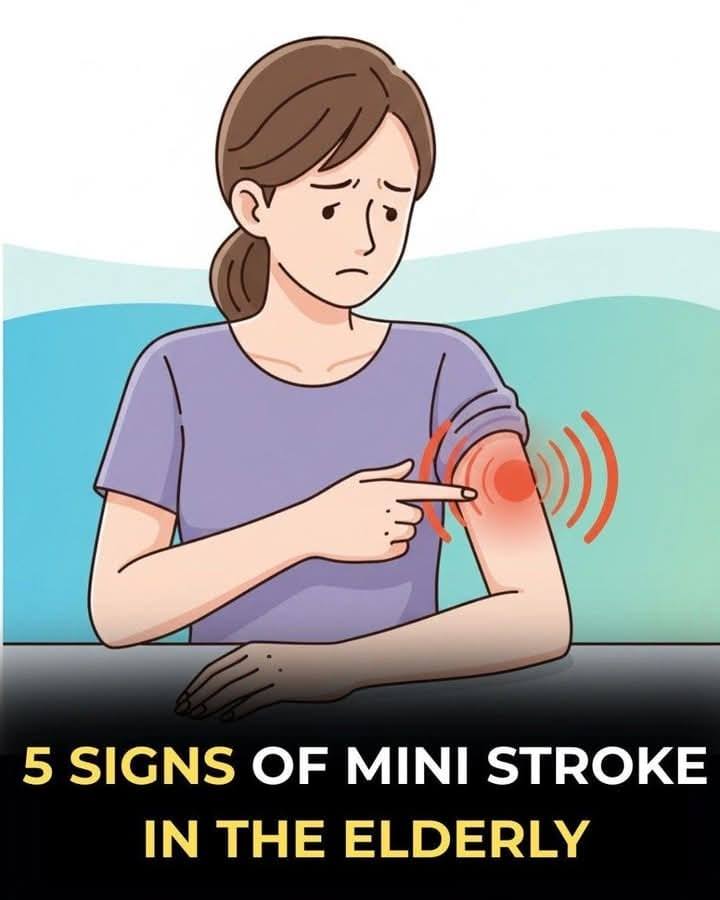
A mini stroke, medically known as a transient ischemic attack (TIA), is often a warning sign that a more serious stroke may occur in the future. Although the symptoms are temporary and may disappear within minutes or hours, they should never be ignored—especially in elderly individuals, who are at higher risk. Recognizing the signs early can make a life-saving difference. Below are five important signs of a mini stroke in the elderly, along with an explanation of why they matter and what to do if they occur.
🚀 Make Money Online – Up to $50 Per Day!
1. Sudden Weakness or Numbness on One Side of the Body
One of the most common signs of a mini stroke is sudden weakness or numbness, particularly on one side of the body. This can affect the face, arm, or leg. For example, an elderly person may suddenly be unable to lift one arm or may feel tingling or loss of sensation on one side.
You might notice facial drooping, where one side of the face appears uneven when the person smiles. This symptom occurs because the blood flow to a part of the brain responsible for muscle control is temporarily blocked. Even if the weakness disappears quickly, it is still a serious warning sign that should be evaluated by a medical professional.
2. Difficulty Speaking or Understanding Speech
Another key symptom is trouble with speech. An elderly person experiencing a mini stroke may suddenly slur their words, struggle to form sentences, or have difficulty understanding what others are saying.
This can be confusing and frightening, both for the individual and those around them. They may appear disoriented or respond inappropriately to questions. These communication issues happen when the parts of the brain responsible for language are affected.
If you notice someone having sudden speech problems—even if it lasts only a few minutes—it is important to seek immediate medical attention. Quick action can help prevent a future, more severe stroke.
3. Vision Problems in One or Both Eyes
Temporary vision disturbances are another warning sign of a mini stroke. An elderly person may suddenly experience blurred vision, double vision, or even partial or complete loss of vision in one or both eyes.
Some people describe it as a curtain falling over their field of vision. Others may have difficulty focusing or may see dark spots. These symptoms occur when blood flow to the visual centers of the brain or the eyes is interrupted.
Because vision problems can also be linked to other health issues, they are sometimes dismissed. However, when they appear suddenly and without explanation, they should be treated as a medical emergency.
4. Loss of Balance, Coordination, or Dizziness
A mini stroke can also affect balance and coordination. An elderly individual may suddenly feel dizzy, unsteady, or have trouble walking. They might stumble, lose their balance, or feel like the room is spinning.
This symptom is particularly dangerous because it increases the risk of falls, which can lead to serious injuries such as fractures or head trauma. In older adults, even a minor fall can have significant consequences.
These balance issues occur when the parts of the brain responsible for coordination and movement are affected. Even if the dizziness goes away quickly, it is important not to ignore it.
5. Sudden Severe Headache with No Known Cause
Although less common, a sudden and severe headache can also be a sign of a mini stroke. This type of headache often comes on quickly and may feel different from any headache the person has had before.
It may be accompanied by other symptoms such as nausea, confusion, or sensitivity to light. In some cases, it can indicate bleeding in the brain or other serious conditions.
Because headaches are common and can have many causes, this symptom is sometimes overlooked. However, when it is sudden, intense, and unusual, it should be taken seriously.
What to Do If You Notice These Signs
If you observe any of these symptoms in an elderly person—even if they disappear within minutes—do not wait. A mini stroke is a medical emergency and a strong warning that a major stroke could follow.
Act quickly by seeking immediate medical help. Early diagnosis and treatment can significantly reduce the risk of a full stroke. Doctors may recommend medications, lifestyle changes, or further tests to prevent future episodes.
A helpful way to remember the most common stroke symptoms is the acronym FAST:
- Face drooping
- Arm weakness
- Speech difficulty
- Time to call for help
Final Thoughts
Mini strokes are often overlooked because their symptoms are temporary. However, they are a critical warning sign that should never be ignored, especially in the elderly. Understanding these five signs—weakness, speech difficulties, vision problems, balance issues, and sudden headaches—can help you act quickly and potentially save a life.
