8 habits you should stop this year if you are taking Amlodipine ….and why

Managing high blood pressure effectively requires more than just taking your medication—it also involves making smart lifestyle choices. If you’ve been prescribed Amlodipine, a commonly used calcium channel blocker that helps relax blood vessels and improve blood flow, certain everyday habits can interfere with how well it works. To get the most benefit and avoid unwanted side effects, here are eight habits you should consider stopping this year—and the reasons behind them.


1. Skipping Doses or Taking It Inconsistently

One of the most common mistakes people make is not taking Amlodipine at the same time every day—or skipping doses altogether. This disrupts the medication’s steady effect on your blood pressure. Since Amlodipine works gradually, inconsistent use can lead to fluctuations in blood pressure, increasing your risk of heart problems or stroke. Establishing a routine, like taking it with breakfast, can help maintain consistent levels in your body.


2. Eating Too Much Salt

A high-sodium diet directly counteracts the benefits of Amlodipine. Salt causes your body to retain water, which increases blood pressure and makes your heart work harder. Even if your medication is effective, excessive sodium intake can blunt its impact. Processed foods, fast foods, and packaged snacks are major culprits. Reducing salt intake allows Amlodipine to do its job more efficiently.


3. Drinking Excessive Alcohol

While an occasional drink may be acceptable for some people, excessive alcohol consumption can lower your blood pressure too much when combined with Amlodipine, leading to dizziness, fainting, or even falls. Alcohol can also strain your liver and cardiovascular system, undermining your overall treatment plan. Moderation—or avoiding alcohol altogether—is a safer approach.


4. Ignoring Swelling (Edema)

Amlodipine can sometimes cause swelling in the legs, ankles, or feet. Many people ignore this symptom, assuming it’s harmless. However, persistent swelling could indicate fluid retention or a reaction that needs medical attention. Ignoring it can lead to discomfort and complications. If you notice unusual swelling, it’s important to consult your doctor rather than brushing it off.


5. Consuming Grapefruit or Grapefruit Juice

Grapefruit may seem like a healthy choice, but it can interfere with how Amlodipine is metabolized in your body. Compounds in grapefruit affect liver enzymes that break down the medication, potentially increasing its levels in your bloodstream. This can lead to stronger side effects such as low blood pressure, dizziness, or headaches. Avoiding grapefruit products is a simple but important precaution.


6. Leading a Sedentary Lifestyle

Taking medication does not replace the need for physical activity. A sedentary lifestyle weakens your heart and reduces circulation, making it harder for Amlodipine to effectively manage your blood pressure. Regular movement—such as walking, light exercise, or stretching—can enhance the medication’s benefits, improve cardiovascular health, and boost overall well-being.


7. Self-Medicating with Over-the-Counter Drugs

Many over-the-counter medications, especially cold remedies and pain relievers, can interfere with blood pressure or interact with Amlodipine. For example, certain decongestants can raise blood pressure, counteracting the medication’s effects. Taking supplements or herbal remedies without consulting your doctor can also lead to unexpected interactions. Always check with a healthcare professional before adding anything new.


8. Stopping the Medication Suddenly

Some people stop taking Amlodipine once they start feeling better or when their blood pressure improves. This is a dangerous habit. Suddenly discontinuing the medication can cause a rebound effect, leading to a sharp rise in blood pressure. This increases the risk of serious complications such as heart attack or stroke. Always follow your doctor’s guidance when adjusting or stopping your medication.


Final Thoughts

Amlodipine is a powerful tool in managing high blood pressure, but its effectiveness depends heavily on your daily habits. By avoiding these eight common mistakes—skipping doses, consuming too much salt or alcohol, ignoring symptoms, eating grapefruit, staying inactive, self-medicating, and stopping treatment abruptly—you can significantly improve your health outcomes.

Think of your medication as one part of a bigger picture. Healthy eating, regular activity, and consistent routines work hand in hand with Amlodipine to keep your blood pressure under control. Making these changes may feel challenging at first, but over time they become part of a healthier, more balanced lifestyle.
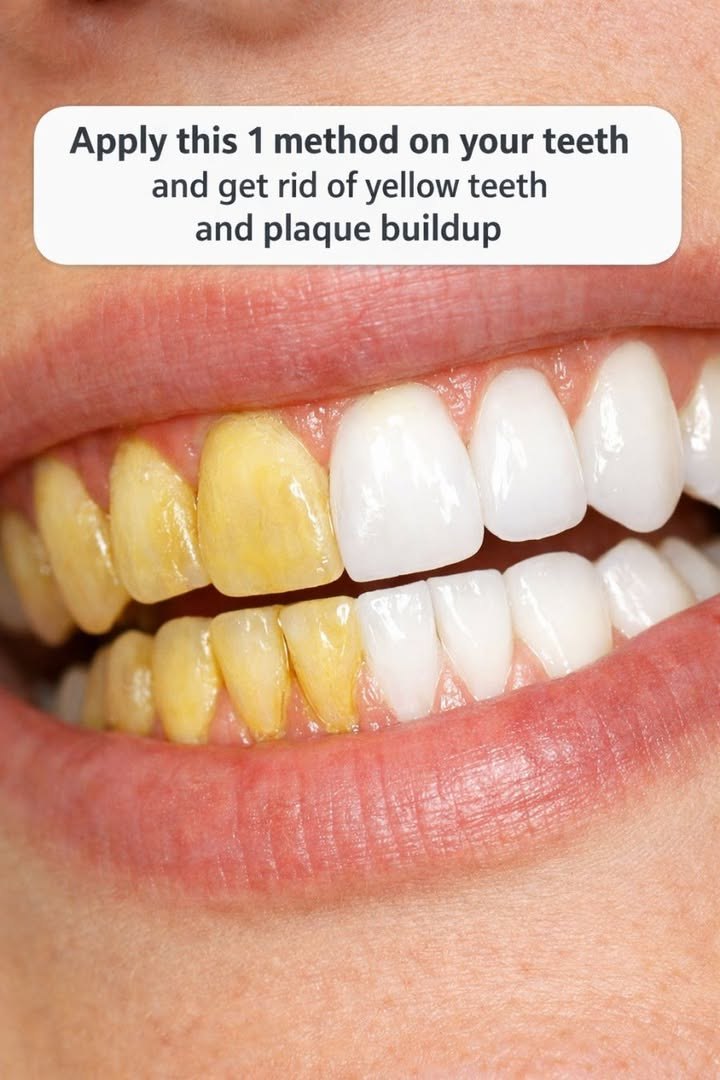

Apply this 1 method on your teeth and get rid of yellow teeth and plaque buildup

A simple, natural method to help reduce yellowing and plaque buildup on your teeth is using a gentle baking soda and coconut oil paste. This approach is popular because it combines mild abrasion with antibacterial properties, helping clean the surface of teeth without harsh chemicals. While it’s not a miracle cure and won’t replace professional dental care, it can noticeably improve the appearance of your teeth when used consistently and correctly.

To prepare this mixture, you only need two ingredients: baking soda and coconut oil. Take one teaspoon of baking soda and mix it with enough coconut oil to form a smooth, paste-like consistency. The coconut oil should slightly soften the baking soda so it spreads easily on your toothbrush. You can also add a drop of peppermint oil if you want a fresher taste, but that’s optional.

Before applying the paste, rinse your mouth with water to remove any loose debris. Then dip your toothbrush into the mixture and gently brush your teeth using small circular motions. Avoid brushing too hard—this is very important. Baking soda is mildly abrasive, which helps scrub away surface stains, but excessive pressure can damage your enamel over time. Focus on all surfaces of your teeth, especially areas where plaque tends to accumulate, such as along the gumline and between teeth.

Brush with the mixture for about one to two minutes. After that, spit it out and rinse your mouth thoroughly with water. You can follow up with your regular toothpaste if you prefer, but it’s not strictly necessary every time. For best results, use this method two to three times per week. Using it more frequently could wear down enamel, so moderation is key.

The reason this method works lies in the properties of its ingredients. Baking soda, also known as sodium bicarbonate, is a mild abrasive that helps remove surface stains caused by coffee, tea, smoking, or certain foods. It also has alkaline properties, which can help neutralize acids in the mouth and create an environment that’s less favorable for harmful bacteria. Coconut oil, on the other hand, contains compounds like lauric acid that have antimicrobial effects. It can help reduce bacteria that contribute to plaque formation and bad breath.

Over time, this combination can make your teeth appear cleaner and slightly whiter by removing external stains and reducing plaque buildup. However, it’s important to understand its limitations. This method primarily targets surface stains—it won’t change the natural color of your teeth or remove deep, intrinsic discoloration. For more significant whitening, professional treatments or dentist-approved products may be necessary.

In addition to using this paste, maintaining good oral hygiene habits is essential. Brush your teeth at least twice a day with fluoride toothpaste, floss daily to remove plaque from between teeth, and drink plenty of water to help wash away food particles and bacteria. Limiting stain-causing foods and drinks, such as coffee, tea, and sugary snacks, can also make a noticeable difference.

Another helpful practice is oil pulling, which involves swishing a tablespoon of coconut oil in your mouth for about 10–15 minutes before brushing. This can further reduce bacteria and improve overall oral cleanliness. While oil pulling alone won’t whiten teeth dramatically, it can complement the baking soda paste method as part of a broader routine.

It’s also important to be cautious and listen to your body. If you experience sensitivity, irritation, or discomfort while using the baking soda mixture, reduce the frequency or stop altogether. People with sensitive teeth or weakened enamel should consult a dentist before trying abrasive methods like this.

Lastly, don’t skip regular dental checkups. Even the best home remedies can’t replace professional cleaning and examination. Dentists have the tools and expertise to remove hardened plaque (tartar) and identify potential issues early, ensuring your teeth and gums stay healthy.

If the eggs have a green ring around their yolk, it means that

You’ve just peeled a hard-boiled egg, sliced it open, and noticed a strange greenish-gray ring around the yolk. It might look unappetizing, but don’t worry—this is a common occurrence and not a sign that your egg has gone bad. In fact, it’s simply a result of how the egg was cooked.

Let’s break down what causes this discoloration, whether it’s safe to eat, and how you can make perfectly cooked eggs every time.

 What Causes the Green Ring?

The green ring around the yolk is caused by a natural chemical reaction between sulfur and iron found in the egg.

  • The egg white contains sulfur.
  • The yolk contains iron.
  • When eggs are overcooked or cooked at too high a temperature, sulfur reacts with iron to form iron sulfide, which appears as a greenish-gray layer on the surface of the yolk.

This reaction happens more easily when:

  • Eggs are boiled for too long
  • Eggs are not cooled quickly after cooking
  • High heat is maintained throughout the cooking process

 Is It Safe to Eat?

Yes, eggs with a green ring are completely safe to eat.

While the appearance might be off-putting, the taste is usually only slightly affected. Some people may notice a faint sulfur (slightly “eggy”) smell, but it’s not harmful.

However, overcooking can:

  • Make the egg whites rubbery
  • Dry out the yolk
  • Reduce the overall flavor and texture

So while safe, it’s not the most enjoyable version of a boiled egg.

How to Avoid the Green Ring (Perfect Boiled Eggs Recipe)

If you want bright yellow yolks and tender whites, follow this simple step-by-step method:

Ingredients:

  • 6 large eggs
  • Water (enough to cover eggs)
  • Ice (for ice bath)

Instructions:

  1. Place Eggs in a Pot
    Arrange the eggs in a single layer in a saucepan. Add enough cold water to cover them by about 1 inch.
  2. Bring to a Gentle Boil
    Heat the pot over medium heat until the water just begins to boil.
  3. Turn Off the Heat
    Once boiling, turn off the heat and cover the pot with a lid.
  4. Let Eggs Sit
    • For soft-boiled eggs: 6–7 minutes
    • For medium: 9–10 minutes
    • For hard-boiled: 10–12 minutes
  5. Transfer to Ice Bath Immediately
    Move the eggs into a bowl of ice water for at least 5–10 minutes. This stops the cooking process and prevents the green ring from forming.
  6. Peel and Enjoy
    Tap gently, peel, and slice to reveal a perfectly yellow yolk.

 Common Mistakes to Avoid

  • Boiling too long: This is the main cause of the green ring.
  • Skipping the ice bath: Eggs continue cooking even after you remove them from heat.
  • Using very high heat: Rapid boiling increases the chance of overcooking.
  • Cooking old eggs too long: Older eggs are more prone to discoloration if overcooked.

 Pro Tips for Perfect Eggs

  • Use slightly older eggs (about 5–7 days old) for easier peeling
  • Add a pinch of salt or a splash of vinegar to prevent cracking
  • Gently roll the egg before peeling to loosen the shell
  • Store boiled eggs in the fridge and consume within one week

 Quick Summary

  • The green ring is caused by a reaction between sulfur and iron
  • It happens when eggs are overcooked or not cooled quickly
  • The eggs are still safe to eat
  • Proper timing and an ice bath prevent the discoloration

Final Thoughts

That green ring around your egg yolk might look alarming at first, but it’s simply a sign that your eggs were cooked a bit too long. With a few small adjustments—like controlling cooking time and cooling your eggs quickly—you can easily achieve that perfect golden yolk every time.

Cooking is all about small details, and mastering something as simple as boiling an egg can elevate your meals in a big way. Whether you’re making breakfast, preparing a salad, or meal prepping for the week, perfectly cooked eggs make all the difference.

The Papaya Leaf Tea Ritual That’s Quietly Supporting Midlife Wellness: Why This Simple Boil-and-Sip Method Is Gaining Attention

In recent years, a quiet but meaningful shift has been taking place in the way people approach midlife wellness. Rather than chasing complicated regimens or expensive supplements, many are returning to simple, plant-based traditions rooted in centuries of folk knowledge. One such practice gaining renewed attention is the papaya leaf tea ritual—a humble boil-and-sip method that is steadily finding its place in daily wellness routines.

Papaya leaves, often overlooked in favor of the fruit, have long been used in traditional systems of healing across Asia, Africa, and the Caribbean. Today, as more individuals seek natural ways to support energy, digestion, and overall balance during midlife, this simple tea is emerging as a gentle yet intriguing option.

Why Papaya Leaf Tea?

Midlife often brings subtle but noticeable changes—slower metabolism, fluctuating energy levels, digestive sensitivities, and a growing awareness of long-term health. While no single remedy can address all these shifts, papaya leaf tea is valued for its potential to support the body in a holistic way.

Papaya leaves contain naturally occurring plant compounds such as flavonoids, enzymes, and antioxidants. These elements are believed to assist the body in managing oxidative stress and supporting digestion—two areas that become increasingly important with age.

What makes this ritual especially appealing is its simplicity. There are no complex ingredients, no elaborate preparation, and no need for specialized equipment. It is wellness in its most accessible form.

The Ritual: More Than Just Tea

Part of the growing popularity of papaya leaf tea lies not only in its potential benefits but also in the ritual itself. Preparing the tea encourages a pause in the day—a moment of mindfulness that can be just as valuable as the drink.

Here’s a simple way to prepare it:

Ingredients:

  • 1–2 fresh or dried papaya leaves (washed thoroughly)
  • 3–4 cups of water

Method:

  1. Chop the papaya leaves into smaller pieces.
  2. Bring the water to a boil in a pot.
  3. Add the leaves and reduce the heat.
  4. Let it simmer for 10–15 minutes.
  5. Strain the liquid into a cup.
  6. Allow it to cool slightly before sipping.

The taste is naturally bitter, which may take some getting used to. Many people embrace this bitterness as part of the experience, while others add a touch of honey or a squeeze of lemon to soften the flavor.

A Gentle Support for Digestion

One of the most commonly discussed aspects of papaya leaf tea is its relationship with digestion. The leaves contain enzymes like papain, which is also found in the fruit and is known for its role in breaking down proteins.

For individuals in midlife who may experience bloating or slower digestion, this tea is often used as a mild, natural way to support the digestive process. Drinking it regularly—perhaps a few times a week—can become part of a broader approach to mindful eating and gut health.

Supporting Everyday Energy

Another reason for the tea’s growing attention is its association with maintaining steady energy levels. Rather than acting as a stimulant like caffeine, papaya leaf tea is thought to work more subtly, supporting the body’s natural processes.

For those who feel midday fatigue or general sluggishness, incorporating a warm cup of this tea into the afternoon routine can offer a calming reset. The act of slowing down to prepare and sip the tea may itself contribute to a sense of renewed clarity.

Immune Awareness in Midlife

As people age, there is often a stronger focus on supporting immune function. While papaya leaf tea is not a cure or medical treatment, its antioxidant content makes it appealing to those looking to complement a balanced lifestyle.

Antioxidants help the body manage everyday environmental and internal stressors. Including plant-based sources like papaya leaf tea can be one small piece of a larger wellness picture that includes nutritious food, movement, and adequate rest.

The Appeal of Simplicity

In a world saturated with wellness trends, the papaya leaf tea ritual stands out because it asks so little. It doesn’t promise dramatic transformations or overnight results. Instead, it offers something quieter: consistency, intention, and a connection to natural rhythms.

For many in midlife, this shift toward simplicity feels refreshing. There is comfort in knowing that wellness doesn’t always have to be complicated or costly. Sometimes, it can begin with something as basic as boiling leaves in water.

A Few Considerations

While papaya leaf tea is generally considered safe in moderate amounts, it’s important to approach any herbal practice with awareness. Individuals who are pregnant, taking medications, or managing health conditions should consult a healthcare professional before adding it to their routine.

Additionally, starting with small amounts allows the body to adjust, especially given the tea’s natural bitterness and potency.

A Quiet Trend with Lasting Potential

The growing interest in papaya leaf tea reflects a broader movement toward mindful, sustainable wellness practices. It’s not about replacing modern medicine or adopting rigid routines. Instead, it’s about integrating small, supportive habits into everyday life.

10 Common Metoprolol Side Effects You Should Know About and How to Manage Them Safely

Metoprolol is a widely prescribed beta-blocker used to treat high blood pressure, chest pain (angina), irregular heart rhythms, and to improve survival after a heart attack. While it is highly effective, like all medications, it may cause side effects. Understanding these effects—and knowing how to manage them—can help you stay safe and get the most benefit from your treatment.

Below are 10 common side effects of metoprolol along with practical tips for managing them.


1. Fatigue and Tiredness

One of the most frequently reported side effects is feeling unusually tired or low on energy. This happens because metoprolol slows your heart rate and reduces the force of contraction, which can make your body feel less energized.

How to manage it:

  • Take your medication at night if your doctor approves
  • Start with light activities and gradually build stamina
  • Ensure adequate sleep and hydration

2. Dizziness or Lightheadedness

Metoprolol lowers blood pressure, which can sometimes cause dizziness—especially when standing up quickly.

How to manage it:

  • Rise slowly from sitting or lying positions
  • Avoid sudden movements
  • Stay hydrated
  • If dizziness persists, consult your doctor about dosage adjustment

3. Slow Heart Rate (Bradycardia)

Since metoprolol reduces heart rate, it may occasionally slow it too much.

How to manage it:

  • Monitor your pulse regularly
  • Report symptoms like fainting, weakness, or confusion
  • Your doctor may lower the dose if needed

4. Cold Hands and Feet

Reduced circulation is another common effect due to blood vessel constriction.

How to manage it:

  • Wear warm clothing, especially in colder weather
  • Stay physically active to improve circulation
  • Avoid smoking, which worsens circulation

5. Shortness of Breath

Some people, especially those with asthma or lung conditions, may notice breathing difficulties.

How to manage it:

  • Inform your doctor if you have a history of respiratory issues
  • Seek immediate help if breathing becomes severe
  • A different medication may be recommended

6. Depression or Mood Changes

Metoprolol can affect the nervous system, leading to mood changes in some individuals.

How to manage it:

  • Track your mood and mental health
  • Stay socially active and engaged
  • Discuss any emotional changes with your healthcare provider

7. Nausea and Digestive Issues

Some users experience stomach discomfort, nausea, or diarrhea.

How to manage it:

  • Take metoprolol with food
  • Avoid heavy or greasy meals
  • Stay hydrated and eat small, frequent meals

8. Sleep Problems (Insomnia or Vivid Dreams)

Metoprolol may interfere with sleep patterns in some people.

How to manage it:

  • Take the medication earlier in the day if possible
  • Maintain a consistent sleep schedule
  • Avoid caffeine late in the day

9. Low Blood Pressure (Hypotension)

While the goal is to reduce high blood pressure, it can sometimes drop too low.

How to manage it:

  • Monitor your blood pressure regularly
  • Watch for symptoms like fainting or blurred vision
  • Avoid alcohol, which can worsen the effect

10. Sexual Dysfunction

Some individuals report decreased libido or difficulty with sexual performance.

How to manage it:

  • Discuss openly with your doctor
  • Lifestyle changes like exercise and stress reduction may help
  • Alternative medications may be considered

Important Safety Tips

  • Do not stop metoprolol suddenly. Abrupt discontinuation can cause serious heart complications, including increased heart rate and risk of heart attack.
  • Follow your prescribed dosage carefully. Never adjust it without medical advice.
  • Regular check-ups are essential. Monitoring helps ensure the medication is working safely.

When to Seek Immediate Medical Help

Contact a healthcare professional right away if you experience:

  • Severe dizziness or fainting
  • Very slow or irregular heartbeat
  • Difficulty breathing
  • Swelling of the face, lips, or throat (possible allergic reaction)

Final Thoughts

Metoprolol is a highly effective medication for managing cardiovascular conditions, but being aware of its side effects can make a big difference in your overall experience. Most side effects are mild and manageable with simple lifestyle adjustments and proper medical guidance.

Baking Soda and Lemon Water: How to Prepare It Correctly and What Dosage to Use

Baking soda and lemon water is a simple home remedy that has gained popularity for its refreshing taste and potential health benefits. Made from just a few kitchen ingredients, this drink is often used to support digestion, balance body pH, and provide a gentle detox effect. However, it’s important to prepare it correctly and use the right dosage to avoid unwanted side effects.

Let’s explore how to make this drink safely and effectively, along with tips for getting the most out of it.

 What Is Baking Soda and Lemon Water?

Baking soda (also known as sodium bicarbonate) is a naturally alkaline compound. Lemon juice, on the other hand, is acidic but has an alkalizing effect once metabolized in the body. When combined in water, they create a fizzy reaction that results in a mildly alkaline drink.

This combination is often used to:

  • Support digestion
  • Help relieve mild acidity or heartburn
  • Promote hydration
  • Provide a refreshing morning drink

 Ingredients You’ll Need

To prepare this drink, you only need a few simple ingredients:

  • 1 glass (200–250 ml) of clean, lukewarm water
  • ½ teaspoon baking soda
  • Juice of ½ fresh lemon

Optional:

Follow these simple steps to make your drink:

  1. Start with water
    Pour a glass of lukewarm water into a cup. Avoid very hot water, as it can affect the properties of the ingredients.
  2. Add baking soda
    Measure ½ teaspoon of baking soda and add it to the water. Stir well until it dissolves completely.
  3. Add lemon juice
    Squeeze the juice of half a lemon into the mixture. You’ll notice a fizzy reaction—this is normal.
  4. Mix gently
    Stir lightly and wait a few seconds for the fizz to settle.
  5. Drink immediately
    For best results, consume it fresh rather than storing it.

When Is the Best Time to Drink It?

Timing can make a difference in how your body responds:

  • Morning (empty stomach): Helps kickstart digestion and hydration
  • Before meals: May help reduce acidity and improve digestion
  • After heavy meals: Can provide relief from mild bloating

Avoid drinking it right before bedtime, as it may cause slight discomfort for some people.

Recommended Dosage

Using the correct dosage is very important. Too much baking soda can lead to health issues.

Safe daily intake:

  • ½ teaspoon baking soda per day (maximum)
  • Mixed with at least one full glass of water

Frequency:

  • Once daily is usually enough
  • Limit use to a few days at a time (not continuously for weeks)

Important Safety Tips

While this drink can be beneficial in moderation, keep these precautions in mind:

  • Do not exceed the recommended amount
    Excess baking soda can upset your body’s natural balance.
  • Avoid if you have certain conditions
    People with high blood pressure, kidney issues, or those on sodium-restricted diets should be cautious.
  • Not for children or pregnant women
    Without medical advice, it’s best avoided in these cases.
  • Watch for side effects
    Possible issues include bloating, gas, or stomach discomfort.

Potential Benefits

When used properly, baking soda and lemon water may offer:

1. Digestive Support

The combination may help neutralize stomach acid and reduce indigestion.

2. Gentle Detox Effect

It supports hydration and may help the body flush out waste more efficiently.

3. Refreshing Hydration

Lemon adds flavor, making it easier to drink more water throughout the day.

4. pH Balance

Although the body tightly regulates pH, this drink may help reduce temporary acidity.

Common Mistakes to Avoid

  • Using too much baking soda
  • Drinking it multiple times a day
  • Using bottled lemon juice instead of fresh
  • Mixing with very hot water
  • Relying on it as a long-term “cure-all”

 Final Thoughts

Baking soda and lemon water is a quick, affordable, and refreshing drink that can support digestion and hydration when used correctly. The key is moderation and proper preparation. Stick to the recommended dosage, listen to your body, and use it occasionally rather than as a daily long-term habit.

Don’t throw away tuna cans, they’re worth their weight in gold at home: here’s how to recycle them

Most people toss empty tuna cans straight into the trash without a second thought. But what if you knew these small metal containers could be transformed into practical, stylish, and even money-saving household items? With a little creativity, tuna cans can become decorative pieces, organizers, or even useful tools in your daily life.

In this guide, you’ll discover simple and clever ways to recycle tuna cans at home—turning something ordinary into something surprisingly valuable.

Why You Should Reuse Tuna Cans

Before jumping into the ideas, it’s worth understanding why tuna cans are so useful:

  • Durable material: Made from sturdy metal, they last long.
  • Heat-resistant: Perfect for candles or small cooking uses.
  • Compact size: Ideal for organizing small items.
  • Eco-friendly: Reduces waste and supports sustainable living.

Instead of contributing to landfill waste, you can give these cans a second life.

Step 1: Clean and Prepare the Cans

Before using tuna cans for any project, proper cleaning is essential.

What You’ll Need:

  • Warm water
  • Dish soap
  • Sponge or scrub brush
  • Towel

Instructions:

  1. Rinse the can thoroughly to remove leftover oil or fish residue.
  2. Wash with warm soapy water.
  3. Scrub gently to eliminate any odor.
  4. Dry completely to prevent rust.

Tip: If the edges feel sharp, carefully smooth them using sandpaper or cover them with tape.

Creative Ways to Recycle Tuna Cans

Here are some practical and fun ideas you can try at home.

1. DIY Tuna Can Candles

Turn your empty cans into beautiful homemade candles.

Materials:

  • Wax (or leftover candle pieces)
  • Wick
  • Essential oils (optional)

How to Make:

  1. Melt the wax in a heat-safe container.
  2. Place the wick in the center of the tuna can.
  3. Pour the melted wax into the can.
  4. Let it cool and harden.

You now have a rustic candle perfect for home décor or emergencies.

2. Mini Herb Planters

Tuna cans are perfect for growing small herbs in your kitchen.

Steps:

  1. Punch small holes at the bottom for drainage.
  2. Fill with soil.
  3. Plant herbs like mint, coriander, or basil.
  4. Place near sunlight.

Not only do they look charming, but they also provide fresh ingredients for your meals.

3. Desk Organizers

Keep your workspace neat using tuna cans.

Ideas:

  • Store pens and pencils
  • Hold paper clips or pins
  • Organize small tools

You can decorate the cans with paint, fabric, or paper to match your style.

4. Portable Snack Containers

Clean tuna cans can be reused to store snacks.

  • Nuts
  • Dry fruits
  • Biscuits

Simply cover them with foil or a reusable lid. They’re perfect for travel or lunchboxes.

5. Mini Baking Molds

Did you know tuna cans can be used for baking?

They work great for:

  • Mini cakes
  • Bread portions
  • Desserts

Just grease the inside and use them like baking molds. They help create perfectly shaped servings.

6. Emergency Stove or Burner

In survival situations, tuna cans can even be used as a small stove.

Basic idea:

  • Fill with cotton and rubbing alcohol or oil
  • Light it carefully

It creates a small flame useful for heating food or boiling water. Always use this outdoors and with caution.

7. Decorative Lanterns

Transform tuna cans into beautiful lanterns.

How:

  1. Punch small holes in patterns around the can.
  2. Place a candle inside.
  3. Turn off the lights and enjoy the glow.

These make lovely decorations for evenings or special occasions.

8. Sewing Kit Holder

Keep your sewing essentials organized in one place.

Store:

  • Needles
  • Thread
  • Buttons

Add a padded lid on top, and it can even double as a pin cushion.

Decorating Your Tuna Cans

To make your recycled cans look more appealing:

  • Paint them with bright or pastel colors
  • Wrap with jute rope for a rustic look
  • Use stickers or patterned paper
  • Add labels for organization

A little effort can turn a simple can into a stylish household item.

Safety Tips

While working with tuna cans, keep these precautions in mind:

  • Always check for sharp edges
  • Keep away from children when using tools
  • Avoid using rusty cans
  • Handle fire-based projects carefully

Safety should always come first.

Final Thoughts

Tuna cans may seem small and insignificant, but they hold incredible potential. From candles and planters to organizers and survival tools, these everyday items can be transformed into something useful and beautiful.

Recycling tuna cans is not just about saving money—it’s about creativity, sustainability, and making the most out of what you already have. The next time you finish a can of tuna, think twice before throwing it away.

Top 13 Vitamins For High Blood Pressure – Reduce Naturally

High blood pressure (hypertension) is often called the “silent killer” because it can develop without obvious symptoms. While medication is sometimes necessary, many people can support their heart health naturally through proper nutrition—especially by getting the right vitamins.

Think of this as your daily “wellness recipe” for better blood pressure control.


🥗 The Natural Blood Pressure Support “Recipe”

🧂 Ingredients (Top 13 Vitamins & Nutrients)


1. Vitamin D ☀️

https://images.openai.com/static-rsc-4/BkbTuu91sNEPp5JKW5QsGHGQkAXslaFJx6EOB5BW3w8Fq4MrlcGk_LqGTmaOsjnvNmCqJYaGALhr6Ri9FTP6GRJbKVN7Ns8b0659Bs6rRcknGJ7m0nf0DNxYMv-eiUqbJdGwAtZnrATS84xBTSi6D-xgRrlSpak9-WbjaPqMhgWnmJJ-QXsqDOpA3qYVkDO2?purpose=fullsize
https://images.openai.com/static-rsc-4/YIXCmlVn9EIXh-zKakkg00r3NrnHzI7JDk0zNqNPRyrjy51cVH-E77PwsXVXhESylrhpwESjz9qztncj00nvxSZ7dLqOJgPIJIbFg9oOSlppyvLu-4GTHgUkNgpmcCpUJdBvkUxMnYuulm_EG2YfA2Ix_43CIRN0UQtDS4gmKw66vtO6FoqoVMMSOsd9Le1T?purpose=fullsize
https://images.openai.com/static-rsc-4/CZQUbaYo9EfmyEn71Uam7j5IlHKKGfLNKfRP-3hnmB3PCaXn4rQDBisZRjn3Tmq-1KbOILvjw3-zLpCyINNRyBGHgYfu_WGjyMPsDGvDSKNxKSIYUsi4r1xHNJbeuKCu_MoOpH5JlUk3QHk8htN6l9AibZcEJQTzPMqvX4zNIoBxQ37kTQkTLFGvOQFsxYLn?purpose=fullsize
5

Vitamin D helps regulate blood pressure by supporting healthy blood vessel function. Low levels are linked to hypertension.

Sources: Sunlight, eggs, fortified milk, fatty fish
Tip: Spend 15–20 minutes in sunlight daily if possible.


2. Vitamin C 🍊

https://images.openai.com/static-rsc-4/XC-vtJ1d5C955pe-fnr6LgNrU3vrHV9Mz8Yazs37IY11fulDWMp-qIgXQQxg60e_3zoh-kNBwv1rQHlaqNoFCv9AqF50-R6TNcG1Q6w6yTwFIV_gqcBszLMddn-Ctf8WaHhDPe5MbEOqIgeuq2JFNA_yWHmE-t2u5XT-K5-RWe2SKxeDLkJEr8dgC4wj31OS?purpose=fullsize
https://images.openai.com/static-rsc-4/BVjPIUdEuPfGFYqaFn-c-_q30jDmVYduhA5nQCiSEB6V5E-ni9f86B0hbKUnY8FJ5uzbo9irrrpWB5cDVdWhmRfi0DR6obIF742x6b3zPm3lKjP8ogyjlA-HZo4skjQY7Yhkd-4ZZvzUGNZDE3NVupvjtJ8LUDn33ix1FRQtSrVt56nUby3lgFDb9lxmKYQf?purpose=fullsize
https://images.openai.com/static-rsc-4/LX2NPLyJhgpb72Mh7EtaWl54dR04IK4P6RIq4hRMJt2xbzIdHpwfqmSz9rR6DggtafMydkt5-bmd30VV8BUOrfUUrWdGI8bjF1nzrd8hVWzOzIWnSs2zaIgoMwTg_iJD7xUTgt6SGlRhEJPTU5b1y0fUVj8AixhX0hdzIE7pOAD6xXw4Yg_2rGsR8brSutrg?purpose=fullsize
5

A powerful antioxidant that helps relax blood vessels and improve circulation.

Sources: Oranges, lemons, strawberries, bell peppers


3. Vitamin B6 🥔

https://images.openai.com/static-rsc-4/R2be5rNBI9O0LSArFjHlxj-GfyW_tY6GPTpccM_8Qjg6QgCRgkDnbzOkrolu1ktRAv5a6Ndr6jJtM2aBR8y-YhPmCWfJrgCT3W_wVHBkyveYeiqdIUDitFcFQj33DHHHWJQr4syg18PWAfd41EmEKUsRUMlttQ8ppS-oyys44N3YKKNe_kRhxPMPQj8nlS0M?purpose=fullsize
https://images.openai.com/static-rsc-4/U_Wr0nbmvKo-l5q6Wcop6sdD9b5qXmNbXx2MIrB4IT05CknyuVnvedJPQtzhr1CAhbafBgkPqp7LSjb8VHe9PcnZiVAgonOu-xwezbK-2AhMeu1gRfJsVfBru-5UH4WgDk2TiF9Ak4HNmiNegl-ZNHxC16DW26mk0bcypyrwiNSzo7-M82WhDN7dS4phna8Q?purpose=fullsize
https://images.openai.com/static-rsc-4/sMZQ65FsRQFjPWCB8CdWqenX7ZMuMf_w9xyMy4OU8wmTGdq3hA3TtcNhnAwm0lzDiqPGCuVMXBRYQfPgzvDdpXKqOyTIjZoXjP-x_tInz8y5Z8wIWP59ew-w6V4cdR-iH40qysnAuMuNCe5u67kCJFzCpcw5vNa8mIJ9qZ-kTSZR9EnLFt_8_43xi2HaHAm6?purpose=fullsize
5

Supports nerve function and helps regulate fluid balance, which impacts blood pressure.

Sources: Bananas, potatoes, chicken


4. Vitamin B12 🥚

https://images.openai.com/static-rsc-4/7X0JGOooMpGZure9y4OnLcYjQkPtSxKh_1dp9CAwsFfvPmyKKKqY_5ZW_4TxmU4dRIRGHaeNFgiHTbCT4BLkJR33eawN-atf_RCiUGhiV38xNWx2t1pAB0XppsEpojalOi5tUtUmEUiT9u5f7m_zy9SvDh6rjcg82-KBkzioB21sPdlMpglIqgTIX1iYs4cb?purpose=fullsize
https://images.openai.com/static-rsc-4/Czm7AOp4SUHjDrrJ-zTKWMPS4pZBeVgQi-s7BgDh8cE1x2LVBcOtvrE8t20zEU-0gJlx70IPWWHmo2hgdYNdbJ4MARsnGA55kMsOYWIqTlf_8vfZRGvV2YcyaJN47k2q1VjUBPHumf0SHOsyKpEoH-9f9InJdJTMEEHCpM0aVhrs9gESrvS9YSf82KlfMk-q?purpose=fullsize
https://images.openai.com/static-rsc-4/MdtAORgqsXwHF5XFT08OsRgk8CepiwTFkaCX7x0rWM933y27P3bqrnNNIB5dzXa1QYuXd3Ky8_N9R2E4Fc8TAsDW9R-9DNuCRB7HTJoamnfMAe856f1IBCt102eyNBo_95aFZWMPBmtBElaVQbtJFFKkNFWWUm3H02iyia4lZ1ljdcKJcRtYWlY1_KG_IFSe?purpose=fullsize
6

Helps reduce homocysteine levels, which can damage blood vessels.

Sources: Eggs, dairy, fish


5. Folate (Vitamin B9) 🥬

https://images.openai.com/static-rsc-4/BS-wGt2_fCT7bfAPHPYvIEMi3sFjMr3lWw5keXDEWyOgfZ9gU5XxEBt2bVA4XZzYyTipYfVP7jdgqUI60Au4Lu0kcbk1lYeiL_PeZV8TcMJCqNkeskVQJ_OvZduvZf2N1ZKBHw-TAAMnr_wFuFzfbGzmabaNRNG09qkSFvDteeZ3C92oX7V-9cZWmAIrSE16?purpose=fullsize
https://images.openai.com/static-rsc-4/YX8cnspByDOXIIz3a_DmQ213la9qfb6GOFCyS1KESS8UQkcsZ4hvhqfFmkSjnTNaW1qQydYdUnx5oGjW5t9sNj5SMIsywYw0qxwVa-nfJT4msj-fW2JSq37M7FRPht4finANSy-UOjHf_j7CnKr7go4WerB-jzAW9qe6-RJrjuzHHBurP545ANxNJh3MPkTW?purpose=fullsize
https://images.openai.com/static-rsc-4/9qmE3P3l5Z3pPz87h8ZLfaQJyw15clX0UAs618DAKyHBdOMk1H8qDm3zWX8vYxFPmmVleEmlUltERG-cxBepGe4G1CWHSVjKhj5e8OKt8kYiMWDkHSqPsOdpak_FsuzYT_ydraNggBqGB9rUfCte-frBCa1MRvqxpv3i_X17ob8yKw4vmpw1SmkadXCJpi11?purpose=fullsize
6

Improves blood flow and supports heart health.

Sources: Spinach, lentils, asparagus


6. Potassium 🍌

https://images.openai.com/static-rsc-4/NyvzM6ngKfmHz9riYyMRdW9zMq4nT8b7usFjaIZu1q90HW89e7OKHOIL1SM25AzK-vkxdqzAm2gzIdPYESpyws1RiCUSYcGY0pojmhsNYCZyAz2Td9u3cmp4It4YnZX_Zv2fjV9hWWvRhJVqBfinnIDbLlzJENNN7aPN6KJItRRV3E2N4LNiY5X1Tl5naDT1?purpose=fullsize
https://images.openai.com/static-rsc-4/527T3cEq1QrITygBLh2sjOuTMVjz1mWJajydif1yTA3XNdWBQIdnDRO0eOy-qnPRnHTLKO-Ov_p8nvYrY6xnQewQWHiyADof10Wtx9aXUQ_18Kd9rW91MHSsdhJsTJdve8H5BKMW6M1VqB-h3uDNG4NlVckw8fNl1gyDAj2DJjTZD4csS_q34ukPwcMjActO?purpose=fullsize
https://images.openai.com/static-rsc-4/mialls7mtqmpjmcloSGFWfCND42dMc_jcPavJEaEr3S91V5VzW6ZsCwRRQr8Y4mC-6D5WL2Lf_JG9AiNzTu2VYb0RrahOnK_DndBiJXka7xac7ILvxDqQ_dgHR6WTIp3Du0toflQhTNuVXbDiosQbVDk69jRBys1m7aFyALJJNmRSFhE0LWT0NJK57BRBbYI?purpose=fullsize
6

Balances sodium levels and helps relax blood vessel walls.

Sources: Bananas, avocados, sweet potatoes


7. Magnesium 🌰

https://images.openai.com/static-rsc-4/3jmSfujKVJgxCUco4Y5AOhRkxEy-aFpLLEI-O4HMk1UqwAvEUMUTk_SdJ4y9UDYaQn-CxZaejAI6YlzP5LBmi82NDrCnl9Xi8ygVJ5ha4iK15CmINh3cKbhJRgxZjHV9hcEp2jqSeIRFG9i3scndwMdk3Y5fCX91z2ZCyGwFDLnbt-CB8yixY51FETzS5B_d?purpose=fullsize
https://images.openai.com/static-rsc-4/5l7bhgQFWWjkLeBf7dw6EqiXvb3OJgY10hOXydMWBG9R3KWqiepjv9MAbS9KVa_ieklYZZJlvI3bHDf5EGvF_wCaPcttAyZRwI5XhZkxEFHMDbd4gEgoWq4wBJz7-Qf2wHSIFVnLM-VS_ikrM_BGS9FVJaYbyusXkVj_mnw8nk53ErTWtppI2Z2kcckTCUC7?purpose=fullsize
https://images.openai.com/static-rsc-4/uQgbZOqFsq8bVmz-TVDZKWBV6buuDFB5UpSMlX2Nc8HOm_aoINnrVDQpYI38Dx8gr1ANzsjIVn-F4LohsHvTNF18IMIb1yuom5BgOnptetcZV8TvElm8w3I1VrkADosBOGTpnfitm3ozyB5M1hfSoytLCVtbuCfosdeior_9ue9iYg0PVyV_6VdiG8t79szy?purpose=fullsize
5

Relaxes blood vessels and supports heart rhythm.

Sources: Nuts, seeds, leafy greens


8. Calcium 🥛

https://images.openai.com/static-rsc-4/k0xE_SHOtIWdua9B9lMRkvwSciWYd2eBFYCkdgRMXvufP4m8ccoTLYQBxd0FG7uLmvt8ARn_DUMAMYcxdF7S86KY2DH3Cwa0nnBLkVg0jVF37EM-U4PXlUe5AWw_3ipHVj1q8W8E5AnR-uvw5Ro-YwYvH9deWChRViedB9NenT1iSYiACJ3FfPZYJjHRV8m0?purpose=fullsize
https://images.openai.com/static-rsc-4/ZItr5bQZCq71Gxp-GpBNr9eszIjec8KdP0OJskKjH_HQjoeC6sekCpeqSuOVq1C0323wRfB6hS-dqywFwzxw7m_6_ayLANAfYkMIdH-IN8SVefr9bi8LMmaidag8Jdjx8jEM2im2ub61KYA6j6gbpTBwsPxyBm2hzZgp0kssbL7wbKUGxfpy8N0owHYa5AgD?purpose=fullsize
https://images.openai.com/static-rsc-4/xoNhYckWhSlpT8AgyWD1Nbv_HFHn2qafwe3tj5TnTNs7sA1ECD0SqdaW9IymphZzobd3CikM2fErSNzIhLeBnYWqLIWC7XITvoJ6rxHH5MCgUpdLyQCDe-9ANaw3k3AeiL0N9vYT8WCQvY67zsSOgXBgrIzLt9YCew-uerodww43SJIPqeXpXZBlvgPHOTCa?purpose=fullsize
5

Essential for proper contraction and relaxation of blood vessels.

Sources: Milk, yogurt, cheese


9. Vitamin E 🌻

https://images.openai.com/static-rsc-4/rVO9J9Ty8Fb68qnFPUue60v_tJ06NIy75ViTHVp2Y5WK3M1jgJPSxMI-ceVBuVIq2fijQfWovnh0L85nUu-dOfFTqIV7wGjtru5k5rugGwyMO6evyVgo9oLtQWDaILEk4Nkw4a6P9PfBmQp3mEcVz-2OyLFehTBQ_iQAZokghzyyH6V3jfofAxTKYsP7FPu1?purpose=fullsize
https://images.openai.com/static-rsc-4/Yw8KARggeBFx3gklwy1RXICAy21jWpmkoM2y--Xsu3j_h1w650-q61GtKpffAejK8gd2Dt2W2UYMHrIeWbEHYHT-f3WnGq-HguWq4Gt13bNbulfpMKrbH-v8-TBetZ2IehSgoara98PmXy0RlsA5EX-Zw896qwL8L_UP0VfmWVh8SaSOCPxL9-6wIJtmutZH?purpose=fullsize
https://images.openai.com/static-rsc-4/UFtPe_ZLRTKSz4toRZvAQNyFHYNgFMbh6EN2pyeeNEMqFo25889h4L43RAnjSv92d0sieYQE7mZRqsI_JZP8xmOmvE265Eo_6tWu9MHuJHVmYOHaZVm43a2EWMA1EiTlWNTmODpqcLGESdBu5HhVFlTCYQZr7KoZNcWEr7VKr8KNibpvuxz2JSxiwVk2mUsc?purpose=fullsize
6

Acts as an antioxidant, protecting blood vessels from damage.

Sources: Almonds, sunflower seeds


10. Vitamin K 🥦

https://images.openai.com/static-rsc-4/CKdSw6RCc2pRQkfbf2uQmrrEUryWTxQZ7kI_5iTm64XdZsO6VtHHYx73XoZY0rJK1LdYhd2Qd7cMt6Id3kaYDPJSKV5SOncLxqX5qQV0lE_MH-AemkhDHZtW_YSOFHQ6QKt8wviXnLsvlOeol75RXPeWoPwYvWKqLYW0Tn5uKZTnVYT9qqdEJ4C9d-KWAMgv?purpose=fullsize
https://images.openai.com/static-rsc-4/n3vsXg0zz4cRPD3tvl-cb6yHtb3vzOaSrrxR9coV84yqdSJ474yYLdOjZA3-VjAG1fDqjTDd8BGwUW_XoSDxyHCJyC8-z6Fiz3yvIlcFQUAjWeX3aQLLnHLFEO4nM9QtXfWSo4TqBl6lYDZwxQI5-AFr87cqGTNrq9_sxDgE4dxIQpVEb9Qw3Cp847zpu8uC?purpose=fullsize
https://images.openai.com/static-rsc-4/DA861aJQR2AlEhVv0MuGYTNdMzFk4a8Wu73E0E7jhUrEsFCblWESOwk9OYxTg2Rk9kEHe6mivXAdhs2xbEz2ObipN-QMvtt7N1becsZF-Fh-rO2RFU8myzqbcPZbEwi8tSe88e4zk7C35YhME211OuB89xhdjdmjnn-0rEHHiFuMdCwVM19ssWr-T-NSZwPf?purpose=fullsize
6

Supports proper blood flow and helps prevent arterial stiffness.

Sources: Kale, broccoli, spinach


11. Omega-3 Fatty Acids 🐟

https://images.openai.com/static-rsc-4/YbINTP8yg4ubNnv0LTsTqFh4moiwgPcMlqNdLA_7foq2W5LE33tb8NPv7ULsnTTWDJMUb6c3wqXgU0H4i0FMyDw5HMyBT2qXTFsktEpTM87MwERuOzKKie-EijyK13UW8M-u4kJS2umT3qzrnmecw9sUk94cS__KAbtwBcrUsmqCfUIwLizXlTnW0xr_I249?purpose=fullsize
https://images.openai.com/static-rsc-4/0gmpNZEbyDwuavadPZCY3XTAaAlMgRmKZ5JGn-86QTSjEdR84rCLC_Pj0biug2ktcNtT0p-ENCB1e6AcHp7hDWaAACns5sAARoKrZ44l_3KdUK5U5FOZzCZHFtHQoUwrTrq38TAPIT7-AUN5hw6LqibHRfB7JK0YojDNFWd6aZLbbR1Lquh6YR1PnMOSsMTS?purpose=fullsize
https://images.openai.com/static-rsc-4/nhgAkKyJvS_AP_9OthRaxBqNQkWZSZk_idSgdLepkG4sRO9MlLCr1zGIlZThKCfScozPazZI7SkJ6bwJYzLuDKy5JE6Pz4wHqK9n7TvHeEWeG9qc37yWG5uLyrfOHP38ayBj8Z5KVJr_AcDKI1_19eW1krCAFkE4AG5w9srI2njwRjV2n2XZH4zOjgZRlTtX?purpose=fullsize

Reduce inflammation and improve heart health.

Sources: Salmon, flaxseeds, walnuts


Supports energy production in heart cells and may lower blood pressure.

Sources: Meat, fish, supplements

Contains allicin, which helps relax blood vessels and improve circulation.

Sources: Fresh raw or cooked garlic

 Instructions (How to Use This Daily)

  1. Start your morning with a glass of warm water and lemon (Vitamin C boost).
  2. Eat a balanced breakfast with eggs (B12, D) and fruit (potassium).
  3. Include leafy greens in lunch (folate, magnesium, vitamin K).
  4. Snack on nuts or seeds (magnesium, vitamin E).
  5. Add fatty fish like salmon 2–3 times per week (Omega-3).
  6. Cook with garlic regularly for added heart benefits.
  7. Stay hydrated and reduce excess salt intake.

 Extra Tips

  • Limit processed foods (high in sodium)
  • Exercise regularly (even walking helps!)
  • Maintain a healthy weight
  • Manage stress with relaxation techniques

 Important Note

While these vitamins can support healthy blood pressure, they are not a replacement for medical treatment. If you have hypertension, always consult a healthcare professional before making major dietary or supplement changes.

 Final Thoughts

Managing blood pressure naturally doesn’t have to be complicated. By consistently including these 13 essential vitamins in your diet, you can support your heart, improve circulation, and take control of your health—one meal at a time.

The Truth Behind the “Miracle Vitamins” for Diabetes Everyone Is Sharing

Scroll through social media or health forums, and you’ll quickly see bold claims: “This vitamin reverses diabetes!” or “Just take this supplement to normalize blood sugar!” These so-called “miracle vitamins” have become wildly popular—but how much of it is actually true?

Let’s break down the facts, the myths, and what science really says about these trending diabetes supplements.

What Are These “Miracle Vitamins”?

The most commonly promoted supplements for diabetes include:

  • Chromium
  • Cinnamon extract
  • Berberine
  • Magnesium
  • Vitamin D
  • Alpha-lipoic acid

They are often marketed as natural ways to lower blood sugar, improve insulin sensitivity, or even replace medication. But here’s the reality: none of them are miracle cures.

What Science Actually Says

Research on these supplements exists—but it’s far from conclusive.

  • Some studies suggest small improvements in blood sugar levels from supplements like chromium or cinnamon.
  • However, results are inconsistent and often weak.
  • Many studies differ in dosage, participants, and duration—making it hard to draw firm conclusions.

For example:

  • Chromium may slightly improve HbA1c (a long-term blood sugar marker), but other studies show no meaningful benefit.
  • Cinnamon may reduce fasting blood sugar in some cases, but major reviews say evidence is insufficient.

👉 Bottom line: There is no strong, consistent proof that any supplement can control diabetes on its own.

Why These Claims Spread So Easily

There are a few reasons these “miracle” claims go viral:

1. People Want Simple Solutions

Managing diabetes requires diet, exercise, monitoring, and sometimes medication. A single pill sounds easier.

2. Marketing Tricks

Some supplement companies use phrases like:

  • “Clinically proven”
  • “Doctor recommended”
  • “Ancient secret remedy”

But these claims are often exaggerated or misleading.

3. Partial Truths

Many supplements do have minor effects—but these are often blown out of proportion online.

the Hidden Risks You Should Know

Just because something is “natural” doesn’t mean it’s safe.

  • Some supplements can cause side effects like stomach issues or headaches.
  • High doses of chromium have been linked to kidney or liver problems in rare cases.
  • Certain supplements (like cinnamon extracts) may interact with medications, reducing their effectiveness.

Even more concerning:

Some products marketed as “diabetes cures” are illegal and potentially harmful.

What Experts and Health Authorities Say

Major health organizations are clear on this:

  • Supplements should NOT replace diabetes medication.
  • There is no reliable evidence that supplements alone can manage diabetes.
  • Lifestyle changes remain the most effective approach.

Even the American Diabetes Association does not recommend supplements as a primary treatment due to lack of strong evidence.

Real-Life Experiences (What People Say Online)

On forums like Reddit, user experiences are mixed:

“I tried it and it did nothing for me.”

“It works… but I can’t tell if it’s the supplement or lifestyle changes.”

This highlights an important truth:
👉 Improvements are often due to diet and exercise—not just supplements.

What Actually Works for Diabetes

Instead of chasing “miracle vitamins,” focus on what is proven:

1. Balanced Diet

  • Reduce refined sugars and processed carbs
  • Increase fiber, vegetables, and whole foods

2. Regular Exercise

  • Improves insulin sensitivity
  • Helps control weight and blood sugar

3. Medication (if prescribed)

  • Backed by strong clinical evidence
  • Essential for many people

4. Consistent Monitoring

  • Track blood sugar levels
  • Adjust habits based on real data

Can Supplements Still Help at All?

Yes—but only in specific situations:

  • If you have a nutrient deficiency
  • As a supporting tool, not a replacement
  • Under guidance from a healthcare professional

Think of supplements as assistants, not solutions.

The Final Verdict

The truth is simple but often ignored:

👉 There is no miracle vitamin for diabetes.

Some supplements may offer small, inconsistent benefits, but none can replace proper medical care or lifestyle changes. Most of the hype you see online is driven by marketing, not solid science.

A Smarter Approach

Before trying any trending supplement:

  • Talk to a doctor
  • Check for scientific evidence
  • Avoid products promising “cures”

Because when it comes to diabetes, real control comes from daily habits—not magic pills.

Natural Remedies for Earache and Ear Infections Safe Ways to Find Comfort at Home

Earaches and ear infections can be incredibly uncomfortable, often bringing sharp pain, pressure, or a dull throbbing sensation that makes it difficult to focus or rest. While severe or persistent symptoms should always be evaluated by a healthcare professional, many mild cases can be soothed with safe, natural remedies at home. These remedies aim to reduce discomfort, ease inflammation, and support the body’s natural healing process.

Understanding the cause of the earache is the first step. Ear pain may result from infections, fluid buildup, sinus congestion, allergies, or even changes in air pressure. Children are especially prone to ear infections, but adults can experience them as well. Natural remedies are most helpful in mild cases or as supportive care alongside medical treatment.

One of the simplest and most effective remedies is a warm compress. Applying gentle heat to the affected ear can help reduce pain and improve circulation. To do this, soak a clean cloth in warm (not hot) water, wring it out, and place it over the ear for 10–15 minutes. This can be repeated several times a day for relief. Heat helps relax the muscles and may ease the pressure inside the ear.

Another commonly used method is steam inhalation. When ear pain is linked to sinus congestion or a cold, inhaling steam can help open up the nasal passages and reduce pressure in the ears. Boil water, pour it into a bowl, and carefully inhale the steam with a towel over your head. Adding natural ingredients like eucalyptus or peppermint oil can enhance the effect, but plain steam alone is also beneficial.

Garlic is a powerful natural remedy known for its antimicrobial properties. Garlic oil can help fight bacteria and reduce inflammation. To use it, gently warm a few drops of garlic-infused oil and place 1–2 drops into the affected ear, ensuring it is not too hot. This remedy should not be used if there is a possibility of a ruptured eardrum, so caution is important.

Olive oil is another gentle option that can help soothe ear discomfort. Slightly warmed olive oil can soften earwax and reduce irritation. Place a drop or two into the ear using a clean dropper. This method is especially helpful if the pain is caused by wax buildup rather than infection.

Ginger is well-known for its anti-inflammatory properties and can also provide relief. Ginger juice or ginger-infused oil can be applied around the outer ear area (not directly inside the ear canal) to reduce swelling and discomfort. This external application helps avoid irritation while still delivering benefits.

Hydration is often overlooked but plays an important role in recovery. Drinking plenty of water helps thin mucus and supports the immune system. When the body is well-hydrated, it can more effectively manage infections and inflammation.

Rest is equally essential. The body heals faster when given time to recover. Keeping the head slightly elevated while resting can help reduce pressure in the ears and promote drainage. Avoid lying flat on the affected ear, as this may increase discomfort.

Chewing or yawning can also help relieve pressure, especially if the earache is related to changes in altitude or blocked Eustachian tubes. These simple actions help equalize pressure inside the ear and may provide immediate, though temporary, relief.

For those prone to recurring ear infections, maintaining good hygiene and avoiding irritants is key. Keeping ears dry after bathing or swimming can prevent moisture buildup that encourages bacterial growth. Using earplugs while swimming and gently drying the ears afterward can make a big difference.

It is important to recognize when natural remedies are not enough. If symptoms include high fever, severe pain, hearing loss, fluid drainage, or if the condition persists for more than a couple of days, medical attention is necessary. Ear infections can sometimes lead to complications if left untreated, so timely care is crucial.

Natural remedies offer a comforting and accessible way to manage mild earaches and support recovery. From warm compresses and steam inhalation to garlic and olive oil, these methods can ease pain and promote healing without harsh side effects. However, they should always be used thoughtfully and safely, with attention to symptoms and overall health.

By combining these gentle approaches with proper rest and hydration, many people find effective relief from ear discomfort at home. Listening to your body and responding early can make a significant difference in both comfort and recovery.