The Fruit That Aids Digestion, Is Rich in Vitamin C, and Has a Natural Laxative Effect

When it comes to supporting digestion naturally, few fruits are as impressive—or as delicious—as papaya. Often called a “tropical digestive tonic,” papaya has been used for centuries in traditional diets to soothe the stomach, improve bowel regularity, and gently cleanse the digestive tract. What makes this vibrant orange fruit truly special is its unique combination of digestive enzymes, high vitamin C content, fiber, and a mild natural laxative effect—all working together in harmony.

Papaya isn’t just a fruit you eat; it’s a fruit that works for your body.

Why Papaya Is a Digestive Powerhouse

The secret behind papaya’s digestive benefits lies in an enzyme called papain. Papain helps break down proteins into smaller peptides and amino acids, making food easier to digest and reducing the feeling of heaviness after meals. This enzyme is so effective that it’s often used in meat tenderizers—yet in its natural fruit form, it’s gentle and nourishing.

Papaya is also rich in dietary fiber, which adds bulk to stool and helps food move smoothly through the intestines. Unlike harsh laxatives, papaya supports regularity without cramping or dependency, making it ideal for people dealing with occasional constipation.

On top of that, papaya is loaded with vitamin C, a powerful antioxidant that supports gut lining health, reduces inflammation, and helps the body absorb iron and other nutrients more efficiently. One cup of fresh papaya provides more than 100% of the daily recommended intake of vitamin C.

A Gentle, Natural Laxative Effect

Papaya’s laxative effect is mild but effective. The combination of soluble fiber, water content, and digestive enzymes helps soften stool and stimulate bowel movements naturally. This makes papaya especially helpful for:

  • Sluggish digestion

  • Bloating and gas

  • Occasional constipation

  • Digestive discomfort after heavy meals

Unlike synthetic laxatives, papaya works with your digestive system rather than forcing it, which is why it’s safe for regular consumption.

Additional Health Benefits of Papaya

Beyond digestion, papaya offers a wide range of benefits:

  • Supports immune health due to its high vitamin C and beta-carotene content

  • Reduces inflammation in the gut and body

  • Promotes healthy skin by supporting collagen production

  • Aids weight management thanks to its low calorie and high fiber profile

  • Supports gut microbiome balance, creating a healthier environment for beneficial bacteria

In short, papaya is a fruit that nourishes from the inside out.

Golden Papaya Digestive Bowl

This simple yet powerful recipe is designed to maximize papaya’s digestive benefits while being gentle, refreshing, and deeply nourishing.

Ingredients

  • 1 cup ripe papaya, peeled and cubed

  • ½ cup plain yogurt or coconut yogurt (for probiotics)

  • 1 tablespoon soaked chia seeds

  • 1 teaspoon fresh grated ginger

  • Juice of ½ lime

  • 1 teaspoon raw honey (optional)

  • A pinch of cinnamon

Preparation

  1. Add the papaya cubes to a bowl and gently mash half of them with a fork. This releases the enzymes and makes digestion even easier.

  2. Stir in the yogurt, creating a creamy base that adds beneficial probiotics.

  3. Add soaked chia seeds for fiber and gentle bowel stimulation.

  4. Mix in fresh ginger and lime juice to enhance digestion and reduce bloating.

  5. Drizzle with honey if desired and finish with a light sprinkle of cinnamon.

  6. Let the bowl rest for 5 minutes before eating to allow the ingredients to activate.

How and When to Eat It

For best results, enjoy this Golden Papaya Digestive Bowl in the morning on an empty stomach or as a light evening meal. Many people notice improved digestion, reduced bloating, and more regular bowel movements within just a few days.

Tips for Best Results

  • Use fully ripe papaya—it should be soft and orange for maximum enzyme activity.

  • Avoid combining papaya with heavy, processed foods.

  • Drink a glass of warm water 15 minutes after eating to enhance its natural laxative effect.

  • Consistency matters—2–4 times per week is ideal.

Final Thoughts

Papaya is far more than a sweet tropical treat. It is a natural digestive aid, a vitamin C powerhouse, and a gentle laxative wrapped into one beautiful fruit. Whether you struggle with digestion or simply want to support your gut naturally, papaya offers a safe, effective, and delicious solution.


Cinnamon Rolls

Few aromas can stop people in their tracks like the scent of cinnamon rolls baking in the oven. Warm, buttery, sweet, and spiced, they carry comfort in every swirl. This recipe is designed to give you ultra-soft rolls with deep cinnamon flavor, a pillowy texture that stays tender for days, and a cream cheese glaze that melts perfectly into every layer. What makes this recipe unique is the enriched dough technique, a rested cinnamon filling, and a gentle bake method that prevents dryness while maximizing flavor.

This is not a rushed cinnamon roll. It’s the kind you make when you want people to remember them.

Why These Cinnamon Rolls Are Different

Most cinnamon rolls are either fluffy but bland or flavorful but dry. This recipe solves both problems. We use a milk-butter infusion for the dough, which hydrates the flour deeply and gives richness without heaviness. The filling is mixed and rested so the cinnamon fully blooms, creating a deeper, warmer spice flavor. Finally, the rolls bake in a lightly steamy oven environment that keeps them soft from edge to center.

The result? Bakery-quality cinnamon rolls made right at home.

Ingredients

For the Dough

  • 1 cup whole milk

  • 6 tablespoons unsalted butter

  • ¼ cup granulated sugar

  • 2¼ teaspoons active dry yeast (1 packet)

  • 1 large egg + 1 egg yolk (room temperature)

  • 3¾ cups all-purpose flour

  • 1 teaspoon salt

For the Cinnamon Filling

  • ¾ cup brown sugar (light or dark)

  • 2 tablespoons ground cinnamon

  • 4 tablespoons unsalted butter, very soft

  • 1 teaspoon vanilla extract

  • 1 tablespoon heavy cream

For the Cream Cheese Glaze

  • 4 ounces cream cheese, softened

  • 3 tablespoons unsalted butter, softened

  • 1 cup powdered sugar

  • 1 teaspoon vanilla extract

  • 2–3 tablespoons milk or cream

Step 1: Prepare the Milk-Butter Base

In a small saucepan, gently heat the milk and butter together until the butter melts completely. Remove from heat and allow the mixture to cool until warm—not hot. This step is essential: overheated milk will kill the yeast, while properly warmed milk activates it perfectly.

Stir in the sugar and sprinkle the yeast over the surface. Let it sit for 5–10 minutes until foamy. This ensures your yeast is alive and ready.

Step 2: Make the Dough

In a large mixing bowl, combine the yeast mixture with the egg and egg yolk. Add the flour and salt, mixing until a soft dough forms. Knead by hand or with a stand mixer for 8–10 minutes until smooth, elastic, and slightly tacky but not sticky.

Transfer the dough to a lightly greased bowl, cover, and let rise in a warm place for 1½ hours, or until doubled in size.

Step 3: Create the Cinnamon Filling

In a bowl, mix brown sugar, cinnamon, butter, vanilla, and heavy cream until smooth and spreadable. Let the mixture rest for 10 minutes. This resting time allows the cinnamon to bloom, intensifying its aroma and flavor.

Step 4: Roll and Shape

Once the dough has risen, roll it out on a lightly floured surface into a rectangle about 16×12 inches. Spread the cinnamon filling evenly, reaching every edge.

Starting from the long side, roll the dough tightly into a log. Slice into 9 or 12 equal rolls using dental floss or a sharp knife.

Arrange the rolls in a buttered baking dish, leaving a little space between each one.

Step 5: Second Rise (The Secret Softness Step)

Cover the rolls loosely and let them rise again for 30–45 minutes until puffy. This second rise is what creates that cloud-like interior texture.

Meanwhile, preheat your oven to 350°F (175°C). Place a small oven-safe dish of hot water on the bottom rack to create gentle steam while baking.

Step 6: Bake to Perfection

Bake the cinnamon rolls for 22–26 minutes, until lightly golden on top but still soft in the center. Avoid overbaking—this is the most common mistake and the fastest way to dry rolls.

Remove from the oven and let rest for 10 minutes before glazing.

Step 7: Make the Cream Cheese Glaze

Beat the cream cheese and butter until smooth. Add powdered sugar, vanilla, and milk, adjusting the liquid until the glaze is thick but pourable.

Spread generously over warm rolls so it melts into the layers.

Serving and Storage Tips

Serve warm for maximum softness and aroma. These rolls stay tender for up to 3 days at room temperature when covered, or up to a week refrigerated. Reheat gently to restore their fresh-baked texture.

Final Thought

These cinnamon rolls are more than a treat—they’re an experience. Soft, rich, and deeply spiced, they turn an ordinary morning into something special. Once you make them this way, there’s no going back.

A Tiny Habit with Massive Health Benefits

Big health transformations don’t always come from dramatic diets or exhausting routines. Sometimes, the most powerful changes begin with a habit so small it almost feels insignificant. One such habit—simple, affordable, and easy to sustain—is starting your day with a warm, mineral-rich wellness drink made from everyday kitchen ingredients. This tiny ritual takes less than a minute to prepare, yet it supports digestion, hydration, metabolism, and overall balance in a surprisingly profound way.

In a world obsessed with extremes, this gentle habit stands out because it’s realistic. You don’t need supplements, fancy equipment, or a complete lifestyle overhaul. All you need is consistency—and a mug.

Why Tiny Habits Work Better Than Big Changes

Tiny habits succeed because they bypass resistance. When something is easy, we’re more likely to do it daily. Over time, repetition compounds into noticeable benefits. Drinking one cup of a thoughtfully prepared morning beverage may not feel revolutionary, but done every day, it can quietly improve how your body feels and functions.

This habit works on a foundational level by supporting hydration first thing in the morning. After 6–8 hours of sleep, your body wakes up mildly dehydrated. Rehydrating early helps organs function efficiently, jump-starts digestion, and can even improve mental clarity.

The Tiny Habit: One Cup of Warm Morning Wellness Water

This is not just plain water. It’s a gentle, functional blend designed to awaken your system without shocking it. Warm liquids are easier on digestion than cold drinks, especially in the morning, and the added ingredients provide subtle yet meaningful support.

The Golden Rule

Drink it slowly, within the first 10–20 minutes after waking, before coffee or breakfast.

The Unique Morning Wellness Recipe

Ingredients:

  • 1 cup warm (not boiling) water

  • ½ teaspoon freshly squeezed lemon juice

  • A small pinch of ground ginger or freshly grated ginger

  • ¼ teaspoon raw honey (optional)

  • A pinch of sea salt or Himalayan salt

This combination is powerful because it works in harmony with your body rather than forcing a reaction.

How to Prepare (Takes Less Than a Minute)

  1. Warm your water until it’s comfortably hot but not boiling.

  2. Add lemon juice and ginger.

  3. Stir in honey if using.

  4. Add a tiny pinch of salt and stir well.

  5. Sip slowly, breathing deeply between sips.

That’s it. No blender. No prep the night before. No cleanup stress.

Why This Tiny Habit Has Massive Benefits

1. Supports Gentle Detoxification

Your liver and kidneys naturally detox your body, and they work best when hydrated. Lemon and warm water support bile production, which helps the digestive system process fats and flush waste more efficiently.

2. Improves Digestion Throughout the Day

Ginger has long been used to support digestion. Even a small amount can help stimulate digestive enzymes, reduce bloating, and promote smoother digestion later in the day.

3. Enhances Hydration at a Cellular Level

The tiny pinch of salt provides trace minerals that help your body absorb water more effectively. This can be especially helpful if you often feel tired or sluggish despite drinking water.

4. Supports Immune Function

Lemon contains vitamin C and plant compounds that support immune health. While it’s not a cure-all, consistent daily support adds up over time.

5. Encourages Mindful Mornings

This habit does more than nourish your body—it sets the tone for your day. Taking 60 seconds to care for yourself first thing in the morning creates a ripple effect of better choices and calmer energy.

Why Consistency Matters More Than Quantity

You don’t need to drink multiple glasses or add more ingredients to see benefits. One cup, every day, is enough. The power lies in repetition. After a week, many people notice better digestion. After a few weeks, energy levels often feel steadier. Over months, this habit becomes automatic—a non-negotiable act of self-care.

Tips to Make the Habit Stick

  • Keep ingredients visible: Place lemon and ginger where you’ll see them.

  • Pair it with an existing habit: Drink it right after brushing your teeth.

  • Don’t aim for perfection: Miss a day? Resume the next morning.

  • Listen to your body: Adjust ginger or lemon amounts if needed.

Small Habit, Big Ripple Effect

This tiny habit works because it’s kind to your body and respectful of your lifestyle. It doesn’t demand discipline—it invites participation. Over time, it can improve digestion, hydration, immune support, and even your relationship with mornings.

Health isn’t built in grand gestures. It’s built quietly, one small choice at a time. And sometimes, that choice is simply a warm cup held in both hands, taken one mindful sip at a time.

Creamy Chicken and Carrot Spread

Creamy Chicken and Carrot Spread is one of those quietly brilliant recipes that feels humble yet delivers big on flavor, nutrition, and versatility. Smooth, savory, and lightly sweet from carrots, this spread is perfect for sandwiches, toast, crackers, wraps, or even as a dip for fresh vegetables. It’s especially loved in home kitchens because it uses simple ingredients, stretches cooked chicken into multiple meals, and pleases both adults and children alike.

Whether you’re looking for a protein-rich breakfast spread, a quick lunch filler, or a crowd-pleasing appetizer, this creamy blend deserves a place in your recipe collection.


Why This Spread Works So Well

At first glance, chicken and carrots may seem ordinary, but when combined with the right creamy base and seasonings, they transform into something deeply satisfying. The chicken provides body and protein, while carrots add natural sweetness, color, and moisture. The creamy element ties everything together, creating a smooth, spreadable texture that feels indulgent without being heavy.

Another reason this recipe shines is its adaptability. You can make it mild or bold, chunky or ultra-smooth, dairy-based or lighter depending on your preferences.


Ingredients (Serves 6–8)

Core Ingredients

  • 2 cups cooked chicken (boiled or roasted, skinless and boneless)

  • 2 medium carrots, peeled and grated or finely chopped

  • ½ cup mayonnaise or cream cheese (or a mix of both)

  • 2 tablespoons sour cream or yogurt (optional, for tang)

  • 1 tablespoon olive oil or butter

Flavor Boosters

  • 1 small garlic clove, finely minced

  • ½ small onion, finely chopped or grated

  • Salt to taste

  • Black pepper to taste

Optional Add-ins

  • 1 teaspoon mustard (classic or Dijon)

  • 1–2 tablespoons lemon juice

  • Fresh herbs (parsley, dill, or chives)

  • A pinch of paprika or white pepper


Step-by-Step Preparation

1. Prepare the Chicken

If you’re starting with raw chicken, boil it gently in salted water until fully cooked and tender (about 15–20 minutes). Let it cool completely, then shred or chop finely. Leftover roast chicken works beautifully here and adds extra depth of flavor.

2. Soften the Carrots

Heat olive oil or butter in a pan over medium heat. Add the chopped onion and sauté until soft and translucent. Add the carrots and cook for 5–7 minutes until tender and lightly sweet. Stir in the garlic during the last 30 seconds to avoid burning. Let the mixture cool slightly.

3. Blend or Mix

For a smooth spread, place the chicken, carrot mixture, mayonnaise (or cream cheese), and sour cream into a food processor. Blend until creamy and uniform.

For a chunky, rustic spread, finely chop everything and mix by hand in a bowl.

4. Season to Perfection

Add salt, black pepper, and any optional flavor boosters like mustard or lemon juice. Taste and adjust. The spread should be savory with a gentle sweetness and a creamy finish.

5. Chill and Set

Cover and refrigerate for at least 30 minutes. This allows flavors to meld and the texture to firm up slightly, making it easier to spread.


Texture Variations You’ll Love

  • Ultra-Creamy: Add an extra spoon of cream cheese or mayonnaise and blend longer.

  • Light & Fresh: Use Greek yogurt instead of mayo and add lemon juice and herbs.

  • Hearty & Chunky: Leave chicken slightly shredded and carrots finely diced.


How to Serve Creamy Chicken and Carrot Spread

This spread is incredibly versatile. Here are some favorite ways to enjoy it:

  • On Toast or Bread: Perfect for breakfast or tea-time snacks.

  • Sandwich Filling: Add lettuce and cucumber for a refreshing crunch.

  • Crackers or Crostini: Ideal for parties and gatherings.

  • Wraps or Tortillas: Pair with fresh greens for a quick lunch.

  • Vegetable Dip: Serve with celery sticks, cucumber, or bell peppers.


Nutritional Benefits

This spread isn’t just tasty—it’s nourishing too.

  • High in Protein: Chicken supports muscle health and satiety.

  • Rich in Vitamin A: Carrots support eye health and immunity.

  • Balanced Fats: When made with yogurt or olive oil, it offers healthier fats.

  • Kid-Friendly Nutrition: Mild flavors make it easy to introduce vegetables.

You can further boost nutrition by adding seeds (like flax or chia) or extra herbs.


Storage Tips

  • Store in an airtight container in the refrigerator.

  • Keeps well for 3–4 days.

  • Stir before serving if separation occurs.

  • Not recommended for freezing due to the creamy base.


Make It Your Own: Flavor Ideas

  • Mediterranean Style: Add olives, garlic, and a touch of oregano.

  • Spicy Kick: Mix in chili flakes or a dash of hot sauce.

  • Herb Garden: Fresh parsley, dill, and chives brighten the flavor.

  • Cheesy Version: A little grated cheddar or parmesan adds richness.


Final Thoughts

Creamy Chicken and Carrot Spread proves that simple ingredients can create something truly special. It’s comforting, adaptable, and practical—perfect for busy days, family meals, or entertaining guests. With its smooth texture, balanced flavor, and nutritional value, this spread is one you’ll find yourself making again and again.

Ginger water the healthiest drink to burn all the fat from your belly neck arms back and thighs

Ginger Water: A Simple, Healthy Drink That Supports Fat Loss From Belly, Neck, Arms, Back, and Thighs

Ginger water has gained enormous popularity in recent years, and for good reason. This warm, slightly spicy drink has been used for centuries in traditional medicine, not as a miracle cure, but as a powerful natural supporter of digestion, metabolism, and overall wellness. While no single drink can magically “burn all fat” from specific body parts, ginger water can play a meaningful role in helping the body reduce excess fat—especially when combined with balanced eating and regular movement.

Let’s explore why ginger water is considered one of the healthiest daily drinks and how it may support fat loss in stubborn areas like the belly, neck, arms, back, and thighs.


Why Ginger Is So Powerful

Ginger contains active compounds such as gingerol and shogaol, which are responsible for its warming sensation and many of its health benefits. These compounds help stimulate digestion, improve circulation, and support the body’s natural fat-burning processes.

Unlike sugary detox drinks or harsh supplements, ginger water works gently with your body, making it suitable for long-term use.


How Ginger Water Supports Fat Loss

1. Boosts Metabolism Naturally

Ginger has a thermogenic effect, meaning it slightly raises body temperature. This encourages the body to burn more calories throughout the day. A faster metabolism makes it easier to reduce fat stored in areas like the belly, back, and thighs.

2. Reduces Belly Bloat and Water Retention

Many people mistake bloating for belly fat. Ginger helps relax the intestinal muscles, reduces gas, and improves digestion. As bloating decreases, the stomach appears flatter and lighter.

3. Helps Control Appetite

Drinking ginger water may help you feel fuller for longer. This can reduce unnecessary snacking and overeating, which often contribute to fat accumulation around the neck, arms, and midsection.

4. Improves Insulin Sensitivity

Stable blood sugar levels are key for fat loss. Ginger has been shown to support better insulin response, which helps the body store less fat and use energy more efficiently—especially important for stubborn thigh and belly fat.

5. Reduces Inflammation

Chronic inflammation can make fat loss more difficult. Ginger’s natural anti-inflammatory properties support healthier tissues and may make it easier for the body to release stored fat over time.


Why Fat Loss Happens All Over the Body

Spot reduction (losing fat from only one area) is a common myth. When your metabolism improves and inflammation decreases, the body gradually reduces fat everywhere—belly, neck, arms, back, and thighs included. Ginger water supports this whole-body process rather than targeting just one spot.


How to Make Ginger Water (Simple Recipe)

Ingredients:

  • 1–2 inches of fresh ginger root

  • 2–3 cups of water

Instructions:

  1. Wash and thinly slice the ginger (no need to peel).

  2. Bring the water to a boil.

  3. Add ginger slices and simmer for 10–15 minutes.

  4. Strain and drink warm or cooled.

Optional additions (for extra benefits):

  • Lemon juice (supports digestion and vitamin C)

  • A pinch of cinnamon (helps regulate blood sugar)

  • A few mint leaves (refreshing and soothing)


Best Time to Drink Ginger Water

  • Morning (empty stomach): Helps wake up digestion and metabolism

  • Before meals: May reduce appetite

  • After meals: Aids digestion and reduces bloating

Consistency matters more than quantity. One to two cups per day is enough for most people.


What Ginger Water Can—and Can’t—Do

Ginger water can:

  • Support metabolism

  • Reduce bloating

  • Improve digestion

  • Help control appetite

  • Complement a healthy lifestyle

Ginger water cannot:

  • Instantly melt fat overnight

  • Replace proper nutrition

  • Work without lifestyle changes

Think of it as a powerful helper, not a magic solution.


Tips to Maximize Results

To see noticeable changes over time:

  • Eat whole, unprocessed foods

  • Reduce sugary drinks and refined carbs

  • Stay hydrated

  • Walk or move daily

  • Sleep well

When paired with these habits, ginger water becomes far more effective.


Final Thoughts

Ginger water is one of the simplest, healthiest drinks you can add to your daily routine. It won’t perform miracles, but it does support the body’s natural ability to burn fat, reduce bloating, and improve overall health. Over time, this gentle yet powerful drink can help you feel lighter, more energized, and more comfortable in your body—from your belly and back to your arms, neck, and thighs.

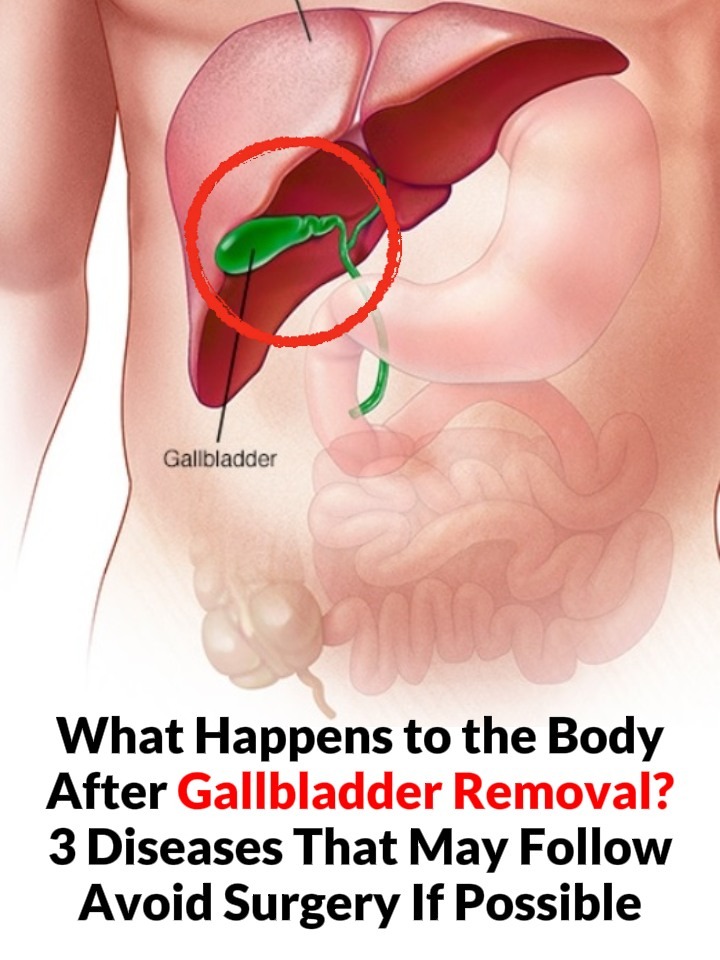
What Happens to the Body After Gallbladder Removal 3 Diseases That May Follow Avoid Surgery If Possible

Gallbladder removal, medically known as cholecystectomy, is one of the most common surgeries performed worldwide. Doctors often recommend it for gallstones, inflammation, or gallbladder dysfunction. While the procedure can be lifesaving and necessary in many cases, it is often presented as “routine” or “harmless.”

But the gallbladder is not a useless organ. Its removal can trigger long-term changes in digestion, metabolism, and overall health. For some people, these changes are mild. For others, they can lead to chronic conditions that affect quality of life for years.

Let’s explore what really happens to the body after gallbladder removal, the three diseases that may follow, and why avoiding surgery—when medically possible—can be beneficial.


What Does the Gallbladder Actually Do?

The gallbladder is a small, pear-shaped organ located beneath the liver. Its main role is to store and concentrate bile, a digestive fluid produced by the liver.

Bile is essential for:

  • Breaking down fats

  • Absorbing fat-soluble vitamins (A, D, E, and K)

  • Supporting healthy bowel movements

  • Maintaining balanced gut bacteria

When you eat a fatty meal, the gallbladder releases a controlled amount of bile into the small intestine. This timing and concentration are crucial for proper digestion.

After gallbladder removal, this natural regulation is lost.


What Changes After Gallbladder Removal?

Once the gallbladder is gone:

  • Bile flows continuously from the liver into the intestine

  • Bile is less concentrated

  • Digestion becomes less efficient, especially for fats

  • The gut is exposed to bile even when no food is present

These changes may not cause immediate symptoms, but over time they can disrupt digestion, metabolism, and gut health.


1. Post-Cholecystectomy Syndrome (PCS)

One of the most common long-term outcomes is Post-Cholecystectomy Syndrome.

What Is It?

PCS is a collection of digestive symptoms that persist or appear after gallbladder removal.

Common Symptoms:

  • Chronic diarrhea

  • Bloating and gas

  • Abdominal pain or cramping

  • Nausea after meals

  • Fat intolerance

  • Acid reflux

Why It Happens:

Without the gallbladder, bile drips constantly into the intestines. This can irritate the intestinal lining and overwhelm the digestive system, especially when eating fatty or processed foods.

Long-Term Impact:

Some people live with PCS for years, managing symptoms with medications, restrictive diets, or repeated doctor visits.


2. Non-Alcoholic Fatty Liver Disease (NAFLD)

The gallbladder and liver work as a team. Removing the gallbladder places extra strain on the liver, which must now regulate bile flow alone.

How Gallbladder Removal Affects the Liver:

  • Continuous bile production increases liver workload

  • Fat metabolism becomes less efficient

  • Insulin resistance may increase

Over time, this can contribute to Non-Alcoholic Fatty Liver Disease, a condition where fat accumulates in liver cells.

Symptoms May Include:

  • Fatigue

  • Right-side abdominal discomfort

  • Elevated liver enzymes

  • Progression to inflammation or fibrosis in severe cases

Why This Matters:

NAFLD is now one of the leading causes of chronic liver disease. While not everyone develops it after surgery, studies show higher rates in people without a gallbladder.


3. Irritable Bowel Syndrome (IBS) and Chronic Diarrhea

Gallbladder removal significantly alters how bile interacts with the gut.

The Bile–Gut Connection:

Excess bile entering the colon can:

  • Disrupt gut bacteria

  • Increase intestinal motility

  • Irritate the bowel lining

This can trigger symptoms similar to IBS, especially the diarrhea-dominant type (IBS-D).

Common Complaints:

  • Urgent bowel movements

  • Loose stools after eating

  • Abdominal cramps

  • Food sensitivities

For some patients, this becomes a lifelong condition, requiring medication and strict dietary control.


Nutrient Deficiencies After Surgery

Because bile is crucial for fat digestion, gallbladder removal can impair the absorption of:

  • Vitamin A (vision, immunity)

  • Vitamin D (bones, immunity)

  • Vitamin E (cell protection)

  • Vitamin K (blood clotting)

Over time, deficiencies may contribute to:

  • Weak bones

  • Fatigue

  • Poor immunity

  • Skin and hair problems


Why Avoid Surgery If Possible?

This does not mean gallbladder surgery is always bad or unnecessary. In emergencies—such as severe infection, rupture, or cancer—surgery is absolutely essential.

However, many gallbladder removals are done for:

  • Mild or intermittent gallstones

  • Sludge without severe symptoms

  • Functional issues that may respond to lifestyle changes

In such cases, non-surgical approaches may be worth exploring first, under medical supervision.


Non-Surgical Options (When Medically Appropriate)

Depending on the condition and severity, doctors may recommend:

  • Dietary changes (low-fat, whole foods)

  • Weight management

  • Improved hydration

  • Medications to dissolve certain gallstones

  • Managing insulin resistance

  • Supporting liver and bile flow

Early intervention can sometimes prevent progression to surgery.


Life After Gallbladder Removal: Can People Live Normally?

Yes—many people live full lives without a gallbladder. However, “normal” often requires:

  • Long-term dietary awareness

  • Avoiding fatty and fried foods

  • Managing digestion carefully

  • Monitoring liver and gut health

Understanding potential risks allows people to prepare, adapt, and protect their health.

Put 2 drops in your ear and you will hear like before. Recover your hearing

“Put 2 Drops in Your Ear and You Will Hear Like Before”? The Truth About Hearing Recovery

If you’ve seen headlines claiming that “just 2 drops in your ear can restore hearing instantly,” you’re not alone. These promises spread fast—especially among adults who notice their hearing isn’t as sharp as it once was. The idea is tempting: a simple, natural solution that brings back lost hearing without doctors, tests, or expensive devices.

But here’s the honest truth: there is no proven ear drop that can magically restore hearing loss. However, that doesn’t mean all hope is lost. In some cases, hearing can improve significantly—when the cause is properly understood and treated safely.

Let’s separate myth from fact and talk about what truly helps.


Why Hearing Declines in the First Place

Hearing loss isn’t a single condition. It has many causes, and each one requires a different approach.

1. Earwax Buildup (One of the Most Common Causes)

Excess earwax can block sound waves, making hearing dull or muffled. This is one of the few situations where ear drops can genuinely help.

2. Age-Related Hearing Loss (Presbycusis)

As we age, tiny hair cells in the inner ear slowly wear down. Unfortunately, once these cells are damaged, they do not regenerate.

3. Noise Damage

Long-term exposure to loud sounds—machines, traffic, headphones—can permanently damage hearing nerves.

4. Ear Infections or Fluid

Temporary hearing loss may occur due to inflammation or trapped fluid, especially after colds or sinus infections.

5. Medical Conditions

Diabetes, high blood pressure, and circulation problems can all affect hearing health.


The “2 Drops” Myth: What Are People Really Talking About?

Most viral claims refer to oil-based ear drops, such as:

  • Olive oil

  • Garlic oil

  • Tea tree oil

  • Hydrogen peroxide (very risky if misused)

These substances do not heal hearing loss, but some may help in specific, limited situations.


When Ear Drops May Help

✔ Earwax Softening

A few drops of warm olive oil or medical-grade ear drops can soften hardened earwax, allowing it to exit naturally.

Important: This only helps if earwax is the cause of hearing difficulty.

✔ Mild Dryness or Irritation

Some drops can soothe dry ear canals—but they do not improve hearing ability.


When Ear Drops Can Be Dangerous ⚠️

Using random drops without knowing the cause can make things worse.

Never put drops in your ear if you have:

  • A perforated eardrum

  • Pain, dizziness, or discharge

  • Sudden hearing loss

  • Ringing (tinnitus) with pressure

Garlic oil, vinegar, alcohol, and essential oils can burn sensitive tissue and cause permanent damage if used incorrectly.


Can Hearing Ever Be “Recovered”?

The Honest Answer: Sometimes—but not with miracle drops.

✔ Temporary Hearing Loss

If hearing loss is due to:

  • Wax buildup

  • Fluid

  • Infection

Then hearing often improves after proper treatment.

✖ Permanent Hearing Loss

Damage to inner-ear nerves cannot be reversed with drops, supplements, or home remedies.

However, it can be managed.


What Actually Helps Protect and Improve Hearing

1. Professional Ear Cleaning

A doctor or audiologist can safely remove wax without damaging the ear.

2. Treat Underlying Conditions

Managing blood pressure, blood sugar, and circulation improves ear health.

3. Hearing Tests

Early testing allows intervention before hearing loss worsens.

4. Hearing Aids (Modern Ones Are Powerful)

Today’s hearing aids are discreet, comfortable, and dramatically improve quality of life.

5. Nutrition for Hearing Health

While not cures, these nutrients support ear function:

  • Magnesium

  • Omega-3 fatty acids

  • Vitamin B12

  • Zinc


A Safe Home Practice for Ear Health (Not a Cure)

If you suspect wax buildup only, this is generally considered safe:

  • Use 2–3 drops of warm olive oil

  • Once daily for 3–5 days

  • Stop immediately if pain or dizziness occurs

If hearing doesn’t improve, do not continue—seek professional care.


Warning Signs You Should Never Ignore 🚨

Seek medical help immediately if you experience:

  • Sudden hearing loss

  • One-sided hearing loss

  • Ringing with dizziness

  • Ear pain or bleeding

  • Hearing loss after illness or injury

These symptoms are medical emergencies, not home-remedy situations.


Why “Miracle Cure” Headlines Are Harmful

False promises:

  • Delay proper treatment

  • Cause permanent damage

  • Exploit fear and aging concerns

  • Lead people to unsafe practices

Hearing loss affects communication, balance, memory, and even mental health. It deserves real care—not shortcuts.


Final Thoughts: Hope Without Hype

There is no magical 2-drop solution that restores hearing like before. But there is hope:

  • Some hearing loss is reversible

  • Most hearing loss is manageable

  • Early action makes a huge difference

If your hearing has changed, the most powerful step isn’t a drop—it’s knowledge and proper care.

Your ears are delicate. Treat them with truth, not trends.

Amish Crowd-Pleaser Just 4 ingredients

There’s something irresistibly comforting about Amish-inspired recipes. They’re humble, practical, and built around simple pantry staples—yet they have a way of winning over every table they touch. This Amish Crowd-Pleaser is one of those quietly magical recipes. With just four ingredients, no baking, and barely any prep time, it delivers a sweet, creamy indulgence that feels far more special than its simplicity suggests.

Often served at Amish gatherings, church suppers, and family breakfasts, this classic treat is known for disappearing fast. Whether you spread it on warm bread, spoon it onto crackers, or serve it alongside fruit, it has that rare quality of pleasing kids, adults, and elders alike.

What Is the Amish Crowd-Pleaser?

This recipe is a traditional Amish peanut butter spread, sometimes lovingly called Amish “Church Spread” or Amish Peanut Butter Fluff. It’s commonly served at breakfasts and potlucks with homemade bread, biscuits, or rolls. The texture is light and creamy, the flavor is gently sweet and nutty, and the nostalgia factor is off the charts.

The brilliance lies in its restraint. No long ingredient lists. No fancy tools. Just four everyday items coming together to create something greater than the sum of its parts.

The 4 Simple Ingredients

You likely already have these in your kitchen:

Creamy peanut butter
This forms the rich, nutty base. Traditional recipes favor classic, shelf-stable peanut butter for the smoothest texture.

Marshmallow fluff (or marshmallow crème)
This adds lightness, sweetness, and that signature airy texture that makes the spread so addictive.

Light corn syrup
A small amount provides silkiness and helps everything blend smoothly, just as it has in Amish kitchens for generations.

Powdered sugar
This gently sweetens and thickens the spread without any graininess.

That’s it. Four ingredients, each with a purpose, none wasted.

How to Make It (Simple Method)

Add the peanut butter to a medium mixing bowl.

Spoon in the marshmallow fluff.

Pour in the corn syrup.

Gradually mix in the powdered sugar.

Stir until everything is fully combined and smooth. The result should be creamy, spreadable, and slightly fluffy—not stiff, not runny.

No heat. No baking. No waiting.

Why This Recipe Works So Well

1. It’s Foolproof
You don’t need cooking skills to make this successfully. If you can stir, you can master it.

2. It Scales Easily
Making it for two people or twenty is effortless. Just double or triple the ingredients.

3. It’s Budget-Friendly
Amish cooking has always been about making the most of what’s available, and this recipe reflects that beautifully.

4. It Triggers Nostalgia
The flavor instantly recalls old-fashioned kitchens, wooden tables, and fresh bread pulled from the oven.

How the Amish Traditionally Serve It

In Amish communities, this spread is rarely eaten alone. It’s almost always paired with something warm and homemade:

Fresh white or wheat bread

Soft dinner rolls

Biscuits

Toast at breakfast

Crackers at gatherings

It’s often placed in a simple bowl at the center of the table, meant to be shared—another reflection of Amish values of community and togetherness.

Modern Serving Ideas

While tradition is beautiful, this spread adapts wonderfully to modern kitchens:

Dip for apple slices or banana rounds

Filling for sandwich cookies

Spread on pancakes or waffles

Swirled into oatmeal

Layered in dessert parfaits

It even works as a quick frosting for snack cakes or brownies in a pinch.

Tips for the Best Results

Use room-temperature ingredients for easier mixing

Choose creamy peanut butter, not natural-style varieties, for authentic texture

Add powdered sugar slowly so you can control sweetness

If too thick, stir in a teaspoon of milk; if too soft, add a bit more powdered sugar

These small adjustments help you tailor the spread exactly to your taste.

Why It’s a True Crowd-Pleaser

There’s no overpowering flavor here. Nothing trendy or divisive. Just familiar, comforting sweetness that feels safe and satisfying. That’s why it works so well at gatherings—people don’t need convincing to love it.

In a world of complicated desserts and viral recipes, this Amish classic stands quietly confident. It doesn’t need attention-grabbing techniques or exotic ingredients. It simply delivers, every time.

Final Thoughts

This Amish Crowd-Pleaser proves a timeless truth: simple food, made with care, brings people together. With just four ingredients and a few minutes of effort, you get a recipe that feels generous, nostalgic, and deeply comforting.

How to Naturally Clear Phlegm and Mucus from Chest and Throat

How to Naturally Clear Phlegm and Mucus from the Chest and Throat

Excess phlegm and mucus in the chest or throat can be uncomfortable, irritating, and sometimes alarming. That constant need to clear your throat, the tight feeling in your chest, or the sensation of mucus stuck behind your nose can interfere with sleep, speech, and daily comfort. While mucus plays an important role in protecting your respiratory system, too much of it often signals irritation, infection, allergies, or lifestyle factors. Fortunately, nature provides many effective ways to thin, loosen, and expel excess mucus—without relying heavily on medications.

What Causes Excess Mucus?

Mucus is produced by the body to trap dust, bacteria, and viruses. However, excess buildup may occur due to:

  • Colds and flu

  • Allergies (dust, pollen, pet dander)

  • Sinus infections

  • Acid reflux

  • Smoking or air pollution

  • Dehydration

  • Dairy sensitivity (in some people)

Understanding the cause helps guide the right natural approach to relief.


1. Stay Well Hydrated

One of the simplest and most effective ways to clear mucus is drinking enough fluids. Water helps thin thick mucus, making it easier to cough up or drain naturally.

Best fluids for mucus relief:

  • Warm water

  • Herbal teas

  • Clear broths

  • Warm lemon water

Avoid sugary drinks and excessive caffeine, as they can worsen dehydration.


2. Steam Inhalation for Instant Relief

Steam loosens mucus in the chest and throat while soothing irritated airways.

How to do it:

  1. Boil water and pour it into a bowl

  2. Lean over the bowl and cover your head with a towel

  3. Breathe deeply for 5–10 minutes

Adding a few drops of eucalyptus or peppermint oil may enhance the effect, helping open nasal passages and reduce congestion.


3. Honey: Nature’s Soothing Remedy

Raw honey is known for its soothing and antimicrobial properties. It coats the throat, reduces irritation, and helps calm coughing.

How to use:

  • Take 1 tablespoon of raw honey

  • Mix with warm water or herbal tea

  • Combine with lemon for added mucus-cutting benefits

Avoid giving honey to children under one year of age.


4. Ginger to Break Down Mucus

Ginger acts as a natural expectorant and anti-inflammatory, helping loosen mucus and calm the respiratory tract.

Ginger tea recipe:

  • Slice fresh ginger root

  • Simmer in water for 10 minutes

  • Add honey and lemon

Drinking this 2–3 times daily can significantly reduce chest congestion.


5. Saltwater Gargle

Gargling with warm salt water helps draw excess mucus from the throat and reduces bacterial growth.

How to prepare:

  • Mix ½ teaspoon salt in a glass of warm water

  • Gargle for 30 seconds

  • Repeat 2–3 times daily

This remedy is especially helpful for morning mucus buildup.


6. Elevate Your Head While Sleeping

Lying flat can cause mucus to pool in the throat overnight. Elevating your head allows gravity to help drain mucus naturally.

Tip:
Use an extra pillow or slightly raise the head of your bed to reduce postnasal drip and morning congestion.


7. Avoid Mucus-Triggering Foods

Certain foods may increase mucus production in sensitive individuals.

Foods to limit:

  • Dairy products

  • Fried foods

  • Refined sugar

  • Processed foods

Instead, focus on fruits, vegetables, soups, and whole foods that support immune health.


8. Use a Humidifier

Dry air irritates the respiratory tract and thickens mucus. A humidifier adds moisture to the air, making breathing easier and mucus thinner.

Best practice:

  • Use especially during winter or in air-conditioned rooms

  • Clean regularly to prevent mold growth


9. Practice Controlled Coughing

Suppressing a productive cough can trap mucus in the lungs. Controlled coughing helps clear airways safely.

Technique:

  • Sit upright

  • Take a deep breath

  • Cough firmly from the chest

This helps expel mucus without straining your throat.


10. Breathing Exercises

Deep breathing helps loosen mucus and improve lung capacity.

Simple exercise:

  • Inhale slowly through the nose

  • Hold for 2–3 seconds

  • Exhale through the mouth

Repeat several times daily to support lung health.


When to Seek Medical Advice

Natural remedies are effective for mild to moderate mucus buildup. However, consult a healthcare provider if you experience:

  • Thick green or bloody mucus

  • Shortness of breath

  • Chest pain

  • Persistent cough lasting more than 3 weeks

  • Fever or unexplained weight loss

These may indicate an underlying condition requiring medical attention.


Final Thoughts

Clearing phlegm and mucus naturally is often about consistency and supporting your body’s natural defense systems. Hydration, steam, natural anti-inflammatories like ginger and honey, proper sleep posture, and clean air can make a noticeable difference within days. By listening to your body and making small daily adjustments, you can breathe easier, sleep better, and feel more comfortable—naturally.

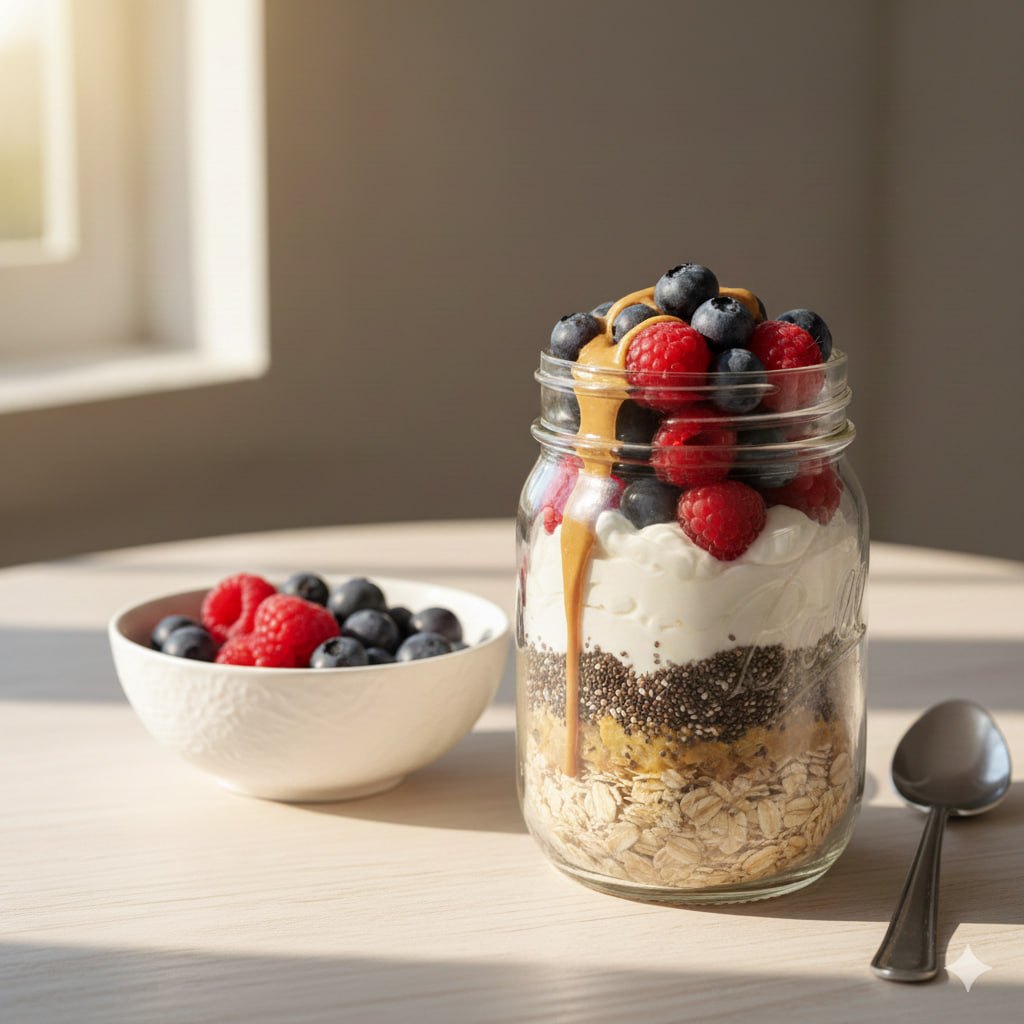
Stop Skipping Breakfast! High-Protein Overnight Oats (Done in 5 Minutes)

For years, breakfast has been called the most important meal of the day—yet it’s also the most commonly skipped. Mornings feel rushed, appetites are low, or grabbing something unhealthy seems easier than cooking. But skipping breakfast often leads to mid-morning crashes, overeating later, and sluggish focus. The solution isn’t complicated or time-consuming. In fact, it takes just five minutes the night before.

Enter high-protein overnight oats—a creamy, satisfying, no-cook breakfast that fuels your body, balances blood sugar, and keeps you full for hours. This isn’t your bland, watery oatmeal. This is a rich, customizable, protein-packed meal that works while you sleep.


Why High-Protein Breakfast Matters

Traditional breakfasts—toast, sugary cereal, pastries—are heavy on carbs and light on protein. They digest quickly, causing energy spikes and crashes. Protein changes everything.

A high-protein breakfast:

  • Keeps you full longer

  • Reduces sugar cravings later in the day

  • Supports muscle repair and metabolism

  • Improves focus and sustained energy

Overnight oats become a powerhouse meal when you combine slow-digesting oats with protein-rich ingredients like Greek yogurt, milk, nuts, and seeds.

The 5-Minute High-Protein Overnight Oats Recipe

This recipe delivers 30–40 grams of protein, depending on your ingredients, and requires zero cooking.

Ingredients (1 serving)

  • ½ cup rolled oats (not instant)

  • ¾ cup milk of choice (dairy, almond, soy, or oat)

  • ½ cup plain Greek yogurt (full-fat or low-fat)

  • 1 tablespoon chia seeds

  • 1 tablespoon nut butter (peanut, almond, or cashew)

  • 1 scoop protein powder (vanilla or unflavored works best)

  • ½ teaspoon cinnamon

  • 1 teaspoon honey or maple syrup (optional)

  • Pinch of salt

How to Make It (Literally 5 Minutes)

  1. In a jar or bowl, add the oats and chia seeds.

  2. Pour in the milk and stir until evenly combined.

  3. Add Greek yogurt, nut butter, protein powder, cinnamon, and salt.

  4. Stir thoroughly until smooth—make sure no protein powder clumps remain.

  5. Cover and refrigerate overnight (or at least 4 hours).

That’s it. No stove. No mess. No excuses.

What Happens Overnight (The Magic Part)

As the oats rest, they absorb the liquid and soften into a creamy, pudding-like texture. Chia seeds swell, thickening the mixture and adding fiber and omega-3s. The yogurt and protein powder blend seamlessly, turning simple oats into a balanced, high-performance breakfast.

By morning, it’s ready to eat—cold, refreshing, and incredibly satisfying.

Flavor Variations (Never Get Bored)

1. Chocolate Peanut Butter

  • Add 1 tablespoon cocoa powder

  • Use chocolate protein powder

  • Top with crushed peanuts or dark chocolate shavings

2. Berry Cheesecake

  • Add mashed strawberries or blueberries

  • Use vanilla protein powder

  • Swirl in a spoon of cream cheese or extra yogurt

3. Banana Bread

  • Add mashed ripe banana

  • Extra cinnamon and a pinch of nutmeg

  • Top with walnuts

4. Apple Pie

  • Stir in grated apple

  • Add cinnamon and clove

  • Finish with chopped pecans

Make It Even Higher in Protein

If you’re especially active or skipping lunch, boost protein further by:

  • Using ultra-filtered milk

  • Adding an extra spoon of Greek yogurt

  • Mixing in hemp seeds

  • Topping with boiled eggs on the side

Perfect for Busy Mornings

This breakfast is ideal if you:

  • Leave early for work

  • Don’t feel hungry right away

  • Want a grab-and-go option

  • Are trying to eat healthier without effort

You can eat it straight from the jar, take it to work, or enjoy it after a workout.

Meal Prep Friendly

Make 3–5 jars at once and store them in the fridge. They stay fresh for up to 4 days, making your mornings completely stress-free.

Stop Skipping Breakfast—Start Fueling Your Day

Skipping breakfast isn’t a discipline problem—it’s a convenience problem. When breakfast is already made, delicious, and packed with protein, skipping it no longer makes sense.

These high-protein overnight oats prove that healthy eating doesn’t need time, talent, or effort—just five minutes and a fridge.