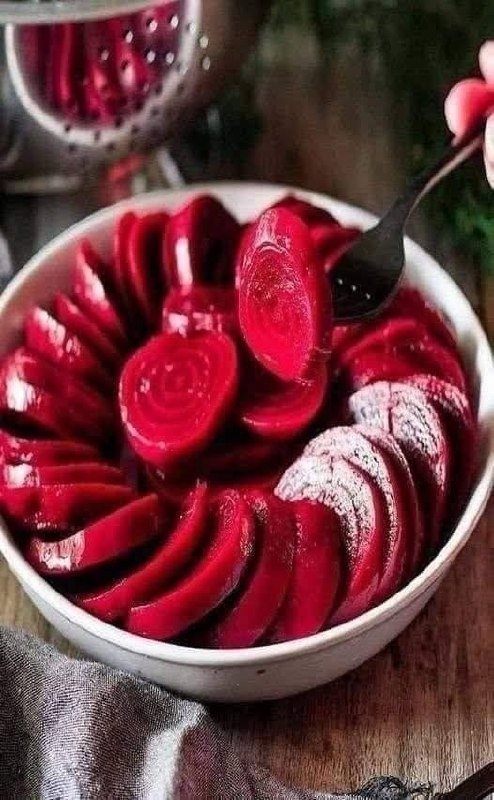
Delicious Beetroot and Lemon Juice

Delicious Beetroot and Lemon Juice

A Refreshing Drink That Supports Digestion, Cleansing, and Healthy Weight Balance

Bright, earthy beetroot paired with fresh, zesty lemon creates more than just a colorful drink—it’s a refreshing wellness juice loved for its light cleansing feel and metabolism-friendly properties. This delicious beetroot and lemon juice has become a favorite among people looking to support digestion, reduce bloating, and gently encourage healthy weight balance using simple, natural ingredients.

While no drink can magically “clean the colon” or cause instant weight loss, this juice works by supporting the body’s natural detox systems, especially digestion and hydration. When enjoyed consistently alongside a balanced lifestyle, it can help you feel lighter, refreshed, and energized.

Why Beetroot and Lemon Work So Well Together

Beetroot: Nature’s Digestive Ally

Beetroot is rich in dietary fiber, which plays an important role in keeping digestion moving smoothly. Fiber helps promote regular bowel movements and supports a healthy gut environment. Beetroot also contains natural plant compounds that support liver function, which is essential for the body’s natural detox process.

Its natural sweetness makes it ideal for juicing without the need for added sugar, while its deep red color signals a high concentration of beneficial antioxidants.

Lemon: A Natural Cleanser

Lemon is widely appreciated for its refreshing acidity and vitamin C content. When added to water or juice, lemon helps stimulate digestive juices, which can improve how efficiently food is broken down. Many people find lemon helpful for reducing bloating and supporting hydration, especially when consumed first thing in the morning.

Together, beetroot and lemon create a drink that feels cleansing, energizing, and satisfying—without being harsh on the body.

Delicious Beetroot and Lemon Juice Recipe

Ingredients

  • 1 medium raw beetroot (peeled and chopped)

  • Juice of 1 fresh lemon

  • 1 cup cold water (or coconut water for added minerals)

  • ½ teaspoon grated ginger (optional, for digestion)

  • 1 teaspoon honey (optional, for mild sweetness)

  • Ice cubes (optional)

Instructions

  1. Prepare the beetroot
    Wash, peel, and chop the beetroot into small pieces for easier blending.

  2. Blend
    Add beetroot, lemon juice, water, and ginger to a blender. Blend until smooth.

  3. Strain (optional)
    If you prefer a smoother juice, strain through a fine sieve or cheesecloth. For more fiber, enjoy it unstrained.

  4. Sweeten if needed
    Add honey only if desired—beetroot is naturally sweet.

  5. Serve fresh
    Pour into a glass, add ice if you like, and enjoy immediately.

How This Juice Supports Colon Health Naturally

The colon already has an effective self-cleaning system, but diet plays a major role in how smoothly it works. The fiber from beetroot helps add bulk to stool, which may promote regular elimination. Lemon supports hydration, which is essential for preventing constipation.

Drinking this juice regularly may help:

  • Reduce feelings of heaviness or bloating

  • Support smoother digestion

  • Encourage regular bowel movements

  • Promote a clean, refreshed feeling from within

Rather than forcing the body, this juice gently supports natural digestive rhythms.

Beetroot and Lemon Juice for Weight Balance

This juice is low in calories yet filling, making it a smart addition to a weight-conscious routine. Fiber helps you feel fuller longer, reducing unnecessary snacking. Lemon’s refreshing flavor may also help curb sugar cravings.

For best results:

  • Drink it in the morning on an empty stomach

  • Use it as a mid-day refresher instead of sugary drinks

  • Pair it with whole foods, movement, and hydration

Consistency matters more than quantity—this is a supportive habit, not a quick fix.

Best Time to Drink

  • Morning: Helps awaken digestion

  • Before meals: May reduce overeating

  • Midday: Refreshes energy naturally

Avoid drinking late at night if you’re sensitive to acidity.

Tips for Maximum Benefits

  • Use fresh raw beetroot, not canned

  • Drink immediately to preserve nutrients

  • Start with small portions if new to beetroot

  • Wear gloves when handling beets to avoid stains

Final Thoughts

This delicious beetroot and lemon juice is a simple, affordable, and refreshing way to support digestion, reduce bloating, and encourage a lighter, healthier feeling. It doesn’t promise miracles—but when enjoyed regularly, it works in harmony with your body’s natural processes.
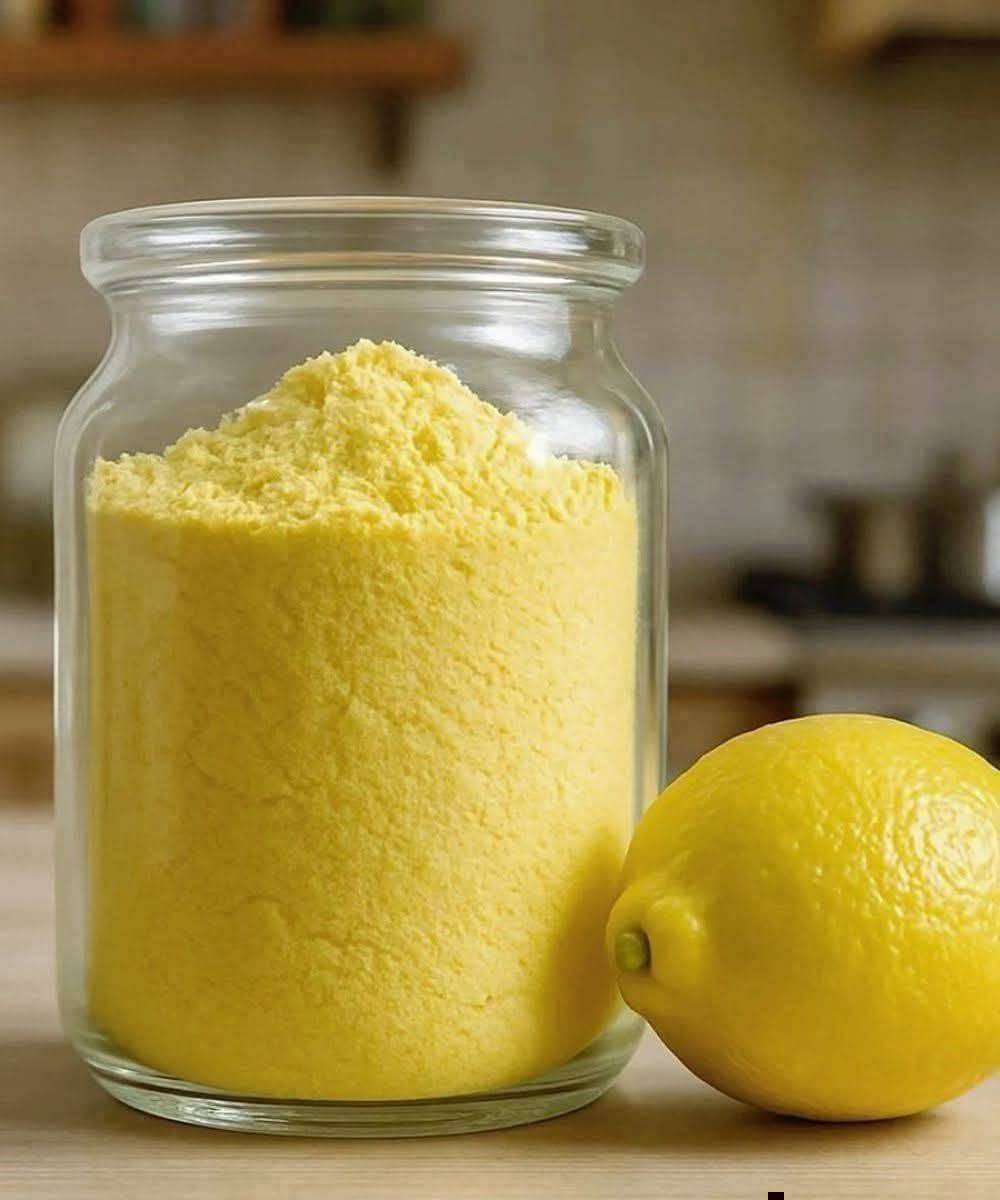

Homemade Lemon Powder (Easy & Natural)

Making lemon powder is surprisingly easy, wonderfully economical, and incredibly useful in the kitchen. This bright, aromatic powder captures the pure essence of fresh lemons in a shelf-stable form that can be used anytime you want a burst of citrus flavor—no squeezing, no waste, and no spoilage. Whether you sprinkle it over roasted vegetables, stir it into tea, or use it in baking, homemade lemon powder is one of those simple pantry upgrades that feels almost magical once you start using it.

Homemade Lemon Powder (Easy & Natural)

Why Make Lemon Powder at Home?

Store-bought citrus powders are often expensive and may contain preservatives, artificial flavors, or added sugar. Making lemon powder at home allows you to:

  • Use 100% real lemons

  • Avoid waste by using leftover peels

  • Control flavor intensity

  • Save money

  • Enjoy long shelf life (up to a year when stored properly)

Most importantly, homemade lemon powder tastes fresher and brighter than anything you’ll buy.

Ingredients (Only One!)

  • Fresh lemons (organic preferred)

That’s it. No additives. No fillers.

Equipment Needed

  • Sharp knife or vegetable peeler

  • Baking tray or dehydrator trays

  • Oven or food dehydrator

  • Blender, spice grinder, or coffee grinder

  • Fine mesh sieve (optional)

  • Airtight glass jar

Step 1: Choose and Prepare the Lemons

Select firm, brightly colored lemons with smooth skin. Organic lemons are best since you’ll be using the peel, but conventional lemons work too if washed thoroughly.

Wash the lemons under warm running water, scrubbing gently to remove wax and residue. Pat completely dry with a clean towel.

Step 2: Peel the Lemons Carefully

Using a vegetable peeler or sharp knife, remove only the yellow outer zest, avoiding the white pith underneath. The pith is bitter and can affect the final flavor.

If you want a slightly tangier powder, you can slice the lemons thinly instead of peeling them, but this will produce a stronger, more sour powder.

Step 3: Dry the Lemon Peels

Drying is the most important step. The peels must be completely moisture-free before grinding.

Oven Method (Most Common)

  1. Preheat oven to 170°F (75°C) or the lowest possible setting.

  2. Spread lemon peels in a single layer on a baking tray lined with parchment paper.

  3. Place in the oven with the door slightly open to allow moisture to escape.

  4. Dry for 2–3 hours, flipping peels occasionally.

  5. Peels are ready when they snap cleanly and feel brittle.

Dehydrator Method

  • Set dehydrator to 115–125°F (46–52°C)

  • Dry for 6–8 hours until fully crisp

Air-Dry Method (Traditional)

  • Place peels on a clean cloth or tray

  • Keep in a warm, dry, well-ventilated area

  • Takes 3–5 days, depending on humidity

Step 4: Grind Into Powder

Once completely dry, allow the peels to cool. Transfer them to a blender, spice grinder, or coffee grinder.

Grind until a fine powder forms. If needed, sift through a fine mesh sieve and re-grind any coarse pieces.

At this stage, your kitchen will smell wonderfully fresh and citrusy.

Step 5: Store Properly

Transfer lemon powder to an airtight glass jar. Store in a cool, dark place away from moisture and heat.

Shelf life:

  • Up to 12 months when kept dry

  • Always use a dry spoon to prevent clumping

Optional Flavor Variations

  • Sweet Lemon Powder: Mix with powdered sugar (1:1) for desserts

  • Lemon Salt: Combine with sea salt for seasoning

  • Lemon Pepper: Mix with black pepper and garlic powder

  • Herbal Lemon Powder: Add dried thyme or rosemary before grinding

How to Use Lemon Powder

Lemon powder is incredibly versatile. A little goes a long way.

In Cooking

  • Sprinkle over roasted vegetables, potatoes, or grilled meats

  • Add to soups, stews, or rice

  • Season fish, chicken, or shrimp

  • Mix into salad dressings or marinades

In Baking

  • Add to cakes, cookies, muffins, and bread

  • Flavor frostings, glazes, and fillings

  • Enhance cheesecake or shortbread

In Drinks

  • Stir into tea or warm water

  • Add to smoothies

  • Mix into homemade lemonade

Household Uses

  • Natural deodorizer for jars and fridges

  • Gentle cleaner when mixed with baking soda

Tips for Best Results

  • Ensure peels are 100% dry before grinding

  • Avoid high heat—it destroys aroma

  • Store away from humidity

  • Use organic lemons for the cleanest flavor

Final Thoughts

Making lemon powder at home truly is easy, satisfying, and incredibly rewarding. With just one ingredient and a bit of patience, you create a powerful flavor booster that transforms everyday dishes into something special. Once you start using lemon powder, you’ll wonder how you ever cooked without it.

Miracle Drink: No Pain in a Week (Joints, Legs & Back)

Pain in the joints, legs, and lower back can quietly drain joy from everyday life. Whether it comes from long hours of sitting, physical labor, aging joints, or inflammation triggered by diet and stress, persistent discomfort makes even simple movements feel heavy. While there is no instant cure-all, nature offers a powerful combination of ingredients long used in traditional wellness practices to support circulation, calm inflammation, and nourish joints from within.

This “miracle drink” is not magic—but when taken consistently for a week alongside good hydration and gentle movement, many people report noticeably improved comfort, reduced stiffness, and easier mobility. What makes it special is how simple, affordable, and natural it is.

Why This Drink Works

Joint, leg, and back pain often share a few root causes:

  • Chronic inflammation

  • Poor circulation

  • Mineral deficiencies

  • Dehydration of connective tissues

  • Muscle tension and stiffness

This drink targets all five. Each ingredient plays a specific role in easing discomfort and supporting the body’s natural repair systems.

The Core Ingredients & Their Benefits

1. Turmeric (Anti-Inflammation Powerhouse)

Turmeric contains curcumin, a compound widely studied for its anti-inflammatory and antioxidant properties. It helps reduce swelling around joints and may ease stiffness in the back and knees.

2. Ginger (Circulation & Muscle Relief)

Fresh ginger improves blood flow, warms stiff muscles, and helps reduce soreness. It’s especially helpful for leg pain and morning stiffness.

3. Lemon Juice (Detox & Collagen Support)

Lemon supports liver detoxification and provides vitamin C, which is essential for collagen production—a key component of joints, cartilage, and connective tissue.

4. Cinnamon (Blood Sugar & Inflammation Balance)

Cinnamon helps regulate blood sugar levels, which is important because high blood sugar can worsen inflammation and nerve pain.

5. Honey (Natural Anti-Inflammatory & Absorption Aid)

Raw honey soothes tissues, supports digestion, and helps the body absorb beneficial compounds more efficiently.

6. Warm Water (Joint Hydration)

Warm water improves circulation and helps deliver nutrients deep into joint tissues, easing stiffness more effectively than cold drinks.

The Miracle Drink Recipe

Ingredients (1 serving):

  • 1 cup warm water (not boiling)

  • 1 teaspoon turmeric powder

  • ½ teaspoon grated fresh ginger (or ¼ teaspoon ginger powder)

  • Juice of ½ fresh lemon

  • ½ teaspoon ground cinnamon

  • 1 teaspoon raw honey

  • A pinch of black pepper (essential for turmeric absorption)

Instructions:

  1. Warm the water until comfortably hot but not boiling.

  2. Add turmeric, ginger, cinnamon, and black pepper. Stir well.

  3. Squeeze in fresh lemon juice.

  4. Add honey last and mix until fully dissolved.

  5. Drink slowly.

How to Use It for Best Results

  • Drink once daily, preferably in the morning on an empty stomach.

  • For severe stiffness, a second cup can be taken in the evening.

  • Use consistently for 7 days.

  • Stay well-hydrated throughout the day.

  • Pair with light stretching or walking for best results.

Consistency is key. This drink works by gradually calming inflammation and improving circulation—not by masking pain.

What You May Notice After a Week

Many people report:

  • Less morning stiffness in joints

  • Reduced knee and lower back discomfort

  • Lighter, less heavy-feeling legs

  • Improved flexibility

  • Easier movement when standing or walking

Results vary depending on diet, activity level, and underlying conditions, but even small improvements can feel life-changing.

Optional Boosters (Add One If Needed)

  • Collagen powder: Supports joint cushioning

  • Magnesium powder: Helps relax tight muscles

  • Apple cider vinegar (½ tsp): Supports mineral absorption

Only add one booster at a time to see how your body responds.

Important Tips & Precautions

  • If you are on blood thinners, consult a healthcare professional before using turmeric daily.

  • Use Ceylon cinnamon if possible, as it’s gentler for regular use.

  • This drink supports wellness but does not replace medical treatment for serious conditions.

Final Thoughts

Pain doesn’t always require harsh solutions. Sometimes, the most powerful changes come from nourishing the body gently and consistently. This miracle drink brings together ancient ingredients with modern understanding of inflammation and joint health. In just one week, it may help your body feel lighter, looser, and more comfortable—naturally.

No-Bake Chocolate Éclair Cake

Some desserts impress with complexity. Others win hearts because they’re effortless yet unforgettable. This No-Bake Chocolate Éclair Cake belongs firmly in the second category. It delivers everything we love about a traditional French éclair—creamy vanilla filling, tender pastry layers, and rich chocolate topping—without turning on the oven or stressing over dough. It’s the kind of dessert that quietly steals the show at potlucks, family dinners, and celebrations, leaving people shocked when you say, “It’s no-bake.”

This cake is especially magical because time does most of the work. As it chills, the layers soften and meld into something that tastes far more decadent than the simplicity of its ingredients would suggest. It’s proof that great desserts don’t need to be complicated—just thoughtful.

Why This No-Bake Éclair Cake Works So Well

The brilliance of this dessert lies in contrast and transformation. Crisp graham crackers absorb moisture from the vanilla cream, becoming cake-like and tender. The pudding mixture turns light and mousse-like, while the chocolate topping firms just enough to slice cleanly. Every bite is creamy, chocolatey, and nostalgic—like a childhood treat elevated into something elegant.

Even better, this recipe is forgiving. No special tools. No baking skills. Just layering, chilling, and enjoying.

Ingredients You’ll Need

For the Creamy Filling:

  • 2 (3.4 oz) boxes instant vanilla pudding mix

  • 3 cups cold whole milk

  • 1 cup heavy whipping cream

  • 3 tablespoons powdered sugar

  • 1 teaspoon pure vanilla extract

For the Layers:

  • 2 sleeves graham crackers (enough to create 3 layers)

For the Chocolate Topping:

  • 1 cup semi-sweet chocolate chips

  • ½ cup heavy cream

  • 1 tablespoon butter

Step-by-Step Instructions

1. Make the Vanilla Cream Layer

In a large bowl, whisk the instant vanilla pudding mix with cold milk for about 2 minutes until thick. Set aside to firm up slightly.

In a separate bowl, whip the heavy cream with powdered sugar and vanilla extract until soft peaks form. Gently fold the whipped cream into the pudding mixture. This step transforms ordinary pudding into a fluffy, luxurious filling that mimics classic éclair cream.

2. Prepare the Chocolate Topping

Heat the heavy cream and butter in a small saucepan over low heat until just steaming. Remove from heat and pour over the chocolate chips in a bowl. Let sit for 2 minutes, then stir until smooth and glossy. Set aside to cool slightly.

3. Assemble the Cake

In a 9×13-inch dish, arrange a single layer of graham crackers to fully cover the bottom. Break pieces as needed to fill gaps.

Spread one-third of the vanilla cream evenly over the crackers.

Add a second layer of graham crackers, followed by another third of the cream.

Finish with a final layer of graham crackers and spread the remaining cream on top.

4. Finish with Chocolate

Pour the chocolate topping over the final layer, spreading gently with a spatula to cover edge to edge.

5. Chill and Let the Magic Happen

Cover and refrigerate for at least 6 hours, but overnight is ideal. This resting time allows the crackers to soften into cake-like layers and the flavors to fully develop.

Tips for the Perfect Éclair Cake

  • Overnight chilling is key. The longer it rests, the better the texture.

  • Use full-fat dairy for the richest flavor and creamiest consistency.

  • For clean slices, dip your knife in hot water and wipe between cuts.

  • Want extra chocolate? Add mini chocolate chips between layers for surprise bursts of flavor.

Flavor Variations to Try

  • Mocha Éclair Cake: Add 1 teaspoon instant espresso powder to the pudding mix.

  • Peanut Butter Chocolate: Swirl melted peanut butter into the vanilla cream.

  • Mint Chocolate: Add a few drops of peppermint extract to the cream layer.

  • Caramel Éclair Cake: Drizzle caramel sauce between layers for a sweet twist.

Why Everyone Loves This Dessert

This No-Bake Chocolate Éclair Cake is more than a recipe—it’s a reliable crowd-pleaser. It’s cool, creamy, and comforting, making it perfect for warm weather, holidays, or whenever you want an impressive dessert without effort. It tastes like you spent hours in the kitchen, yet takes barely 20 minutes to assemble.

Whether you’re making it for guests or sneaking a slice straight from the fridge at midnight, this cake never disappoints. One bite in, and you’ll understand why it’s a timeless favorite—and why people always ask for the recipe.

Homemade Pickled Beets Recipe (Sweet & Tangy!)

There’s something deeply comforting about a jar of homemade pickled beets tucked away in the refrigerator. Their jewel-toned color, tender bite, and perfect balance of sweetness and tang instantly elevate everything from salads to sandwiches. While store-bought versions are convenient, nothing compares to the flavor, freshness, and control you get when you make pickled beets at home. This sweet and tangy recipe is simple, reliable, and incredibly satisfying—no canning experience required.

Whether you grew up eating pickled beets at family dinners or are discovering them for the first time, this recipe delivers classic flavor with a homemade touch that truly shines.

Why You’ll Love This Recipe

Homemade pickled beets are more than just a side dish—they’re a flavor booster. This recipe strikes the perfect balance between sugar and vinegar, creating a mellow tang that doesn’t overpower the natural earthiness of the beets. The texture stays tender but never mushy, and the brine becomes even better as the beets sit.

Best of all, this is a refrigerator pickle recipe, meaning no pressure canners, no complicated steps, and no stress. Just cook, simmer, pour, and wait.

Ingredients You’ll Need

For the beets:

  • 2 pounds fresh beets (red beets work best)

  • Water, for boiling

For the sweet & tangy pickling brine:

  • 1 cup white vinegar (or apple cider vinegar for a softer tang)

  • ¾ cup granulated sugar

  • ¾ cup water

  • ½ teaspoon salt

Optional flavor additions (choose one or two):

  • 1 cinnamon stick

  • 2–3 whole cloves

  • ½ teaspoon whole black peppercorns

  • 1 small bay leaf

These spices are optional, but they add subtle warmth and depth without overpowering the beets.

Step-by-Step Instructions

1. Prepare the Beets
Start by trimming the beet greens, leaving about an inch of stem attached. This helps prevent the color from bleeding too much during cooking. Scrub the beets thoroughly under running water to remove dirt.

Place the beets in a large pot and cover with water. Bring to a boil, then reduce to a gentle simmer. Cook for 35–45 minutes, depending on size, until a fork slides easily into the center.

2. Cool and Peel
Drain the beets and let them cool until safe to handle. The skins should slip off easily using your fingers or a paper towel. Trim off the stems and roots, then slice the beets into rounds or wedges—whichever you prefer.

3. Make the Pickling Brine
In a medium saucepan, combine the vinegar, sugar, water, salt, and any optional spices. Bring the mixture to a gentle boil, stirring until the sugar is completely dissolved. Reduce heat and simmer for 5 minutes to allow the flavors to meld.

4. Combine and Rest
Place the sliced beets into clean glass jars or a heat-safe container. Carefully pour the hot brine over the beets, ensuring they are fully submerged. Let the mixture cool to room temperature, then cover and refrigerate.

5. Let Them Pickle
While the beets are technically ready after a few hours, the flavor improves dramatically after 24–48 hours. The longer they sit, the deeper and more balanced the sweet-tangy flavor becomes.

Flavor Variations to Try

  • Extra Sweet: Add 2–3 tablespoons honey or maple syrup to the brine.

  • More Tangy: Increase vinegar by ¼ cup and reduce water slightly.

  • Spiced Beet Style: Add cloves and cinnamon for an old-fashioned flavor.

  • Savory Twist: Add a few slices of red onion or a crushed garlic clove.

This recipe is wonderfully flexible, making it easy to customize to your taste.

How to Use Pickled Beets

Pickled beets are incredibly versatile:

  • Toss them into green salads with goat cheese and walnuts

  • Serve alongside roasted meats or grilled chicken

  • Add to sandwiches or wraps for a bright pop of flavor

  • Chop and mix into potato or pasta salads

  • Enjoy straight from the jar as a refreshing snack

Their vibrant color and bold flavor make even simple meals feel special.

Storage Tips

Store your homemade pickled beets in the refrigerator in a sealed container or jar. They will keep well for up to 3–4 weeks, and the flavor continues to improve over time. Always use a clean utensil when serving to maintain freshness.

Final Thoughts

Making sweet and tangy pickled beets at home is one of those small kitchen projects that delivers big rewards. With just a few basic ingredients and minimal effort, you get a timeless, flavorful addition to your meals that’s both nostalgic and fresh. Once you try homemade pickled beets, you may never go back to store-bought again.

Here’s How Often You Should Wash Your Hair, According to a Dermatologist

If you’ve ever stood in the shower wondering whether you’re washing your hair too often—or not enough—you’re not alone. Hair-washing frequency is one of the most common questions dermatologists hear, and the answer isn’t as simple as “every day” or “once a week.” According to dermatologists, how often you should wash your hair depends on your scalp type, hair texture, lifestyle, and even the climate you live in. Think of it less like a strict rule and more like a personalized care “recipe” for your scalp and strands.

The Foundation: Why Hair Washing Matters

Your scalp is skin, just like your face. It produces oil (sebum), sheds dead skin cells, and collects sweat, dirt, and product buildup. Washing your hair cleans the scalp, not just the strands. When oil and buildup accumulate, they can clog hair follicles, cause itching, flakes, or even contribute to hair shedding. On the other hand, washing too frequently can strip away natural oils, leading to dryness, frizz, and irritation.

Dermatologists emphasize balance: your goal is a clean, comfortable scalp with hydrated, healthy hair.

Step 1: Identify Your Scalp Type

A dermatologist’s first question is usually about your scalp—not your hair length.

Oily scalp:
If your roots look greasy within a day, your scalp likely produces more sebum. Dermatologists often recommend washing every day or every other day. Daily washing does not damage hair when you use a gentle shampoo designed for frequent use.

Normal scalp:
If your hair looks fresh for two to three days, you’re in the “normal” range. Washing 2–3 times per week is usually ideal.

Dry or sensitive scalp:
If your scalp feels tight, itchy, or flaky without oiliness, washing once or twice a week is often enough. Overwashing can worsen dryness and irritation.

Step 2: Factor in Hair Texture and Type

Hair texture affects how oil travels from scalp to ends.

Fine or straight hair:
Oil spreads quickly, making hair look greasy sooner. Dermatologists often recommend every other day or daily washing.

Thick, curly, or coily hair:
Oil moves slowly through curls, so hair stays drier. Washing once a week—or even every 7–10 days—can be healthier, especially when combined with conditioning treatments.

Chemically treated or colored hair:
Bleached or dyed hair is more fragile. Dermatologists usually suggest 2 times per week, using sulfate-free, color-safe shampoos.

Step 3: Consider Your Lifestyle

Your daily habits play a major role in how often you should wash.

If you work out frequently:
Sweat itself isn’t dirty, but it can trap bacteria and oil. Dermatologists recommend washing after heavy sweating, especially if your scalp feels itchy or uncomfortable.

If you use styling products often:
Gels, sprays, dry shampoos, and oils can build up. If you style daily, you may need to wash more frequently or use a clarifying shampoo once every 2–4 weeks.

If you live in a hot or humid climate:
Humidity increases sweat and oil production, often requiring more frequent washing.

Step 4: The Dermatologist-Approved “Wash Recipe”

Think of this as a simple formula you can adjust:

  • Cleanse the scalp, not the ends

  • Massage gently with fingertips (not nails)

  • Rinse thoroughly to avoid residue

  • Condition mid-lengths to ends only

  • Adjust frequency based on comfort, not rules

Dermatologists stress that itchiness, flakes, excess oil, or odor are signs you need to wash more—not less.

Common Myths Dermatologists Want You to Stop Believing

“Training your hair” works:
Your scalp doesn’t learn to produce less oil if you wash less. Oil production is controlled by hormones and genetics, not shampoo schedules.

Daily washing causes hair loss:
Hair loss from washing is usually just shedding hair that was already ready to fall out. Gentle daily washing does not cause baldness.

Dry shampoo replaces washing:
Dry shampoo absorbs oil but doesn’t clean the scalp. Dermatologists recommend it only as a short-term fix.

Signs You’re Washing Too Much—or Too Little

You may be overwashing if:

  • Hair feels brittle or straw-like

  • Scalp feels tight or irritated

  • Excessive frizz appears

You may be underwashing if:

  • Scalp smells or feels itchy

  • Greasy roots appear quickly

  • Flakes worsen despite moisturizing products

Listening to your scalp is more important than following trends.

Final Dermatologist Advice

There is no universal number that works for everyone. Dermatologists agree the “right” frequency is the one that keeps your scalp clean, calm, and comfortable while leaving your hair soft and manageable. Whether that’s every day or once a week, consistency with the right products matters more than the number of washes.

Doctors Issue Warning to Anyone Who Takes a Popular Supplement After New Discovery

Dietary supplements have become part of everyday life for millions of people. From boosting energy to improving immunity, these products are often marketed as “natural,” “safe,” and essential for good health. But doctors are now urging caution after a recent discovery revealed that one widely used supplement may not be as harmless as many believe—especially when taken long-term or without medical guidance.

Why Supplements Feel Safe—but Aren’t Always

One of the biggest reasons supplements are so popular is the assumption that “natural” means safe. Vitamins, minerals, and herbal extracts are sold over the counter, often right next to everyday groceries. Unlike prescription medications, many supplements don’t require a doctor’s visit, which creates a false sense of security.

Doctors emphasize that supplements still affect the body’s chemistry. Even nutrients your body needs can cause harm when taken in excess or combined with other medications. The recent warning highlights exactly how easily good intentions can turn into health risks.

The Discovery That Sparked Concern

Medical professionals began noticing a pattern among patients who regularly used a certain popular supplement—often for energy, immunity, or general wellness. Blood tests, imaging, and symptom tracking revealed unexpected side effects that didn’t immediately point to a clear cause.

After closer investigation, doctors linked the symptoms back to consistent, unsupervised supplement use. In many cases, patients were taking doses well above recommended levels or combining multiple products containing the same active ingredient without realizing it.

This discovery prompted renewed warnings from healthcare providers worldwide.

What Doctors Are Seeing in Patients

According to physicians, the most common issues linked to misuse of popular supplements include:

  • Digestive distress such as nausea, bloating, or stomach pain

  • Liver strain or abnormal enzyme levels

  • Kidney stress, particularly in people who already have mild kidney issues

  • Heart rhythm changes when supplements interact with medications

  • Fatigue or weakness caused by nutrient imbalance rather than deficiency

What’s most alarming is that many patients were taking supplements to improve health, yet the supplements themselves were causing or worsening symptoms.

The Hidden Problem: Stacking Supplements

One major issue doctors point out is “supplement stacking.” This happens when people take several products at once—such as multivitamins, energy boosters, and immunity formulas—without realizing they contain overlapping ingredients.

For example, a person might take:

  • A daily multivitamin

  • An immune support supplement

  • A protein or energy powder

Each may contain the same vitamin or mineral, pushing total intake far beyond safe limits. Over time, this overload can stress vital organs, even in otherwise healthy individuals.

Who Is Most at Risk?

Doctors say certain groups should be especially cautious:

  • Older adults, whose bodies process nutrients differently

  • People with liver, kidney, or heart conditions

  • Anyone taking prescription medications

  • Pregnant or breastfeeding individuals

  • Those following extreme diets that already alter nutrient balance

In these groups, even “normal” supplement doses can have unintended effects.

Why Symptoms Often Go Unnoticed

One reason this issue is so concerning is that side effects can develop slowly. Unlike allergic reactions, supplement-related problems may take weeks or months to appear. Symptoms are often vague—fatigue, headaches, digestive issues—making them easy to dismiss or blame on stress.

Doctors warn that by the time lab tests reveal a problem, damage may already be underway.

What Doctors Recommend Instead

Healthcare professionals are not saying people should stop all supplements. Instead, they recommend a more thoughtful approach:

  • Only take supplements for a clear reason, not just marketing claims

  • Read labels carefully and watch for overlapping ingredients

  • Avoid high-dose formulas unless specifically recommended

  • Tell your doctor about every supplement you take, even herbal ones

  • Focus on food-based nutrition whenever possible

Doctors agree that for most people, a balanced diet provides more benefit than a shelf full of pills.

The Bigger Lesson Behind the Warning

This discovery serves as a reminder that supplements are not risk-free shortcuts to health. They are tools—useful when needed, but potentially harmful when misused. Just because something is sold without a prescription doesn’t mean it should be taken casually.

Medical experts hope this warning encourages people to treat supplements with the same respect they give medications.

Final Thoughts

The popularity of supplements isn’t going away, but awareness is growing. Doctors stress that informed choices—not fear—are the goal. If you’re currently taking a popular supplement, especially daily or in high doses, now may be the right time to pause, review your intake, and talk with a healthcare professional.

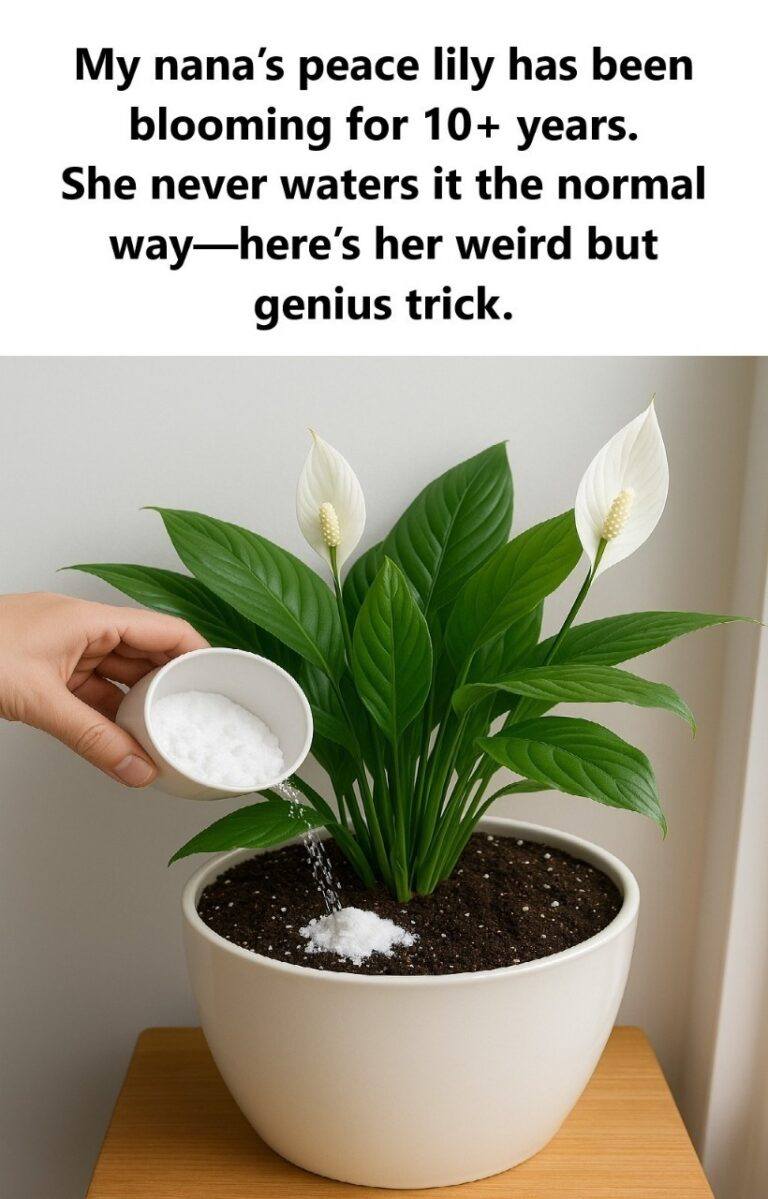
Peace Lily Care Secret: Forget Water—Use This Instead for Lasting Beauty

Peace lilies (Spathiphyllum) are loved for their graceful white blooms and glossy green leaves, yet many plant owners struggle to keep them thriving long-term. Yellowing leaves, drooping stems, and a stubborn refusal to bloom are common complaints. While most advice focuses on how often to water, the real secret to lasting beauty lies in what you water with. Surprisingly, plain tap water may be holding your peace lily back. Instead, a gentle, nutrient-rich alternative can transform your plant’s health, shine, and flowering power.

Why Plain Water Isn’t Always Enough

Tap water keeps a peace lily alive, but it doesn’t necessarily help it flourish. Many municipal water supplies contain chlorine, fluoride, and mineral salts. Over time, these can build up in the soil, leading to brown leaf tips, slowed growth, and fewer flowers. Peace lilies are especially sensitive to chemical residues, which stress the roots and interfere with nutrient absorption.

Additionally, water alone provides hydration but no nourishment. In nature, peace lilies grow on forest floors where rainwater filters through decomposing leaves and organic matter, creating a mild, nutrient-infused drink. Mimicking this natural environment is the key to long-lasting beauty.

The Secret Alternative: Gentle Organic “Plant Tea”

Instead of watering with plain tap water, use a mild organic plant tea—a diluted, natural solution that feeds and hydrates at the same time. This isn’t a harsh fertilizer. Think of it as a soothing herbal tea for your plant: light, balanced, and restorative.

One of the safest and most effective options is banana peel water or compost tea, heavily diluted. These provide trace minerals like potassium and magnesium that support leaf color and flower production without overwhelming the roots.

Simple Banana Peel Water Recipe (Peace Lily Safe)

This is a gentle, beginner-friendly method that works beautifully for peace lilies.

What you need:

  • 1 banana peel (fresh or slightly dried)

  • 1 liter of room-temperature water

  • A jar or bowl

How to prepare:

  1. Chop the banana peel into small pieces.

  2. Place them in the water and let soak for 12–24 hours.

  3. Strain out the peel pieces.

  4. Dilute the liquid 1:1 with fresh water before use.

Use this mixture once every 2–3 weeks, not more. Overuse can cause nutrient buildup.

Why This Works

Banana peels contain potassium, which strengthens stems and supports flowering. They also provide small amounts of phosphorus and magnesium, essential for lush green leaves. When diluted properly, this solution mimics the nutrient profile peace lilies receive in their natural habitat.

Unlike chemical fertilizers, this organic tea releases nutrients slowly, reducing the risk of root burn and salt buildup.

Best Practices for Maximum Results

Even the best plant tea won’t work if other care basics are ignored. Combine this secret watering method with these essential tips:

1. Use filtered or rested water
If you must use tap water, let it sit out for 12–24 hours so chlorine can evaporate.

2. Water when the plant asks
Peace lilies are expressive. When the leaves slightly droop, it’s time to water. Constantly wet soil leads to root rot.

3. Bright, indirect light is crucial
Too little light means no blooms, no matter how well you water. Place your plant near a bright window, but out of direct sun.

4. Clean the leaves
Wipe leaves with a damp cloth once a month. Clean leaves photosynthesize better, leading to stronger growth.

5. Flush the soil monthly
Every 4–6 weeks, water thoroughly with plain water to wash away any mineral buildup from teas or fertilizers.

Signs It’s Working

Within a few weeks of switching from plain water to a gentle plant tea, you’ll notice:

  • Deeper green, glossier leaves

  • Reduced brown tips

  • Stronger, more upright stems

  • Increased chances of flowering

Blooms may appear more frequently and last longer, with brighter white spathes.

What to Avoid

  • Strong fertilizers: Peace lilies prefer light feeding. Too much causes leaf burn.

  • Coffee or milk: These popular myths can sour the soil and attract pests.

  • Daily feeding: Organic teas are supplements, not replacements for water every time.

The Real Secret to Lasting Beauty

The true peace lily care secret isn’t abandoning water entirely—it’s upgrading it. By offering a gentle, nutrient-infused alternative that mirrors nature, you nourish both roots and leaves without stress. This simple shift turns a surviving houseplant into a thriving, elegant centerpiece.

Treat your peace lily the way nature intended: soft light, clean soil, and a nourishing drink now and then. Forget plain water alone—this small change is the difference between a tired plant and one that stays beautiful for years. 🌿

How to Get Your Peace Lily to Flower: A Simple, Proven Guide That Actually Works

Peace lilies are famous for their lush green leaves and elegant white blooms, yet many plant owners find themselves asking the same frustrating question: Why won’t my peace lily flower? The good news is that peace lilies aren’t difficult plants—they’re just very specific about what they need. Once you understand their preferences, you can encourage blooms again and again.

Think of this guide as a “recipe for flowering,” where each step plays an important role. Skip one ingredient, and the blooms may never appear. Follow the full method, and your peace lily can reward you with beautiful, long-lasting flowers.

Step 1: Understand What a Peace Lily Needs to Bloom
Peace lilies don’t bloom continuously. They typically flower once or twice a year, most often in spring or early summer. If your plant is healthy but not blooming, it’s usually because one of its basic needs—light, nutrients, or environment—is slightly off.

A peace lily focuses on survival first (leaves and roots) and flowers only when conditions are just right. Your goal is to create a stress-free, balanced environment that signals it’s safe to bloom.

Step 2: Light Is the Most Important Ingredient
The number one reason peace lilies don’t flower is insufficient light.

Peace lilies tolerate low light, but they do not flower in it.

The ideal light setup:

Bright, indirect sunlight
Near an east- or north-facing window
Filtered light through a sheer curtain works perfectly
If your plant is several feet away from a window or in a dark corner, it may grow leaves but never produce flowers. Move it gradually closer to light—sudden changes can shock the plant.

Pro tip: If you can comfortably read a book during the day without turning on a light, your peace lily can likely bloom there.

Step 3: Water Correctly—Not Too Much, Not Too Little
Peace lilies are dramatic and will droop when thirsty, but inconsistent watering can prevent flowering.

Best watering method:

Water when the top 1–2 inches of soil feels dry
Use room-temperature water
Water thoroughly until it drains from the bottom
Overwatering leads to root stress, while underwatering forces the plant to conserve energy instead of producing flowers.

Important: Never let your peace lily sit in standing water. Empty the saucer after watering.

Step 4: Feed It—But Gently
A peace lily without nutrients won’t flower, even if everything else is perfect.

Use a balanced, water-soluble houseplant fertilizer (such as 10-10-10 or 20-20-20), but dilute it to half strength.

Fertilizing schedule:

Once every 6–8 weeks
Only during spring and summer
Stop feeding in fall and winter
Too much fertilizer causes leaf burn and discourages blooms. Less is more.

Step 5: Temperature and Humidity Matter More Than You Think
Peace lilies are tropical plants and love warm, humid conditions.

Ideal conditions:

Temperature: 65–80°F (18–27°C)
Humidity: Medium to high
If your home is dry, especially in winter, increase humidity by:

Placing a shallow tray of water and pebbles under the pot
Grouping plants together
Lightly misting leaves (once or twice a week)
Avoid cold drafts, air conditioners, and heaters—sudden temperature changes can stop flowering altogether.

Step 6: Check the Pot Size
Peace lilies actually bloom better when they are slightly root-bound.

If your plant is in a pot that’s too large, it will focus on growing roots and leaves instead of flowers.

Signs your pot size is right:

Roots are visible near drainage holes
Plant dries out a bit faster than usual
Leaves look healthy and upright
Only repot when absolutely necessary, and go up just one pot size.

Step 7: Prune and Clean the Plant
Old, damaged, or yellowing leaves steal energy from flower production.

Use clean scissors to:

Remove yellow or brown leaves at the base
Cut off spent flowers once they fade
This redirects energy back into healthy growth and future blooms.

Step 8: Be Patient—Peace Lilies Don’t Rush
Even under perfect conditions, peace lilies take time. A healthy plant may need several weeks—or even months—before it produces a bloom.

If you’ve recently improved light or feeding, give your plant time to adjust. Consistency is far more important than quick fixes.

Bonus Tip: The “Bloom Trigger” Trick
Once a year in early spring, place your peace lily in a brighter spot (still indirect light) for 3–4 weeks. This mimics seasonal changes and can trigger flowering.

After buds appear, return it to its usual location.

Final Thoughts
Getting a peace lily to flower isn’t about luck—it’s about balance. Bright indirect light, consistent watering, gentle feeding, and a stable environment work together like a well-tested recipe. When all these elements align, your peace lily will reward you with elegant white blooms that last for weeks.

Hands Down, One of the Best Party Appetizers Ever

There are party appetizers… and then there are legendary party appetizers—the kind people hover around, sneak “just one more” of, and ask for the recipe before the night is over. These Cheesy Garlic Chicken Pull-Apart Bombs fall firmly into the second category. Crispy on the outside, soft and buttery inside, stuffed with seasoned chicken and molten cheese, they are everything a crowd wants in one irresistible bite.

This recipe was designed with parties in mind: easy to prep, easy to eat, and impossible to forget. No forks, no plates required—just warm, cheesy perfection that disappears faster than you can say “who made these?”

Why This Appetizer Is a Guaranteed Hit

What makes this appetizer so special isn’t just the flavor—it’s the experience. When guests pull one apart, cheese stretches dramatically, garlic butter glistens, and the aroma alone draws people back for seconds. It’s comfort food meets finger food, which is exactly what a great party snack should be.

Even better? These bombs are endlessly adaptable. You can make them mild for family gatherings or spicy for game day. They feel indulgent without being complicated, and that’s the sweet spot for entertaining.

Ingredients (Serves 8–10)

For the filling:

  • 2 cups cooked chicken, finely chopped or shredded

  • 1 cup mozzarella cheese, shredded

  • ½ cup cream cheese, softened

  • 2 tablespoons sour cream or Greek yogurt

  • 1 teaspoon garlic powder

  • 1 teaspoon onion powder

  • ½ teaspoon smoked paprika

  • Salt and black pepper to taste

For the dough:

  • 2 cans refrigerated biscuit dough (or pizza dough, cut into squares)

For the garlic butter coating:

  • 6 tablespoons butter, melted

  • 3 cloves garlic, finely minced

  • 2 tablespoons fresh parsley, chopped

  • ¼ cup grated Parmesan cheese

Optional add-ins:

  • Red pepper flakes for heat

  • Chopped jalapeños

  • Cooked bacon bits

Step-by-Step Instructions

1. Prepare the filling
In a medium bowl, combine the chicken, mozzarella, cream cheese, sour cream, garlic powder, onion powder, smoked paprika, salt, and pepper. Mix until creamy and well blended. The filling should be thick enough to hold its shape—this ensures every bite is packed with flavor.

2. Prep the dough
Separate the biscuit dough and cut each biscuit into two or three pieces, depending on size. Gently flatten each piece into a small circle using your fingers. Don’t worry about perfection—rustic is part of the charm.

3. Stuff and seal
Place about one tablespoon of the chicken mixture in the center of each dough round. Carefully pull the edges up and around the filling, pinching tightly to seal. Roll gently between your palms to form a smooth ball.

4. Arrange for pull-apart magic
Grease a baking dish or oven-safe skillet. Arrange the dough balls seam-side down, placing them close together. This helps them bake into a pull-apart cluster that looks incredible on the table.

5. Make the garlic butter
In a small bowl, mix the melted butter, minced garlic, parsley, and Parmesan. Generously brush the mixture over the tops of the dough balls, letting some drip into the cracks.

6. Bake to golden perfection
Bake at 375°F (190°C) for 25–30 minutes, or until the tops are deep golden brown and the centers are fully cooked. The smell alone will tell you when they’re ready.

How to Serve Them Like a Pro

Serve these bombs straight from the dish while they’re warm and gooey. Place the dish in the center of the table and watch guests naturally gather around. For dipping, offer:

  • Ranch dressing

  • Garlic aioli

  • Marinara sauce

  • Honey mustard

That extra dip option turns an already amazing appetizer into a full-on experience.


Make-Ahead & Party Tips

  • Prep ahead: Assemble the bombs up to 8 hours in advance, cover tightly, and refrigerate. Brush with garlic butter just before baking.

  • Double the batch: These go fast. If you’re feeding more than six people, make two pans.

  • Keep warm: If the party runs long, keep them warm in a low oven (200°F) without drying them out.

Why Everyone Asks for This Recipe

These Cheesy Garlic Chicken Pull-Apart Bombs hit every craving at once: savory, creamy, cheesy, buttery, and satisfying. They look impressive, taste unforgettable, and require no complicated steps or fancy ingredients.

Hands down, this is one of those appetizers that turns a good party into a great one—and guarantees your status as the person who always brings the best food. Once you serve these, don’t be surprised if they become your most requested recipe ever.