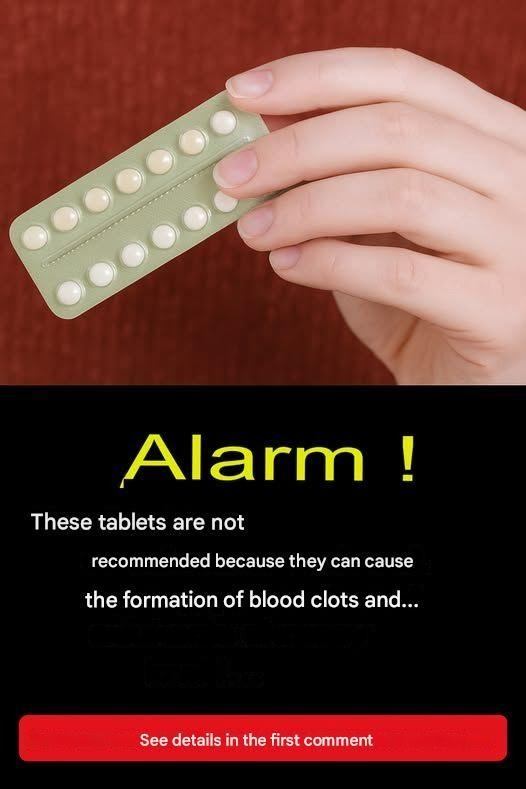
In today’s world, medications play a vital role in managing health conditions, improving quality of life, and even saving lives. However, not all medications are without risks. Some tablets, particularly certain hormonal treatments and other specific drug classes, have been linked to an increased risk of blood clots. Understanding these risks is essential so you can make informed decisions about your health and avoid potentially serious complications.
🚀 Make Money Online – Up to $50 Per Day!
What Are Blood Clots and Why Are They Dangerous?
Blood clots are gel-like clumps of blood that form in your veins or arteries. While clotting is a natural and necessary process to stop bleeding after an injury, abnormal clot formation can be dangerous. When clots form inside blood vessels without a clear reason, they can block the normal flow of blood.
This can lead to serious conditions such as:
- Deep vein thrombosis (DVT), usually in the legs
- Pulmonary embolism (a clot that travels to the lungs)
- Stroke
- Heart attack
These conditions can be life-threatening if not treated promptly.
Tablets Commonly Linked to Blood Clots
Certain medications are more commonly associated with an increased risk of clot formation. While not everyone who takes these drugs will develop clots, the risk is significant enough to warrant caution.
1. Hormonal Birth Control Pills
One of the most well-known categories is oral contraceptives, especially those containing estrogen. These pills are widely used for pregnancy prevention and hormonal regulation, but they can increase clotting factors in the blood.
The risk is higher in:
- Smokers
- Women over 35
- Those with a history of clotting disorders
Some newer formulations claim to be safer, but the risk is not entirely eliminated.
2. Hormone Replacement Therapy (HRT)
Hormone replacement therapy, often prescribed during menopause, may also increase the risk of blood clots. These medications typically contain estrogen or a combination of estrogen and progesterone.
While HRT can relieve symptoms like hot flashes and mood swings, it’s important to discuss personal risk factors with a healthcare provider before starting treatment.
3. Certain Cancer Medications
Some oral cancer treatments and chemotherapy drugs can raise the risk of clotting. This is partly due to the medication itself and partly due to the underlying cancer, which already increases clotting risk.
Patients undergoing cancer treatment should be closely monitored for symptoms such as swelling, pain, or shortness of breath.
4. Testosterone Tablets
Testosterone therapy, especially when taken in tablet form, has also been associated with increased clotting risk. It may thicken the blood by raising red blood cell levels, which can contribute to clot formation.
This is particularly important for men using testosterone for non-medical reasons, such as bodybuilding.
5. Some Anti-Inflammatory and Pain Medications
While not as strongly linked as hormonal drugs, certain long-term use of non-steroidal anti-inflammatory drugs (NSAIDs) may slightly increase the risk of cardiovascular events, including clot-related problems.
Who Is at Higher Risk?
Not everyone taking these tablets will develop blood clots. However, certain factors significantly increase the likelihood:
- Smoking
- Obesity
- Sedentary lifestyle (long periods of sitting)
- Family history of blood clots
- Pregnancy or recent childbirth
- Genetic clotting disorders
If you have one or more of these risk factors, it is crucial to consult your doctor before taking any medication linked to clotting.
Warning Signs You Should Never Ignore
Recognizing the early signs of a blood clot can save your life. Seek immediate medical attention if you experience:
- Swelling, pain, or redness in the leg
- Sudden shortness of breath
- Chest pain that worsens when breathing
- Rapid heartbeat
- Unexplained coughing, sometimes with blood
These symptoms could indicate a serious condition like a pulmonary embolism.
How to Reduce Your Risk
If you need to take medications that may increase clot risk, there are steps you can take to minimize danger:
- Stay physically active and avoid long periods of immobility
- Drink plenty of water to prevent dehydration
- Quit smoking
- Maintain a healthy weight
- Follow your doctor’s instructions carefully
- Attend regular check-ups
In some cases, your doctor may recommend alternative medications with a lower risk profile.
The Importance of Medical Guidance
One of the biggest mistakes people make is self-medicating or continuing medication without proper supervision. Just because a tablet is commonly prescribed does not mean it is safe for everyone.
Always inform your healthcare provider about:
- Your full medical history
- Any medications or supplements you are taking
- Family history of clotting disorders
This information helps your doctor choose the safest option for you.
Final Thoughts
Medications can be incredibly beneficial, but they are not without risks. Tablets that may cause blood clots should not be taken lightly, especially if you have underlying risk factors. Awareness, proper medical guidance, and a proactive approach to your health can significantly reduce the chances of complications.
If you are currently taking or considering any of these medications, don’t panic—but do take action. Speak with your doctor, understand your personal risk, and make informed decisions. Your health and safety should always come first.
