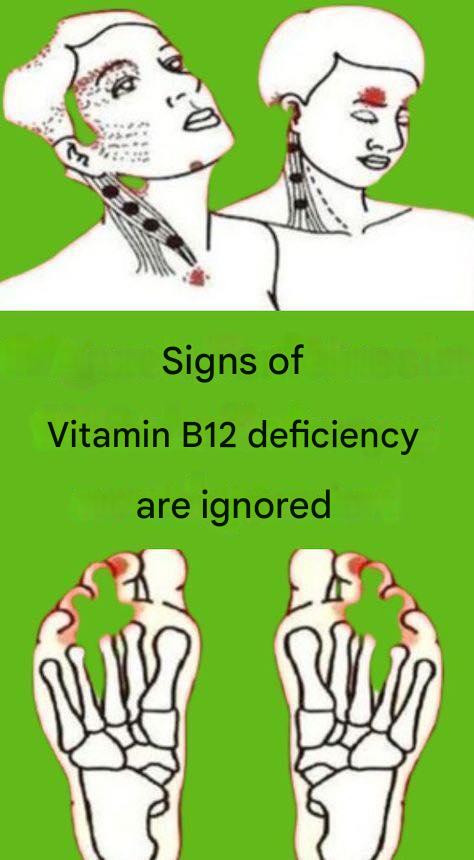
Vitamin B12, also known as cobalamin, is one of the essential nutrients your body needs to maintain healthy nerve cells, produce DNA, and generate red blood cells. Despite its importance, B12 deficiency is surprisingly common, especially among older adults, vegetarians, vegans, and people with absorption issues. The tricky part? Many early warning signs of a deficiency are subtle, easily mistaken for aging, stress, or other health problems. Ignoring them can lead to serious health consequences over time.
🚀 Make Money Online – Up to $50 Per Day!
1. Unexplained Fatigue and Weakness
One of the earliest signs of B12 deficiency is persistent fatigue. Even after a full night’s sleep, you may feel exhausted or weak. This happens because vitamin B12 is critical in producing red blood cells, which carry oxygen throughout your body. Without enough oxygen delivery, muscles and organs tire quickly. People often dismiss this as “just stress” or “too much work,” but if fatigue persists despite lifestyle adjustments, it could be a red flag.
2. Numbness or Tingling in Hands and Feet
Neurological symptoms can appear subtly at first. Many people experience a pins-and-needles sensation, numbness, or tingling in the extremities. This happens because B12 plays a crucial role in maintaining the myelin sheath—a protective covering around nerves. Damage to these nerves can affect coordination and balance. Ignoring these signs may lead to long-term nerve damage.
3. Mood Changes and Cognitive Issues
Vitamin B12 deficiency doesn’t only affect your body—it affects your mind too. Low B12 levels are associated with mood disorders such as depression and irritability. Some people report difficulty concentrating, memory lapses, or a sense of “brain fog.” Unfortunately, mental health symptoms are often attributed to stress, anxiety, or aging, leaving the underlying B12 deficiency untreated.
4. Pale or Jaundiced Skin
A deficiency in B12 can lead to megaloblastic anemia, a condition where red blood cells are abnormally large and inefficient. This can cause pale skin, general pallor, or even slight yellowing of the skin and eyes (jaundice). Many people ignore these subtle changes, thinking they are minor cosmetic issues or signs of fatigue.
5. Glossitis and Mouth Ulcers
Changes in the tongue and mouth can also signal a deficiency. Glossitis, which manifests as a swollen, red, or sore tongue, is common. Some may also experience mouth ulcers or a burning sensation in the mouth. These signs are often overlooked or misattributed to spicy foods, dehydration, or other minor irritations.
6. Shortness of Breath and Dizziness
As B12 deficiency impairs red blood cell production, the body struggles to carry enough oxygen. This can result in shortness of breath, lightheadedness, or dizziness, especially during physical activity. Because these symptoms are nonspecific, many ignore them or assume they are related to cardiovascular issues or poor fitness.
7. Vision Changes
An often-overlooked symptom is blurred or disturbed vision, caused by damage to the optic nerve from prolonged B12 deficiency. This may progress gradually, so early signs like slight blurriness or difficulty adjusting to light changes are often ignored.
8. Digestive Disturbances
Digestive issues can also be a clue. B12 deficiency may cause nausea, diarrhea, constipation, or a general feeling of an upset stomach. These symptoms are easy to dismiss as minor dietary issues or stress-related gut problems.
Why Are These Signs Ignored?
There are several reasons why B12 deficiency often goes unnoticed:
-
Subtle onset: Many early symptoms develop gradually and are easily mistaken for stress, aging, or lifestyle factors.
-
Overlap with other conditions: Fatigue, mood changes, and digestive problems are common in many other disorders, making diagnosis tricky.
-
Lack of awareness: Many people, and even some healthcare providers, do not consider B12 deficiency unless specific risk factors are present.
-
Dietary assumptions: People may assume their diet is sufficient, not realizing that absorption issues, medications, or lifestyle choices can prevent proper B12 uptake.
Who Is at Risk?
Certain populations are more prone to B12 deficiency:
-
Vegetarians and vegans: Animal products are the primary source of B12.
-
Older adults: Absorption decreases with age.
-
People with digestive disorders: Conditions like Crohn’s disease, celiac disease, or chronic gastritis can affect absorption.
-
Medication users: Long-term use of proton pump inhibitors or metformin can interfere with B12 absorption.
Testing and Treatment
If you notice multiple signs of B12 deficiency, a simple blood test can confirm your levels. Treatment typically involves oral supplements, sublingual tablets, or, in severe cases, B12 injections. With early intervention, most symptoms are reversible, but prolonged deficiency can cause permanent nerve damage.
Takeaway
Vitamin B12 deficiency is often called the “silent deficiency” because its early signs are subtle and easy to ignore. Persistent fatigue, numbness, mood changes, pale skin, glossitis, and digestive disturbances should not be dismissed as minor issues. Awareness, early detection, and prompt treatment are key to preventing long-term complications. Monitoring your B12 intake through diet or supplements, especially if you fall into a high-risk category, is essential for overall health and well-being.
