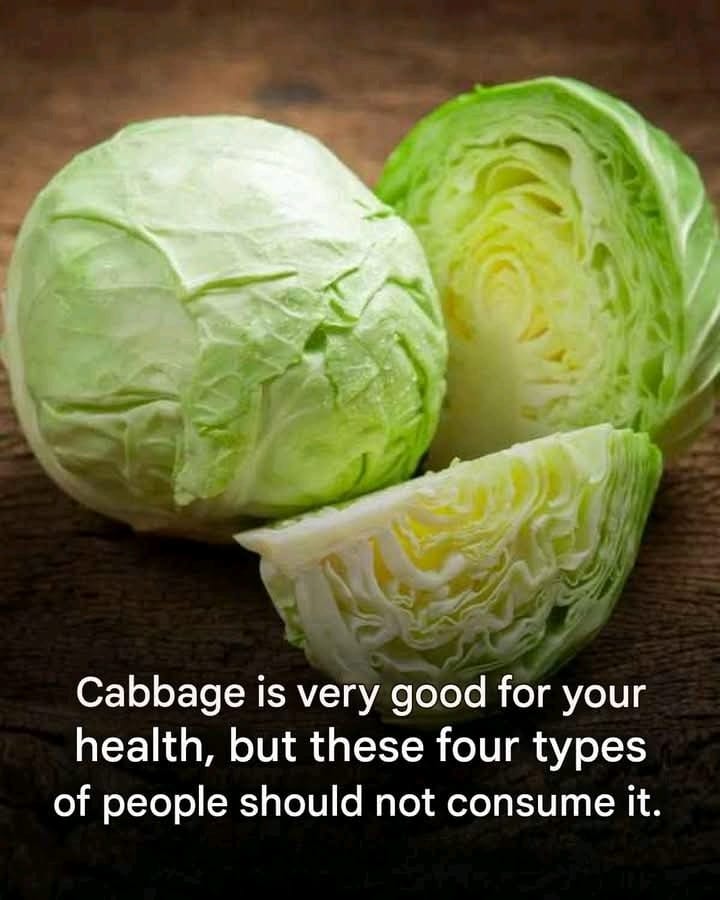
Cabbage is one of the most affordable, versatile, and nutrient-packed vegetables you can add to your meals. Rich in fiber, vitamin C, vitamin K, and powerful antioxidants, it supports digestion, heart health, and immunity. Whether eaten raw in salads, fermented as sauerkraut, or cooked into soups and stir-fries, cabbage is a staple in many kitchens around the world.
🚀 Make Money Online – Up to $50 Per Day!
However, despite its many benefits, cabbage isn’t ideal for everyone. Certain individuals may experience discomfort or health complications if they consume it regularly or in large amounts. If you love cabbage recipes, it’s important to understand when moderation — or avoidance — may be necessary.
Here are the four types of people who should be cautious about eating cabbage.
-
People With Thyroid Disorders
Cabbage belongs to the cruciferous vegetable family, which also includes broccoli, cauliflower, and Brussels sprouts. These vegetables contain compounds known as goitrogens. Goitrogens can interfere with the thyroid gland’s ability to absorb iodine, a mineral essential for producing thyroid hormones.
For individuals with hypothyroidism or iodine deficiency, eating large amounts of raw cabbage may worsen symptoms such as fatigue, weight gain, hair thinning, and cold sensitivity. Cooking cabbage significantly reduces its goitrogenic effects, making it safer for those with mild thyroid concerns.
If you have a diagnosed thyroid condition, it doesn’t necessarily mean you must eliminate cabbage completely. Instead, consult your healthcare provider and consider eating it cooked rather than raw.
-
People With Digestive Sensitivity or IBS
Cabbage is high in fiber and contains certain carbohydrates called FODMAPs (fermentable oligosaccharides, disaccharides, monosaccharides, and polyols). While fiber is generally beneficial, it can cause bloating, gas, and abdominal discomfort in individuals with sensitive digestive systems.
Those with Irritable Bowel Syndrome (IBS) may find that cabbage triggers cramping, excessive gas, or diarrhea. This happens because gut bacteria ferment the fibers and sugars in cabbage, producing gas as a byproduct.
If you experience discomfort after eating cabbage, try smaller portions or switch to cooked versions, which are often easier to digest than raw cabbage. Alternatively, you may consider other low-FODMAP vegetables that are gentler on the stomach.
-
People Taking Blood Thinners
Cabbage is rich in vitamin K, a nutrient essential for blood clotting. While vitamin K is beneficial for most people, it can interfere with blood-thinning medications such as warfarin.
If you are on anticoagulant therapy, sudden increases in vitamin K intake can reduce the effectiveness of your medication. This may increase the risk of blood clots. On the other hand, drastically reducing vitamin K intake can increase bleeding risk.
Consistency is key. People on blood thinners don’t necessarily have to avoid cabbage entirely, but they should maintain a stable intake and consult their doctor before making significant dietary changes.
-
People With Kidney Problems
Cabbage contains potassium, which is an important mineral for heart and muscle function. However, individuals with chronic kidney disease may need to limit potassium intake because their kidneys cannot efficiently remove excess potassium from the blood.
High potassium levels can lead to serious complications, including irregular heart rhythms. While cabbage is not the highest-potassium vegetable, large portions could contribute to elevated levels in those with advanced kidney disease.
If you have kidney issues, your healthcare provider or dietitian can help determine safe portion sizes and guide you toward kidney-friendly vegetables.
Healthy Cabbage Stir-Fry Recipe (For Those Who Can Enjoy It)
If cabbage works well for your body, here’s a simple, flavorful recipe you can enjoy as a side dish or light meal.
Ingredients:
2 cups chopped green cabbage
1 tablespoon olive oil
2 cloves garlic, minced
1 small carrot, sliced thin
1/2 teaspoon salt
1/4 teaspoon black pepper
1 teaspoon lemon juice
Instructions:
Heat olive oil in a large pan over medium heat. Add garlic and sauté for 30 seconds until fragrant. Stir in the cabbage and carrot. Cook for 5–7 minutes, stirring occasionally, until the cabbage softens but still has a slight crunch. Season with salt and pepper. Remove from heat and drizzle with lemon juice before serving.
This simple preparation reduces some digestive discomfort compared to raw cabbage and brings out its natural sweetness.
Final Thoughts
Cabbage is undeniably nutritious and budget-friendly, but it’s not suitable for everyone in large quantities. People with thyroid disorders, digestive sensitivities, those on blood thinners, and individuals with kidney disease should be mindful of how much and how often they consume it.
If you fall into one of these categories, talk to a healthcare professional before making cabbage a regular part of your diet. For everyone else, enjoying cabbage in moderation — especially cooked — can be a delicious way to boost your nutrition naturally
