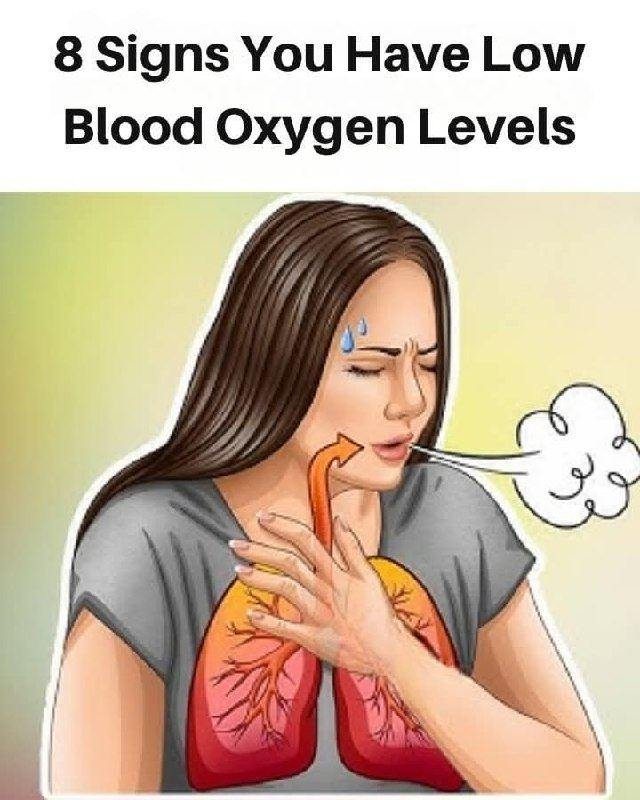
When oxygen levels in your blood drop below what your body needs, every organ begins to struggle. Low blood oxygen—known as hypoxemia—can develop slowly or appear suddenly, and the early signs are often dismissed as “just tiredness” or “just stress.” But your body is smarter than you think. It sends warnings that something is wrong long before the situation becomes dangerous.
Below are the 8 key warning signs you should never ignore, followed by a unique natural oxygen-supporting remedy you can make at home.
1. Constant Fatigue and Low Energy
If your blood oxygen is low, your cells can’t produce enough energy.
You may feel exhausted even after a full night’s sleep, simple tasks feel draining, and your body feels unusually weak.
Why it happens: Low oxygen means low ATP — your body’s energy currency.
2. Shortness of Breath
This is one of the clearest red flags.
You might feel unable to take a deep breath, or you breathe faster than normal, even while resting.
If you feel breathless climbing stairs or during mild activity, take it seriously.
3. Rapid Heartbeat (Tachycardia)
Your heart works overtime to deliver the little oxygen your blood carries.
You may notice:
-
Pounding heartbeat
-
Racing pulse
-
Extra beats or irregular rhythm
The heart is often the first organ to respond to low oxygen.
4. Headaches or Lightheadedness
The brain is extremely sensitive to oxygen changes.
Low oxygen can cause:
-
Morning headaches
-
Dizziness
-
Brain fog
-
Trouble concentrating
If your head “feels heavy,” oxygen could be the reason.
5. Bluish Lips, Fingertips, or Skin (Cyanosis)
This is a late sign and means oxygen levels are dangerously low.
The skin may appear:
-
Pale
-
Blue
-
Gray
Check your lips and nail beds—small color changes are important warnings.
6. Chest Tightness or Chest Pain
When your heart and lungs work harder to get enough oxygen, you may feel:
-
Pressure in the chest
-
Tightness when taking deep breaths
-
Sharp discomfort
Never ignore chest symptoms—especially paired with breathlessness.
7. Difficulty Sleeping or Waking Up Gasping
Low oxygen can disrupt sleep cycles.
People may snore louder, wake up suddenly, or feel unrefreshed in the morning.
This is common in:
-
Sleep apnea
-
Asthma
-
Lung congestion
-
Obesity-related breathing issues
8. Mood Changes: Anxiety, Panic, or Irritability
When oxygen levels fall, your nervous system becomes stressed.
This may cause:
-
Unexplained anxiety
-
Feeling restless
-
Sudden panic
-
Nervousness
-
Irritability
Your brain responds instantly to oxygen changes.
Unique Natural Remedy to Support Healthy Oxygen Levels
This natural remedy helps open airways, cleanse the lungs, improve circulation, and support oxygen flow. It’s simple, natural, and can be taken daily.
Lung & Oxygen Booster Drink – UNIQUE RECIPE
A powerful herbal-ginger citrus drink that supports the lungs and enhances oxygen delivery.
Ingredients
-
1 cup warm water
-
1 tbsp honey
-
1 tbsp fresh lemon juice
-
½ tsp turmeric
-
½ tsp grated ginger
-
A pinch of black pepper
-
4–5 mint leaves
-
Optional: 1 tsp apple cider vinegar
How to Make It
-
Warm the water (don’t boil).
-
Add honey, lemon juice, turmeric, ginger, and black pepper.
-
Stir until everything is well combined.
-
Add fresh mint leaves.
-
Let it steep for 2 minutes and drink warm.
How It Helps
-
Ginger dilates airways and reduces inflammation.
-
Turmeric + black pepper boost circulation and oxygen transport.
-
Lemon provides vitamin C to strengthen lungs.
-
Honey soothes the respiratory tract.
-
Mint opens passages and improves easy breathing.
-
Apple cider vinegar breaks mucus and clears congestion.
Drink this once every morning for best results.
When to Seek Medical Help
Contact a doctor immediately if you notice:
-
Bluish skin or lips
-
Severe shortness of breath
-
Rapid heartbeat
-
Confusion or fainting
These signs mean dangerously low oxygen levels.
