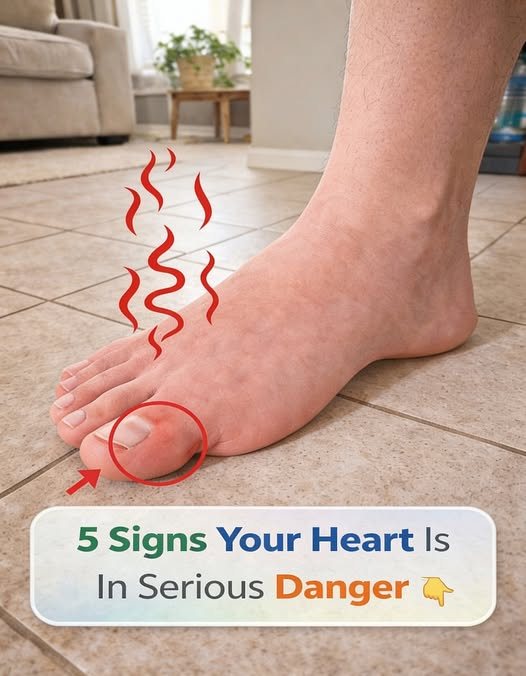
Heart problems rarely appear suddenly without warning. In many cases, the body begins sending subtle signals weeks before a serious cardiac event occurs. Unfortunately, many people ignore these signs or mistake them for minor health issues such as fatigue, stress, or indigestion. Paying attention to these early warning signals could make the difference between prevention and a life-threatening emergency.
The heart is one of the most important organs in the body, constantly pumping blood to deliver oxygen and nutrients to every cell. When the heart struggles to function properly, the body often reacts in noticeable ways. Recognizing these early symptoms may help you seek medical attention before a serious condition develops.
Here are five important warning signs that your heart may be in serious danger, sometimes appearing as early as a month before a heart attack or other major heart problem.
1. Unusual Fatigue
One of the most common but overlooked warning signs of heart trouble is extreme or unusual fatigue. This type of tiredness is different from normal exhaustion after a long day. It can occur even after getting enough sleep and may make everyday tasks feel unusually difficult.
Many people, particularly women, report feeling overwhelming fatigue weeks before a heart attack. Simple activities such as climbing stairs, walking short distances, or doing household chores may suddenly feel exhausting.
This happens because the heart is not pumping blood efficiently, which reduces oxygen delivery to muscles and organs. As a result, the body must work harder to perform even basic tasks.
If you notice persistent fatigue that seems unusual for you, especially if it appears suddenly, it should not be ignored.
2. Shortness of Breath
Difficulty breathing or shortness of breath can be another early warning sign that the heart is struggling. When the heart cannot pump blood efficiently, fluid may begin to accumulate in the lungs, making breathing more difficult.
Some people notice this symptom during physical activity, while others may experience it even while resting or lying down. You might feel as if you cannot take a deep breath or as if you become winded more easily than usual.
In some cases, shortness of breath may appear alongside fatigue or chest discomfort. If breathing suddenly becomes more difficult without an obvious cause, it could indicate that the heart is under stress.
3. Chest Discomfort or Pressure
Chest discomfort is one of the most recognized symptoms of heart trouble. However, it does not always feel like sharp pain. Many people describe it as pressure, tightness, burning, or heaviness in the chest.
This sensation may come and go, lasting a few minutes before disappearing and returning later. Some individuals mistake it for indigestion, acid reflux, or muscle strain.
The discomfort can occur during physical activity or emotional stress but may also appear while resting. In some cases, the sensation spreads to other parts of the body, including the arms, shoulders, neck, jaw, or back.
Even mild chest discomfort should be taken seriously, especially if it occurs repeatedly or alongside other symptoms.
4. Swelling in the Legs, Feet, or Ankles
Swelling in the lower body can sometimes indicate that the heart is not circulating blood effectively. When blood flow slows, fluid may accumulate in the tissues, particularly in the legs, ankles, and feet.
This condition, known as fluid retention, may cause shoes to feel tighter than usual or leave visible indentations on the skin after wearing socks.
Swelling can also occur in the abdomen or cause sudden weight gain due to fluid buildup. While swelling can have several causes, persistent or unexplained swelling may indicate that the heart is under strain and should be evaluated by a healthcare professional.
5. Dizziness or Cold Sweats
Feeling lightheaded, dizzy, or experiencing sudden cold sweats may signal that the heart is not pumping enough blood to the brain. Reduced blood flow can cause a temporary drop in oxygen levels, leading to dizziness or faintness.
Cold sweats, which feel similar to sweating during anxiety or shock, may also occur during heart distress. Some people describe feeling clammy or unusually sweaty even when they are not physically active.
These symptoms can appear suddenly and may be accompanied by nausea, chest discomfort, or weakness.
Why Early Warning Signs Matter
Recognizing these early warning signals can be life-saving. Many people assume heart attacks happen suddenly without warning, but research shows that symptoms often develop gradually days or weeks before the event.
Ignoring these signals may allow heart conditions to worsen. Seeking medical advice early can help detect issues such as blocked arteries, high blood pressure, or heart rhythm problems before they lead to severe complications.
What You Should Do
If you notice several of these symptoms appearing together or persisting for days or weeks, it is important to take them seriously. Consulting a healthcare professional can help determine whether the symptoms are related to heart health or another condition.
Emergency care should be sought immediately if symptoms such as chest pressure, severe shortness of breath, fainting, or pain spreading to the arm or jaw occur suddenly.
Final Thoughts
Your body often tries to warn you when something is wrong. Symptoms like unusual fatigue, breathing difficulties, chest discomfort, swelling, and dizziness may seem minor at first, but they can be early indicators that your heart needs attention.
