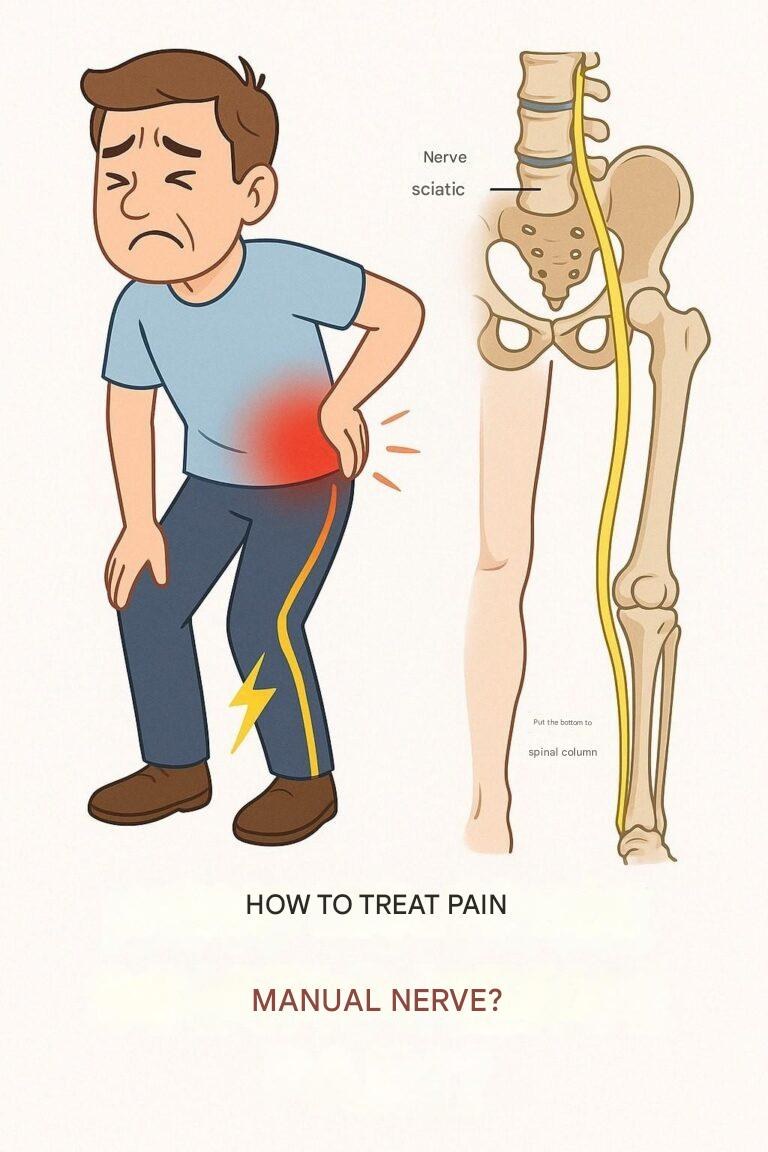
Sciatica can be one of the most frustrating types of pain to deal with. That sharp, shooting discomfort that travels from your lower back down through your hip and into your leg is often caused by irritation or compression of the sciatic nerve — the longest nerve in the body. Conditions like a herniated disc, tight muscles, or prolonged sitting can all contribute to this issue.
While severe cases should always be evaluated by a healthcare professional, gentle and consistent exercise can play a powerful role in relieving pressure on the nerve and reducing discomfort. Below are three effective exercises that may help ease leg pain caused by sciatica. These movements are commonly recommended in physical therapy and supported by organizations such as the American Academy of Orthopaedic Surgeons and the National Institute of Neurological Disorders and Stroke for managing nerve-related back pain conservatively.
Before starting, remember: move slowly, never force a stretch, and stop if pain worsens.
1. Knee-to-Chest Stretch
This simple stretch helps reduce tension in the lower back and gluteal muscles, which can relieve pressure on the sciatic nerve.
How to Do It:
-
Lie on your back on a comfortable surface.
-
Bend your knees with feet flat on the floor.
-
Gently pull one knee toward your chest using both hands.
-
Hold for 20–30 seconds.
-
Lower your leg slowly and repeat on the other side.
-
Perform 3–5 repetitions per leg.
Why It Works:
Tight lower back muscles can aggravate sciatic pain. Bringing the knee toward the chest helps gently stretch the lumbar spine and surrounding muscles. This can improve flexibility and reduce nerve compression.
If comfortable, you may try pulling both knees to your chest at the same time for a deeper stretch.
2. Piriformis Stretch (Figure-Four Stretch)
The piriformis muscle lies deep in the buttocks and sits very close to the sciatic nerve. When this muscle becomes tight or inflamed, it can irritate the nerve — a condition sometimes called piriformis syndrome.
How to Do It:
-
Lie on your back with knees bent and feet flat.
-
Cross your right ankle over your left knee.
-
Thread your hands behind your left thigh.
-
Gently pull your left leg toward your chest.
-
Hold for 20–30 seconds.
-
Switch sides.
-
Repeat 3 times per side.
Why It Works:
This stretch directly targets the piriformis muscle, helping release tension that may be pressing on the sciatic nerve. Many people who sit for long hours find this exercise particularly helpful.
Keep your head relaxed on the floor and avoid straining your neck during the movement.
3. Cat-Cow Stretch
This gentle spinal mobility exercise improves circulation to the spine and promotes flexibility in the lower back.
How to Do It:
-
Start on your hands and knees in a tabletop position.
-
Inhale and arch your back, lifting your head and tailbone upward (Cow position).
-
Exhale and round your spine toward the ceiling, tucking your chin to your chest (Cat position).
-
Move slowly and fluidly between these two positions.
-
Repeat 10–15 times.
Why It Works:
The Cat-Cow movement increases spinal mobility and reduces stiffness. Gentle movement can help decrease inflammation and encourage proper nerve function. Controlled spinal motion also supports core engagement, which helps stabilize the lower back.
Move within a pain-free range and avoid forcing the arch.
Additional Tips for Managing Sciatica
Exercise is most effective when combined with healthy habits:
-
Avoid prolonged sitting. Stand and stretch every 30–60 minutes.
-
Use supportive seating with proper lumbar support.
-
Apply heat to relax tight muscles or cold packs to reduce inflammation.
-
Maintain a healthy weight to reduce spinal stress.
-
Practice gentle walking daily to keep circulation moving.
Consistency is key. Performing these exercises once may provide temporary relief, but practicing them daily can gradually improve flexibility and reduce flare-ups.
When to See a Doctor
While many cases of sciatica improve with conservative care, seek medical attention if you experience:
-
Severe or worsening pain
-
Weakness in the leg
-
Loss of bladder or bowel control
-
Numbness that spreads
These symptoms require immediate evaluation.
Final Thoughts
Sciatica pain in the leg can be uncomfortable and limiting, but gentle stretching and mobility exercises can make a meaningful difference. The Knee-to-Chest Stretch, Piriformis Stretch, and Cat-Cow Stretch are simple, low-impact movements that help reduce tension, improve flexibility, and support spinal health.
Start slowly, listen to your body, and stay consistent. With regular practice, many people experience reduced pain and improved mobility — allowing them to return to daily activities with greater comfort and confidence.
