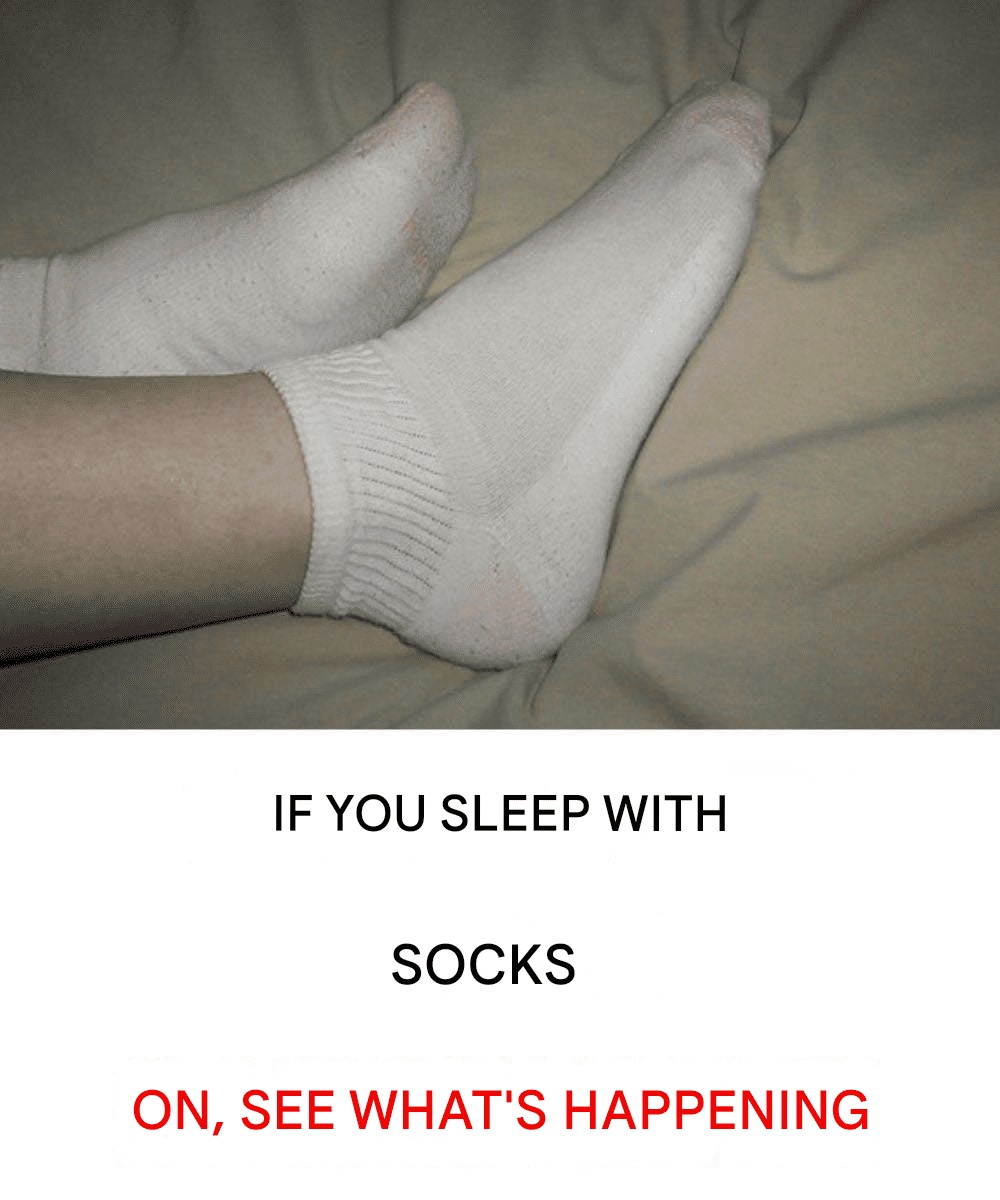
As we age, small daily habits can have a big impact on health and comfort. One simple practice that many older adults overlook is wearing socks at home. While going barefoot may feel natural or comfortable, especially indoors, seniors can benefit greatly from keeping their feet covered. From preventing falls to improving circulation, wearing socks is more than just a comfort choice — it can be a smart health decision.
1. Reducing the Risk of Falls
Falls are one of the leading causes of injury among older adults. According to the Centers for Disease Control and Prevention, millions of seniors experience falls each year, and many of these incidents happen at home. Smooth tile, wood, or marble floors can become slippery, especially if there is dust or moisture.
Wearing well-fitted, non-slip socks can provide better traction compared to bare feet. Specialized grip socks are designed with rubberized soles that reduce slipping. For seniors who prefer not to wear shoes indoors, these socks offer a safe middle ground between comfort and protection.
2. Maintaining Proper Circulation
Aging often brings changes in circulation. Many seniors experience cold feet due to reduced blood flow. Conditions such as peripheral artery disease or diabetes can further impair circulation, making feet feel chilly even in moderate temperatures.
Keeping the feet warm with socks helps maintain a steady body temperature and supports healthy blood flow. Warmth encourages blood vessels to remain open and flexible, allowing oxygen and nutrients to reach the lower extremities more efficiently. This can help reduce numbness, tingling, and discomfort.
3. Protecting Sensitive Skin
As people age, their skin becomes thinner and more fragile. The protective fat layer under the skin decreases, making seniors more vulnerable to cuts, scrapes, and bruises. Walking barefoot increases the risk of stepping on sharp objects, even tiny ones like crumbs or small splinters that may go unnoticed.
Socks act as a barrier between delicate skin and the floor. They help prevent minor injuries that could otherwise develop into serious infections, especially for seniors with diabetes. Foot wounds in older adults tend to heal more slowly, so prevention is crucial.
4. Preventing Cracked Heels and Dry Skin
Dry skin is common in older adults. Bare feet exposed to indoor air and hard surfaces can become rough and cracked. Cracked heels may seem minor, but deep fissures can cause pain and even bleeding.
Wearing breathable cotton or moisture-wicking socks helps maintain hydration in the skin. After applying a gentle moisturizer, putting on socks can lock in moisture and improve overall foot health. This simple routine can make a noticeable difference in comfort and appearance.
5. Reducing Swelling
Some seniors experience swelling in their feet and ankles due to reduced mobility, heart conditions, or other health issues. While compression socks should only be used under medical advice, regular comfortable socks can still provide mild support and warmth that may ease minor swelling.
Properly fitted socks — not too tight, not too loose — can help maintain comfort without restricting circulation. It is important to avoid socks with tight elastic bands that leave marks on the skin.
6. Enhancing Stability and Balance
Aging can affect balance and coordination. Even subtle changes in sensation in the feet can make it harder to feel the ground properly. Socks with textured soles can improve the sensory connection between the feet and the floor, supporting better stability.
While some experts recommend supportive indoor shoes for high-risk individuals, socks remain an important layer of protection. For seniors who find shoes uncomfortable inside the house, grip socks are a practical alternative.
7. Supporting Foot Hygiene
Feet naturally produce sweat, even in cooler weather. Walking barefoot can allow bacteria and fungi to thrive, especially if the floors are not cleaned daily. Wearing clean socks helps absorb moisture and reduces the risk of fungal infections like athlete’s foot.
Daily sock changes are important. Clean, dry socks keep feet fresh and lower the risk of unpleasant odors or skin irritation.
8. Promoting Better Sleep
Many seniors struggle with sleep. Interestingly, warming the feet before bed can help signal the body that it is time to rest. When feet are warm, blood vessels dilate, which helps regulate core body temperature and promote relaxation.
Wearing lightweight socks to bed may help older adults fall asleep faster and stay asleep longer. This simple habit can improve overall well-being and energy levels.
9. Providing Emotional Comfort
Beyond physical benefits, wearing socks can create a sense of comfort and security. Soft, well-fitting socks can make seniors feel cozy and cared for, especially during colder months. This small daily act can contribute to overall mood and quality of life.
Choosing the Right Socks
Not all socks are suitable for seniors. When selecting socks for older adults, consider the following:
-
Choose breathable materials like cotton or bamboo.
-
Avoid tight elastic bands.
-
Look for non-slip soles for indoor use.
-
Ensure the correct size to prevent bunching.
-
Consider seamless designs to reduce irritation.
For seniors with diabetes or circulation issues, specialized diabetic socks may be recommended by healthcare providers.
Final Thoughts
Wearing socks at home may seem like a minor detail, but for seniors, it can significantly enhance safety, comfort, and overall health. From preventing falls to protecting delicate skin and improving circulation, this simple habit offers numerous benefits.
As we age, proactive care becomes more important than ever. Encouraging seniors to wear appropriate socks indoors is a small yet meaningful step toward maintaining independence and reducing health risks. Sometimes, the simplest solutions — like putting on a pair of socks — can make the biggest difference in everyday life.
