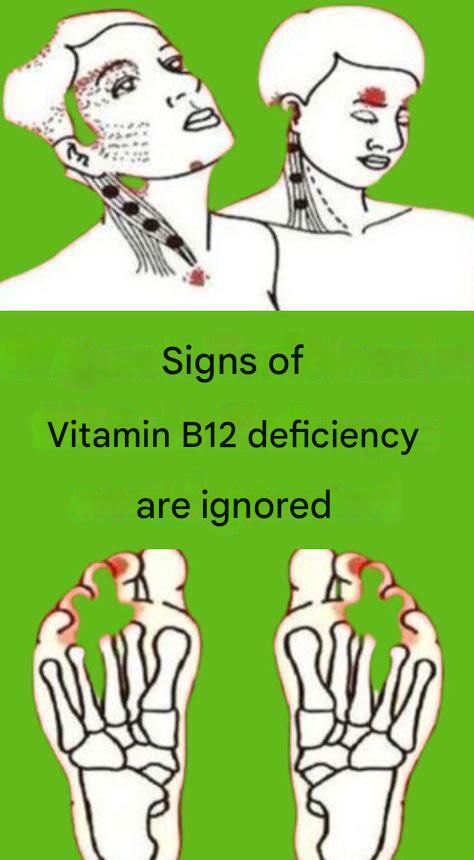
Vitamin B12 is an essential nutrient that plays a vital role in maintaining overall health. It supports the production of red blood cells, helps keep the nervous system functioning properly, and is crucial for DNA synthesis. Despite its importance, many people do not get enough vitamin B12, and the symptoms of deficiency are often overlooked or mistaken for other health problems. Because the signs can develop slowly, individuals may ignore them for months or even years before realizing that something is wrong.
One of the most common early signs of vitamin B12 deficiency is persistent fatigue. People often feel unusually tired even after getting enough sleep. This happens because the body cannot produce enough healthy red blood cells when vitamin B12 levels are low. Without adequate red blood cells, oxygen is not efficiently delivered to tissues and organs, leading to weakness and exhaustion. Many people assume they are simply overworked or stressed, ignoring the possibility of a nutritional deficiency.
Another frequently ignored symptom is pale or slightly yellowish skin. When the body lacks vitamin B12, red blood cells become fragile and break down more easily. This process can lead to a condition known as mild jaundice, giving the skin a pale or yellow tone. Since the change may be subtle, people often fail to recognize it as a sign of an underlying deficiency.
Tingling sensations in the hands and feet are also a common warning sign. Vitamin B12 is essential for maintaining the protective covering around nerves, known as myelin. When B12 levels drop, nerve damage can occur, leading to sensations that feel like pins and needles. Many individuals dismiss this feeling as temporary numbness caused by sitting or sleeping in the wrong position, not realizing that it may indicate a deeper issue.
Memory problems and difficulty concentrating can also develop when vitamin B12 is insufficient. The brain relies on proper nerve function to process information and maintain mental clarity. Without enough B12, some people experience forgetfulness, confusion, or trouble focusing on tasks. These symptoms are sometimes mistaken for normal aging or stress, which means the underlying deficiency often goes untreated.
Mood changes are another overlooked effect of vitamin B12 deficiency. Low levels of this vitamin may influence the production of brain chemicals responsible for regulating mood. As a result, individuals may experience irritability, anxiety, or even symptoms of depression. Because mental health is influenced by many factors, it is easy to overlook nutrition as a possible cause.
Shortness of breath and dizziness may also occur. When the body lacks sufficient red blood cells, oxygen transport becomes less efficient. As a result, even simple physical activities such as climbing stairs or walking quickly may leave someone feeling breathless or lightheaded. Many people attribute these sensations to being out of shape rather than considering a vitamin deficiency.
Another sign that often goes unnoticed is a sore or inflamed tongue. Some people develop a smooth, swollen tongue that may appear bright red. This condition can also be accompanied by a burning sensation in the mouth or changes in taste perception. Because these symptoms may seem minor, they are frequently ignored.
Vision problems may also appear in cases of long-term deficiency. Vitamin B12 is important for the health of the nervous system, including the optic nerve that connects the eyes to the brain. When this nerve is affected, individuals may experience blurred or disturbed vision. Although this symptom is less common, it highlights how essential vitamin B12 is for overall neurological health.
Certain groups of people are at higher risk of vitamin B12 deficiency. Older adults often have difficulty absorbing B12 from food due to changes in digestion. People who follow strict vegetarian or vegan diets may also be at risk because vitamin B12 is primarily found in animal products such as meat, fish, eggs, and dairy. Additionally, individuals with digestive conditions or those taking certain medications may struggle to absorb enough of this important nutrient.
Fortunately, vitamin B12 deficiency can often be corrected once it is identified. Doctors typically confirm the condition through a blood test and recommend appropriate treatment. Depending on the severity, this may include dietary changes, oral supplements, or vitamin B12 injections. Foods rich in vitamin B12 include beef, poultry, fish, eggs, milk, and fortified cereals. Including these foods regularly in a balanced diet can help maintain healthy levels.
Preventing vitamin B12 deficiency begins with awareness. Recognizing the early signs and understanding the importance of proper nutrition can make a significant difference in maintaining good health. If symptoms such as persistent fatigue, tingling sensations, memory problems, or unexplained mood changes appear, it is important to seek medical advice rather than ignoring them.
In many cases, vitamin B12 deficiency develops gradually, which is why the warning signs are so often overlooked. Paying attention to the body’s signals and maintaining a balanced diet rich in essential nutrients can help prevent long-term health complications. By addressing the problem early, individuals can protect their energy levels, brain health, and overall well-being.
