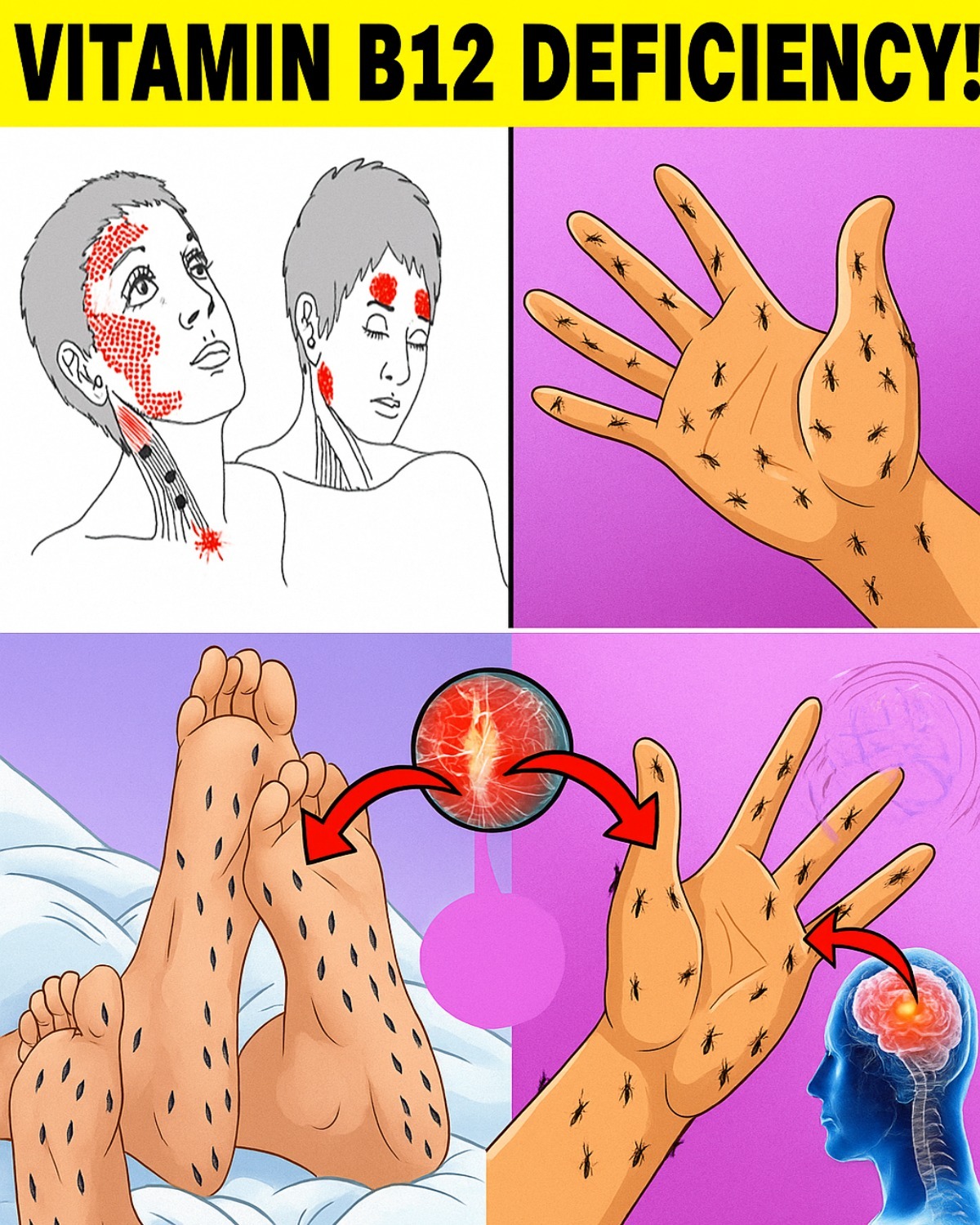
Vitamin B12 is a crucial nutrient that plays a vital role in maintaining nerve health, producing red blood cells, and supporting DNA synthesis. Despite its importance, many people unknowingly suffer from a lack of this essential vitamin. Vitamin B12 deficiency can develop slowly, making its symptoms easy to overlook or mistake for other health issues. Recognizing the warning signs early can prevent serious and sometimes irreversible complications.
🚀 Make Money Online – Up to $50 Per Day!
Why Vitamin B12 Matters
Vitamin B12 is primarily found in animal-based foods such as meat, eggs, dairy, and fish. It is essential for proper brain function and the formation of healthy blood cells. When your body doesn’t get enough B12, it can lead to a wide range of physical and neurological symptoms.
Certain groups are at higher risk, including older adults, vegetarians, vegans, and individuals with digestive disorders that affect nutrient absorption.
Common Symptoms You Should Never Ignore
1. Persistent Fatigue and Weakness
One of the earliest and most common signs of B12 deficiency is constant tiredness. Even after getting enough sleep, you may feel exhausted. This happens because your body struggles to produce enough healthy red blood cells, leading to reduced oxygen delivery to tissues.
2. Pale or Yellowish Skin
A noticeable change in skin tone can occur due to a reduction in red blood cells. Some people may also develop a slight yellow tint (jaundice), which results from the breakdown of fragile red blood cells.
3. Tingling or “Pins and Needles” Sensation
Vitamin B12 plays a key role in maintaining the protective covering of nerves. A deficiency can damage nerves, leading to tingling sensations in the hands, legs, or feet. This symptom should never be ignored, as prolonged nerve damage can become permanent.
4. Difficulty Walking or Balance Problems
As nerve damage progresses, it can affect coordination and balance. You might notice that you feel unsteady while walking or have trouble maintaining balance, especially in the dark.
5. Memory Loss and Cognitive Difficulties
Low B12 levels can impact brain function, leading to memory issues, confusion, or difficulty concentrating. In severe cases, it may even mimic symptoms of dementia, especially in older adults.
6. Mood Changes and Depression
Vitamin B12 is involved in the production of brain chemicals that regulate mood. A deficiency can lead to irritability, depression, anxiety, and even mood swings.
7. Shortness of Breath and Dizziness
When your body lacks healthy red blood cells, it struggles to deliver enough oxygen to your organs. This can cause breathlessness, especially during physical activity, along with dizziness or lightheadedness.
8. Glossitis and Mouth Ulcers
A swollen, inflamed tongue (known as glossitis) is a classic sign of B12 deficiency. The tongue may appear smooth, red, and painful. Mouth ulcers and a burning sensation in the mouth can also occur.
9. Vision Problems
In rare cases, prolonged deficiency can affect the optic nerve, leading to blurred or disturbed vision. This is a serious symptom that requires immediate medical attention.
Causes of Vitamin B12 Deficiency
There are several reasons why someone might develop this deficiency:
- Poor diet: Especially in strict vegetarians or vegans
- Malabsorption issues: Conditions like gastritis or intestinal disorders
- Medications: Some drugs can interfere with B12 absorption
- Aging: Reduced stomach acid production in older adults
When to Seek Medical Help
If you experience any combination of these symptoms, it’s important to consult a healthcare professional. A simple blood test can determine your B12 levels. Early diagnosis is key to preventing long-term damage, especially nerve-related complications.
How to Prevent and Treat It
Treatment depends on the severity of the deficiency. Mild cases can often be corrected through dietary changes and supplements, while more serious cases may require B12 injections.
Foods rich in Vitamin B12 include:
- Meat (beef, chicken, liver)
- Fish (salmon, tuna)
- Eggs
- Milk and dairy products
- Fortified cereals
For those following plant-based diets, fortified foods or supplements are essential to maintain adequate levels.
Final Thoughts
Vitamin B12 deficiency is more common than many people realize, and its symptoms can be subtle at first. However, ignoring these warning signs can lead to serious health issues over time. Paying attention to your body and addressing symptoms early can make a significant difference in your overall health and well-being.
