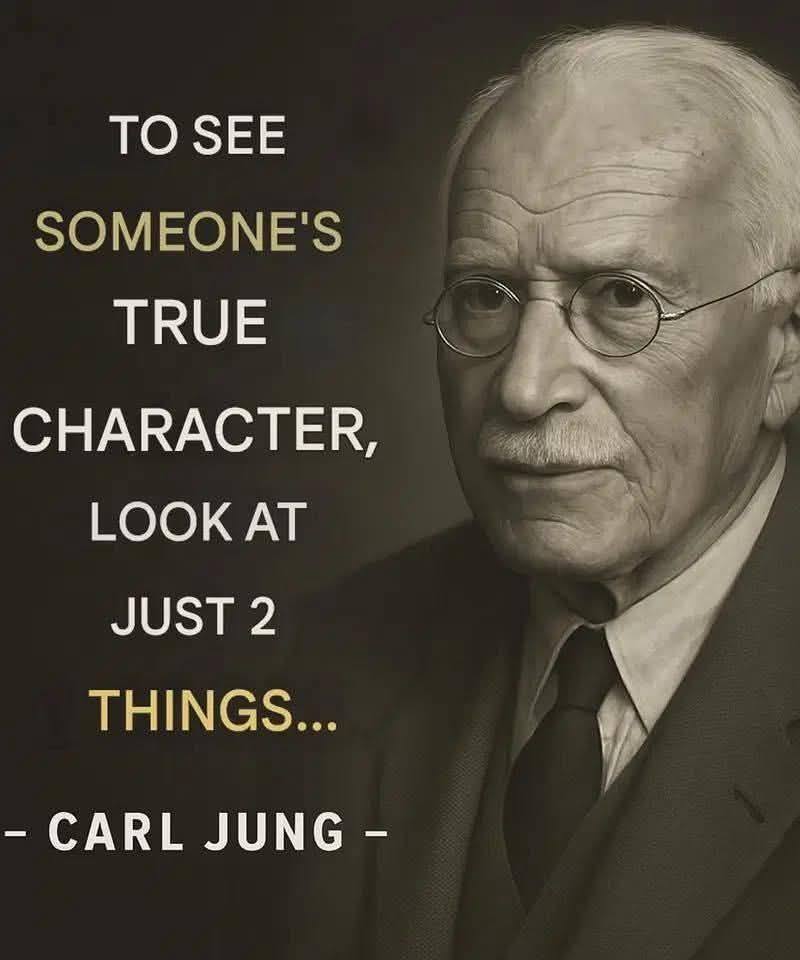
In a world where social media profiles are curated, conversations are filtered, and first impressions are carefully crafted, it can be difficult to truly understand who someone really is. Words can be polished. Smiles can be practiced. Promises can be made easily. But character — real character — is revealed not by what a person says, but by what they consistently do.
If you want to see someone’s true character, observe just these two things: how they treat people who can do nothing for them and how they behave when things don’t go their way.
These two simple observations can reveal more about a person than years of casual interaction.
1. How They Treat People Who Can Do Nothing for Them
Character is most visible in moments where there is no reward involved.
Pay attention to how someone treats waiters, drivers, cleaners, receptionists, or strangers. Do they speak politely? Do they show patience? Do they acknowledge others with respect? Or do they change their tone when they believe someone holds no influence or power?
True kindness does not depend on status.
A person with strong character understands that respect is not earned through wealth, title, or authority — it is a basic human right. They say “thank you.” They make eye contact. They listen. They don’t belittle, ignore, or dismiss others based on social standing.
It’s easy to be kind to a boss, a client, or someone influential. There is benefit attached. But kindness toward those who cannot offer anything in return comes purely from inner values.
Observe also how they talk about people who aren’t present. Do they gossip? Mock? Reveal private details for entertainment? Someone who speaks poorly about others behind their back will likely do the same about you.
Another revealing sign is how they treat family members, especially those who may depend on them — elderly parents, younger siblings, or children. Do they show patience and care, or frustration and control?
Character is not about public performance. It’s about private consistency.
If someone is respectful only when watched but dismissive when unobserved, that inconsistency speaks loudly. Integrity means behaving the same way regardless of who is watching.
When you see someone consistently treating all people with dignity — regardless of wealth, status, or usefulness — you are witnessing genuine character.
2. How They Behave When Things Don’t Go Their Way
The second and perhaps even more powerful test of character is how someone reacts under pressure.
Success is easy to handle. Praise is comfortable. But disappointment, stress, and failure reveal what lies beneath the surface.
Watch how someone reacts when they lose an argument, miss an opportunity, or face criticism. Do they explode in anger? Blame others? Refuse responsibility? Or do they pause, reflect, and respond calmly?
Adversity removes masks.
A person who maintains composure during setbacks shows emotional maturity. This doesn’t mean they don’t feel frustration — it means they control their reactions rather than allowing emotions to control them.
Pay attention to accountability. When something goes wrong, do they admit mistakes? Or do they immediately search for someone else to blame?
Owning errors requires humility and courage — two essential pillars of strong character.
Also observe how they treat others during stressful moments. Do they lash out at those closest to them? Do they become disrespectful when under pressure? Or do they remain fair and measured?
Stress magnifies what already exists inside a person. If someone becomes cruel during difficulty, that cruelty was not created by the situation — it was revealed by it.
Resilience is another indicator. When faced with failure, do they give up completely? Or do they learn, adapt, and try again?
True character includes perseverance without bitterness.
Why These Two Observations Matter
Many people judge character based on charm, intelligence, humor, or success. But those qualities can exist without integrity.
Someone can be charismatic and still be selfish. Someone can be wealthy and still lack empathy. Someone can speak beautifully and still act poorly.
Character is built on values — respect, responsibility, honesty, empathy, and self-control.
And values show themselves most clearly:
-
When there is no benefit to being kind.
-
When there is pressure to react emotionally.
These two moments strip away performance and expose reality.
The Quiet Signals You Shouldn’t Ignore
Sometimes the signs are subtle:
-
Interrupting others frequently.
-
Speaking harshly to service staff.
-
Avoiding apologies.
-
Changing personality depending on who is present.
-
Showing patience only when convenient.
These small patterns, repeated over time, form a clear picture.
Character is not a single act; it is a pattern.
Likewise, positive signals are powerful:
-
Gratitude expressed sincerely.
-
Calm responses during conflict.
-
Accountability without excuses.
-
Consistent respect toward everyone.
-
Willingness to listen and learn.
When these behaviors are steady and genuine, they indicate strong inner foundations.
Character Is a Choice, Not a Talent
It’s important to remember that character is not something people are born with fully formed. It is shaped by daily choices.
Every interaction presents an opportunity to choose patience over anger, honesty over convenience, and respect over superiority.
Observing others through these two lenses doesn’t mean judging harshly. Instead, it allows you to make wise decisions about trust, relationships, and partnerships.
And perhaps more importantly, it invites self-reflection.
Ask yourself:
-
Do I treat people kindly when there’s nothing to gain?
-
How do I react when things don’t go my way?
The same two observations we use to understand others can help us improve ourselves.
Final Thought
If you truly want to know someone, don’t focus on their words. Don’t be distracted by charm or appearance.
Watch how they treat those who cannot benefit them.
Watch how they behave when life challenges them.
In those quiet, unguarded moments — when no reward is at stake and no spotlight is shining — true character reveals itself.
