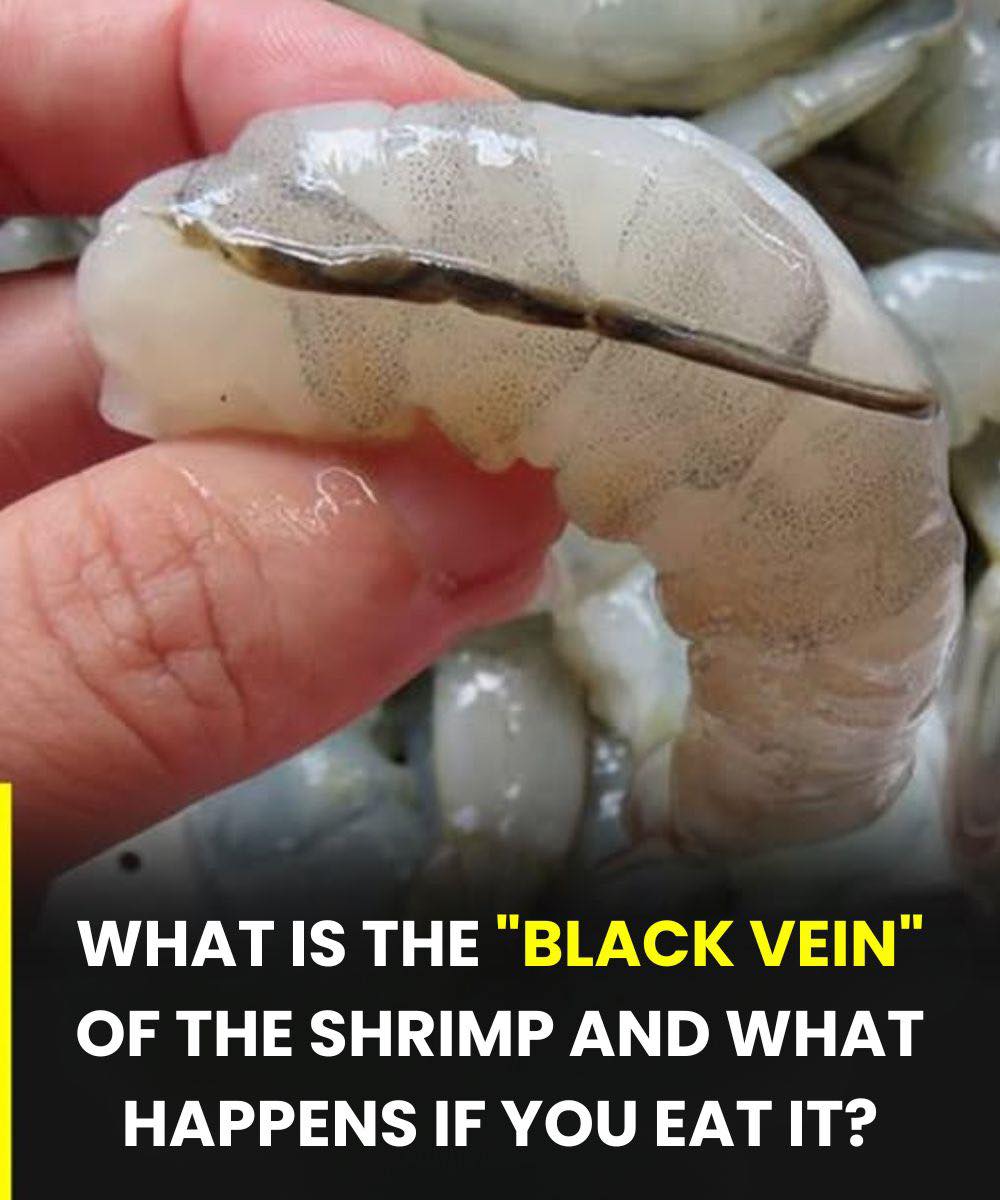
If you’ve ever prepared shrimp at home, you’ve probably noticed a thin, dark line running along the back. Many people casually call it the “vein,” but in truth, it isn’t a vein at all. This tiny detail has sparked countless kitchen debates: Should you remove it? Is it harmful? Does it affect flavor? Let’s explore what the shrimp “vein” really is and why it matters more than you might think.
What Is the “Vein” in Shrimp?
Despite its nickname, the so-called vein is actually the shrimp’s digestive tract. It runs along the back of the shrimp from head to tail and may appear black, brown, or even translucent depending on what the shrimp has eaten.
Shrimp, like many shellfish, are bottom feeders. Their diet consists of plankton, algae, and organic debris. The dark line you see is simply the remains of partially digested food. While this might sound unappetizing, it’s important to understand that it’s not poisonous or dangerous in most cases.
Is It Safe to Eat?
In general, eating shrimp with the digestive tract intact is not harmful if the shrimp has been properly cleaned and cooked. The high cooking temperatures typically used for shrimp—whether boiling, grilling, sautéing, or baking—eliminate harmful bacteria.
However, there are two main reasons why many chefs and home cooks choose to remove it:
-
Texture – The digestive tract can feel gritty or sandy, especially in larger shrimp.
-
Appearance – The dark line can be visually unappealing, particularly in light-colored dishes.
For smaller shrimp, the digestive tract is often barely noticeable and is frequently left intact in recipes. In larger varieties like jumbo shrimp, removing it is generally recommended for both aesthetic and culinary reasons.
Does It Affect the Flavor?
The impact on flavor is subtle but real. In some cases, leaving the digestive tract can result in a slightly bitter or earthy taste. This is especially noticeable in delicately flavored dishes such as shrimp scampi, shrimp pasta, or light seafood soups.
In bold, heavily seasoned recipes—like spicy shrimp curries or grilled shrimp with strong marinades—the difference is usually minimal. Still, professional chefs typically remove the tract to ensure the cleanest possible flavor.
How to Remove the “Vein”
Deveining shrimp is simpler than many people think. Here’s a quick guide:
-
Peel the shrimp – Remove the shell, leaving the tail on if desired.
-
Make a shallow cut – Using a small knife, make a light incision along the back.
-
Lift and remove – Gently pull out the dark line with the tip of the knife or rinse it away under cold water.
Some shrimp are sold pre-peeled and deveined, which saves time and effort. However, cleaning them yourself allows for better quality control and often results in fresher flavor.
The Debate in Professional Kitchens
Interestingly, not all chefs agree on the necessity of deveining. In fine dining establishments, shrimp are almost always cleaned thoroughly before cooking. Presentation and texture are paramount, and even the smallest imperfection can affect the final dish.
In contrast, traditional coastal cooking often embraces a more rustic approach. In many cultures, shrimp are cooked whole—with shells, heads, and digestive tracts intact—to maximize flavor. The shells add richness to broths and sauces, and the digestive tract is considered harmless.
This difference highlights an important truth: culinary choices are often guided as much by culture and tradition as by science.
Is There Another “Vein”?
Some people notice a second line along the underside of the shrimp. This is not a digestive tract but the shrimp’s nerve cord. Unlike the digestive tract, it is colorless and usually not removed. It does not affect taste or texture.
Health and Hygiene Considerations
When handling shrimp, freshness is key. Look for shrimp that smell clean and slightly salty, like the ocean. Avoid shrimp with a strong fishy odor or slimy texture.
Whether you choose to remove the digestive tract or not, always rinse shrimp under cold water and cook them thoroughly until they turn pink and opaque. Proper storage—refrigeration at safe temperatures—is also crucial to prevent foodborne illness.
Convenience vs. Control
Buying pre-deveined shrimp is convenient, especially for busy cooks. However, some culinary enthusiasts prefer cleaning shrimp themselves. This ensures that no shell fragments remain and allows you to check for freshness.
Additionally, keeping the shells can be beneficial. Shrimp shells can be simmered to create a rich seafood stock, perfect for soups, risottos, and sauces. This sustainable approach reduces waste and enhances flavor.
The Final Verdict
So, should you remove the shrimp’s “vein”?
There is no strict rule. It ultimately depends on the size of the shrimp, the type of dish, and your personal preference. For elegant presentations and delicate flavors, deveining is recommended. For rustic dishes or very small shrimp, it’s often unnecessary.
What matters most is understanding what you’re working with. The “vein” is not a vein at all but a simple digestive tract. It’s generally safe to eat, yet removing it can improve texture and visual appeal.
In the end, this small culinary detail reflects a larger truth about cooking: great food often lies in the tiny decisions we make along the way. Whether you’re preparing a simple shrimp stir-fry or an elaborate seafood feast, knowing the facts empowers you to cook with confidence and precision.
Next time you spot that thin line on your shrimp, you’ll know exactly what it is—and you’ll be able to decide, like a true culinary expert, whether it stays or goes.
