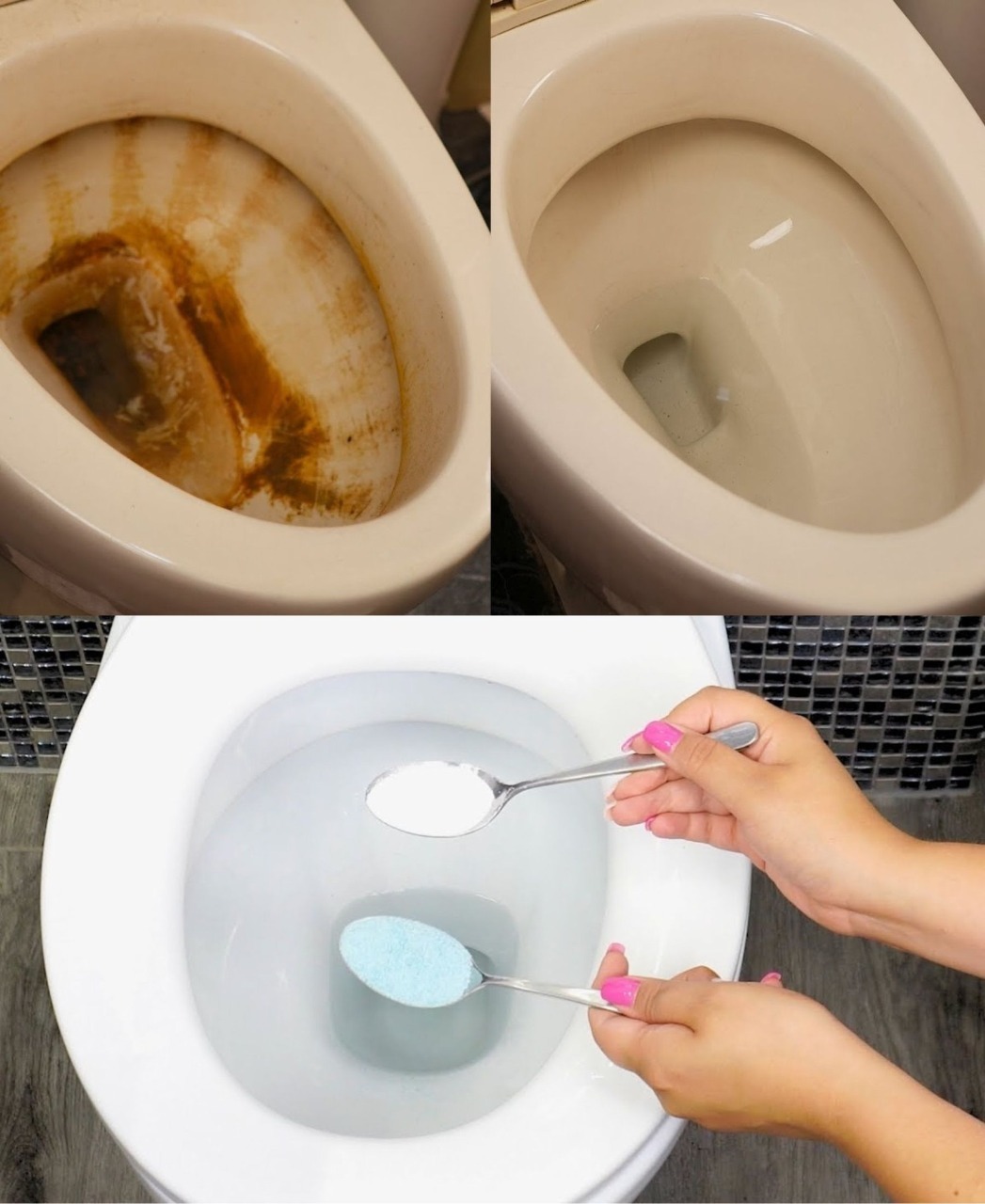
If you’ve noticed a chalky white crust or stubborn brown ring forming inside your toilet bowl, you’re dealing with limescale. This hard, crusty buildup forms when water contains high levels of minerals like calcium and magnesium. Over time, these minerals cling to the porcelain surface, creating unsightly stains that seem impossible to remove.
The good news? You don’t need expensive chemical cleaners. One simple household ingredient can dissolve stubborn limescale naturally and effectively: white vinegar.
Let’s explore why limescale forms, how vinegar works, and exactly how to use it for sparkling results.
Why Limescale Builds Up in Toilets
Limescale forms when hard water evaporates and leaves mineral deposits behind. Toilets are especially vulnerable because:
-
Water constantly sits in the bowl.
-
The rim area traps mineral deposits.
-
Flushing repeatedly adds fresh minerals.
-
Hard water accelerates buildup.
Over time, these minerals harden into thick crusts that regular brushing can’t remove. If ignored, limescale can even block water flow under the rim.
The Ingredient That Makes It Disappear: White Vinegar
White vinegar contains acetic acid, which reacts with alkaline mineral deposits like calcium carbonate. When the acid comes into contact with limescale, it breaks it down, softens it, and helps dissolve it.
Why white vinegar works so well:
-
Naturally acidic
-
Affordable and widely available
-
Safe for porcelain
-
Non-toxic and eco-friendly
-
No harsh fumes
Unlike strong chemical cleaners, vinegar won’t damage septic systems or release harmful vapors.
Step-by-Step Method to Remove Stubborn Limescale
Here’s the exact method to get rid of thick toilet limescale using vinegar.
What You’ll Need:
-
2–3 cups white vinegar
-
Toilet brush
-
Rubber gloves
-
Old sponge or cloth
-
Optional: baking soda for extra power
Step 1: Remove Excess Water
Turn off the toilet’s water supply if possible and flush to lower the water level. Use a cup or sponge to remove excess water so the vinegar can directly contact the stains.
Step 2: Heat the Vinegar Slightly
Warm the vinegar until it’s hot but not boiling. Warm vinegar works faster because heat enhances its chemical reaction with mineral deposits.
Step 3: Pour Generously
Slowly pour the warm vinegar into the bowl, making sure it coats all limescale areas, especially under the rim and around the waterline.
Let it sit for at least 2 hours. For heavy buildup, leave it overnight.
Step 4: Scrub Thoroughly
After soaking, use a toilet brush or pumice stone designed for porcelain to gently scrub the softened deposits. Most of the buildup should flake away easily.
Step 5: Flush and Repeat if Needed
Flush to rinse. If some stubborn patches remain, repeat the process or add baking soda for extra strength.
Boosting Power: Vinegar + Baking Soda
For extreme limescale, sprinkle one cup of baking soda into the bowl first. Then pour in vinegar slowly.
The fizzing reaction helps lift and loosen mineral crusts. Let it sit for several hours before scrubbing.
Alternative Natural Option: Citric Acid
If vinegar smell bothers you, citric acid (found in lemons) works similarly. Dissolve 2–3 tablespoons of citric acid powder in hot water and pour it into the bowl. Let sit overnight.
Preventing Limescale from Returning
Once your toilet is clean, prevention is key.
-
Pour one cup of vinegar into the bowl once a week.
-
Brush lightly to prevent mineral buildup.
-
Consider installing a water softener if your area has very hard water.
-
Clean under the rim regularly.
Consistent maintenance keeps deposits from becoming rock-hard again.
What NOT to Do
Avoid these common mistakes:
-
Don’t mix vinegar with bleach. It creates dangerous fumes.
-
Don’t use metal tools that scratch porcelain.
-
Avoid overly abrasive powders that damage the glaze.
Damaged porcelain attracts more limescale over time.
Why This Method Is Better Than Store Cleaners
Commercial descalers can work quickly, but they often contain hydrochloric acid or other harsh chemicals. These can:
-
Irritate skin and lungs
-
Damage septic systems
-
Corrode plumbing with repeated use
Vinegar offers a safer, budget-friendly alternative that still delivers impressive results.
Final Thoughts
Stubborn toilet limescale doesn’t have to mean scrubbing endlessly or buying expensive cleaners. With just white vinegar and a little patience, you can dissolve thick mineral buildup naturally and restore your toilet’s shine.
The key is soaking time. The longer vinegar sits, the more effectively it breaks down deposits. For severe buildup, overnight treatment works best.
