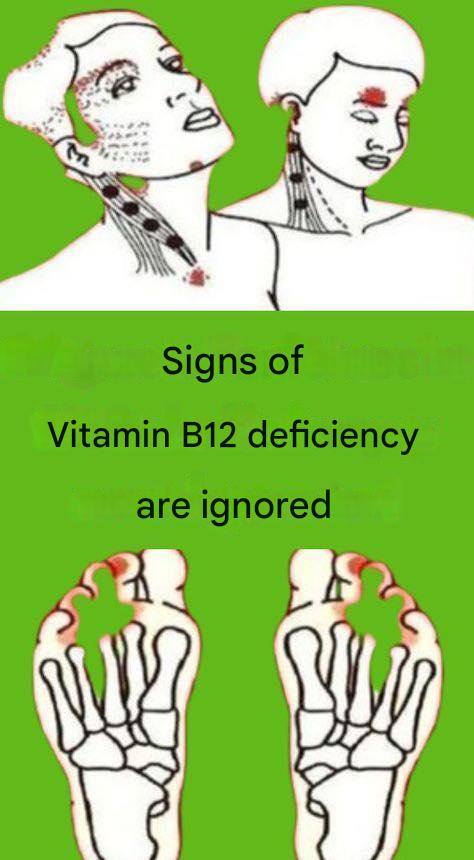
Vitamin B12 is one of those nutrients most people don’t think about—until something feels off. It quietly supports nerve function, red blood cell production, DNA synthesis, and even mood regulation. Because its symptoms can be subtle and creep in slowly, vitamin B12 deficiency is frequently ignored or mistaken for stress, aging, or lack of sleep. Yet left unaddressed, a deficiency can cause serious and sometimes irreversible damage. Understanding the overlooked signs is the first step toward protecting your health.
1. Constant Fatigue That Doesn’t Improve With Rest
Feeling tired after a long day is normal. Feeling exhausted all the time—even after a full night’s sleep—is not. Vitamin B12 is essential for making healthy red blood cells that carry oxygen throughout your body. When levels drop, oxygen delivery suffers, leading to persistent fatigue, weakness, and low stamina. Many people dismiss this as burnout or “just getting older,” allowing the deficiency to worsen.
2. Tingling or Numbness in Hands and Feet
One of the most commonly ignored warning signs is a pins-and-needles sensation in the hands, feet, or legs. Vitamin B12 plays a crucial role in maintaining the protective covering (myelin) around nerves. Without enough B12, nerves become damaged, causing tingling, numbness, burning sensations, or even balance problems. These symptoms are often blamed on poor circulation or diabetes, delaying proper diagnosis.
3. Brain Fog and Memory Problems
Forgetfulness, trouble concentrating, or mental “fog” can be early neurological signs of B12 deficiency. People may struggle to focus, lose track of conversations, or feel mentally slower than usual. Because these changes are subtle, they’re often attributed to stress, aging, or lack of sleep. However, prolonged deficiency can lead to significant cognitive decline and confusion.
4. Mood Changes and Depression
Vitamin B12 helps regulate neurotransmitters that influence mood. Low levels have been linked to depression, irritability, anxiety, and emotional instability. Someone may feel unusually sad, unmotivated, or emotionally flat without any obvious cause. These symptoms are frequently treated as purely psychological issues, while the underlying nutritional deficiency goes unnoticed.
5. Pale or Yellowish Skin
A lesser-known sign of B12 deficiency is a noticeable change in skin tone. The skin may appear unusually pale or slightly yellow. This happens because low B12 levels can lead to the breakdown of red blood cells, releasing bilirubin into the bloodstream. This sign is subtle and often ignored unless accompanied by more severe symptoms.
6. Shortness of Breath and Dizziness
Because vitamin B12 is vital for red blood cell production, deficiency can lead to anemia. When red blood cells are insufficient or malformed, the body struggles to transport oxygen efficiently. This can cause shortness of breath, dizziness, lightheadedness, and even heart palpitations—especially during physical activity. Many people assume they are just out of shape.
7. Sore, Red, or Swollen Tongue
A painful, smooth, or inflamed tongue—sometimes called “beefy red tongue”—can be an early clue of B12 deficiency. Some people also experience mouth ulcers or a burning sensation. Oral symptoms are often ignored or treated with topical remedies instead of addressing the nutritional cause.
8. Digestive Issues
Vitamin B12 deficiency may affect the digestive system, causing nausea, bloating, constipation, diarrhea, or loss of appetite. Because these symptoms are common and nonspecific, they’re rarely linked to vitamin deficiency. Over time, poor digestion can further reduce nutrient absorption, creating a vicious cycle.
9. Vision Problems
Damage to the optic nerve due to prolonged B12 deficiency can result in blurred or disturbed vision. This symptom is rare but serious and is often misattributed to eye strain or aging. Early intervention is key to preventing permanent damage.
10. Increased Risk Groups Often Overlooked
Certain people are more likely to develop vitamin B12 deficiency, yet symptoms are still frequently missed. These include older adults, vegetarians and vegans, people with digestive disorders (such as gastritis or Crohn’s disease), individuals taking acid-reducing medications, and those who have had stomach surgery. In these groups, even mild symptoms should never be ignored.
Why Early Detection Matters
One of the most concerning aspects of vitamin B12 deficiency is that nerve damage can become irreversible if left untreated. While fatigue and anemia often improve with treatment, neurological symptoms may persist. That’s why recognizing the early, often-ignored signs is so important.
The Takeaway
Vitamin B12 deficiency doesn’t always announce itself loudly. Instead, it whispers through fatigue, mood changes, tingling sensations, and mental fog—symptoms easy to overlook or explain away. Paying attention to these subtle signals and seeking proper evaluation can make a powerful difference in long-term health. Sometimes, what feels like “just life” is actually your body asking for a nutrient it desperately needs.
