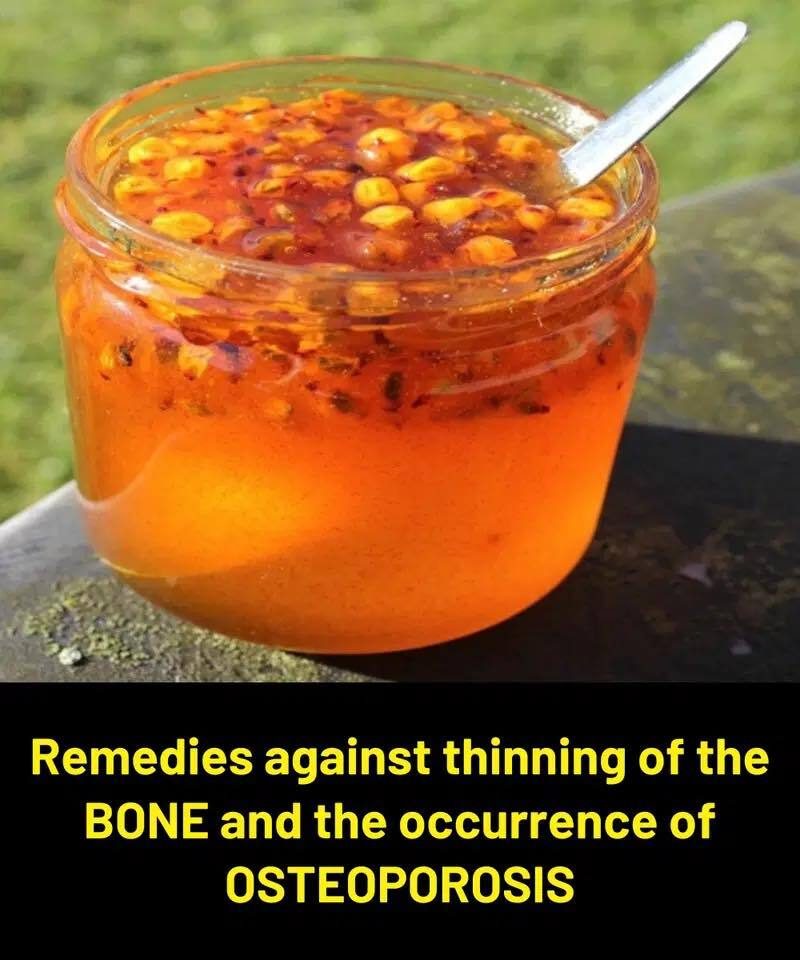
Thinning of the bones, commonly known as Osteoporosis, is a silent condition that weakens bones over time, making them fragile and more prone to fractures. It often develops gradually, especially with age, poor nutrition, hormonal changes, or a sedentary lifestyle. The good news is that with the right remedies and habits, you can protect your bones, slow bone loss, and even improve bone strength naturally.
Understanding Bone Thinning
Our bones are living tissues that constantly break down and rebuild. When the body loses too much bone or doesn’t make enough, bones become porous and weak. This imbalance can be triggered by factors such as aging, lack of calcium and vitamin D, hormonal imbalances (especially in women after menopause), smoking, and inactivity.
Natural Remedies to Strengthen Bones
1. Calcium-Rich Foods
Calcium is the building block of strong bones. Without enough calcium, your body begins to take it from your bones, weakening them over time.
Include foods such as:
-
Milk, yogurt, and cheese
-
Leafy greens like spinach and kale
-
Almonds and sesame seeds
-
Sardines and small fish with bones
Aim for a steady daily intake rather than occasional large amounts.
2. Vitamin D for Better Absorption
Vitamin D helps your body absorb calcium effectively. Without it, even a calcium-rich diet won’t be enough.
Natural sources include:
-
Sunlight exposure (15–20 minutes daily)
-
Egg yolks
-
Fatty fish like salmon and mackerel
In some cases, supplements may be recommended, but it’s best to consult a healthcare professional first.
3. Magnesium and Vitamin K
Magnesium supports bone structure, while vitamin K helps bind calcium to bones.
Good sources:
-
Magnesium: nuts, seeds, whole grains
-
Vitamin K: broccoli, cabbage, and green leafy vegetables
These nutrients work together with calcium to improve bone density.
4. Protein Intake
Protein is essential for maintaining bone mass. However, balance is key—too little or too much can negatively affect bone health.
Healthy sources include:
-
Eggs
-
Lean meats
-
Beans and lentils
-
Dairy products
5. Herbal Support
Some natural herbs may help support bone health:
-
Turmeric (anti-inflammatory properties)
-
Ginger (improves circulation)
-
Fenugreek seeds (traditionally used for bone strength)
These can be included in daily cooking or taken as herbal drinks.
Lifestyle Changes That Make a Difference
1. Weight-Bearing Exercise
Physical activity is one of the most effective ways to strengthen bones. Exercises that force you to work against gravity stimulate bone formation.
Try:
-
Walking or jogging
-
Climbing stairs
-
Resistance training
-
Yoga and balance exercises
Even 30 minutes a day can significantly improve bone health.
2. Avoid Harmful Habits
Certain habits accelerate bone loss:
-
Smoking reduces bone density
-
Excess alcohol interferes with calcium absorption
-
High caffeine intake may weaken bones over time
Reducing or eliminating these habits can protect your bones.
3. Maintain a Healthy Weight
Being underweight increases the risk of bone loss, while excessive weight can strain joints. A balanced weight supports overall skeletal health.
A Simple Bone-Strengthening Drink Recipe
Here’s a natural “UNIE recipe” you can include in your routine:
Ingredients:
-
1 cup warm milk (or almond milk)
-
1 teaspoon sesame seeds (ground)
-
1 teaspoon honey
-
A pinch of turmeric
-
2 crushed almonds
Instructions:
-
Warm the milk gently (do not boil excessively).
-
Add ground sesame seeds and crushed almonds.
-
Stir in turmeric and honey.
-
Mix well and drink before bedtime.
Benefits:
This drink combines calcium, healthy fats, and anti-inflammatory compounds that support bone density and overall health.
Early Warning Signs to Watch
Osteoporosis often develops without symptoms, but some warning signs include:
-
Frequent fractures
-
Back pain
-
Loss of height over time
-
Stooped posture
If you notice these signs, it’s important to seek medical advice and possibly get a bone density test.
Prevention Tips for Long-Term Bone Health
-
Start caring for your bones early in life
-
Ensure a balanced diet rich in essential nutrients
-
Stay physically active
-
Get regular health checkups
-
Consider supplements only when necessary
Final Thoughts
Bone thinning is not an inevitable part of aging—it is largely preventable with the right lifestyle choices. By nourishing your body with essential nutrients, staying active, and avoiding harmful habits, you can significantly reduce your risk of developing Osteoporosis.
