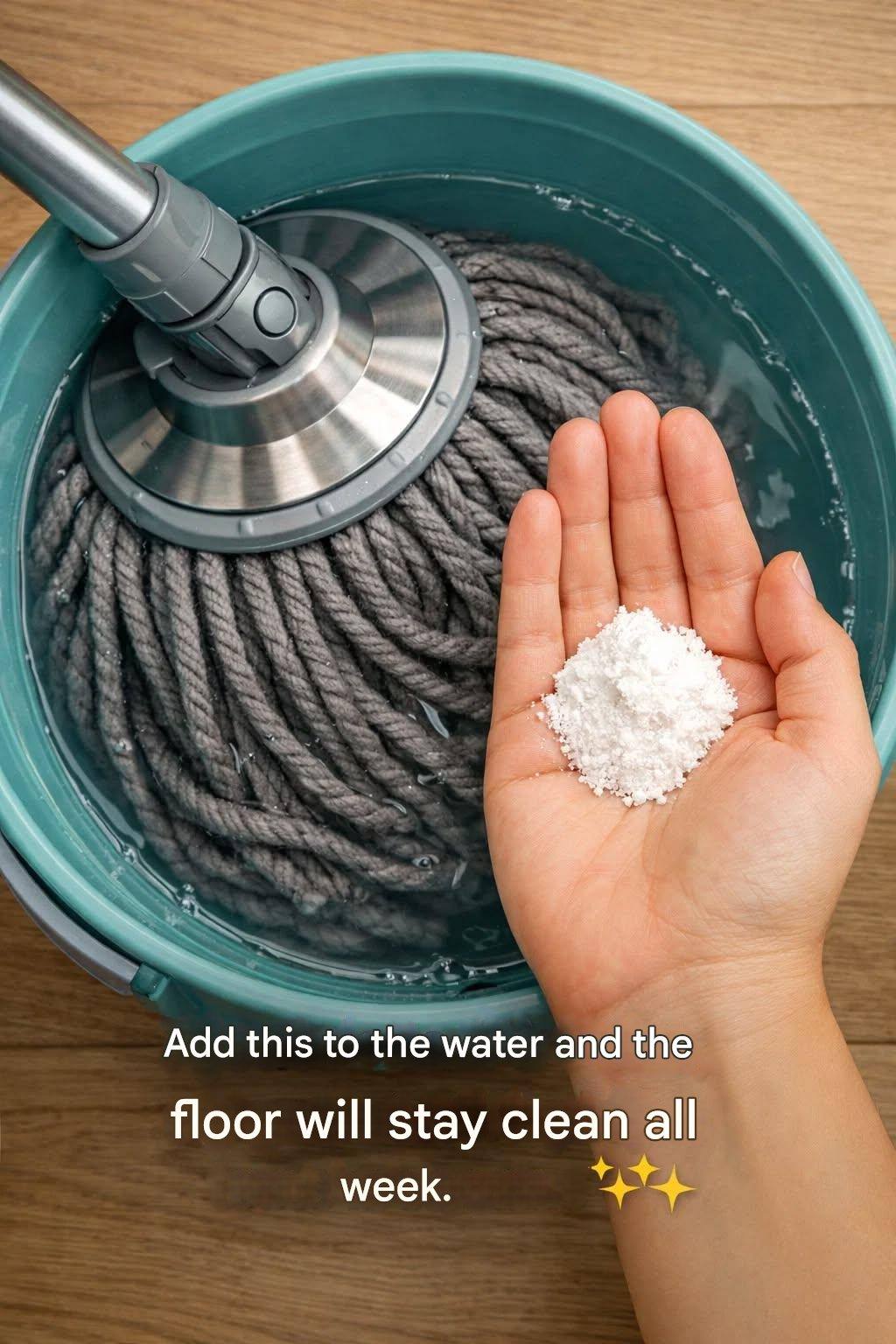
Keeping your floors spotless all week doesn’t require expensive cleaners or harsh chemicals. In fact, there’s one simple ingredient you probably already have in your kitchen that can transform your cleaning routine: white vinegar. When added to your mop bucket, this humble liquid works wonders on dirt, grime, and bacteria—leaving your floors sparkling clean for days.
Why White Vinegar Works So Well
White vinegar contains acetic acid, which gives it natural antibacterial and antifungal properties. This mild acid breaks down grease, dissolves mineral deposits, and lifts stubborn dirt from surfaces without leaving sticky residue behind. Unlike many commercial cleaners, vinegar doesn’t coat your floors with chemicals that attract dust. Instead, it removes buildup, helping floors stay cleaner longer.
Another benefit? Vinegar neutralizes odors instead of masking them. So rather than covering up smells with artificial fragrance, it eliminates the source—leaving your home smelling fresh and clean.

How to Use It in Your Mop Bucket
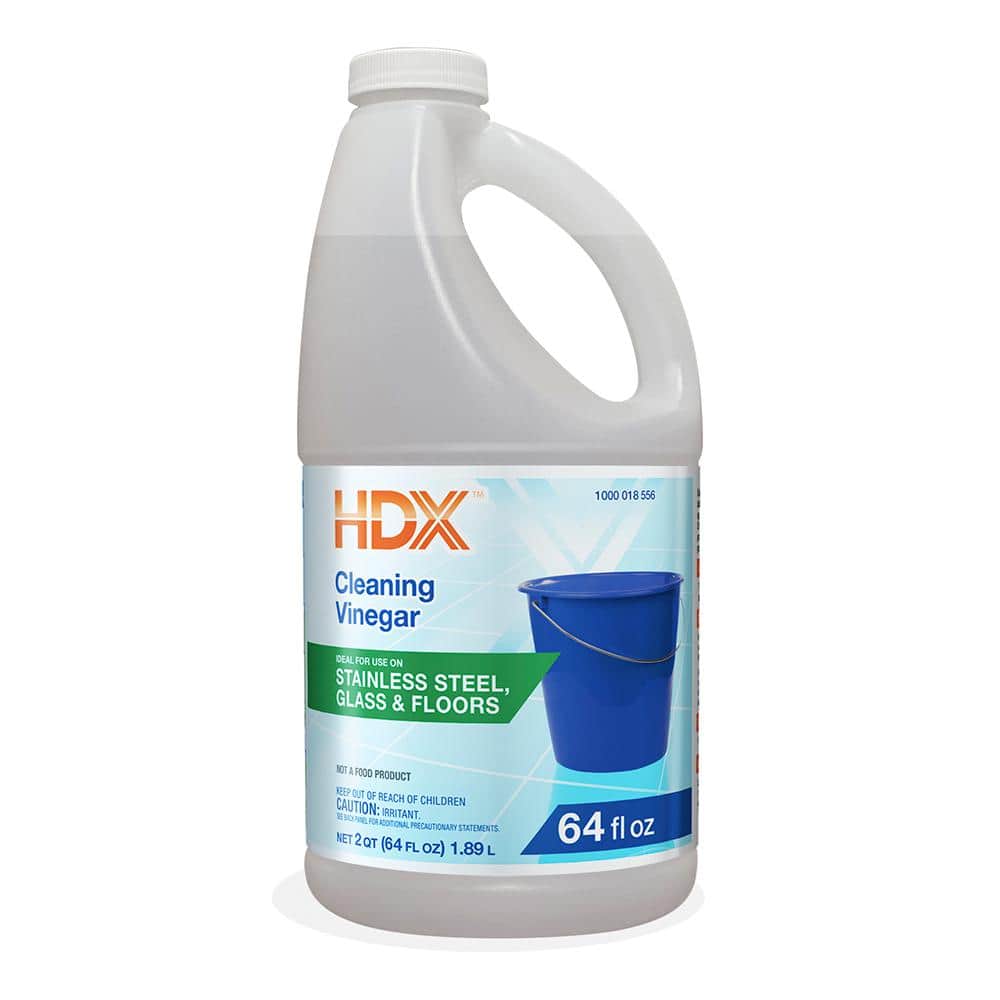
Using vinegar for floor cleaning is simple and affordable. Here’s the perfect mixture:
Basic Vinegar Floor Cleaner:
-
1 cup white vinegar
-
1 gallon (about 4 liters) warm water
Mix the vinegar into your bucket of warm water and mop as usual. There’s no need to rinse afterward for most surfaces.
If you want a light, pleasant scent, you can add:
-
A few drops of lemon essential oil
or -
A small squeeze of fresh lemon juice
This enhances the cleaning power and leaves a subtle citrus aroma behind.
What Types of Floors Benefit Most?
Vinegar solution works best on:
-
Tile floors
-
Vinyl flooring
-
Laminate surfaces
-
Sealed hardwood floors
The key word here is sealed. Unsealed wood or natural stone like marble or granite should not be cleaned with vinegar regularly, as the acidity can dull or damage the surface over time.
For ceramic tile and vinyl, vinegar is especially effective at cutting through sticky spills and everyday grime that accumulates in kitchens and entryways.
Why Floors Stay Clean Longer
One major reason floors get dirty quickly after mopping is leftover residue. Many store-bought cleaners contain soaps that leave a thin film behind. This film attracts dust, pet hair, and footprints.
Vinegar, on the other hand, evaporates cleanly. It removes buildup instead of adding to it. The result? A surface that resists new dirt sticking to it. When used consistently once a week, many people notice their floors remain shiny and fresh for days without needing extra touch-ups.
Bonus Trick: Add a Drop of Dish Soap
For high-traffic areas, you can upgrade your solution slightly:
-
1 cup white vinegar
-
1 gallon warm water
-
1–2 drops liquid dish soap
The tiny amount of soap helps lift heavier grease (especially in kitchens), while the vinegar ensures no sticky film remains.
Be careful not to add too much soap—just a drop or two is enough.
Tackling Tough Spots
For stubborn stains or scuff marks:
-
Pour a small amount of undiluted white vinegar onto a cloth.
-
Rub the spot gently.
-
Wipe clean with a damp cloth.
This method works well on heel marks, dried spills, and sticky patches.
Cost-Effective and Eco-Friendly
Switching to vinegar saves money over time. A large bottle costs far less than specialty floor cleaners and lasts for many cleaning sessions. Plus, it’s biodegradable and free from harsh chemicals, making it safer for homes with children and pets.
You also reduce plastic waste by buying fewer cleaning products.
Common Concerns About Vinegar Cleaning
Will my home smell like vinegar?
The scent fades quickly once the floor dries. Within minutes, the smell disappears entirely.
Is it safe for pets?
Yes. Once diluted properly, vinegar is pet-safe and leaves no toxic residue behind.
Can I use apple cider vinegar instead?
White vinegar is recommended because it’s clear and won’t stain surfaces.
Creating a Weekly Cleaning Routine
To keep floors clean all week:
-
Sweep or vacuum thoroughly before mopping.
-
Use the vinegar solution once weekly.
-
Wipe spills immediately as they happen.
-
Place doormats at entrances to reduce tracked-in dirt.
Consistency is key. When dirt and residue don’t build up, deep cleaning becomes much easier.
Final Thoughts
Sometimes the simplest solutions are the most effective. Adding white vinegar to your mop bucket is an easy, affordable way to keep floors cleaner for longer. It cuts through grime, removes residue, neutralizes odors, and leaves no chemical buildup behind.
Instead of relying on expensive products filled with synthetic ingredients, try this natural method. One cup in your bucket could be the difference between floors that look clean for a day—and floors that stay fresh and shining all week.
