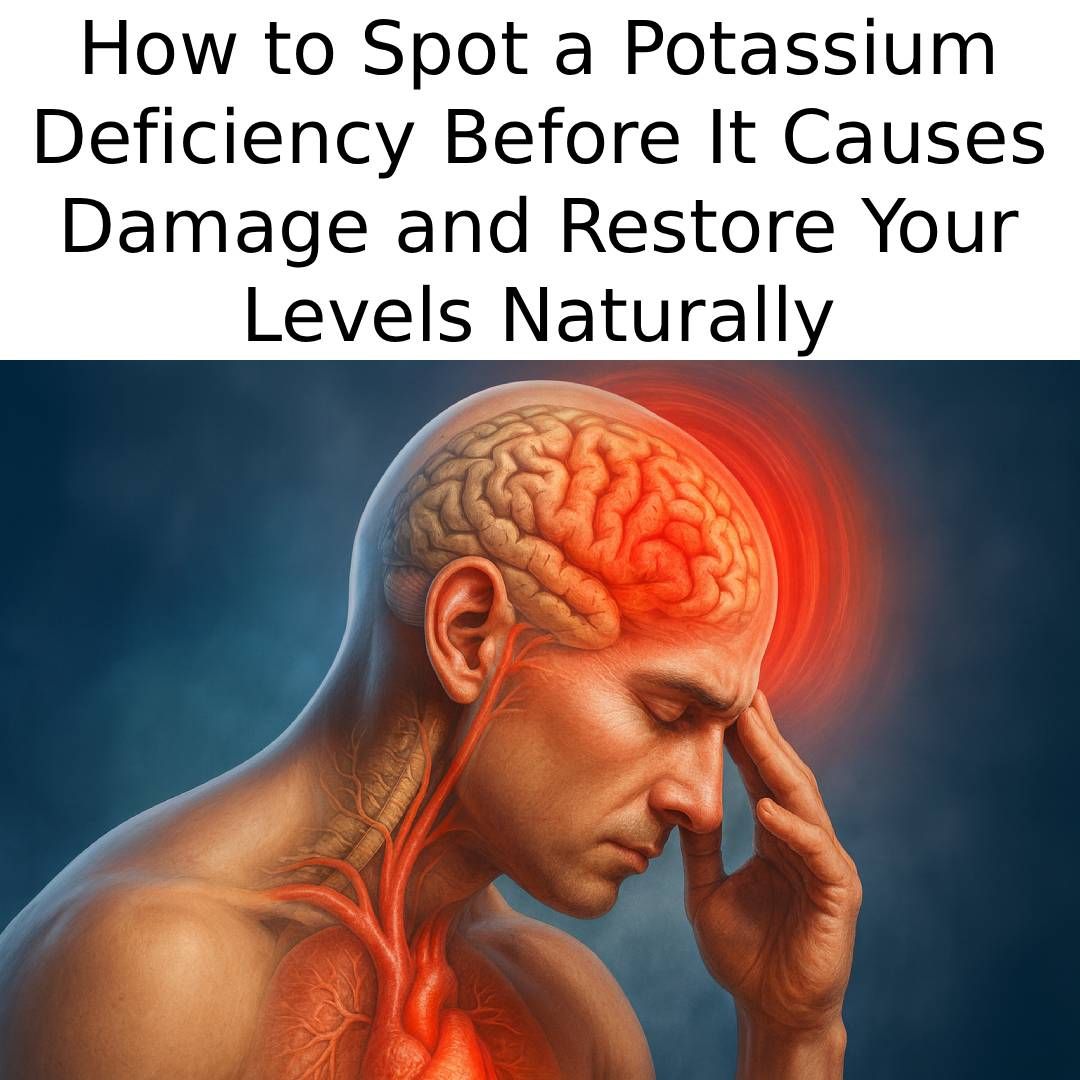
Potassium is one of those quiet nutrients that rarely gets the spotlight, yet it plays a powerful role in keeping your body running smoothly. From steady heartbeats to proper muscle movement and balanced fluids, potassium works behind the scenes every second of the day. When levels drop too low, however, the body quickly lets you know. Potassium deficiency—also known as hypokalemia—can cause a wide range of symptoms that are often mistaken for stress, aging, or dehydration. Understanding the causes, recognizing the warning signs, and knowing what to do can make a big difference in your overall health.
Why Potassium Is So Important
Potassium is an essential electrolyte that helps transmit electrical signals in the body. These signals control muscle contractions, including the heart, support nerve function, regulate fluid balance, and help maintain healthy blood pressure. Unlike some nutrients that can be stored long-term, potassium needs to be replenished regularly through food because the body excretes it daily through urine and sweat.
When potassium levels fall, cells struggle to function properly. Muscles may weaken, nerves may misfire, and the heart’s rhythm can become unstable. Even mild deficiency can affect energy levels and overall well-being.
Common Causes of Potassium Deficiency
Potassium deficiency doesn’t usually happen overnight. It often develops gradually due to lifestyle factors, medical conditions, or certain medications.
One of the most common causes is inadequate dietary intake. Diets high in processed foods tend to be low in potassium, while fresh fruits, vegetables, and legumes—the richest sources—are often lacking.
Excess fluid loss is another major contributor. Vomiting, diarrhea, excessive sweating, or frequent urination can flush potassium out of the body faster than it can be replaced. This is especially common during stomach illnesses or extreme heat.
Certain medications can also lower potassium levels. Diuretics (water pills) used for high blood pressure, some asthma medications, and long-term use of laxatives are well-known culprits.
Underlying health conditions such as kidney disorders, hormonal imbalances, or eating disorders may interfere with potassium balance as well. In these cases, deficiency may persist unless the root cause is addressed.
Symptoms You Shouldn’t Ignore
Potassium deficiency can be tricky because early symptoms are often subtle. Many people dismiss them as fatigue or everyday stress. As levels drop further, symptoms become more noticeable.
One of the earliest signs is muscle weakness or cramps, especially in the legs. You may notice your muscles feel tired even after minimal activity or that cramps occur more frequently at night.
Fatigue and low energy are also common. Potassium helps convert nutrients into usable energy, so low levels can leave you feeling drained and sluggish.
Digestive issues such as constipation or bloating may appear because potassium plays a role in smooth muscle movement within the intestines.
As deficiency worsens, irregular heartbeats or palpitations can occur. This is a serious warning sign and should never be ignored, as potassium is essential for maintaining a stable heart rhythm.
Other possible symptoms include tingling or numbness, mood changes, dizziness, and difficulty concentrating.
Who Is Most at Risk?
Some people are more vulnerable to potassium deficiency than others. Older adults, athletes, people with chronic digestive problems, and individuals taking diuretics are at higher risk. Those who follow very restrictive diets or consume mostly processed foods may also fall short without realizing it.
People with high blood pressure, diabetes, or kidney conditions should be especially mindful, as potassium balance is closely tied to these health issues.
What To Do If You’re Low on Potassium
The good news is that potassium deficiency is often manageable—and even preventable—with the right approach.
The first step is dietary improvement. Potassium-rich foods include bananas, oranges, avocados, spinach, sweet potatoes, beans, lentils, tomatoes, yogurt, and fish like salmon. Including a variety of these foods daily can help restore and maintain healthy levels naturally.
Hydration matters, too. Drinking enough water supports proper electrolyte balance, especially if you sweat heavily or exercise often. Avoid excessive caffeine and alcohol, which can increase potassium loss.
If deficiency is suspected, a blood test can confirm potassium levels. This is especially important if symptoms are persistent or severe. Never assume—testing provides clarity and safety.
In some cases, supplements may be recommended, but these should only be taken under medical guidance. Too much potassium can be just as dangerous as too little, particularly for people with kidney issues.
Finally, addressing underlying causes—such as adjusting medications or managing digestive problems—is key to preventing recurrence.
The Bottom Line
Potassium deficiency is more common than many people realize, and its symptoms can quietly interfere with daily life. Muscle weakness, fatigue, digestive trouble, and heart rhythm changes are all signals the body uses to ask for help. By recognizing these signs early, nourishing your body with potassium-rich foods, staying hydrated, and seeking proper medical advice when needed, you can restore balance and protect your health.
