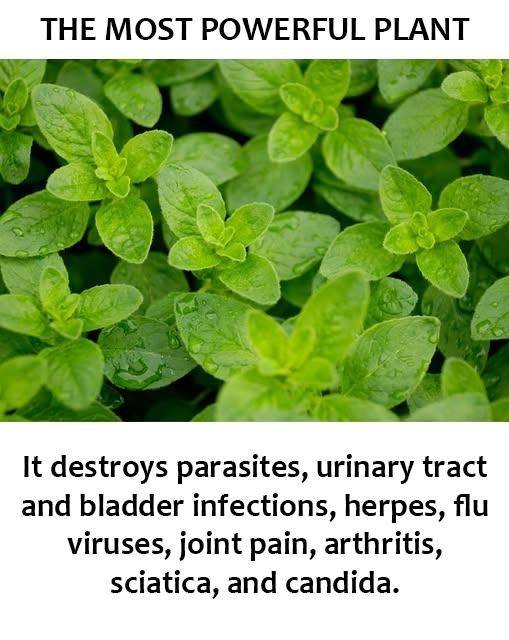
When people talk about “powerful” plants, they often mean plants that offer an extraordinary concentration of nutrients, healing properties, and practical uses all in one. Among the many remarkable plants found across the globe, Moringa oleifera stands out as one of the most powerful and versatile plants in the world. Often called the “Miracle Tree” or “Tree of Life,” moringa has been used for centuries in traditional medicine, nutrition, and daily living, and modern science continues to uncover why this humble tree deserves such praise.
What Is Moringa?
Moringa oleifera is a fast-growing tree native to parts of South Asia, particularly India, but it now grows in Africa, the Middle East, Southeast Asia, and Latin America. One of the reasons moringa is considered so powerful is that almost every part of the tree is useful. The leaves, seeds, pods, flowers, bark, and even roots have practical applications, making it a rare example of a truly multipurpose plant.
Historically, moringa was used in ancient Ayurvedic practices more than 4,000 years ago. It was believed to help support the body in numerous ways, from improving vitality to maintaining balance and resilience. Today, moringa has gained worldwide attention as a nutritional and wellness powerhouse.
Exceptional Nutritional Density
What truly sets moringa apart is its extraordinary nutrient profile. Gram for gram, moringa leaves contain impressive amounts of essential vitamins and minerals. They are rich in vitamin A, vitamin C, vitamin E, calcium, potassium, iron, and magnesium. In addition, moringa leaves provide all nine essential amino acids, making them a rare plant-based source of complete protein.
This nutritional density is why moringa is often used in regions facing food insecurity. A small amount of dried moringa leaf powder can significantly boost the nutritional value of meals, especially for children, pregnant women, and the elderly. Unlike many supplements, moringa is a whole food, which means its nutrients come packaged with fiber and natural compounds that help the body absorb them more efficiently.
Powerful Antioxidant Properties
Another reason moringa is considered one of the most powerful plants in the world is its high antioxidant content. Antioxidants help protect the body from oxidative stress caused by free radicals, which are linked to aging and various chronic conditions. Moringa contains powerful plant compounds such as quercetin, chlorogenic acid, and beta-carotene.
These antioxidants support the body’s natural defense systems and help maintain cellular health. In traditional practices, moringa was often consumed to promote longevity and overall vitality, a use that aligns well with what we now understand about antioxidants and their role in health.
Natural Support for Inflammation Balance
Inflammation is a natural response in the body, but when it becomes chronic, it can affect overall well-being. Moringa contains natural compounds that have been studied for their ability to support a healthy inflammatory response. This is one reason moringa has long been used in traditional wellness systems to help the body recover from physical stress and fatigue.
People who include moringa in their daily routines often do so as part of a balanced lifestyle focused on long-term wellness rather than quick fixes. Its gentle, plant-based nature makes it suitable for regular use as a food rather than a harsh intervention.
Benefits Beyond Nutrition
Moringa’s power extends far beyond human nutrition. Its seeds have remarkable water-purifying properties. Crushed moringa seeds can help remove impurities from water by binding to particles and bacteria, allowing them to settle. This simple yet effective method has been used in rural communities where access to clean water is limited, making moringa not just a health plant, but a life-saving one.
In agriculture, moringa leaves are used as natural animal feed because of their high protein content, improving livestock health and productivity. Moringa oil, extracted from the seeds, is highly stable and rich in antioxidants, making it valuable for cooking, skincare, and even industrial applications.
A Sustainable Plant for the Future
One of the most impressive aspects of moringa is its sustainability. The tree grows quickly, requires minimal water once established, and thrives in poor soil conditions where other crops struggle. This makes it an ideal plant for regions affected by climate change, drought, and soil degradation.
Because it grows so easily and provides so many benefits, moringa is increasingly seen as a key plant for sustainable development. It supports food security, economic opportunities, and environmental resilience, all while nourishing the body.
How Moringa Is Commonly Used
Today, moringa is available in many forms, including fresh leaves, dried leaf powder, capsules, teas, and oils. Fresh leaves can be cooked like spinach, added to soups, or blended into smoothies. The powder is often mixed into water, yogurt, or food for a simple nutritional boost.
Despite its power, moringa is not a magic cure. Its greatest strength lies in consistent, moderate use as part of a healthy diet and lifestyle. As with any plant, quality and proper use matter.
Conclusion
Moringa oleifera earns its reputation as one of the most powerful plants in the world through its unmatched combination of nutrition, versatility, sustainability, and traditional wisdom backed by modern research. From nourishing the body and supporting overall wellness to purifying water and strengthening communities, moringa is far more than a trend—it is a timeless gift from nature. In a world searching for natural, sustainable solutions, this remarkable plant continues to prove why it truly deserves the title of a “miracle tree.”
