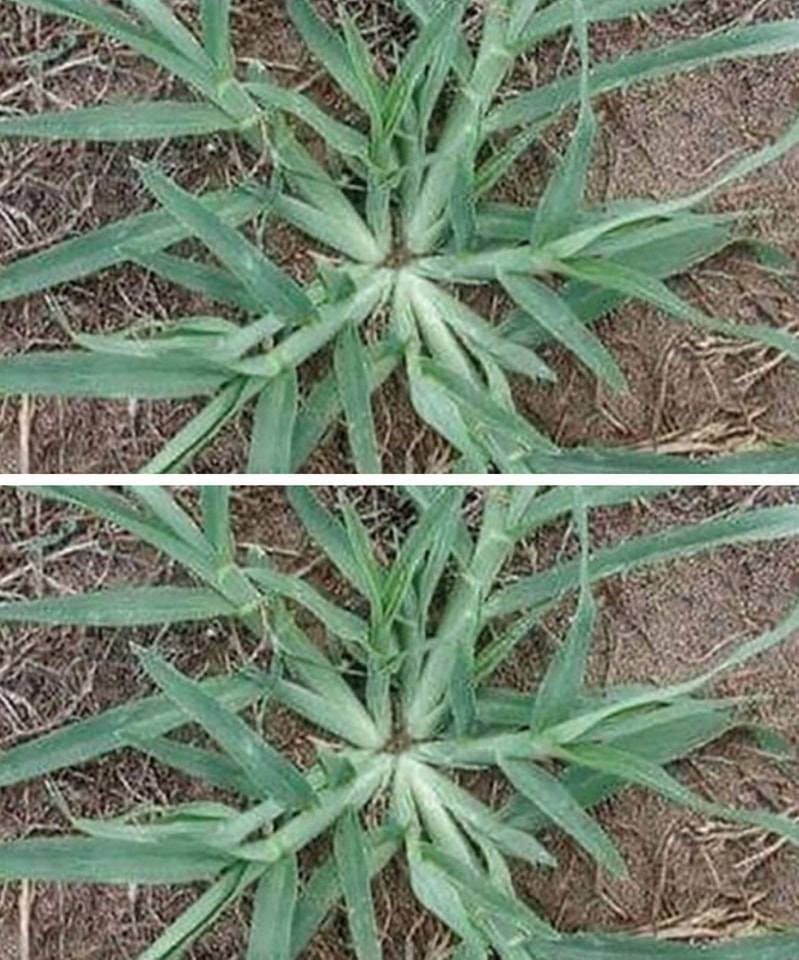
Many gardeners spend hours pulling out plants they assume are useless weeds. One such plant is often removed without a second thought, even though it is one of the most nutritious and versatile edible plants you can find growing naturally in your garden. If you ever notice purslane spreading its small, thick leaves across the soil, think twice before uprooting it. This humble plant is not a nuisance at all—it is actually a culinary treasure packed with flavor, nutrients, and surprising health benefits.
Purslane, scientifically known as Portulaca oleracea, grows close to the ground and forms a carpet of smooth, reddish stems and small green leaves. Many people mistake it for a weed because it grows quickly and spreads easily, especially in warm climates. However, in many cultures around the world, purslane is considered a prized ingredient used in soups, salads, stews, and traditional dishes.
One of the reasons purslane is so valuable is its impressive nutritional profile. It contains high levels of omega-3 fatty acids—something rarely found in leafy vegetables. It is also rich in vitamins A, C, and E, as well as magnesium, calcium, potassium, and iron. Because of this, nutritionists often consider it one of the healthiest wild greens available.
Beyond its health benefits, purslane has a unique flavor that makes it stand out in the kitchen. The leaves are slightly tangy, crisp, and refreshing, similar to a mild lemony spinach. When cooked, the plant develops a silky texture that thickens dishes naturally.
If you find purslane growing in your garden, you can harvest it easily. Simply snip the tender stems and leaves with scissors, rinse them well to remove soil, and they are ready to use. Young stems are especially tender and perfect for fresh recipes.
One delicious way to enjoy this plant is with a simple yet unique recipe: Garlic Purslane Stir-Fry.
To prepare this dish, you will need two cups of fresh purslane, two cloves of garlic, one tablespoon of olive oil, half a teaspoon of salt, a pinch of black pepper, and a squeeze of lemon juice.
Start by washing the purslane thoroughly and roughly chopping the stems and leaves. Heat olive oil in a pan over medium heat, then add finely chopped garlic. Let the garlic cook for about thirty seconds until fragrant, but be careful not to burn it.
Next, add the chopped purslane to the pan. At first, it may seem like a large amount, but the plant quickly softens and reduces in volume. Stir it gently for three to four minutes. The stems will become tender while still maintaining a pleasant crunch.
Season the mixture with salt and black pepper, and finish the dish with a light squeeze of lemon juice to enhance the natural tanginess of the leaves. The result is a bright, flavorful side dish that pairs perfectly with rice, grilled meat, or warm flatbread.
Another popular way to enjoy purslane is raw in salads. Because the leaves remain crisp and juicy, they add a refreshing bite. You can combine chopped purslane with tomatoes, cucumbers, onions, and a drizzle of olive oil to create a simple Mediterranean-style salad.
In some traditional cuisines, purslane is also added to yogurt sauces, omelets, or lentil dishes. Its natural thickness can even help give soups a slightly velvety texture without using cream.
Aside from being tasty and healthy, purslane has another advantage for gardeners: it improves soil health. Its roots help stabilize loose soil, and the plant can grow in areas where many other vegetables struggle. In fact, some gardeners intentionally cultivate it as a companion plant.
Of course, it is important to make sure that any wild plant you harvest has not been exposed to pesticides or chemical sprays. If the purslane in your garden grows naturally without chemicals, it can be safely enjoyed as part of your meals.
The next time you walk through your garden and notice a small spreading plant with succulent leaves hugging the ground, pause before pulling it out. What many people consider a weed might actually be one of the most nutritious and delicious plants growing right under their feet.
Sometimes the best ingredients are not found in grocery stores or fancy markets—they appear quietly in our own gardens, waiting to be discovered. By learning to recognize and appreciate plants like purslane, we not only reduce waste but also reconnect with a more natural and sustainable way of cooking.
