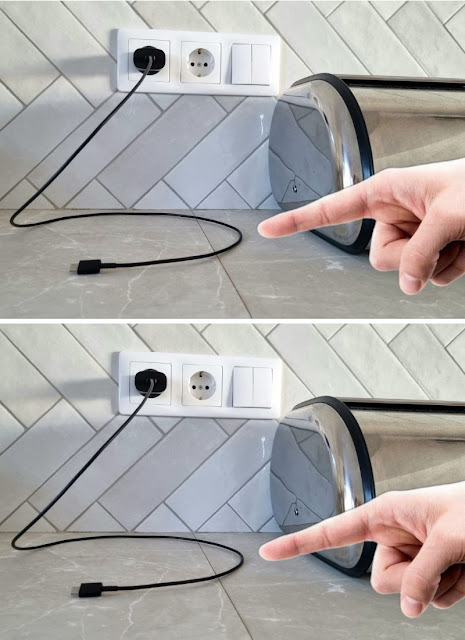
In today’s always-connected world, phone chargers are everywhere—bedrooms, kitchens, offices, cars, and even plugged in permanently behind furniture. Many people leave chargers in the outlet all day and night, even when no phone is connected. It feels harmless, convenient, and routine. However, this small habit can quietly cost you money, reduce safety, and shorten the lifespan of your devices and electrical system.
Here’s a clear, practical breakdown of the three main reasons why you should never leave a charger plugged in without your phone, and how changing this one habit can make your home safer and smarter.
1. It Wastes Electricity (Even When Nothing Is Charging)
One of the biggest misconceptions is that a charger only uses power when a phone is connected. In reality, a charger continues to draw electricity as long as it’s plugged into the outlet. This is known as phantom load or vampire power.
How this happens
Inside every charger is a small transformer that converts high-voltage AC electricity from your wall into low-voltage DC power suitable for your phone. Even when no device is attached, the charger remains energized and consumes a small but constant amount of electricity.
Why this matters
-
One charger alone may use very little power, but multiple chargers left plugged in 24/7 add up
-
Over a year, this wasted energy can noticeably increase your electricity bill
-
On a larger scale, phantom power contributes to unnecessary energy consumption and environmental harm
While unplugging a single charger won’t instantly cut your bill in half, building the habit of unplugging unused electronics can save real money over time—especially in homes with many devices.
2. It Increases the Risk of Overheating and Fire
This is the most serious and often overlooked reason. Any device connected to electricity can overheat, and chargers are no exception—even when they aren’t charging a phone.
The hidden danger
When a charger remains plugged in:
-
It continues to generate heat
-
Dust, humidity, or poor airflow can worsen overheating
-
Cheap or damaged chargers are especially risky
If a charger is:
-
Bent or frayed
-
Warm to the touch
-
Plugged into an old or loose outlet
…the risk increases significantly.
Real-world risks
Many household electrical fires begin with small, ignored heat sources, including chargers left plugged in near curtains, bedding, or flammable materials. Low-quality or counterfeit chargers—commonly sold cheaply—are far more likely to lack proper safety protections.
Unplugging chargers when not in use is a simple step that reduces fire risk, protects your home, and gives you peace of mind—especially overnight or when leaving the house.
3. It Shortens the Life of the Charger (and Your Phone)
Chargers are not designed to stay energized forever. Leaving them plugged in continuously puts constant stress on internal components, even when idle.
What happens over time
-
Heat slowly degrades internal circuits
-
Electrical stress weakens insulation and solder joints
-
The charger becomes less efficient and more prone to failure
Eventually, this can lead to:
-
Slower charging speeds
-
Intermittent charging
-
Overheating during actual use
-
Complete charger failure
Impact on your phone
A degraded charger doesn’t just fail—it can deliver unstable voltage, which may:
-
Reduce battery health
-
Cause charging interruptions
-
Damage your phone’s charging port over time
Replacing chargers frequently costs money, and using a worn-out charger can shorten the life of your phone’s battery. Unplugging when not in use helps both last longer.
Bonus Reason: It’s Simply a Better Safety Habit
Unplugging unused chargers:
-
Reduces clutter
-
Makes outlets available when you need them
-
Encourages safer electrical habits for children
-
Helps you notice damaged cords sooner
This small habit also builds awareness of how electricity is used in your home, leading to smarter energy decisions overall.
Simple Tips to Make It Easy
If unplugging chargers feels inconvenient, try these practical solutions:
-
Use a power strip with a switch – Turn off multiple chargers at once
-
Designate one charging area – Makes unplugging part of your routine
-
Avoid overnight charging when possible
-
Replace damaged or cheap chargers immediately
-
Keep chargers away from beds, sofas, and curtains
The Bottom Line
Leaving a charger plugged in without your phone may seem harmless, but it comes with real downsides. It wastes electricity, increases the risk of overheating or fire, and shortens the life of both your charger and your phone.
