If your hands frequently “fall asleep,” tingle, or feel numb, it may seem like a harmless annoyance. Many people experience this sensation after sleeping on their arm or holding their phone for too long. However, when hand numbness becomes frequent, persistent, or occurs without an obvious cause, it can be a clear sign that something deeper is happening in your body.
That “pins and needles” feeling is medically known as paresthesia. It occurs when pressure is placed on a nerve or when blood flow to a certain area is temporarily reduced. While occasional episodes are normal, repeated or unexplained numbness in the hands can signal underlying nerve, circulation, or metabolic issues that shouldn’t be ignored.
One of the most common causes of hands falling asleep is nerve compression. Your hands are connected to your brain through a network of nerves that travel down your neck, shoulders, and arms. If any part of this pathway is compressed, irritated, or inflamed, you may feel tingling or numbness.
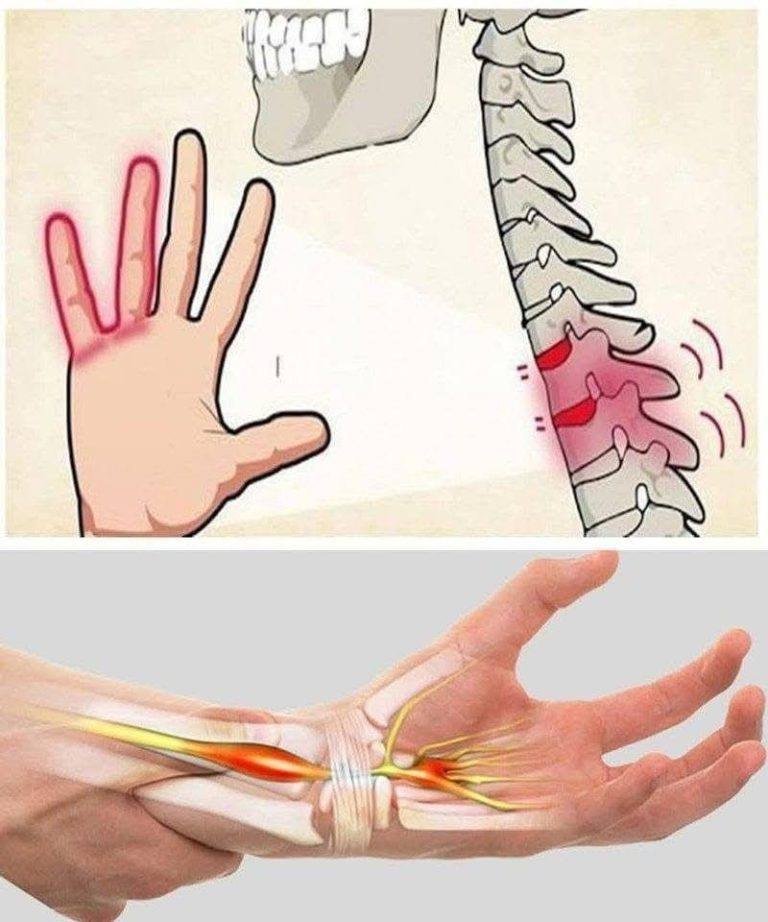
A frequent culprit is carpal tunnel syndrome. This condition happens when the median nerve, which runs through the wrist, becomes compressed due to swelling or repetitive hand movements. People who type, use tools, or perform repetitive wrist actions are particularly at risk. Early signs include tingling in the thumb, index, and middle fingers, especially at night. Over time, weakness and difficulty gripping objects may develop.
Another possible cause is cervical spine issues. If the nerves in your neck are compressed due to poor posture, herniated discs, or age-related changes, the numbness may travel down into your arms and hands. In these cases, you might also experience neck pain or stiffness along with the tingling sensation.
Circulation problems can also lead to hands falling asleep. Proper blood flow is essential for delivering oxygen and nutrients to your nerves. When circulation is compromised, even temporarily, your hands may feel numb or cold. Conditions like peripheral artery disease or chronic poor circulation can make this symptom more frequent.
In some cases, hands that frequently fall asleep may be a warning sign of diabetes. High blood sugar levels can damage nerves over time, leading to diabetic neuropathy. This often begins in the feet but can also affect the hands. Symptoms may include burning sensations, numbness, or increased sensitivity. If you experience persistent tingling along with excessive thirst, frequent urination, or unexplained fatigue, it’s important to consult a healthcare professional.
Vitamin deficiencies are another often-overlooked cause. Vitamin B12, in particular, plays a crucial role in nerve health. A deficiency can lead to nerve damage, resulting in numbness or tingling in the hands and feet. This is more common in older adults, vegetarians, and people with digestive issues that interfere with nutrient absorption. The good news is that early detection and supplementation can often reverse the symptoms.
Anxiety and stress can also contribute to the sensation of hands falling asleep. During periods of high stress, breathing patterns may change, sometimes leading to hyperventilation. This can temporarily alter oxygen and carbon dioxide levels in the blood, causing tingling in the extremities. While this type of numbness is usually temporary, chronic stress can make it recur frequently.
Certain autoimmune conditions may also be linked to persistent hand numbness. Diseases that affect the nervous system or cause inflammation can damage nerves gradually. Multiple sclerosis, for example, may present with numbness or tingling in the limbs as an early symptom. Although such conditions are less common, ongoing or worsening symptoms should never be dismissed.
Lifestyle factors also play a significant role. Poor posture, especially when using smartphones or computers for long periods, can strain the neck and shoulders, compressing nerves. Sleeping positions that put pressure on your arms can repeatedly trigger nighttime numbness. Obesity can increase pressure on nerves, particularly in the wrist area, contributing to carpal tunnel syndrome.
So when should you worry? Occasional numbness that resolves quickly after changing position is usually harmless. However, you should seek medical advice if the numbness:
-
Happens frequently without an obvious cause
-
Lasts longer than a few minutes
-
Is accompanied by weakness or difficulty moving your fingers
-
Occurs along with chest pain, dizziness, or slurred speech
-
Gradually worsens over time
Sudden numbness in one arm, especially when combined with facial drooping or difficulty speaking, could signal a stroke and requires immediate emergency attention.
Prevention and management depend on the underlying cause. Improving posture, taking breaks from repetitive tasks, and doing gentle wrist and neck stretches can reduce nerve compression. Maintaining healthy blood sugar levels, eating a balanced diet rich in B vitamins, staying physically active, and managing stress are also important steps.
Simple lifestyle adjustments can make a noticeable difference. Using ergonomic keyboards, adjusting chair height, and avoiding sleeping with your arms under your body may reduce episodes. Regular exercise improves circulation and supports overall nerve health.
Your body often sends subtle signals before a more serious problem develops. Hands falling asleep occasionally may be nothing more than temporary pressure on a nerve. But when it becomes frequent or persistent, it’s a clear sign that your body may be asking for attention.
Listening to these signals early can help you address potential issues before they become more serious. Rather than ignoring repeated numbness, view it as an opportunity to check in with your overall health. Early action can protect your nerves, improve your circulation, and ensure that something seemingly small doesn’t turn into a larger concern later on.
