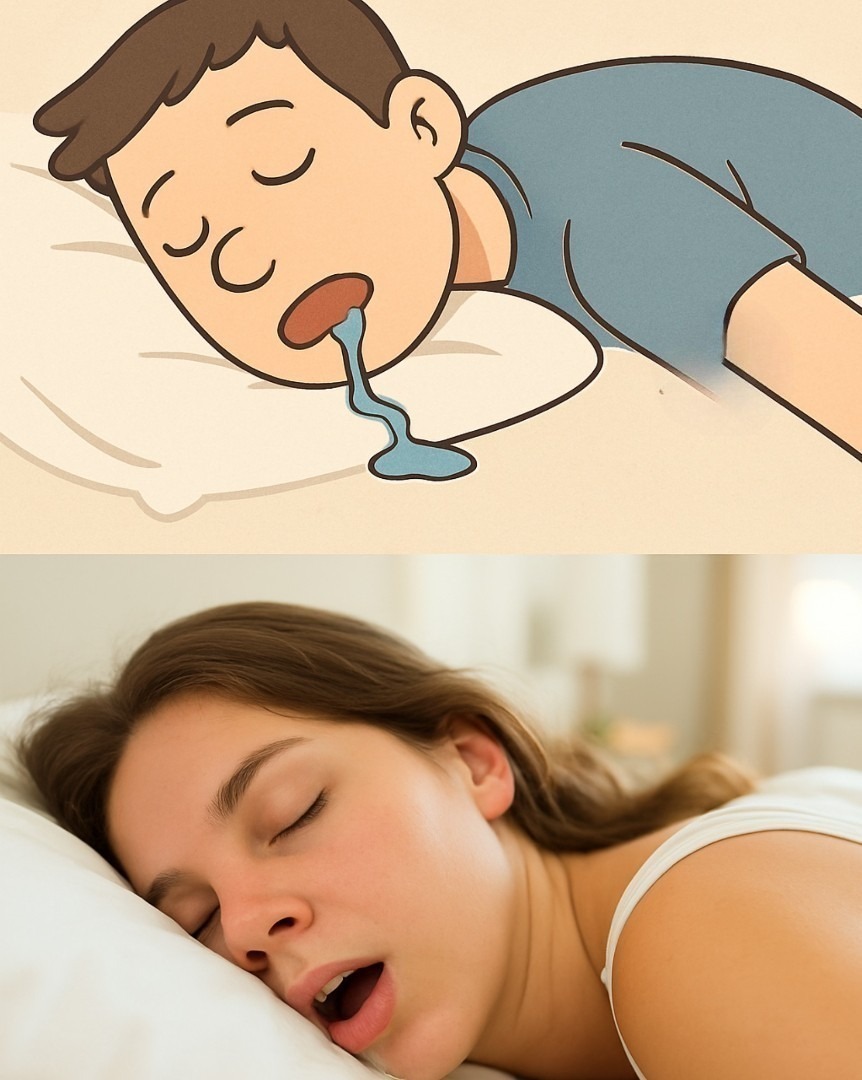
Drooling during sleep is something many people experience occasionally. It usually happens when saliva escapes from the mouth while the muscles of the face relax during deep sleep. In most cases, it’s harmless and simply the result of sleeping position—especially when lying on your side or stomach. However, if you frequently wake up with a wet pillow or notice excessive drooling at night, it could sometimes signal an underlying health issue.
Persistent drooling, medically known as sialorrhea, may indicate problems related to breathing, digestion, or nerve function. Understanding the possible causes can help you decide whether it’s something minor or a reason to consult a doctor. Here are six health conditions that may be linked to frequent drooling during sleep.
1. Sleep Apnea
One of the most common medical reasons for excessive drooling during sleep is sleep apnea. This condition occurs when breathing repeatedly stops and starts while sleeping. People with sleep apnea often breathe through their mouths because their airways become partially blocked.
When the mouth remains open during sleep, saliva can easily escape, leading to drooling. Other symptoms of sleep apnea may include loud snoring, gasping for air at night, morning headaches, and daytime fatigue. If drooling is accompanied by these symptoms, it may be worth discussing with a healthcare professional.
2. Sinus Infections or Nasal Congestion
Blocked nasal passages can force a person to breathe through the mouth while sleeping. Conditions such as sinus infections, allergies, or chronic nasal congestion often make it difficult to breathe through the nose.
When nasal breathing is restricted, the mouth stays open for longer periods during sleep, which increases the chances of saliva leaking out. Frequent drooling along with symptoms like facial pressure, a runny nose, or headaches could indicate sinus problems.
3. Gastroesophageal Reflux Disease (GERD)
GERD, commonly known as acid reflux, can also contribute to increased saliva production. When stomach acid flows back into the esophagus, the body sometimes responds by producing more saliva to neutralize the acid.
This extra saliva can accumulate in the mouth while sleeping, especially if you lie flat on your side. People with GERD often experience symptoms such as heartburn, chest discomfort, a sour taste in the mouth, or frequent throat irritation. If nighttime drooling occurs along with these symptoms, digestive issues might be involved.
4. Neurological Conditions
Certain neurological disorders can interfere with the muscles that control swallowing. When swallowing becomes less efficient, saliva may build up in the mouth and eventually spill out during sleep.
Conditions such as Parkinson’s disease, stroke-related nerve damage, or other neurological disorders may lead to drooling. In these cases, drooling may occur not only during sleep but also while awake. If someone experiences difficulty swallowing, slurred speech, or muscle weakness along with drooling, medical evaluation is important.
5. Infections of the Throat or Tonsils
Throat infections, including tonsillitis or strep throat, may cause swelling and discomfort that makes swallowing painful. When swallowing becomes difficult, saliva may accumulate in the mouth.
During sleep, this buildup can lead to drooling. Other symptoms often include sore throat, fever, difficulty swallowing, and swollen lymph nodes. Treating the infection usually resolves the drooling once the throat returns to normal.
6. Certain Medications
Some medications can increase saliva production as a side effect. Drugs used for neurological disorders, certain antibiotics, and medications that affect the nervous system may lead to excessive salivation.
If you recently started a new medication and noticed an increase in nighttime drooling, it may be related to the drug. It’s always best to consult a healthcare provider before stopping or adjusting any prescribed medication.
When Is Drooling Normal?
Occasional drooling during sleep is perfectly normal and often linked to simple factors such as sleeping posture, deep sleep stages, or temporary nasal congestion. Children and people who sleep very deeply may also drool more often.
Sleeping on your back, improving nasal breathing, and maintaining good oral hygiene may help reduce mild drooling. Elevating the head slightly with a supportive pillow can also make a difference.
When to See a Doctor
Frequent or severe drooling should not be ignored if it is accompanied by other symptoms. You may want to seek medical advice if drooling occurs alongside:
- Loud snoring or interrupted breathing
- Difficulty swallowing
- Persistent heartburn
- Facial weakness or speech problems
- Chronic nasal blockage
A doctor may recommend tests or examinations to determine the underlying cause and suggest appropriate treatment.
Final Thoughts
While drooling during sleep is often harmless, persistent or excessive drooling could be a sign that something else is going on in the body. Conditions affecting breathing, digestion, or the nervous system can sometimes play a role. Paying attention to other symptoms and making small lifestyle adjustments may help reduce the problem. If it continues or worsens, consulting a healthcare professional is the safest step to ensure there are no hidden health concerns.
