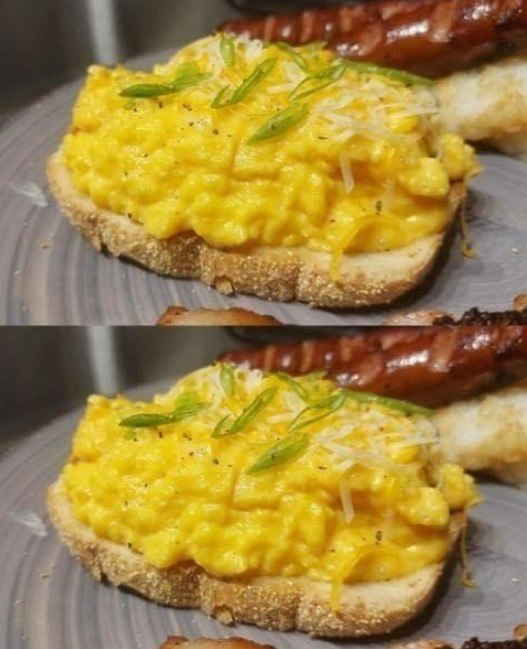
Scrambled eggs seem like the easiest breakfast in the world—until they turn out dry, rubbery, watery, or bland. The truth is, perfect scrambled eggs are less about complicated ingredients and more about technique, timing, and gentle heat. When done right, scrambled eggs should be soft, creamy, fluffy, and full of rich flavor. This guide will walk you step by step through a unique, reliable method that works every single time, whether you’re cooking for yourself or serving guests.
Why Scrambled Eggs Often Go Wrong
Most scrambled egg mistakes come from three common errors:
-
Cooking over high heat
-
Overcooking by just a few seconds
-
Over-whisking or under-seasoning
Eggs are delicate. They continue cooking even after you remove them from the pan, so patience and attention are key. Once you understand this, scrambled eggs become one of the easiest and most satisfying dishes to master.
Ingredients (Serves 1–2)
-
3–4 large eggs (fresh is best)
-
1–2 tablespoons butter (unsalted preferred)
-
Salt, to taste
-
Freshly ground black pepper (optional)
-
Optional add-ins: cream, milk, chives, cheese, or olive oil
Pro tip: Great scrambled eggs don’t need milk. Butter and gentle heat are enough for natural creaminess.
Step 1: Crack and Gently Whisk
Crack your eggs into a bowl, not directly into the pan. This gives you control and prevents shell fragments.
Whisk the eggs gently with a fork or whisk until the yolks and whites are just combined. You want a uniform yellow color, but avoid whipping in too much air. Over-whisking creates dry eggs later.
Do not add salt yet if you want the softest texture—salting too early can break down egg proteins and make eggs watery.
Step 2: Choose the Right Pan and Heat
Use a non-stick or well-seasoned pan. Size matters: eggs should spread out, not pile up.
Set the heat to low or medium-low. This is critical. High heat causes eggs to seize and release water, resulting in rubbery curds.
Add butter to the pan and let it melt slowly. The butter should foam gently, not brown. If it sizzles loudly, the pan is too hot—remove it from heat for a few seconds.
Step 3: Add Eggs and Wait
Pour the eggs into the pan and do nothing for 10–15 seconds. This allows a soft base to form.
Now, using a silicone spatula or wooden spoon, gently push the eggs from the edges toward the center. This creates soft curds while keeping moisture in.
Avoid constant stirring. Think “slow folding,” not scrambling aggressively.
Step 4: Low and Slow Is the Secret
Continue gently moving the eggs every few seconds. The goal is creamy curds, not tiny dry bits.
If the eggs start to cook too fast, pull the pan off the heat briefly while stirring. This on-and-off heat control is one of the best professional tricks.
At this stage, you can add:
-
A small knob of butter for extra richness
-
A tablespoon of cream for ultra-creamy eggs
-
Finely chopped herbs for aroma
Step 5: Season at the Right Moment
When the eggs are about 90% set—still glossy and slightly loose—remove the pan from the heat.
Now add salt and pepper. The residual heat will finish cooking the eggs perfectly without drying them out.
This step is crucial: waiting until the end preserves both texture and flavor.
Step 6: Stop Cooking Before They Look Done
Perfect scrambled eggs should look slightly undercooked in the pan. By the time they reach the plate, they’ll be just right.
If you wait until they look fully cooked in the pan, they will be overcooked on the plate.
Serve immediately. Scrambled eggs don’t wait.
Common Variations (Without Ruining the Eggs)
-
Cheesy scrambled eggs: Add finely grated cheese at the very end and fold gently.
-
Creamy French-style eggs: Cook extra slowly, stirring constantly, and finish with butter.
-
Protein-rich version: Add cooked meat only after eggs are nearly done.
-
Dairy-free: Use olive oil instead of butter—still delicious.
Final Secrets for Perfect Scrambled Eggs
-
Fresh eggs matter more than fancy ingredients
-
Low heat beats high heat every time
-
Remove eggs early—they finish cooking on the plate
-
Butter adds flavor and prevents sticking
-
Gentle movement creates creamy texture
Conclusion
Scrambled eggs may be simple, but perfection lies in the details. With gentle heat, patience, and proper timing, you can make restaurant-quality scrambled eggs every single time—soft, fluffy, rich, and deeply satisfying. Once you master this method, breakfast will never be the same again.
