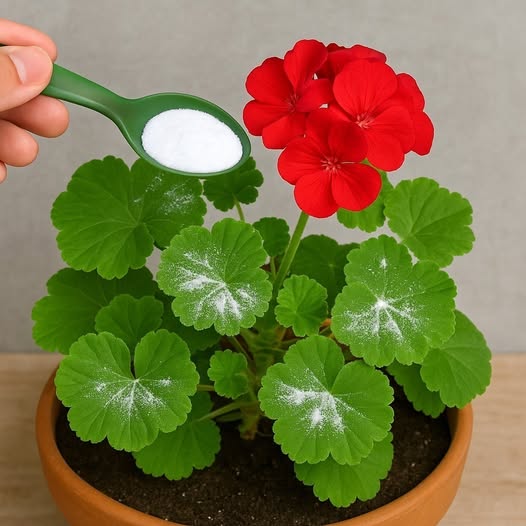
Geraniums are among the most loved flowering plants in the world — bright, cheerful, and incredibly generous with blooms when cared for properly. Known botanically as Pelargonium, these popular plants can transform balconies, patios, and gardens into colorful displays that last from spring through late autumn.
But if your geraniums look tired, produce few flowers, or grow lots of leaves but no blooms, the issue is often not sunlight or fertilizer — it’s watering. Yes, the secret to having geraniums full of flowers lies largely in how you water them.
Here’s exactly how to water geraniums so they stay thriving and covered in blooms all season long.
Why Watering Matters More Than You Think
Geraniums are native to South Africa, where they grow in sunny, well-drained conditions. Because of this origin, they are naturally drought-tolerant. Many gardeners make the mistake of treating them like thirsty annuals — and that’s where problems begin.
Overwatering is the number one reason geraniums stop flowering. When roots sit in constantly wet soil, they become stressed, oxygen-deprived, and prone to rot. A stressed plant focuses on survival, not producing flowers.
On the other hand, underwatering can also reduce blooms. If the soil becomes bone-dry for too long, the plant will drop buds and conserve energy.
The key is balance.
The Golden Rule: Let the Soil Dry First
The most important principle is simple:
Never water geraniums on a fixed schedule. Water only when the soil actually needs it.
Before watering, insert your finger about 2–3 centimeters into the soil. If it still feels moist, wait. If it feels dry at that depth, it’s time to water.
This small habit makes a huge difference.
Geraniums prefer their soil to dry out slightly between waterings. This encourages deeper root growth and stronger stems — both essential for abundant flowering.
Water Deeply, Not Lightly
Many people give their geraniums a quick splash every day. This is not ideal.
Instead, water deeply and thoroughly until excess water drains from the bottom of the pot. This ensures the entire root system receives moisture. Then allow the soil to dry before watering again.
Deep watering trains the roots to grow downward, making the plant more resilient and better able to support heavy blooms.
If your geraniums are planted in the ground, water slowly at the base so moisture penetrates deeply into the soil rather than running off the surface.
Always Water at the Base
Another crucial detail: avoid watering from above.
When water sits on leaves and flowers, especially in warm conditions, it can encourage fungal diseases and rot. Wet foliage can also cause unsightly spots.
Instead, aim the water directly at the soil around the base of the plant. Early morning is the best time to water because it allows any accidental splashes to dry quickly in the sun.
Drainage Is Everything
Even perfect watering habits won’t help if your pot or soil doesn’t drain properly.
Make sure:
-
Pots have drainage holes.
-
You use well-draining potting mix.
-
Saucers under pots are emptied after watering.
Geraniums hate “wet feet.” If water collects at the bottom and roots remain soggy, flowering will decline dramatically.
For extra drainage, you can mix a little sand or perlite into your potting soil. This improves airflow around the roots and prevents compaction.
Adjust Watering With the Weather
Geraniums need different amounts of water depending on temperature and sunlight.
-
In hot summer weather: Check soil more frequently, as containers dry quickly.
-
During cooler or cloudy periods: Reduce watering significantly.
-
In rainy conditions: Skip watering altogether.
Always observe the plant. Slightly drooping leaves that recover after watering signal thirst. Yellowing leaves and mushy stems often indicate too much water.
Learning to “read” your plant is one of the most valuable gardening skills.
The Bloom-Boosting Connection
Proper watering directly affects flowering.
When geraniums are slightly stressed (but not dehydrated), they produce more blooms. Mild dryness encourages flowering because the plant shifts energy toward reproduction.
However, constant moisture pushes the plant to produce leafy growth instead of flowers.
If your geranium is healthy but not blooming well, try slightly extending the time between waterings. This subtle adjustment often triggers a fresh wave of blossoms.
Combine Smart Watering With Deadheading
Watering alone won’t guarantee a full display of flowers. To maximize blooms:
-
Remove faded flowers regularly (deadheading).
-
Pinch back leggy stems.
-
Provide at least 6 hours of sunlight daily.
-
Use a balanced fertilizer every 2–3 weeks during peak growing season.
But remember: none of these efforts will work properly if the roots are struggling due to improper watering.
Signs You’re Watering Correctly
You’ll know your watering routine is working when:
-
The plant has firm, upright stems.
-
Leaves are vibrant green (not yellow).
-
Buds continuously form.
-
Flowers appear in dense clusters.
-
Soil dries slightly between waterings but never becomes cracked or hard.
Healthy geraniums reward good care quickly. Once you find the right rhythm, they can bloom nonstop for months.
Final Thoughts
If you want geraniums bursting with flowers, the secret isn’t complicated — it’s consistent, mindful watering.
Let the soil dry slightly.
Water deeply.
Ensure excellent drainage.
Adjust for weather.
Avoid wet leaves.
These simple steps mimic the plant’s natural environment and keep roots strong and stress-free. When roots are happy, flowers follow.
With the right watering method, your geraniums won’t just survive — they’ll thrive, producing wave after wave of vibrant blooms that brighten your home and garden all season long.
