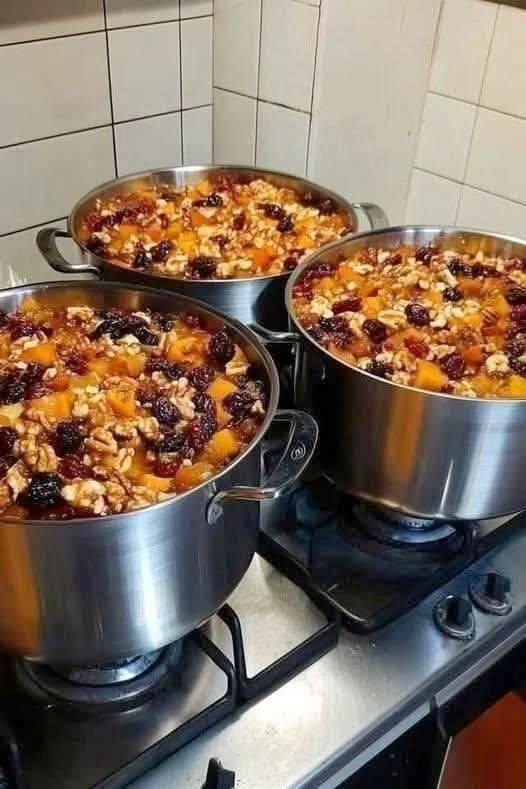
Capirotada is more than a dessert—it’s a warm memory served in a clay dish, a fragrant echo of grandmothers who cooked with instinct rather than measuring cups, and a sweet reminder that some recipes are meant to be shared from heart to heart. My grandmother’s Capirotada was famous in our family not because it was fancy or complicated, but because it tasted like comfort, patience, and tradition. This unique version stays loyal to the classic Lenten bread pudding but carries her personal touches that made each bite unforgettable.
The Story Behind Grandma’s Version
Growing up, Lent wasn’t just a season of reflection—it was a season of aromas. When you walked into Grandma’s kitchen, the air carried cinnamon steam, toasted bread, and the unmistakable caramel scent of piloncillo melting into syrup. She believed that food should wrap the soul in peace, and her Capirotada did exactly that. Every layer was intentional: stale bread for strength, cheese for comfort, nuts for prosperity, raisins for sweetness in the hard days, and sugar cane syrup to hold everything together—just as family holds us together during life’s storms.
She always said, “Capirotada tastes better when shared.” And she was right.
Ingredients
For the Bread Base:
-
1 large bolillo bread (or French baguette), sliced into 1-inch pieces
-
3 tbsp butter (softened)
-
A drizzle of vegetable oil, for toasting
For the Piloncillo Syrup:
-
2 large piloncillo cones (or 2 cups dark brown sugar)
-
3 cups water
-
2 cinnamon sticks
-
4 whole cloves
-
1 star anise (optional but gives that special Grandma-style aroma)
-
½ tsp salt
-
1 tsp vanilla extract
For Layering:
-
1 cup raisins
-
1 cup chopped pecans or walnuts
-
1 cup shredded Monterey Jack or queso Oaxaca (yes—cheese is traditional!)
-
½ cup dried apricots or prunes (Grandma’s secret touch)
-
½ cup sweetened coconut flakes (optional but gives a lovely texture)
Directions
Step 1: Toast the Bread Like Grandma Did
Grandma insisted the bread must be dry, sturdy, and golden so it wouldn’t collapse under the syrup.
-
Preheat your oven to 350°F (175°C).
-
Spread the bread slices on a tray.
-
Brush lightly with butter and a bit of oil.
-
Bake for 12–15 minutes until crisp and lightly toasted.
If you hear a faint crunch when you tap the bread, it’s perfect.
Step 2: Make the Deep, Aromatic Piloncillo Syrup
This syrup is the soul of the dish. Grandma always said the syrup must smell like cinnamon clouds.
-
In a deep pot, combine water, piloncillo, cinnamon sticks, cloves, star anise, and salt.
-
Bring to a boil, then lower heat and simmer until the piloncillo fully dissolves.
-
Add vanilla extract at the end.
The syrup should be slightly thick but still pourable.
Step 3: Prepare the Baking Dish
Use a clay or ceramic dish if you have one—Grandma believed it kept warmth better.
Grease it lightly with butter.
Step 4: Layer with Love
Capirotada is all about layers, each meant to create both texture and symbolism.
-
Start with a layer of toasted bread.
-
Pour a generous amount of piloncillo syrup over it.
-
Sprinkle raisins, nuts, cheese, dried fruits, and coconut.
-
Repeat layers until all ingredients are used.
The final layer should be raisins and cheese so it melts beautifully on top.
Press down lightly with a spoon to help the syrup soak through.
Step 5: Bake to Perfection
-
Cover the dish with foil.
-
Bake at 350°F (175°C) for 25 minutes.
-
Remove the foil and bake another 10–12 minutes until the top is glossy and lightly caramelized.
The cheese should melt softly between the fruit and nuts—this contrast is what makes Grandma’s version so good.
Serving Tips from Grandma’s Kitchen
-
Let the Capirotada rest 15–20 minutes before cutting.
-
Serve warm with a drizzle of leftover syrup.
-
Pair with a warm cup of cinnamon tea or café de olla.
-
It tastes even better the next day!
Grandma’s Secret Touches (Make It Truly Unique)
1. Dried Apricots or Prunes
She added these for a burst of natural sweetness and chewiness.
2. Star Anise in the Syrup
This gives a faint, mysterious aroma that makes people ask, “What’s that wonderful flavor?”
3. A Bit of Coconut
Not traditional in every home, but it added texture and tropical fragrance.
4. Toasted Bread Instead of Simply Stale Bread
This made her Capirotada never mushy—always rich and layered.
Why This Recipe Works
This unique version of Grandma’s Capirotada keeps all the soul of the traditional dish but enhances it with thoughtful steps and deep flavor. The toasted bread keeps structure, the syrup balances sugar with spice, and the layering gives every bite a new surprise—melty cheese, chewy raisins, crunchy nuts, and soft fruit.
Most importantly, it captures the love, warmth, and care grandmothers pour into their food. This is not just a recipe—it’s an heirloom.
