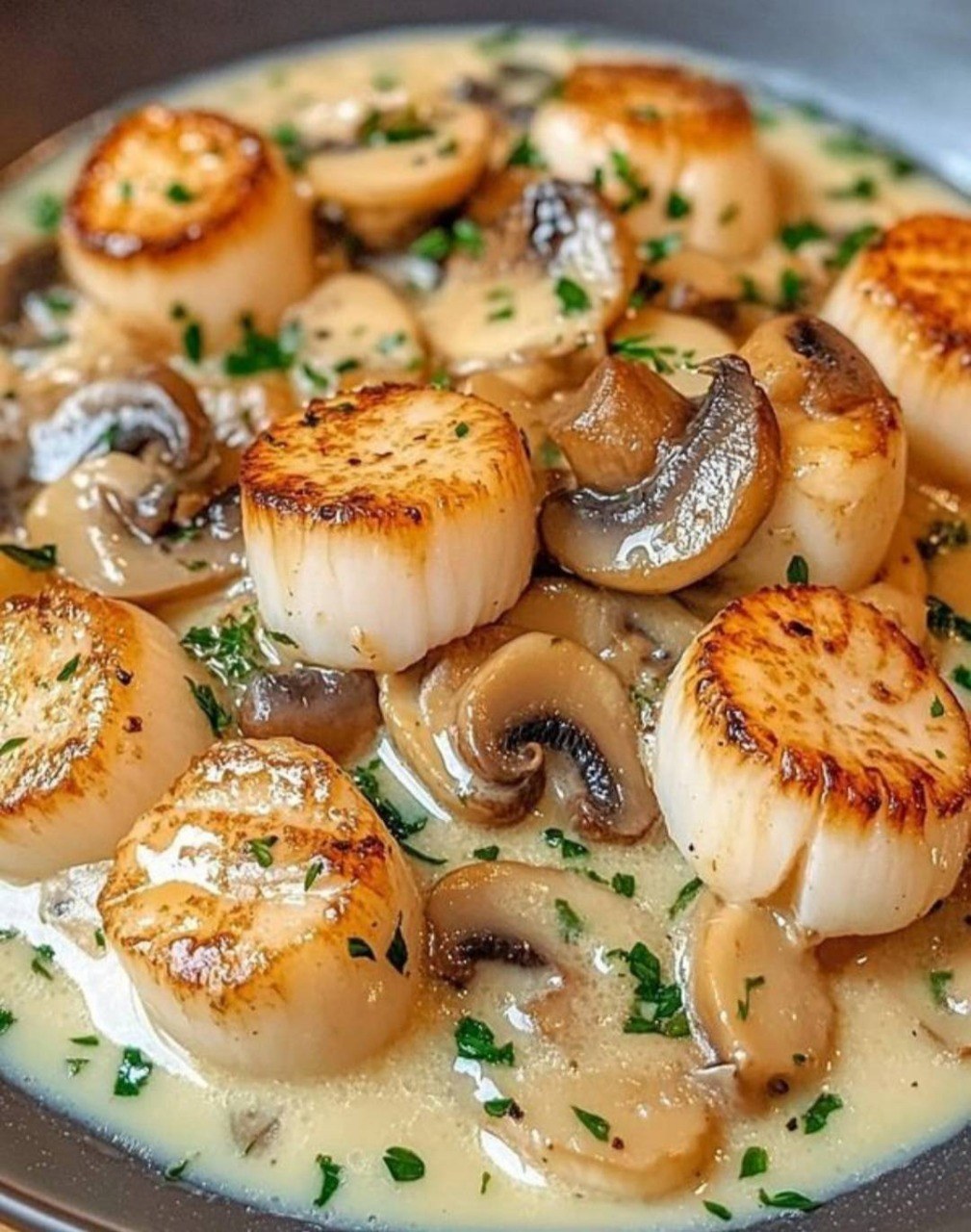
A Seafood Cassolette is a French-inspired dish that transforms the treasures of the sea into a rich, creamy, and aromatic indulgence. Traditionally baked in small gratin dishes, this elegant meal is layered with tender seafood, bathed in a velvety wine-infused sauce, and topped with a golden crust of cheese or breadcrumbs. The word “cassolette” comes from “cassole,” meaning a small baking dish, and it perfectly captures the personal, comforting nature of this refined recipe. This gourmet version elevates simple seafood into a restaurant-worthy experience right in your kitchen.
Ingredients
For the seafood mix:
-
½ lb (225 g) large shrimp, peeled and deveined
-
½ lb (225 g) scallops, cleaned
-
½ lb (225 g) firm white fish (such as cod or halibut), cubed
-
½ lb (225 g) mussels or clams, cleaned and debearded
-
2 tbsp butter
-
1 tbsp olive oil
-
2 cloves garlic, minced
-
1 shallot, finely chopped
-
Salt and freshly ground black pepper, to taste
-
¼ cup dry white wine
For the creamy sauce:
-
3 tbsp unsalted butter
-
3 tbsp all-purpose flour
-
2 cups seafood stock (or fish broth)
-
½ cup heavy cream
-
½ cup dry white wine
-
1 tsp Dijon mustard
-
½ cup grated Gruyère or Parmesan cheese
-
1 tbsp chopped fresh parsley
-
½ tsp smoked paprika
-
A pinch of nutmeg
For the topping:
-
¾ cup panko breadcrumbs
-
2 tbsp melted butter
-
¼ cup grated Parmesan cheese
-
Fresh herbs (parsley or chives) for garnish
Preparation Steps
1. Prepare the seafood base
Start by heating a large skillet over medium heat. Add 2 tablespoons of butter and 1 tablespoon of olive oil. Once the butter melts, sauté the chopped shallot and garlic until fragrant and translucent, about 2 minutes. Add the shrimp, scallops, and white fish, seasoning them lightly with salt and pepper. Cook for about 3–4 minutes, just until they begin to turn opaque. Pour in ¼ cup of white wine to deglaze the pan, scraping up the flavorful bits from the bottom. Add the mussels or clams, cover the skillet, and cook for 2–3 minutes until they open. Discard any that remain closed. Remove the seafood from the pan and set aside, reserving the liquid for later use.
2. Create the velvety sauce
In a medium saucepan, melt 3 tablespoons of butter over medium heat. Whisk in the flour to form a smooth roux, cooking it gently for about 2 minutes until it turns pale golden and nutty. Gradually whisk in the seafood stock and the reserved pan liquid, stirring constantly to prevent lumps. Add the wine, cream, and Dijon mustard, whisking until the sauce thickens to a luxurious, spoon-coating consistency. Season with salt, pepper, smoked paprika, and a pinch of nutmeg. Finally, stir in half of the grated Gruyère or Parmesan cheese until smooth and melted.
3. Combine seafood and sauce
Fold the cooked seafood gently into the sauce, ensuring each piece is well coated. Stir in the chopped parsley for a burst of freshness. Taste and adjust the seasoning—if you prefer a more robust flavor, a squeeze of lemon juice can add a subtle brightness that balances the richness of the cream and cheese.
4. Assemble the cassolette
Preheat your oven to 400°F (200°C). Lightly butter four to six small oven-safe ramekins or gratin dishes. Divide the seafood mixture evenly among them, filling each dish about three-quarters full.
In a small bowl, combine panko breadcrumbs, melted butter, and the remaining Parmesan cheese. Sprinkle this mixture generously over the top of each cassolette to create a crisp, golden crust.
5. Bake to perfection
Place the filled ramekins on a baking tray and bake for 12–15 minutes, or until the tops are bubbly and golden brown. If you want a deeper crust, switch the oven to broil mode for the last 2 minutes—watch closely to prevent burning.
6. Serve with flair
Remove the cassolettes from the oven and allow them to cool slightly before serving. Sprinkle with freshly chopped herbs and a light dusting of paprika for color. Serve warm with crusty baguette slices or buttery puff pastry twists to soak up the luscious sauce.
Tips for Perfection
-
Seafood balance: Aim for a mix of textures—shrimp and scallops for sweetness, firm fish for structure, and shellfish for depth.
-
Cheese choice: Gruyère offers a nutty richness, while Parmesan brings sharp umami flavor. You can even mix both for complexity.
-
Wine selection: A crisp, dry white wine like Sauvignon Blanc or Pinot Grigio complements the cream sauce beautifully.
-
Presentation: Serve each cassolette in its individual ramekin for an elegant, restaurant-style appearance.
Why This Recipe Works
The magic of a Gourmet Seafood Cassolette lies in its balance of flavors and textures. The seafood remains tender because it’s only lightly sautéed before being enveloped in a creamy, velvety sauce that infuses each bite with subtle layers of garlic, wine, and butter. The topping provides contrast—a crisp, golden crust that shatters delicately under the spoon, revealing the silky mixture beneath. Every mouthful feels luxurious, yet comforting—a marriage of French refinement and coastal simplicity.
Unlike many seafood bakes that rely heavily on cheese, this recipe keeps the focus on the natural sweetness of the ocean, enhanced rather than masked by the sauce. The Dijon mustard and wine lend acidity and brightness, while the nutmeg and paprika round out the creaminess with warmth and depth.
Serving Suggestions
Pair this dish with a side of buttered asparagus, garlic green beans, or a light mixed greens salad dressed in lemon vinaigrette. For drinks, a chilled glass of Chardonnay or Champagne makes a perfect match, highlighting the delicate richness of the seafood.
Final Thoughts
This Gourmet Seafood Cassolette is more than just a meal—it’s an experience. Each bite takes you on a journey to the French coast, where the air smells of salt and butter, and seafood is celebrated as art. Perfect for special occasions, date nights, or simply when you want to treat yourself to something extraordinary, this dish transforms your kitchen into a fine-dining haven. Whether served in rustic ramekins or elegant porcelain dishes, it promises comfort, sophistication, and the unforgettable taste of the sea.
