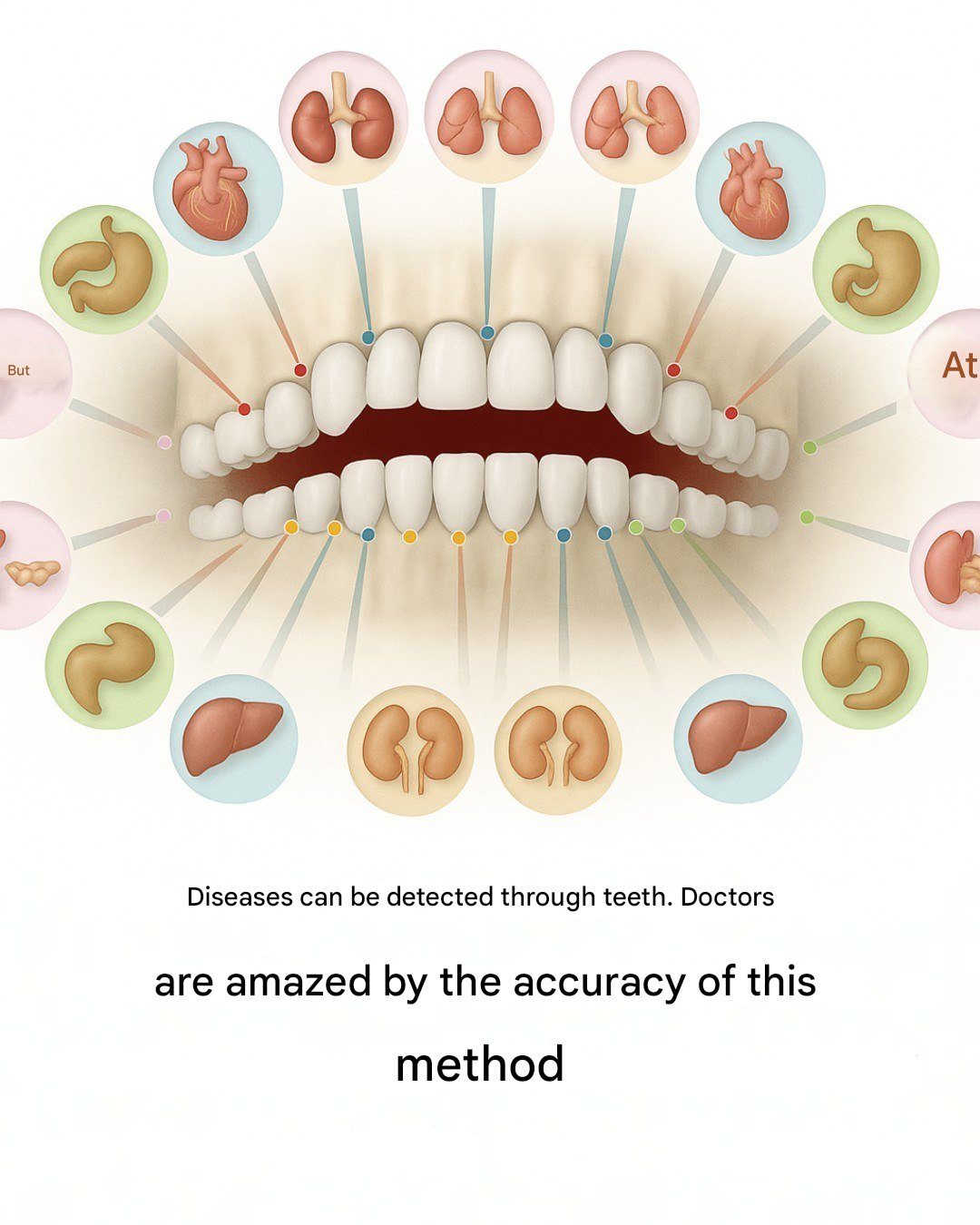
Many people are surprised to learn that oral health is deeply connected to overall wellness. While the idea that “each tooth is connected to a specific organ” is often associated with traditional healing systems, modern medicine strongly supports a broader truth: dental pain and gum disease can signal or even contribute to systemic health problems. Your mouth is not separate from your body — it is a gateway to it.
The Mouth–Body Connection
Your mouth contains millions of bacteria. Most are harmless, but poor oral hygiene allows harmful bacteria to multiply. When gums become inflamed (gingivitis) or infected (periodontitis), bacteria can enter the bloodstream and travel throughout the body. This can increase inflammation elsewhere and potentially worsen existing health conditions.
Dental pain is not just a localized issue. It may reflect infection, nerve damage, inflammation, or chronic gum disease — all of which can have effects beyond the teeth themselves.
Teeth and Organ Connections in Traditional Medicine
In systems like Traditional Chinese Medicine (TCM), teeth are believed to be energetically linked to different organs through meridians (energy pathways). For example:
-
Incisors are associated with kidneys and bladder
-
Canines are linked to the liver and gallbladder
-
Premolars relate to lungs and large intestine
-
Molars connect with stomach and spleen
While Western medicine does not confirm these direct one-to-one links, it does recognize strong associations between oral infections and systemic diseases. The concept may not be literal, but the mouth–body relationship is very real.
Dental Pain as a Warning Sign
Here are several ways dental problems may signal broader health concerns:
1. Gum Disease and Heart Health
Research has shown a connection between periodontal disease and cardiovascular conditions. Chronic gum inflammation may contribute to hardened arteries (atherosclerosis). People with severe gum disease may have a higher risk of heart attack or stroke.
If you experience bleeding gums, persistent bad breath, or loose teeth, it is important not to ignore these signs.
2. Diabetes and Oral Health
Diabetes and gum disease have a two-way relationship. High blood sugar can increase the risk of infections, including gum infections. At the same time, severe gum disease can make blood sugar levels harder to control.
Frequent gum infections, slow healing after dental procedures, or dry mouth may be early indicators that blood sugar control needs attention.
3. Tooth Infections and Systemic Inflammation
An untreated abscessed tooth can become serious. The infection can spread to surrounding tissues and, in rare cases, enter the bloodstream, leading to a life-threatening condition called sepsis.
Persistent tooth pain, swelling in the jaw, fever, or swollen lymph nodes require immediate medical attention.
4. Stress and Teeth Grinding
Chronic stress often leads to bruxism (teeth grinding), especially at night. This can cause jaw pain, headaches, cracked teeth, and gum recession. Stress itself also impacts immune function and increases inflammation in the body.
Jaw tension and unexplained dental wear may indicate emotional strain that needs addressing.
5. Acid Reflux and Tooth Enamel Damage
Frequent enamel erosion on the back of teeth may signal acid reflux (GERD). Stomach acid repeatedly entering the mouth can weaken enamel and increase tooth sensitivity.
If you notice tooth sensitivity along with heartburn or chronic throat irritation, it may be wise to discuss digestive health with a healthcare professional.
Why Inflammation Is the Key Factor
The common thread connecting oral disease and systemic illness is inflammation. Chronic inflammation is linked to:
-
Heart disease
-
Diabetes
-
Arthritis
-
Respiratory disease
-
Certain autoimmune conditions
Inflamed gums create a constant inflammatory burden on the body. Over time, this may contribute to broader health challenges.
Preventive Steps for Whole-Body Health
Protecting your teeth supports your overall wellness. Here are essential steps:
1. Maintain Excellent Oral Hygiene
-
Brush twice daily with fluoride toothpaste
-
Floss daily to remove plaque between teeth
-
Use an antibacterial mouthwash if recommended
2. Schedule Regular Dental Checkups
Professional cleanings remove tartar that brushing alone cannot. Dentists can also detect early warning signs of infection or disease.
3. Eat an Anti-Inflammatory Diet
A diet rich in vegetables, fruits, healthy fats, and lean proteins helps reduce inflammation. Limit sugar and processed foods, which feed harmful oral bacteria.
4. Stay Hydrated
Saliva protects teeth by washing away food particles and neutralizing acids. Drink plenty of water throughout the day.
5. Manage Chronic Conditions
If you have diabetes, heart disease, or autoimmune conditions, maintaining medical treatment and monitoring will also protect your oral health.
When to See a Professional
Seek dental evaluation if you experience:
-
Persistent tooth pain
-
Bleeding or swollen gums
-
Loose teeth
-
Chronic bad breath
-
Jaw pain
-
Mouth sores that do not heal
Early intervention prevents small issues from becoming serious health threats.
The Bottom Line
While the idea that each tooth is directly linked to a specific organ is not scientifically proven in a strict anatomical sense, the broader principle is true: your oral health reflects and influences your overall health. Dental pain should never be ignored. It can be a sign of infection, inflammation, or systemic imbalance.
Your mouth is a mirror of your body. Caring for your teeth and gums is not just about having a bright smile — it is a critical part of protecting your heart, blood sugar levels, immune system, and long-term well-being.
If you treat dental symptoms early and maintain strong oral hygiene habits, you reduce the risk of future
