Amazing Health Benefits of Chicken Feet You Should Know

Chicken feet might not be the most glamorous item at the butcher’s counter, but don’t let their appearance fool you. Across Asia, Africa, the Caribbean, and parts of Latin America, chicken feet have been treasured for generations—not just for flavor, but for their impressive nutritional value. What many people are only now discovering is that this humble ingredient is a natural powerhouse for joint health, skin support, gut comfort, and overall wellness. Let’s take a closer look at why chicken feet deserve a spot in your kitchen and how they can quietly support your health from the inside out.

A Natural Collagen Goldmine

One of the biggest reasons chicken feet are gaining attention is their extremely high collagen content. Collagen is the most abundant protein in the human body and plays a key role in keeping skin firm, joints flexible, and connective tissues strong. Chicken feet are made mostly of skin, tendons, cartilage, and connective tissue—exactly the parts richest in collagen.

When simmered slowly, chicken feet release collagen into the broth, which turns into gelatin once cooled. This gelatin is easily absorbed by the body and provides the amino acids needed to support skin elasticity, reduce the appearance of fine lines, and promote healthier hair and nails over time.

Joint and Bone Support

Because they are rich in collagen, glucosamine, and chondroitin, chicken feet are especially valued for joint comfort and mobility. These compounds are commonly found in joint-support supplements, but chicken feet offer them in a whole-food, traditional form.

Regularly consuming chicken feet broth may help support cartilage health, improve joint flexibility, and reduce stiffness associated with aging or physical strain. The minerals released during cooking—such as calcium, magnesium, and phosphorus—also contribute to maintaining strong bones and teeth.

Supports Gut and Digestive Health

The gelatin derived from chicken feet plays a soothing role in digestion. It helps support the lining of the gut by reinforcing the intestinal barrier, which is important for proper nutrient absorption and digestive comfort.

Traditional cultures often use gelatin-rich broths during times of illness or digestive upset because they are gentle, nourishing, and easy to digest. For people who experience bloating or sensitivity after meals, incorporating collagen-rich foods like chicken feet broth can be a comforting addition to the diet.

Boosts Immune Function

Chicken feet broth contains amino acids such as glycine, proline, and arginine, which are involved in immune system function and tissue repair. Glycine, in particular, has been studied for its calming and anti-inflammatory properties, which may help the body better respond to stress and support overall immune balance.

Warm, slow-simmered broths made from chicken feet are often used during colder months or recovery periods because they provide hydration, minerals, and immune-supporting nutrients all in one cup.

Skin, Hair, and Nail Benefits

If glowing skin and stronger nails are on your wish list, chicken feet may be an unexpected ally. Collagen helps maintain skin structure and elasticity, while the amino acids in gelatin support keratin production—the protein that makes up hair and nails.

Over time, including collagen-rich foods in your meals may help improve skin texture, support moisture retention, and reduce brittleness in nails and hair. Unlike many beauty supplements, chicken feet provide these nutrients in their natural food form, along with supporting minerals.

Heart and Circulation Support

Chicken feet contain healthy fats and amino acids that may help support normal circulation and cardiovascular balance. Gelatin has been associated with helping maintain healthy blood vessel structure, while glycine may support normal blood pressure regulation as part of a balanced diet.

When prepared without excessive salt or processed additives, chicken feet dishes can be a heart-friendly option that complements other whole foods like vegetables, herbs, and spices.

Budget-Friendly and Sustainable Nutrition

One often-overlooked benefit of chicken feet is how affordable and sustainable they are. They are usually inexpensive and make use of a part of the animal that might otherwise be discarded. This aligns with traditional “nose-to-tail” eating, which emphasizes respect for food resources while maximizing nutritional value.

A small amount of chicken feet can produce a rich, flavorful broth that stretches across several meals, making it both economical and nourishing for families.

How to Enjoy Chicken Feet

Chicken feet are most commonly enjoyed in slow-simmered broths, soups, and stews. Long cooking times help extract collagen, minerals, and flavor. In many cuisines, they are also braised, spiced, or added to herbal soups for extra depth and nourishment.

For beginners, starting with chicken feet broth is often the easiest and most approachable way to enjoy their benefits. The resulting broth is mild, comforting, and versatile—perfect as a base for soups or simply sipped on its own.

Final Thoughts

Chicken feet may not be trendy, but they are deeply nourishing, time-tested, and surprisingly powerful. From supporting joints and digestion to promoting healthy skin and immune balance, this traditional food offers benefits that modern nutrition is only beginning to fully appreciate. If you’re looking for a natural, affordable way to add collagen and minerals to your diet, chicken feet might just be the hidden gem you’ve been overlooking.


10 Benefits of Consuming 3 Dates Every Day

Dates may look small and simple, but don’t let that fool you. For centuries, this naturally sweet fruit has been treasured across cultures for its nourishment, energy, and healing reputation. Eating just three dates a day can gently support your body in ways that feel subtle at first—and then surprisingly powerful over time. Let’s break down 10 science-backed, practical benefits of making this sweet habit part of your daily routine.

1. Natural Energy Without the Crash

Dates are rich in natural sugars like glucose, fructose, and sucrose. Unlike refined sugar, these come bundled with fiber and minerals, which means steady energy instead of a spike-and-crash. Three dates in the morning or mid-afternoon can fight fatigue and keep you alert without caffeine jitters.

2. Supports Healthy Digestion

Each date contains a generous amount of dietary fiber. Eating three dates daily helps keep digestion regular, supports gut bacteria, and may ease occasional constipation. Fiber also slows digestion, helping you feel full longer and supporting overall gut comfort.

3. Gentle Support for Heart Health

Dates contain potassium and magnesium—two minerals closely linked to heart function. Potassium helps regulate blood pressure, while magnesium supports healthy blood vessels. Regular consumption of dates may help maintain balanced blood pressure levels when paired with a healthy diet.

4. A Natural Boost for Brain Function

Dates contain antioxidants and vitamin B6, which play a role in brain health and neurotransmitter function. Some research suggests dates may help support memory, focus, and mental clarity, especially when consumed consistently.

5. Helps Curb Sugar Cravings

Craving something sweet? Three dates can satisfy that urge without reaching for processed desserts. Their natural sweetness and chewy texture help reduce reliance on refined sugar, making it easier to maintain balanced eating habits.

6. Supports Bone Strength

Dates provide minerals like calcium, phosphorus, and magnesium, which are essential for bone health. While they aren’t a replacement for dairy or other calcium-rich foods, eating dates regularly can contribute to long-term bone strength, especially as part of a varied diet.

7. Aids Healthy Weight Management

Although dates are calorie-dense, three dates are a controlled portion. Their fiber helps you feel satisfied, which can reduce overeating and snacking later in the day. When eaten mindfully, dates can actually support—not sabotage—weight goals.

8. Natural Anti-Inflammatory Properties

Dates are rich in antioxidants like flavonoids, carotenoids, and phenolic acid. These compounds help the body fight oxidative stress and low-grade inflammation, which are linked to many chronic conditions.

9. Supports Iron Intake

Dates contain plant-based iron, which supports oxygen transport in the blood. While not a cure for anemia, eating three dates daily can contribute modestly to iron intake, especially when paired with vitamin C-rich foods.

10. Gentle Support for Skin and Hair

The vitamins and antioxidants in dates support cell repair and hydration from within. Regular consumption may help promote healthier-looking skin and stronger hair, thanks to improved nutrient delivery and reduced oxidative stress.

How to Eat 3 Dates a Day (Simple Ideas)

  • Eat them plain in the morning with warm water

  • Pair with nuts for a balanced snack

  • Chop into oatmeal or yogurt

  • Blend into smoothies for natural sweetness

Consistency matters more than timing—choose what fits your routine.

A Small but Important Note

Dates are natural but still high in sugar. If you have diabetes or need to closely monitor blood sugar, enjoy dates in moderation and with meals, not on an empty stomach. As always, listen to your body.

The Bottom Line

Three dates a day won’t magically transform your health overnight—but over time, this small habit can quietly support energy, digestion, heart health, and overall well-being. Sometimes, the most powerful changes come from the simplest traditions. 🌴✨

Lemon Carrot Drink for Weight Loss

Sometimes weight loss doesn’t start with extreme diets or exhausting workouts. Sometimes it starts quietly—first thing in the morning—when your body is most receptive to gentle support. That’s where the lemon carrot drink comes in. This bright, refreshing blend has become a favorite among people looking for a natural, sustainable way to support digestion, hydration, and mindful weight management.

This isn’t a miracle potion. It won’t melt fat overnight. What it can do is help create the right conditions for your body to function better—less bloating, improved digestion, steadier energy, and fewer cravings. And when those things improve, weight loss often follows naturally.

Why Lemon and Carrot Work So Well Together

At first glance, lemon and carrot may seem like an odd pairing. But nutritionally, they complement each other beautifully.

Carrots are naturally low in calories and high in fiber, especially soluble fiber that supports digestion and helps you feel fuller for longer. They also contain beta-carotene, which the body converts into vitamin A—important for metabolism, skin health, and immune function. The natural sweetness of carrots can also help curb sugar cravings early in the day.

Lemons, on the other hand, are known for their refreshing acidity and vitamin C content. Lemon juice stimulates digestive juices, supports hydration, and adds flavor without adding calories. Many people find that lemon water helps reduce bloating and encourages them to drink more fluids throughout the day—an underrated factor in weight management.

Together, carrot and lemon create a drink that’s light, energizing, and surprisingly satisfying.

How This Drink Supports Weight Loss (Without Extreme Claims)

The lemon carrot drink supports weight loss in indirect but meaningful ways:

  • Promotes hydration, which helps regulate appetite and digestion

  • Supports regular bowel movements, reducing bloating and water retention

  • Provides fiber, helping you feel full and satisfied

  • Replaces sugary drinks, lowering unnecessary calorie intake

  • Encourages mindful routines, especially when consumed in the morning

Weight loss isn’t just about calories—it’s about habits. This drink works best when it becomes part of a consistent routine.

Lemon Carrot Drink Recipe (UNIE Style)

Ingredients:

  • 2 medium fresh carrots

  • Juice of ½ to 1 fresh lemon (to taste)

  • 1 cup warm water (not boiling)

  • Optional additions:

    • ½ teaspoon grated ginger

    • A pinch of turmeric

    • A few mint leaves

Instructions:

  1. Wash and peel the carrots thoroughly.

  2. Grate them finely or chop them into small pieces.

  3. Place the carrots in a blender with 1 cup of warm water. Blend until smooth.

  4. Strain the mixture using a fine sieve or cheesecloth, pressing gently to extract the juice. (You may also drink it unstrained if you prefer more fiber.)

  5. Add fresh lemon juice and stir well.

  6. Add optional ginger, turmeric, or mint if desired.

  7. Drink immediately for maximum freshness.

When and How to Drink It

For best results, drink this first thing in the morning on an empty stomach. This allows your digestive system to absorb the nutrients efficiently and sets a clean tone for the rest of the day.

If mornings don’t work for you, it can also be enjoyed:

  • 20–30 minutes before a meal

  • As a mid-morning refresher instead of coffee

  • In the afternoon when cravings hit

Avoid drinking it late at night, as the acidity from lemon may be uncomfortable for some people before bed.

Tips to Make It Work Better

  • Use fresh carrots, not bottled carrot juice

  • Always squeeze fresh lemon, never bottled juice

  • Start with half a lemon if you have a sensitive stomach

  • Drink slowly—don’t rush it

  • Pair the drink with a balanced diet, not restrictive eating

Consistency matters more than quantity. One glass a day is enough.

What Results to Expect (Realistically)

In the first few days, many people notice:

  • Reduced bloating

  • Better digestion

  • Lighter feeling in the stomach

Over a few weeks, when paired with healthy meals:

  • Improved appetite control

  • Fewer sugar cravings

  • Gradual, steady weight changes

This drink supports your body—it doesn’t fight it. And that’s why people stick with it.

Who Should Be Careful

  • If you have acid reflux, use less lemon

  • If you’re diabetic, monitor how your body responds to carrots

  • If you’re pregnant or on medication, consult a healthcare professional

Natural doesn’t mean one-size-fits-all.

Final Thoughts

The lemon carrot drink isn’t about chasing quick fixes. It’s about starting your day with intention—hydrating your body, supporting digestion, and choosing nourishment over restriction. Over time, these small choices stack up.

Why this “simple recipe” is misleading (and risky)

Every few weeks, a new “simple recipe” explodes across social media. It promises fast results with almost no effort: cleanse your body, melt fat, cure inflammation, detox your organs, balance hormones, or “reset” your system in days. The ingredients are always familiar—things you already have in your kitchen—which makes the claim feel even more trustworthy. If it’s natural and simple, how bad could it be?

The problem is that these recipes are rarely as harmless as they sound.

At first glance, the appeal is obvious. The recipe is framed as something ancient, forgotten, or “doctors don’t want you to know.” It’s often tied to a personal story—a grandmother’s secret, a village tradition, or a miraculous discovery that supposedly works better than modern medicine. That emotional hook lowers our skepticism. We want it to be true, especially when it promises control over our health without doctors, prescriptions, or expense.

But this is exactly where the misleading part begins.

Oversimplifying the Body

Most of these recipes are built on a false assumption: that the human body works like a clogged pipe or a dirty filter that can be “cleaned” with one drink, one spice, or one routine. In reality, your body already has highly sophisticated systems for detoxification—mainly the liver, kidneys, lungs, and digestive tract. These systems don’t need a magic recipe to suddenly switch on.

When a recipe claims it can “cleanse your entire colon in 10 minutes” or “flush toxins overnight,” it’s ignoring basic physiology. Digestion, absorption, and elimination don’t work on a stopwatch. Claims like these are not just exaggerated—they’re biologically implausible.

Natural Doesn’t Mean Safe

Another misleading aspect is the assumption that natural ingredients are automatically safe in any amount or combination. Garlic, cloves, lemon, baking soda, apple cider vinegar, herbs, and oils are often treated like harmless superfoods. But dose matters. Frequency matters. Interactions matter.

For example, consuming acidic mixtures daily can damage tooth enamel, irritate the stomach lining, and worsen acid reflux. Large amounts of certain spices can thin the blood, interfere with medications, or cause digestive distress. Some “detox” drinks act as laxatives or diuretics, which can lead to dehydration and electrolyte imbalance—especially in older adults or people with underlying conditions.

When a recipe skips these warnings, it isn’t being empowering. It’s being reckless.

The Problem with One-Size-Fits-All Advice

These recipes are usually presented as universal solutions. No mention of age, medical history, pregnancy, medications, or chronic illness. But the same mixture can affect two people very differently. What feels “energizing” to one person may cause dizziness, palpitations, or stomach pain in another.

That’s why responsible health advice always includes context and limitations. Viral recipes rarely do. They rely on absolutes: anyone can do this, it works for everyone, there are no side effects. Those statements are red flags.

Anecdotes Masquerading as Evidence

Another misleading tactic is the heavy reliance on testimonials. “Thousands swear by this.” “People are shocked by the results.” These stories feel convincing, but they aren’t evidence. Placebo effects, short-term changes, coincidence, and confirmation bias all play a role.

If someone drinks a strong concoction that causes bowel movement, they may interpret that as “detoxing,” even if it’s just irritation. If they feel lighter after a restrictive routine, they may assume fat loss, when it’s actually water loss. Without proper context, these experiences are easy to misinterpret.

The Hidden Risk: Delaying Real Care

Perhaps the most serious risk isn’t the recipe itself, but what it replaces. When people believe a simple drink can solve fatigue, pain, digestive issues, or inflammation, they may delay seeking medical advice for conditions that need proper diagnosis. Symptoms get masked, not treated.

This doesn’t mean every home remedy is bad. Many traditional practices are gentle and supportive when used appropriately. But turning them into miracle cures crosses a dangerous line.

What to Look for Instead

  • A trustworthy recipe or wellness tip is transparent about limitations. It doesn’t promise instant or extreme results. It explains who should avoid it. It supports the body rather than claiming to override it. Most importantly, it encourages balance, not dependency.

You Have to Read This Before Eating Figs. You’ll Be Surprised.

Figs look innocent enough—soft, sweet, and ancient, the kind of fruit that feels like it’s been around forever because, well… it has. They show up in holy texts, old folk remedies, and modern health food blogs alike. But before you casually pop a fig into your mouth or toss them into your breakfast bowl, there are a few things you really should know. Some are fascinating, some are surprising, and a few might actually change how (and how much) you eat them.

First: What a Fig Actually Is (This Shocks People)

Here’s the first surprise: a fig isn’t technically a fruit in the usual sense. It’s an inverted flower. The flowers bloom inside the fig, not outside like apples or oranges. That’s why figs have that unique texture with tiny crunchy bits inside—those are seeds from the internal flowers.

This also explains why figs don’t rely on bees the way other fruits do. Some wild figs depend on fig wasps for pollination (yes, really), though most commercially sold figs are self-pollinating and contain no insects. Still, knowing this gives figs a whole new level of “nature is wild” energy.

Fresh vs. Dried Figs: Not the Same Thing

Most people assume dried figs are just fresh figs with the water removed. Nutritionally, though, they behave very differently.

  • Fresh figs are relatively low in calories and sugar

  • Dried figs are concentrated—much higher in natural sugar and calories

That means a small handful of dried figs can spike blood sugar quickly, especially if eaten alone. If you’re watching your blood sugar, portion size matters more than you think.

Surprise takeaway: Three dried figs ≠ three fresh figs.

The Digestive Power Is Real (But There’s a Catch)

Figs are famous for supporting digestion—and for good reason. They’re rich in dietary fiber, especially soluble fiber, which helps:

  • Support regular bowel movements

  • Feed beneficial gut bacteria

  • Reduce bloating over time

But here’s what many people don’t expect: too many figs can do the opposite.

Eating large amounts—especially dried figs—can cause:

  • Gas

  • Cramping

  • Loose stools

This is why figs have traditionally been used as a gentle natural laxative. Gentle doesn’t mean unlimited.

Figs and Latex Sensitivity: A Hidden Connection

This one surprises almost everyone.

If you have a latex allergy, you might also react to figs. Figs contain compounds similar to latex proteins, which can cause itching in the mouth, throat irritation, or digestive discomfort in sensitive individuals.

This doesn’t happen to everyone—but if you’ve ever felt a strange tingling after eating figs, this could be why.

That White Film on Figs Isn’t Mold

Ever seen a white, powdery coating on dried figs and thought, “Is this spoiled?” Good news: it’s not mold.

That white layer is crystallized natural sugar migrating to the surface. It’s a sign of ripeness and natural sweetness, not decay. Mold, on the other hand, looks fuzzy or smells sour—very different.

So yes, your figs are probably safe.

Figs Are Sweet—but They’re Not “Just Sugar”

Despite their sweetness, figs offer more than dessert vibes. They contain:

  • Potassium for muscle and nerve function

  • Magnesium for relaxation and energy

  • Calcium for bone support

  • Polyphenols and antioxidants that help protect cells

That said, figs are best treated as a functional food, not an unlimited snack. Think intentional, not mindless.

The Best Time to Eat Figs (Most People Get This Wrong)

Many people eat figs late at night as a sweet treat. That’s not ideal.

Because figs are high in natural sugars:

  • Eating them on an empty stomach in the morning can be energizing

  • Pairing them with protein or healthy fat (like nuts or yogurt) helps slow sugar absorption

Eating large amounts right before bed may disrupt sleep for some people.

How to Eat Figs the Smart Way

Here’s a simple, balanced approach:

  • 1–2 fresh figs as part of breakfast

  • OR 1–2 dried figs paired with nuts

  • Drink water—fiber works best when hydrated

  • Avoid eating them in large quantities daily

Moderation turns figs into a gift. Excess turns them into a problem.

The Real Surprise About Figs

The biggest surprise isn’t what figs do—it’s how powerful something so small can be when misunderstood.

Figs aren’t magic.
They aren’t dangerous.
They aren’t “just fruit.”

They’re ancient, complex, nutrient-dense foods that reward respect and moderation.

Drink One Glass and Cleanse Your Entire Colon in 10 Minutes — The Morning Ritual That Changes Everything

For centuries, traditional cultures have believed that how you start your morning determines how your body functions all day. Before supplements, pills, or expensive detox programs, people relied on simple drinks made from ingredients already sitting in their kitchens to gently wake up digestion.

Today, a renewed interest in gut health has brought attention back to one powerful morning ritual: a single glass of a warm, natural drink designed to stimulate the colon and encourage regular bowel movement.

While no drink can literally “cleanse your entire colon in 10 minutes,” this ritual can help activate digestion, soften stool, reduce bloating, and support natural elimination—often quickly.

Let’s explore how it works and how to make it.

Why the Colon Needs Morning Support

Your colon plays a crucial role in:

  • Absorbing water and minerals

  • Moving waste out of the body

  • Supporting immune and gut bacteria balance

Over time, modern diets—low in fiber and high in processed foods—can slow this process. This may lead to:

  • Constipation

  • Bloating

  • A heavy or sluggish feeling in the morning

  • Irregular digestion

The goal of this morning drink is not harsh flushing, but gentle stimulation—helping your body do what it’s already designed to do.

The Morning Colon-Support Drink (UNIE Recipe)

Ingredients (1 glass):

  • 1 cup warm water (not boiling)

  • 1 tablespoon fresh lemon juice

  • 1 teaspoon raw honey (optional)

  • ½ teaspoon ground ginger or ¼ teaspoon ginger powder

  • A pinch of Himalayan or sea salt

How to Prepare It

  1. Warm the water until comfortably hot—not boiling.

  2. Stir in lemon juice, ginger, and salt.

  3. Add honey if desired.

  4. Drink slowly on an empty stomach, first thing in the morning.

What Happens After You Drink It

Within 10–30 minutes, many people report:

  • A gentle urge to use the bathroom

  • Reduced morning bloating

  • A lighter, more awake feeling

This happens because the drink works on multiple digestive pathways at once:

1. Warm Water Signals the Gut

Warm liquids stimulate the gastrocolic reflex—a natural response that tells your colon it’s time to move.

2. Lemon Supports Digestive Secretions

Lemon juice encourages bile production, which helps break down food and lubricates the digestive tract.

3. Ginger Activates Gut Motility

Ginger has been traditionally used to:

  • Reduce gas

  • Improve stomach emptying

  • Encourage smooth muscle movement in the intestines

4. Salt Helps Hydration Balance

A pinch of natural salt supports electrolyte balance and helps the body absorb water efficiently, softening stool.

Why This Ritual Feels So Effective

People often mistake gentle elimination for a “deep cleanse.” What’s actually happening is:

  • Improved hydration of the colon

  • Faster transit of waste already present

  • Reduced intestinal spasms and gas

This is why the effects can feel fast—sometimes within minutes.

How Often Should You Use It?

  • 2–4 times per week is ideal for most people

  • Daily use is generally safe for healthy adults, but moderation matters

  • Always listen to your body

If you experience cramping or diarrhea, reduce ginger or lemon.

Who Should Avoid This Drink

Do not use this ritual regularly if you:

  • Have active ulcers or severe acid reflux

  • Have kidney issues requiring low potassium or sodium intake

  • Are advised by a doctor to avoid acidic drinks

Pregnant individuals should consult a healthcare professional first.

Simple Habits That Make It Even More Effective

To support this morning ritual:

  • Eat fiber-rich foods (vegetables, oats, chia seeds)

  • Drink enough water throughout the day

  • Move your body lightly in the morning (even a short walk helps)

  • Avoid relying on laxatives for regular digestion

The Real Secret Behind “Colon Cleanses”

Your body doesn’t need extreme detoxes. It needs:

  • Hydration

  • Gentle stimulation

  • Consistent habits

This one-glass morning ritual works because it respects your body’s natural rhythm, not because it forces anything.

When practiced consistently, many people notice:

  • More regular bowel movements

  • Less bloating

  • Improved energy

  • A calmer, happier gut

And sometimes, the simplest rituals truly do change everything.

Garlic Honey: The “Sacred Remedy”

For centuries, across cultures and kitchens, two humble ingredients have been revered almost like treasures: garlic and raw honey. Separately, they’ve earned their place in folklore and family medicine cabinets. Together, they form what many lovingly call a “sacred remedy”—a simple infusion passed down through generations, whispered about by grandparents, and rediscovered by modern wellness lovers.

Garlic honey isn’t a miracle cure, but it is a beautifully old-fashioned way to support the body using real food. This unie recipe is about patience, intention, and honoring traditions that believed healing began in the kitchen.

Why Garlic and Honey Are So Revered

Garlic: The Ancient Protector

Garlic has been used for thousands of years in cultures from Egypt to China. Traditionally, it was valued for:

  • Supporting immune defenses

  • Encouraging healthy circulation

  • Aiding digestion

  • Its natural sulfur compounds, which give garlic its unmistakable bite

When garlic is crushed or chopped, it releases allicin, a compound long associated with garlic’s traditional benefits.

Raw Honey: Nature’s Golden Preserver

Raw honey has its own sacred reputation. In ancient times, it was used not only as food, but as an offering and a preservative. Traditionally, honey was prized for:

  • Its soothing effect on the throat

  • Natural antimicrobial properties

  • Acting as a carrier that gently extracts compounds from herbs and roots

When combined, honey mellows garlic’s sharpness while slowly drawing out its essence.

Garlic Honey: A Remedy of Patience

Unlike quick-fix trends, garlic honey teaches something rare today: waiting. This remedy improves with time. Over days and weeks, the honey becomes thinner, darker, and infused with garlic’s potency. The garlic cloves soften, becoming sweet, mellow, and surprisingly delicious.

This is why many cultures considered it sacred—not just for what it contains, but for the ritual of making it.

The Sacred Garlic Honey Unie Recipe

Ingredients

  • 1 cup raw, unfiltered honey

  • 1 cup fresh garlic cloves (about 2–3 bulbs)

  • 1 clean glass jar with a loose-fitting lid

That’s it. No additives. No heat. Just time.

Instructions

  1. Peel the garlic cloves
    Gently crush each clove with the side of a knife or lightly bruise it. This activates the garlic’s natural compounds.

  2. Fill the jar
    Place the garlic cloves into the glass jar, filling it about halfway to two-thirds full.

  3. Add the honey
    Slowly pour raw honey over the garlic until all cloves are fully submerged. Tap the jar gently to release air bubbles.

  4. Seal loosely
    Screw the lid on loosely, or “burp” the jar daily. This allows gases from natural fermentation to escape.

  5. Let it rest
    Store the jar at room temperature, away from direct sunlight, for at least 7 days. Many prefer 3–4 weeks for deeper infusion.

  6. Stir or flip daily
    Once a day, gently turn the jar upside down and back to keep garlic evenly coated.

What Happens During Infusion

Over time, you’ll notice:

  • The honey becomes thinner

  • Garlic cloves darken and soften

  • The aroma becomes sweet and earthy

  • The flavor shifts from sharp to rich and complex

This transformation is natural and expected.

Traditional Ways to Use Garlic Honey

People have traditionally used garlic honey in simple, mindful ways:

  • Daily ritual: 1 teaspoon of honey with 1 garlic clove

  • Seasonal support: Especially during colder months

  • Kitchen remedy: Stirred into warm (not hot) water or herbal tea

  • Flavor booster: Drizzled over roasted vegetables, bread, or marinades

The softened garlic cloves are edible and surprisingly mild.

Storage and Shelf Life

  • Store at room temperature or in the refrigerator

  • Properly submerged garlic can last several months

  • If you notice mold or an off smell, discard and start fresh

Always use a clean spoon to avoid contamination.

A Gentle Note on Wellness

Garlic honey is a traditional food remedy, not a medical treatment. It doesn’t replace professional care or prescribed medication. Those with allergies to honey, garlic, or with specific medical conditions should consult a healthcare professional before use.

Think of this remedy as supportive nourishment, not a cure.

Why It’s Called “Sacred”

What makes garlic honey sacred isn’t mystery or magic—it’s simplicity. Two ingredients. No machines. No rush. Just trust in time and tradition.

In a world chasing instant results, this remedy invites you to slow down, reconnect with ancestral wisdom, and remember that sometimes the most powerful things are already in your kitchen.

Quick & Easy Stuffed Pepper Soup

If you love classic stuffed peppers but don’t love the time it takes to prep, bake, and clean up afterward, this soup is your new best friend. Stuffed Pepper Soup delivers everything you crave—savory beef, tender peppers, tomato-rich broth, and perfectly cooked rice—in one warm, spoonable bowl. It’s hearty without being heavy, budget-friendly, and ideal for busy weeknights, meal prep, or chilly evenings when you just want something that feels like home.

This unie recipe is designed to be flexible. You can swap proteins, adjust spice levels, or make it low-carb or vegetarian with ease. Best of all? It’s ready in about 30 minutes.

Why You’ll Love This Soup

  • Fast & easy: One pot, minimal prep

  • Comfort food vibes: All the flavors of stuffed peppers without the work

  • Family-friendly: Mild, savory, and filling

  • Great for leftovers: Tastes even better the next day

  • Customizable: Make it spicy, cheesy, low-carb, or veggie-packed

Ingredients (Serves 4–6)

  • 1 lb (450 g) ground beef

  • 1 tablespoon olive oil (optional, if beef is lean)

  • 1 medium onion, diced

  • 3 cloves garlic, minced

  • 2 large bell peppers, chopped (red and green work great)

  • 1 teaspoon salt (adjust to taste)

  • ½ teaspoon black pepper

  • 1 teaspoon paprika

  • 1 teaspoon Italian seasoning

  • ½ teaspoon dried oregano

  • ¼ teaspoon red pepper flakes (optional)

  • 1 (14.5 oz / 400 g) can diced tomatoes

  • 1 (8 oz / 225 g) can tomato sauce

  • 4 cups beef broth (or chicken/vegetable broth)

  • ½ cup uncooked white rice

  • Optional garnish: chopped parsley, shredded cheese, sour cream

Step-by-Step Instructions

1. Brown the beef

Heat a large pot or Dutch oven over medium heat. Add the ground beef and cook until browned, breaking it up with a spoon. If there’s excess grease, drain it. If your beef is very lean, add a little olive oil to prevent sticking.

2. Add aromatics

Stir in the diced onion and cook for 3–4 minutes until softened. Add the garlic and cook for another 30 seconds, just until fragrant.

3. Build the flavor

Add the chopped bell peppers, salt, black pepper, paprika, Italian seasoning, oregano, and red pepper flakes (if using). Stir well and let everything cook for 2–3 minutes so the spices bloom.

4. Add tomatoes and broth

Pour in the diced tomatoes (with their juices), tomato sauce, and beef broth. Stir to combine and bring the soup to a gentle boil.

5. Add rice and simmer

Stir in the uncooked rice. Reduce heat to low, cover, and simmer for 18–22 minutes, stirring occasionally, until the rice is tender and the soup has thickened slightly.

6. Taste and serve

Taste and adjust seasoning if needed. Ladle into bowls and garnish with fresh parsley, shredded cheese, or a dollop of sour cream.

Helpful Tips for Perfect Stuffed Pepper Soup

  • Rice choice matters: White rice cooks fastest. If using brown rice, expect a longer simmer and add extra broth.

  • Avoid mushy rice: Stir occasionally and don’t overcook once the rice is tender.

  • Thicker soup: Let it rest uncovered for 5 minutes before serving.

  • Soup too thick later? Add a splash of broth when reheating.

Easy Variations

  • Low-carb: Skip the rice and add cauliflower rice during the last 5 minutes

  • Turkey version: Use ground turkey or chicken instead of beef

  • Vegetarian: Replace meat with lentils or white beans and use veggie broth

  • Cheesy twist: Stir in a handful of shredded mozzarella or cheddar just before serving

  • Spicy kick: Add diced jalapeño or a dash of hot sauce

Storage & Reheating

  • Refrigerator: Store in an airtight container for up to 4 days

  • Freezer: Freeze for up to 3 months (rice may soften slightly)

  • Reheat: Warm on the stovetop or microwave, adding broth if needed

Final Thoughts

This Quick & Easy Stuffed Pepper Soup unie recipe proves that comfort food doesn’t have to be complicated. It’s rich, satisfying, and endlessly adaptable—perfect for weeknight dinners, cozy lunches, or feeding a hungry family with minimal effort. One pot, big flavor, zero stress.

My nana taught me this trick to get rid of a sore throat in 2 mins with almost 0 effort. Here’s how it works

Whenever a sore throat crept up on me as a kid, my nana never panicked. No rushing to the pharmacy, no complicated potions, no dramatic fuss. She’d smile, say, “Give me two minutes,” and head straight to the kitchen. Strangely enough, most of the time, I felt relief almost instantly. Years later, I finally understood why this simple trick works—and why people have been quietly using it for generations.

This isn’t a miracle cure or a medical treatment. It’s a gentle, time-tested comfort method that helps calm irritation, reduce scratchiness, and make swallowing feel easier almost right away. And the best part? It takes almost no effort at all.

The Simple Nana Trick

All you need is warm salt water.

That’s it. No fancy ingredients. No special equipment. Just something nearly every home already has.

How to Do It (The Nana Way)

  1. Heat one cup of water until it’s warm—not hot.

  2. Add ½ teaspoon of salt.

  3. Stir until completely dissolved.

  4. Take a sip, tilt your head back, and gently gargle for 20–30 seconds.

  5. Spit it out.

  6. Repeat 2–3 times.

The entire process takes about 2 minutes.

Why This Works So Fast

At first glance, warm salt water seems almost too simple to matter. But there’s real science behind why it brings such quick relief.

Salt is naturally cleansing. It helps draw excess fluid out of inflamed throat tissues through a process called osmosis. When swelling goes down—even slightly—the throat instantly feels less tight and painful.

Warm water relaxes the muscles. A sore throat often comes with tension and irritation. Warm liquid soothes the tissue, improves circulation, and creates a calming effect that you can feel right away.

Gargling flushes irritants. Dust, mucus, bacteria, and post-nasal drip can all sit in the back of the throat, making soreness worse. Gargling helps wash those irritants away, which is why relief often comes immediately after you’re done.

Doctors and nurses still recommend saltwater gargles today for mild throat discomfort, especially at the first sign of irritation.

Nana’s Secret Rule

My nana always insisted on one thing: don’t rush it.

She’d say, “Slow gargles work better than angry ones.” Gentle, steady gargling allows the saltwater to coat the throat properly, instead of splashing past it.

When You’ll Feel the Difference

Most people notice:

  • Less scratchiness

  • Easier swallowing

  • Reduced burning sensation

  • A calmer, less irritated throat

That’s where the “2-minute” magic comes in. It doesn’t cure infections, but it comforts the throat fast, which is exactly what you want when that dry, painful feeling shows up.

When This Trick Helps the Most

This remedy works best for:

  • Early sore throats

  • Throat irritation from talking too much

  • Dry air or dehydration

  • Post-nasal drip

  • Mild cold-related discomfort

If a sore throat is severe, lasts more than a few days, or comes with high fever or difficulty breathing, medical advice is always important.

Gentle Variations Nana Approved

Depending on what was in the cupboard, nana sometimes added small twists—but only when needed.

  • A pinch of baking soda (optional): Helps neutralize acids and reduce irritation.

  • Honey afterward: One teaspoon after gargling coats the throat and keeps it soothed longer.

  • Repeat before bed: Nighttime gargling helps prevent morning throat pain.

She never mixed everything at once. Simple was always better.

Why Nana Loved This Remedy

She believed the body heals best when you don’t overwhelm it. This trick:

  • Costs almost nothing

  • Has no side effects for most people

  • Can be repeated safely

  • Requires almost zero energy when you feel miserable

Most importantly, it gives immediate comfort, which matters when your throat hurts and you just want relief now—not later.

A Small Habit With Big Comfort

Even today, at the very first sign of throat irritation, I still hear nana’s voice in my head telling me to grab warm water and salt. And every time, I’m reminded that sometimes the simplest remedies stick around for a reason.

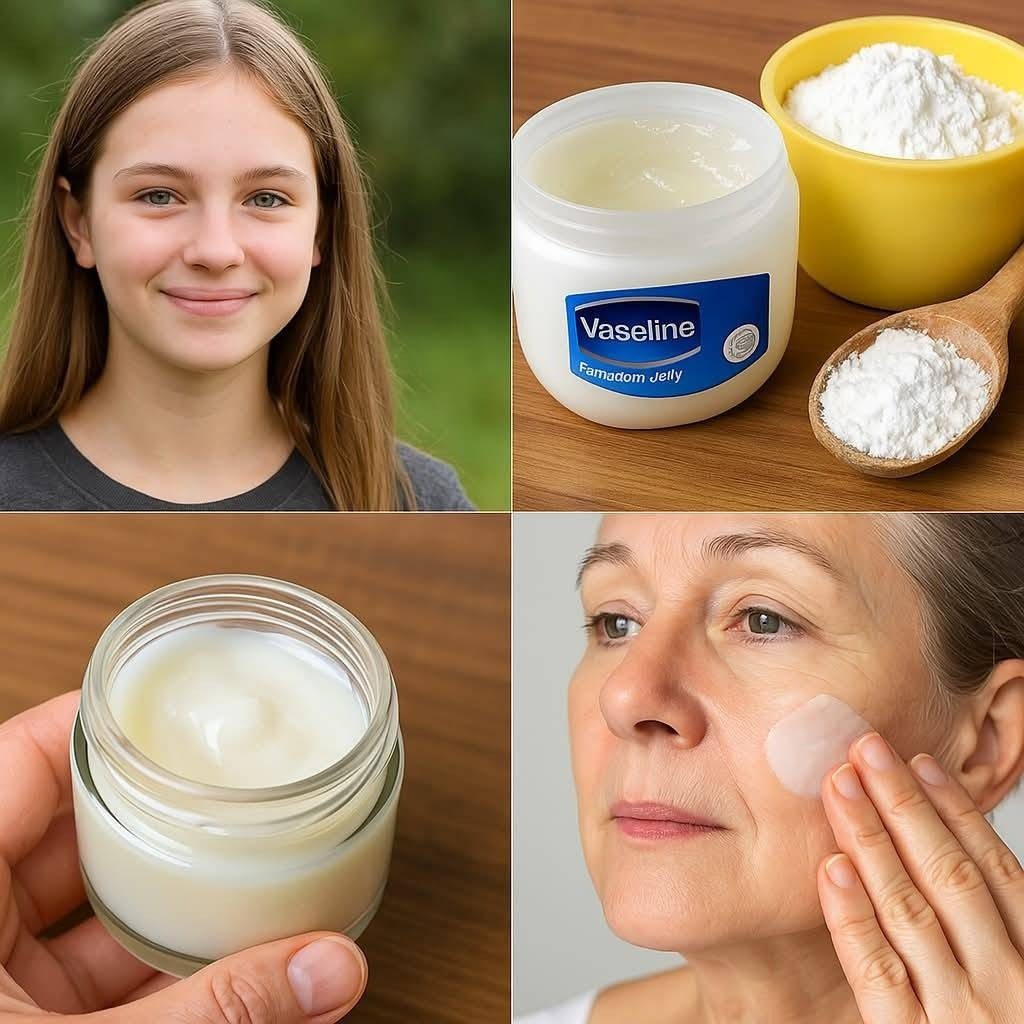
Vaseline and Cornstarch Make You a 16 Year Old Girl No Matter How Old You Are

Scroll long enough and you’ll see claims like this everywhere: “Mix Vaseline and cornstarch and your skin will look 16 again!” It sounds dramatic, almost magical. While no homemade remedy can literally turn back time, this simple combo can make skin look smoother, softer, and temporarily more youthful. The secret isn’t age reversal—it’s smart skincare illusion. Let’s break it down honestly, safely, and without the hype.

Why This Combo Went Viral

Vaseline (petroleum jelly) and cornstarch are both inexpensive, easy to find, and already sitting in many homes. When mixed together, they create a soft, matte cream that:

  • Smooths the appearance of fine lines

  • Softens dry, rough skin

  • Reduces shine for a more “filtered” look

  • Makes skin feel baby-soft to the touch

That instant improvement is what makes people say, “I look 16 again!” It’s not changing your age—it’s changing how your skin reflects light and holds moisture.

What Vaseline Actually Does for Skin

Vaseline is one of the most powerful occlusive moisturizers available. That means it doesn’t add moisture—but it locks in what’s already there.

Benefits of Vaseline:

  • Seals hydration into the skin

  • Smooths rough texture

  • Protects the skin barrier

  • Gives skin a plump, glossy look

When skin is well-hydrated, fine lines look softer and wrinkles appear less visible. That alone can take years off your appearance—especially overnight.

What Cornstarch Brings to the Mix

Cornstarch is the unsung hero here. It’s often used in cosmetics because it:

  • Absorbs excess oil

  • Reduces greasy shine

  • Gives skin a silky, powdery finish

  • Temporarily tightens the look of pores

On its own, Vaseline can look shiny or heavy. Cornstarch balances it out, creating a smooth, semi-matte texture that mimics the finish of expensive primers and blurring creams.

The “Youthful Skin” Effect Explained

This mixture works because it tackles the three biggest visual signs of aging:

  1. Dryness – dryness exaggerates wrinkles

  2. Uneven texture – rough skin looks older

  3. Excess shine or dullness – both highlight imperfections

By deeply moisturizing while controlling oil, the skin appears:

  • Plumper

  • Smoother

  • More even

  • Softer in tone

That’s why people are shocked when they look in the mirror afterward.

How to Make the Vaseline & Cornstarch Mix

Ingredients:

  • 1 teaspoon Vaseline

  • ½ teaspoon cornstarch

Instructions:

  1. Place Vaseline in a small bowl

  2. Add cornstarch gradually

  3. Mix until you get a smooth, creamy paste

You can adjust the cornstarch depending on your skin type:

  • Oily skin: add a little more cornstarch

  • Dry skin: use less cornstarch

How to Use It Safely

Option 1: Night Smoothing Mask

  • Apply a thin layer to clean skin

  • Focus on fine lines, under-eyes (very lightly), and smile lines

  • Leave on overnight

  • Rinse gently in the morning

Option 2: Instant Smoothing Cream

  • Apply a tiny amount to damp skin

  • Use as a makeup base or before an event

  • Let it settle for 5–10 minutes

Option 3: Hands, Neck & Décolletage

This combo works beautifully on areas that show age fastest.

What This Recipe Does Not Do

Let’s be clear and honest.

❌ It does not erase deep wrinkles permanently
❌ It does not change skin structure
❌ It does not replace sunscreen or medical skincare
❌ It does not stop aging

What it does do is give your skin a temporary youthful illusion—the same way primers, blurring creams, and filters do.

And honestly? That’s still powerful.

Why People Think It “Takes 10 Years Off”

Youthful skin isn’t wrinkle-free—it’s:

  • Hydrated

  • Smooth

  • Calm

  • Even in texture

This mixture nails all four. When your skin barrier is happy, your face naturally looks fresher, rested, and yes—younger.

Who Should Avoid This?

  • Acne-prone skin (Vaseline can clog pores)

  • Very sensitive skin (always patch test)

  • Hot, humid conditions (can feel heavy)

If you’re unsure, try it on your hands or neck first.

The Bottom Line

Vaseline and cornstarch won’t literally turn you into a 16-year-old—but they can make your skin look smoother, softer, and more youthful in minutes. It’s not magic. It’s moisture + balance.

Sometimes the most effective beauty tricks aren’t expensive serums or luxury creams—they’re simple, old-school solutions that work with how skin actually behaves.