Pour this 1 mixture over raw chicken breasts into a slow cooker for a weeknight dinner that hits different every single time

If you love easy comfort food like Slow Cooker Amish dishes and creamy casseroles, this slow cooker chicken recipe is about to become your new favorite. With just one rich, flavorful mixture poured over raw chicken breasts, you’ll create a tender, juicy, melt-in-your-mouth dinner that tastes like you spent hours in the kitchen — when in reality, the slow cooker does all the work.

This recipe is perfect for busy weeknights, meal prep Sundays, or when you simply want something warm, creamy, and satisfying without the stress. The magic lies in one creamy, savory mixture that transforms plain chicken into something unforgettable.

Let’s dive into this ultra-comforting slow cooker chicken recipe.

Why This Recipe “Hits Different”

What makes this dish so special?

  • The chicken cooks directly in the sauce, absorbing every bit of flavor.

  • It stays incredibly tender and juicy.

  • The creamy mixture thickens naturally as it cooks.

  • It pairs beautifully with rice, mashed potatoes, pasta, or even sandwich rolls.

  • Minimal prep, maximum flavor.

This is the kind of meal that makes people ask for seconds — and the recipe.

Ingredients

For the Chicken:

  • 4 large boneless, skinless chicken breasts

  • 1 teaspoon salt

  • ½ teaspoon black pepper

  • 1 teaspoon garlic powder

  • 1 teaspoon paprika

The Magic Creamy Mixture:

  • 1 (10.5 oz) can cream of chicken soup

  • 1 (10.5 oz) can cream of mushroom soup

  • 1 cup chicken broth

  • 1 packet ranch seasoning mix

  • 4 oz cream cheese, softened

  • 1 tablespoon minced garlic

  • ½ teaspoon dried thyme

  • ½ teaspoon onion powder

Optional Add-Ins:

  • ½ cup shredded cheddar cheese

  • ½ cup cooked, crumbled bacon

  • 1 cup sliced mushrooms

  • ½ cup diced onions

Step-by-Step Instructions

Step 1: Prepare the Chicken

Place the raw chicken breasts directly into the bottom of your slow cooker. Sprinkle evenly with salt, pepper, garlic powder, and paprika. No browning required — this recipe is designed for simplicity.

Step 2: Mix the Sauce

In a medium bowl, combine:

  • Cream of chicken soup

  • Cream of mushroom soup

  • Chicken broth

  • Ranch seasoning

  • Cream cheese

  • Minced garlic

  • Thyme

  • Onion powder

Whisk until smooth and creamy. It may look thick — that’s perfect. The slow cooker will melt and blend everything beautifully.

Step 3: Pour and Cook

Pour the mixture evenly over the chicken breasts, covering them completely.

Cover with the lid and cook:

  • LOW for 6–7 hours
    or

  • HIGH for 3–4 hours

The chicken is ready when it’s fork-tender and easily shreds.

Step 4: Shred or Serve Whole

Once fully cooked, you have two delicious options:

Option 1: Leave the chicken breasts whole and spoon the creamy sauce over the top.

Option 2: Shred the chicken directly in the slow cooker using two forks, then stir it back into the sauce for a creamy shredded chicken mixture.

If using optional cheese or bacon, stir it in during the last 20 minutes of cooking.

Serving Ideas

This creamy slow cooker chicken pairs beautifully with:

  • Fluffy white rice

  • Buttery mashed potatoes

  • Egg noodles

  • Toasted sandwich buns

  • Baked potatoes

  • Steamed vegetables

You can even use it as a filling for wraps, quesadillas, or stuffed baked potatoes.

Storage & Meal Prep

Refrigerator: Store in an airtight container for up to 4 days.

Freezer: Freeze in portions for up to 2 months. Thaw overnight in the refrigerator before reheating.

Reheat: Warm gently on the stovetop or microwave with a splash of chicken broth to loosen the sauce.

This recipe is fantastic for meal prep because the flavors deepen the next day.

Pro Tips for Extra Flavor

  • Add a splash of hot sauce for a mild kick.

  • Stir in fresh spinach during the last 30 minutes for color and nutrition.

  • Add diced potatoes or carrots at the bottom of the slow cooker for a full one-pot meal.

  • Use chicken thighs instead of breasts for even richer flavor.

Why It Works Every Time

The combination of creamy soups, ranch seasoning, and cream cheese creates a perfectly balanced sauce — savory, slightly tangy, and deeply comforting. The slow cooking process allows the chicken to gently absorb all the flavors while staying moist and tender.

It’s the kind of recipe that feels indulgent but requires almost no effort. Just dump, pour, cook, and enjoy.

Final Thoughts

Weeknight dinners don’t have to be boring or complicated. Sometimes all it takes is one powerful mixture poured over raw chicken breasts to create a meal that truly hits different every single time.

This creamy slow cooker chicken recipe is:

  • Easy

  • Family-friendly

  • Budget-conscious

  • Perfect for leftovers

  • Incredibly satisfying

Make it once, and it will quickly become part of your regular rotation.

Nighttime Snacks That May Help Activate Your Circulation

Healthy circulation is essential for delivering oxygen and nutrients throughout your body, supporting your heart, brain, muscles, and overall vitality. While most people focus on exercise and hydration to improve blood flow, few realize that the right nighttime snacks can also support circulation while you sleep. Choosing foods rich in antioxidants, healthy fats, and circulation-boosting nutrients can gently stimulate blood flow, reduce inflammation, and help your body recover overnight.

According to experts like those at the American Heart Association, diet plays a critical role in cardiovascular health. Similarly, researchers from Harvard Medical School emphasize that certain nutrients, such as nitrates, potassium, and omega-3 fatty acids, help relax blood vessels and improve circulation naturally.

This article explores the best nighttime snacks for circulation and includes a simple, delicious circulation-support snack recipe you can prepare in minutes.

Why Circulation Matters at Night

While you sleep, your body enters a repair and recovery phase. Your heart rate slows, muscles relax, and tissues heal. Good circulation during this time ensures:

  • Efficient oxygen delivery to organs

  • Faster muscle recovery

  • Reduced inflammation

  • Improved brain function

  • Better temperature regulation

Poor circulation, on the other hand, may cause cold hands and feet, numbness, fatigue, or restless sleep.

Eating the right snack before bed can gently support your circulatory system without overloading digestion.

Best Nutrients for Circulation-Boosting Nighttime Snacks

1. Magnesium

Magnesium helps relax blood vessels and improve blood flow. It also promotes better sleep quality.

Sources:

  • Almonds

  • Bananas

  • Yogurt

  • Dark chocolate

2. Potassium

Potassium helps balance fluids and supports healthy blood pressure.

Sources:

  • Bananas

  • Avocados

  • Yogurt

  • Coconut water

3. Omega-3 Fatty Acids

Omega-3s reduce inflammation and improve artery flexibility.

Sources:

  • Walnuts

  • Chia seeds

  • Flaxseeds

4. Antioxidants

Antioxidants protect blood vessels from damage and support circulation.

Sources:

  • Berries

  • Dark chocolate

  • Grapes

5. Natural Nitrates

Nitrates help expand blood vessels and improve blood flow.

Sources:

  • Beets

  • Spinach

  • Leafy greens

Circulation-Activating Nighttime Snack Recipe

This simple bedtime snack combines circulation-boosting ingredients in a delicious, calming bowl.

Ingredients

  • 1 cup plain yogurt (Greek yogurt preferred)

  • 1 tablespoon chia seeds

  • 1 tablespoon crushed walnuts

  • ½ banana, sliced

  • ¼ cup fresh berries (blueberries or strawberries)

  • 1 teaspoon honey (optional)

  • 1 small square dark chocolate (70% cocoa or higher), chopped

Instructions

Step 1: Prepare the base
Place the yogurt in a small bowl. Yogurt contains calcium, potassium, and protein that support muscle relaxation and blood flow.

Step 2: Add chia seeds
Sprinkle chia seeds over the yogurt. These tiny seeds are rich in omega-3 fatty acids, which help improve circulation and reduce inflammation.

Step 3: Add walnuts
Add crushed walnuts for healthy fats that support heart and blood vessel health.

Step 4: Add banana slices
Bananas provide potassium and magnesium, helping relax blood vessels and promote better circulation.

Step 5: Add berries
Berries are packed with antioxidants that protect blood vessels and improve blood flow.

Step 6: Add dark chocolate
Sprinkle chopped dark chocolate on top. Dark chocolate contains flavonoids that improve circulation and support heart health.

Step 7: Drizzle honey (optional)
Add a small amount of honey for sweetness and additional antioxidant benefits.

Step 8: Serve immediately
Eat this snack 30–60 minutes before bedtime.

Why This Snack Works

This snack supports circulation in multiple ways:

Yogurt relaxes muscles and supports blood pressure balance.

Chia seeds and walnuts provide omega-3 fats that improve artery flexibility.

Bananas deliver potassium and magnesium that help blood vessels relax.

Berries provide antioxidants that protect circulation.

Dark chocolate improves blood vessel function and blood flow.

Together, these ingredients create a powerful yet gentle nighttime circulation booster.

Additional Circulation-Boosting Night Snacks

If you want variety, try these alternatives:

Banana with almond butter
Provides magnesium and healthy fats.

Warm milk with a small piece of dark chocolate
Supports relaxation and circulation.

Greek yogurt with flaxseeds
Improves blood vessel health.

A handful of walnuts and grapes
Supports circulation and heart health.

Beet smoothie (small portion)
Rich in nitrates for improved blood flow.

Tips for Best Results

Eat light portions
Heavy meals before bed may interfere with sleep.

Avoid salty snacks
Excess salt can restrict circulation.

Stay hydrated
Water supports blood flow and oxygen delivery.

Eat 30–60 minutes before sleep
Allows digestion without disrupting rest.

Be consistent
Regular healthy snacks support long-term circulation health.

Lifestyle Habits That Improve Circulation at Night

Pair your snack with these habits:

Gentle stretching before bed
Improves blood flow.

Elevating your legs slightly
Supports circulation from lower body.

Maintaining a comfortable room temperature
Prevents circulation restriction.

Avoiding caffeine late at night
Supports healthy blood vessel function.

Regular physical activity during the day
Strengthens the circulatory system.

Final Thoughts

Your nighttime routine is a powerful opportunity to support your circulatory system naturally. Choosing circulation-friendly snacks rich in magnesium, potassium, omega-3 fatty acids, and antioxidants can help your blood flow more efficiently while you sleep.

The yogurt, chia seed, banana, and berry snack is simple, delicious, and scientifically supported by nutritional principles linked to cardiovascular health. Over time, this small habit may contribute to better sleep, improved recovery, warmer extremities, and overall improved circulation.

If you have fig leaves, you have gold and you didn’t even know it! I’ll give you the

Most people admire the sweet, soft fruit of the fig tree, but very few realize that the real treasure may actually be the leaves. If you have a fig tree in your yard or access to fresh fig leaves, you may be sitting on something incredibly valuable. For centuries, fig leaves have been used in traditional medicine, cooking, and natural healing practices. Yet today, many people simply ignore them or throw them away.

Fig leaves are packed with nutrients and plant compounds that support overall health. They contain antioxidants, flavonoids, polyphenols, and natural enzymes that help the body function better. These compounds fight oxidative stress, which is linked to aging and many chronic diseases. In simple terms, fig leaves help protect your cells from damage.

One of the most well-known benefits of fig leaves is their ability to help regulate blood sugar levels. Traditional herbal practices have long used fig leaf tea to support people struggling with high blood sugar. Some research suggests that fig leaves may improve insulin sensitivity, helping the body use glucose more efficiently. For people concerned about diabetes or unstable blood sugar, fig leaf tea has been a natural option worth considering. Of course, anyone with medical conditions should always speak to a healthcare professional before making changes.

Fig leaves are also known to support heart health. The natural compounds in the leaves may help reduce triglyceride levels and improve overall cholesterol balance. When cholesterol and triglycerides are better controlled, the risk of heart disease may decrease. In many traditional cultures, fig leaf infusions were consumed regularly as a gentle way to support cardiovascular wellness.

Digestive health is another area where fig leaves shine. The leaves contain natural fiber and soothing properties that may help calm the digestive tract. Drinking fig leaf tea can sometimes ease bloating, indigestion, and mild constipation. The gentle cleansing effect supports the gut without harsh stimulation. Many people notice that their digestion feels lighter and more comfortable after regular use.

Another hidden benefit of fig leaves is their potential to support skin health. In traditional remedies, crushed fig leaves were applied topically to soothe minor skin irritations, warts, or inflammation. The leaves contain natural latex-like compounds that may help cleanse and protect the skin. Some people even use cooled fig leaf tea as a facial rinse to help tone and refresh the skin naturally.

Inflammation in the body is linked to many health issues, from joint discomfort to chronic disease. Fig leaves contain anti-inflammatory properties that may help calm internal irritation. This is one reason they have been valued in herbal medicine for generations. When inflammation is reduced, the body often feels more balanced and energized.

One surprising benefit of fig leaves is their potential role in weight management. Because they help stabilize blood sugar and improve digestion, they may indirectly reduce cravings and sudden hunger spikes. Stable blood sugar levels often lead to fewer energy crashes and better appetite control. While fig leaves are not a magic weight-loss solution, they can be part of a healthy lifestyle.

Preparing fig leaves is simple. The most common method is making fig leaf tea. To do this, wash fresh leaves thoroughly, chop them into small pieces, and boil them in water for about 10–15 minutes. After straining, the tea can be enjoyed warm or cooled. Some people prefer to dry the leaves first and store them for later use. The taste is mild, earthy, and slightly herbal.

Fig leaves are also used in cooking in some cultures. They can be wrapped around rice, fish, or meat before baking to add a subtle coconut-like aroma. When grilled, fig leaves release a unique fragrance that enhances flavor naturally.

It’s important to note that fresh fig leaves produce a milky sap that can irritate sensitive skin. Always wash them carefully and handle them with care. If using them for the first time, start with small amounts to see how your body responds.

What makes fig leaves truly “gold” is their accessibility. You don’t need expensive supplements or complicated treatments. If you have access to a fig tree, you already have a natural resource growing right in front of you. For generations, people relied on simple plants like this to maintain their health long before modern medicine existed.

In today’s world, we often overlook natural remedies that have stood the test of time. Fig leaves remind us that sometimes the most powerful health supports are the ones we least expect. Instead of discarding them, consider their value. From blood sugar support to heart health, digestion, skin care, and inflammation control, fig leaves offer a wide range of potential benefits.

Nature often hides its treasures in plain sight. If you have fig leaves, you may truly have gold — and now you know it.

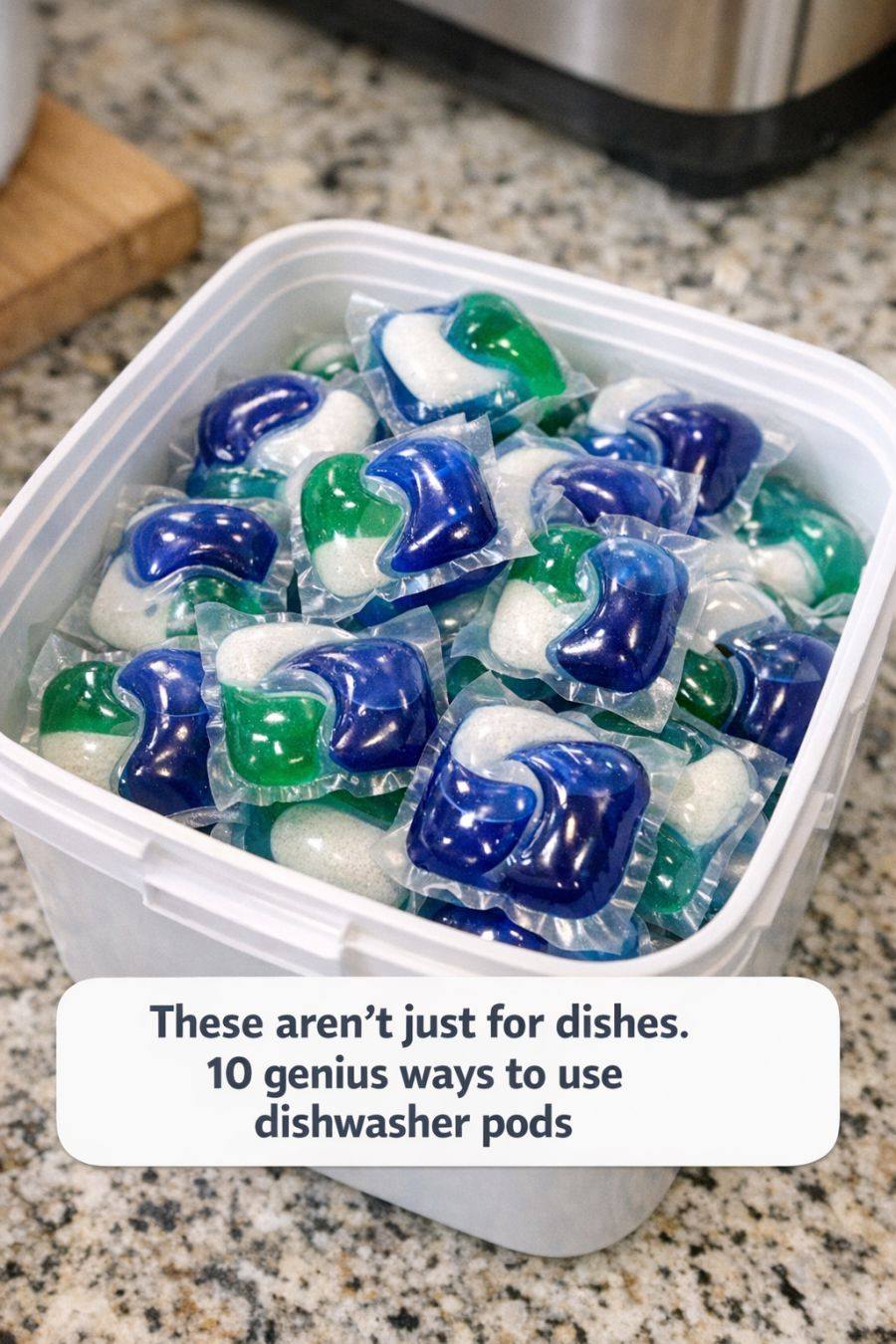
These aren’t just for dishes. 10 genius ways to use dishwasher pods

Dishwasher pods are usually associated with sparkling plates and spotless glasses — but their powerful cleaning formula makes them surprisingly versatile around the house. Designed to break down grease, dissolve grime, and tackle tough food residue, these compact cleaning capsules can do much more than clean dishes.

Before trying any of these ideas, always wear gloves, avoid mixing with other cleaners (especially bleach or ammonia), and test on a small hidden area first. Dishwasher pods are strong, so a little goes a long way!

Here are 10 genius ways to use dishwasher pods beyond the dishwasher.

  1. Deep Clean Oven Racks

Oven racks collect layers of baked-on grease that are hard to scrub away. Fill your bathtub or a large basin with hot water and dissolve one dishwasher pod. Submerge the racks and let them soak overnight. The next morning, wipe away loosened grime with a sponge or scrub brush. Rinse thoroughly and dry before placing back in the oven.

  1. Make Baking Sheets Look New Again

Stained baking sheets often seem permanently discolored. Fill your sink with very hot water and drop in a pod. Let the sheets soak for at least an hour. The grease-cutting enzymes will break down baked-on residue. Scrub lightly and rinse well. You’ll be amazed at how much brighter they look.

  1. Clean Trash Cans

Trash cans can hold odors and sticky residue even after rinsing. Dissolve a pod in hot water and use the solution to scrub the inside and outside of your trash bin. Let it sit for 10–15 minutes before rinsing. The powerful detergents eliminate grease and neutralize unpleasant smells.

  1. Brighten White Sneakers

White rubber soles on sneakers collect dirt quickly. Dissolve a small portion of a dishwasher pod in warm water. Dip a cloth or toothbrush into the solution and scrub the rubber areas gently. Wipe clean with a damp cloth. Avoid using on delicate fabrics.

  1. Degrease Kitchen Cabinets

Cooking grease builds up on cabinet doors, especially near the stove. Mix part of a pod with warm water and wipe down cabinets using a microfiber cloth. Always test on a hidden area first, particularly for painted or wood surfaces. Dry immediately with a clean towel.

  1. Clean Patio Furniture

Plastic outdoor furniture becomes dull and stained over time. Dissolve a pod in a bucket of warm water and use a sponge to scrub chairs and tables. Rinse with a hose. This works especially well on white or light-colored plastic furniture.

  1. Remove Soap Scum from Shower Doors

Dishwasher pods cut through grease — and soap scum behaves similarly. Dissolve part of a pod in warm water and apply the solution to glass shower doors with a sponge. Let it sit for several minutes, then rinse thoroughly. Wipe dry for a streak-free finish.

  1. Clean Washing Machine Drums

Washing machines can develop odors from detergent buildup. Place one dishwasher pod directly into the empty drum and run a hot water cycle. This can help break down residue and freshen the interior. Do this occasionally, not frequently.

  1. Tackle Greasy Garage Floors

Oil stains on garage floors can be stubborn. Dissolve a pod in hot water and pour the solution onto the stained area. Let it sit for 20–30 minutes before scrubbing with a stiff brush. Rinse with water. For heavy stains, you may need a second treatment.

  1. Unclog Minor Drain Build-Up

If your kitchen sink drains slowly due to grease buildup, dissolve a pod in boiling water and pour it carefully down the drain. Let it sit for a few minutes, then flush with hot water. This works best for light grease buildup, not major clogs.

Important Safety Tips

• Never mix dishwasher pod solution with other cleaning chemicals.
• Keep pods away from children and pets.
• Always rinse surfaces that come into contact with food.
• Wear gloves to protect your skin.
• Avoid using on aluminum, delicate fabrics, or natural stone without testing.

Why Dishwasher Pods Work So Well

Dishwasher pods contain concentrated detergents, enzymes, and degreasers specifically formulated to break down tough food residue. These ingredients also work effectively on other grease-based dirt and stains throughout the home. Because they’re pre-measured, they’re convenient and easy to use without over-pouring liquid detergent.

A Final Thought

Sometimes the best cleaning hacks are hiding in plain sight. Dishwasher pods are small but mighty, and when used carefully, they can simplify tough cleaning tasks around your home. Instead of buying multiple specialty cleaners, you might already have a powerful solution sitting under your sink.

Very leafy orchid, if you water it with this it will be 10 times more beautiful

If your orchid is very leafy but not flowering much, don’t worry — that usually means it’s healthy, just focused on growing leaves instead of blooms. With the right natural watering mix, you can gently encourage stronger roots, shinier leaves, and more vibrant flowers. Below is a unique, safe, and effective homemade orchid tonic that supports overall plant health — no harsh chemicals needed.

This recipe works especially well for common orchids like Phalaenopsis (moth orchids), which are popular indoor varieties known for their broad leaves and elegant blooms.

Why Your Orchid Is Very Leafy

Orchids often become “too leafy” for three main reasons:

  • Not enough indirect light

  • Too much nitrogen from regular fertilizer

  • Irregular watering habits

Leaves are a sign your orchid is alive and storing energy. The goal isn’t to reduce leaves — it’s to balance growth so the plant feels strong enough to bloom.

 The “Bloom Booster” Natural Orchid Elixir

This gentle tonic supports:

  • Root strength

  • Microbial balance in the potting medium

  • Better nutrient absorption

  • Overall plant vitality

Ingredients

  • 1 liter lukewarm filtered water

  • 1 teaspoon rice water (from rinsed rice, unsalted)

  • 3–4 drops fresh lemon juice

  • 1 teaspoon aloe vera gel (pure, no additives)

  • 1 small piece of banana peel (about 2 cm)

    • Why These Ingredients Work

    🌾 Rice Water

Rice water contains small amounts of starch, amino acids, and trace minerals. These feed beneficial microbes in the orchid bark, improving root environment.

🍋 Lemon Juice (Tiny Amount Only)

Orchids prefer slightly acidic conditions. A few drops help balance pH and improve nutrient uptake. Never add too much — orchids are sensitive.

🌱 Aloe Vera

Aloe contains natural enzymes and mild growth compounds that help reduce root stress and promote stronger root tips.

🍌 Banana Peel

Banana peel releases small amounts of potassium and phosphorus — nutrients linked to flowering and strong tissue development.

 How to Prepare It

  1. Soak the banana peel in the 1 liter of lukewarm water for 4–6 hours.

  2. Remove the peel.

  3. Add rice water, aloe gel, and lemon juice.

  4. Stir gently until mixed.

Use immediately. Do not store for more than 24 hours.


💧 How to Use It Correctly

Orchids like Phalaenopsis should never sit in standing water.

Follow this method:

  1. Water your orchid normally first (if the bark is very dry).

  2. Then pour the tonic slowly through the potting mix.

  3. Let excess liquid drain completely.

  4. Empty the saucer after 10 minutes.

Use this mixture once every 3–4 weeks — not more. Overfeeding causes more leaf growth instead of flowers.

 Extra Tips to Make It “10 Times More Beautiful”

The tonic helps, but blooming depends on care balance. Combine it with these practices:

1. Bright Indirect Light

Place your orchid near a bright window with sheer curtains. Too little light = only leaves.

2. Slight Temperature Drop at Night

A 4–5°C drop between day and night encourages flower spikes.

3. Don’t Overwater

Only water when the bark is dry 2–3 cm deep.

4. Check the Roots

Healthy roots are green (wet) or silvery (dry). Brown and mushy roots should be trimmed.

 When Will You See Results?

  • Leaves may look shinier within 2–3 weeks.

  • Root tips may become brighter green.

  • Flower spikes often appear after 6–10 weeks if light is adequate.

Patience is key. Orchids bloom in cycles.

Important Warnings

  • Never use sugary water. It causes root rot.

  • Never use milk or cooking oils.

  • Do not apply this tonic weekly.

  • If your orchid is already in bloom, reduce feeding frequency.

Natural does not mean unlimited — orchids are delicate plants.

 Final Secret for Maximum Beauty

Gently wipe the leaves once a month with diluted rice water (very weak solution). This removes dust and helps the plant absorb light more efficiently. Clean leaves photosynthesize better, which supports flowering.

Remember: a very leafy orchid is not a problem — it’s potential energy waiting to bloom.

With consistent light, balanced watering, and this gentle natural elixir, your orchid can become fuller, healthier, and produce more elegant blooms than ever before.

HomeZodiac Signs With a Supernatural Sixth Sense Zodiac Signs With a Supernatural Sixth Sense

Throughout history, people have looked to the stars for guidance, mystery, and meaning. The ancient study of Astrology suggests that each zodiac sign carries unique traits, strengths, and intuitive abilities. While every sign has its own gifts, some are believed to possess an almost supernatural sixth sense — a heightened intuition that feels psychic, empathic, or deeply spiritual.

Let’s explore the zodiac signs most often associated with extraordinary inner knowing and mysterious perception.

First, there is Pisces. Represented by the Fish, Pisces is ruled by Neptune, the planet linked to dreams, illusions, and spirituality. Pisces individuals often absorb emotional energy from their surroundings like a sponge. They may sense shifts in mood before a word is spoken. Many Pisces report vivid dreams, strong gut feelings, and moments of déjà vu that later prove accurate. Their intuition operates through emotion and imagination. When they trust their inner voice, it rarely steers them wrong. However, because they feel so deeply, they must protect their energy to avoid emotional overwhelm.

Next is Scorpio. Intense and mysterious, Scorpio is ruled by Pluto, the planet of transformation and hidden truths. Scorpio’s sixth sense is rooted in perception. They can read body language, tone changes, and subtle inconsistencies with uncanny accuracy. It is nearly impossible to deceive a Scorpio for long. They instinctively sense secrets, lies, and hidden motives. This sign often feels drawn to the unseen realms of psychology, spirituality, and life’s deeper mysteries. Their intuition is sharp, investigative, and penetrating.

Cancer also ranks high on the intuitive scale. Ruled by Moon, Cancer’s connection to emotional cycles runs deep. Just as the Moon influences tides, Cancer feels the emotional tides of others. They often know when a loved one is hurting, even from miles away. Cancer’s sixth sense expresses itself through nurturing instincts. They may anticipate needs before they are voiced. Their intuition is protective, family-oriented, and heart-centered. Because they are so emotionally aware, they can offer comfort and guidance with remarkable sensitivity.

Another sign known for psychic-like awareness is Aquarius. Though often seen as logical and intellectual, Aquarius is ruled by Uranus, the planet of innovation and sudden insight. Aquarians experience intuition as flashes of brilliance. They may receive ideas or realizations seemingly out of nowhere. Their sixth sense is future-focused. They sense cultural shifts, trends, and changes before others recognize them. While their intuition feels more mental than emotional, it is equally powerful.

Sagittarius, ruled by Jupiter, carries a spiritual intuition connected to wisdom and truth. Sagittarius often trusts their gut when making big life decisions. They may not always explain why something feels right or wrong, but they follow an inner compass that guides them toward growth and expansion. Their sixth sense is philosophical. They sense life lessons and opportunities for transformation.

Even Virgo, often associated with practicality, possesses a subtle sixth sense. Though analytical, Virgo’s attention to detail allows them to detect patterns others miss. Ruled by Mercury, Virgo combines observation with intuition. They may predict outcomes because they instinctively recognize small clues. Their “psychic” ability is grounded in awareness and discernment.

It’s important to remember that intuition is not exclusive to certain signs. Every zodiac sign within Astrology contains intuitive potential. However, water signs — Pisces, Scorpio, and Cancer — are traditionally viewed as the most emotionally psychic because they operate through feeling. Air and fire signs often experience intuition as ideas or inspiration, while earth signs express it through practical foresight.

A sixth sense can appear in many forms: strong gut reactions, prophetic dreams, empathy, synchronicities, or an unexplainable knowing. Whether you believe in astrology literally or symbolically, exploring these archetypes can help you reflect on your own intuitive strengths.

Developing intuition often involves quieting external noise and learning to trust inner signals. Meditation, journaling, spending time in nature, and paying attention to dreams can strengthen this connection. Just as the planets move in cycles, our awareness also flows in rhythms.

In the end, the idea of a supernatural sixth sense may not be about magic at all. It may simply be about paying attention — listening to subtle cues, honoring emotional intelligence, and trusting inner wisdom. The zodiac offers a poetic lens through which to understand these qualities. Whether you are a deeply feeling Pisces, a perceptive Scorpio, a nurturing Cancer, or another sign entirely, your intuition is a powerful guide waiting to be acknowledged.

Sausage Hashbrown Casserole

Sausage Hashbrown Casserole is the kind of dish that brings warmth, comfort, and satisfaction to any table. Originating as a beloved breakfast staple in the United States, this casserole has become popular worldwide thanks to its rich flavor, creamy texture, and incredible versatility. Whether served for breakfast, brunch, or even dinner, it combines savory sausage, crispy hash browns, creamy sauce, and melted cheese into one irresistible dish.

This recipe is perfect for busy mornings, family gatherings, potlucks, or meal prep. It can be assembled ahead of time and baked when needed, making it both convenient and delicious. Every bite offers a perfect balance of crispy edges, soft potatoes, and flavorful sausage wrapped in cheesy goodness.

Ingredients

Here’s everything you’ll need to make this hearty casserole:

  • 500 grams breakfast sausage (pork, chicken, or beef)

  • 1 kg frozen hash browns (shredded or diced)

  • 2 cups shredded cheddar cheese

  • 1 cup shredded mozzarella cheese

  • 1 medium onion, finely chopped

  • 2 cloves garlic, minced

  • 1 can (300 grams) cream of mushroom or cream of chicken soup

  • 1 cup sour cream

  • ½ cup milk

  • 2 tablespoons butter

  • ½ teaspoon black pepper

  • ½ teaspoon paprika

  • ½ teaspoon salt (adjust to taste)

  • 1 tablespoon chopped parsley (optional, for garnish)

Preparation Time

  • Prep time: 15 minutes

  • Cook time: 45–50 minutes

  • Total time: about 1 hour 5 minutes

  • Servings: 6–8 portions

Step-by-Step Instructions

Step 1: Preheat the Oven

Preheat your oven to 180°C (350°F). Lightly grease a 9×13-inch baking dish with butter or cooking spray to prevent sticking.

Step 2: Cook the Sausage

Heat a large skillet over medium heat. Add the sausage and cook for about 6–8 minutes, breaking it apart with a spoon as it browns. Cook until fully done and no pink remains. Remove the sausage and set aside.

Step 3: Sauté Onion and Garlic

In the same skillet, melt the butter and add the chopped onion. Cook for 3–4 minutes until soft and translucent. Add the minced garlic and cook for another 30 seconds until fragrant. This step enhances the overall flavor of the casserole.

Step 4: Prepare the Creamy Mixture

In a large mixing bowl, combine:

  • Cream of mushroom or chicken soup

  • Sour cream

  • Milk

  • Black pepper

  • Paprika

  • Salt

Mix well until smooth and creamy.

Step 5: Combine Ingredients

Add the cooked sausage, sautéed onion and garlic, frozen hash browns, and 1½ cups of cheddar cheese to the creamy mixture. Stir everything together until evenly coated.

Step 6: Transfer to Baking Dish

Pour the mixture into your prepared baking dish. Spread evenly to ensure consistent cooking.

Step 7: Add Cheese Topping

Sprinkle the remaining cheddar cheese and mozzarella cheese evenly over the top. This creates a golden, bubbly crust.

Step 8: Bake

Place the casserole in the preheated oven and bake for 45–50 minutes. The top should be golden brown, and the casserole should be bubbling around the edges.

Step 9: Rest and Garnish

Remove from the oven and let it rest for 5–10 minutes before serving. Garnish with chopped parsley if desired.

Why This Recipe Works

This casserole succeeds because of its perfect balance of textures and flavors:

  • Hash browns provide a hearty potato base

  • Sausage adds savory richness

  • Creamy sauce keeps everything moist and flavorful

  • Cheese creates a delicious golden crust

The combination makes it filling, satisfying, and comforting.

Tips for Best Results

1. Don’t thaw hash browns completely
Using slightly frozen hash browns prevents the casserole from becoming soggy.

2. Use high-quality sausage
Good sausage makes a huge difference in flavor.

3. Don’t skip resting time
Letting the casserole rest helps it set properly for clean slices.

4. Add vegetables for nutrition
Bell peppers, spinach, or mushrooms can enhance flavor and nutrition.

Variations

This casserole is highly customizable. Try these delicious variations:

Spicy Version
Add chopped jalapeños or use spicy sausage.

Breakfast Version
Add scrambled eggs to the mixture before baking.

Healthier Version
Use turkey sausage, reduced-fat cheese, and light sour cream.

Extra Cheesy Version
Add Monterey Jack, Colby, or pepper jack cheese.

Make-Ahead Instructions

This casserole is perfect for preparing in advance:

  1. Assemble the casserole fully.

  2. Cover and refrigerate overnight.

  3. Bake the next day as directed.

You may need to add 5–10 extra minutes to the baking time if starting cold.

Storage and Reheating

Refrigerator:
Store leftovers in an airtight container for up to 4 days.

Freezer:
Freeze portions for up to 2 months.

Reheating:
Reheat in oven at 160°C (325°F) for 15–20 minutes or microwave individual portions.

Serving Suggestions

This casserole pairs well with:

  • Fresh fruit

  • Toast or biscuits

  • Green salad

  • Orange juice or coffee

It works equally well for breakfast, brunch, lunch, or dinner.

Final Thoughts

Sausage Hashbrown Casserole is a true comfort food classic that combines convenience, flavor, and versatility. Its creamy texture, savory sausage, and cheesy topping make it a favorite for families and gatherings alike. Easy to prepare and incredibly satisfying, this recipe is perfect whether you’re feeding guests or simply enjoying a cozy homemade meal.

What Happens to Your Body When You Start Eating Beets Every Day? Doctors Explain the Real Changes

Beets, with their deep crimson color and earthy sweetness, are more than just a vibrant addition to your plate—they’re a nutritional powerhouse that can create noticeable changes in your body when eaten regularly. Doctors and nutrition experts have studied beets extensively, and the results show that this humble root vegetable can support heart health, boost stamina, improve digestion, and even enhance brain function. According to research supported by organizations like the American Heart Association and the National Institutes of Health, the nutrients in beets play a key role in improving overall wellness.

Let’s explore what really happens when you start eating beets every day.

1. Your Blood Pressure May Drop Naturally

One of the most well-known benefits of eating beets daily is improved blood pressure. Beets are rich in natural nitrates, compounds that your body converts into nitric oxide. This molecule relaxes and widens blood vessels, allowing blood to flow more easily.

Doctors have observed that people who consume beets regularly may experience lower systolic and diastolic blood pressure. This can reduce strain on your heart and lower your risk of heart disease and stroke. Even a small serving—about one medium beet per day—can begin supporting healthier circulation.

2. Your Energy and Stamina Can Increase

Many athletes drink beet juice before workouts because it helps improve endurance. The nitrates in beets improve oxygen delivery to muscles, making physical activity feel easier and less exhausting.

You may notice that daily tasks such as walking, climbing stairs, or exercising become less tiring over time. This is because your muscles are using oxygen more efficiently. Doctors often recommend beets as a natural way to enhance stamina without stimulants.

3. Your Digestive System Works Better

Beets are rich in dietary fiber, which supports healthy digestion. Eating beets daily can help:

  • Prevent constipation

  • Promote regular bowel movements

  • Support healthy gut bacteria

Fiber also helps your body eliminate waste and toxins more efficiently. Over time, this can contribute to better digestive comfort and overall gut health.

4. Your Brain Function May Improve

Improved blood flow doesn’t just help your heart—it also benefits your brain. Nitric oxide helps increase circulation to brain tissue, which supports mental clarity, focus, and memory.

Doctors believe that regular beet consumption may help slow age-related cognitive decline by ensuring the brain receives enough oxygen and nutrients. This makes beets especially valuable for maintaining mental sharpness as you age.

5. Your Liver Gets Natural Detox Support

Beets contain antioxidants and plant compounds called betalains, which help protect liver cells and support natural detoxification processes. Your liver works constantly to filter toxins from your blood, and beets help this process function more efficiently.

People who eat beets regularly may notice improved digestion, clearer skin, and better overall vitality due to enhanced liver function.

6. Your Immune System Gets Stronger

Beets provide essential nutrients such as:

  • Vitamin C

  • Iron

  • Folate

  • Potassium

These nutrients help strengthen your immune system, support healthy red blood cell production, and maintain proper nerve and muscle function.

A stronger immune system helps your body resist infections and recover faster when you get sick.

7. Your Body Fights Inflammation More Effectively

Chronic inflammation is linked to many health problems, including heart disease, diabetes, and joint pain. Beets contain powerful anti-inflammatory compounds that help reduce inflammation naturally.

Doctors have observed that regular beet consumption may help reduce swelling, improve circulation, and support long-term health.

8. You May Notice Changes in Urine and Stool Color

One surprising but harmless effect of eating beets daily is a reddish or pink color in your urine or stool. This condition, called beeturia, is completely normal and not dangerous.

It simply means your body is processing the natural pigments in beets.

Simple Daily Beet Recipe for Maximum Benefits

Here’s an easy and delicious way to add beets to your daily routine.

Ingredients

  • 1 medium fresh beet

  • 1 cup water

  • ½ lemon (juiced)

  • 1 teaspoon honey (optional)

  • Small piece of ginger (optional)

Instructions

  1. Wash, peel, and chop the beet into small pieces.

  2. Add beet, water, lemon juice, and ginger to a blender.

  3. Blend until smooth.

  4. Strain if desired or drink as is for more fiber.

  5. Add honey for sweetness if needed.

  6. Drink once daily, preferably in the morning.

When You’ll Start Noticing Changes

Many people report noticeable benefits within 1–3 weeks, including:

  • Better energy levels

  • Improved digestion

  • Enhanced stamina

  • Healthier blood pressure

Long-term benefits continue to build with consistent consumption.

Final Thoughts

Eating beets every day can create powerful positive changes in your body. From improving heart health and circulation to boosting brain function, digestion, and immunity, beets offer natural support for overall wellness.

Doctors agree that adding nutrient-rich whole foods like beets to your daily diet is one of the simplest ways to improve your health naturally. Whether you drink beet juice, roast them, or add them to salads, consistent consumption can help your body function more efficiently.

25 Health Benefits of Taking Olive Oil with Lemon Every Morning

Starting your morning with a simple blend of olive oil and lemon juice is an ancient wellness ritual rooted in traditional Mediterranean living. This powerful natural combination delivers essential nutrients, antioxidants, and healthy fats that support your body from the inside out. Both olive oil and lemon are individually beneficial, but together they create a synergistic effect that enhances digestion, detoxification, skin health, and overall vitality. Health authorities such as the World Health Organization and the American Heart Association recognize the value of healthy fats and antioxidant-rich foods for maintaining long-term wellness.

Below are 25 health benefits and a simple recipe to incorporate this morning ritual into your daily routine.

The Simple Morning Recipe

Ingredients:

  • 1 tablespoon extra virgin olive oil (cold-pressed)

  • 1 tablespoon fresh lemon juice (freshly squeezed)

  • Optional: ½ tablespoon warm water (to dilute taste)

Instructions:

  1. Pour the olive oil into a small glass.

  2. Add the fresh lemon juice.

  3. Mix gently until combined.

  4. Drink it on an empty stomach in the morning.

  5. Wait 15–30 minutes before eating breakfast.

Consistency is key to experiencing the full benefits.

25 Health Benefits of Olive Oil and Lemon

Digestive and Detox Benefits

1. Stimulates digestion
This mixture activates digestive enzymes and prepares your stomach for food.

2. Supports liver detoxification
Lemon encourages bile production, while olive oil helps flush toxins.

3. Relieves constipation naturally
Olive oil lubricates the intestines, making bowel movements easier.

4. Improves nutrient absorption
Healthy fats help absorb vitamins A, D, E, and K more efficiently.

5. Promotes gut health
Supports healthy gut bacteria and overall digestive balance.

Heart and Circulation Benefits

6. Supports heart health
Olive oil contains monounsaturated fats that protect the heart.

7. Helps regulate cholesterol levels
May increase good HDL cholesterol and lower harmful LDL cholesterol.

8. Improves blood circulation
Enhances blood flow and oxygen delivery throughout the body.

9. Reduces inflammation
Both ingredients contain powerful anti-inflammatory compounds.

10. Supports healthy blood pressure levels
Helps relax blood vessels and improve cardiovascular function.

Weight and Metabolism Benefits

11. Supports healthy metabolism
Stimulates metabolic activity early in the morning.

12. Helps control appetite
Healthy fats promote fullness and reduce overeating.

13. Encourages fat metabolism
Helps the body burn fat more efficiently.

14. Reduces belly bloating
Supports digestion and reduces water retention.

15. Provides clean natural energy
Offers sustained energy without caffeine or sugar.

Skin, Hair, and Anti-Aging Benefits

16. Improves skin hydration
Healthy fats nourish skin from within.

17. Promotes glowing skin
Antioxidants protect against oxidative stress.

18. Supports collagen production
Vitamin C in lemon helps maintain skin elasticity.

19. Strengthens hair and nails
Provides essential nutrients needed for growth.

20. Slows signs of aging
Protects cells from damage caused by free radicals.

Immune and Overall Health Benefits

21. Boosts immune system
Lemon provides vitamin C to strengthen immunity.

22. Helps cleanse the body naturally
Supports gentle detox without harsh methods.

23. Supports gallbladder function
Encourages healthy bile flow.

24. Helps balance body pH
Lemon has an alkalizing effect after digestion.

25. Promotes overall wellness and longevity
Supports multiple systems simultaneously.

Why This Combination Works So Well

Olive oil is rich in oleic acid, antioxidants, and anti-inflammatory compounds. Lemon contains vitamin C, flavonoids, and detoxifying properties. Together, they enhance each other’s effectiveness by supporting digestion, improving circulation, and protecting cells.

This combination is especially beneficial when taken on an empty stomach because absorption and effectiveness are maximized.

Best Time to Take It

  • Early morning on an empty stomach

  • At least 15–30 minutes before breakfast

  • Daily or 4–5 times per week for best results

Important Tips for Best Results

  • Always use extra virgin olive oil

  • Use fresh lemon juice, not bottled

  • Do not exceed recommended amounts

  • Maintain consistency

  • Combine with a healthy lifestyle

Who Should Be Careful

Consult a healthcare professional if you:

  • Have gallbladder disease

  • Have stomach ulcers

  • Take medications affecting digestion

  • Are pregnant or have medical conditions

This mixture is generally safe but should be used responsibly.

Conclusion

Taking olive oil with lemon every morning is a simple, affordable, and powerful natural habit that supports digestion, heart health, skin vitality, and overall wellness. This traditional remedy continues to be valued because of its effectiveness and simplicity. With consistent use, many people experience improved digestion, increased energy, and better overall health.

If you drool while you sleep, it’s a sign that your brain

Drooling during sleep is something many people experience but rarely talk about. You may wake up and notice a damp spot on your pillow or feel embarrassed about it. However, sleep drooling is often a completely natural process and, in many cases, it can actually be a sign that your brain and body are entering a deeply restorative state. Understanding why drooling happens can help you see it not as something strange or unhealthy, but as part of the body’s normal sleep function.

The Connection Between Sleep and Brain Relaxation

When you fall asleep, your brain transitions through several sleep stages. These stages include light sleep, deep sleep, and REM (rapid eye movement) sleep. During deep sleep, your brain slows down its activity significantly. Your muscles relax, your breathing becomes steady, and your nervous system shifts into what is known as the parasympathetic state — also called the “rest and digest” mode.

In this deeply relaxed state, your voluntary muscle control decreases. This includes the muscles in your face and mouth. As a result, your mouth may open slightly, allowing saliva to escape. This is one of the main reasons why drooling occurs during sleep.

Sleep experts, including those at the American Academy of Sleep Medicine, explain that deep sleep is essential for brain restoration, memory processing, and physical healing. When your body reaches this stage successfully, it often means your nervous system feels safe and relaxed.

Why Your Body Produces Saliva

Saliva plays a critical role in maintaining your health. It helps:

  • Protect your teeth from bacteria

  • Aid digestion

  • Keep your mouth moist and comfortable

  • Prevent infections

Even during sleep, your salivary glands continue to produce saliva. Normally, when you are awake, you swallow automatically without thinking. But during deep sleep, your swallowing reflex slows down. Combined with relaxed facial muscles, saliva can accumulate and escape from your mouth.

This process is completely natural and does not usually indicate a health problem.

Drooling Can Be a Sign of Deep, Restorative Sleep

Many sleep specialists agree that drooling often happens when a person reaches deep sleep stages. According to sleep research organizations such as the National Sleep Foundation, deep sleep is the most restorative phase. During this time, the brain repairs itself, strengthens memory, and restores energy levels.

When your brain enters this phase:

  • Muscle tension decreases

  • Stress hormone levels drop

  • Breathing becomes slower and deeper

  • Your nervous system becomes calm

Drooling can simply be a side effect of this deeply relaxed condition.

In fact, people who rarely reach deep sleep due to stress, insomnia, or anxiety may drool less — not because drooling is bad, but because their body is not fully relaxing.

Sleep Position Also Plays a Role

Your sleeping position significantly affects whether you drool.

Side sleepers and stomach sleepers are more likely to drool because gravity allows saliva to flow out of the mouth more easily. Back sleepers are less likely to drool because saliva naturally stays in the mouth and is swallowed more easily.

This is why drooling is often more common when you sleep on your side, which is also considered one of the healthiest sleep positions.

Other Common Causes of Sleep Drooling

While drooling is usually harmless, there are other factors that can increase it:

  • Deep and heavy sleep

  • Nasal congestion or blocked nose

  • Sleeping with your mouth open

  • Fatigue or exhaustion

  • Certain medications that increase saliva production

Temporary drooling during illness, such as a cold or flu, is also common and usually resolves once breathing returns to normal.

When Drooling Is Completely Normal

Drooling is considered normal if:

  • It happens occasionally

  • You feel rested after sleep

  • You do not experience breathing problems

  • You have no pain or discomfort

In these cases, drooling simply reflects muscle relaxation and normal saliva production.

It can actually indicate that your brain successfully entered restorative sleep, which is essential for mental clarity, emotional balance, and physical health.

When Drooling Might Need Medical Attention

Although drooling is usually harmless, excessive drooling could sometimes indicate an underlying issue, especially if it happens suddenly or frequently alongside other symptoms.

You should consult a doctor if drooling is accompanied by:

  • Difficulty swallowing

  • Snoring or breathing interruptions

  • Choking sensations during sleep

  • Facial muscle weakness

  • Severe nasal blockage

In some cases, sleep apnea, sinus infections, or neurological conditions may contribute to excessive drooling.

However, these cases are less common, and most sleep drooling is completely normal.

How to Reduce Drooling If It Bothers You

If drooling makes you uncomfortable, there are simple steps you can take:

1. Improve your sleep position
Sleeping on your back may reduce drooling.

2. Keep your nose clear
Treat allergies or congestion to help you breathe through your nose.

3. Maintain good sleep habits
Regular sleep schedules improve overall sleep quality.

4. Stay hydrated
Balanced hydration helps regulate saliva production.

5. Reduce extreme fatigue
Excessive exhaustion can increase deep sleep intensity and drooling.

These steps can help reduce drooling while maintaining healthy sleep.

The Positive Side of Drooling During Sleep

Rather than viewing drooling as something negative, it can often be seen as a sign that your brain and nervous system are reaching a deeply relaxed state. This state is essential for healing, memory formation, and overall health.

Deep sleep allows your brain to:

  • Repair damaged cells

  • Strengthen learning and memory

  • Restore energy levels

  • Support emotional balance

Drooling can simply be a harmless side effect of this powerful restoration process.

Conclusion

If you drool while you sleep, it is usually a sign that your brain and body are deeply relaxed. During restorative sleep, your muscles loosen, your swallowing reflex slows, and saliva may naturally escape from your mouth. This process is normal and often reflects healthy sleep function.

In most cases, sleep drooling is nothing to worry about. It can even be a positive indicator that your brain is entering the deep stages of sleep necessary for healing and recovery. Only in rare situations, when drooling is excessive or accompanied by other symptoms, does it require medical attention.