10 fruits that lower bl00d sugar, good for diabetics, and the 5 worst for diabetes

Managing blood sugar doesn’t mean giving up fruit—it just means choosing wisely. Many fruits are packed with fiber, antioxidants, and nutrients that actually help stabilize glucose levels rather than spike them. Below are 10 fruits that are generally good for people with diabetes, followed by 5 fruits to limit, plus a unique, diabetes-friendly recipe you can try at home.


🍏 10 Fruits That Help Lower or Stabilize Blood Sugar

1. Berries (Strawberries, Blueberries, Raspberries)
Berries are rich in fiber and antioxidants. They have a low glycemic index (GI), meaning they release sugar slowly into the bloodstream.

2. Apples
Apples contain soluble fiber (pectin), which helps slow digestion and prevents sugar spikes. Eat them with the skin for maximum benefit.

3. Pears
High in fiber and water, pears help regulate blood sugar and improve insulin sensitivity.

4. Guava
A great option in South Asia, guava is high in fiber and vitamin C. It can help reduce blood sugar levels when eaten in moderation.

5. Oranges
Whole oranges (not juice) are low GI and packed with fiber and vitamin C, helping control glucose release.

6. Kiwi
Kiwi has a low GI and contains compounds that help regulate blood sugar levels.

7. Cherries
Cherries are rich in antioxidants called anthocyanins, which may improve insulin function.

8. Peaches
Low in calories and GI, peaches can satisfy sweet cravings without causing spikes.

9. Plums
Plums and prunes help regulate blood sugar due to their fiber content.

10. Avocado (technically a fruit)
Avocados are extremely low in carbs and high in healthy fats, making them excellent for blood sugar control.


🚫 5 Fruits Diabetics Should Limit or Avoid

1. Mangoes
Delicious but high in natural sugar. They can spike blood glucose quickly if eaten in large portions.

2. Bananas (overripe)
Ripe bananas have a higher GI and sugar content compared to less ripe ones.

3. Grapes
Though healthy, grapes contain high sugar levels and are easy to overeat.

4. Pineapple
Pineapple has a high GI and can raise blood sugar quickly, especially in juice form.

5. Watermelon
While refreshing, watermelon has a high GI and should be eaten in small portions.


🥗 Unique Diabetes-Friendly Recipe

Citrus Berry Chia Yogurt Bowl

This refreshing recipe combines low-GI fruits with protein and healthy fats to keep your blood sugar stable while satisfying your sweet cravings.

Ingredients:

  • ½ cup plain Greek yogurt (unsweetened)

  • ¼ cup mixed berries (strawberries, blueberries, raspberries)

  • 1 tablespoon chia seeds

  • ½ small apple (thinly sliced)

  • 2 tablespoons chopped guava

  • 1 tablespoon crushed almonds or walnuts

  • 1 teaspoon cinnamon powder

  • A few drops of fresh lemon or orange juice

  • Optional: a pinch of stevia or a natural sugar substitute

Instructions:

  1. In a bowl, add the Greek yogurt as your base.

  2. Mix in chia seeds and let it sit for 5–10 minutes so they expand and thicken the texture.

  3. Add the sliced apples, berries, and guava on top.

  4. Sprinkle crushed nuts for added crunch and healthy fats.

  5. Add a dash of cinnamon—this spice is known to help improve insulin sensitivity.

  6. Drizzle a few drops of citrus juice for a fresh flavor boost.

  7. Mix lightly and enjoy immediately.


🌟 Why This Recipe Works for Diabetes

This bowl is balanced with protein (yogurt), fiber (chia seeds, fruits), and healthy fats (nuts). This combination slows digestion and prevents rapid spikes in blood sugar. The fruits used are all low to moderate GI, making them safe in controlled portions.


⚖️ Final Tips for Diabetics Eating Fruit

  • Always eat fruit whole, not as juice.

  • Pair fruit with protein or fat (like nuts or yogurt).

  • Watch portion sizes—even healthy fruits contain natural sugars.

  • Spread fruit intake throughout the day rather than eating large amounts at once.


Eating smart doesn’t mean eating less—it means eating right. By choosing the right fruits and combining them properly, you can enjoy sweetness while keeping your blood sugar under control.
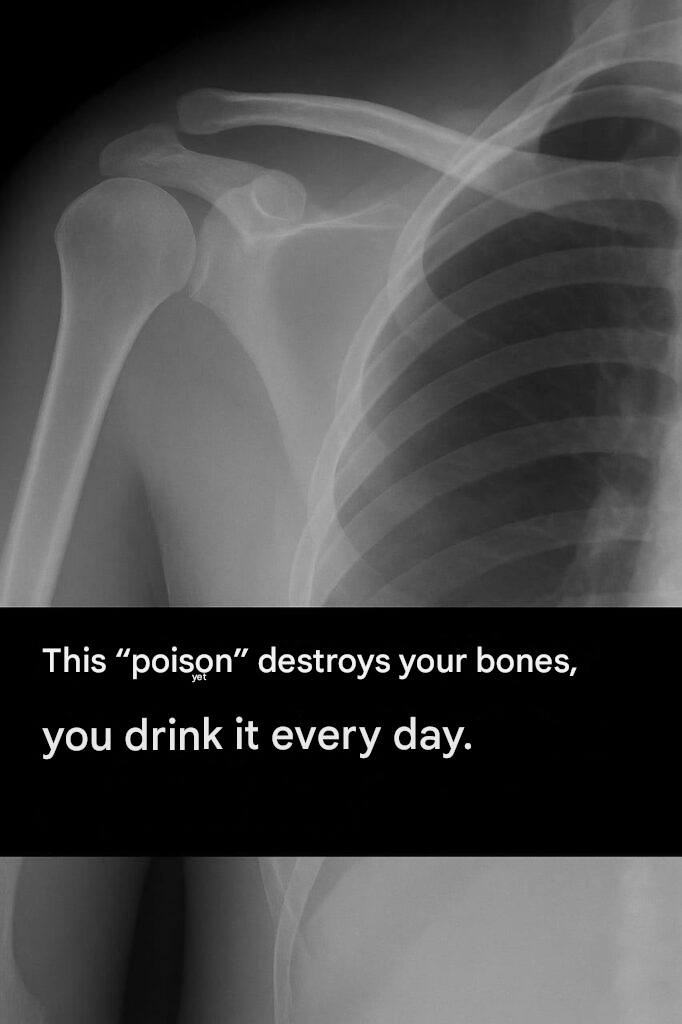
This “poison” damages your bones – and you drink it every day

You might not think twice about what you drink every day. A glass of something cold, refreshing, and familiar feels harmless—maybe even healthy. But what if one of your daily habits is quietly weakening your bones over time? It sounds dramatic, even a little alarming, but there’s growing evidence that certain common beverages can have a long-term impact on bone health if consumed excessively.

One of the biggest culprits often discussed is sugary soft drinks, especially cola-based sodas. These drinks contain phosphoric acid, which gives them their tangy flavor and longer shelf life. While that might sound harmless, high levels of phosphorus in the body can disrupt the delicate balance between calcium and phosphorus—two minerals that are essential for strong bones. When this balance is off, your body may start pulling calcium from your bones to compensate, gradually weakening them.

Now, to be clear, your body needs phosphorus. It’s not inherently bad. The issue arises when there’s too much of it and not enough calcium to match. Many people who regularly consume sodas don’t get enough calcium in their diet to begin with. Over time, this imbalance can contribute to decreased bone density, making bones more fragile and more prone to fractures.

Another factor is that soda often replaces healthier beverages. Instead of drinking milk, which is rich in calcium and vitamin D, or even water, people may reach for a fizzy drink out of habit. This substitution effect quietly reduces your intake of nutrients that actually strengthen bones. It’s not just what you’re drinking—it’s also what you’re not drinking.

Caffeine, commonly found in many sodas and energy drinks, can also play a role. In large amounts, caffeine may slightly increase calcium loss through urine. While moderate caffeine intake is generally safe for most people, combining it with low calcium intake can make things worse. If your daily routine includes multiple caffeinated drinks and minimal calcium-rich foods, your bones may be paying the price.

But here’s where things get more interesting: it’s not just sodas. Packaged fruit juices, flavored drinks, and even some “health” beverages can contain high levels of sugar and additives that don’t do your bones any favors. Excess sugar consumption has been linked to inflammation and can interfere with the body’s ability to absorb important nutrients. Again, it’s not about one drink—it’s about patterns over time.

So, does that mean your daily drink is “poison”? Not exactly. That word is more of a wake-up call than a literal truth. The real issue is chronic overconsumption. Having a soda once in a while is unlikely to harm your bones. But drinking it every day, in large amounts, while neglecting proper nutrition—that’s where the risk builds up.

The good news is that your bones are living tissue, constantly being broken down and rebuilt. This means you have the power to support and even improve your bone health with the right habits. Increasing your intake of calcium-rich foods like dairy products, leafy greens, nuts, and seeds is a great start. Vitamin D is equally important because it helps your body absorb calcium effectively. Sunlight exposure and certain foods like eggs and fish can help with that.

Hydration also matters more than people realize. Water is the best and simplest choice for your body. It supports every system, including the transport of nutrients that your bones rely on. Herbal teas and natural drinks without added sugars can also be good alternatives.

If you enjoy fizzy drinks, you don’t necessarily have to give them up completely. Moderation is key. Try limiting them to occasional treats rather than daily staples. You can also explore healthier alternatives like sparkling water with a splash of fresh lemon or fruit for flavor. This way, you still get the refreshing experience without the added risks.

At the end of the day, your daily habits shape your long-term health. Something as simple as what you drink might not seem important in the moment, but over years, it can make a significant difference. Strong bones are not just about avoiding fractures—they support your posture, mobility, and overall quality of life as you age.

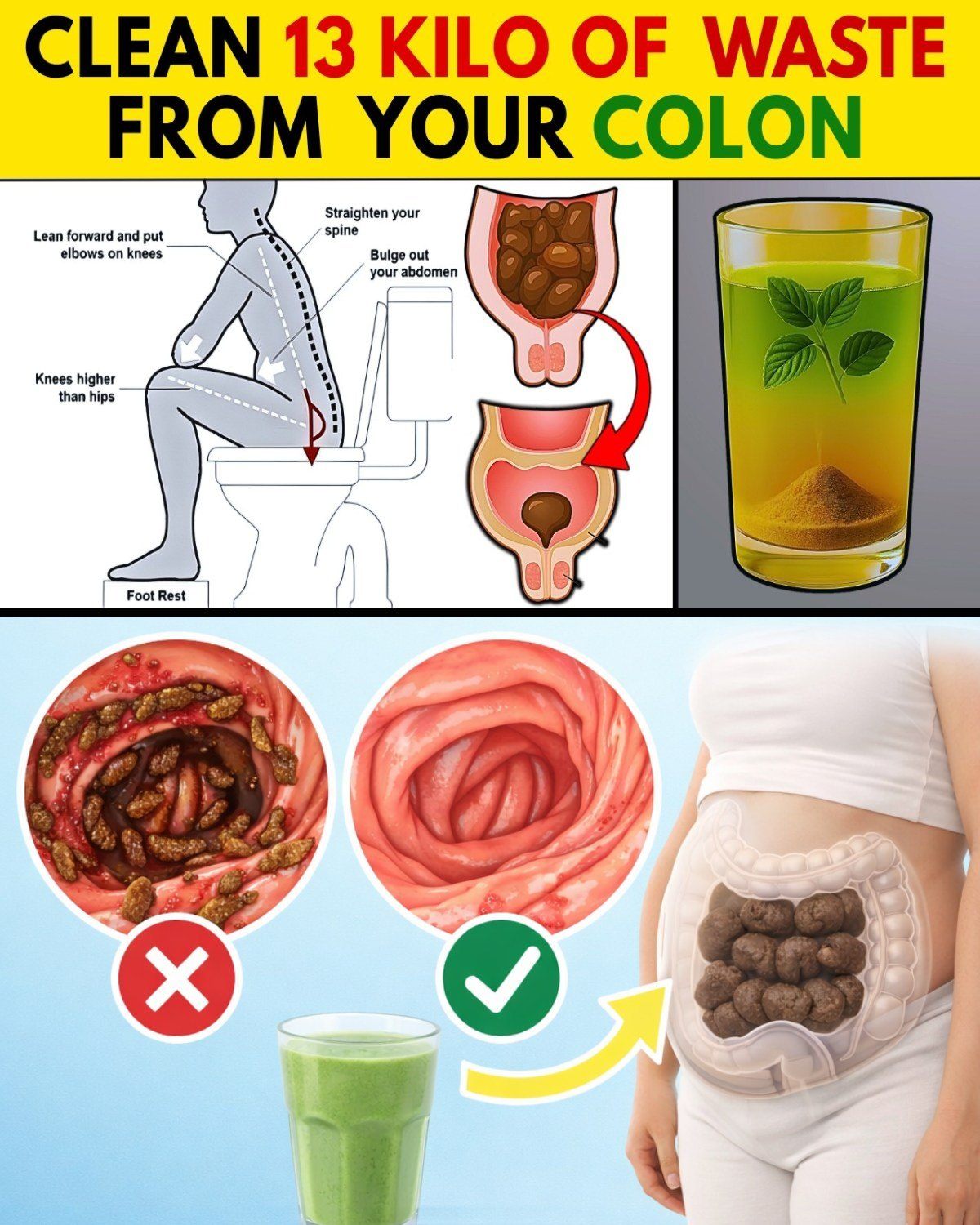
Drink Just 1 Glass and Cleanse Your Entire Colon in 10 Minutes!

“Drink Just 1 Glass and Cleanse Your Entire Colon in 10 Minutes!” — this kind of headline is everywhere online, promising fast, almost magical results. It sounds tempting: a simple drink that can detox your body instantly, improve digestion, boost energy, and leave you feeling brand new. But before diving into the recipe, it’s important to understand what’s real, what’s exaggerated, and how to approach colon health safely.

First, let’s address the idea of “cleansing your entire colon in 10 minutes.” The human digestive system is complex, and the colon doesn’t work like a pipe that can be flushed clean instantly with a single drink. Your body already has a highly efficient detox system—primarily the liver, kidneys, and digestive tract—which continuously remove waste and toxins. That said, certain natural drinks can support digestion, relieve occasional constipation, and promote gut health. These are not instant “cleanses,” but they can help your system function better.

Now, here’s a gentle, natural drink that people often use to support digestion and bowel movement:

Ingredients:

  • 1 glass of warm water (about 250 ml)

  • Juice of half a fresh lemon

  • 1 tablespoon of honey (optional)

  • 1 tablespoon of chia seeds or flaxseeds

  • A pinch of salt (preferably pink or sea salt)

Preparation:
Start by soaking the chia seeds or flaxseeds in a little water for about 10–15 minutes until they swell and form a gel-like consistency. In a separate glass, add warm (not hot) water. Squeeze in the fresh lemon juice, then add the soaked seeds. Stir well, and add honey if you prefer a slightly sweet taste. Finish with a small pinch of salt and mix again.

How it works:
Each ingredient plays a role. Warm water helps stimulate the digestive tract and can encourage bowel movement, especially in the morning. Lemon juice may promote digestion by increasing stomach acid production. Chia seeds and flaxseeds are rich in soluble fiber, which absorbs water and adds bulk to stool, making it easier to pass. Honey can have mild soothing effects, while salt may help with hydration and electrolyte balance.

When to drink:
This drink is best consumed first thing in the morning on an empty stomach. Some people notice a bowel movement within 20–60 minutes, depending on their body. While it might not “cleanse your entire colon in 10 minutes,” it can help relieve mild constipation and support regularity over time.

Important considerations:
It’s essential to avoid falling for extreme detox claims. Overusing laxative drinks or trying aggressive “cleanses” can actually harm your gut, disrupt electrolyte balance, and lead to dependency. Your colon doesn’t need harsh cleaning—it needs consistent care.

Instead of looking for quick fixes, focus on daily habits that naturally support colon health:

  1. Eat more fiber: Fruits, vegetables, whole grains, and seeds help keep your digestive system moving efficiently.

  2. Stay hydrated: Water is crucial for softening stool and preventing constipation.

  3. Move your body: Physical activity stimulates intestinal movement.

  4. Maintain a routine: Eating and sleeping at regular times helps regulate digestion.

  5. Limit processed foods: Highly processed foods can slow digestion and contribute to gut imbalance.

Also, if you experience persistent constipation, bloating, or digestive discomfort, it’s better to consult a healthcare professional rather than relying solely on home remedies.

The truth is, there’s no miracle drink that can instantly cleanse your colon in minutes. However, simple, natural recipes like the one above can support your digestive system when combined with a healthy lifestyle. Think of it not as a quick cleanse, but as a gentle daily habit that encourages your body to do what it’s already designed to do—function efficiently and keep itself balanced.

ATORVASTATIN SIDE EFFECTS: 15 Hidden Dangers Your Doctor May Not Tell You About

Atorvastatin is one of the most commonly prescribed medications for lowering cholesterol and reducing the risk of heart disease. While it has helped millions of people manage their cardiovascular health, it’s important to understand that this medication can come with side effects—some of which are not always openly discussed. Being informed allows you to make better decisions about your health and recognize when something might be wrong.

Here are 15 potential side effects of atorvastatin you should be aware of:

1. Muscle Pain and Weakness
One of the most well-known side effects is muscle discomfort. This can range from mild soreness to severe pain and weakness, which may interfere with daily activities.

2. Rhabdomyolysis (Severe Muscle Breakdown)
In rare cases, atorvastatin can lead to a serious condition where muscle tissue breaks down rapidly, releasing harmful substances into the bloodstream that can damage the kidneys.

3. Liver Damage
Atorvastatin affects the liver, where cholesterol is produced. Some individuals may develop elevated liver enzymes, indicating stress or damage to the liver.

4. Digestive Problems
Common complaints include nausea, diarrhea, constipation, and stomach pain. These symptoms may appear early and sometimes improve over time.

5. Memory Loss or Confusion
Some users report cognitive issues such as forgetfulness or confusion. Although not fully understood, these symptoms may be linked to how cholesterol functions in the brain.

6. Increased Blood Sugar Levels
Atorvastatin may raise blood sugar levels, increasing the risk of developing type 2 diabetes, especially in people who are already predisposed.

7. Fatigue and Weakness
Persistent tiredness or lack of energy can occur, even without significant physical exertion.

8. Sleep Disturbances
Some individuals experience insomnia or disrupted sleep patterns after starting the medication.

9. Headaches
Frequent or persistent headaches may develop as the body adjusts to the drug.

10. Allergic Reactions
Although rare, allergic reactions such as rash, itching, swelling, or difficulty breathing can occur and require immediate medical attention.

11. Kidney Problems
Indirect kidney issues can arise, particularly if muscle breakdown (rhabdomyolysis) occurs.

12. Hormonal Imbalances
Cholesterol is a building block for hormones. Lowering it excessively may affect hormone production in some individuals.

13. Nerve Damage (Peripheral Neuropathy)
Some users report tingling, numbness, or burning sensations in the hands and feet, which may indicate nerve involvement.

14. Tendon Problems
There have been reports of tendon pain or even rupture, especially in older adults or those engaging in intense physical activity.

15. Reduced Coenzyme Q10 (CoQ10) Levels
Atorvastatin may lower CoQ10, a compound important for energy production in cells. This reduction may contribute to muscle pain and fatigue.


A Natural Support “Recipe” for Managing Side Effects

While you should never stop or change your medication without consulting your doctor, you can support your body with a simple, natural routine:

Ingredients:

  • 1 glass of warm water

  • 1 teaspoon fresh lemon juice

  • 1 teaspoon honey

  • A pinch of turmeric

  • 1/2 teaspoon grated ginger

Instructions:

  1. Warm the water (do not boil).

  2. Add lemon juice, honey, turmeric, and ginger.

  3. Stir well and drink in the morning on an empty stomach.

Benefits:

  • Supports liver function

  • Helps reduce inflammation

  • May ease digestive discomfort

  • Boosts overall energy levels


Final Thoughts

Atorvastatin can be a life-saving medication, but it’s not without risks. The key is awareness and balance. If you notice unusual symptoms, don’t ignore them—consult your healthcare provider promptly. Regular blood tests, healthy eating, and lifestyle changes can help minimize side effects and improve overall well-being.

Atorvastatin Side Effects: 15 Important Risks You Should Understand

Atorvastatin is one of the most commonly prescribed medications in the world, used to lower cholesterol and reduce the risk of heart disease and stroke. While it is highly effective and generally safe for many people, like all medications, it can come with side effects. Understanding these potential risks helps you make informed decisions and recognize when to seek medical advice.

Below are 15 possible side effects—ranging from common to rare—that are important to know.


1. Muscle Pain and Weakness

One of the most widely reported side effects is muscle discomfort. This can feel like soreness, fatigue, or weakness. In rare cases, it may become severe and require stopping the medication.

2. Rhabdomyolysis (Severe Muscle Breakdown)

Although extremely rare, this serious condition involves the breakdown of muscle tissue, which can damage the kidneys. Symptoms include dark urine, intense muscle pain, and weakness.

3. Liver Enzyme Changes

Atorvastatin can affect liver function. Doctors usually monitor liver enzymes through blood tests, especially during the early stages of treatment.

4. Digestive Issues

Some people experience nausea, diarrhea, gas, or stomach discomfort. These symptoms are usually mild and improve over time.

5. Headaches

Mild headaches may occur, particularly when starting the medication.

6. Sleep Disturbances

A few users report insomnia or unusual dreams. While not very common, it can affect sleep quality.

7. Increased Blood Sugar Levels

Atorvastatin may slightly raise blood sugar levels, which could be a concern for people with or at risk of diabetes.

8. Memory Problems or Confusion

There have been reports of mild cognitive issues such as forgetfulness or confusion, though these are typically reversible after stopping the medication.

9. Fatigue

Some individuals feel unusually tired or low in energy while taking statins.

10. Joint Pain

Joint discomfort or stiffness can occur, though it is less common than muscle-related symptoms.

11. Allergic Reactions

Rarely, people may develop allergic symptoms like rash, itching, or swelling. Severe reactions require immediate medical attention.

12. Kidney Effects

In rare cases—often related to severe muscle breakdown—kidney function may be affected.

13. Digestive Liver Stress

Beyond enzyme changes, some people may feel discomfort in the upper abdomen due to liver stress.

14. Hormonal Effects

Cholesterol is involved in hormone production. Although uncommon, changes in hormone balance may occur in sensitive individuals.

15. Interaction with Other Medications

Atorvastatin can interact with certain drugs (like antibiotics, antifungals, or other cholesterol medications), increasing the risk of side effects—especially muscle problems.


A Balanced Perspective

It’s important to understand that while this list may seem long, most people taking atorvastatin experience few or no serious side effects. The medication has been extensively studied and is proven to significantly reduce the risk of heart attacks and strokes.

Doctors prescribe it because the benefits often outweigh the risks—especially for individuals with high cholesterol, diabetes, or existing heart disease.


Tips for Safe Use

  • Follow your prescribed dose and never adjust it without medical advice

  • Report unusual symptoms like muscle pain or dark urine immediately

  • Limit alcohol intake to reduce liver strain

  • Keep regular checkups for blood tests and monitoring

  • Inform your doctor about all medications you are taking


When to Seek Medical Help

Contact your doctor right away if you notice:

  • Severe muscle pain or weakness

  • Yellowing of the skin or eyes (possible liver issues)

  • Dark-colored urine

  • Persistent fatigue or confusion

  • Swelling or allergic reactions

Final Thoughts

Atorvastatin remains a cornerstone in managing high cholesterol and preventing serious cardiovascular problems. While side effects are possible, many are mild and manageable. Being aware of these risks doesn’t mean you should fear the medication—it means you can use it more safely and confidently.

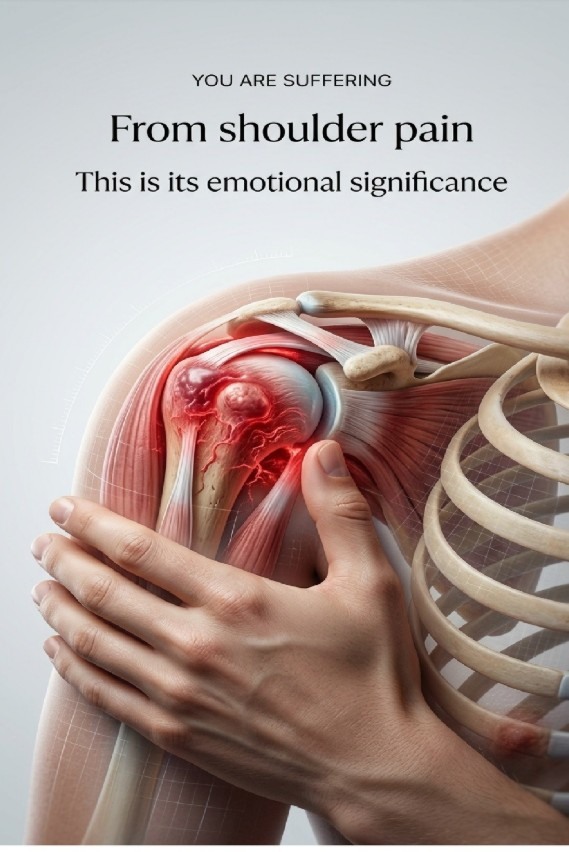
What is the emotional significance of shoulder pain?

Shoulder pain is often viewed purely as a physical issue—something caused by poor posture, muscle strain, or injury. However, many holistic health traditions and mind-body approaches suggest that shoulder pain can also carry emotional significance. While it’s important to consult a medical professional for persistent or severe discomfort, exploring the emotional dimension of shoulder pain can offer deeper insight into how stress and feelings may manifest in the body.

The shoulders are symbolically associated with responsibility and burden. When people say they are “carrying the weight of the world on their shoulders,” they are expressing a very real emotional experience. This metaphor often reflects feelings of pressure, obligation, or overwhelm. When these emotions are prolonged or unaddressed, they may contribute to physical tension in the shoulder area.

One common emotional factor linked to shoulder pain is stress. Chronic stress can cause muscles to tighten, particularly in the neck and shoulders. Over time, this tension can lead to stiffness, soreness, and even restricted movement. People who are constantly worrying, overthinking, or trying to control situations may unconsciously hold tension in their shoulders. This physical reaction becomes a kind of storage system for emotional strain.

Another emotional contributor is the sense of responsibility. Individuals who feel they must take care of everyone else, solve problems, or meet high expectations often develop tightness in their shoulders. This is especially true for people who struggle to delegate or say no. Carrying too many responsibilities without rest or support can create a physical reflection of emotional overload.

Suppressed emotions can also play a role. Feelings such as anger, frustration, sadness, or resentment that are not expressed may become “trapped” in the body. The shoulders, being a central point of movement and support, can become a holding area for these emotions. For example, someone who feels unable to express their anger openly may unconsciously tense their shoulders, leading to chronic discomfort.

Emotional burdens from past experiences can contribute as well. Unresolved trauma or long-standing emotional pain may manifest physically in different parts of the body, including the shoulders. In such cases, the pain may not have a clear physical cause, or it may persist even after physical treatments. This does not mean the pain is “imaginary”—rather, it highlights the complex connection between emotional and physical health.

There is also a link between shoulder pain and the fear of failure or pressure to succeed. People who constantly push themselves to achieve, meet deadlines, or maintain perfection may develop tension in their shoulders as a result of internal pressure. This can be particularly common in high-stress environments or among individuals with perfectionist tendencies.

Interestingly, the side of the shoulder affected may sometimes be interpreted symbolically in certain holistic perspectives. The right shoulder is often associated with giving, action, and external responsibilities, while the left shoulder may relate more to receiving, emotions, and personal needs. Pain on either side could reflect imbalances in these areas—for example, giving too much without receiving support, or neglecting one’s own emotional needs.

Addressing the emotional significance of shoulder pain involves more than just physical treatment. It requires awareness and a willingness to explore underlying feelings. One helpful approach is mindfulness—paying attention to when the pain intensifies and what emotions or situations are present at that time. This can help identify patterns and triggers.

Relaxation techniques can also be beneficial. Practices such as deep breathing, meditation, and gentle stretching can reduce both physical tension and emotional stress. Regular physical activity, especially exercises that focus on releasing shoulder tension, can improve circulation and flexibility while also supporting mental well-being.

Communication is another key element. Expressing thoughts and emotions openly—whether through conversation, journaling, or creative outlets—can prevent emotional buildup. Learning to set boundaries and say no when necessary can also reduce the sense of being overwhelmed.

Self-care plays a crucial role as well. Taking time to rest, recharge, and engage in activities that bring joy can help balance the demands of daily life. When individuals prioritize their own needs, they are less likely to carry excessive emotional weight.

It’s important to remember that not all shoulder pain has an emotional cause. Injuries, medical conditions, and lifestyle factors are often the primary contributors. However, considering the emotional aspect can provide a more holistic understanding of the body and its signals.

In conclusion, shoulder pain can sometimes reflect more than just physical strain—it may symbolize emotional burdens, stress, and unexpressed feelings. By paying attention to both the physical and emotional aspects of pain, individuals can take a more comprehensive approach to healing. Understanding what your shoulders might be “carrying” could be the first step toward releasing not only tension, but also the emotional weight behind it.

Doctors Warn: This Common Way of Eating Boiled Eggs Can Clog Your Arteries

Boiled eggs are often considered one of the healthiest and most convenient foods you can include in your daily diet. Packed with high-quality protein, essential vitamins, and healthy fats, they are a staple in many weight loss plans and balanced meal routines. However, doctors and nutrition experts are now raising concerns about a common way people eat boiled eggs that could quietly increase the risk of clogged arteries and heart problems over time.

Let’s break down what’s really happening, what to avoid, and how to enjoy boiled eggs safely.

 Why Boiled Eggs Are Generally Healthy

Boiled eggs are nutrient-dense and low in calories. A single egg contains:

  • حوالي 6–7 grams of protein

  • Vitamin B12 for brain health

  • Choline for liver function

  • Healthy fats that support hormones

  • Antioxidants like lutein and zeaxanthin for eye health

For most people, eating eggs in moderation is perfectly safe and even beneficial. In fact, many doctors agree that eggs can be part of a heart-healthy diet—if consumed the right way.

The Problem: Eating Eggs with High-Fat, Processed Foods

The real danger isn’t usually the boiled egg itself—it’s how people eat it.

Doctors warn that combining boiled eggs with processed meats and unhealthy fats can contribute to artery-clogging over time. This includes habits like:

  • Eating boiled eggs with fried sausages or bacon

  • Adding excessive mayonnaise or creamy sauces

  • Pairing eggs with butter-loaded bread or parathas

  • Sprinkling too much salt regularly

This combination creates a meal high in saturated fats and sodium, which can:

  • Increase LDL (bad cholesterol)

  • Promote plaque buildup in arteries

  • Raise blood pressure

  • Increase risk of heart disease

 Understanding Cholesterol and Eggs

Egg yolks do contain cholesterol, which has caused confusion for years. However, modern research shows that dietary cholesterol (from eggs) doesn’t affect blood cholesterol as much as saturated fats do.

That means:

  • Eating 1–2 boiled eggs daily is generally safe for healthy individuals

  • The real risk comes from unhealthy pairings and cooking methods

 The Worst Way to Eat Boiled Eggs

According to health experts, the most harmful way people eat boiled eggs is:

👉 Chopping them into mayonnaise-heavy salads or sandwiches

Mayonnaise is high in unhealthy fats and calories. When combined with egg yolks, it can turn a healthy food into a cholesterol-heavy meal.

Another risky habit is:

👉 Eating eggs with processed meats like sausages or nuggets

These foods contain preservatives, sodium, and trans fats, all of which damage heart health over time.


✅ The Healthy Way to Eat Boiled Eggs

You don’t need to stop eating eggs—you just need to eat them smarter. Here are healthier alternatives:

✔️ Eat boiled eggs with fresh vegetables like cucumber, tomatoes, or spinach
✔️ Sprinkle black pepper instead of excess salt
✔️ Pair with whole-grain bread instead of white bread
✔️ Use olive oil instead of butter if needed
✔️ Limit egg yolks if you have high cholesterol (consult your doctor

Heart-Friendly Boiled Egg Recipe

Here’s a simple, delicious, and artery-friendly way to enjoy boiled eggs:

Ingredients:

  • 2 boiled eggs

  • 1 chopped cucumber

  • 1 small tomato

  • 1 tablespoon olive oil

  • A pinch of black pepper

  • A squeeze of lemon juice

  • Fresh coriander leaves

Instructions:

  1. Slice the boiled eggs into halves or cubes

  2. Add chopped cucumber and tomato

  3. Drizzle olive oil and lemon juice

  4. Sprinkle black pepper and mix gently

  5. Garnish with fresh coriander

This recipe is light, refreshing, and supports heart health while still being satisfying.


⚖️ Moderation Is Key

Even healthy foods can become harmful if eaten excessively or in the wrong way. Most doctors recommend:

  • 1–2 eggs per day for healthy adults

  • Fewer yolks if you already have high cholesterol or heart issues

  • Avoiding fried or heavily processed egg dishes

 Final Thoughts

Boiled eggs are not the enemy—in fact, they are one of the most affordable and nutritious foods available. The real problem lies in how they are consumed. Pairing eggs with unhealthy fats, processed meats, and excessive salt can slowly damage your arteries without obvious warning signs.

By making simple changes—like choosing fresh ingredients, reducing processed foods, and using healthier fats—you can continue enjoying boiled eggs without risking your heart health.

With this egg diet, I could lose 10 kilos of fat

The idea of losing 10 kilos of fat with an egg-based diet can sound exciting—and eggs are indeed a powerful, nutrient-dense food—but it’s important to approach this realistically and safely. Rapid weight loss plans often promise dramatic results, yet sustainable fat loss depends on balance, consistency, and overall lifestyle.

Below is a complete, engaging “unie recipe” style guide (around 800 words) that explains how an egg-based diet can help with fat loss, along with a practical plan you can follow.


🥚 The Egg Diet: A Simple Yet Powerful Fat-Loss Approach

Eggs have long been considered one of nature’s most complete foods. Packed with high-quality protein, healthy fats, vitamins like B12 and D, and essential minerals, they are both filling and nourishing. When used correctly, they can support weight loss by reducing hunger, boosting metabolism, and preserving muscle mass.

The “egg diet” is not about eating only eggs all day, but rather using eggs as the foundation of a low-carb, high-protein eating pattern.


🔥 Why Eggs Help You Lose Fat

Eggs are especially effective for fat loss because of their high protein content. Protein increases satiety, meaning you feel full longer and naturally eat fewer calories throughout the day. This helps create the calorie deficit needed to lose fat.

They also support metabolism. Digesting protein requires more energy than digesting fats or carbohydrates, a concept known as the thermic effect of food. This means your body burns slightly more calories simply by processing eggs.

Another major benefit is stable blood sugar. Unlike refined carbs, eggs don’t cause spikes and crashes in glucose levels, which helps reduce cravings and emotional eating.


🥗 The 7-Day Egg Diet Plan

Here’s a simple and structured plan you can follow:

🍳 Breakfast (Daily)

  • 2–3 boiled or scrambled eggs

  • 1 fruit (apple, orange, or grapefruit)

  • Green tea or black coffee (no sugar)

🥩 Lunch Options

  • Grilled chicken salad with olive oil

  • Boiled eggs with steamed vegetables

  • Tuna salad with lemon dressing

🍲 Dinner Options

  • Boiled eggs with sautéed spinach

  • Grilled fish with vegetables

  • Chicken breast with cucumber salad

🥒 Snacks (Optional)

  • 1 boiled egg

  • A handful of nuts

  • Fresh cucumber or carrot sticks

Drink plenty of water throughout the day—at least 2–3 liters.


⚖️ Can You Really Lose 10 Kilos?

Yes, but with conditions.

Losing 10 kilos (about 22 pounds) is possible over time, especially if you:

  • Stick to a calorie deficit

  • Stay consistent for several weeks

  • Combine the diet with light exercise like walking

However, losing 10 kilos very quickly (within 1–2 weeks) is not realistic or healthy. Safe fat loss usually happens at a rate of 0.5–1 kg per week. Faster weight loss often includes water weight and muscle loss—not just fat.


🚶‍♂️ Boost Your Results Naturally

To maximize fat loss with the egg diet, combine it with simple lifestyle habits:

  • Daily walking (30–45 minutes): Helps burn extra calories

  • Strength exercises (2–3 times/week): Preserves muscle mass

  • Proper sleep (7–8 hours): Regulates hunger hormones

  • Hydration: Keeps metabolism active and reduces overeating


⚠️ Important Tips and Warnings

While eggs are healthy, eating them excessively without variety can lead to nutritional imbalances. Make sure to include vegetables, fruits, and other protein sources in your diet.

People with certain conditions—such as high cholesterol or heart disease—should consult a doctor before starting a high-egg diet.

Also, avoid extreme restriction. If you feel dizzy, weak, or overly tired, your body may need more nutrients or calories.


🧠 The Real Secret to Fat Loss

The egg diet works not because eggs are “magic,” but because they help you control hunger and reduce calorie intake naturally. The real key is consistency—not perfection.

Instead of focusing only on rapid results, aim to build habits you can maintain long-term. That’s how you keep the weight off permanently.


🌟 Final Thoughts

An egg-based diet can be a simple, affordable, and effective way to jumpstart fat loss. With discipline and balance, you could lose significant weight—including up to 10 kilos over time.

What Is Paprika Made Of?

Paprika is a vibrant red spice that comes from dried and ground peppers, specifically varieties of Capsicum annuum. While it may look simple, paprika can have a surprisingly complex flavor depending on how it’s made. Let’s break it down and then explore a unique homemade paprika recipe you can try.

 What Is Paprika Made Of?

At its core, paprika is made from:

1. Red Peppers

Paprika is typically made from sweet red peppers, though some varieties include hotter chili peppers. These peppers are harvested when fully ripe, giving paprika its rich red color.

2. Drying Process

After harvesting, the peppers are dried. This can be done in several ways:

  • Air drying in the sun

  • Smoking over wood fires (for smoked paprika)

  • Dehydrating in controlled environments

The drying process is crucial because it concentrates the flavor.

3. Grinding

Once dried, the peppers are finely ground into powder. Sometimes the seeds and stems are removed beforehand to control bitterness and heat.

 Types of Paprika

Different regions produce distinct paprika varieties:

  • Sweet Paprika – Mild, slightly sweet, commonly used in everyday cooking

  • Hot Paprika – Made with spicier peppers, adds heat

  • Smoked Paprika – Dried over wood smoke, giving a deep, smoky flavor

 Unique Homemade Paprika Recipe (Flavor-Infused Paprika Blend)

This is not just basic paprika—this is a custom, aromatic paprika blend with layered flavors. Perfect for seasoning meats, vegetables, or even popcorn.

 Ingredients

  • 10 large red bell peppers

  • 2–3 dried red chili peppers (adjust for heat)

  • 1 teaspoon garlic powder

  • 1 teaspoon onion powder

  • ½ teaspoon smoked sea salt

  • ½ teaspoon ground cumin

  • ½ teaspoon dried oregano

  • 1 tablespoon apple cider vinegar (optional, for flavor depth before drying)

Step-by-Step Instructions

1. Prepare the Peppers

Wash the red bell peppers thoroughly. Cut them open and remove the seeds and stems. Slice them into thin strips so they dry evenly.

If you like a bit of heat, keep some seeds from the chili peppers.


2. Optional Flavor Infusion

Lightly toss the pepper slices with apple cider vinegar. This step adds a subtle tangy depth that makes your paprika unique.

3. Dry the Peppers

You have three options:

  • Sun Drying: Place slices on a tray and leave under direct sunlight for several days

  • Oven Drying: Set oven to lowest temperature (around 60–80°C) and dry for 6–10 hours

  • Dehydrator: Dry at 55–60°C until completely brittle

The peppers should snap easily when fully dried.

4. Toast for Extra Flavor (Optional)

Lightly toast the dried peppers in a pan for 1–2 minutes. This enhances their natural sweetness and adds depth.


5. Grind Into Powder

Use a spice grinder or blender to grind the dried peppers into a fine powder.

6. Add Flavor Enhancers

Mix in:

  • Garlic powder

  • Onion powder

  • Smoked sea salt

  • Ground cumin

  • Dried oregano

Blend again briefly to combine everything evenly.


7. Store Properly

Store your homemade paprika in an airtight container, away from light and heat. It will stay fresh for about 3–6 months.

 Why This Recipe Is Unique

This paprika blend stands out because:

  • It combines sweet, smoky, and savory elements

  • The optional vinegar infusion adds a subtle tangy complexity

  • The spice additions turn it into an all-purpose seasoning blend, not just plain paprika

 How to Use Your Paprika Blend

Try it in:

  • Grilled chicken or kebabs

  • Roasted potatoes

  • Fried eggs or omelets

  • Rice dishes

  • Sprinkled over popcorn for a smoky snack

 Fun Fact

Paprika is especially popular in Hungarian and Spanish cuisine, where it’s often considered a staple spice rather than just a seasoning.

Final Thoughts

Paprika may seem like a simple spice, but it’s actually a product of careful selection, drying, and grinding of peppers. By making your own at home and adding a few creative twists, you can turn it into something truly special—tailored to your taste.

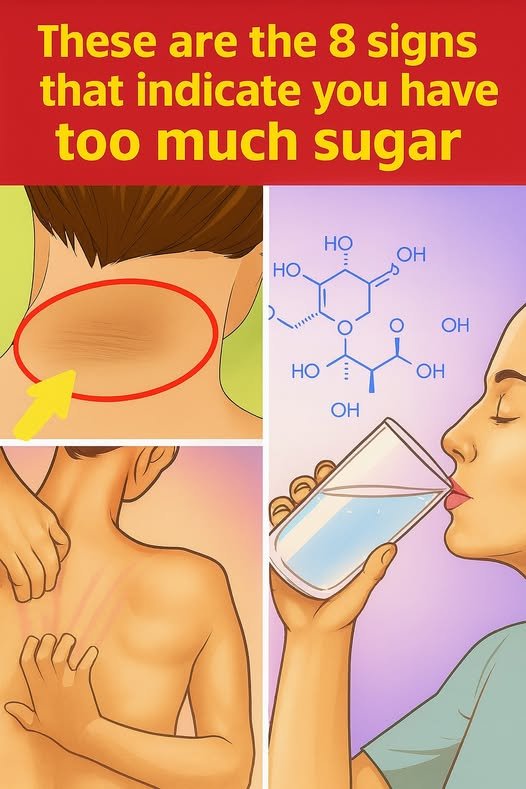
8 Signs You’re Eating Too Much Sugar

Sugar is everywhere—from obvious treats like desserts to hidden sources in sauces, breads, and even “healthy” snacks. While a little sweetness is fine, too much sugar can quietly impact your body in ways you might not immediately connect to your diet. Here are eight common signs you may be overdoing it, along with a unique, healthier recipe to help you reduce sugar without sacrificing flavor.


1. Constant Cravings for Sweets

If you feel like you always need something sweet after meals—or even throughout the day—it may not just be habit. Eating too much sugar can train your brain to crave more, creating a cycle that’s hard to break.


2. Energy Highs… and Crashes

Sugary foods cause rapid spikes in blood sugar, followed by sharp drops. This can leave you feeling energized briefly, then suddenly tired, irritable, or even shaky.


3. Frequent Hunger

Surprisingly, sugar doesn’t keep you full. Diets high in sugar often lack fiber and protein, which help with satiety. As a result, you may feel hungry soon after eating.


4. Skin Problems

Excess sugar may contribute to acne and dull skin. It can also speed up skin aging by damaging collagen through a process called glycation.


5. Weight Gain (Especially Around the Belly)

High sugar intake—especially from sugary drinks—can lead to increased fat storage, particularly around the abdomen.


6. Brain Fog or Difficulty Concentrating

Too much sugar can affect cognitive function. You might notice trouble focusing, forgetfulness, or mental fatigue throughout the day.


7. Increased Risk of Cavities

Sugar feeds harmful bacteria in your mouth, leading to tooth decay and gum issues. Frequent snacking on sugary foods makes this even worse.


8. Mood Swings

Because sugar impacts blood sugar levels, it can also affect your mood. You may feel sudden irritability, anxiety, or even low mood after sugar crashes.


A Unique Low-Sugar Recipe: Cinnamon Apple Oat Energy Bites

Cutting down on sugar doesn’t mean giving up on delicious snacks. These no-bake energy bites are naturally sweet, satisfying, and perfect for curbing cravings.

Ingredients:

  • 1 cup rolled oats

  • ½ cup unsweetened peanut butter (or almond butter)

  • 1 small apple (finely grated)

  • 1–2 tablespoons honey (optional, adjust to taste)

  • 1 teaspoon cinnamon

  • 1 tablespoon chia seeds

  • 1 teaspoon vanilla extract

  • Pinch of salt


Instructions:

  1. Prepare the apple
    Finely grate the apple and lightly squeeze out excess juice (leave some moisture for binding).

  2. Mix the base
    In a large bowl, combine oats, peanut butter, cinnamon, chia seeds, salt, and vanilla extract.

  3. Add natural sweetness
    Mix in the grated apple and honey (if using). Stir until everything is well combined.

  4. Adjust texture
    If the mixture feels too dry, add a teaspoon of milk. If too wet, add a bit more oats.

  5. Shape into bites
    Roll the mixture into small balls (about 1 tablespoon each).

  6. Chill
    Place in the refrigerator for 20–30 minutes to firm up.


Why This Recipe Works:

  • Naturally sweet from apple instead of refined sugar

  • High in fiber to keep you full longer

  • Healthy fats from nut butter to stabilize energy levels

  • Portable and convenient for quick snacks


Final Thoughts

Recognizing the signs of excess sugar is the first step toward healthier eating. You don’t need to eliminate sugar completely—just become more mindful of how much you’re consuming and where it’s coming from. Small changes, like swapping sugary snacks for balanced alternatives, can make a big difference in your energy, mood, and overall health.