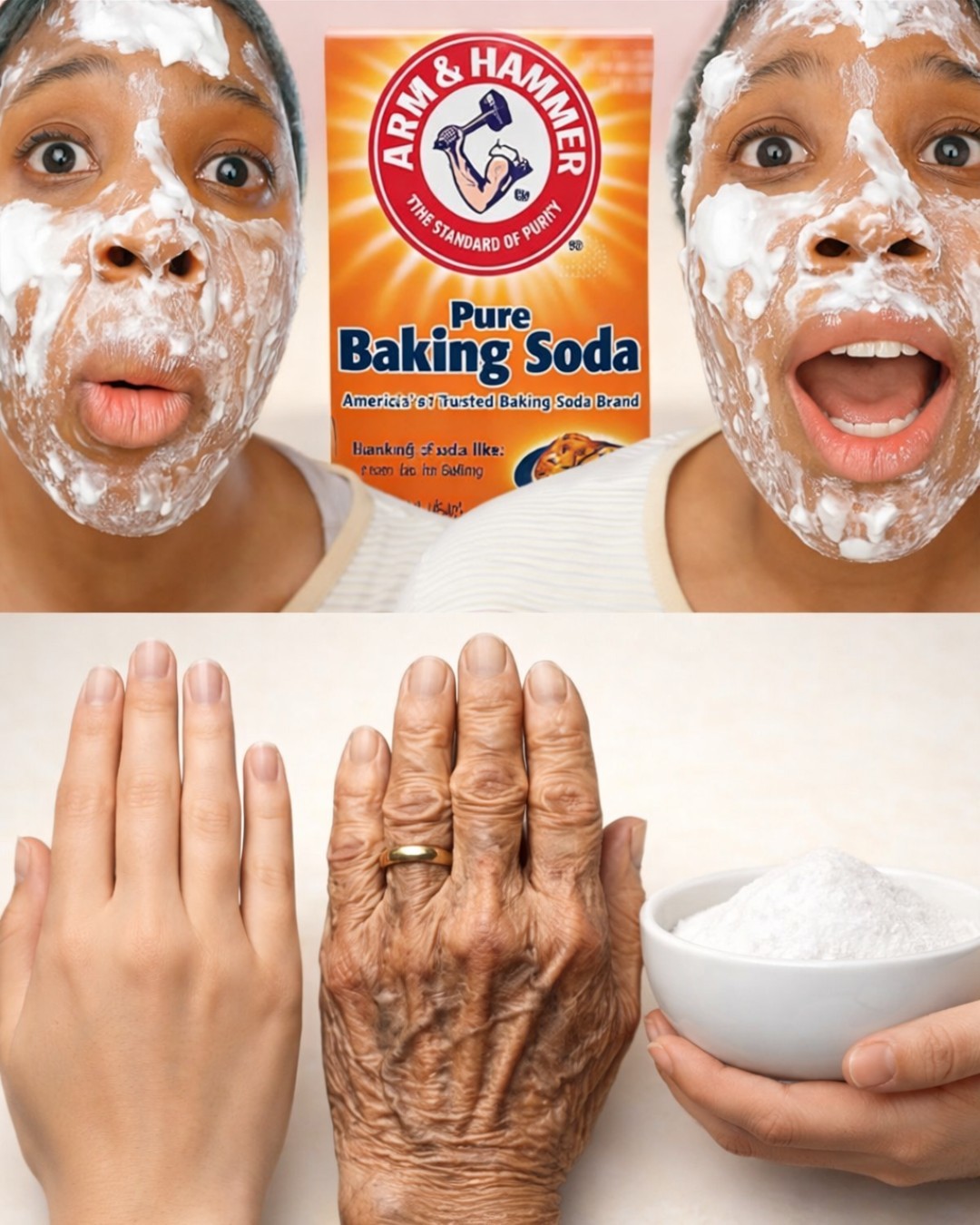
Baking soda face masks have been circulating online for years, praised as a cheap, easy way to cleanse pores, brighten skin, and fight acne. From DIY beauty blogs to viral social media videos, this pantry staple is often marketed as a miracle fix for everything from blackheads to dull skin. But before you mix baking soda with water and apply it to your face, it’s important to understand what it actually does—and what risks may come with it.
Let’s explore the most popular homemade baking soda face mask recipes and the essential facts you need to know to protect your skin health.
Why People Use Baking Soda on Their Face
Baking soda (sodium bicarbonate) is mildly abrasive and alkaline. Because of this, it’s often used as:
-
A physical exfoliant to remove dead skin cells
-
A cleanser to absorb oil
-
A quick “brightening” treatment
-
A home remedy for acne and blackheads
Its appeal lies in its simplicity and cost. Baking soda is inexpensive, widely available, and already trusted for cleaning and deodorizing—so many assume it must be safe for skin too.
However, skin is far more delicate than kitchen surfaces.
Popular Homemade Baking Soda Face Mask Recipes
Here are some of the most common DIY recipes people try at home:
1. Baking Soda and Water Mask
Ingredients:
-
1 tablespoon baking soda
-
Enough water to form a paste
How it’s used:
Applied as a scrub or mask for 5–10 minutes, then rinsed off.
Why people try it:
This is the simplest version, often promoted for exfoliation and oil control.
2. Baking Soda and Honey Mask
Ingredients:
-
1 teaspoon baking soda
-
1 tablespoon raw honey
How it’s used:
Gently massaged onto damp skin and left on for a few minutes.
Why people try it:
Honey is naturally soothing and antibacterial, so people hope it offsets baking soda’s harshness.
3. Baking Soda and Lemon Juice Mask
Ingredients:
-
1 teaspoon baking soda
-
A few drops of lemon juice
How it’s used:
Applied briefly to dark spots or oily areas.
Why people try it:
This combination is often advertised as a “skin whitening” or brightening mask.
⚠️ This is one of the riskiest combinations due to acidity and irritation.
4. Baking Soda and Coconut Oil Mask
Ingredients:
-
1 teaspoon baking soda
-
1 tablespoon coconut oil
How it’s used:
Used as a scrub or moisturizing exfoliant.
Why people try it:
Coconut oil is moisturizing, so users believe it balances the abrasive effect.
What You Really Need to Know About Skin Health
Here’s the part that often gets skipped in viral recipes.
Your Skin Has a Natural pH Balance
Healthy skin is slightly acidic, with a pH around 4.5–5.5. Baking soda has a pH of about 9, which is highly alkaline. When applied to the skin, it can disrupt this natural barrier.
This disruption may lead to:
-
Dryness and tightness
-
Redness and irritation
-
Increased oil production
-
Breakouts
-
Sensitivity over time
Ironically, using baking soda to “fix” oily or acne-prone skin can make those problems worse.
Physical Exfoliation Can Be Too Harsh
Baking soda particles are uneven and rough. When used as a scrub, they can cause tiny micro-tears in the skin, especially on the face where skin is thin and delicate.
Over time, this may weaken the skin barrier and make skin more prone to:
-
Inflammation
-
Breakouts
-
Premature aging
Is Baking Soda Ever Safe for the Face?
For most skin types, regular use is not recommended.
Some people with very resilient, non-sensitive skin may tolerate very occasional use (for example, once every few weeks), but even then, gentleness is key:
-
Use a tiny amount
-
Mix with soothing ingredients like honey or yogurt
-
Avoid rubbing or scrubbing
-
Limit contact time to under 5 minutes
-
Never use on broken, irritated, or acne-inflamed skin
Always patch test on a small area first.
Who Should Avoid Baking Soda Face Masks Completely?
You should skip baking soda on your face if you have:
-
Sensitive skin
-
Acne-prone skin
-
Rosacea or eczema
-
Dry or mature skin
-
A damaged skin barrier
For these skin types, baking soda often causes more harm than benefit.
Better Alternatives for Gentle Skin Care
If your goal is smoother, brighter, or clearer skin, safer options include:
-
Oatmeal masks for gentle exfoliation
-
Yogurt or milk masks for mild lactic acid exfoliation
-
Honey alone for soothing and antibacterial benefits
-
Clay masks formulated specifically for facial skin
These options work with your skin’s natural balance instead of against it.
Final Thoughts
Baking soda face masks are popular because they’re simple and cheap—but popularity doesn’t equal safety. While occasional use may not cause immediate damage for everyone, the long-term risks to your skin barrier are real.
Healthy skin thrives on balance, gentleness, and consistency—not harsh shortcuts. If you’re tempted to try a baking soda mask, do so cautiously and sparingly, or better yet, choose ingredients that support your skin rather than strip it.
