Creamy Apple Custard Cake

Creamy Apple Custard Cake

This creamy apple custard cake is the perfect balance between a fluffy sponge cake and a rich baked custard. With tender chunks of apples nestled inside a velvety batter, every bite melts in your mouth. Lightly dusted with powdered sugar, it’s simple yet elegant — perfect for tea time, dessert, or even a special breakfast treat.

Ingredients

For the cake:

  • 3 large eggs (room temperature)

  • 150 g (¾ cup) granulated sugar

  • 100 ml (⅓ cup + 1 tbsp) vegetable oil or melted butter

  • 120 ml (½ cup) milk (room temperature)

  • 1 teaspoon vanilla extract

  • 200 g (1½ cups) all-purpose flour

  • 2 teaspoons baking powder

  • 1 pinch salt

  • 3 medium apples (peeled and diced into small cubes)

  • 1 tablespoon lemon juice

For finishing:

  • Powdered sugar for dusting


Step 1: Prepare the Apples

Start by peeling and coring the apples. Dice them into small cubes — about 1 cm pieces work best. Toss the apple cubes with lemon juice in a bowl. This prevents browning and adds a slight brightness that enhances the flavor of the cake.

Set aside while you prepare the batter.


Step 2: Make the Creamy Batter

In a large mixing bowl, crack the eggs and add the sugar. Using a hand mixer or whisk, beat them together until the mixture becomes pale, thick, and slightly fluffy. This step is important because it incorporates air, giving the cake a lighter texture.

Slowly pour in the oil (or melted butter) while mixing. Then add the milk and vanilla extract. Continue mixing until smooth and fully combined.

In a separate bowl, sift together the flour, baking powder, and salt. Gradually add the dry ingredients into the wet mixture. Mix gently until you have a smooth, thick batter. Avoid overmixing, as this can make the cake dense.

The batter should be creamy and slightly thicker than pancake batter but still pourable.


Step 3: Fold in the Apples

Add the diced apples to the batter and gently fold them in using a spatula. Make sure the apple pieces are evenly distributed throughout the mixture. The apples will release moisture as they bake, creating that irresistible custard-like texture inside the cake.


Step 4: Prepare the Baking Pan

Line a rectangular baking pan (approximately 9×13 inches or 22×33 cm) with parchment paper. Lightly grease the sides if necessary.

Pour the batter into the prepared pan. Use a spatula to spread it evenly. The batter may look thick and slightly lumpy because of the apples — this is perfectly normal.


Step 5: Bake to Golden Perfection

Preheat your oven to 180°C (350°F).

Place the pan in the center rack and bake for 35–45 minutes. Baking time may vary depending on your oven. The cake is ready when:

  • The top is golden brown

  • The center is set

  • A toothpick inserted into the middle comes out mostly clean (a little moisture from apples is fine)

If the top browns too quickly, you can loosely cover it with aluminum foil during the last 10 minutes of baking.


Step 6: Cool and Slice

Remove the cake from the oven and let it cool in the pan for at least 20–30 minutes. This resting time allows the custard-like interior to firm up, making slicing easier.

Once slightly cooled, lift the cake out using the parchment paper. Place it on a serving tray and cut it into squares.

For a beautiful finish, generously dust the top with powdered sugar.


Texture and Flavor

This cake has a unique texture — soft on the outside with a creamy, almost pudding-like interior around the apples. The top forms a delicate golden crust, while the inside remains moist and tender.

The apples become incredibly soft during baking, blending with the batter to create pockets of sweetness in every bite. The subtle vanilla aroma enhances the natural apple flavor, making the cake comforting and irresistible.


Tips for Best Results

  • Use firm apples like Granny Smith or Honeycrisp. They hold their shape better during baking.

  • Room temperature ingredients mix more evenly and create a smoother batter.

  • Don’t overbake — this cake is meant to stay moist and slightly creamy inside.

  • For extra flavor, you can add:

    • ½ teaspoon cinnamon

    • A pinch of nutmeg

    • Lemon zest


Optional Variations

1. Custard Boost:
For an even creamier texture, replace ¼ cup of milk with heavy cream.

2. Crunchy Topping:
Sprinkle sliced almonds or a crumble topping before baking.

3. Caramel Apple Twist:
Drizzle caramel sauce over the cooled cake before serving.

4. Fruit Swap:
You can replace apples with pears, peaches, or mixed berries.


Serving Suggestions

This cake is delicious warm or at room temperature. Serve it:

  • With a scoop of vanilla ice cream

  • Alongside whipped cream

  • With hot tea or coffee

  • As a light dessert after dinner

It also keeps well in the refrigerator for up to 3 days. Store in an airtight container. The flavor actually deepens the next day, making leftovers even more enjoyable.


Why You’ll Love This Recipe

  • Simple ingredients

  • Easy preparation

  • Soft and creamy texture

  • Perfect balance of sweetness

  • Great for gatherings

This creamy apple custard cake is proof that you don’t need complicated steps to create something truly special. One bite, and you’ll understand why it’s a favorite in so many homes.


Classic Old-Fashioned Oatmeal Cake

There’s something deeply comforting about a traditional oatmeal cake fresh from the oven. This humble dessert has been passed down through generations, especially during the early 20th century when simple pantry ingredients were transformed into unforgettable treats. Much like recipes found in vintage community cookbooks and inspired by classics such as the comforting baked goods of Quaker Oats kitchens, this old-fashioned oatmeal cake is moist, warmly spiced, and topped with a rich, broiled coconut pecan frosting that caramelizes beautifully.

Unlike modern frosted layer cakes, this recipe is baked in a single pan and finished under the broiler, creating a sticky, golden topping that soaks slightly into the cake. The result is a dessert that tastes like home — soft, tender crumb below and sweet, nutty topping above.

Why You’ll Love This Recipe

This classic oatmeal cake stands out because of its texture. The soaked oats give it a hearty yet delicate crumb, keeping the cake incredibly moist for days. The warm cinnamon adds depth without overpowering the natural sweetness. And that broiled topping? It creates a caramelized crust that perfectly balances the soft cake underneath.

It’s simple, nostalgic, and perfect for family gatherings, potlucks, or an everyday dessert with coffee or tea.

Ingredients

For the Cake:

  • 1 cup old-fashioned rolled oats

  • 1 ¼ cups boiling water

  • ½ cup unsalted butter, softened

  • 1 cup brown sugar, packed

  • ½ cup granulated sugar

  • 2 large eggs

  • 1 ½ cups all-purpose flour

  • 1 teaspoon baking soda

  • 1 teaspoon ground cinnamon

  • ½ teaspoon salt

  • 1 teaspoon vanilla extract

For the Coconut Pecan Topping:

  • ½ cup unsalted butter

  • ½ cup brown sugar

  • ¼ cup heavy cream or evaporated milk

  • ¾ cup sweetened shredded coconut

  • ½ cup chopped pecans

  • 1 teaspoon vanilla extract

Step-by-Step Instructions

Step 1: Soak the Oats

Preheat your oven to 350°F (175°C). Grease a 9×13-inch baking dish.

In a medium bowl, combine the rolled oats and boiling water. Stir gently and let sit for about 15–20 minutes. This softens the oats and allows them to blend smoothly into the batter.

Step 2: Prepare the Batter

In a large mixing bowl, cream together the softened butter, brown sugar, and granulated sugar until light and fluffy. This step helps create a tender cake texture.

Add the eggs one at a time, beating well after each addition. Stir in the vanilla extract.

In a separate bowl, whisk together the flour, baking soda, cinnamon, and salt.

Gradually add the dry ingredients to the creamed mixture, mixing just until combined. Avoid overmixing.

Finally, fold in the soaked oatmeal mixture (including any remaining liquid). The batter will be slightly loose — that’s exactly how it should be.

Step 3: Bake

Pour the batter evenly into the prepared baking dish. Smooth the top with a spatula.

Bake for 30–35 minutes, or until a toothpick inserted into the center comes out clean. The cake should be golden brown and spring back lightly when touched.

Prepare the Topping

While the cake is baking, prepare the coconut pecan topping.

In a small saucepan over medium heat, melt the butter. Stir in the brown sugar and cream. Cook for 2–3 minutes, stirring constantly, until slightly thickened.

Remove from heat and stir in the shredded coconut, chopped pecans, and vanilla extract.

Step 4: Broil the Topping

Once the cake is fully baked, remove it from the oven. Turn the oven setting to broil.

Spread the coconut pecan mixture evenly over the hot cake.

Place the cake back in the oven under the broiler for 1–3 minutes. Watch carefully! The topping should bubble and turn golden brown. Do not walk away — it can burn quickly.

Remove from the oven and allow the cake to cool for at least 15 minutes before slicing. The topping will set slightly as it cools.

Tips for the Perfect Oatmeal Cake

  • Use old-fashioned rolled oats, not instant oats. They provide the best texture.

  • Don’t skip soaking the oats. This step ensures a moist crumb.

  • Watch closely while broiling to prevent burning.

  • For extra flavor, add a pinch of nutmeg to the batter.

  • Toast the pecans beforehand for deeper nutty richness.

Storage Instructions

Store leftover cake covered at room temperature for up to 3 days. Because it’s so moist, it stays soft without refrigeration. If you prefer, refrigerate for up to 5 days and warm slices slightly before serving.

This cake also freezes beautifully. Wrap individual slices tightly in plastic wrap and store in a freezer-safe container for up to 3 months.

Serving Suggestions

Serve warm with:

  • A scoop of vanilla ice cream

  • Fresh whipped cream

  • A drizzle of caramel sauce

  • A hot cup of coffee or tea

It’s perfect for holidays, Sunday dinners, or whenever you crave something sweet and nostalgic.

Final Thoughts

Classic Old-Fashioned Oatmeal Cake is proof that simple ingredients can create extraordinary flavor. It’s not flashy or complicated — just honest baking at its finest. The tender oat-filled crumb and caramelized coconut topping make each bite rich, cozy, and satisfying.

blueberry cream cheese loaf

Blueberry Cream Cheese Loaf Recipe (Moist & Bakery-Style)

If you love soft, buttery loaf cakes with bursts of juicy fruit, this Blueberry Cream Cheese Loaf will quickly become a favorite. It combines the richness of cream cheese with the freshness of blueberries, creating a tender crumb and slightly tangy flavor that balances perfectly with the sweetness. This loaf is ideal for breakfast, afternoon tea, brunch gatherings, or even as a simple dessert with coffee.

The secret to this recipe is using softened cream cheese blended directly into the batter. This ensures a velvety texture and adds moisture, preventing the loaf from becoming dry. Fresh blueberries are best when in season, but frozen ones work just as well with a small adjustment.

Let’s get started.


Ingredients

Dry Ingredients:

  • 2 cups all-purpose flour

  • 1 teaspoon baking powder

  • ½ teaspoon baking soda

  • ¼ teaspoon salt

Wet Ingredients:

  • ½ cup (115g) unsalted butter, softened

  • 4 oz (115g) cream cheese, softened

  • 1 cup granulated sugar

  • 2 large eggs, room temperature

  • 1 teaspoon vanilla extract

  • ½ cup milk (room temperature)

Add-ins:

  • 1½ cups fresh blueberries (or frozen, do not thaw)

  • 1 tablespoon flour (for coating blueberries)

Optional Glaze:

  • 1 cup powdered sugar

  • 2–3 tablespoons milk or lemon juice


Instructions

1. Prepare Your Pan

Preheat your oven to 350°F (175°C). Grease a 9×5-inch loaf pan and line it with parchment paper, leaving some overhang for easy removal. This step ensures your loaf doesn’t stick and comes out clean.

2. Mix the Dry Ingredients

In a medium bowl, whisk together the flour, baking powder, baking soda, and salt. Set aside. Mixing dry ingredients separately helps distribute the leavening agents evenly.

3. Cream Butter and Cream Cheese

In a large mixing bowl, beat the softened butter and cream cheese together until smooth and creamy. This should take about 2–3 minutes. The mixture should look fluffy and pale.

Add the sugar and continue beating until light and airy. Proper creaming incorporates air, which gives the loaf a soft texture.

4. Add Eggs and Vanilla

Beat in the eggs one at a time, mixing well after each addition. Stir in the vanilla extract. Make sure everything is fully combined before moving to the next step.

5. Combine Wet and Dry

Gradually add the dry ingredients to the wet mixture, alternating with the milk. Start and end with the flour mixture. Mix gently and do not overmix, as this can make the loaf dense.

6. Prepare the Blueberries

Toss the blueberries with 1 tablespoon of flour. This prevents them from sinking to the bottom during baking.

Fold the coated blueberries gently into the batter using a spatula. Be careful not to crush them.

7. Bake

Pour the batter into the prepared loaf pan and smooth the top with a spatula.

Bake for 50–65 minutes, or until a toothpick inserted into the center comes out clean. If the top begins browning too quickly, loosely cover with foil during the last 15 minutes.

8. Cool Properly

Let the loaf cool in the pan for about 15 minutes. Then lift it out using the parchment paper and transfer it to a wire rack to cool completely.


Optional Glaze

For a sweeter finish, whisk together powdered sugar and milk (or lemon juice for a tangy twist). Drizzle over the cooled loaf and allow it to set before slicing.


Tips for the Best Blueberry Cream Cheese Loaf

  • Room Temperature Ingredients: Always use room temperature butter, cream cheese, eggs, and milk for a smooth batter.

  • Don’t Overmix: Overmixing develops gluten and makes the loaf tough.

  • Frozen Blueberries: If using frozen berries, do not thaw them. Add them straight from the freezer and bake a few extra minutes if needed.

  • Storage: Store in an airtight container at room temperature for up to 3 days, or refrigerate for up to 5 days.

  • Freezing: Wrap tightly in plastic wrap and freeze for up to 3 months. Thaw overnight in the refrigerator.


Flavor Variations

  • Add 1 tablespoon lemon zest for a bright citrus note.

  • Swap blueberries for raspberries or chopped strawberries.

  • Add a crumb topping made of butter, sugar, and flour for a bakery-style finish.

  • Stir in white chocolate chips for extra sweetness.


Why You’ll Love This Recipe

This blueberry cream cheese loaf is moist without being heavy, sweet but not overpowering, and filled with juicy fruit in every bite. The cream cheese gives it a subtle tang that elevates the flavor beyond a standard blueberry bread. It’s simple enough for beginner bakers yet impressive enough to serve guests.

Whether enjoyed warm with a pat of butter or chilled straight from the fridge, this loaf delivers comfort and homemade goodness in every slice.

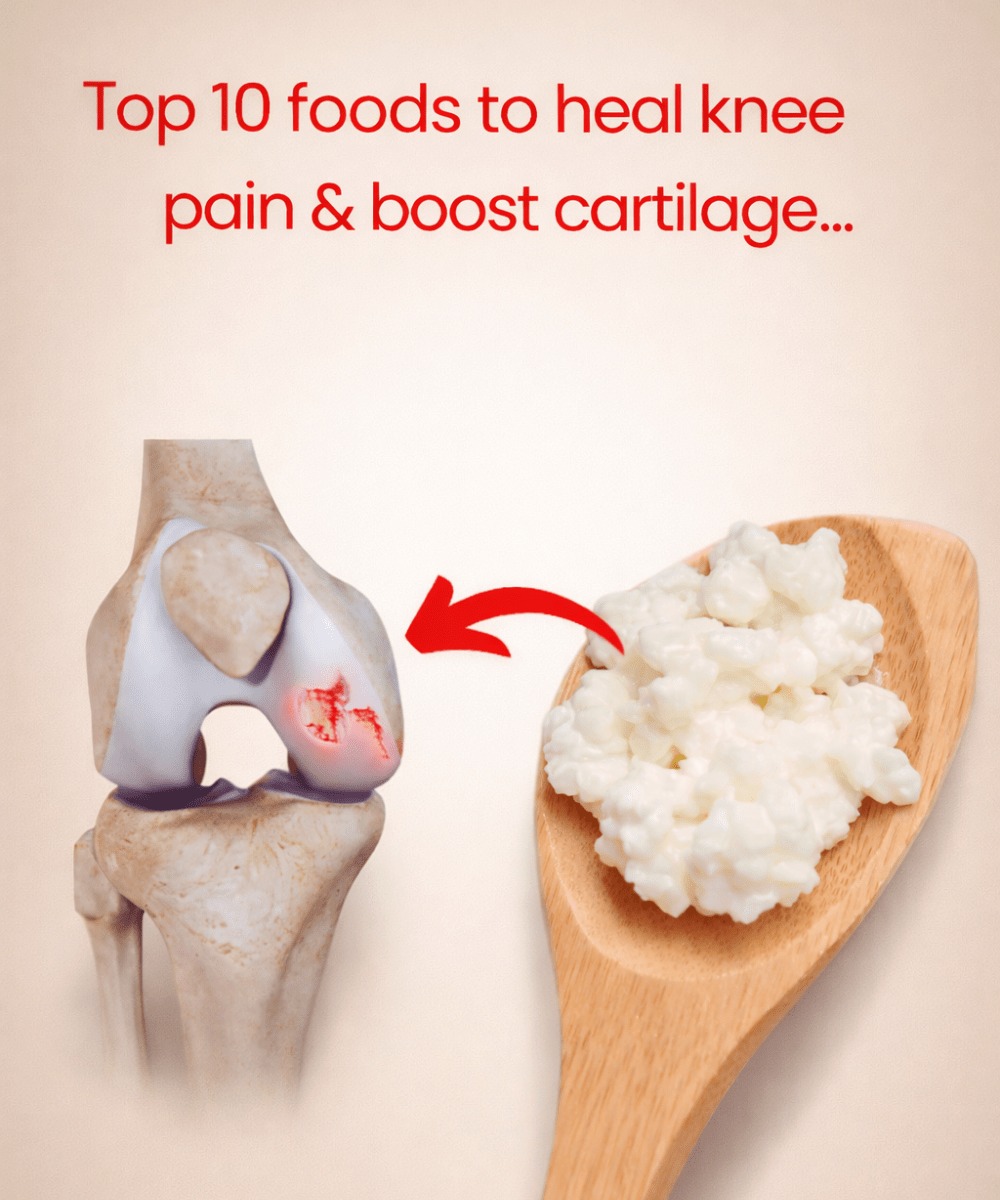
Top 10 foods to heal knee pain and boost cartilage

Knee pain can make even simple daily movements uncomfortable. Whether it’s caused by aging, wear and tear, excess weight, or inflammation, what you eat can play a powerful role in supporting joint health. While no single food can magically rebuild cartilage overnight, certain nutrient-rich ingredients help reduce inflammation, support collagen production, and protect joint tissues.

Here are the top 10 foods to help heal knee pain and support cartilage naturally, plus simple ways to include them in your daily meals.

1. Fatty Fish (Rich in Omega-3)
4

Fatty fish like salmon, mackerel, and sardines are rich in omega-3 fatty acids. These healthy fats help reduce joint inflammation and stiffness, especially for people dealing with osteoarthritis or rheumatoid discomfort.

How to use:
Grill salmon with olive oil, garlic, and lemon. Eat fatty fish 2–3 times per week for best results.

2. Bone Broth (Natural Collagen Source)
4

Bone broth contains collagen, gelatin, and amino acids like proline and glycine that support cartilage structure and joint cushioning.

Simple recipe:
Simmer beef or chicken bones with garlic, onion, and apple cider vinegar for 8–12 hours. Drink 1 cup daily.

3. Turmeric (Natural Anti-Inflammatory)
4

Turmeric contains curcumin, a compound known for reducing inflammation and joint pain.

How to use:
Add ½ teaspoon turmeric to warm milk with black pepper (which improves absorption). Drink daily.

4. Spinach and Leafy Greens
4

Leafy greens are rich in antioxidants, vitamin C, and calcium. Vitamin C is essential for collagen production, which keeps cartilage strong.

How to use:
Add spinach to smoothies, soups, or stir-fries.

5. Berries (Powerful Antioxidants)
4

Blueberries, strawberries, and raspberries contain antioxidants that fight inflammation and protect joint tissues from damage.

How to use:
Add a handful of berries to yogurt or oatmeal daily.

6. Nuts and Seeds
4

Walnuts, almonds, chia seeds, and flaxseeds provide healthy fats and magnesium, which help reduce inflammation and muscle tension around the knees.

How to use:
Sprinkle seeds over salads or blend into smoothies.

7. Olive Oil
4

Extra virgin olive oil contains oleocanthal, a compound with anti-inflammatory properties similar to mild pain relievers.

How to use:
Use as your main cooking oil or drizzle over vegetables.

8. Garlic and Onions
4

Garlic and onions contain sulfur compounds that may help reduce cartilage damage and inflammation.

How to use:
Add fresh garlic to soups, stir-fries, and sauces daily.

9. Oranges and Citrus Fruits
4

Citrus fruits are rich in vitamin C, essential for collagen production and tissue repair.

How to use:
Eat one orange daily or squeeze fresh lemon into warm water each morning.

10. Avocados
4

Avocados provide healthy fats and vitamin E, which help protect joints from oxidative stress.

How to use:
Add sliced avocado to salads, sandwiches, or smoothies.

Simple Anti-Inflammatory Knee Support Bowl Recipe

Here’s a quick meal combining several joint-friendly ingredients:

Ingredients:

1 cup cooked salmon

1 cup steamed spinach

½ avocado sliced

1 tablespoon olive oil

1 teaspoon turmeric

1 tablespoon walnuts

Fresh lemon juice

Instructions:

Place spinach in a bowl as the base.

Add grilled salmon on top.

Sprinkle turmeric and walnuts.

Add avocado slices.

Drizzle olive oil and fresh lemon juice.

Eat this 3–4 times per week for optimal joint support.

Additional Tips for Knee Pain Relief

Maintain a healthy weight to reduce pressure on knees.

Stay hydrated to keep cartilage lubricated.

Avoid excess sugar and processed foods, which increase inflammation.

Gentle exercise like walking or swimming strengthens muscles around the joint.

Final Thoughts

Healing knee pain naturally takes time and consistency. While these foods won’t replace medical treatment for severe joint damage, they can significantly reduce inflammation, improve mobility, and support cartilage health when combined with an active lifestyle.

By nourishing your body daily with anti-inflammatory and collagen-supporting foods, you give your knees the building blocks they need to stay strong and flexible for years to come.

How to Reduce Excess Phlegm in the Throat Naturally

Excess phlegm in the throat can feel uncomfortable, embarrassing, and sometimes even worrying. That constant need to clear your throat, the sticky sensation, or difficulty swallowing can interfere with daily life. Phlegm is actually a protective substance produced by your body to trap dust, bacteria, and viruses. However, when your body produces too much, it becomes a problem.

Common causes include colds, allergies, sinus infections, air pollution, smoking, acid reflux, and even dehydration. Fortunately, there are several natural remedies you can try at home to reduce excess mucus and soothe your throat.

1. Ginger and Honey Mucus-Relief Tea
4
Why It Works

Ginger has natural anti-inflammatory and antibacterial properties that help reduce throat irritation and loosen mucus. Honey soothes the throat and acts as a natural cough suppressant.

Ingredients

1-inch fresh ginger root (sliced)

1 tablespoon raw honey

1 cup hot water

Optional: a few drops of lemon juice

Instructions

Boil water and pour it into a cup.

Add sliced ginger and let it steep for 10 minutes.

Strain the ginger pieces.

Add honey and lemon juice.

Drink warm, 2–3 times daily.

This remedy helps thin mucus and makes it easier to clear naturally.

2. Steam Inhalation Therapy
4
Why It Works

Steam adds moisture to your airways, loosens thick mucus, and reduces throat congestion.

How to Do It

Boil 4–5 cups of water and pour into a large bowl.

Lean over the bowl and cover your head with a towel.

Inhale deeply for 5–10 minutes.

Optional: Add 2–3 drops of eucalyptus oil.

Do this once or twice daily, especially before bed.

3. Salt Water Gargle
4
Why It Works

Salt water reduces inflammation and helps clear mucus stuck in the throat.

Ingredients

1/2 teaspoon salt

1 cup warm water

Instructions

Mix salt into warm water.

Gargle for 30 seconds.

Repeat 3–4 times daily.

This simple remedy provides fast relief from throat irritation.

4. Turmeric Golden Milk
4
Why It Works

Turmeric contains curcumin, known for its powerful anti-inflammatory and antimicrobial properties.

Ingredients

1 cup warm milk (dairy or plant-based)

1/2 teaspoon turmeric powder

1 teaspoon honey

Pinch of black pepper

Instructions

Warm the milk (do not boil).

Stir in turmeric and black pepper.

Add honey.

Drink before bedtime.

This helps reduce overnight mucus buildup.

5. Apple Cider Vinegar Drink
4
Why It Works

Apple cider vinegar helps balance body pH and may reduce mucus production.

Ingredients

1 tablespoon raw apple cider vinegar

1 cup warm water

1 teaspoon honey (optional)

Instructions

Mix all ingredients.

Drink once daily.

Do not exceed 1–2 tablespoons per day to avoid stomach irritation.

Lifestyle Tips to Reduce Phlegm Naturally

Besides remedies, lifestyle changes play a major role:

Stay Hydrated

Drink at least 8 glasses of water daily. Proper hydration thins mucus and prevents it from becoming sticky.

Use a Humidifier

Dry air thickens mucus. A humidifier adds moisture to indoor air, especially helpful in winter.

Avoid Dairy (If Sensitive)

Some people notice increased mucus after consuming milk. Try reducing dairy temporarily to see if symptoms improve.

Quit Smoking

Smoking irritates airways and increases mucus production.

Improve Indoor Air Quality

Avoid dust, strong perfumes, and chemical sprays.

When to See a Doctor

While natural remedies are helpful, consult a healthcare provider if you experience:

Thick green or yellow mucus lasting more than 10 days

Blood in phlegm

Fever

Shortness of breath

Chest pain

These could indicate infection or other medical conditions.

Final Thoughts

Excess phlegm in the throat is common and usually temporary. Natural remedies like ginger tea, steam inhalation, saltwater gargling, turmeric milk, and apple cider vinegar can significantly reduce mucus buildup and soothe irritation.

Consistency is key. Combine these remedies with proper hydration and healthy lifestyle habits for best results. Most people notice improvement within a few days.

If symptoms persist or worsen, don’t ignore them. Your body may be signaling an underlying condition that requires medical attention.

By using these simple, affordable, and natural solutions, you can breathe easier and feel more comfortable every day.

Grilled Cheese Sandwiches

Few comfort foods can compete with the simple joy of a perfectly made grilled cheese sandwich. Crispy, buttery bread on the outside and warm, melted cheese on the inside—this timeless favorite is loved by kids and adults alike. Whether you enjoy it as a quick lunch, a late-night snack, or paired with a warm bowl of tomato soup, grilled cheese never goes out of style.

In this detailed guide, you’ll learn how to make the ultimate grilled cheese sandwich with simple ingredients, pro tips, and tasty variations.


🛒 Ingredients (Serves 2)

  • 4 slices of bread (white, sourdough, or whole wheat)

  • 4 slices of cheese (cheddar, mozzarella, American, or a mix)

  • 2–3 tablespoons butter (softened)

  • Optional: pinch of salt

  • Optional add-ins: tomato slices, caramelized onions, cooked bacon, or herbs


🍞 Choosing the Right Bread

The bread you choose plays a big role in the final result. Classic white sandwich bread gives you that nostalgic diner-style texture. Sourdough adds a slight tang and a firmer crunch. Whole wheat offers a nuttier flavor and added fiber.

Tip: Slightly thick slices (but not too thick) are best. Thin bread may burn before the cheese melts, while overly thick slices may not heat evenly.


🧀 Best Cheese for Grilled Cheese

The key to a perfect grilled cheese is meltability. Here are some top choices:

  • Cheddar – Sharp, rich flavor and great melt.

  • Mozzarella – Mild taste with amazing stretch.

  • American cheese – Creamy and ultra-smooth melt.

  • Monterey Jack – Mild and buttery.

For the best results, combine two cheeses—like cheddar and mozzarella—for flavor and stretch.


👩‍🍳 Step-by-Step Instructions

1. Prepare the Bread

Spread softened butter evenly on one side of each slice of bread. Make sure you cover the entire surface, right to the edges. This ensures even browning and crispness.

2. Assemble the Sandwich

Place two slices of bread butter-side down in a cold skillet. Add two slices of cheese on each piece. Top with the remaining bread slices, butter-side facing up.

3. Cook Low and Slow

Turn the heat to medium-low. Cooking slowly allows the bread to become golden brown while giving the cheese enough time to melt completely. This usually takes about 3–4 minutes per side.

4. Flip Carefully

Once the bottom is golden brown, gently flip the sandwich using a spatula. Press lightly to help the cheese melt evenly.

5. Finish and Serve

When both sides are crispy and golden and the cheese is fully melted, remove from the pan. Let it rest for one minute before slicing. This helps the cheese set slightly so it doesn’t spill out immediately.


🔥 Pro Tips for the Perfect Sandwich

  • Use room-temperature butter for easy spreading.

  • Cook on medium-low heat to prevent burning.

  • Cover the pan for 1 minute if the bread is browning too fast—this traps heat and melts the cheese faster.

  • Add a sprinkle of garlic powder or dried herbs to the butter for extra flavor.

  • Try mayonnaise instead of butter for a crispier crust.


🍅 Serving Suggestions

Grilled cheese pairs beautifully with:

  • Tomato soup

  • Fresh green salad

  • Pickles or coleslaw

  • A bowl of creamy mushroom soup

The contrast between crunchy bread and warm soup creates the ultimate comfort meal.


🌟 Delicious Variations

1. Tomato Basil Grilled Cheese

Add fresh tomato slices and a few basil leaves before grilling.

2. Spicy Jalapeño Melt

Add sliced jalapeños and pepper jack cheese for heat.

3. Breakfast Grilled Cheese

Include scrambled eggs and crispy bacon for a hearty twist.

4. Sweet & Savory

Add thin apple slices with sharp cheddar for a gourmet touch.


🧂 Nutritional Information (Approximate per sandwich)

  • Calories: 400–500

  • Protein: 15–20g

  • Carbohydrates: 30–35g

  • Fat: 25–30g

Values will vary depending on bread and cheese used.


💛 Why Everyone Loves Grilled Cheese

Grilled cheese sandwiches are simple, affordable, and customizable. They require only a few ingredients but deliver maximum comfort. The crispy exterior combined with gooey, melted cheese satisfies cravings instantly. Plus, it’s beginner-friendly—perfect for anyone learning to cook.


🧊 Storage and Reheating

Grilled cheese is best enjoyed fresh, but you can store leftovers in the refrigerator for up to 2 days. Reheat in a skillet over low heat to restore crispiness. Avoid microwaving if possible, as it can make the bread soggy.


📝 Final Thoughts

A grilled cheese sandwich may seem basic, but mastering it is all about technique. With the right bread, quality cheese, and proper cooking temperature, you can transform simple ingredients into a golden, crispy, melty masterpiece.

Next time you’re craving comfort food, skip the takeout and make this easy grilled cheese at home. One bite of that crunchy, buttery crust and stretchy melted cheese—and you’ll remember why this classic has stood the test of time. 🧀✨

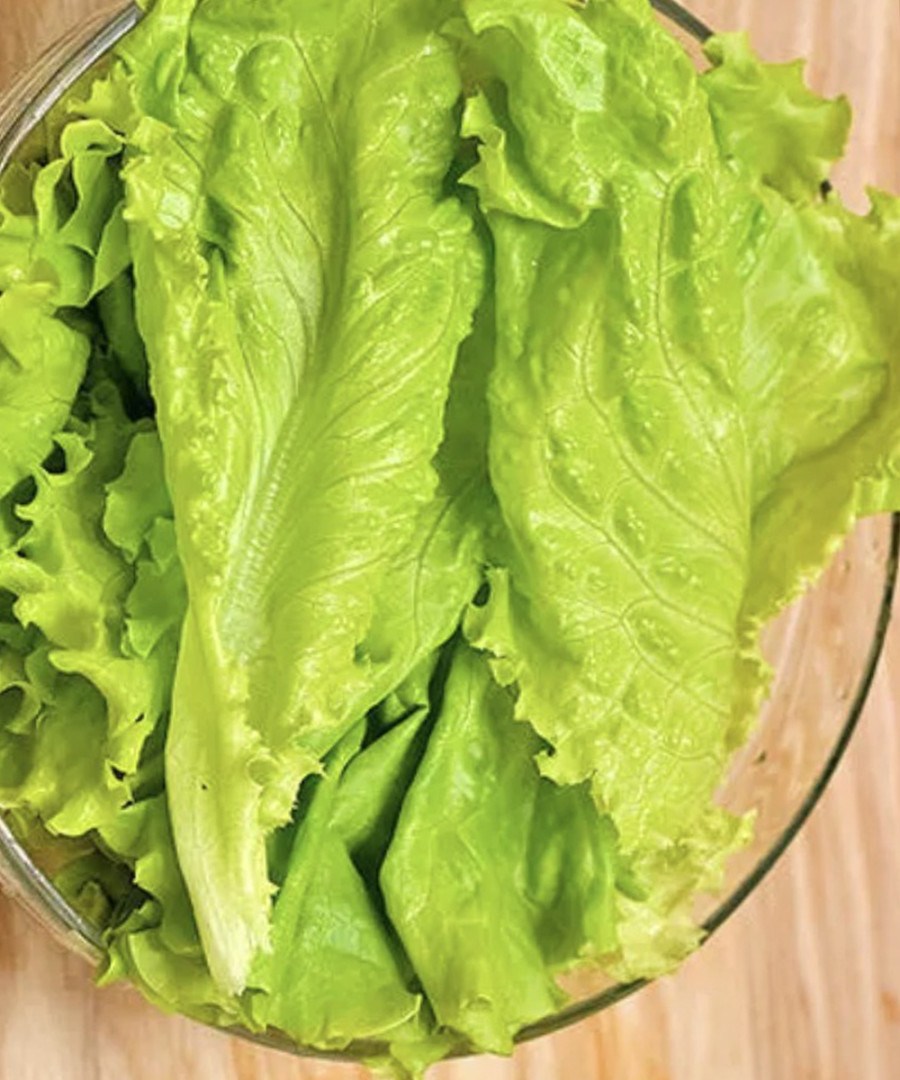
Doctors reveal that eating lettuce in winter causes

Doctors reveal that eating lettuce in winter causes a surprising range of benefits that many people overlook. While lettuce is often thought of as a simple summer salad ingredient, health professionals increasingly point out that this crisp leafy green can be especially valuable during colder months. Winter diets often become heavier, richer, and lower in fresh produce, which makes lettuce a powerful addition to seasonal meals.

First, doctors explain that lettuce supports hydration even in winter. During cold weather, people tend to drink less water because they don’t feel as thirsty as they do in summer. However, dehydration still occurs due to indoor heating and dry air. Lettuce contains over 90% water, helping to gently maintain hydration levels. Proper hydration supports circulation, skin health, digestion, and energy — all essential during the colder months.

Another major benefit is immune support. Lettuce, especially darker varieties like romaine and red leaf, contains vitamin A, vitamin C, and antioxidants. These nutrients help strengthen the immune system, which is particularly important during flu and cold season. Vitamin A supports the mucous membranes in the respiratory tract, forming a natural barrier against infections. Vitamin C helps the body produce white blood cells that fight off viruses and bacteria.

Doctors also highlight the digestive benefits of eating lettuce in winter. Cold weather and holiday meals often mean heavier dishes, more processed foods, and fewer fiber-rich vegetables. Lettuce provides gentle fiber that supports healthy bowel movements and prevents constipation, which becomes more common during winter. The fiber also feeds beneficial gut bacteria, strengthening the gut microbiome — an important factor in immune health.

Many people don’t realize that lettuce can also help with sleep. Certain varieties, especially romaine, contain lactucarium — a natural compound sometimes referred to as “lettuce opium” in traditional medicine due to its mild calming properties. While it is not a sedative, it may promote relaxation and improve sleep quality. Winter months often disrupt sleep cycles due to reduced sunlight exposure and changes in routine, so incorporating lettuce into evening meals may provide subtle support.

Heart health is another reason doctors encourage winter lettuce consumption. Lettuce contains potassium, which helps regulate blood pressure by balancing sodium levels in the body. During winter, people often consume more salty comfort foods like soups, stews, and processed snacks. Adding lettuce to meals can help counteract some of that sodium and support cardiovascular health.

Weight management is also easier when lettuce is part of the winter diet. Because it is low in calories but high in volume, lettuce increases fullness without adding excess calories. This can be especially helpful during winter holidays when calorie-dense foods are more common. Doctors often recommend starting meals with a salad to reduce overall calorie intake while still feeling satisfied.

Additionally, lettuce supports skin health during dry winter months. The combination of water, antioxidants, and vitamins helps protect the skin from dryness and environmental stress caused by cold winds and indoor heating. Nutrients like beta-carotene help maintain skin elasticity and repair.

Some doctors also point out that lettuce contributes to bone health. It contains vitamin K, which plays a key role in bone mineralization and calcium absorption. Winter months often mean reduced sun exposure and lower vitamin D production, which can affect bone strength. Including vitamin K-rich foods like lettuce helps support skeletal health.

To maximize benefits, doctors recommend washing lettuce thoroughly and choosing fresh, crisp leaves. Organic varieties may reduce pesticide exposure, though any clean, fresh lettuce provides valuable nutrients. Pairing lettuce with healthy fats like olive oil or avocado improves absorption of fat-soluble vitamins such as A and K.

Here is a simple winter lettuce recipe doctors recommend:

Winter Immune-Boosting Lettuce Bowl

Ingredients:

  • 4 cups romaine lettuce, chopped

  • 1 grated carrot

  • ½ sliced cucumber

  • ¼ cup pomegranate seeds

  • 1 tablespoon olive oil

  • Juice of half a lemon

  • Pinch of sea salt

  • 1 tablespoon pumpkin seeds

Instructions:
Wash and dry the lettuce thoroughly. Place it in a large bowl. Add carrot, cucumber, and pomegranate seeds. Drizzle with olive oil and lemon juice. Sprinkle salt and pumpkin seeds on top. Toss gently and serve immediately.

This simple combination provides hydration, antioxidants, fiber, and healthy fats — perfect for supporting the body during winter.

In conclusion, doctors reveal that eating lettuce in winter causes positive effects on hydration, immunity, digestion, heart health, sleep, weight control, skin, and bones. Rather than viewing lettuce as just a summer vegetable, it should be considered a year-round health ally. Adding it regularly to winter meals is a small habit that can deliver significant benefits for overall wellness.

Doctors reveal that eating cabbage causes

Cabbage may not be the flashiest vegetable in the produce aisle, but doctors and nutrition experts consistently agree that adding cabbage to your diet can have surprisingly powerful effects on your health. From improving digestion to supporting heart health and reducing inflammation, this humble vegetable deserves a permanent place in your kitchen.

Let’s explore what happens to your body when you start eating cabbage regularly—and then I’ll share a delicious, easy recipe you can make at home.

What Happens When You Eat Cabbage Regularly?

1. Your Digestion Improves

Cabbage is rich in dietary fiber, which supports healthy digestion. Fiber helps regulate bowel movements, prevent constipation, and support beneficial gut bacteria. Red and green cabbage both contain natural compounds that nourish your digestive system and may help protect the stomach lining.

Some research has even suggested that cabbage juice may help soothe stomach discomfort due to its natural anti-inflammatory compounds.

2. Your Heart Gets Extra Protection

Cabbage contains antioxidants like anthocyanins (especially in red cabbage) and vitamin C. These compounds help reduce inflammation and oxidative stress, two major contributors to heart disease.

Fiber also plays a role in lowering LDL (“bad”) cholesterol levels. By eating cabbage regularly, you may help support healthy blood pressure and improved circulation.

3. Your Immune System Strengthens

Cabbage is packed with vitamin C—an essential nutrient for immune function. Vitamin C helps your body fight infections, supports skin health, and aids in collagen production.

During cold and flu season, adding cabbage soups, salads, or stir-fries to your meals can be a simple way to boost your daily vitamin intake.

4. Your Body Detoxifies Naturally

Cabbage contains sulfur compounds and glucosinolates. These plant compounds help support the liver’s natural detoxification processes. While the word “detox” is often overused, your liver already works hard to remove toxins—and cabbage provides nutrients that support that function.

5. You May Support Healthy Weight Management

Low in calories but high in fiber and water content, cabbage helps you feel full longer without consuming excess calories. That makes it an excellent food for those looking to manage weight in a healthy, balanced way.

A cup of raw cabbage contains very few calories but delivers significant nutrients—making it ideal for large, satisfying meals like salads and soups.

Delicious Garlic Butter Cabbage Skillet Recipe

Now that you know the benefits, here’s a simple and flavorful way to enjoy cabbage.

Ingredients:

  • 1 medium green cabbage (chopped)

  • 3 tablespoons butter

  • 4 cloves garlic (minced)

  • ½ teaspoon salt

  • ½ teaspoon black pepper

  • ½ teaspoon paprika (optional)

  • 1 tablespoon lemon juice

  • Fresh parsley (optional garnish)

Instructions:

  1. Remove the outer leaves of the cabbage and chop it into bite-sized pieces.

  2. Heat a large skillet over medium heat and add the butter.

  3. Once melted, add the minced garlic and sauté for about 30 seconds until fragrant (do not burn).

  4. Add the chopped cabbage to the skillet. Stir well to coat with butter.

  5. Season with salt, pepper, and paprika.

  6. Cook for 10–15 minutes, stirring occasionally, until the cabbage softens and slightly caramelizes.

  7. Add lemon juice at the end for brightness.

  8. Garnish with parsley and serve warm.

Optional Add-Ins:

  • Cooked bacon pieces

  • Sautéed onions

  • Red pepper flakes for heat

  • Grated Parmesan cheese

  • Shredded chicken for extra protein

Tips for Maximum Benefits

  • Eat cabbage both raw and cooked for varied nutrient absorption.

  • Red cabbage contains more antioxidants than green.

  • Fermented cabbage (like sauerkraut) provides probiotics for gut health.

  • Avoid overcooking, as excessive heat can reduce vitamin C content.

Who Should Be Careful?

While cabbage is healthy for most people, those with thyroid conditions should avoid extremely high amounts of raw cabbage due to compounds that may interfere with iodine absorption. Light cooking usually reduces this effect.

If you experience bloating when eating cabbage, start with small portions and increase gradually as your body adjusts to the fiber.

Final Thoughts

Doctors emphasize that no single food is a miracle cure—but cabbage comes impressively close to being a nutritional powerhouse. Affordable, versatile, and easy to cook, it supports digestion, heart health, immunity, and overall wellness.

It Is Called Natural Morphine Because It Relieves Muscle and Joint Pain Rheumatism and Even Gout

It Is Called “Natural Morphine” Because It Relieves Muscle and Joint Pain, Rheumatism, and Even Gout

If you’ve been struggling with aching joints, stiff muscles, rheumatism flare-ups, or the intense discomfort of gout, you’ve probably searched for natural solutions that truly work. While nothing replaces professional medical care when needed, certain traditional remedies have earned powerful nicknames over the years. One of them is often referred to as “natural morphine” because of its soothing and anti-inflammatory effects.

This title is commonly given to remedies made with cloves, especially clove oil or clove-infused preparations. Cloves have been used for centuries in traditional medicine systems for pain relief, inflammation control, and improved circulation. Their powerful compound, eugenol, is known for its natural analgesic (pain-relieving) and anti-inflammatory properties.

Below is a high-quality, detailed recipe you can prepare at home to support muscle and joint comfort naturally.


Why Cloves Are Called “Natural Morphine”

Cloves contain eugenol, a natural compound that:

  • Helps reduce inflammation

  • Acts as a mild natural anesthetic

  • Improves blood circulation

  • Provides warming relief to stiff areas

Because of these effects, clove preparations are often used for:

  • Muscle soreness

  • Joint stiffness

  • Rheumatic discomfort

  • Gout-related pain

  • Back and neck tension

While it is not actual morphine and does not replace medical pain treatment, many people find it surprisingly effective for temporary relief.


Natural Clove Pain Relief Oil Recipe

This simple homemade oil can be massaged into painful joints and muscles.

Ingredients

  • 2 tablespoons whole cloves (or 1 tablespoon ground cloves)

  • 1 cup extra virgin olive oil (or coconut oil)

  • 1 small clean glass jar with lid

  • Optional: 1 teaspoon grated fresh ginger (extra anti-inflammatory boost)


Instructions

Step 1: Prepare the Cloves

Lightly crush the whole cloves using a mortar and pestle. This helps release the natural oils and active compounds.

Step 2: Combine with Oil

Place the crushed cloves into a clean glass jar. Pour the olive oil over them until completely covered.

Step 3: Infuse

Seal the jar tightly and place it in a warm, sunny spot for 10–14 days. Shake gently once per day.

If you prefer a quicker method:

  • Heat the oil and cloves together on very low heat for 20–30 minutes.

  • Do NOT let it boil.

  • Allow it to cool completely.

Step 4: Strain

After infusion, strain the oil using a fine cloth or strainer. Store the oil in a dark glass bottle away from direct sunlight.


How to Use

  • Warm a small amount between your hands.

  • Massage gently into painful areas for 5–10 minutes.

  • Use 1–2 times daily as needed.

  • For deeper relief, apply and cover with a warm towel.

Many people notice a warming sensation that helps relax tight muscles and improve mobility.


Bonus: Clove & Turmeric Anti-Inflammatory Drink

If you want internal support as well, try this soothing herbal drink.

Ingredients

  • 1 cup warm water

  • 3–4 whole cloves

  • ½ teaspoon turmeric powder

  • ½ teaspoon grated ginger

  • 1 teaspoon honey (optional)

Preparation

  1. Boil water.

  2. Add cloves and ginger.

  3. Simmer for 5 minutes.

  4. Remove from heat and stir in turmeric.

  5. Let sit for 5 more minutes.

  6. Strain and add honey if desired.

Drink once daily to support overall inflammation balance.


Why This May Help with Gout and Rheumatism

Gout and rheumatism often involve inflammation and poor circulation. Cloves may help by:

  • Supporting healthy blood flow

  • Reducing oxidative stress

  • Calming inflamed tissues

  • Providing mild natural pain relief

Turmeric adds curcumin, a well-known anti-inflammatory compound. Ginger improves circulation and reduces stiffness.


Important Safety Notes

  • Always do a patch test before applying clove oil to the skin.

  • Do not apply to broken or irritated skin.

  • Pregnant or breastfeeding individuals should consult a healthcare provider.

  • If you are on blood thinners, consult your doctor before using clove internally.

  • Severe or persistent pain should be evaluated by a medical professional.

This remedy supports comfort but does not cure underlying disease.


Lifestyle Tips to Enhance Relief

To maximize benefits:

  • Stay hydrated to help flush uric acid (important for gout).

  • Reduce processed foods and excessive sugar.

  • Include leafy greens and anti-inflammatory foods.

  • Practice gentle stretching daily.

  • Maintain a healthy weight to reduce joint pressure.

Small consistent habits often make a big difference.


Final Thoughts

Natural remedies like clove-infused oil have stood the test of time for a reason. Their warming, circulation-boosting, and anti-inflammatory properties can provide noticeable relief for muscle soreness, joint stiffness, rheumatism discomfort, and gout flare support.

While it’s not actual morphine, this “natural morphine” nickname reflects how powerful cloves can feel when used properly. If you’re looking for a gentle, affordable, and traditional way to soothe pain, this homemade clove remedy is worth trying.

5 qualities that many men value in a woman after 60 according to studies and real experiences

1. Emotional Maturity and Stability 

After age 60, many men place a high value on emotional maturity — the ability to communicate openly, regulate emotions, and respond thoughtfully in relationships. Emotional maturity includes self-awareness, empathy, and resilience, which are qualities that often grow stronger with life experience.

Research on long-term relationships highlights that emotional regulation and low conflict reactivity are strong predictors of satisfaction and longevity in partnerships. In older adults, the capacity to navigate disagreements calmly and with understanding tends to increase, partly because many people have had decades of practice negotiating personal and interpersonal challenges.

In real life, men frequently report that they appreciate partners who can share vulnerabilities without escalating stress, and who can express needs honestly without resorting to blame. After decades of life and love, many people simply prefer peace over drama, and emotional stability becomes a foundation for deeper intimacy, shared joy, and mutual support.

2. Shared Values and Companionship 

Shared values, interests, and life goals often become more important than physical attraction alone as people age. After 60, many men look for a partner with whom they can enjoy companionship — someone who appreciates the same things in life, whether that’s travel, family time, spiritual life, cultural pursuits, or simply quiet evenings at home.

Studies on aging and relationships show that shared activities and mutual interests help couples feel more connected and satisfied over time. These shared values act as a glue that binds partners through both enjoyable and challenging seasons of life.

Real stories from couples over 60 often reflect simple but profound pleasures: planning trips together, attending social events as a pair, laughing over shared memories, or discovering new hobbies side by side. Companionship at this stage isn’t about filling time — it’s about valuing the moments spent together and building a shared narrative that feels meaningful.

3. Kindness and Compassion 

Kindness — genuine care for others’ wellbeing — consistently emerges as one of the most valued qualities in lasting relationships. Many men over 60 describe kindness as not just a positive trait, but a cornerstone of a deeply fulfilling partnership.

Research in positive psychology identifies compassion as key to relational satisfaction. Acts of kindness — from small gestures to major supportive behaviors — help build trust, reduce stress in the relationship, and signal long-term commitment.

At this stage of life, men often have witnessed the effects of aging on friends, family, and themselves. They may be dealing with loss, health concerns, or transitions such as retirement. A compassionate partner who responds with care during tough times — listening, supporting without judgment, and offering comfort — becomes invaluable.

Men in interviews often mention that they appreciate partners who are not only kind to them, but also to others: to service staff, to family members, to neighbors. Kindness, in this context, signals character, not just momentary niceness.

4. Independence and Confidence 

While companionship is important, many men value a partner who retains her own sense of self and independence. After 60, a confident woman who pursues her interests, maintains friendships, and takes care of her well-being signals emotional health and life satisfaction.

Psychological research points to self-confidence as strongly linked to relational satisfaction for both partners. Independence doesn’t mean distance — it means having a life outside the relationship that’s rich and fulfilling. This contributes to balance, mutual respect, and admiration between partners.

Men often say that they appreciate women who are comfortable in their own skin, who speak their mind with grace, and who make choices based on self-respect rather than insecurity. Confidence at this stage isn’t about achievement or appearance — it’s about knowing who you are, having worked through many seasons of life, and sharing that grounded self with a partner.

Independence can show up in many forms: managing finances, planning travel alone or with friends, keeping hobbies alive, or simply being comfortable with quiet solitude when needed. These qualities promote harmony rather than dependency, making the relationship feel voluntary and joyful rather than obligatory.

5. Humor and Playfulness 

A sense of humor and the ability to enjoy life playfully are qualities that many men — and women — report valuing deeply after 60. Humor can disarm tension, knit partners together, and make everyday moments delightful.

Studies on long-term relationships consistently find that couples who laugh together frequently report stronger bonds and greater satisfaction. Humor supports resilience: it helps people cope with stress, with health changes, with family issues, and with the unpredictability of aging.

Real-world stories from older couples often include inside jokes, playful teasing, shared laughter over memories, and the ability to find joy in simple pleasures. These moments strengthen emotional connection and create a sense of partnership that feels fun as well as supportive.

Men frequently describe humor as a life-enhancing quality — not comedy-club level jokes, but the ability to find lightness in the everyday. In later life, where time feels more precious and perspective shifts toward meaning and connection, humor becomes a gift that makes each day worth living together.

Conclusion 

After 60, many men value qualities in a woman that go beyond surface traits. Emotional maturity, shared values, kindness, independence, and humor help create relationships that are deep, resilient, and joyful. These qualities reflect life experience, character, and the capacity to connect in meaningful ways — foundations for love that lasts.