The Vinegar Trick to Make Crispy Fries – The Secret Most People Miss

If you’ve ever tried making homemade fries and ended up with limp, soggy potatoes instead of golden, crunchy perfection, you’re not alone. The secret to restaurant-style crispiness isn’t expensive equipment or complicated techniques — it’s a simple splash of vinegar.

Yes, vinegar.

Professional kitchens have quietly used this method for years. Adding a small amount of vinegar to the soaking or boiling water changes the structure of the potato’s surface, helping it stay intact while creating a crisp, crackly exterior once fried or baked. The result? Fries that are fluffy inside and perfectly crisp outside — every single time.

Let’s break down why it works and how you can do it at home.

Why Vinegar Makes Fries Crispier

Potatoes are full of starch. When exposed to heat, the outer layer softens quickly. Without structure, the surface can break down, leading to soggy fries.

Vinegar, a mild acid, strengthens the pectin in the potato’s outer layer. This keeps the surface firm during boiling or soaking. When fried, that firm exterior turns beautifully golden and crisp instead of falling apart.

The key is balance — too much vinegar affects flavor. The right amount enhances texture without leaving a sour taste.

Choosing the Right Potatoes

For the crispiest fries, use starchy potatoes like:

  • Russet potatoes

  • Idaho potatoes

These varieties have high starch and low moisture, which creates that fluffy interior everyone loves.

Avoid waxy potatoes (like red or new potatoes) because they hold moisture and won’t crisp as well.

The Ultimate Vinegar Crispy Fries Recipe

Ingredients

  • 4 large Russet potatoes

  • 2 tablespoons white vinegar

  • 8 cups water

  • 1 tablespoon salt (plus more for seasoning)

  • Oil for frying (vegetable or peanut oil works best)

Step 1: Cut the Potatoes

Peel if desired, though leaving the skin on adds texture and flavor. Slice into evenly sized sticks — about ¼ inch thick for classic fries.

Uniform size is important for even cooking.

Step 2: The Vinegar Soak

In a large bowl, combine:

  • 8 cups cold water

  • 2 tablespoons white vinegar

  • 1 tablespoon salt

Add the cut potatoes and soak for at least 30 minutes (up to 2 hours for best results).

This step removes excess starch while the vinegar strengthens the surface.

Step 3: Optional Parboil for Extra Crisp

For ultra-crispy fries, take it one step further.

  1. Drain the soaking water.

  2. Bring fresh water to a boil.

  3. Add 1 tablespoon vinegar.

  4. Gently boil potatoes for 5 minutes.

They should be slightly tender but not falling apart.

Drain carefully and let them steam dry completely. This drying step is critical — moisture causes oil splatter and sogginess.

Step 4: First Fry (Blanching)

Heat oil to 325°F (160°C).

Fry the potatoes in batches for 4–5 minutes. They should look pale and soft, not browned.

Remove and place on a rack or paper towels. Let them rest for 10–15 minutes.

This first fry cooks the inside.

Step 5: Second Fry (Crisping)

Increase oil temperature to 375°F (190°C).

Return fries to the oil and fry until golden brown — about 2–4 minutes.

You’ll immediately notice the difference: the outside turns crisp and blistered while the inside stays fluffy.

Remove and salt immediately while hot.

Oven Method (Healthier Option)

If you prefer baking:

  1. After soaking and drying, toss fries with 2–3 tablespoons oil.

  2. Spread on a parchment-lined baking sheet.

  3. Bake at 425°F (220°C) for 30–40 minutes, flipping halfway.

They won’t be quite as crunchy as deep-fried, but the vinegar trick still gives noticeable crispiness.

Air Fryer Method

Air fry at 380°F (193°C) for 15–20 minutes, shaking halfway.

For extra crunch, spray lightly with oil before cooking.

Flavor Variations

Once you master the crispy base, try:

  • Garlic parmesan fries

  • Paprika and chili powder

  • Truffle oil and sea salt

  • Cajun seasoning

  • Fresh rosemary and flaky salt

Common Mistakes to Avoid

Skipping the drying step – Wet potatoes = soggy fries.

Overcrowding the fryer – This lowers oil temperature and steams instead of fries.

Using low oil temperature – Always use a thermometer.

Too much vinegar – Stick to 1–2 tablespoons per large batch.

Why This Trick Works Better Than Cornstarch

Some recipes suggest coating fries in cornstarch. While that can help, it often creates a crust that feels separate from the potato.

The vinegar method works from within — strengthening the natural structure of the potato instead of adding an external coating.

The result is more natural, restaurant-style crispiness.

Final Thoughts

The vinegar trick is simple, inexpensive, and incredibly effective. Once you try it, you’ll never go back to plain soaking water again.

Crispy fries aren’t about luck — they’re about science. A small splash of vinegar transforms an everyday potato into golden perfection.


Nighttime Detox Juice – The Secret No One Will Ever Tell You

There’s something comforting about ending the day with a calming ritual. For some, it’s a warm shower. For others, it’s a quiet cup of tea. But if you’re looking for something refreshing, nourishing, and simple, this Nighttime Detox Juice might become your new favorite habit.

Now let’s clear something up first. Your body already has a powerful detox system built in — your liver, kidneys, and digestive system do the hard work every single day. This juice isn’t a “magic cleanse.” The real secret no one talks about? Consistency and simple ingredients that support your body naturally. That’s it. No extreme cleanses. No starvation. Just gentle support.

This recipe combines ingredients known for hydration, digestion support, and relaxation — making it perfect before bed.

Why Drink Juice at Night?

At night, your body shifts into repair mode. While you sleep, your system works on cellular repair, digestion, and hormone balance. Drinking something light, hydrating, and nutrient-rich instead of a heavy late-night snack can help you feel less bloated and more refreshed in the morning.

This juice is:

  • Light on the stomach

  • Naturally hydrating

  • Gently supportive for digestion

  • Slightly sweet with a refreshing kick

Nighttime Detox Juice Recipe

Ingredients:

  • 1 medium cucumber

  • 1 green apple

  • Juice of ½ lemon

  • 1-inch piece fresh ginger

  • A handful of fresh mint leaves

  • 1 cup cold water or coconut water

  • Optional: ½ teaspoon raw honey

Step-by-Step Instructions

  1. Prepare the produce.
    Wash everything thoroughly. Slice the cucumber and green apple. No need to peel unless you prefer to.

  2. Add to blender.
    Place cucumber, apple, lemon juice, ginger, mint, and water into a blender.

  3. Blend until smooth.
    Blend for 30–45 seconds until completely smooth.

  4. Strain (optional).
    If you prefer a smoother juice, strain through a fine mesh sieve or cheesecloth.

  5. Sweeten lightly (optional).
    Add honey if you like a slightly sweeter taste.

  6. Serve immediately.
    Drink about 30–60 minutes before bedtime.

What Makes This Juice Special?

Cucumber – The Hydration Hero

Cucumber is mostly water, helping your body stay hydrated overnight. Proper hydration supports kidney function and helps reduce morning puffiness.

Green Apple – Gentle Fiber Support

Green apples add a mild sweetness and contain fiber that supports digestion without feeling heavy before sleep.

Lemon – A Bright Boost

Lemon juice adds vitamin C and a refreshing flavor. Some people enjoy lemon at night because it feels cleansing and light.

Ginger – The Digestive Soother

Ginger is widely used to ease bloating and support digestion. Just a small amount adds warmth without overpowering the drink.

Mint – The Calming Touch

Mint gives this juice its soothing, spa-like flavor. It may also help relax the digestive tract before bedtime.

the Real “Secret”

Here’s what most people won’t tell you: detox isn’t about dramatic overnight results. It’s about daily habits.

  • Drinking enough water

  • Eating whole foods

  • Sleeping 7–8 hours

  • Managing stress

  • Moving your body regularly

This juice simply fits into that bigger picture. It’s not a replacement for healthy living — it supports it.

Tips for Best Results

✔ Drink consistently 3–4 nights a week
✔ Avoid heavy, greasy meals late at night
✔ Pair with good sleep habits
✔ Don’t overdo ginger if you’re sensitive
✔ Use fresh ingredients for maximum flavor

Variations You Can Try

For Better Sleep:
Add a small pinch of turmeric.

For Extra Hydration:
Use coconut water instead of plain water.

For a Cooler Version:
Add a few ice cubes and blend.

For a Smoother Taste:
Peel the cucumber and apple before blending.

Who Should Be Cautious?

  • If you have acid reflux, lemon and ginger may need to be reduced.

  • If you’re on medication or have kidney conditions, consult a healthcare professional before making dietary changes.

  • Avoid large portions right before lying down to prevent discomfort.

How You Might Feel

Many people report:

  • Less bloating in the morning

  • Feeling lighter at night

  • Reduced late-night cravings

  • Improved hydration

  • A refreshing bedtime ritual

Remember, results vary from person to person.

Final Thoughts

This Nighttime Detox Juice isn’t a miracle cure — and it doesn’t need to be. The power lies in simple ingredients working together to gently support your body while you rest.

If you already enjoy natural health drinks like clove tea or banana blends, this juice can easily become part of your evening routine. It’s refreshing, easy to make, and requires no complicated steps.

My neighbor taught me this trick to clean green algae off siding with 0 effort.

My neighbor leaned over the fence one afternoon while I was scrubbing my siding with a stiff brush and said, “You’re working too hard.” I had been battling stubborn green algae stains that made my once-bright siding look dull and neglected. Living in a humid area means moisture clings to surfaces, and before long, that moisture invites algae to grow. I assumed the only solution was elbow grease and hours of scrubbing. But my neighbor shared a simple, low-effort method that completely changed the way I clean my home’s exterior.

If you’ve noticed green streaks creeping up your siding, especially on the north-facing side of your house where sunlight is limited, you’re likely dealing with algae. While it looks unpleasant, it’s usually harmless to the structure itself. Still, leaving it untreated can make your home look older and poorly maintained. The good news? You don’t need expensive equipment or professional services. This easy “recipe” uses common household ingredients and requires almost no scrubbing at all.

Here’s the simple mixture my neighbor swears by:

You will need:

  • 1 gallon of warm water

  • 1 cup of white vinegar

  • 2 tablespoons of liquid dish soap

  • A garden sprayer or spray bottle

That’s it. No harsh chemicals, no power washer, and no climbing ladders with buckets.

To prepare the solution, fill a garden sprayer with one gallon of warm water. Add one cup of white vinegar. Vinegar is mildly acidic, which helps break down algae and inhibit its regrowth. Then mix in two tablespoons of liquid dish soap. The dish soap helps the solution cling to the siding instead of running straight down, giving it more time to work on the algae.

Once mixed, gently shake the sprayer to combine everything.

Before spraying your entire house, choose a small hidden area and test the solution. This ensures your siding material reacts well. Most vinyl and painted siding handle this mixture just fine, but it’s always smart to check first.

Now comes the effortless part. On a dry, overcast day (avoid direct sunlight to prevent streaking), spray the solution generously onto the algae-covered areas. Start from the bottom and work your way up to prevent streaking. Make sure the green areas are thoroughly saturated.

Then walk away.

Let the mixture sit for 20–30 minutes. During this time, the vinegar and soap combination loosens and lifts the algae from the surface. You’ll often see the green color begin to fade on its own.

After the waiting period, use a garden hose with a gentle spray setting to rinse the siding from top to bottom. In most cases, the algae will wash right off with minimal effort. If a small patch remains stubborn, a light pass with a soft-bristle brush will finish the job—but you likely won’t need to scrub much at all.

One of the reasons this trick works so well is that algae thrive in damp, shaded conditions. Vinegar alters the surface environment temporarily, making it less friendly for regrowth. While this solution won’t permanently prevent algae from returning, it dramatically reduces buildup and keeps siding looking fresh for much longer.

For tougher infestations, my neighbor suggested slightly increasing the vinegar to 1½ cups per gallon. However, avoid using straight vinegar at full strength on painted surfaces, as prolonged exposure could dull the finish.

If you prefer a stronger alternative, some homeowners use diluted household bleach instead of vinegar. A common ratio is 1 part bleach to 4 parts water with a small amount of dish soap. However, bleach can harm nearby plants and discolor certain materials if not used carefully. If you choose that method, protect landscaping and rinse thoroughly.

To keep algae from coming back quickly, consider trimming back bushes or tree branches that block sunlight. Improving airflow around the house helps surfaces dry faster after rain. Cleaning your siding once or twice a year—especially in spring and early fall—can prevent heavy buildup.

What I love most about this method is how accessible it is. No renting power washers. No expensive specialty cleaners. No harsh fumes. Just a simple, budget-friendly mixture that gets the job done with very little physical effort.

Since trying this trick, I’ve made it part of my seasonal cleaning routine. The siding looks brighter, the house feels refreshed, and I no longer dread exterior cleaning days. Sometimes the best solutions really do come from friendly advice over the fence.

My sister begs for these gooey breakfast bombs every weekend. Only 3 ingredients and the smell wakes the whole house up

My sister literally starts asking for these gooey breakfast bombs on Friday night. By Saturday morning, she’s already hovering in the kitchen waiting for that buttery, sweet smell to fill the house. The best part? They only use 3 simple ingredients, take almost no effort, and taste like something straight from a bakery.

If you love quick comfort recipes like classic Cinnamon Roll treats, you’re going to adore this one. These breakfast bombs are soft on the outside, warm and gooey on the inside, and coated in buttery cinnamon sugar goodness. The smell alone is enough to wake up the entire house.

Let’s get into it.

Gooey 3-Ingredient Breakfast Bombs

Ingredients (Makes 8–10 bombs)

  • 1 can refrigerated biscuit dough (8-count, like Pillsbury Grands!)

  • ½ cup chocolate hazelnut spread (such as Nutella)

  • 4 tablespoons melted butter

That’s it. Three ingredients. Simple, affordable, and probably already in your kitchen.

Optional (But Highly Recommended)

If you want to take them over the top:

  • ¼ cup sugar

  • 1 teaspoon cinnamon

This creates a sweet, crispy coating that makes them irresistible.

Instructions

Step 1: Preheat the Oven

Preheat your oven to 375°F (190°C). Line a baking sheet with parchment paper or lightly grease it.

The oven needs to be hot so the outside gets golden while the inside stays gooey.

Step 2: Flatten the Biscuits

Open the biscuit can and separate each piece. Gently flatten each biscuit into a small circle using your hands or a rolling pin.

Don’t press too thin—you want enough dough to hold the filling.

Step 3: Add the Gooey Center

Place about 1 tablespoon of chocolate hazelnut spread in the center of each flattened biscuit.

Be careful not to overfill. Too much filling can leak out while baking (though even the messy ones taste amazing).

Step 4: Seal and Shape

Fold the edges of the dough up and around the filling. Pinch the seams tightly so the filling stays inside.

Roll gently in your hands to form a smooth ball.

Place seam-side down on the baking sheet.

Step 5: Butter Bath

Brush each dough ball generously with melted butter.

If you’re using cinnamon sugar, mix the sugar and cinnamon together in a small bowl, then roll each buttered bomb in the mixture.

This is where the magic happens—the butter caramelizes in the oven and creates that incredible smell that drifts through the house.

Step 6: Bake

Bake for 12–15 minutes, or until golden brown.

Keep an eye on them during the last few minutes. You want them deeply golden but not over-browned.

Step 7: Serve Warm

Let them cool for 3–5 minutes (the filling will be very hot!), then serve warm.

When you pull one apart, the center should be soft, melty, and perfectly gooey.

Why These Breakfast Bombs Are So Popular

  1. Only 3 ingredients – No complicated shopping list.

  2. Ready in under 20 minutes – Perfect for busy mornings.

  3. Kid-approved and adult-loved – Everyone grabs seconds.

  4. Smell factor: 10/10 – The buttery cinnamon aroma fills every room.

In my house, nobody even needs an alarm clock when these are baking.

Delicious Variations

Once you try the original version, you’ll want to experiment.

1. Cream Cheese Surprise

Replace the hazelnut spread with sweetened cream cheese for a cheesecake-style center.

2. Peanut Butter Bombs

Use peanut butter instead of chocolate spread for a salty-sweet twist.

3. Jam-Filled

Strawberry or raspberry jam works beautifully and gives a fruity breakfast vibe.

4. Caramel Apple

Mix tiny diced apples with caramel sauce before stuffing the dough.

Air Fryer Option

Yes, you can make these in the air fryer!

  • Preheat air fryer to 350°F (175°C)

  • Cook for 7–9 minutes

  • Check at 6 minutes to avoid over-browning

They come out slightly crispier on the outside but still perfectly gooey inside.

Storage Tips

If you somehow have leftovers (rare in my experience):

  • Store in an airtight container at room temperature for up to 2 days.

  • Reheat in the microwave for 10–15 seconds to bring back the gooey center.

They also freeze well. Just reheat in the oven for 5–7 minutes at 350°F.

The Secret to Extra Gooey Centers

If you want an even meltier middle:

  • Slightly warm the chocolate spread before adding it.

  • Chill the filled dough balls for 5 minutes before baking.

This helps the filling stay concentrated in the center.

Perfect for Any Occasion

These aren’t just for weekends.

They’re perfect for:

  • Holiday mornings

  • Sleepovers

  • Brunch gatherings

  • Quick dessert emergencies

  • After-school snacks

And since you love easy comfort-style recipes, this one fits right in with all those cozy favorites that make the kitchen smell like home.

Final Thoughts

There’s something special about simple recipes that feel indulgent. These gooey breakfast bombs prove you don’t need fancy ingredients or complicated steps to make something unforgettable.

Three ingredients.
Fifteen minutes.
One house filled with the smell of buttery sweetness.

And if your family is anything like mine, you’ll be hearing, “Can you make those again next weekend?” before the tray is even empty.

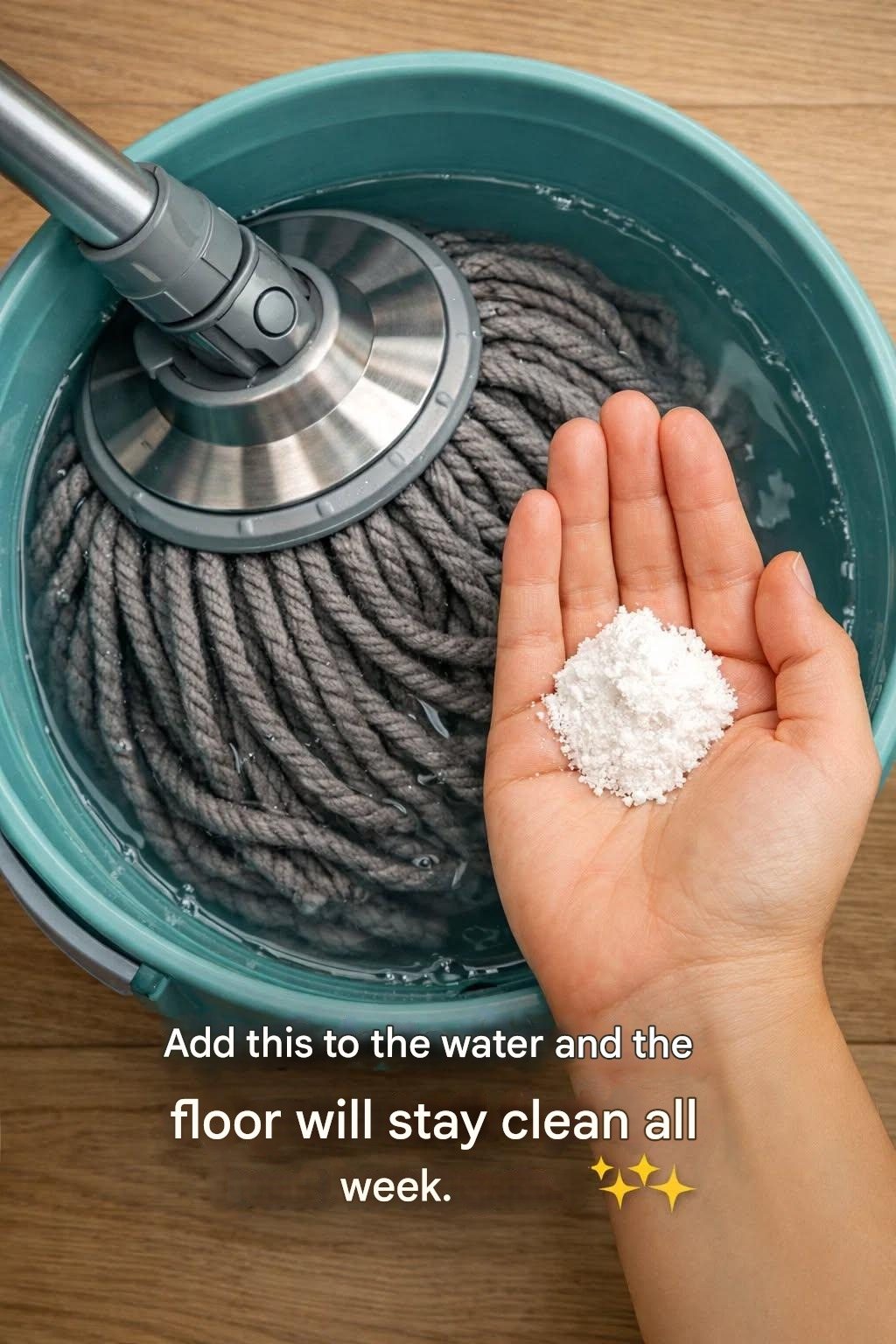
Put This One Ingredient in Your Bucket and Your Floor Will Stay Clean All Week

Keeping floors clean can feel like a never-ending task. No matter how often you mop, dust and dirt seem to return within hours. But what if one simple ingredient could help your floors stay cleaner for much longer? The secret is white vinegar — a powerful, natural cleaner that has been trusted in homes for generations.

Unlike many commercial floor cleaners filled with chemicals and artificial fragrances, vinegar is affordable, effective, and eco-friendly. When used correctly, it can cut through grease, remove odors, and even help prevent dust from sticking to your floors.

Let’s explore why vinegar works so well and how to use it properly.

Why White Vinegar Works So Well

White vinegar contains acetic acid, which gives it natural antibacterial and grease-cutting properties. It breaks down dirt, grime, and mineral deposits without leaving sticky residue behind. That residue is often the reason floors attract more dirt quickly.

Because vinegar evaporates quickly and leaves no film, your floors stay smoother and cleaner longer.

It’s also:

  • Safe for most sealed hard floors

  • Affordable and easy to find

  • Non-toxic compared to harsh chemical cleaners

  • Great at neutralizing odors

The Simple Weekly Floor Cleaning Recipe

Here’s the easy “bucket trick” that helps floors stay clean all week.

Ingredients:

  • 1 bucket of warm water (about 4–5 liters)

  • 1 cup white vinegar

  • Optional: 1 tablespoon dish soap (for extra greasy floors)

  • Optional: A few drops of essential oil (like lemon or lavender) for scent

Instructions:

  1. Fill your bucket with warm water.

  2. Add 1 cup of white vinegar.

  3. If your floor is very dirty or greasy, add a small squeeze of dish soap.

  4. Stir gently to combine.

  5. Dip your mop, wring it out well (avoid soaking the floor).

  6. Mop as usual.

  7. Allow the floor to air dry — no rinsing needed.

That’s it!

Why Floors Stay Cleaner Longer

When you use vinegar:

✔ It removes sticky buildup left behind by other cleaners.
✔ It breaks down grease that attracts dust.
✔ It neutralizes odors instead of masking them.
✔ It reduces streaks on tile and laminate.

Over time, you’ll notice less dullness and fewer footprints.

Best Floor Types for Vinegar Cleaning

This method works wonderfully on:

  • Ceramic tile

  • Porcelain tile

  • Vinyl flooring

  • Sealed laminate

  • Sealed hardwood (occasionally, not daily)

Floors to Avoid

Do NOT use vinegar on:

  • Natural stone (like marble or granite)

  • Unsealed wood

  • Waxed floors

The acidity can damage these surfaces.

Extra Tips for Long-Lasting Clean Floors

To make your cleaning even more effective:

1. Sweep or Vacuum First

Always remove loose dust and debris before mopping.

2. Wring Out Your Mop Well

Too much water can leave streaks and damage certain floors.

3. Change Mop Water If Very Dirty

Dirty water just spreads grime around.

4. Clean Your Mop After Use

A dirty mop head spreads bacteria the next time you clean.

Bonus: Add This for Extra Shine

If you want even more shine, you can add:

  • 1 tablespoon baking soda (for tough odors)

  • Or a splash of rubbing alcohol (helps floors dry faster)

But keep it simple for regular weekly cleaning.

Why Many People Are Switching to Vinegar

More homeowners are choosing natural cleaning solutions because they:

  • Reduce exposure to strong chemicals

  • Save money

  • Are environmentally friendly

  • Work just as well (or better) than store-bought products

And the best part? Vinegar costs only a fraction of commercial cleaners.

How Often Should You Mop?

For most homes:

  • High-traffic areas: 1–2 times per week

  • Low-traffic areas: Once per week

Using the vinegar method consistently can help maintain a fresh, clean surface without constant deep scrubbing.

Final Thoughts

Sometimes the simplest solutions are the most powerful. By adding one cup of white vinegar to your mop bucket, you can remove buildup, prevent sticky residue, and keep your floors cleaner for longer.

Seniors: Boost Knee Cartilage with This Simple Drink

As we age, our joints naturally begin to wear down. For many seniors, knee discomfort becomes one of the most common complaints, often linked to the gradual thinning of cartilage. Conditions like Osteoarthritis can make everyday movements—walking, climbing stairs, or even standing up—feel stiff and painful. While there’s no magic cure to instantly rebuild cartilage, certain nutrients can support joint health and help reduce inflammation. One simple homemade drink may help nourish your knees naturally and gently over time.

This easy anti-inflammatory joint-support drink combines ingredients known for their potential to promote cartilage health, reduce stiffness, and improve mobility. It’s affordable, simple to prepare, and can easily become part of a daily wellness routine.

Why Knee Cartilage Needs Support

Cartilage is the smooth, rubbery tissue that cushions the ends of bones in your joints. In the knees, it acts like a shock absorber. As we grow older, cartilage production slows, and wear and tear accumulate. Without proper nutrients and anti-inflammatory support, stiffness and discomfort can increase.

Key nutrients that support cartilage include:

  • Vitamin C (for collagen production)

  • Antioxidants (to fight inflammation)

  • Omega-3 fatty acids

  • Gelatin or collagen

  • Anti-inflammatory compounds like curcumin

This drink brings several of these elements together in a natural and delicious way.

Simple Knee-Support Drink Recipe

Ingredients:

  • 1 cup warm water or unsweetened almond milk

  • 1 tablespoon unflavored gelatin (or collagen powder)

  • 1 tablespoon fresh lemon juice

  • ½ teaspoon turmeric powder

  • A pinch of black pepper

  • 1 teaspoon raw honey

  • Optional: ½ teaspoon grated fresh ginger

Instructions:

  1. Warm the water or almond milk gently (do not boil).

  2. Stir in the gelatin or collagen powder until fully dissolved.

  3. Add lemon juice, turmeric, black pepper, and ginger if using.

  4. Stir well and sweeten with honey.

  5. Drink once daily, preferably in the morning or before bed.

How This Drink Supports Knee Health

Gelatin or Collagen
Collagen is the primary protein in cartilage. Supplementing with collagen may help support joint elasticity and reduce stiffness over time. Gelatin is a natural source of collagen and provides amino acids like glycine and proline, which are essential for connective tissue repair.

Turmeric
Turmeric contains curcumin, a powerful anti-inflammatory compound. Chronic inflammation contributes to cartilage breakdown, especially in conditions like Rheumatoid arthritis. Black pepper enhances curcumin absorption, making it more effective.

Lemon Juice
Rich in vitamin C, lemon supports collagen production. Vitamin C plays a critical role in maintaining cartilage structure and reducing oxidative stress.

Ginger
Ginger has natural anti-inflammatory properties that may help ease joint stiffness and improve mobility.

Honey
Raw honey contains antioxidants and adds natural sweetness without processed sugar, which can promote inflammation when consumed in excess.

What to Expect

Consistency is key. While this drink won’t instantly “regrow” cartilage, many seniors report improved flexibility and reduced morning stiffness after several weeks of regular use. Combined with light exercise and proper hydration, it can become a supportive part of a broader joint-care routine.

Additional Tips for Knee Cartilage Support

  1. Stay Active
    Low-impact exercises such as walking, swimming, and cycling help maintain joint lubrication and strengthen the muscles that support the knees.

  2. Maintain a Healthy Weight
    Extra body weight increases pressure on knee joints. Even modest weight loss can reduce strain significantly.

  3. Eat Anti-Inflammatory Foods
    Incorporate leafy greens, fatty fish, nuts, and berries into your diet. These foods help reduce systemic inflammation.

  4. Stay Hydrated
    Cartilage contains a high percentage of water. Proper hydration helps maintain joint cushioning.

  5. Avoid Excess Sugar and Processed Foods
    These can increase inflammation and potentially worsen joint discomfort.

Safety Considerations

If you are taking blood thinners or have gallbladder issues, consult your healthcare provider before regularly consuming turmeric. Seniors with chronic medical conditions should always speak with a doctor before starting any new supplement routine.

Final Thoughts

Healthy knees are essential for independence and quality of life. While aging naturally affects cartilage, nourishing your body with supportive nutrients can make a meaningful difference. This simple drink offers a gentle, natural approach to promoting joint comfort and flexibility.

The 10 Metoprolol Side Effects Often Overlooked in Conversations

Metoprolol is a commonly prescribed beta-blocker used to treat high blood pressure, chest pain (angina), irregular heart rhythms, and to improve survival after a heart attack. It works by slowing the heart rate and reducing the force of contraction, which lowers blood pressure and decreases strain on the heart.

While many people are informed about common side effects like dizziness or fatigue, there are several less-discussed effects that patients may not immediately connect to the medication. Understanding these overlooked side effects can help you recognize changes early and speak with your healthcare provider if needed.

Here are 10 metoprolol side effects that are often overlooked in conversations.

1. Persistent Fatigue Beyond the First Weeks

Feeling tired is a known side effect, but what’s often overlooked is how long it can last. Some people expect fatigue only during the first week or two. However, because metoprolol slows the heart rate, reduced energy levels may persist longer, especially at higher doses. This can feel like low stamina, lack of motivation, or difficulty exercising.

2. Cold Hands and Feet

Metoprolol can reduce blood flow to the extremities. While not dangerous in most cases, it may cause chronically cold fingers and toes. This is sometimes mistaken for poor circulation unrelated to medication. In people prone to circulation issues, symptoms may feel more pronounced.3. Sleep Disturbances and Vivid Dreams

Although not always listed as a primary complaint, some patients report insomnia, restless sleep, or unusually vivid dreams. Because metoprolol crosses the blood-brain barrier (especially certain forms), it can subtly influence sleep patterns.

If you notice changes in sleep after starting treatment, it may not just be stress—it could be medication-related.

4. Mood Changes

Beta-blockers like metoprolol have occasionally been linked to mood shifts, including mild depression or emotional blunting. While research findings vary, some individuals report feeling “flat” or less emotionally responsive.

These symptoms are often overlooked because they develop gradually and may be attributed to life circumstances rather than medication.

5. Reduced Exercise Tolerance

Metoprolol lowers heart rate, which can make intense physical activity feel more difficult. You may find that your heart rate doesn’t increase as much during exercise, leading to earlier fatigue.

For athletes or active individuals, this change can be frustrating and unexpected.

6. Digestive Changes

Mild nausea, constipation, diarrhea, or abdominal discomfort can occur. Because digestive symptoms are common in everyday life, many people don’t associate them with metoprolol.

These effects are usually mild but can persist in some individuals.

7. Weight Changes

Weight gain is not as common as with some other medications, but slight increases in weight may occur. This may be linked to reduced metabolism or decreased activity due to fatigue.

Since weight changes happen gradually, they’re often not immediately linked to the medication.

8. Sexual Dysfunction

One of the least discussed side effects is reduced libido or erectile dysfunction in men. Beta-blockers may interfere with certain physiological responses involved in sexual function.

Because this topic is sensitive, many patients don’t bring it up unless directly asked.

9. Masking Low Blood Sugar Symptoms

For people with diabetes, metoprolol can mask typical warning signs of low blood sugar, such as rapid heartbeat or tremors. This can delay recognition of hypoglycemia.

This side effect is particularly important but often not emphasized enough during routine discussions.

10. Slow Heart Rate (Bradycardia)

While lowering heart rate is the goal of treatment, sometimes it can become too slow. A significantly reduced heart rate may cause dizziness, fainting, or unusual weakness.

Because the medication is meant to slow the heart, patients may assume symptoms are “normal” rather than excessive.

When to Speak With a Healthcare Provider

Not everyone experiences these side effects, and many people tolerate metoprolol very well. However, it’s important to contact a healthcare provider if you experience:

  • Severe dizziness or fainting

  • Extremely slow pulse

  • Shortness of breath

  • Sudden mood changes

  • Persistent fatigue affecting daily life

Never stop taking metoprolol suddenly without medical supervision. Abrupt discontinuation can cause rebound high blood pressure or chest pain.

Final Thoughts

Metoprolol plays an important role in managing cardiovascular conditions and has helped millions of patients live longer, healthier lives. However, like all medications, it can cause side effects—some subtle and easily overlooked.

Being informed doesn’t mean expecting problems; it simply empowers you to recognize changes early. If you notice new or unusual symptoms after starting metoprolol, a conversation with your healthcare provider can help determine whether adjustments are needed.

Hearty Hamburger Hash Recipe

There’s something incredibly comforting about a hot skillet of hamburger hash sizzling on the stove. It’s the kind of meal that reminds you of simple family dinners, full plates, and satisfied smiles around the table. Hearty Hamburger Hash is rustic, filling, budget-friendly, and perfect for busy weeknights when you want something delicious without spending hours in the kitchen. Made with seasoned ground beef, tender potatoes, onions, and a blend of savory spices, this one-pan wonder delivers bold flavor and hearty texture in every bite.

This dish is especially perfect if you love classic comfort meals like old-school spaghetti, beef ragu, or garlic butter steak and potatoes. It uses everyday pantry ingredients but transforms them into something warm and satisfying. Plus, everything cooks in one skillet, which means fewer dishes and more time to relax.

Ingredients

  • 1 pound ground beef

  • 3 medium russet potatoes, peeled and diced small

  • 1 medium onion, diced

  • 1 bell pepper, diced (optional)

  • 2 cloves garlic, minced

  • 1 teaspoon salt (adjust to taste)

  • ½ teaspoon black pepper

  • 1 teaspoon paprika

  • ½ teaspoon dried thyme

  • ½ teaspoon chili powder (optional for heat)

  • 2 tablespoons olive oil or butter

  • ½ cup beef broth

  • 1 cup shredded cheddar cheese (optional but recommended)

  • Fresh parsley for garnish

Instructions

Step 1: Prepare the Potatoes

Start by peeling and dicing the potatoes into small cubes. The smaller you dice them, the faster they cook and the crispier they become. Rinse them briefly under cold water to remove excess starch, then pat dry with a towel.

Heat 1 tablespoon of oil or butter in a large skillet over medium heat. Add the diced potatoes and cook for about 8–10 minutes, stirring occasionally, until they start to turn golden brown and become tender. If needed, cover the skillet for a few minutes to help them soften faster. Once done, remove the potatoes from the pan and set aside.

Step 2: Brown the Beef

In the same skillet, add the remaining tablespoon of oil if needed. Add the ground beef and cook over medium heat, breaking it apart with a spoon. Cook until fully browned and no longer pink, about 6–8 minutes. Drain excess grease if necessary.

Add the diced onion and bell pepper to the skillet with the beef. Cook for 3–4 minutes until softened. Stir in the garlic and cook for another 30 seconds until fragrant.

Step 3: Season and Combine

Return the cooked potatoes to the skillet with the beef mixture. Add salt, pepper, paprika, thyme, and chili powder if using. Stir everything together so the flavors combine evenly.

Pour in the beef broth and let the mixture simmer for about 5 minutes. This helps everything meld together and keeps the hash moist and flavorful. Continue cooking until the liquid mostly evaporates and the potatoes are fully tender.

Step 4: Add Cheese (Optional but Delicious)

If you love cheesy comfort food, sprinkle shredded cheddar cheese over the top. Cover the skillet with a lid and allow the cheese to melt for 2–3 minutes. The melted cheese adds richness and takes this hash to the next level.

Step 5: Garnish and Serve

Remove from heat and sprinkle fresh parsley on top for a pop of color and freshness. Serve hot straight from the skillet.

Serving Suggestions

Hearty Hamburger Hash is incredibly versatile. You can serve it as:

  • A standalone dinner with warm bread on the side

  • Topped with a fried or poached egg for a breakfast-style twist

  • Wrapped in tortillas for a quick burrito

  • Alongside a fresh green salad

  • With a dollop of sour cream or hot sauce

If you enjoy loaded steak quesadillas or cheesy baked potato rounds, this dish will absolutely satisfy those same cravings.

Tips for the Best Hamburger Hash

1. Dice Evenly: Small, even potato cubes ensure consistent cooking.
2. Don’t Overcrowd the Pan: This helps the potatoes crisp instead of steam.
3. Season in Layers: Season the beef and potatoes separately for deeper flavor.
4. Use a Cast Iron Skillet: It creates the best crispy texture on the potatoes.
5. Add Vegetables: Mushrooms, zucchini, or spinach make great additions.

Make It Your Own

This recipe is flexible and easy to customize:

  • Swap ground beef for ground turkey or sausage.

  • Add diced tomatoes for extra moisture.

  • Stir in a spoonful of tomato paste for richness.

  • Sprinkle with smoked paprika for deeper flavor.

  • Top with green onions instead of parsley.

You can even turn leftovers into stuffed bell peppers or mix them into scrambled eggs the next morning.

Storage and Reheating

Store leftover hamburger hash in an airtight container in the refrigerator for up to 3 days. Reheat in a skillet over medium heat for best results, adding a splash of broth if needed to prevent drying out. It also reheats well in the microwave.

This dish can be frozen for up to 2 months. Let it cool completely before freezing. Thaw overnight in the refrigerator before reheating.

Final Thoughts

Hearty Hamburger Hash is a timeless comfort meal that delivers big flavor without complicated steps. It’s affordable, satisfying, and made from simple ingredients most kitchens already have. Whether you’re cooking for family, meal prepping for the week, or just craving something warm and filling, this recipe is a guaranteed crowd-pleaser.

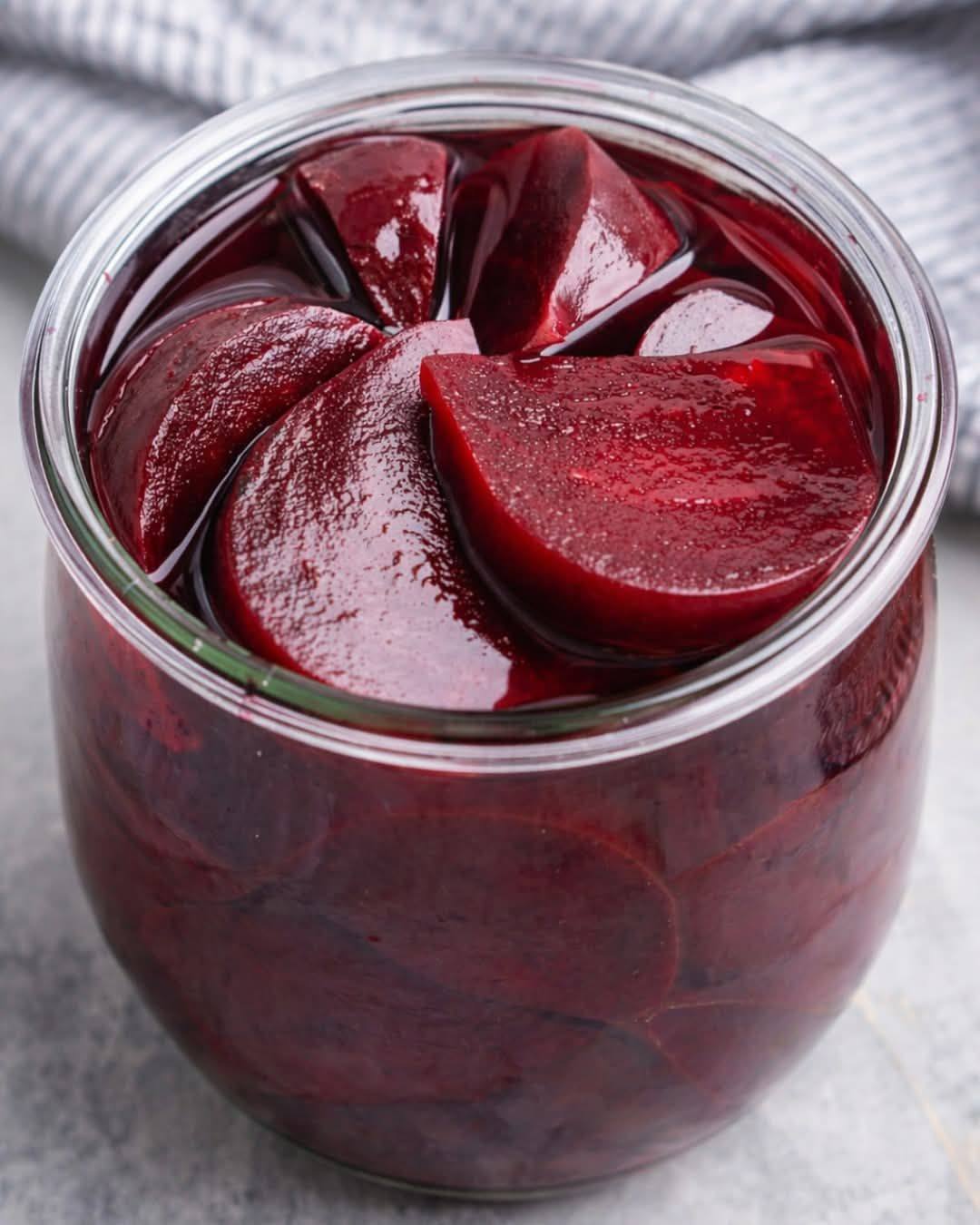
Doctor Reveals That Eating Beetroot Causes

Beetroot has been praised for centuries as a natural health booster, but modern science is finally catching up with what traditional medicine has long believed. Many doctors and nutrition experts now highlight the impressive effects that eating beetroot can have on the body. From improving blood pressure to boosting stamina and supporting brain health, this vibrant red root vegetable offers far more than just color on your plate.

Let’s explore what really happens when you eat beetroot regularly — and then I’ll share a simple, practical way to include it in your daily routine.

Why Beetroot Is So Powerful

The secret behind beetroot’s benefits lies in its natural nitrates. When you eat beetroot, your body converts these nitrates into nitric oxide. Nitric oxide helps relax and widen blood vessels, improving blood flow throughout your body. Better circulation means more oxygen delivered to your organs and muscles.

Beetroot is also rich in antioxidants like betalains, vitamin C, fiber, potassium, and folate. These nutrients work together to reduce inflammation, support heart health, and protect cells from damage.

1. Supports Healthy Blood Pressure

One of the most researched benefits of beetroot is its ability to help lower blood pressure. Because nitric oxide relaxes blood vessels, it reduces strain on the heart. Many doctors recommend beetroot juice as a natural complement to a heart-healthy diet.

For people over 40 or 50, maintaining healthy blood pressure becomes increasingly important. Adding beetroot to meals may provide gentle, natural support.

2. Boosts Energy and Stamina

Athletes often drink beetroot juice before workouts — and for good reason. Improved oxygen flow allows muscles to work more efficiently. Some studies suggest beetroot may enhance endurance and delay fatigue.

If you often feel low energy, incorporating beetroot into your meals could provide a noticeable lift without relying on caffeine.3. Supports Brain Function

Good circulation is essential for brain health. As we age, blood flow to the brain can decline. Nitric oxide from beetroot helps improve circulation, which may support cognitive performance and focus.

For older adults especially, this simple vegetable could play a role in maintaining mental sharpness.

4. Helps with Detox and Liver Support

Beetroot contains compounds called betalains that support the liver’s natural detox processes. While your body already detoxifies itself efficiently, beetroot can support this system by helping reduce oxidative stress.

Its fiber content also supports digestion and regular bowel movements — essential for overall wellness.

5. Supports Digestive Health

Beetroot is rich in dietary fiber. Fiber feeds beneficial gut bacteria and supports a healthy digestive system. If you struggle with occasional constipation, beetroot may help improve regularity.

UNIE RECIPE: Doctor-Approved Beetroot Wellness Drink

Here is a simple, balanced recipe you can safely enjoy as part of a healthy lifestyle.

Ingredients:

  • 1 medium fresh beetroot (washed, peeled, and chopped)

  • 1 small carrot

  • 1/2 apple (for natural sweetness)

  • Juice of 1/2 lemon

  • 1 cup water

  • Optional: small piece of fresh ginger

Instructions:

  1. Chop the beetroot, carrot, and apple into small pieces.

  2. Add all ingredients into a blender.

  3. Blend until smooth.

  4. Strain if desired, or drink as is for full fiber benefits.

  5. Consume fresh, preferably in the morning.

How Often?

2–3 times per week is generally sufficient for most people. There is no need to overconsume.

Important Precautions

While beetroot is healthy for most people, there are a few things to keep in mind:

  • It can cause red or pink urine or stool (called beeturia). This is harmless.

  • People prone to kidney stones should moderate intake because beetroot contains oxalates.

  • If you are on blood pressure medication, consult your doctor before consuming large amounts regularly.

  • Always introduce new foods gradually.

Final Thoughts

Eating beetroot regularly can cause noticeable improvements in circulation, energy, digestion, and overall vitality. However, it is not a miracle cure. It works best as part of a balanced diet rich in vegetables, fruits, whole grains, lean protein, and healthy fats.

The key is consistency — small, sustainable habits bring long-term benefits. A simple beetroot drink a few times per week may be enough to help you feel the difference.

If you are over 50, eating a banana a day could be beneficial to your health

If you are over 50, adding a simple banana to your daily routine might be one of the easiest and most affordable ways to support your overall health. After 50, the body naturally goes through changes — metabolism slows down, muscle mass gradually declines, bones become more fragile, and the risk of high blood pressure and heart disease increases. The good news? Small daily habits can make a meaningful difference, and bananas are one of those powerful, everyday foods.

Bananas are rich in potassium, fiber, vitamin B6, vitamin C, and natural antioxidants. They are gentle on digestion, easy to prepare, and widely available year-round. Let’s explore why eating one banana a day could be especially beneficial after age 50 — and how to enjoy it in a simple, healthy recipe.

First, bananas support heart health. As we age, maintaining healthy blood pressure becomes increasingly important. Potassium helps balance sodium levels in the body and supports proper heart function. One medium banana provides about 400–450 mg of potassium, which helps relax blood vessels and reduce strain on the cardiovascular system. For adults over 50, managing blood pressure naturally through diet can significantly lower the risk of stroke and heart complications.

Second, bananas promote better digestion. Digestive efficiency often declines with age, and constipation becomes more common. Bananas contain soluble fiber, particularly pectin, which helps regulate bowel movements and feed beneficial gut bacteria. A healthy gut improves nutrient absorption and supports immunity — both essential for healthy aging.

Third, bananas may help maintain muscle strength. After 50, muscle loss (known as sarcopenia) can gradually occur. Potassium and magnesium in bananas help support muscle contractions and prevent cramping. Combined with regular physical activity, a potassium-rich diet helps maintain muscle function and reduces fatigue.

Fourth, bananas provide steady energy. Unlike sugary snacks that cause blood sugar spikes and crashes, bananas contain natural sugars balanced with fiber. This combination provides a gentle, sustained energy release — perfect for staying active throughout the day. Whether you enjoy a morning walk or light exercise, a banana can serve as a natural energy booster.

Fifth, bananas support brain function and mood. Vitamin B6 plays a key role in producing neurotransmitters like serotonin and dopamine, which influence mood and cognitive function. As people age, supporting brain health becomes increasingly important. Including nutrient-dense foods like bananas in your diet may help support memory and emotional balance.

Sixth, bananas can contribute to bone health. While they are not high in calcium, bananas help the body absorb calcium more effectively thanks to certain prebiotic compounds. Maintaining strong bones becomes especially important after 50, when bone density naturally declines.

Seventh, bananas are convenient and affordable. Healthy eating does not need to be complicated. Bananas require no preparation, are portable, and are budget-friendly — making them an easy daily habit.

However, moderation is important. If you have diabetes or kidney disease, consult your healthcare provider before increasing potassium intake. For most healthy adults, one banana per day fits comfortably into a balanced diet.

Now, here is a simple and nourishing recipe perfect for those over 50.

Banana Walnut Yogurt Bowl

Ingredients:
1 ripe banana
1 cup plain Greek yogurt
1 tablespoon chopped walnuts
1 teaspoon honey (optional)
A sprinkle of cinnamon

Instructions:
Slice the banana into a bowl. Add the Greek yogurt on top. Sprinkle chopped walnuts and cinnamon over the mixture. Drizzle with a small amount of honey if desired. Enjoy as a breakfast, snack, or light evening treat.

This combination adds protein for muscle support, healthy fats for heart health, and probiotics for gut health. It is balanced, satisfying, and easy to prepare in under five minutes.

In conclusion, aging well is often about consistent, small choices rather than dramatic changes. Eating a banana a day may support heart health, digestion, muscle function, energy levels, mood, and bone strength — all key areas of concern after 50. While no single food is a miracle cure, incorporating nutrient-rich whole foods like bananas into your daily routine can contribute to long-term wellness.