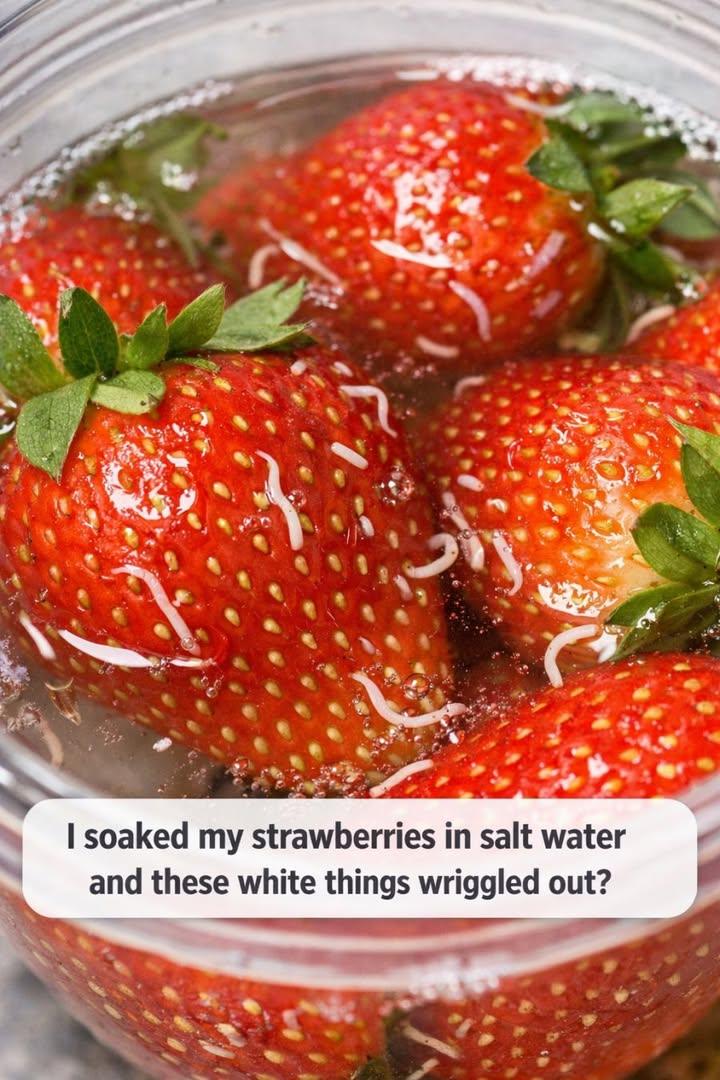
soaked my berries in salt water and saw these white wiggling things come out. Should I just throw them away

If you soaked your berries in salt water and noticed small white worms wriggling out, don’t panic—this is more common than most people think. These little critters are usually fruit fly larvae, also known as maggots, that laid eggs on the berries while they were growing in the field. Strawberries, raspberries, blackberries, and blueberries are all susceptible, especially when grown in organic or minimally treated farms where pesticides are not used aggressively.

Fruit flies are attracted to ripe fruit. Female fruit flies can lay dozens of eggs on berries, often in tiny crevices that are invisible to the naked eye. When you soak the berries, especially in water, the larvae instinctively move out of the fruit, which is why you saw them wriggling.

Are the Berries Safe to Eat?

Technically, if the berries are thoroughly washed, they are not inherently dangerous, but most people prefer not to eat berries that have been visibly infested. The larvae themselves are not toxic, and in some cultures, insects in food are considered a protein source. However, for taste, hygiene, and peace of mind, discarding infested berries is often the easiest choice.

Here’s a breakdown of considerations:

  1. Health Risk: Fruit fly larvae are not known to carry harmful bacteria that affect humans. Cooking the berries would completely eliminate any risk.

  2. Hygiene: Even though they are safe, the idea of eating larvae is off-putting for many.

  3. Cooking vs. Raw: If the berries are intended for jam, smoothies, or baking, thorough cooking will neutralize any potential contamination. Eating raw berries with larvae is mostly a personal comfort decision.

How to Safely Handle and Salvage Berries

If you don’t want to throw away all your berries, you can try the following steps:

  1. Rinse Thoroughly:

    • Fill a large bowl with cold water.

    • Add a teaspoon of salt or vinegar (about 1 tablespoon per cup of water).

    • Soak berries for 5–10 minutes. The salt or vinegar encourages larvae to leave the fruit.

    • Gently agitate the berries to loosen any remaining larvae.

  2. Inspect Carefully:

    • After soaking, pour the berries into a colander and rinse under running water.

    • Pick out any berries that still have visible larvae or holes, as these may harbor eggs.

  3. Dry Properly:

    • Pat berries dry with a clean towel or paper towels.

    • Store them in a clean container lined with a paper towel to absorb moisture.

  4. Cook or Freeze:

    • If you plan to eat them raw, only consume fully inspected, clean berries.

    • For smoothies, jams, or desserts, cooking or freezing them first ensures any remaining larvae are neutralized.

Preventing Infestation in the Future

To reduce the likelihood of encountering larvae again:

  • Choose Berries Carefully: Look for firm, intact berries without visible damage. Organic berries may be more prone to infestations simply because fewer pesticides are used.

  • Rinse Immediately: Washing berries as soon as you bring them home can remove surface eggs before they hatch.

  • Proper Storage: Keep berries dry and refrigerate them in breathable containers. Moisture accelerates larvae hatching.

  • Freeze Leftovers: If you can’t eat berries quickly, freezing them halts larvae development entirely.

When to Throw Them Away

While most larvae are harmless, you should discard berries if:

  • The infestation is widespread, affecting more than a few berries.

  • The berries have a mushy texture, strong odor, or signs of mold.

  • You are preparing raw dishes for guests, children, or people with compromised immunity.

For a small number of berries, careful inspection and washing are usually sufficient.

Bottom Line

Seeing white wiggling things in your berries is unsettling, but it’s a natural occurrence with field-grown fruit. You don’t have to automatically throw them away, especially if the infestation is minor. Salt or vinegar baths, careful inspection, and proper storage can salvage most berries. Cooking or freezing adds an extra layer of safety.

For future prevention, selecting firm berries, rinsing immediately after purchase, and keeping them dry in the fridge can minimize the chances of larvae hatching.

In short: don’t panic, but do act responsibly. A few simple steps can save your berries while ensuring they remain safe and enjoyable to eat.

Cuban Oregano: A Thoughtful Look at Tradition, Ritual, and Responsible Use

Cuban oregano is a fragrant, hardy herb known for its thick, velvety leaves and strong aroma. Botanically called Plectranthus amboinicus, this plant is often confused with common oregano but belongs to the mint family and has its own unique identity. Around the world it is known by many names, including Indian borage, Mexican mint, Spanish thyme, and country borage. In many cultures, Cuban oregano is valued not only as a culinary ingredient but also as a traditional household remedy and symbolic plant.

This guide takes a thoughtful look at Cuban oregano—its history, cultural traditions, and how people responsibly incorporate it into daily life.

Understanding Cuban Oregano

Cuban oregano is a succulent-like herb that grows easily in warm climates. Its thick, soft leaves store moisture, allowing it to thrive in dry conditions. The leaves release a strong, savory scent when crushed, similar to oregano mixed with thyme and mint.

Because of this bold flavor, the plant is widely used in cooking across the Caribbean, Southeast Asia, Africa, and parts of Latin America. In some kitchens, a single leaf can flavor an entire dish.

However, beyond cooking, Cuban oregano has also been associated with various cultural traditions and home practices passed down through generations.

A Plant with Cultural Roots

In many Caribbean and Latin American communities, Cuban oregano has long been grown near the home. Elders often teach younger generations to keep the plant close to the kitchen door or garden path where it can easily be harvested.

In traditional households, the herb has been used in simple preparations such as herbal teas, infusions, or steam remedies. These practices are typically rooted in local knowledge rather than modern clinical research.

For example, families might prepare a warm infusion from crushed leaves and hot water as a comforting herbal drink during seasonal colds. Others may use the leaves in cooking to add both flavor and aromatic warmth to meals.

These traditions highlight how plants often serve multiple roles: food, cultural symbol, and a connection to ancestral knowledge.

Ritual and Symbolism

In some spiritual and cultural traditions, plants carry symbolic meaning. Cuban oregano has occasionally been included in household rituals intended to promote protection, cleansing, or positive energy.

For example, some people place fresh leaves near entrances or windows as part of symbolic practices. Others burn dried leaves in small amounts for aromatic purposes during certain rituals.

It is important to recognize that such practices vary widely across cultures and belief systems. They are expressions of tradition rather than scientifically proven effects.

Respecting these traditions while maintaining a balanced perspective helps preserve cultural heritage without overstating the plant’s capabilities.

Culinary Uses

One of the most practical and widely accepted uses of Cuban oregano is in cooking. The leaves add deep herbal flavor to many dishes.

Common culinary uses include:

  • Adding chopped leaves to soups and stews

  • Flavoring roasted meats and vegetables

  • Infusing oils or sauces

  • Mixing into marinades

  • Seasoning beans and rice dishes

Because the flavor is strong, most cooks recommend using the herb sparingly. A small amount can transform the taste of a dish.

Many home cooks also enjoy pairing Cuban oregano with garlic, onion, citrus, and chili for bold, savory recipes.

Traditional Herbal Preparations

Across different cultures, people have experimented with simple herbal preparations made from Cuban oregano leaves. These often include:

Herbal Tea

A traditional preparation involves steeping a few fresh leaves in hot water for several minutes. The resulting tea has a warm, aromatic flavor.

Steam Inhalation

Some individuals place crushed leaves in hot water and inhale the steam as part of traditional comfort practices during seasonal congestion.

Topical Applications

In certain traditions, crushed leaves are applied to the skin as part of folk remedies. However, modern guidance suggests using caution because plant oils can irritate sensitive skin.

These practices are typically shared through family traditions rather than medical guidelines.

Growing Cuban Oregano at Home

Another reason Cuban oregano is so beloved is that it is incredibly easy to grow.

The plant thrives in:

  • Warm temperatures

  • Well-drained soil

  • Bright sunlight or partial shade

It can be grown in gardens or pots, making it ideal for balconies and small spaces.

One fascinating trait of Cuban oregano is how easily it propagates. A small cutting placed in soil can quickly develop into a new plant. This ability has helped the herb spread widely across tropical and subtropical regions.

Many households keep a plant nearby simply for convenience when cooking.

Responsible and Informed Use

While Cuban oregano has a long history in traditional practices, it is important to approach any herbal use responsibly.

Key considerations include:

Moderation

Strong herbs should always be used in small amounts, especially in teas or infusions.

Awareness of Sensitivity

Some individuals may experience skin irritation or digestive discomfort.

Medical Caution

Herbal remedies should not replace professional medical advice or treatment.

Anyone with existing health conditions, allergies, or who is pregnant should consult a healthcare professional before using herbs medicinally.

Appreciating the Plant for What It Is

Cuban oregano is best appreciated as a versatile herb with a rich cultural story. Its fragrant leaves bring flavor to cooking, its presence connects families to traditions, and its easy growth makes it a favorite for home gardeners.

Rather than viewing it as a miracle cure, many experts encourage recognizing Cuban oregano for its real strengths: culinary versatility, cultural significance, and natural beauty.

When used thoughtfully and respectfully, this humble herb can remain an important part of kitchens and gardens around the world.

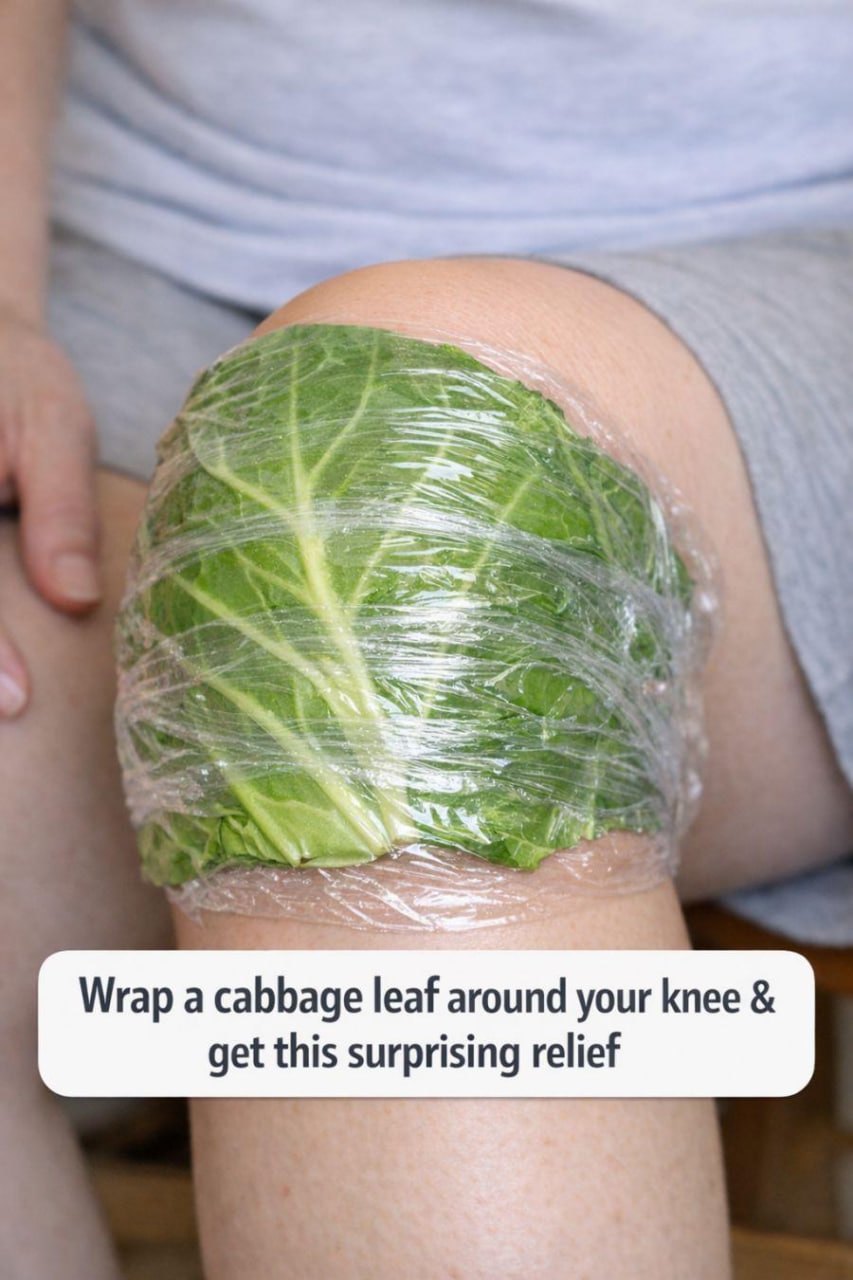
Wrap a Cabbage Leaf Around Your Knee & Get This Surprising Relief

Knee pain is a common problem that affects people of all ages. Whether it is caused by aging, arthritis, inflammation, overuse, or minor injuries, knee discomfort can make everyday activities such as walking, climbing stairs, or standing for long periods difficult. While medications and medical treatments are often used to manage pain, many people are also turning to simple natural remedies that have been used in traditional healing for generations. One surprisingly effective home remedy involves something you may already have in your kitchen: cabbage.

Using cabbage leaves on painful joints is an old folk remedy that has been popular in many cultures, particularly in Europe. People have long believed that cabbage contains natural compounds that may help reduce swelling and soothe inflammation. When applied directly to the skin, cabbage leaves can create a cooling effect and may help relieve stiffness and discomfort in the knee.

Cabbage is rich in antioxidants, vitamins, and plant compounds that are known to support the body’s natural healing processes. It contains vitamin C, vitamin K, and anthocyanins, which are natural substances that may help reduce inflammation in the body. Because of these properties, cabbage has been traditionally used to soothe swollen joints, sore muscles, and even breast inflammation during breastfeeding.

The cabbage leaf knee wrap is simple, affordable, and easy to prepare. Many people prefer it because it does not involve chemicals or expensive products. While it should not replace medical treatment for serious conditions, it can be a helpful complementary remedy for mild joint discomfort.

To prepare this remedy, you will need a fresh green cabbage. Start by removing a few large outer leaves. Wash the leaves thoroughly with clean water to remove any dirt or residue. After washing them, gently pat them dry with a clean towel.

Next, place the cabbage leaves on a flat surface and lightly crush them using a rolling pin, bottle, or the back of a spoon. The goal is to break the veins slightly so the natural juices are released. This step helps activate the beneficial compounds in the cabbage and allows them to come into contact with your skin.

Once the leaves are prepared, place them directly over your knee, covering the entire painful area. If the leaves are very large, you may use two or three to fully wrap around the joint. After positioning the leaves, secure them with a soft bandage, elastic wrap, or plastic wrap so they stay in place.

For best results, leave the cabbage wrap on your knee for at least one hour. Some people prefer to leave it overnight while they sleep. As the leaves sit on the skin, they may gradually wilt and become warm. This is normal and simply means the natural moisture from the cabbage is being released.

Many people report that this remedy can help reduce swelling and stiffness in the knee. The cooling sensation from the leaves may also provide temporary pain relief. In some cases, users say their knee feels lighter and more flexible after removing the wrap.

Another benefit of cabbage leaves is that they may help draw excess fluid away from swollen tissues. When joints become inflamed, fluid can accumulate around the area, causing puffiness and pressure. The cabbage wrap may help encourage circulation and ease this swelling.

For additional comfort, you can slightly chill the cabbage leaves in the refrigerator before using them. Cold cabbage leaves may enhance the soothing effect, especially if your knee feels hot or inflamed.

This natural remedy can be used once or twice a day for several days if needed. However, it is important to remember that persistent or severe knee pain should always be evaluated by a healthcare professional. Natural remedies can provide support, but they should not replace proper medical care.

People with arthritis often look for ways to manage daily discomfort without relying solely on medication. While cabbage wraps are not a cure, they may offer gentle relief as part of a broader wellness routine that includes exercise, proper nutrition, and joint care.

It is also wise to check your skin after using cabbage leaves to make sure there is no irritation or allergic reaction. Although rare, some individuals may have sensitive skin.

In a world full of complicated treatments and expensive products, sometimes the simplest remedies can still offer comfort. The cabbage leaf knee wrap is an easy home method that has been passed down through generations. With minimal effort and a common vegetable, you may experience a surprisingly soothing effect on sore, tired knees.

If you are looking for a natural way to ease mild knee discomfort, wrapping a cabbage leaf around your knee might be worth trying. It is inexpensive, simple, and may provide the gentle relief your joints have been waiting for.

Discover a Surprising Use for Vicks VapoRub

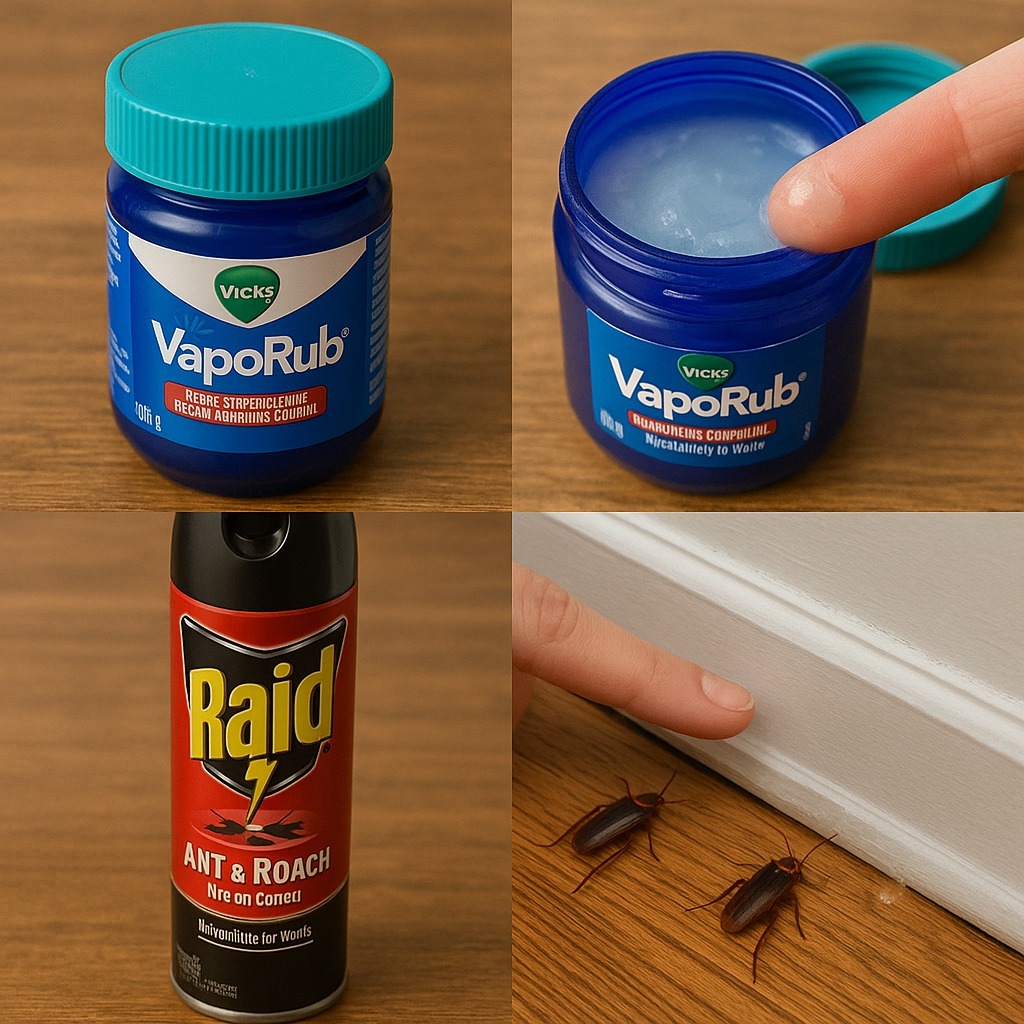
Many people keep a small jar of Vicks VapoRub in their medicine cabinet to relieve cough, congestion, and cold symptoms. This familiar product, known for its strong menthol scent and soothing vapor, has been trusted by families for generations. However, what many people don’t realize is that this simple ointment has several surprising uses beyond helping you breathe easier during a cold. Thanks to its unique blend of ingredients like menthol, eucalyptus oil, and camphor, Vicks VapoRub can be used in creative and practical ways around the home and for personal care.

Below are some interesting and helpful ways you can use this common product.

1. A Soothing Remedy for Tired Feet

After a long day of standing or walking, your feet may feel sore, dry, and exhausted. One surprising use for Vicks VapoRub is as a nighttime foot treatment.

How to use it:

  1. Wash and dry your feet thoroughly.

  2. Apply a small layer of Vicks VapoRub to the soles of your feet and heels.

  3. Massage gently for a few minutes.

  4. Put on a pair of cotton socks and leave it overnight.

The menthol and eucalyptus create a cooling sensation that may help relax tired muscles. Many people also find that this routine helps soften rough heels and cracked skin. By morning, your feet may feel smoother and refreshed.

2. A Natural Insect Repellent

Another unexpected benefit of Vicks VapoRub is its ability to help repel certain insects. The strong smell of menthol and eucalyptus is unpleasant for many bugs.

How to use it:

  • Dab a tiny amount on your ankles, wrists, or behind your ears when spending time outdoors.

  • Place a small amount near windows or doors to discourage insects from entering.

While it is not a replacement for professional insect repellents, it can offer mild protection in certain situations.

3. Relief for Minor Muscle Aches

Because Vicks contains menthol and camphor, it can produce a warming and cooling effect on the skin. This sensation may help ease mild muscle discomfort after exercise or physical activity.

How to apply:

  1. Take a small amount of Vicks VapoRub.

  2. Rub it gently on sore areas such as the shoulders, knees, or back.

  3. Massage in circular motions.

The soothing aroma combined with the cooling sensation can provide temporary comfort for tired muscles.

4. Help Reduce the Appearance of Nail Fungus

Some people use Vicks VapoRub as a home remedy for toenail discoloration caused by mild fungal problems. While it is not a medical treatment, some individuals report improvement with consistent use.

How to try it:

  1. Clean and dry the affected nail.

  2. Apply a small amount of Vicks to the nail and surrounding skin.

  3. Repeat once or twice daily.

The essential oils in the ointment may help keep the nail area cleaner while the nail slowly grows out.

5. A Trick to Stop Pets from Chewing

If you have pets that chew on furniture, wires, or shoes, the strong smell of Vicks VapoRub can help discourage them.

Animals such as dogs and cats have a powerful sense of smell, and the intense menthol scent may keep them away from certain areas.

How to use it:

  • Place a small amount on cotton balls and put them near the area you want pets to avoid.

  • Do not apply it directly to the pet.

This simple trick can sometimes help protect household items from curious pets.

6. A Quick Fix for Minor Headaches

The cooling menthol vapors from Vicks VapoRub may help create a calming sensation that some people find helpful during mild headaches.

How to use:

  1. Apply a tiny amount to your temples.

  2. Gently massage the area.

  3. Inhale the relaxing menthol aroma.

The refreshing scent may help you feel more relaxed and comfortable.

7. Helps Reduce the Appearance of Bruises

Another surprising household trick is using Vicks to help the skin recover from minor bruises.

Some people mix a small amount of Vicks with a pinch of salt and gently rub it on the bruised area. The ingredients may help stimulate circulation and reduce discoloration over time.

Always apply gently and avoid broken skin.

Important Safety Tips

Although Vicks VapoRub is widely used, it is important to remember a few safety guidelines:

  • Use only a small amount at a time.

  • Avoid contact with eyes and sensitive areas.

  • Do not apply to broken or irritated skin.

  • Keep out of reach of young children.

  • If irritation occurs, wash the area with soap and water.

For serious medical conditions, always consult a healthcare professional.

Final Thoughts

Vicks VapoRub is much more than a simple cold remedy. Its unique combination of menthol, eucalyptus oil, and camphor makes it a versatile product with many creative uses. From soothing tired feet and easing muscle aches to helping repel insects and discourage pets from chewing, this small jar can be surprisingly useful in everyday life.

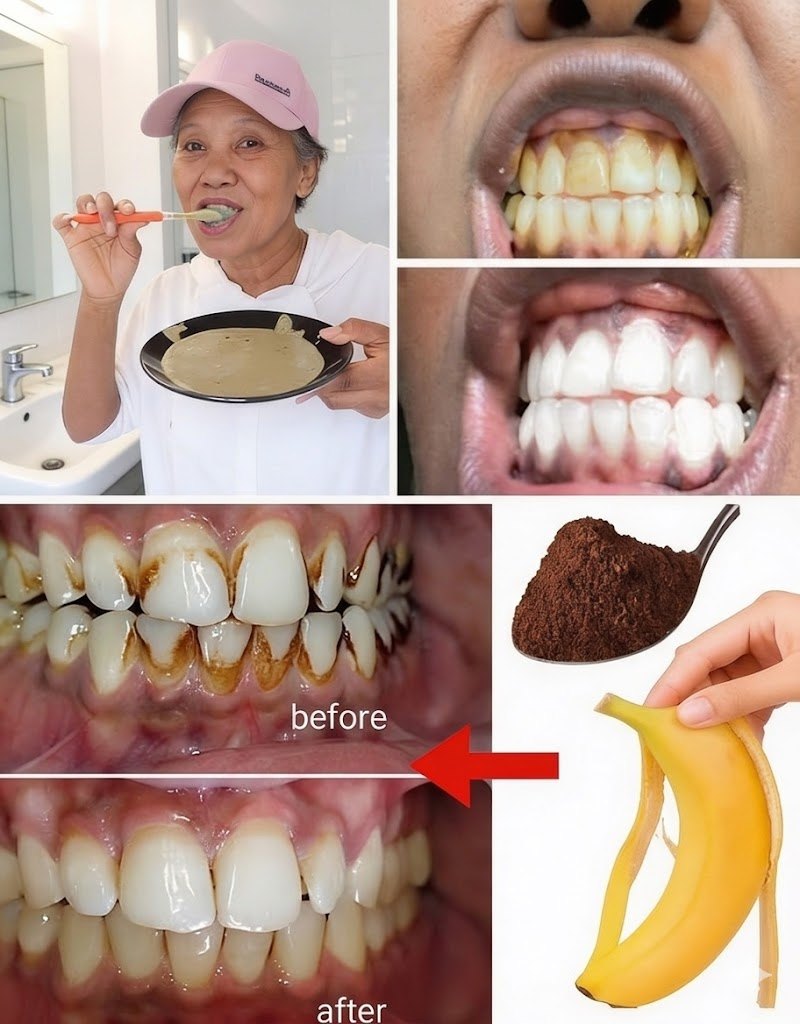
How to Naturally Brighten Yellow Teeth at Home: Exploring the Banana Peel, Ginger, and Lemon Method

A bright smile is often associated with confidence, good hygiene, and overall health. However, many people struggle with yellow or stained teeth caused by coffee, tea, smoking, certain foods, or natural aging. Professional whitening treatments can be expensive, and chemical products sometimes cause tooth sensitivity. Because of this, many people look for natural alternatives that may help improve the appearance of their teeth at home.

One popular natural approach involves three simple ingredients often found in the kitchen: banana peel, ginger, and lemon. These natural elements contain minerals, mild acids, and cleansing properties that may help gently remove surface stains from teeth when used correctly. While this method does not replace professional dental care, it can be an easy addition to your oral hygiene routine.

This guide explores how the banana peel, ginger, and lemon method works, its potential benefits, and the safe way to try it at home.

Why Teeth Turn Yellow

Before exploring natural whitening methods, it helps to understand why teeth become yellow. Tooth discoloration usually occurs due to two main factors: external stains and internal changes.

External stains develop on the enamel, the outer layer of the teeth. These stains are commonly caused by drinks like coffee, tea, and soda, as well as foods such as berries or tomato-based sauces. Smoking and poor oral hygiene can also contribute to staining.

Internal discoloration happens when the dentin, the inner layer of the tooth, becomes more visible as enamel gradually thins with age. Some medications, genetics, and health conditions can also influence tooth color.

Natural whitening methods generally focus on removing surface stains rather than changing the natural color of the teeth.

The Power of Banana Peel

Banana peel is one of the most talked-about natural remedies for teeth whitening. While it may sound unusual, banana peels contain minerals such as potassium, magnesium, and manganese. These minerals may help polish the enamel and lift mild surface stains.

The inside of a ripe banana peel is soft and slightly abrasive, which allows it to gently clean the teeth without damaging the enamel when used carefully. Some people believe the minerals in the peel are absorbed by the teeth during rubbing, contributing to a brighter appearance.

In addition, banana peel is mild and generally safe compared with stronger acidic remedies.

Ginger’s Natural Cleaning Properties

Ginger is widely known for its health benefits, but it also has properties that may support oral health. Fresh ginger contains natural antibacterial compounds that may help reduce bacteria in the mouth. This can contribute to fresher breath and healthier gums.

When grated into a paste, ginger provides a mild scrubbing effect that can assist in removing plaque buildup from the surface of teeth. Plaque accumulation is one of the main reasons teeth appear dull or yellow.

Using ginger in combination with other natural ingredients can help create a gentle cleansing mixture.

Lemon’s Whitening Effect

Lemon is rich in vitamin C and natural citric acid. The acidic nature of lemon juice can help break down stains and discoloration on the surface of the teeth. Because of this, lemon is often included in many home whitening remedies.

However, lemon should always be used in small amounts. Excessive acidity can weaken tooth enamel if used too frequently. When combined with other mild ingredients, lemon may provide a temporary brightening effect without being too harsh.

How to Prepare the Banana Peel, Ginger, and Lemon Mixture

This natural method is simple and requires only a few minutes to prepare.

Ingredients:

• One ripe banana peel
• One teaspoon freshly grated ginger
• A few drops of fresh lemon juice

Instructions:

First, scrape the soft inner part of the banana peel into a small bowl. This creates a smooth paste that will act as the base of the mixture.

Next, add the freshly grated ginger and mix well. Ginger helps provide a gentle cleaning texture and supports oral health.

Then add just two or three drops of lemon juice. Stir the ingredients until they form a consistent paste.

Your natural whitening mixture is now ready to use.

How to Apply the Remedy

Start by brushing your teeth with regular toothpaste to remove food particles and plaque.

Next, take a small amount of the banana-ginger mixture and gently rub it onto your teeth using your finger or a soft toothbrush. Focus on the areas where stains are most noticeable.

Massage the mixture on your teeth for about one minute. Avoid applying too much pressure to protect the enamel.

Afterward, allow the mixture to sit on the teeth for another minute so the ingredients can interact with the enamel.

Finally, rinse your mouth thoroughly with water and brush lightly again with toothpaste.

This process can be done two to three times per week.

Additional Natural Tips for Brighter Teeth

While natural remedies can help improve the appearance of teeth, daily habits play an even more important role in maintaining a bright smile.

Brushing twice a day and flossing daily helps prevent plaque buildup that causes discoloration. Drinking water after consuming coffee or tea can reduce staining. Using a straw for dark beverages may also minimize contact with teeth.

Eating crunchy fruits and vegetables such as apples, carrots, and celery can naturally clean teeth and stimulate saliva production. Saliva helps wash away food particles and bacteria that lead to stains.

Regular dental checkups and professional cleanings are also essential for maintaining healthy teeth.

A Word of Caution

Natural remedies should always be used gently and in moderation. Because lemon contains acid, frequent use may damage enamel over time. If you experience tooth sensitivity or gum irritation, discontinue the remedy and consult a dental professional.

It is also important to remember that natural whitening methods mainly remove surface stains. They may not dramatically change the natural shade of your teeth.

Final Thoughts

The banana peel, ginger, and lemon method is a simple natural approach that many people try to brighten their smiles at home. Banana peel provides minerals and gentle polishing, ginger supports oral health, and lemon helps break down mild stains.

When combined with good oral hygiene and healthy lifestyle habits, this natural remedy may help your teeth appear cleaner and slightly brighter over time. While it is not a replacement for professional dental care, it can be a helpful addition to a balanced oral health routine.

7 Warning Signs in Your Arms and Legs That Could Signal a Heart Attack

Many people believe that a heart attack always begins with intense chest pain. While chest discomfort is a common symptom, the body often sends earlier and more subtle warnings—especially through the arms and legs. These signals are frequently overlooked, yet they can provide critical clues that something serious is happening within the cardiovascular system.

A heart attack occurs when blood flow to the heart muscle becomes blocked, usually due to a buildup of fatty deposits in the arteries. This condition is closely related to problems in the circulatory system and can sometimes be associated with conditions like Coronary Artery Disease or even complications linked to Peripheral Artery Disease. Because the heart pumps blood throughout the body, changes in circulation can show up in the limbs before a major event occurs.

Understanding these warning signs in your arms and legs may help you recognize potential danger early and seek medical attention in time.

1. Persistent Pain in the Left Arm

One of the most widely known signs of a heart attack is pain in the left arm. However, this discomfort does not always appear suddenly. It may start as a dull ache, pressure, or squeezing sensation that gradually worsens. The pain can begin in the chest and radiate down the arm, or it may appear in the arm first.

This happens because nerves connected to the heart also transmit signals to the arm. When the heart experiences stress or reduced blood flow, these nerves can send pain signals to surrounding areas.

2. Unexplained Arm Weakness

Sudden weakness in one or both arms may indicate a circulation problem. When the heart struggles to pump blood effectively, muscles may not receive enough oxygen. This can cause unusual fatigue or difficulty lifting everyday objects.

Some individuals describe this sensation as heaviness in the arms, almost as if the limbs are too tired to function normally.

3. Tingling or Numbness in the Hands

Tingling sensations or numbness in the hands and fingers may sometimes be linked to nerve compression or simple fatigue. However, in certain cases, poor blood circulation related to heart problems may trigger these symptoms.

If numbness appears along with other warning signs—such as shortness of breath or chest discomfort—it should never be ignored.

4. Swelling in the Legs or Ankles

Swelling in the lower limbs can indicate that the heart is not pumping blood efficiently. When circulation slows, fluid may accumulate in the legs, ankles, and feet. This condition can be related to heart function issues such as Congestive Heart Failure.

People may notice that their shoes feel tighter than usual or that their ankles appear puffy at the end of the day.

5. Cramping or Pain in the Legs During Walking

Pain or cramping in the legs while walking—sometimes called claudication—may suggest restricted blood flow. This condition is often associated with narrowed arteries in the limbs and can be related to Peripheral Artery Disease.

While this symptom does not always mean a heart attack is imminent, it can signal underlying cardiovascular issues that increase the risk of heart problems.

6. Cold Arms or Feet

If your arms, hands, legs, or feet frequently feel unusually cold—even in warm environments—it could be a sign of poor circulation. When the heart cannot efficiently distribute blood, extremities may receive less warmth and oxygen.

This symptom may occur alongside pale or bluish skin in the affected areas.

7. Sudden Unusual Fatigue in the Limbs

A sudden wave of exhaustion in the arms or legs can sometimes occur before a heart attack. People often describe feeling drained or unable to perform normal activities without rest.

This fatigue may develop gradually over several days or weeks before more noticeable symptoms appear. It is particularly common in individuals with underlying heart conditions.

Why These Symptoms Occur

The heart and circulatory system work together to deliver oxygen-rich blood to every part of the body. When arteries become narrowed or blocked, the body struggles to maintain proper blood flow.

Conditions such as Atherosclerosis can cause plaque buildup inside blood vessels, limiting circulation. Over time, this restriction can lead to serious cardiovascular events, including heart attacks.

Because the limbs are farthest from the heart, they often show early signs of reduced circulation.

When to Seek Medical Help

If you experience any of these symptoms—especially when they occur alongside chest discomfort, shortness of breath, dizziness, or nausea—it is important to seek medical attention immediately. Early diagnosis and treatment can significantly improve outcomes.

Never assume that symptoms in the arms or legs are harmless. While they can have many causes, persistent or unusual changes should always be evaluated by a healthcare professional.

Final Thoughts

The body often sends warning signals long before a major heart event occurs. Pain, weakness, numbness, swelling, or cold sensations in the arms and legs may be the body’s way of alerting you to circulatory or heart-related problems.

Healthiest Fruit on Earth: What Happens to Your Body If You Eat Just 3 a Day

Nature provides many powerful foods, but few are as impressive as the humble date fruit. Dates have been consumed for thousands of years and are often considered one of the healthiest fruits on Earth. Eating just three dates a day can bring remarkable benefits to your body. Packed with essential nutrients, fiber, antioxidants, and natural sugars, dates are a simple yet powerful addition to your daily routine.

This natural “energy fruit” is widely enjoyed in many parts of the world and is known for its ability to nourish the body while satisfying sweet cravings in a healthy way.

Why Dates Are Considered One of the Healthiest Fruits

Dates may be small, but they are loaded with nutrients that support overall health. Just a few pieces contain important vitamins and minerals that your body needs every day.

Dates are rich in:

  • Fiber

  • Potassium

  • Magnesium

  • Iron

  • Vitamin B6

  • Antioxidants

  • Natural sugars for energy

Because of this powerful nutritional profile, eating three dates daily can help improve many functions in the body.

What Happens to Your Body When You Eat 3 Dates a Day

1. Your Digestion Improves

Dates are an excellent source of dietary fiber, which plays a key role in healthy digestion. Fiber helps regulate bowel movements and supports beneficial gut bacteria.

Eating three dates a day may help:

  • Reduce constipation

  • Improve gut health

  • Support a balanced digestive system

If you struggle with digestive discomfort, adding dates to your routine could help your body function more smoothly.

2. Your Energy Levels Increase Naturally

Unlike refined sugar, the natural sugars in dates—glucose, fructose, and sucrose—provide quick yet steady energy.

When you eat three dates:

  • Your body receives a natural energy boost

  • Fatigue may decrease

  • You may feel more alert throughout the day

This is why many athletes and active individuals use dates as a natural energy snack.

3. Your Heart Health Gets Support

Dates contain potassium and magnesium, minerals that are important for heart health. Potassium helps regulate blood pressure, while magnesium supports healthy heart rhythm.

Eating dates regularly may help:

  • Maintain healthy blood pressure

  • Improve circulation

  • Support cardiovascular health

Their antioxidant content also helps reduce inflammation that can affect the heart.

4. Your Brain Function May Improve

Dates contain nutrients that support brain health, especially vitamin B6, which helps produce neurotransmitters responsible for mood and cognitive function.

Regular consumption may help:

  • Improve memory

  • Support concentration

  • Reduce mental fatigue

The antioxidants in dates may also help protect brain cells from damage.

5. Your Bones Become Stronger

Dates contain several minerals that are important for bone health, including:

  • Calcium

  • Magnesium

  • Phosphorus

  • Potassium

These nutrients help maintain bone density and strength. Over time, including dates in your diet may help support stronger bones and reduce the risk of bone-related problems.

6. Your Immune System Gets a Boost

Dates are rich in antioxidants such as flavonoids, carotenoids, and phenolic acid. These compounds help fight harmful free radicals in the body.

Eating three dates daily may help:

  • Strengthen the immune system

  • Reduce inflammation

  • Protect cells from damage

A stronger immune system helps your body defend itself against illnesses.

A Simple Way to Add Dates to Your Daily Routine

Eating dates is simple and requires no preparation. Here are a few easy ways to enjoy them every day:

Morning Energy Start

Eat three dates in the morning with a glass of warm water. This can help wake up your digestive system and provide energy for the day.

Healthy Snack

Combine dates with:

  • Nuts

  • Yogurt

  • Oatmeal

This creates a balanced snack with fiber, protein, and healthy fats.

Natural Sweetener

Dates can also be blended into smoothies or used in desserts as a natural sweetener instead of refined sugar.


Important Tips

Although dates are very healthy, they should still be eaten in moderation because they contain natural sugars.

Keep these tips in mind:

  • Stick to about three dates per day for balanced benefits

  • People with diabetes should consult a healthcare professional before consuming them regularly

  • Choose natural, unsweetened dates without added sugar

Final Thoughts

Sometimes the most powerful health solutions are the simplest. Eating just three dates a day can support digestion, boost energy, improve heart health, and strengthen your immune system. This small habit can make a meaningful difference in your overall well-being.

Nature has packed incredible nutrition into this tiny fruit, making it one of the healthiest and most convenient foods you can add to your daily diet. Whether eaten alone, mixed with other healthy foods, or blended into smoothies, dates are a delicious way to nourish your body naturally.

Fertilize the orchid so that it blooms profusely and for a long time

Orchids are among the most elegant and rewarding houseplants you can grow. Their graceful stems and delicate flowers can transform any indoor space into a small tropical paradise. However, many orchid owners struggle to keep their plants blooming regularly. If your orchid has stopped producing flowers or blooms only occasionally, the secret often lies in proper fertilization. With the right natural fertilizer and care routine, you can encourage your orchid to bloom profusely and for a long time.

Why Orchids Need Fertilizer

In nature, orchids grow on trees and absorb nutrients from rainwater, decaying organic matter, and air. When grown indoors in pots, they rely entirely on the nutrients we provide. Most orchid potting mixes—such as bark, moss, or coconut husk—contain very few nutrients. Without fertilization, the plant may survive but will not produce strong stems or abundant flowers.

Fertilizing orchids helps them develop healthy roots, strong leaves, and the energy needed to create multiple blooms. A well-fed orchid will also flower longer and more frequently throughout the year.

A Simple Natural Fertilizer for Orchids

One of the best and easiest homemade fertilizers for orchids uses ingredients that many people already have in their kitchen. This gentle fertilizer provides essential minerals that orchids need for growth and flowering.

Ingredients

  • 1 banana peel

  • 1 liter of water

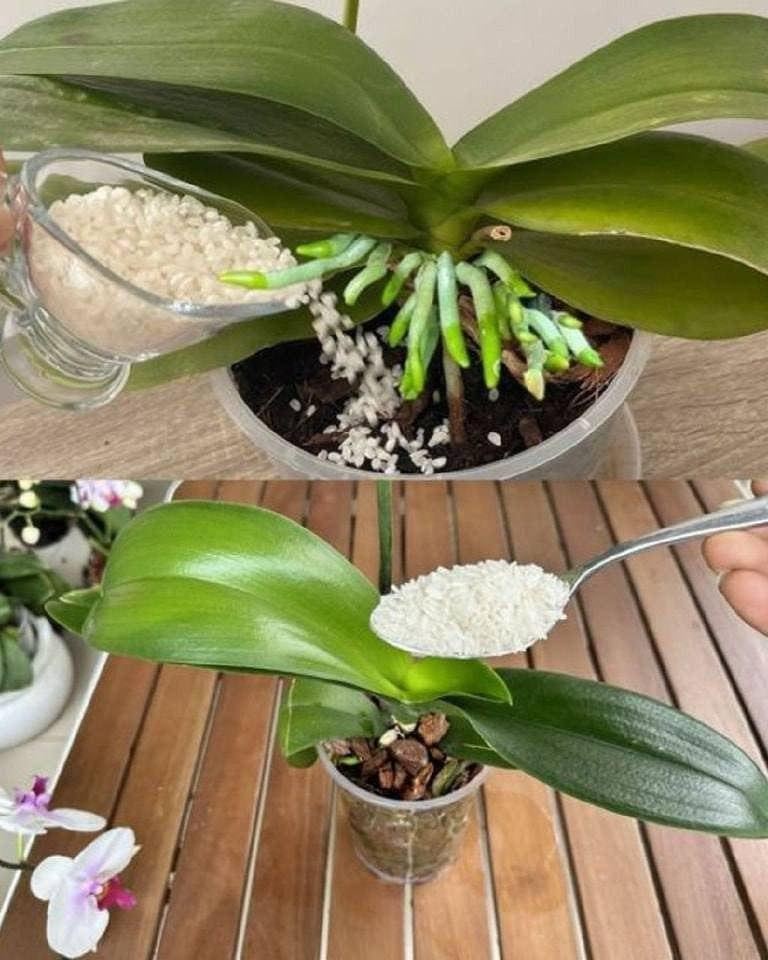
  • 1 teaspoon rice water (optional)

Banana peel is rich in potassium and phosphorus, two nutrients that are especially important for flower production. Rice water contains trace minerals and helps nourish the roots.

How to Prepare the Fertilizer

Start by washing the banana peel to remove any dirt or residue. Cut it into small pieces so the nutrients can release more easily. Place the pieces into a container and pour one liter of water over them.

Let the mixture sit for 24 hours. During this time, the water absorbs nutrients from the banana peel. After soaking, strain the liquid to remove the peel pieces. If you have rice water available—the water left after rinsing rice—add one teaspoon to the mixture.

Your natural orchid fertilizer is now ready to use.

How to Apply It

Water your orchid with this solution once every two weeks. Pour the fertilizer slowly over the potting mix until it begins to drain from the bottom of the pot. This ensures the roots absorb the nutrients evenly.

It is best to fertilize orchids in the morning. This allows the plant to absorb nutrients during the day while preventing excessive moisture from sitting overnight.

Avoid fertilizing a completely dry orchid. Lightly water the plant with plain water first, then apply the fertilizer. This protects the roots from stress.

Additional Orchid Care Tips for More Blooms

Fertilizing is important, but orchids also require the right growing conditions to bloom beautifully.

1. Provide Bright, Indirect Light

Orchids love light but not direct, harsh sunlight. A bright window with filtered light is ideal. Too little light is one of the main reasons orchids fail to bloom.

2. Maintain Proper Watering

Overwatering is a common mistake. Orchids prefer slightly dry conditions between waterings. Typically, watering once a week is sufficient, though this can vary depending on temperature and humidity.

3. Ensure Good Air Circulation

Orchid roots need air to stay healthy. Always use a well-draining potting mix designed specifically for orchids. Good airflow prevents root rot and supports strong growth.

4. Keep a Stable Temperature

Most orchids thrive in temperatures between 18°C and 27°C (65°F to 80°F). A slight drop in nighttime temperature can encourage the plant to produce flower spikes.

5. Trim Old Flower Stems

Once flowers fade, trim the stem above a node if it is still green. This can encourage a new flower spike to grow from the same stem.

Signs Your Orchid Is Happy

When your orchid receives proper care and fertilization, you will start to notice several positive changes. The leaves will appear firm and vibrant green. The roots will look thick and healthy, often with green or silver coloring. Eventually, a new flower spike will emerge from the base of the plant or along the stem.

With time, the spike will grow taller and produce multiple buds. These buds will open gradually, revealing beautiful flowers that can last for weeks or even months.

A Consistent Routine Is the Secret

The most important factor in growing blooming orchids is consistency. Feeding your orchid with a gentle natural fertilizer every two weeks, providing the right amount of light, and avoiding overwatering will create the perfect environment for long-lasting flowers.

Mix These 3 Before Bed: A Simple Drink That May Help Support Healthy Cholesterol Levels Overnight

Maintaining healthy cholesterol levels is essential for long-term heart health. High cholesterol often develops silently, without obvious symptoms, yet it can increase the risk of serious cardiovascular problems over time. While medical care, regular exercise, and a balanced diet remain the most important factors in managing cholesterol, some simple natural habits may also help support the body’s ability to maintain healthier levels.

One gentle and easy addition to a nightly routine is a natural drink made from three simple ingredients commonly found in many kitchens: garlic, lemon, and warm water. Each of these ingredients has been traditionally used for wellness purposes, and when combined, they may help support circulation, digestion, and overall cardiovascular balance. Drinking this mixture before bed allows the body to absorb the nutrients overnight, when the digestive system is still active but the body is in a restorative state.

This natural drink is not a replacement for medical treatment, but it may serve as a supportive habit for those who want to take small steps toward better heart health.

Why These Three Ingredients?

The combination of garlic, lemon, and warm water works because each ingredient contributes unique properties that may help support the body.

Garlic has long been valued for its potential heart-supporting compounds. It contains allicin, a sulfur compound that may help support healthy cholesterol balance and circulation. Garlic has also been associated with supporting healthy blood vessel function and may assist the body in maintaining balanced lipid levels when consumed regularly as part of a healthy lifestyle.

Lemon is rich in vitamin C and antioxidants. These compounds help protect cells from oxidative stress, which can play a role in cardiovascular health. Lemon also contains plant compounds that may help support healthy cholesterol metabolism and aid digestion.

Warm water acts as the base that allows the body to easily absorb the nutrients from garlic and lemon. Warm water can also support digestion and hydration, both of which are important for maintaining overall metabolic health.

When these three ingredients are combined, they create a simple and refreshing nighttime drink that may gently support the body’s natural processes.

Simple Nighttime Drink Recipe

This recipe takes only a few minutes to prepare and requires very basic ingredients.

Ingredients

  • 1 clove fresh garlic

  • Juice of half a lemon

  • 1 cup warm water

Optional:

  • 1 teaspoon honey for taste

Preparation

Start by peeling one fresh garlic clove and crushing or finely chopping it. Crushing garlic activates its natural compounds, which are believed to provide many of its beneficial properties. Let the crushed garlic sit for about five minutes to allow these compounds to develop.

Next, warm one cup of water until it is comfortably warm but not boiling. Extremely hot water can reduce the delicate nutrients found in lemon.

Add the crushed garlic to the warm water. Then squeeze the juice of half a fresh lemon into the mixture and stir well. If the taste feels too strong, you may add a small teaspoon of honey to balance the flavor.

Allow the drink to sit for one or two minutes before drinking.

how to Use It

For best results, drink this mixture about 20 to 30 minutes before bedtime. This timing allows your body to begin digesting the ingredients while you relax and prepare for sleep.

Some people prefer to strain the garlic pieces before drinking, while others leave them in the mixture for a stronger effect. Both methods work depending on personal preference.

Drinking this mixture a few times per week may be enough to make it a helpful part of a heart-supportive lifestyle.

Potential Benefits

Although this simple drink is not a cure or guaranteed treatment, the ingredients may offer several supportive benefits when used as part of a healthy routine.

First, garlic may help support the body’s ability to maintain balanced cholesterol levels. Some studies have suggested that regular garlic consumption may contribute to healthier lipid profiles.

Second, lemon provides antioxidants that may help reduce oxidative stress in the body. Lower oxidative stress may support the health of blood vessels and circulation.

Third, warm water helps maintain hydration and supports digestion, which plays a role in how the body processes fats and nutrients.

Together, these ingredients may promote a gentle detoxifying effect and support cardiovascular wellness over time.

Important Tips

When trying natural remedies, consistency and balance are key. Drinking this mixture occasionally is unlikely to make a noticeable difference, but incorporating it into a broader healthy lifestyle may be beneficial.

It is also important to maintain other heart-healthy habits, such as eating more vegetables, choosing healthy fats, limiting processed foods, staying physically active, and getting enough sleep.

People who take blood-thinning medications or who have sensitive stomachs should consult a healthcare professional before consuming large amounts of garlic.

Final Thoughts

Small daily habits can often have meaningful effects on long-term health. This simple drink made with garlic, lemon, and warm water is easy to prepare, affordable, and may offer gentle support for maintaining healthy cholesterol levels.

5 Signs Your Heart Is in Serious Danger – And It May Warn You a Month in Advance

Heart problems rarely appear suddenly without warning. In many cases, the body begins sending subtle signals weeks before a serious cardiac event occurs. Unfortunately, many people ignore these signs or mistake them for minor health issues such as fatigue, stress, or indigestion. Paying attention to these early warning signals could make the difference between prevention and a life-threatening emergency.

The heart is one of the most important organs in the body, constantly pumping blood to deliver oxygen and nutrients to every cell. When the heart struggles to function properly, the body often reacts in noticeable ways. Recognizing these early symptoms may help you seek medical attention before a serious condition develops.

Here are five important warning signs that your heart may be in serious danger, sometimes appearing as early as a month before a heart attack or other major heart problem.

1. Unusual Fatigue

One of the most common but overlooked warning signs of heart trouble is extreme or unusual fatigue. This type of tiredness is different from normal exhaustion after a long day. It can occur even after getting enough sleep and may make everyday tasks feel unusually difficult.

Many people, particularly women, report feeling overwhelming fatigue weeks before a heart attack. Simple activities such as climbing stairs, walking short distances, or doing household chores may suddenly feel exhausting.

This happens because the heart is not pumping blood efficiently, which reduces oxygen delivery to muscles and organs. As a result, the body must work harder to perform even basic tasks.

If you notice persistent fatigue that seems unusual for you, especially if it appears suddenly, it should not be ignored.

2. Shortness of Breath

Difficulty breathing or shortness of breath can be another early warning sign that the heart is struggling. When the heart cannot pump blood efficiently, fluid may begin to accumulate in the lungs, making breathing more difficult.

Some people notice this symptom during physical activity, while others may experience it even while resting or lying down. You might feel as if you cannot take a deep breath or as if you become winded more easily than usual.

In some cases, shortness of breath may appear alongside fatigue or chest discomfort. If breathing suddenly becomes more difficult without an obvious cause, it could indicate that the heart is under stress.

3. Chest Discomfort or Pressure

Chest discomfort is one of the most recognized symptoms of heart trouble. However, it does not always feel like sharp pain. Many people describe it as pressure, tightness, burning, or heaviness in the chest.

This sensation may come and go, lasting a few minutes before disappearing and returning later. Some individuals mistake it for indigestion, acid reflux, or muscle strain.

The discomfort can occur during physical activity or emotional stress but may also appear while resting. In some cases, the sensation spreads to other parts of the body, including the arms, shoulders, neck, jaw, or back.

Even mild chest discomfort should be taken seriously, especially if it occurs repeatedly or alongside other symptoms.

4. Swelling in the Legs, Feet, or Ankles

Swelling in the lower body can sometimes indicate that the heart is not circulating blood effectively. When blood flow slows, fluid may accumulate in the tissues, particularly in the legs, ankles, and feet.

This condition, known as fluid retention, may cause shoes to feel tighter than usual or leave visible indentations on the skin after wearing socks.

Swelling can also occur in the abdomen or cause sudden weight gain due to fluid buildup. While swelling can have several causes, persistent or unexplained swelling may indicate that the heart is under strain and should be evaluated by a healthcare professional.

5. Dizziness or Cold Sweats

Feeling lightheaded, dizzy, or experiencing sudden cold sweats may signal that the heart is not pumping enough blood to the brain. Reduced blood flow can cause a temporary drop in oxygen levels, leading to dizziness or faintness.

Cold sweats, which feel similar to sweating during anxiety or shock, may also occur during heart distress. Some people describe feeling clammy or unusually sweaty even when they are not physically active.

These symptoms can appear suddenly and may be accompanied by nausea, chest discomfort, or weakness.

Why Early Warning Signs Matter

Recognizing these early warning signals can be life-saving. Many people assume heart attacks happen suddenly without warning, but research shows that symptoms often develop gradually days or weeks before the event.

Ignoring these signals may allow heart conditions to worsen. Seeking medical advice early can help detect issues such as blocked arteries, high blood pressure, or heart rhythm problems before they lead to severe complications.

What You Should Do

If you notice several of these symptoms appearing together or persisting for days or weeks, it is important to take them seriously. Consulting a healthcare professional can help determine whether the symptoms are related to heart health or another condition.

Emergency care should be sought immediately if symptoms such as chest pressure, severe shortness of breath, fainting, or pain spreading to the arm or jaw occur suddenly.

Final Thoughts

Your body often tries to warn you when something is wrong. Symptoms like unusual fatigue, breathing difficulties, chest discomfort, swelling, and dizziness may seem minor at first, but they can be early indicators that your heart needs attention.