No-Bake Peanut Butter Éclair Cake (A Creamy, Chocolatey, Crowd-Pleaser)

If you love peanut butter desserts but don’t want to turn on the oven, this No-Bake Peanut Butter Éclair Cake is the perfect solution. Inspired by the classic éclair cake, this version adds a rich peanut butter twist that makes it even more indulgent. With layers of graham crackers, fluffy peanut butter cream, silky pudding, and a glossy chocolate topping, this dessert is simple to make yet tastes like something from a bakery.

The best part? It requires no baking at all. You only need a few pantry ingredients, a mixing bowl, and a little patience while it chills in the refrigerator. Once set, the graham crackers soften into cake-like layers, giving the dessert its signature texture.


Why You’ll Love This Recipe

This peanut butter éclair cake is perfect for busy days, parties, or family gatherings. It’s:

  • No-bake and beginner friendly

  • Quick to assemble

  • Rich, creamy, and chocolatey

  • Perfect for make-ahead desserts

  • Loved by both kids and adults

Because it’s chilled overnight, the flavors blend together beautifully, creating a dessert that tastes far more complex than the effort required.


Ingredients

For the Peanut Butter Cream Layer:

  • 1 cup creamy peanut butter

  • 1 package (8 oz) cream cheese, softened

  • 1 cup powdered sugar

  • 1 teaspoon vanilla extract

  • 1 container (8 oz) whipped topping (such as Cool Whip)

For the Pudding Layer:

  • 2 packages (3.4 oz each) instant vanilla pudding mix

  • 3 cups cold milk

For the Layers:

  • 1 box graham crackers

For the Chocolate Topping:

  • 1 cup semi-sweet chocolate chips

  • ½ cup heavy cream

  • 2 tablespoons peanut butter (optional for extra flavor)


Instructions

1. Make the Peanut Butter Cream

In a large mixing bowl, beat the softened cream cheese until smooth and fluffy. Add the peanut butter and continue mixing until fully combined. Gradually add the powdered sugar and vanilla extract while mixing on medium speed.

Once the mixture becomes smooth and creamy, gently fold in the whipped topping. This step creates a light, airy texture that balances the richness of the peanut butter.

Set the mixture aside.


2. Prepare the Pudding

In another bowl, whisk together the instant vanilla pudding mix and cold milk. Whisk for about 2 minutes until the pudding begins to thicken.

Let it sit for about 5 minutes so it reaches a soft but spreadable consistency.


3. Assemble the Cake Layers

Take a 9×13 inch baking dish and start with a single layer of graham crackers at the bottom. Break pieces if necessary so the base is fully covered.

Spread half of the peanut butter cream mixture over the graham crackers.

Next, pour half of the vanilla pudding mixture over the peanut butter layer and spread it evenly.

Add another layer of graham crackers on top.

Repeat the process:

  • Remaining peanut butter cream

  • Remaining pudding

  • Final layer of graham crackers

Press the graham crackers gently so the layers settle nicely.


4. Make the Chocolate Ganache Topping

Place the chocolate chips in a heat-safe bowl.

Heat the heavy cream in a small saucepan until it begins to simmer (do not boil). Pour the hot cream over the chocolate chips and let it sit for 1 minute.

Stir slowly until the mixture becomes smooth and glossy. If you want an extra peanut butter flavor, stir in 2 tablespoons of peanut butter.

Let the ganache cool slightly before pouring.


5. Add the Final Layer

Pour the chocolate ganache over the top graham cracker layer and spread it evenly with a spatula.

The shiny chocolate topping gives the cake its classic éclair-style finish.


6. Chill the Cake

Cover the dish with plastic wrap or foil and refrigerate for at least 6 hours, but overnight is best.

During this time, the graham crackers absorb moisture from the filling and soften into cake-like layers.


Serving Suggestions

When ready to serve, slice the cake into squares using a sharp knife. For a beautiful presentation, you can garnish with:

  • Chopped roasted peanuts

  • Chocolate shavings

  • A drizzle of melted peanut butter

  • Crushed peanut butter cups

Serve chilled for the best texture and flavor.


Storage Tips

Store the cake in an airtight container in the refrigerator for up to 4 days. The flavor actually improves after the first day as the layers meld together.

You can also freeze the cake for up to 1 month. Simply wrap the dish tightly and thaw overnight in the refrigerator before serving.


Tips for the Best Peanut Butter Éclair Cake

Use creamy peanut butter: Natural peanut butter can separate and change the texture of the filling.

Let the pudding thicken slightly: If it’s too runny, the layers may slide.

Chill overnight: This step is key for the perfect soft cake texture.

Cut with a warm knife: Run the knife under hot water, wipe it dry, and slice for cleaner pieces.


Final Thoughts

This No-Bake Peanut Butter Éclair Cake is one of those desserts that looks impressive but is surprisingly easy to make. The combination of peanut butter, vanilla pudding, soft graham layers, and rich chocolate ganache creates a dessert that tastes like a cross between a peanut butter pie and a chocolate éclair.


How to effectively clean ceramic glass cooktops without scratching them

Unlike traditional metal burners, ceramic glass cooktops have a delicate, polished surface. Abrasive scrubbers, harsh chemicals, or improper cleaning tools can leave permanent scratches or dull the finish. Food spills—especially sugary substances, sauces, and oils—can bake onto the hot surface and become difficult to remove.

The safest cleaning approach uses soft tools, mild cleaners, and a step-by-step technique that loosens residue instead of scraping it aggressively.


The Gentle Sparkle Method: A Unique Cleaning Recipe

Think of this process as a kitchen “recipe” designed specifically for ceramic glass surfaces.

Ingredients (Cleaning Supplies)

  • 1 tablespoon baking soda

  • 1 tablespoon white vinegar

  • 1 teaspoon mild dish soap

  • 1 cup warm water

  • 2 soft microfiber cloths

  • 1 non-abrasive sponge

  • Optional: plastic scraper designed for glass cooktops


Step 1: Let the Cooktop Cool Completely

Before cleaning, make sure the cooktop is completely cool. Cleaning a hot surface can cause streaks, damage the glass, or even cause burns.

Waiting for the cooktop to cool also prevents the cleaning solution from evaporating too quickly, which ensures better stain removal.


Step 2: Create the Cleaning Solution

Mix the following in a small bowl:

  • 1 cup warm water

  • 1 teaspoon mild dish soap

  • 1 tablespoon white vinegar

This solution cuts through grease while remaining gentle on the glass surface. The vinegar helps dissolve mineral deposits and food residue without requiring harsh scrubbing.


Step 3: Apply the Solution

Dip a microfiber cloth into the solution and gently wipe the entire cooktop surface.

Focus on:

  • grease spots

  • dried food spills

  • fingerprints and smudges

Avoid scrubbing aggressively. The goal here is to soften residue so it becomes easier to remove later.

Let the solution sit on stubborn stains for about 3–5 minutes.


Step 4: The Baking Soda Lift

Sprinkle a light layer of baking soda over stubborn spots.

Baking soda works as a mild natural cleaner that lifts grime without scratching delicate glass surfaces.

Next:

  1. Dampen a microfiber cloth with warm water.

  2. Lay it over the baking soda spots.

  3. Let it sit for about 10 minutes.

This creates a gentle soaking effect that loosens burnt-on residue.


Step 5: Wipe with a Soft Sponge

After soaking, use a non-abrasive sponge to gently wipe the area in circular motions.

Most burnt residue should lift off easily.

If anything remains stuck, lightly use a plastic cooktop scraper held at a 45-degree angle. Never use metal knives or sharp tools.


Step 6: Rinse and Polish

Now rinse the cooktop with a clean microfiber cloth dipped in warm water.

This removes leftover soap and baking soda particles.

Dry the surface using another microfiber cloth to prevent water spots.

For extra shine, lightly buff the cooktop using small circular motions.


Tips to Prevent Scratches

Keeping a ceramic glass cooktop scratch-free requires good daily habits.

Avoid Abrasive Materials

Never use:

  • steel wool

  • rough scouring pads

  • powdered abrasive cleaners

These materials can permanently damage the glass.

Use Flat-Bottom Cookware

Pots with rough or warped bottoms can scratch the surface when moved.

Always lift cookware instead of sliding it across the cooktop.

Clean Spills Quickly

Sugary spills like caramel, syrup, or sauces can harden and bond with the glass surface when heated. Cleaning spills quickly prevents stubborn buildup.

Avoid Excess Weight

Heavy cookware dropped onto the cooktop can cause cracks or chips.


Handling Tough Burnt Stains

If burnt stains remain after normal cleaning, try this stronger yet safe method:

  1. Mix baking soda and a few drops of water to create a thick paste.

  2. Apply the paste directly to the stain.

  3. Cover with a warm damp cloth.

  4. Leave it for 15 minutes.

  5. Wipe gently with a soft sponge.

This technique softens hardened residue without scratching the surface.


Natural Shine Booster

For an extra polished finish, use this simple homemade shine spray:

Ingredients

  • 1/2 cup white vinegar

  • 1/2 cup distilled water

  • 5 drops lemon essential oil (optional)

Spray lightly on the cooktop and buff with a microfiber cloth. This removes streaks and leaves a glossy finish.


Cleaning Frequency

For the best results:

  • Daily: Wipe the cooktop after cooking.

  • Weekly: Perform a deeper cleaning using the baking soda method.

  • Monthly: Polish the surface to restore shine.

Regular cleaning prevents stubborn buildup and extends the life of your cooktop.


Final Thoughts

Cleaning a ceramic glass cooktop doesn’t require expensive cleaners or harsh scrubbing. With a gentle combination of warm water, dish soap, vinegar, and baking soda, you can remove grease and burnt residue while protecting the delicate glass surface.

4-Ingredient Honey Butter Glazed Carrots – The Easter Side Dish Everyone Asks For

Every year at our family Easter dinner, the table is filled with all the classics: roasted chicken, mashed potatoes, fluffy rolls, and colorful salads. But somehow, the dish that disappears first isn’t the main course at all. It’s a simple side my sister-in-law makes with just four ingredients.

The first time I saw her make these carrots, I honestly thought she was joking. I kept waiting for the long list of spices, herbs, or some complicated technique. But she smiled and said, “Nope, that’s it—four ingredients.”

When the dish finally hit the table, it looked almost too simple. Just glossy, golden carrots in a serving bowl. But once everyone took a bite, it was over. People kept going back for seconds and thirds, and by the end of dinner the bowl was completely empty.

Now it’s officially requested every Easter.

The secret is the perfect balance of sweetness, butter, and the natural flavor of carrots. The glaze coats every piece so they turn shiny, tender, and slightly caramelized. The best part? It takes less than 20 minutes from start to finish.

If you’re looking for a side dish that feels special but takes almost no effort, this might become your new holiday favorite too.

Why This Recipe Works

Sometimes the best dishes are the simplest ones. With only four ingredients, each one really shines.

Carrots bring natural sweetness and a vibrant color that looks beautiful on a holiday table. Butter adds richness and helps create a silky glaze. Honey deepens the sweetness and gives the carrots that irresistible shine. A pinch of salt ties everything together and balances the flavors.

As the carrots cook, the butter and honey melt together into a light glaze that coats every piece. The carrots soften but still keep a slight bite, making them far more interesting than plain boiled vegetables.

It’s the kind of recipe that tastes like it took way more effort than it actually did.

Ingredients

You only need four simple ingredients:

• 1 pound carrots (baby carrots or sliced regular carrots)
• 2 tablespoons butter
• 2 tablespoons honey
• ½ teaspoon salt

That’s it.

You can easily double the recipe if you’re cooking for a crowd, which we usually do during Easter dinner.

How to Make Honey Butter Glazed Carrots

Start by washing and preparing the carrots. If you’re using whole carrots, peel them and slice them into evenly sized pieces so they cook at the same rate. Baby carrots work great too and save a little prep time.

Next, place the carrots in a large skillet or saucepan and add about half an inch of water. Bring the water to a gentle boil over medium-high heat. Let the carrots cook for about 5 to 7 minutes, just until they begin to soften.

You don’t want them fully cooked yet—they should still have a slight firmness.

Drain the water from the pan and return the carrots to the stove over medium heat.

Now add the butter, honey, and salt directly into the pan with the warm carrots.

As the butter melts, stir everything together so the carrots get evenly coated. The honey and butter will combine to form a smooth glaze that slowly thickens as it cooks.

Continue cooking and stirring for another 4 to 5 minutes. During this time the glaze will cling to the carrots and become slightly sticky and shiny.

Once the carrots are tender and beautifully glazed, remove them from the heat.

Serving Suggestions

Transfer the carrots to a serving bowl while they’re still warm so the glaze stays smooth and glossy. The bright orange color makes them look perfect on an Easter table surrounded by other spring dishes.

They pair wonderfully with roasted meats, baked chicken, or even a vegetarian holiday spread.

If you want to add a small twist, you can sprinkle a little chopped parsley on top for color. But honestly, they’re just as perfect without any extras.

Tips for the Best Flavor

Use fresh carrots if possible. Their natural sweetness really makes a difference in such a simple recipe.

Don’t overcook the carrots in the first step. If they become too soft early on, they may fall apart when the glaze is added.

Keep the heat at medium when making the glaze. Honey can burn quickly if the pan gets too hot.

Finally, serve them right away. These carrots taste best warm when the glaze is still silky and coating every bite.

A New Easter Tradition

What I love most about this recipe is how something so simple can become such a memorable part of a holiday meal. Every year someone new asks for the recipe, and they’re always surprised when they hear it only takes four ingredients.

My sister-in-law laughs every time she shares it.

Sometimes the dishes that impress everyone the most aren’t complicated at all—they’re just made with a little care and a lot of butter.

Never uproot this plant if it appears in your garden

Many gardeners spend hours pulling out plants they assume are useless weeds. One such plant is often removed without a second thought, even though it is one of the most nutritious and versatile edible plants you can find growing naturally in your garden. If you ever notice purslane spreading its small, thick leaves across the soil, think twice before uprooting it. This humble plant is not a nuisance at all—it is actually a culinary treasure packed with flavor, nutrients, and surprising health benefits.

Purslane, scientifically known as Portulaca oleracea, grows close to the ground and forms a carpet of smooth, reddish stems and small green leaves. Many people mistake it for a weed because it grows quickly and spreads easily, especially in warm climates. However, in many cultures around the world, purslane is considered a prized ingredient used in soups, salads, stews, and traditional dishes.

One of the reasons purslane is so valuable is its impressive nutritional profile. It contains high levels of omega-3 fatty acids—something rarely found in leafy vegetables. It is also rich in vitamins A, C, and E, as well as magnesium, calcium, potassium, and iron. Because of this, nutritionists often consider it one of the healthiest wild greens available.

Beyond its health benefits, purslane has a unique flavor that makes it stand out in the kitchen. The leaves are slightly tangy, crisp, and refreshing, similar to a mild lemony spinach. When cooked, the plant develops a silky texture that thickens dishes naturally.

If you find purslane growing in your garden, you can harvest it easily. Simply snip the tender stems and leaves with scissors, rinse them well to remove soil, and they are ready to use. Young stems are especially tender and perfect for fresh recipes.

One delicious way to enjoy this plant is with a simple yet unique recipe: Garlic Purslane Stir-Fry.

To prepare this dish, you will need two cups of fresh purslane, two cloves of garlic, one tablespoon of olive oil, half a teaspoon of salt, a pinch of black pepper, and a squeeze of lemon juice.

Start by washing the purslane thoroughly and roughly chopping the stems and leaves. Heat olive oil in a pan over medium heat, then add finely chopped garlic. Let the garlic cook for about thirty seconds until fragrant, but be careful not to burn it.

Next, add the chopped purslane to the pan. At first, it may seem like a large amount, but the plant quickly softens and reduces in volume. Stir it gently for three to four minutes. The stems will become tender while still maintaining a pleasant crunch.

Season the mixture with salt and black pepper, and finish the dish with a light squeeze of lemon juice to enhance the natural tanginess of the leaves. The result is a bright, flavorful side dish that pairs perfectly with rice, grilled meat, or warm flatbread.

Another popular way to enjoy purslane is raw in salads. Because the leaves remain crisp and juicy, they add a refreshing bite. You can combine chopped purslane with tomatoes, cucumbers, onions, and a drizzle of olive oil to create a simple Mediterranean-style salad.

In some traditional cuisines, purslane is also added to yogurt sauces, omelets, or lentil dishes. Its natural thickness can even help give soups a slightly velvety texture without using cream.

Aside from being tasty and healthy, purslane has another advantage for gardeners: it improves soil health. Its roots help stabilize loose soil, and the plant can grow in areas where many other vegetables struggle. In fact, some gardeners intentionally cultivate it as a companion plant.

Of course, it is important to make sure that any wild plant you harvest has not been exposed to pesticides or chemical sprays. If the purslane in your garden grows naturally without chemicals, it can be safely enjoyed as part of your meals.

The next time you walk through your garden and notice a small spreading plant with succulent leaves hugging the ground, pause before pulling it out. What many people consider a weed might actually be one of the most nutritious and delicious plants growing right under their feet.

Sometimes the best ingredients are not found in grocery stores or fancy markets—they appear quietly in our own gardens, waiting to be discovered. By learning to recognize and appreciate plants like purslane, we not only reduce waste but also reconnect with a more natural and sustainable way of cooking.

Everyone Should Unplug This Kitchen Appliance Before Going to Sleep to Prevent a Fire

In today’s modern kitchens, convenience often comes in the form of small appliances that make cooking faster and easier. From toasters and coffee makers to air fryers and electric kettles, these devices have become part of our daily routine. However, many people overlook an important safety habit that could prevent a dangerous house fire: unplugging certain appliances before going to sleep. One of the most important appliances you should consider unplugging at night is the toaster.

While a toaster may seem harmless, it is actually one of the kitchen appliances most commonly associated with small electrical fires. Because it uses high heat and electrical coils to toast bread, any malfunction, debris buildup, or electrical issue can create a serious hazard—especially when everyone in the house is asleep.

Why the Toaster Can Be Dangerous

Toasters operate using heating elements that reach extremely high temperatures. These elements are designed to brown bread quickly, but they can also ignite flammable materials if something goes wrong. Over time, crumbs accumulate inside the toaster. If these crumbs get too close to the heating elements, they can burn or even catch fire.

Another issue is electrical faults. Like any appliance, a toaster can develop worn wiring, loose connections, or internal component failures. If the appliance remains plugged in overnight, an electrical surge or malfunction could cause the toaster to overheat. Since the kitchen is usually unattended during the night, a small spark could develop into a dangerous fire before anyone notices.

Crumbs: A Hidden Fire Risk

Many people rarely clean the inside of their toaster. Breadcrumbs fall into the crumb tray and often remain there for weeks or even months. When crumbs accumulate excessively, they become highly flammable. If the heating elements become hot enough or if a crumb touches a live electrical part, it can ignite quickly.

To reduce this risk, it’s important to empty the crumb tray regularly and gently shake out any loose debris. However, even with regular cleaning, unplugging the toaster when it’s not in use adds an extra layer of safety.

Power Surges and Electrical Problems

Electrical surges can happen unexpectedly due to storms, faulty wiring, or power grid fluctuations. If your toaster remains plugged in during a surge, the sudden spike in electricity can damage its internal components. This may cause the appliance to short-circuit or spark.

Unplugging appliances at night protects them from these surges and reduces the risk of electrical fires. It’s a simple habit that takes only a few seconds but can prevent serious damage.

Other Appliances You Might Consider Unplugging

Although the toaster is a common concern, it’s not the only appliance worth unplugging overnight. Several other kitchen devices can also pose potential risks if left connected to power.

Appliances that generate heat, such as air fryers, electric grills, and toaster ovens, should be unplugged when not in use. Coffee makers with heating plates can also become hazards if they malfunction. Even appliances that appear inactive may still draw small amounts of electricity, a phenomenon known as “phantom power.”

By unplugging these devices before bedtime, you reduce both fire risk and unnecessary energy consumption.

A Simple Nighttime Kitchen Safety Routine

Creating a small nightly routine can significantly improve kitchen safety. Before going to bed, take a quick moment to check the kitchen and follow a few simple steps:

  1. Unplug the toaster and other small heating appliances.

  2. Make sure the stove and oven are turned off.

  3. Check that dishwashers or other appliances are running safely if scheduled overnight.

  4. Clear away flammable items such as paper towels near outlets or appliances.

These quick checks can dramatically lower the chances of an overnight accident.

The Importance of Smoke Detectors

Even with careful habits, accidents can still occur. That’s why smoke detectors are essential in every home. Install detectors near the kitchen and in sleeping areas, and test them regularly to ensure they are working properly.

If a fire does start, an early alarm can alert your household quickly and allow everyone to respond before the situation becomes severe.

Teaching Household Safety

Kitchen safety is not just for adults. Teaching children and other family members about appliance safety is equally important. Encourage everyone in the household to unplug small appliances after using them and to recognize potential hazards.

Building these habits ensures that safety becomes a shared responsibility rather than a single person’s task.

Final Thoughts

The toaster is one of the most commonly used appliances in many homes, but it’s also one that people rarely think about once breakfast is over. Because it produces intense heat and can collect flammable crumbs, leaving it plugged in overnight can pose an unnecessary fire risk.

How to get rid of nighttime leg cramps: Simple solutions that really work

Nighttime leg cramps are a common and frustrating problem. Many people suddenly wake up in the middle of the night with intense pain in their calves, feet, or thighs. The muscle tightens and becomes hard, making it difficult to move the leg for several seconds or even minutes. Although these cramps are usually harmless, they can disturb sleep and affect overall well-being. The good news is that simple lifestyle changes and natural solutions can significantly reduce or even eliminate nighttime leg cramps.

One of the most common causes of nighttime leg cramps is dehydration. Muscles need enough fluids to function properly. When the body is dehydrated, muscle fibers become more prone to tightening and spasms. Drinking enough water throughout the day can make a big difference. Most adults should aim for about 6–8 glasses of water daily, though the amount may vary depending on climate and activity level. If you exercise, sweat heavily, or live in a warm environment, your body may require even more fluids.

Another major factor behind nighttime leg cramps is a lack of essential minerals. Minerals such as magnesium, potassium, and calcium play a crucial role in muscle contraction and relaxation. When the body lacks these nutrients, muscles may contract unexpectedly. Adding mineral-rich foods to your daily diet can help prevent this problem. Bananas, avocados, leafy greens, yogurt, nuts, and seeds are excellent choices. Magnesium in particular is well known for helping muscles relax, and many people notice improvement in cramps when they increase their magnesium intake.

Stretching before bed is one of the simplest and most effective ways to prevent nighttime leg cramps. Gentle stretching relaxes the muscles and improves flexibility, which helps reduce sudden spasms during sleep. A simple calf stretch can work wonders. Stand facing a wall, place your hands on the wall, and step one foot back while keeping the heel on the floor. Lean forward slowly until you feel a gentle stretch in the calf. Hold for 20–30 seconds and repeat on the other leg. Performing a few stretches before bedtime prepares your muscles for a more relaxed night.

Regular physical activity also plays an important role. People who sit for long periods or lead a very sedentary lifestyle are more likely to experience muscle cramps. Muscles need regular movement to maintain proper circulation and strength. Activities such as walking, cycling, or light exercise during the day can improve blood flow and reduce the risk of nighttime cramps. However, intense exercise right before bed may sometimes trigger cramps, so it is best to finish workouts at least a few hours before sleeping.

Another helpful solution is adjusting your sleeping position. Sometimes cramps occur because the feet point downward during sleep, which shortens the calf muscles. This position can increase the chance of cramping. Keeping your feet in a more neutral position may help. Some people find relief by placing a pillow under their legs or allowing their feet to hang slightly off the edge of the bed so the calf muscles stay relaxed.

Warmth and relaxation techniques can also help prevent cramps. Taking a warm bath or shower before bed relaxes muscles and improves circulation. Warmth helps muscles loosen and reduces tension that might otherwise lead to spasms during the night. Massaging the legs before sleeping can also be beneficial. A gentle massage improves blood flow and helps release tight muscles, preparing the body for restful sleep.

If a cramp suddenly occurs during the night, there are a few quick methods to relieve the pain. Straightening the leg and gently pulling the toes toward the shin can stretch the calf muscle and stop the cramp. Standing up and putting weight on the leg may also help the muscle relax. Some people find relief by massaging the cramped muscle or applying a warm compress. Moving the leg slowly instead of keeping it still usually helps the muscle recover faster.

Diet and overall health habits also influence muscle function. Excess caffeine or alcohol may contribute to dehydration and increase the likelihood of cramps in some individuals. Maintaining a balanced diet, staying hydrated, and avoiding excessive stimulants before bedtime can improve sleep quality and muscle health.

For older adults, nighttime leg cramps may become more common due to natural changes in muscle tone and circulation. Pregnancy can also increase the risk because the body’s mineral needs change. In these cases, proper nutrition, hydration, and gentle stretching become even more important.

While occasional leg cramps are usually harmless, frequent or severe cramps may sometimes indicate an underlying issue such as nerve problems, circulation disorders, or medication side effects. If cramps happen regularly, last for a long time, or are accompanied by swelling or weakness, it may be wise to consult a healthcare professional.

In many cases, however, nighttime leg cramps can be managed with simple daily habits. Drinking enough water, eating mineral-rich foods, stretching before bed, staying active, and relaxing the muscles at night can greatly reduce the chances of painful cramps interrupting sleep.

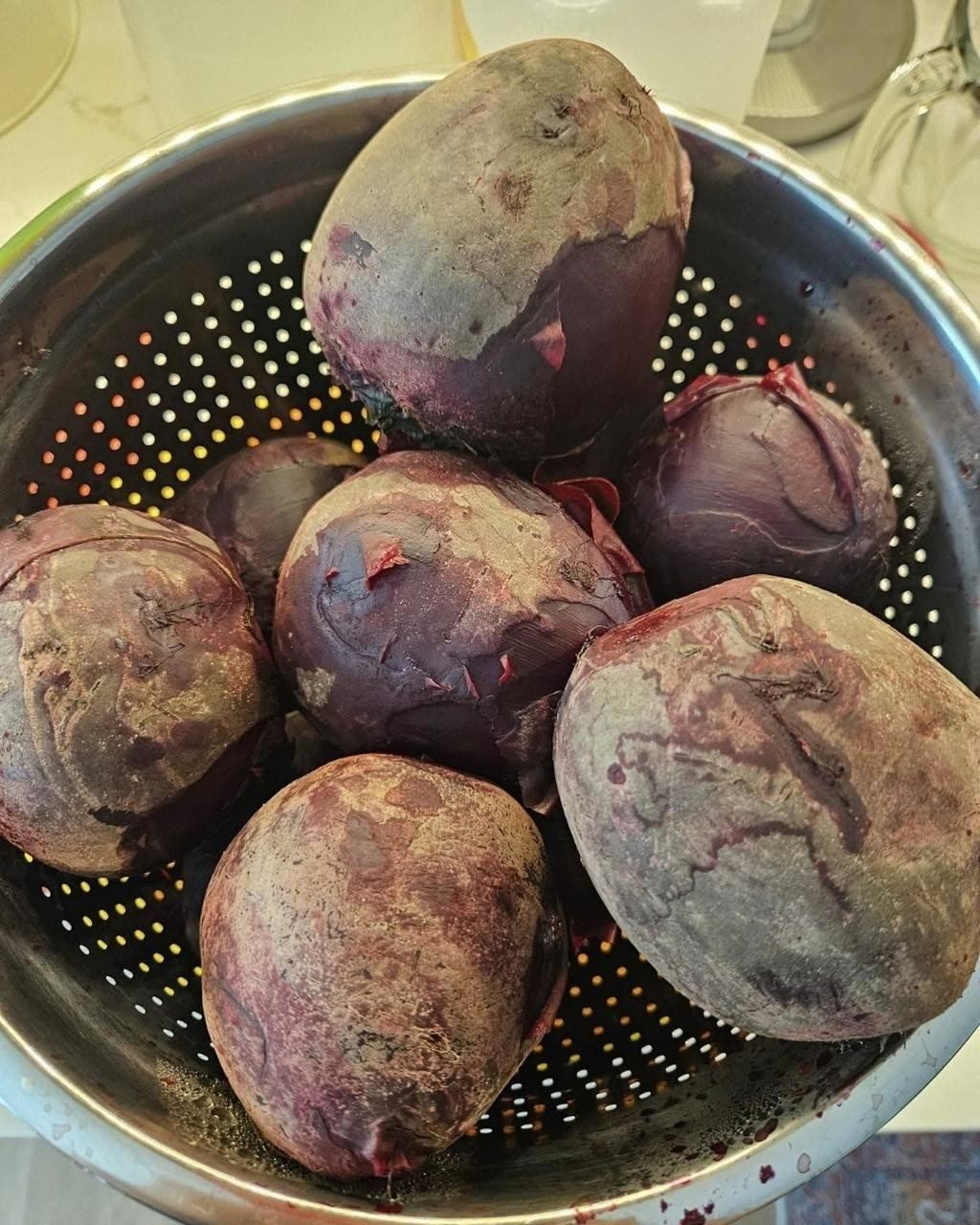
Doctors reveal that eating beets causes

Beets, also known as beetroot, have long been recognized as one of the most nutritious vegetables available. In recent years, many doctors and nutrition experts have highlighted the powerful health benefits of adding beets to a regular diet. From improving heart health to boosting stamina and supporting digestion, this vibrant red vegetable is gaining renewed attention in the medical and culinary worlds.

One of the main reasons doctors recommend beets is their high concentration of natural nitrates. When consumed, these nitrates convert into nitric oxide in the body. Nitric oxide helps relax and widen blood vessels, which improves blood circulation and lowers blood pressure. Because of this effect, beets are often suggested as part of a heart-healthy diet. Several health professionals note that regular beet consumption may reduce the risk of cardiovascular diseases when combined with other healthy lifestyle habits.

Another benefit doctors frequently mention is improved athletic performance. Studies have shown that beetroot juice can enhance endurance during exercise. This is again related to nitric oxide, which allows muscles to use oxygen more efficiently. As a result, athletes and fitness enthusiasts sometimes drink beet juice before workouts to increase stamina and reduce fatigue.

Beets are also rich in important nutrients such as folate, fiber, potassium, vitamin C, and antioxidants. Folate supports healthy cell growth and is particularly important for pregnant women. Fiber aids digestion and supports gut health by feeding beneficial bacteria in the digestive system. Meanwhile, antioxidants help protect the body’s cells from damage caused by free radicals, which are linked to aging and many chronic diseases.

Doctors also point out that beets may help support brain health. Improved blood flow from nitric oxide can enhance circulation to the brain, which may support cognitive function. Some research suggests that diets rich in nitrate-containing vegetables like beets could help slow age-related mental decline.

Another interesting benefit involves detoxification. Beets contain compounds called betalains, which support the body’s natural detox processes, particularly in the liver. These compounds help the body break down and eliminate toxins more efficiently. Because of this, nutritionists often include beets in detox or cleansing meal plans.

Despite all these benefits, many people still struggle with how to include beets in their daily meals. While roasted beets and beet salads are common options, there are also creative and delicious ways to prepare them. One unique recipe that combines flavor, nutrition, and simplicity is Roasted Beet and Yogurt Garlic Bowl. This dish blends earthy roasted beets with creamy yogurt, herbs, and spices for a satisfying and healthy meal.

Unique Recipe: Roasted Beet and Yogurt Garlic Bowl

Ingredients

  • 3 medium fresh beets

  • 1 cup plain Greek yogurt

  • 2 cloves garlic, finely minced

  • 1 tablespoon olive oil

  • 1 teaspoon lemon juice

  • 1 tablespoon chopped fresh parsley or cilantro

  • Salt and black pepper to taste

  • 1 tablespoon toasted sesame seeds or crushed walnuts (optional)

  • A pinch of chili flakes for mild heat

Instructions

  1. Preheat your oven to 200°C (about 400°F). Wash the beets thoroughly and trim the ends. Wrap them loosely in foil and place them on a baking tray.

  2. Roast the beets for about 40 to 50 minutes, or until they become tender when pierced with a fork. Roasting enhances the natural sweetness of the beets and softens their texture.

  3. Once cooked, allow the beets to cool slightly. Peel off the skin, which should slide off easily, and cut the beets into small cubes or wedges.

  4. In a mixing bowl, combine the Greek yogurt, minced garlic, olive oil, lemon juice, salt, and black pepper. Stir well until the mixture becomes smooth and creamy.

  5. Add the roasted beet cubes into the yogurt mixture and gently fold them together so the beets are coated without breaking apart.

  6. Transfer the mixture into a serving bowl. Sprinkle chopped parsley or cilantro on top, followed by sesame seeds or crushed walnuts for extra crunch.

  7. Finish with a light sprinkle of chili flakes if you enjoy a bit of spice.

This dish can be served as a healthy side, a light lunch, or even a colorful appetizer. It pairs well with whole-grain bread, grilled chicken, or roasted vegetables. The creamy yogurt balances the earthy flavor of the beets, while garlic and lemon add brightness and depth.

Adding beets to your diet doesn’t have to be complicated. With their impressive nutritional profile and versatility in the kitchen, they can easily become part of a balanced meal plan. As doctors continue to emphasize the importance of nutrient-rich vegetables, beetroot stands out as a simple yet powerful addition to everyday cooking.

Say goodbye to flies, mosquitoes and cockroaches boiling these leaves

Keeping your home free from flies, mosquitoes, and cockroaches can sometimes feel like an endless battle. These pests not only create discomfort but can also spread germs and contaminate food. While chemical sprays and pesticides are widely available, many people prefer natural alternatives that are safer for families, pets, and the environment. One surprisingly effective method is using boiled aromatic leaves to create a natural pest-repelling solution.

This simple home remedy has been used in traditional households for generations. Certain leaves contain natural oils and compounds that insects strongly dislike. When these leaves are boiled, their essential oils are released into the water and air, creating a powerful scent that repels unwanted insects.

One of the most effective leaves for this method is the Bay Leaf. Bay leaves are commonly used in cooking, but they also contain compounds like eugenol and cineole that insects find unpleasant. Another powerful leaf is the Neem leaf, which has been used for centuries in natural pest control due to its strong antibacterial and insect-repelling properties. You can also combine these with Mint leaves, whose refreshing aroma is loved by humans but disliked by many insects.

This natural remedy is easy to prepare and requires only a few simple ingredients that you may already have at home.

Ingredients

  • 10–15 dried Bay Leaf leaves

  • 10 fresh Neem leaves (optional but very effective)

  • A handful of fresh Mint leaves

  • 2 cups of water

  • 1 tablespoon lemon juice (optional)

  • 1 small spray bottle or bowl

Instructions

Start by placing two cups of water into a small saucepan and bringing it to a gentle boil. Once the water begins to boil, add the bay leaves, neem leaves, and mint leaves. Reduce the heat and allow the mixture to simmer for about 10–15 minutes. During this time, the leaves release their natural oils and strong aroma into the water.

As the mixture simmers, you will notice a strong herbal fragrance filling the air. This scent is pleasant for people but very irritating to flies, mosquitoes, and cockroaches. After simmering, turn off the heat and allow the liquid to cool completely.

Once cooled, strain the mixture to remove the leaves and pour the liquid into a spray bottle. If you like, you can add a tablespoon of lemon juice to enhance the scent and provide additional antibacterial properties.

How to Use

Spray the liquid around windows, doorways, kitchen corners, and areas where insects tend to gather. You can also lightly spray under sinks, behind trash bins, and near drains where cockroaches are often found.

Another method is to place a small bowl of the warm boiled mixture in rooms where mosquitoes or flies are common. The steam will slowly release the scent into the air, acting as a natural insect repellent.

For outdoor areas such as balconies or patios, you can boil the leaves and simply place the pot nearby for a few minutes so the steam spreads through the area.

Why This Works

Many insects rely heavily on their sense of smell to locate food and safe nesting areas. Strong aromatic compounds from plants like bay leaves, neem, and mint interfere with these scent signals. As a result, pests become disoriented and avoid the area entirely.

Neem leaves, in particular, contain natural compounds that act as both insect repellents and growth inhibitors for certain pests. Mint leaves release menthol-based oils that are known to repel mosquitoes and flies, while bay leaves contain essential oils that cockroaches find extremely unpleasant.

Additional Tips for Best Results

For the best results, combine this natural solution with good household habits. Always keep food sealed and clean up crumbs immediately, since leftover food attracts insects. Empty trash regularly and avoid leaving standing water in sinks or containers, as this can attract mosquitoes.

You can also place dried bay leaves inside cabinets, pantry shelves, or near food storage areas to discourage cockroaches from entering. Refresh the spray every few days to maintain its effectiveness, as natural solutions tend to lose strength over time.

A Safer Natural Alternative

Unlike chemical pesticides that may release harmful fumes, this natural boiled leaf remedy is gentle, affordable, and eco-friendly. It allows you to maintain a fresh-smelling home while discouraging pests from invading your living space.

While it may not eliminate severe infestations on its own, it works very well as a preventive method and can significantly reduce the number of flies, mosquitoes, and cockroaches in your home.

What to Eat to Reduce Nail Ridges: A Nutrition Guide for Healthier Nails

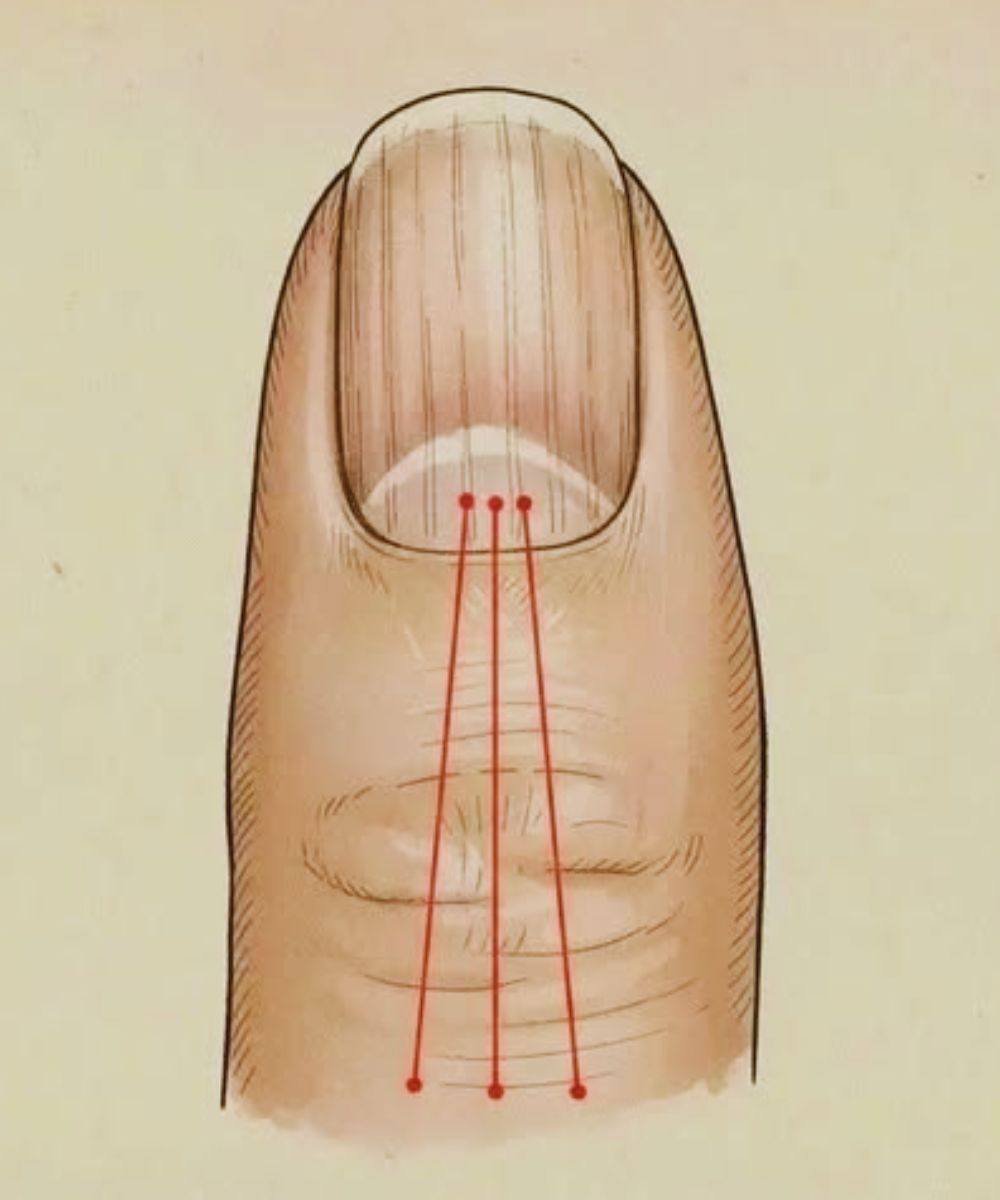
Healthy nails are more than just a cosmetic feature—they can be a reflection of your overall health. If you have ever noticed ridges running across or along your nails, you may have wondered what they mean. Nail ridges are quite common and can appear as vertical lines (from the cuticle to the tip) or horizontal lines across the nail. While some ridges are simply a natural part of aging, others may indicate nutritional deficiencies or underlying health issues. One of the most effective ways to support smoother, stronger nails is through proper nutrition. The foods you eat can provide the vitamins and minerals your body needs to keep your nails healthy and reduce the appearance of ridges.

Understanding Nail Ridges

Before discussing what to eat, it is helpful to understand why nail ridges occur. Vertical ridges are usually harmless and often develop as people age because nail growth slows down and the body produces less natural oils. However, if ridges suddenly appear or become more noticeable, they may be linked to deficiencies in important nutrients such as iron, biotin, magnesium, or protein. Horizontal ridges, sometimes called Beau’s lines, may be associated with illness, stress, or trauma to the nail.

Although ridges themselves are rarely dangerous, they can signal that your body needs better nourishment. Eating a balanced diet rich in vitamins and minerals can improve nail health over time and help reduce these ridges.

Protein: The Foundation of Healthy Nails

Nails are made primarily of keratin, a strong structural protein. If your diet lacks enough protein, your nails may become weak, brittle, and more prone to ridges.

To support healthy nail growth, include protein-rich foods in your daily meals. Good sources include eggs, chicken, fish, beans, lentils, and Greek yogurt. Eggs are particularly beneficial because they also contain biotin, a nutrient known for strengthening nails and hair.

Eating adequate protein helps the body produce keratin more effectively, leading to stronger and smoother nails over time.

Biotin: The Nail-Strengthening Vitamin

Biotin, also known as vitamin B7, plays a key role in maintaining strong nails. A deficiency in biotin can lead to brittle nails and visible ridges. Increasing your intake of biotin-rich foods may help improve nail thickness and reduce breakage.

Some excellent sources of biotin include almonds, walnuts, sweet potatoes, bananas, spinach, and whole grains. Eggs are another great option, especially when cooked, as cooking makes the biotin easier for the body to absorb.

Consistently including these foods in your diet can gradually improve nail texture and overall appearance.

Iron: Preventing Weak and Ridged Nails

Iron deficiency is one of the most common nutritional causes of nail problems. Low iron levels can lead to brittle nails, ridges, and even spoon-shaped nails in more severe cases.

To boost iron intake, focus on foods such as lean red meat, spinach, lentils, chickpeas, and fortified cereals. Pairing iron-rich foods with vitamin C sources like oranges, tomatoes, or bell peppers can help your body absorb iron more effectively.

Maintaining healthy iron levels supports proper oxygen circulation in the body, which helps nourish nail cells and promote smooth nail growth.

Magnesium: Supporting Nail Structure

Magnesium is involved in hundreds of processes in the body, including protein synthesis and nail formation. A lack of magnesium may contribute to vertical nail ridges.

Foods rich in magnesium include pumpkin seeds, almonds, cashews, dark leafy greens, and avocados. Whole grains such as brown rice and oats are also excellent sources.

Including these foods regularly can help maintain healthy nail structure and may gradually reduce ridging.

Zinc: Encouraging Healthy Nail Growth

Zinc is another mineral that plays an important role in nail health. It helps with cell growth and tissue repair, which are essential for strong nails. A deficiency in zinc may lead to white spots, ridges, or slow nail growth.

To increase zinc intake, consider eating foods like pumpkin seeds, chickpeas, cashews, eggs, and seafood. Even small improvements in zinc intake can have noticeable effects on nail strength over time.

Omega-3 Fatty Acids: Keeping Nails Hydrated

Dry nails are more likely to develop ridges and break easily. Omega-3 fatty acids help keep the nail bed moisturized and healthy by supporting natural oil production in the body.

Good sources of omega-3 fatty acids include salmon, sardines, walnuts, flaxseeds, and chia seeds. These foods also benefit skin and hair health, making them an excellent addition to a balanced diet.

Regularly consuming omega-3-rich foods can help nails appear smoother and healthier.

Hydration Matters Too

While nutrition is essential, hydration also plays an important role in nail health. Drinking enough water helps maintain moisture in the nails and prevents them from becoming dry and brittle.

Try to drink sufficient water throughout the day and include hydrating foods such as cucumbers, watermelon, and oranges in your meals.

A Sample Nail-Healthy Meal Idea

A simple meal that supports nail health might include grilled salmon with quinoa and steamed spinach, followed by a handful of almonds or walnuts for a snack. This combination provides protein, omega-3 fatty acids, magnesium, iron, and biotin—all nutrients that help strengthen nails and reduce ridges.

Final Thoughts

Nail ridges are often harmless, but they can be a sign that your body needs better nutrition. By focusing on a balanced diet rich in protein, biotin, iron, magnesium, zinc, and healthy fats, you can support stronger, smoother nails from the inside out.

Doctors reveal that eating boiled eggs in the morning causes

For many people, breakfast is the most important meal of the day. It sets the tone for energy levels, concentration, and metabolism throughout the morning. Among the many breakfast choices available, boiled eggs stand out as one of the simplest, most nutritious, and most satisfying foods you can eat. Doctors and nutrition experts often recommend eggs as part of a balanced diet because they contain a wide range of nutrients that support overall health.

Eating boiled eggs in the morning may cause several positive effects in your body. From improving brain function to helping maintain a healthy weight, this small food carries big benefits. Let’s explore what doctors say happens when you start your day with boiled eggs and how you can include them in your daily routine.

1. Boosts Energy and Keeps You Full Longer

One of the most noticeable effects of eating boiled eggs in the morning is how satisfied and energized you feel afterward. Eggs are rich in high-quality protein, which helps stabilize blood sugar levels and prevents sudden hunger spikes.

Unlike sugary cereals or pastries that can cause a quick rise and crash in energy, boiled eggs release energy slowly. This means you stay full for longer periods and avoid unhealthy snacking before lunch. Doctors often recommend protein-rich breakfasts for people who want to improve their daily energy and productivity.

2. Supports Brain Health and Memory

Eggs contain an important nutrient called choline, which plays a vital role in brain function. Choline helps produce neurotransmitters that are involved in memory, mood, and cognitive performance.

When you eat boiled eggs in the morning, your brain receives essential nutrients needed for focus and concentration. This can be particularly helpful for students, professionals, or anyone who needs mental clarity early in the day.

Nutritionists often emphasize that starting the day with brain-supporting foods may improve overall mental performance throughout the morning.

3. Helps With Healthy Weight Management

Many doctors say that eating boiled eggs at breakfast may help with weight management. The combination of protein and healthy fats helps control appetite and reduces cravings.

Research has shown that people who eat eggs in the morning often consume fewer calories later in the day compared to those who eat carbohydrate-heavy breakfasts. Because eggs help you feel full longer, you are less likely to reach for high-calorie snacks.

This makes boiled eggs a popular choice for individuals who are trying to maintain or lose weight while still feeling satisfied after meals.

4. Provides Important Vitamins and Minerals

Boiled eggs are packed with essential nutrients that your body needs every day. A single egg contains:

  • Vitamin A for healthy vision

  • Vitamin D for bone health

  • Vitamin B12 for nerve function

  • Selenium for immune support

  • Iron for oxygen transport in the blood

These nutrients work together to support overall health and well-being. Eating eggs regularly can help fill nutritional gaps that might occur in other parts of the diet.

Doctors often point out that eggs provide many nutrients in a compact, affordable food, making them a convenient breakfast option.

5. Supports Eye Health

Egg yolks contain powerful antioxidants called lutein and zeaxanthin. These compounds are known to support eye health and help protect the eyes from age-related damage.

Starting your day with boiled eggs may contribute to better long-term vision health. These antioxidants help reduce oxidative stress in the eyes and may lower the risk of certain eye conditions.

Because modern lifestyles often involve long hours in front of screens, foods that support eye health have become increasingly important.

6. Promotes Muscle Strength and Repair

Protein is essential for maintaining strong muscles and supporting tissue repair. Boiled eggs provide a complete protein source containing all nine essential amino acids.

Eating eggs in the morning helps your body start the day with the building blocks it needs for muscle maintenance. This is especially beneficial for people who exercise regularly or want to maintain strength as they age.

Doctors frequently recommend protein-rich breakfasts to support muscle health and prevent fatigue during the day.

Simple Morning Boiled Egg Idea

If you want a quick and nutritious breakfast, try this simple boiled egg plate:

Ingredients

  • 2 boiled eggs

  • 1 slice whole grain toast

  • A few slices of avocado

  • A pinch of salt and black pepper

Instructions

  1. Boil eggs for about 8–10 minutes until fully cooked.

  2. Peel and slice the eggs in half.

  3. Toast the bread and top with avocado slices.

  4. Sprinkle salt and pepper over the eggs.

  5. Serve everything together for a balanced breakfast.

This meal combines protein, healthy fats, and fiber to keep you energized for hours.

Final Thoughts

Doctors agree that boiled eggs can be a powerful addition to your morning routine. Eating them for breakfast may help increase energy, improve brain function, support eye health, and promote a feeling of fullness that lasts for hours.

Of course, balance is key. Eggs work best as part of a healthy diet that includes fruits, vegetables, whole grains, and other nutritious foods. If you enjoy eggs and tolerate them well, adding boiled eggs to your breakfast can be a simple way to nourish your body and start the day strong.