7 health risks seniors face when traveling after 70 that every senior should know before their next trip

Traveling after the age of 70 can be one of life’s greatest joys. Whether it’s visiting family, exploring new cultures, or finally taking that dream vacation, travel offers excitement and fulfillment. However, aging bodies come with unique challenges, and being aware of potential health risks can make all the difference between a smooth journey and a stressful experience. Here are seven important health risks seniors should understand—along with practical tips to stay safe and enjoy the adventure.

1. Increased Risk of Blood Clots (Deep Vein Thrombosis)
Long flights or car rides can lead to prolonged sitting, which increases the risk of deep vein thrombosis (DVT). This condition occurs when blood clots form in the legs and can become life-threatening if they travel to the lungs. Seniors are more vulnerable due to reduced circulation and underlying health conditions.
Prevention tip: Stand up and stretch every hour, stay hydrated, and consider wearing compression stockings during long trips.

2. Dehydration and Heat-Related Illness
As we age, the body’s ability to conserve water decreases, making seniors more prone to dehydration. Traveling to warmer climates or spending long hours outdoors can lead to heat exhaustion or even heatstroke.
Prevention tip: Drink water regularly—even if you don’t feel thirsty—and avoid excessive sun exposure during peak hours.

3. Medication Mismanagement
Travel disrupts routines, and it’s easy to forget medications or take incorrect doses. Time zone changes can further complicate medication schedules, especially for conditions like diabetes or heart disease.
Prevention tip: Carry a detailed medication list, use pill organizers, and set alarms to maintain proper timing.

4. Weakened Immune System and Infections
Seniors generally have weaker immune systems, making them more susceptible to infections, including respiratory illnesses and foodborne diseases. Airplanes, crowded tourist spots, and unfamiliar foods increase exposure risks.
Prevention tip: Wash hands frequently, stay updated on vaccinations, and be cautious about food and water safety.

5. Mobility Issues and Risk of Falls
Uneven terrain, unfamiliar environments, and long walking distances can increase the risk of falls. Even minor falls can result in serious injuries like fractures.
Prevention tip: Wear supportive footwear, use mobility aids if needed, and avoid rushing in crowded areas such as airports or train stations.

6. Travel Fatigue and Jet Lag
Older adults often take longer to recover from fatigue and sleep disruption. Jet lag can affect not only sleep but also mood, digestion, and cognitive function.
Prevention tip: Gradually adjust your sleep schedule before traveling, stay active upon arrival, and get exposure to natural daylight to reset your internal clock.

7. Chronic Condition Flare-Ups
Conditions like heart disease, arthritis, diabetes, and respiratory issues can worsen due to stress, climate changes, or physical exertion during travel.
Prevention tip: Consult your doctor before traveling, carry necessary medical documents, and plan a realistic itinerary that includes rest periods.


A “Recipe” for Safe and Enjoyable Travel After 70

Think of a successful trip as a carefully prepared recipe. Here’s a simple “formula” to ensure your journey is both safe and enjoyable:

Ingredients:

  • 1 pre-trip medical checkup

  • 1 well-organized travel health kit

  • A list of emergency contacts

  • Comfortable clothing and supportive shoes

  • Travel insurance coverage

  • A flexible itinerary with rest days

  • Plenty of water and healthy snacks

Instructions:

  1. Start with a visit to your healthcare provider to ensure you’re fit for travel.

  2. Pack medications in your carry-on bag, along with prescriptions and medical records.

  3. Plan your itinerary with balance—mix activity with relaxation.

  4. Stay mindful of your body’s signals. If you feel tired, rest. If something feels off, seek help.

  5. Keep emergency numbers handy and know the location of nearby healthcare facilities at your destination.

  6. Maintain healthy habits—eat well, stay hydrated, and get enough sleep.

  7. Most importantly, travel at your own pace and enjoy the experience.


Final Thoughts

Traveling after 70 doesn’t have to be risky—it just requires thoughtful preparation. By understanding these common health risks and taking preventive measures, seniors can continue to explore the world safely and confidently. Age should never be a barrier to adventure; it simply calls for smarter planning.

With the right precautions, your next trip can be not only safe but also deeply rewarding. So pack your bags, take care of your health, and embrace the journey ahead with confidence.


Burn Belly Fat Like Crazy With This Simple Daily Drink

If you’re looking to target stubborn belly fat without extreme diets or exhausting workout routines, a simple daily drink can be a surprisingly powerful addition to your routine. While no single recipe is a miracle solution, certain natural ingredients are known to support metabolism, reduce bloating, and improve digestion—all of which play a key role in trimming abdominal fat over time.

This unique daily drink combines hydration, thermogenic ingredients, and detox-supporting nutrients to help your body function more efficiently. When paired with a balanced diet and regular movement, it can accelerate your fat-loss journey—especially around the belly area.


Why Belly Fat Is So Hard to Lose

Belly fat isn’t just about appearance—it’s often linked to stress, poor digestion, hormonal imbalance, and excess sugar intake. Visceral fat (fat stored deep in the abdomen) is particularly stubborn because it responds strongly to lifestyle habits rather than quick fixes.

That’s where this drink comes in. It supports your body naturally by:

  • Boosting metabolism

  • Reducing water retention

  • Improving digestion

  • Balancing blood sugar levels


The Unique Belly Fat Burning Drink Recipe

Ingredients:

  • 1 glass of warm water

  • 1 tablespoon fresh lemon juice

  • 1 teaspoon grated ginger

  • ½ teaspoon cinnamon powder

  • 1 teaspoon raw honey (optional)

  • A pinch of cayenne pepper

  • 1 teaspoon apple cider vinegar


How to Prepare It

  1. Start with a glass of warm (not boiling) water.

  2. Add fresh lemon juice and apple cider vinegar.

  3. Stir in grated ginger and cinnamon powder.

  4. Add a pinch of cayenne pepper for a metabolism boost.

  5. Mix well and add honey if you prefer a slightly sweeter taste.

  6. Drink it fresh, preferably in the morning on an empty stomach.


How This Drink Helps Burn Belly Fat

Each ingredient in this recipe plays a specific role:

Lemon Juice
Rich in vitamin C and antioxidants, lemon helps detoxify the body and supports digestion. It also promotes hydration, which is essential for fat metabolism.

Ginger
Ginger has thermogenic properties, meaning it helps increase body temperature and calorie burn. It also reduces inflammation and improves gut health.

Cinnamon
Cinnamon helps regulate blood sugar levels, preventing insulin spikes that lead to fat storage—especially around the belly.

Apple Cider Vinegar
This ingredient may help reduce appetite and improve digestion. It also supports healthy gut bacteria, which plays a role in weight management.

Cayenne Pepper
Cayenne contains capsaicin, a compound known to boost metabolism and reduce hunger cravings.

Honey (Optional)
A natural sweetener that provides a quick energy boost without the crash of refined sugar.


Best Time to Drink It

For maximum effectiveness:

  • Drink it first thing in the morning on an empty stomach

  • You can also have a second glass before meals to reduce appetite

Consistency is key. Drinking it daily for a few weeks will show better results than occasional use.


Additional Tips for Faster Results

While this drink can support fat loss, combining it with healthy habits will significantly improve results:

1. Stay Hydrated
Drink plenty of water throughout the day. Dehydration slows down metabolism and can cause bloating.

2. Reduce Sugar Intake
Excess sugar is one of the biggest contributors to belly fat. Cut back on sugary drinks and processed snacks.

3. Move Daily
Even light exercise like walking, stretching, or short home workouts can help burn calories and improve digestion.

4. Get Enough Sleep
Poor sleep increases stress hormones like cortisol, which is linked to belly fat storage.

5. Manage Stress
High stress levels can lead to emotional eating and fat accumulation around the abdomen.


What to Expect

This drink won’t melt fat overnight—but with regular use, you may notice:

  • Reduced bloating within a few days

  • Improved digestion

  • Better energy levels

  • Gradual reduction in belly fat over a few weeks


Final Thoughts

There’s no magic shortcut to losing belly fat, but small daily habits can create powerful long-term results. This simple, natural drink is easy to prepare, affordable, and packed with ingredients that support your body’s fat-burning processes.

Your “Drool Problem” Isn’t Sleepy… It’s A WARNING SIGN. Doctors are calling out this common habit for hiding THESE 6 TERRIFYING diseases

Drooling during sleep is often brushed off as harmless — maybe even a little embarrassing but not serious. However, doctors warn that persistent or excessive nighttime drooling can sometimes signal underlying health issues that shouldn’t be ignored. While occasional drooling is normal (especially when sleeping on your side), chronic drooling may be your body’s way of raising a red flag.

Here are six potentially serious conditions that could be linked to excessive drooling during sleep:


1. Sleep Apnea

One of the most common causes of drooling is Sleep Apnea. This condition causes repeated interruptions in breathing during sleep. When airflow is blocked, people often breathe through their mouths, increasing saliva escape.

Other warning signs include:

  • Loud snoring

  • Gasping or choking during sleep

  • Morning headaches

  • Daytime fatigue

If left untreated, sleep apnea can increase the risk of heart disease and stroke.


2. Acid Reflux (GERD)

Gastroesophageal Reflux Disease can also trigger drooling. When stomach acid flows back into the esophagus, it can stimulate excess saliva production — a response known as “water brash.”

Watch for:

  • Burning sensation in the chest (heartburn)

  • Sour taste in the mouth

  • Difficulty swallowing

Chronic GERD can damage the esophagus and lead to more serious complications if ignored.


3. Neurological Disorders

Persistent drooling can sometimes point to problems with the nervous system, such as Parkinson’s Disease or Amyotrophic Lateral Sclerosis.

These conditions can weaken the muscles responsible for swallowing, causing saliva to accumulate and leak out, especially during sleep.

Other symptoms may include:

  • Muscle stiffness or weakness

  • Tremors

  • Slurred speech

  • Difficulty swallowing

Early diagnosis is crucial for managing these conditions effectively.


4. Sinus Infections or Nasal Congestion

Blocked nasal passages from infections or allergies force you to breathe through your mouth, increasing the likelihood of drooling. Conditions like Sinusitis can be a key culprit.

Look out for:

  • Facial pain or pressure

  • Stuffy or runny nose

  • Reduced sense of smell

While often temporary, chronic sinus problems can significantly affect sleep quality and overall health.


5. Dental or Oral Health Issues

Problems inside your mouth can also contribute to drooling. Gum infections, misaligned teeth, or oral infections may interfere with proper mouth closure during sleep.

Conditions like Periodontal Disease can lead to:

  • Swollen or bleeding gums

  • Bad breath

  • Loose teeth

Poor oral health doesn’t just affect your smile — it can also influence your body’s ability to manage saliva.


6. Medication Side Effects

Certain medications can increase saliva production or affect muscle control, leading to drooling. These include:

  • Sedatives

  • Antipsychotics

  • Some antibiotics

If you’ve recently started a new medication and noticed increased drooling, it’s worth discussing with a healthcare provider.


When Should You Be Concerned?

Drooling occasionally — especially after a deep sleep — is usually nothing to worry about. But you should pay attention if it’s:

  • Frequent or worsening

  • Paired with snoring or breathing issues

  • Accompanied by swallowing difficulties

  • Linked with neurological symptoms

These combinations could indicate something more serious.


Simple Ways to Reduce Drooling

While addressing the underlying cause is key, a few lifestyle changes may help reduce symptoms:

  • Sleep on your back instead of your side

  • Keep your head slightly elevated

  • Treat nasal congestion promptly

  • Maintain good oral hygiene

  • Stay hydrated


The Bottom Line

Drooling during sleep isn’t always just a harmless quirk. In some cases, it’s your body signaling that something deeper might be wrong. From sleep disorders to neurological conditions, the causes can range from mild to serious.

Top 3 Fruits Diabetics Should Include for Healthier Bl00d Sugar Levels

Managing blood sugar doesn’t mean giving up fruit—it means choosing wisely and pairing it smartly. Certain fruits are not only safe for people with diabetes but can actually help stabilize blood sugar thanks to their fiber, antioxidants, and low glycemic impact. Here are three of the best fruits diabetics can include regularly, along with a unique, practical recipe that brings them together in a delicious and balanced way.


1. Berries (Strawberries, Blueberries, Raspberries)

Berries are often considered the gold standard for diabetics. They are low in sugar compared to most fruits and packed with fiber, which slows down glucose absorption. This means you get natural sweetness without sudden blood sugar spikes.

They’re also rich in antioxidants like anthocyanins, which may improve insulin sensitivity. Raspberries, in particular, have an exceptionally high fiber content, making them especially beneficial.

Why they work:

  • Low glycemic index (GI)

  • High fiber slows sugar release

  • Rich in anti-inflammatory compounds

Best way to eat: Fresh, unsweetened, and ideally paired with protein (like yogurt or nuts).


2. Apple

“An apple a day” isn’t just a saying—it’s especially true for blood sugar management. Apples contain soluble fiber called pectin, which helps regulate blood glucose levels and improves gut health.

Despite their natural sweetness, apples have a relatively low glycemic load when eaten whole (not juiced). The skin is particularly important, as it contains much of the fiber and antioxidants.

Why they work:

  • Pectin helps control glucose absorption

  • Keeps you full longer, reducing cravings

  • Supports heart health (important for diabetics)

Best way to eat: Whole, with skin, paired with a protein or healthy fat.


3. Guava

Guava is a fantastic but often underrated fruit for diabetics, especially in South Asia. It’s rich in vitamin C, fiber, and has a very low glycemic index. In fact, eating guava without the peel can further reduce sugar intake while still delivering nutrients.

Guava also helps improve digestion and may contribute to better long-term glucose control.

Why it works:

  • Very high fiber content

  • Low GI and slow sugar release

  • Supports immunity and metabolism

Best way to eat: Fresh slices, preferably without added salt or sugar.


Unique Recipe: Diabetic-Friendly Fiber Boost Fruit Bowl

This simple yet creative recipe combines all three fruits into a balanced dish designed to stabilize blood sugar while satisfying cravings.

🥗 Ingredients:

  • ½ cup mixed Berries (strawberries, blueberries, raspberries)

  • 1 small Apple, chopped (with skin)

  • 1 medium Guava, deseeded and chopped

  • 2 tablespoons plain Greek yogurt (unsweetened)

  • 1 tablespoon chia seeds

  • 5–6 almonds (chopped)

  • A pinch of cinnamon

  • Optional: a few drops of lemon juice


🥣 Instructions:

  1. Prepare the fruits:
    Wash all fruits thoroughly. Chop the apple and guava into small bite-sized pieces. Keep berry portions moderate.

  2. Mix the base:
    In a bowl, combine the berries, apple, and guava.

  3. Add protein and fiber:
    Add Greek yogurt and sprinkle chia seeds. These help slow down sugar absorption and keep you full longer.

  4. Enhance flavor naturally:
    Add a pinch of cinnamon—it may help improve insulin sensitivity and adds natural sweetness without sugar.

  5. Top it off:
    Sprinkle chopped almonds for healthy fats and crunch.

  6. Optional twist:
    Add a few drops of lemon juice for freshness and to slightly reduce the glycemic response.


🌟 Why This Recipe Works for Diabetics

This isn’t just a fruit salad—it’s a strategically balanced meal:

  • Fiber-rich: Slows digestion and prevents glucose spikes

  • Protein inclusion: Yogurt stabilizes blood sugar

  • Healthy fats: Almonds reduce glycemic load

  • Low added sugar: Entirely natural sweetness

The combination ensures a steady release of energy instead of sharp spikes and crashes.


Final Thoughts

Fruits don’t have to be feared—they just need to be chosen and combined wisely. Berries, Apple, and Guava stand out as some of the best options for managing blood sugar naturally. When paired with protein, fiber, and healthy fats—as in the recipe above—they become powerful tools in a diabetic-friendly diet.

Why do couples sleep separately after the age of 50?

Couples sleeping separately after the age of 50 is more common than many people realize, and it’s usually less about relationship trouble and more about comfort, health, and changing lifestyles. While popular culture sometimes frames separate sleeping arrangements as a sign of emotional distance, in reality, many couples find that it actually improves both their sleep quality and their relationship.

One of the biggest reasons is physical comfort. As people age, their bodies become more sensitive to disruptions. A partner who snores, tosses and turns, or gets up frequently during the night can significantly disturb the other person’s sleep. Conditions like sleep apnea, restless leg syndrome, or chronic pain tend to become more common with age, making uninterrupted sleep harder to achieve when sharing a bed. Instead of enduring restless nights, couples may decide that separate sleeping spaces allow both partners to wake up feeling more rested and healthier.

Health-related changes also play a major role. Hormonal shifts—particularly during menopause—can lead to night sweats, insomnia, and fluctuating body temperatures. These changes can make sharing a bed uncomfortable. Similarly, older adults may have different sleep schedules. One partner might prefer going to bed early, while the other stays up late. Separate sleeping arrangements allow each person to follow their natural rhythm without compromise.

Another important factor is sleep quality and its connection to overall well-being. Good sleep becomes increasingly valuable with age because it directly impacts memory, mood, immune function, and cardiovascular health. Couples may prioritize restful sleep over tradition, recognizing that being well-rested helps them show up better for each other during the day. In this sense, sleeping apart can actually strengthen a relationship rather than weaken it.

Emotional dynamics also evolve over time. After decades together, many couples feel secure enough in their bond that they no longer associate physical closeness at night with emotional intimacy. They may express love and connection in other ways—through shared meals, conversations, or spending quality time together during the day. Separate sleeping spaces don’t necessarily mean less affection; instead, they can reflect a mature understanding of each other’s needs.

Personal space is another factor that becomes more valued with age. After years of shared responsibilities—raising children, managing careers, and running a household—some individuals begin to appreciate having a space of their own. A separate bedroom can serve as a personal retreat, offering a sense of independence while still maintaining a committed relationship. This balance between togetherness and individuality can be refreshing and fulfilling.

Cultural perceptions around this topic are also shifting. In the past, sleeping separately might have been stigmatized or seen as unusual. Today, there is growing awareness that there is no single “correct” way for couples to organize their lives. What matters most is what works for both partners. Many couples openly discuss their needs and make practical decisions without worrying about social expectations.

It’s also worth noting that sleeping separately doesn’t mean couples never share a bed. Some adopt flexible arrangements—sleeping apart on weekdays for better rest, and together on weekends or special occasions. Others maintain intimacy by spending time together before going to their separate rooms. These hybrid approaches allow couples to enjoy the benefits of both closeness and independence.

Communication is key in making this arrangement successful. Couples who openly discuss their reasons—whether it’s snoring, sleep schedules, or personal comfort—are more likely to view the decision as a mutual solution rather than a rejection. When both partners feel heard and respected, separate sleeping becomes a practical adjustment rather than an emotional issue.

In conclusion, couples over 50 often choose to sleep separately for reasons rooted in health, comfort, and lifestyle changes rather than a lack of love or connection. Better sleep, improved well-being, and respect for individual needs all contribute to this decision. Far from harming relationships, separate sleeping arrangements can actually support long-term happiness by ensuring both partners feel rested, comfortable, and understood.

Just 1 teaspoon is enough to make any plant beautiful, fruitful, lush and healthy

If you love gardening, you’ve probably searched for that one simple trick to transform your plants from average to thriving. The good news is—you don’t need expensive fertilizers or complicated routines. Sometimes, the most powerful solutions are already in your kitchen. With just one teaspoon of a natural ingredient, you can boost plant growth, improve soil health, and encourage lush greenery and abundant blooms.

Let’s explore this easy, effective, and budget-friendly gardening secret.

 The Secret Ingredient: Baking Soda

Yes, baking soda—a common household item—can work wonders in your garden when used correctly. Just one teaspoon mixed into water can help improve plant health, fight pests, and even enhance flowering and fruiting.

 Why Baking Soda Works

Baking soda (sodium bicarbonate) has natural antifungal and antibacterial properties. It helps balance pH levels and creates an environment where harmful fungi and pests struggle to survive. When used in small amounts, it can:

  • Prevent fungal diseases

  • Promote greener leaves

  • Encourage better blooms

  • Support overall plant vitality

 Ingredients You’ll Need

This simple “plant booster” requires only a few items:

  • 1 teaspoon baking soda

  • 1 liter water

  • A few drops of liquid dish soap (optional, helps solution stick to leaves)

  • Spray bottle or watering can

 How to Prepare the Solution

  1. Take 1 liter of clean water (room temperature is best).

  2. Add 1 teaspoon of baking soda.

  3. Mix well until fully dissolved.

  4. Add 2–3 drops of liquid dish soap (optional).

  5. Pour into a spray bottle for easy application.

 How to Use It

1. Foliar Spray (For Leaves)

Spray the solution lightly on plant leaves, especially the undersides where pests and fungi often hide. Do this early in the morning or late in the evening to avoid leaf burn.

2. Soil Treatment

You can also pour a small amount around the base of the plant to help balance soil conditions.

3. Frequency

Use this solution once every 7–10 days. Overuse can harm plants, so moderation is key.

 Benefits You’ll Notice

With consistent use, you may start seeing impressive results:

🌿 Healthier Leaves

Leaves appear greener and more vibrant as fungal infections decrease.

🌸 More Flowers

Plants tend to bloom more frequently due to improved health and reduced stress.

🍅 Better Fruits

Fruit-bearing plants like tomatoes, peppers, and cucumbers may produce more and better-quality fruits.

🛡️ Natural Protection

Helps prevent issues like powdery mildew, black spots, and other common plant diseases.

 Bonus Tip: Sweeten Your Tomatoes

A little-known trick is using baking soda to reduce acidity in soil for tomato plants. This can result in slightly sweeter tomatoes. Simply sprinkle a tiny pinch (not more than recommended) near the base occasionally.

 Important Precautions

While baking soda is beneficial, incorrect use can damage your plants. Keep these points in mind:

  • Do not exceed 1 teaspoon per liter of water

  • Avoid spraying in direct sunlight

  • Test on one leaf before applying to the whole plant

  • Do not use too frequently

  • Avoid use on very sensitive plants unless tested

 Alternative Natural Boosters

If you want to experiment further, here are a few other “1 teaspoon” natural options:

🍃 Cinnamon Powder

Acts as a natural fungicide and rooting hormone.

🍌 Banana Peel Water

Rich in potassium, great for flowering plants.

☕ Coffee Grounds (in small amounts)

Adds nutrients and improves soil structure.


 Final Thoughts

Sometimes, the simplest gardening hacks are the most powerful. With just one teaspoon of baking soda, you can give your plants a natural boost toward better health, lush growth, and abundant production.

Gardening doesn’t have to be complicated or expensive. By using smart, natural solutions like this, you can create a thriving green space right at home—whether it’s a small balcony garden or a full backyard.

Foods that should not be refrigerated and how poor storage can affect their quality

Many people assume that refrigeration is the best way to preserve all foods, but that’s not always true. In fact, storing certain foods in the refrigerator can damage their flavor, texture, and overall quality. Understanding which foods should not be refrigerated—and how improper storage affects them—can help you reduce waste, improve taste, and even inspire better cooking. Let’s explore this in detail, followed by a unique recipe that uses properly stored ingredients to their fullest potential.


Foods That Should Not Be Refrigerated

1. Tomatoes

Tomatoes lose their flavor and become mealy when refrigerated. Cold temperatures break down the membranes inside the fruit, resulting in a mushy texture and dull taste.
Best storage: Keep them at room temperature, away from direct sunlight.

2. Potatoes

Refrigerating potatoes converts their starch into sugar more quickly. This can lead to an overly sweet taste and an unpleasant gritty texture when cooked.
Best storage: Store in a cool, dark, and well-ventilated place like a pantry.

3. Onions

Onions become soft, moldy, and develop a strong odor in the fridge due to moisture.
Best storage: Keep them in a dry, ventilated area, away from potatoes (which release moisture).

4. Garlic

Garlic stored in the refrigerator tends to sprout and become rubbery. It can also develop mold more quickly due to humidity.
Best storage: Store in a cool, dry place with airflow.

5. Bananas

Cold temperatures disrupt the ripening process and turn banana peels black prematurely. While the inside may still be edible, the texture can become mushy.
Best storage: Keep at room temperature until ripe.

6. Bread

Refrigeration makes bread stale faster by accelerating starch retrogradation.
Best storage: Store in a bread box or freeze if you need long-term storage.

7. Honey

Honey naturally preserves itself. Refrigeration causes it to crystallize and become thick and grainy.
Best storage: Keep in a sealed container at room temperature.

8. Coffee

Coffee beans or grounds absorb moisture and odors from the fridge, ruining their flavor profile.
Best storage: Store in an airtight container in a cool, dark place.


How Poor Storage Affects Food Quality

Improper storage doesn’t just reduce shelf life—it can fundamentally alter how food tastes, smells, and cooks.

  • Texture degradation: Foods like tomatoes and potatoes can become mushy or gritty due to cellular damage from cold temperatures.

  • Flavor loss: Aromatic compounds break down in cold environments, leading to bland or altered taste.

  • Moisture imbalance: Refrigeration introduces excess moisture, causing mold in onions and garlic or staleness in bread.

  • Chemical changes: Starch-to-sugar conversion in potatoes or crystallization in honey are examples of chemical reactions triggered by incorrect storage.

  • Nutrient loss: Some vitamins degrade faster under improper conditions, especially when exposed to light or cold stress.

Understanding these effects allows you to treat ingredients with care, preserving their natural qualities and enhancing your cooking results.


Unique Recipe: Rustic Pantry Vegetable Medley with Honey Glaze

This recipe celebrates ingredients that are best stored outside the refrigerator, showcasing their natural flavors and textures.

Ingredients

  • 2 fresh tomatoes (room temperature)

  • 2 medium potatoes (pantry-stored)

  • 1 large onion

  • 4 cloves garlic

  • 1 ripe banana (optional twist for sweetness)

  • 2 tablespoons honey

  • 2 tablespoons olive oil

  • Salt and black pepper to taste

  • 1 teaspoon chili flakes (optional)

  • Fresh herbs (like parsley or coriander)


Instructions

  1. Prepare the vegetables:
    Wash and chop the tomatoes into chunks. Peel and cube the potatoes. Slice the onion and mince the garlic.

  2. Parboil the potatoes:
    Boil the potato cubes for 5–7 minutes until slightly tender, then drain. This ensures a crispy outside and soft inside when cooked.

  3. Sauté the aromatics:
    Heat olive oil in a pan over medium heat. Add onions and cook until translucent. Add garlic and sauté until fragrant.

  4. Cook the potatoes:
    Add the parboiled potatoes to the pan. Cook until golden and slightly crispy on the edges.

  5. Add tomatoes and seasoning:
    Toss in the chopped tomatoes, salt, pepper, and chili flakes. Let them cook gently so they soften but don’t lose their structure.

  6. Honey glaze:
    Drizzle honey over the mixture and stir well. The honey enhances the natural sweetness of the vegetables and creates a light glaze.

  7. Optional banana twist:
    For a unique flavor, slice a small amount of ripe banana and add it at the end. It melts slightly, adding depth and subtle sweetness.

  8. Garnish and serve:
    Sprinkle fresh herbs on top and serve warm with bread or rice.


Why This Recipe Works

Each ingredient in this dish benefits from proper storage:

  • Tomatoes retain their juiciness and flavor when not refrigerated.

  • Potatoes cook evenly without unwanted sweetness.

  • Onions and garlic provide strong, fresh aroma without excess moisture.

  • Honey remains smooth and easy to incorporate.

The result is a dish that highlights how good storage practices translate directly into better taste and texture.


Final Thoughts

Food storage is often overlooked, yet it plays a crucial role in cooking quality. Not everything belongs in the refrigerator, and knowing the difference can elevate your meals significantly. By respecting the natural needs of ingredients, you not only preserve their quality but also unlock their full culinary potential.

Eisenhower’s Famous Fudge: A Sweet Presidential Legacy

When we think of American presidents, we often picture powerful speeches, historic decisions, and moments that shaped the nation. But behind the formality and responsibility, many presidents had personal hobbies and simple pleasures. One of the most charming examples is Dwight D. Eisenhower and his well-known love for making fudge. His recipe, often called “Eisenhower’s Million Dollar Fudge,” has become a delightful part of presidential folklore—rich in flavor and history alike.

A President in the Kitchen

Before becoming president, Eisenhower served as a five-star general during World War II. Despite his demanding career, he enjoyed cooking as a way to relax. After his presidency (1953–1961), he spent time at his farm in Gettysburg, Pennsylvania, where he often cooked for friends and family. Among his specialties—steaks, soups, and corn muffins—his fudge stood out as a favorite.

Eisenhower didn’t just casually make fudge; he treated it like a precise operation. Known for his discipline and attention to detail, he reportedly followed his recipe meticulously, even adjusting quantities with the care of a military strategist. His fudge became so popular that guests would request it, and copies of the recipe began circulating widely.

Why “Million Dollar” Fudge?

The name “Million Dollar Fudge” doesn’t come from expensive ingredients but from its incredibly rich taste and texture. The combination of chocolate, marshmallows, nuts, and butter creates a smooth, creamy treat that feels indulgent—like something worth a fortune.

It’s also a reflection of mid-20th-century American home cooking, where convenience ingredients like marshmallow crème and chocolate chips became staples in desserts. Eisenhower’s version captured that era perfectly while elevating it with his personal touch.


Eisenhower’s Famous Fudge Recipe

Here’s a classic version inspired by Eisenhower’s original:

Ingredients:

  • 4½ cups sugar

  • 2 tablespoons butter

  • 1 can (12 oz) evaporated milk

  • 1 jar (7 oz) marshmallow crème

  • 12 oz semi-sweet chocolate chips

  • 12 oz German sweet chocolate (chopped)

  • 1 cup chopped walnuts or pecans

  • 1 teaspoon vanilla extract

  • Pinch of salt

Instructions:

  1. Prepare your pan:
    Grease a large baking dish (around 9×13 inches) or line it with parchment paper.

  2. Cook the base:
    In a large heavy saucepan, combine sugar, butter, salt, and evaporated milk. Bring to a boil over medium heat, stirring constantly.

  3. Boil carefully:
    Once boiling, continue to cook for about 6 minutes, stirring continuously. Timing is crucial—this is where Eisenhower’s precision comes into play.

  4. Add chocolate and marshmallow:
    Remove from heat and quickly stir in the chocolate chips, chopped chocolate, and marshmallow crème. Mix until smooth and fully melted.

  5. Finish the fudge:
    Add vanilla extract and nuts. Stir well until everything is evenly combined.

  6. Set the fudge:
    Pour the mixture into the prepared pan and spread evenly. Let it cool at room temperature until firm (several hours or overnight).

  7. Cut and serve:
    Slice into squares and enjoy!


Tips from Eisenhower’s Style

Eisenhower approached cooking with discipline and patience, and that’s key to making this fudge successfully:

  • Stir constantly: Prevents burning and ensures a smooth texture.

  • Use a timer: The boiling stage is critical—too short and the fudge won’t set, too long and it becomes grainy.

  • Work quickly after boiling: The mixture thickens fast, so have all ingredients ready.

  • Don’t rush cooling: Let the fudge set naturally for the best consistency.


A Recipe That Brings People Together

What makes Eisenhower’s fudge special isn’t just the taste—it’s the story behind it. This was a dessert shared among friends, family, and guests at a president’s home. It reminds us that even world leaders value simple joys like cooking and sharing food.

Over time, the recipe has been passed down through generations, appearing in cookbooks, family gatherings, and holiday traditions. It’s particularly popular during Christmas, when homemade sweets carry a sense of warmth and nostalgia.


Legacy Beyond Politics

While Eisenhower is remembered for leadership during pivotal moments in history, this humble fudge recipe offers a different perspective. It shows a man who found comfort in the kitchen, who enjoyed creating something sweet for others, and who brought the same care to cooking as he did to commanding armies.

In many ways, this fudge symbolizes balance—the ability to lead with strength while still embracing life’s softer, sweeter moments.


Final Thoughts

Eisenhower’s Famous Fudge is more than just a dessert; it’s a slice of history you can taste. Whether you’re a fan of presidential trivia, a home cook looking for a reliable recipe, or simply someone with a sweet tooth, this fudge delivers on all fronts.

So the next time you make a batch, imagine a former president in his kitchen, carefully stirring a pot of chocolate, sharing laughter with guests, and proving that even the most powerful figures can leave behind something as simple—and delightful—as a perfect piece of fudge.

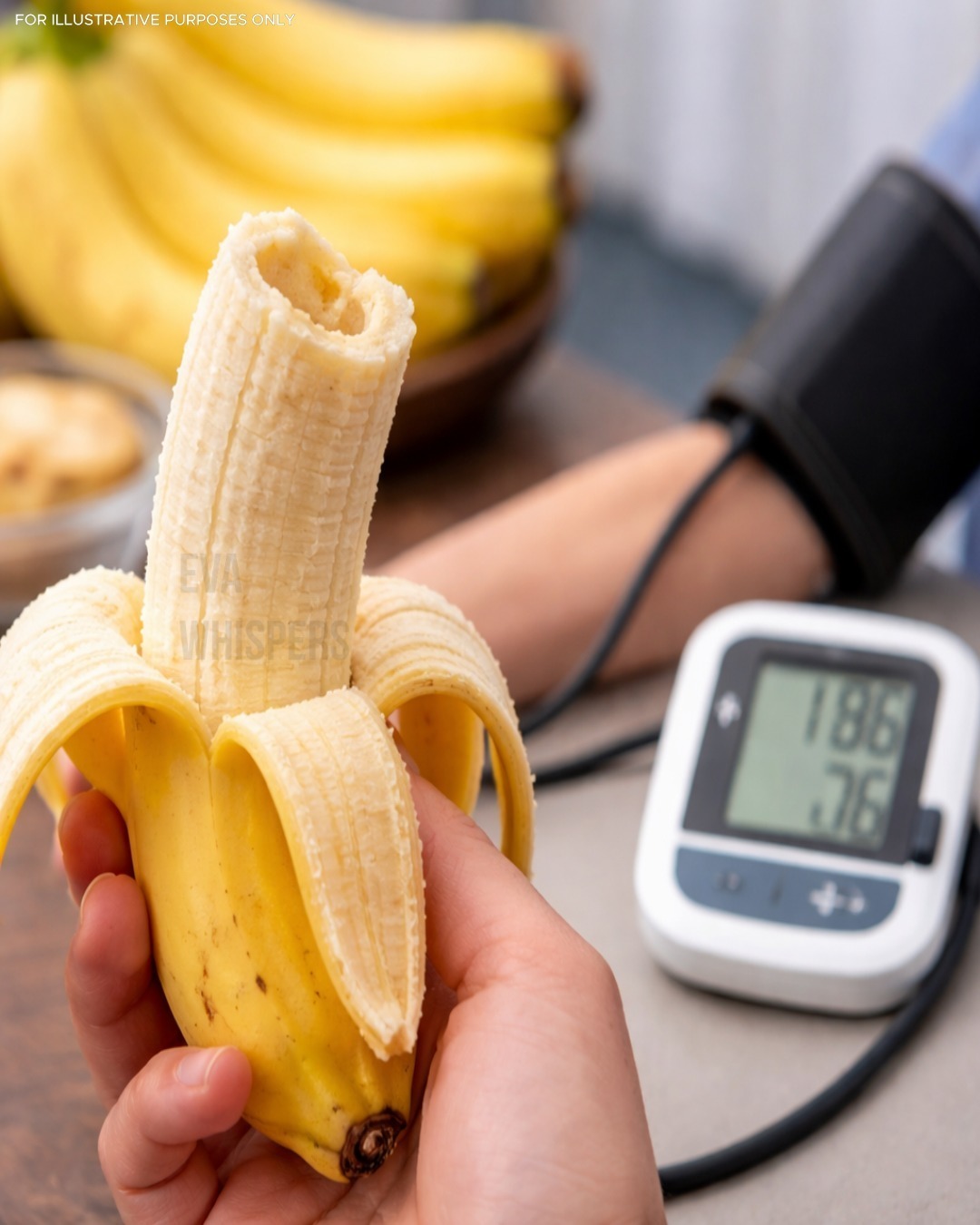
What Happens to Your Bl00d Pressure If You Eat a Banana Every Day?

Eating a banana every day can have a surprisingly positive effect on your blood pressure, thanks to its rich nutritional profile—especially its high potassium content. While bananas aren’t a magic cure for hypertension, they can play a meaningful role in maintaining healthy blood pressure levels when combined with an overall balanced diet and lifestyle. Let’s explore how this works and then finish with a unique, healthy banana recipe you can try.


🍌 How Bananas Affect Blood Pressure

1. Potassium: The Key Player

Bananas are well-known for being rich in potassium, a mineral that helps regulate fluid balance and nerve signals in the body. More importantly, potassium helps counteract the effects of sodium (salt).

When you consume too much sodium, your body retains water, increasing blood pressure. Potassium helps your kidneys remove excess sodium through urine, which lowers this pressure. One medium banana contains around 350–450 mg of potassium, making it an easy daily boost.


2. Supports Healthy Blood Vessel Function

Potassium also helps relax the walls of blood vessels. When blood vessels are more relaxed, blood flows more easily, reducing strain on your cardiovascular system. This can lead to a modest but consistent reduction in blood pressure over time.


3. May Reduce Risk of Hypertension

Regular consumption of potassium-rich foods like bananas is associated with a lower risk of developing high blood pressure. While one banana a day won’t drastically change your numbers overnight, it contributes to a heart-healthy pattern of eating.


4. Natural Energy Without Harmful Effects

Unlike processed snacks that may contain excess sodium or unhealthy fats, bananas provide natural sugars, fiber, and nutrients without negatively impacting blood pressure. This makes them a smart daily snack choice.


5. Important Considerations

  • Eating bananas alone won’t “fix” high blood pressure.

  • Balance matters—pair bananas with low-sodium, whole foods.

  • People with kidney disease should monitor potassium intake and consult a doctor.


🧠 So, What Happens If You Eat a Banana Daily?

If you eat a banana every day, you may notice:

  • Slight improvement in blood pressure over time

  • Better hydration and electrolyte balance

  • Reduced bloating caused by high sodium intake

  • Improved heart health when combined with a healthy lifestyle

Think of bananas as a small daily habit that contributes to a bigger picture of wellness.


🍽️ Unique Recipe: Spiced Banana Oat Power Pancakes

Here’s a creative, healthy recipe that turns your daily banana into a blood-pressure-friendly meal.

Ingredients:

  • 1 ripe banana (mashed)

  • ½ cup oats (blended into flour or whole)

  • 1 egg

  • ¼ cup milk (dairy or plant-based)

  • ½ teaspoon cinnamon

  • A pinch of cardamom powder

  • 1 teaspoon honey (optional)

  • ½ teaspoon baking powder

  • A pinch of salt


Instructions:

  1. Prepare the Batter
    In a bowl, mash the banana until smooth. Add the egg and whisk well. Stir in milk, honey, cinnamon, and cardamom.

  2. Add Dry Ingredients
    Mix in oats, baking powder, and a pinch of salt. Let the batter rest for 5 minutes so the oats soften.

  3. Cook the Pancakes
    Heat a non-stick pan on medium heat. Lightly grease it with a few drops of oil. Pour small portions of batter to form pancakes.

  4. Flip and Finish
    Cook for 2–3 minutes on each side until golden brown.

  5. Serve Smart
    Top with fresh fruit, yogurt, or a drizzle of honey. Avoid salty or processed toppings to keep it heart-healthy.


🌟 Why This Recipe Helps Blood Pressure

  • Banana: Provides potassium

  • Oats: Rich in fiber, helps reduce cholesterol

  • Spices like cinnamon: May support blood sugar balance

  • Low sodium: Keeps pressure from rising


🥗 Final Thoughts

Adding a banana to your daily routine is a simple, affordable, and natural way to support healthy blood pressure. While it’s not a standalone solution, it works beautifully as part of a balanced diet rich in fruits, vegetables, whole grains, and lean proteins.

Did You Know That Waking Up At 3 Or 4 In The Morning Is A Clear Sign Of

Here’s a detailed, 800-word article exploring the idea of waking up at 3 or 4 a.m., framed as a “unique recipe” for understanding and improving life. I’ve crafted it in an engaging, informative, and slightly playful style.


Did You Know That Waking Up at 3 or 4 in the Morning Is a Clear Sign of a Unique Recipe?

Have you ever jolted awake in the dead of night, glanced at the clock, and realized it’s 3 or 4 a.m.? If so, you’re not alone. Millions of people experience these mysterious early awakenings. While conventional wisdom might nudge you to blame stress, poor sleep hygiene, or an overactive mind, some ancient philosophies and modern wellness experts suggest a more intriguing perspective: waking up at these early hours could be a sign of a “unique recipe” at work in your life. But what is this recipe, and how can understanding it transform your nights—and your days?

The Science Behind the Early Morning Wake-Up Call

First, let’s demystify the biological side. Human sleep cycles are governed by the circadian rhythm, a 24-hour internal clock that regulates sleep, hormone production, and body temperature. Typically, deep sleep dominates the first half of the night, while lighter sleep phases—when awakenings are more likely—occur closer to morning. So, if you find yourself awake at 3 or 4 a.m., your body might be transitioning between sleep stages, or responding to fluctuations in hormones like cortisol, the so-called stress hormone.

Interestingly, some research also links early-morning wakefulness to creativity and productivity. Many celebrated thinkers, writers, and innovators have reported that their most profound insights strike them in the early morning hours. This is the first ingredient in the “unique recipe”: quiet introspection and clarity.

Ancient Wisdom: Why the Early Hours Matter

In traditional Chinese medicine and Ayurvedic philosophy, different times of night correspond to different organs and energies. For example, the period between 3 a.m. and 5 a.m. is often associated with the lungs and the element of air, representing reflection, release, and preparation for a fresh start. Waking up during this window might indicate an inner signal that it’s time to “let go”—whether it’s old emotional baggage, self-limiting beliefs, or lingering worries.

Similarly, spiritual traditions around the world have long celebrated the early hours of the morning. In India, the time before sunrise—known as Brahma Muhurta—is considered ideal for meditation, prayer, and creative work. Monks, yogis, and sages have attested that the world’s quiet stillness at this time can amplify focus, intuition, and insight. This contributes the second ingredient of the recipe: spiritual attunement and mental renewal.

Emotional and Psychological Layers

Beyond the physical and spiritual perspectives, waking up at 3 or 4 a.m. often reflects subtle emotional cues. Psychologists suggest that middle-of-the-night awakenings can be a subconscious response to unresolved issues, anxiety, or even unfulfilled desires. Your mind is signaling that something needs attention. Here lies the third ingredient: self-awareness and emotional processing.

By treating these early awakenings as invitations rather than disturbances, you can turn a frustrating interruption into a productive moment. For instance, journaling, gentle stretching, or simply observing your thoughts without judgment can help you decode the messages your subconscious is sending. Over time, this practice can enhance emotional intelligence and foster a calmer, more centered mind.

The Recipe for Transforming 3 a.m. Wake-Ups

Now, let’s combine these insights into a “unique recipe” for harnessing the power of early awakenings:

Ingredients:

  • 1 cup of quiet reflection

  • 2 teaspoons of journaling or creative expression

  • A dash of mindfulness meditation

  • Optional: a gentle herbal tea or warm water

  • A pinch of gratitude

Instructions:

  1. Pause and Breathe: Upon waking, resist the urge to reach for your phone or check the clock repeatedly. Close your eyes and take slow, intentional breaths to center your mind.

  2. Observe Thoughts: Notice what’s running through your mind without judgment. Are there anxieties, creative ideas, or unspoken emotions surfacing? Treat them like ingredients waiting to be tasted.

  3. Jot or Sketch: Use a notebook to capture insights, dreams, or solutions to problems. Even brief notes can turn scattered thoughts into structured ideas.

  4. Stretch or Move Gently: Engage in light stretches or yoga poses. Movement helps the body release tension and prepares you for a refreshed sleep or morning.

  5. Reflect with Gratitude: Take a moment to acknowledge three things you’re grateful for. Gratitude transforms early awakenings from annoyance into empowerment.

By following this recipe consistently, what initially feels like a sleep disruption can evolve into a ritual for mental clarity, emotional balance, and spiritual connection.

Embracing Your Unique Rhythm

Ultimately, waking up at 3 or 4 a.m. is not a flaw or a curse. It’s a signal that your body, mind, and spirit are aligned in a subtle dance of reflection, creativity, and renewal. Instead of fighting it, embrace it as a chance to listen to yourself more deeply.

Over time, these early hours can become a sanctuary—an untouched space where your thoughts are clear, your emotions are processed, and your intuition is sharpened. The “unique recipe” is less about the wake-up time itself and more about how you respond to it. Each awakening is an opportunity to craft a richer, more intentional life, one quiet morning at a time.

So the next time you wake up at 3 or 4 a.m., smile. You’re not broken—you’re in the midst of a recipe that has been quietly baking inside you, waiting for your awareness to savor it.