Study Highlights Possible Link Between Blood Pressure Medication and Heart Health Outcomes

Blood pressure medications—commonly prescribed to millions worldwide—are essential tools in preventing serious cardiovascular conditions. However, emerging research suggests that their relationship with heart health outcomes is more complex than previously thought. While these medications are generally life-saving, new studies indicate that factors such as medication type, adherence, and blood pressure levels may significantly influence long-term heart health.

Understanding the Role of Blood Pressure in Heart Health

High blood pressure, or hypertension, is one of the most significant risk factors for cardiovascular disease. It contributes to conditions such as heart attacks, strokes, and heart failure. According to recent guidelines, maintaining blood pressure below 130/80 mm Hg is crucial for reducing these risks.

Antihypertensive medications are designed to lower blood pressure and reduce strain on the heart and blood vessels. These include several classes of drugs such as ACE inhibitors, beta-blockers, calcium channel blockers, and diuretics. For decades, they have been a cornerstone of cardiovascular disease prevention.

What the Latest Research Suggests

Recent studies highlight a possible link between blood pressure medications and heart health outcomes—but not in the way many might expect. Rather than showing harm, most findings reinforce their benefits while uncovering important nuances.

A large-scale study found that antihypertensive medications can reduce the risk of cardiovascular disease by up to 70%, demonstrating their powerful protective effect.

However, researchers also discovered that outcomes depend heavily on how these medications are used. For example, poor adherence—meaning patients do not take their medication as prescribed—was strongly associated with worse outcomes, including higher risks of heart attack, stroke, and death.

The Adherence Factor: A Critical Piece of the Puzzle

One of the most important insights from recent research is the role of medication adherence. Even the most effective drug cannot work if it is not taken correctly.

Studies show that patients who consistently follow their prescribed treatment plan have significantly better cardiovascular outcomes compared to those who skip doses or stop medication prematurely. In fact, poor adherence can negate the benefits of treatment entirely and lead to uncontrolled blood pressure.

Interestingly, even among patients with similar blood pressure levels, those who adhered to their medication regimen had better overall health outcomes. This suggests that consistency may be just as important as the medication itself.

Not All Blood Pressure Levels Are Equal

Another key finding is that both very high and very low blood pressure levels may be associated with increased health risks—a phenomenon sometimes referred to as the “J-curve effect.”

While high blood pressure is clearly dangerous, excessively low levels may also lead to reduced blood flow to vital organs, including the heart. Research indicates that patients with extremely low systolic blood pressure may still face elevated risks, particularly if their condition is not well-managed.

This highlights the importance of personalized treatment plans. Doctors must carefully balance medication doses to achieve optimal—not just lower—blood pressure levels.

Differences Between Medication Types

Emerging evidence also suggests that different classes of blood pressure medications may have varying effects on heart health.

For instance, some studies indicate that medications targeting the renin-angiotensin system (RAS inhibitors) may provide better protection against heart failure compared to calcium channel blockers.

While all approved medications are considered safe and effective, these differences may influence which drug is best suited for a particular patient based on their medical history and risk factors.

Younger Adults and Long-Term Outcomes

Historically, most hypertension research has focused on middle-aged and older adults. However, newer studies are beginning to explore the impact of blood pressure medication in younger populations.

Findings show that even in adults aged 18–39, consistent use of antihypertensive medication is associated with a reduced risk of cardiovascular events. This suggests that early intervention could play a crucial role in preventing long-term heart disease.

The Bigger Picture: Medication Plus Lifestyle

While medications are highly effective, experts emphasize that they should be part of a broader strategy that includes lifestyle changes.

Healthy habits such as regular exercise, a balanced diet, reduced salt intake, and stress management can significantly enhance the effectiveness of treatment. In some cases, lifestyle improvements may even reduce the need for medication.

Guidelines strongly recommend combining medication with these interventions to achieve the best possible outcomes.

What This Means for Patients

The takeaway from current research is not that blood pressure medications are harmful—but that their benefits depend on how they are used.

Key points for patients include:

  • Always take medication as prescribed
  • Do not stop treatment without consulting a doctor
  • Monitor blood pressure regularly
  • Maintain a healthy lifestyle alongside medication

Understanding these factors can help patients maximize the benefits of their treatment and reduce the risk of serious heart conditions.

Final Thoughts

The link between blood pressure medication and heart health outcomes is complex but largely positive. Modern research confirms that these medications save lives, significantly reduce cardiovascular risk, and are essential in managing hypertension.
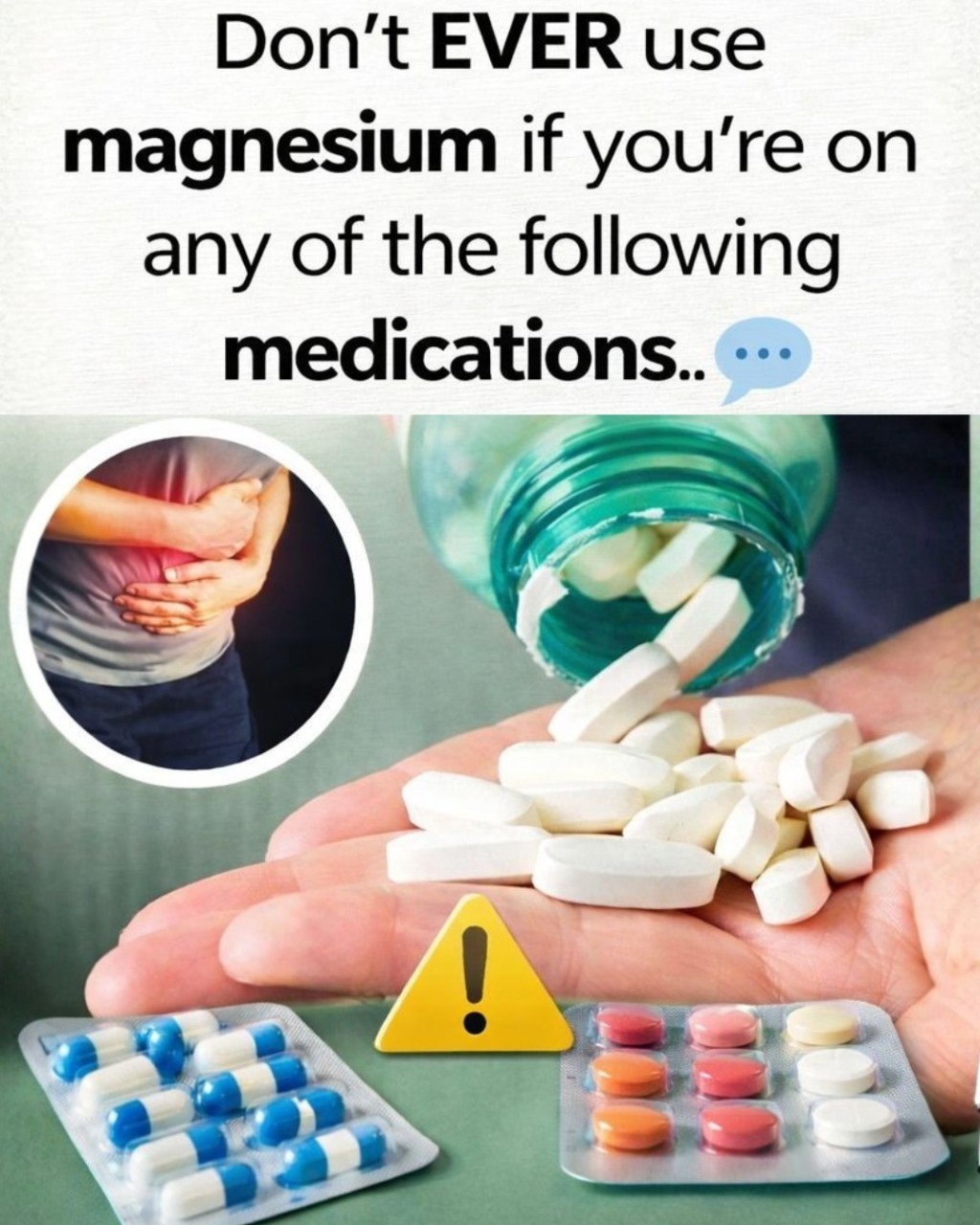

Anyone taking magnesium issued warning if they fall under any of these two groups

Magnesium is one of the most essential minerals in the human body, playing a key role in over 300 biochemical reactions. From supporting muscle and nerve function to helping regulate blood pressure and blood sugar levels, magnesium is often praised as a “miracle mineral.” Many people take magnesium supplements daily to improve sleep, reduce anxiety, relieve muscle cramps, or support heart health.

However, while magnesium can be beneficial, it is not safe for everyone. In fact, health experts warn that certain individuals should be cautious—or even avoid—magnesium supplementation altogether. If you fall into one of the two groups below, taking magnesium without proper guidance could do more harm than good.

Group 1: People with Kidney Problems

One of the most important organs responsible for regulating magnesium levels in the body is the kidneys. Healthy kidneys filter excess magnesium and remove it through urine. But if your kidneys are not functioning properly, this process becomes impaired.

People with conditions like Chronic Kidney Disease (CKD) are at a higher risk of magnesium buildup in the body. This condition, known as hypermagnesemia, can be dangerous and even life-threatening.

Why It’s Risky

When magnesium accumulates in the bloodstream, it can lead to symptoms such as:

  • Nausea and vomiting
  • Low blood pressure
  • Muscle weakness
  • Irregular heartbeat
  • Difficulty breathing

In severe cases, excessive magnesium can cause cardiac arrest.

Even small doses of magnesium supplements—especially over time—can push levels into a dangerous range if the kidneys are unable to excrete it properly.

Hidden Sources of Magnesium

Many people don’t realize that magnesium is also found in:

  • Antacids
  • Laxatives
  • Multivitamins

If you have kidney issues, these everyday products can quietly contribute to magnesium overload.

What You Should Do

If you have any form of kidney disease, always consult your doctor before taking magnesium supplements. Blood tests may be needed to monitor your magnesium levels safely.

Group 2: People Taking Certain Medications

Magnesium may seem harmless because it’s a natural mineral, but it can interact with several medications, reducing their effectiveness or increasing side effects.

If you’re taking prescription drugs, especially for chronic conditions, magnesium supplements might interfere with how your medication works.

Common Drug Interactions

  1. Antibiotics
    Magnesium can bind with certain antibiotics, making them less effective. This is particularly true for drugs like tetracyclines and fluoroquinolones.
  2. Blood Pressure Medications
    Magnesium can enhance the effects of blood pressure drugs, potentially causing dangerously low blood pressure (hypotension).
  3. Diuretics (Water Pills)
    Some diuretics increase magnesium loss, while others cause the body to retain magnesium. This imbalance can lead to complications.
  4. Medications for Osteoporosis
    Magnesium may interfere with the absorption of drugs used to treat bone conditions.
  5. Heart Medications
    If you are taking medications for heart rhythm disorders, magnesium can alter how these drugs behave in your body.

A Special Note on Proton Pump Inhibitors

Long-term use of acid-reducing medications can actually lower magnesium levels. Some people may need magnesium supplementation—but only under medical supervision to avoid complications.


Understanding Safe Magnesium Use

For most healthy individuals, magnesium from food sources is completely safe and beneficial. Foods rich in magnesium include:

  • Leafy green vegetables
  • Nuts and seeds
  • Whole grains
  • Bananas
  • Dark chocolate

The body naturally regulates magnesium from food, making overdose extremely rare through diet alone.

However, supplements are more concentrated and can quickly raise magnesium levels, especially if taken in high doses or combined with other magnesium-containing products.

Signs You May Be Taking Too Much Magnesium

Even if you don’t fall into the two high-risk groups, it’s important to watch for warning signs of excess magnesium intake:

  • Diarrhea (most common side effect)
  • Abdominal cramping
  • Fatigue
  • Confusion
  • Slow or irregular heartbeat

If you notice any of these symptoms, it’s important to stop supplementation and seek medical advice.

How to Take Magnesium Safely

If you’re considering magnesium supplements, here are a few guidelines:

  • Stick to recommended doses: Most adults need around 300–400 mg per day.
  • Choose the right type: Magnesium citrate, glycinate, and oxide all have different effects and absorption rates.
  • Take it at the right time: Some forms are better taken at night to support relaxation and sleep.
  • Avoid combining supplements: Be cautious with multivitamins and other products that may contain magnesium.

The Bottom Line

Magnesium can be incredibly beneficial—but only when used correctly. If you have Chronic Kidney Disease or are taking medications that interact with magnesium, supplementation could pose serious risks.

The key is awareness. What works for one person may not be safe for another. Before adding magnesium to your daily routine, take a moment to consider your health status and current medications.

5 MEDICATIONS that DOCTORS NEVER TAKE, BUT YOU TAKE WITHOUT KNOWING

In today’s fast-paced world, medications have become a normal part of everyday life. From quick pain relief to managing chronic conditions, pills and syrups promise fast solutions. However, many healthcare professionals take a more cautious approach when it comes to certain commonly used medications. While these drugs are not inherently “bad,” doctors often avoid unnecessary use due to potential side effects, long-term risks, or better alternatives.

Let’s explore five types of medications that doctors tend to use sparingly—yet many people rely on them without a second thought.

1. Antibiotics (When Not Needed)

Antibiotics are lifesaving when used correctly, especially for bacterial infections. However, doctors are very careful not to overuse them. Why? Because unnecessary antibiotic use can lead to antibiotic resistance, making infections harder to treat in the future.

Many people take antibiotics for viral illnesses like colds or the flu, where they have no effect. Doctors typically avoid this mistake and only use antibiotics when absolutely necessary. Overuse can also disrupt your gut health, killing beneficial bacteria along with harmful ones.

Better approach:
Rest, hydration, and supportive care are often enough for viral infections. Always consult a doctor before taking antibiotics.

2. Sleeping Pills

Sleep medications can seem like a miracle for insomnia, but doctors rarely rely on them long-term. These drugs can lead to dependency, reduced sleep quality over time, and even memory issues.

While they may provide short-term relief, many doctors prefer natural sleep strategies instead of regularly using pills. Over time, your body may become reliant on them, making it even harder to sleep without assistance.

Better approach:
Establish a consistent sleep routine, limit screen time before bed, and reduce caffeine intake in the evening.

3. Strong Painkillers (Opioids)

Powerful painkillers, especially opioids, are effective for severe pain—but they come with serious risks. Doctors are well aware of the dangers of addiction, tolerance, and overdose associated with these medications.

While they may prescribe opioids in controlled situations (such as after surgery), doctors generally avoid using them for everyday pain like headaches or minor injuries.

Better approach:
For mild to moderate pain, non-drug methods like rest, stretching, massage, or safer over-the-counter options are often preferred.

4. Acid Reflux Medications (Long-Term Use)

Medications used to treat acid reflux or heartburn are extremely common. While effective in the short term, doctors are cautious about long-term use because it may lead to nutrient deficiencies, digestive issues, and even kidney problems.

Many people take these medications daily without addressing the root cause of their symptoms. Doctors, on the other hand, often focus on lifestyle changes first.

Better approach:
Avoid spicy or fatty foods, eat smaller meals, and don’t lie down immediately after eating. Weight management can also significantly reduce symptoms.

5. Over-the-Counter Cold and Flu Medicines

Walk into any pharmacy, and you’ll find shelves full of cold and flu remedies. While these medications may relieve symptoms, doctors often skip them because they don’t actually cure the illness—and some come with unnecessary side effects.

Certain combinations can also cause drowsiness, increased heart rate, or interact with other medications. Doctors usually stick to simple remedies rather than complex drug combinations.

Better approach:
Stay hydrated, get plenty of rest, and use natural remedies like warm teas, honey, and steam inhalation to ease symptoms.

Why Doctors Think Differently

Doctors don’t avoid these medications because they are dangerous in all cases—they avoid unnecessary use. Their training gives them a deep understanding of how drugs affect the body over time. They often prioritize:

  • Preventing long-term complications
  • Avoiding dependency
  • Treating root causes instead of symptoms
  • Using the lowest effective dose when needed

This cautious mindset helps them maintain better overall health.

A Simple “Natural Support” Recipe for Everyday Wellness

Instead of relying heavily on medications for minor issues, many doctors support simple, natural habits. Here’s a gentle daily wellness drink you can try:

Immunity-Boosting Herbal Drink

Ingredients:

  • 1 cup warm water
  • 1 teaspoon honey
  • ½ teaspoon grated ginger
  • A few drops of lemon juice
  • A pinch of turmeric

Instructions:

  1. Warm the water (do not boil).
  2. Add ginger and turmeric.
  3. Stir in honey and lemon juice.
  4. Drink slowly, preferably in the morning.

Benefits:
This soothing drink may support digestion, boost immunity, and reduce inflammation naturally.

Final Thoughts

Medications play a vital role in modern healthcare, but they should always be used wisely. The key takeaway is not to fear these drugs—but to use them thoughtfully and only when necessary.

Doctors often lead by example, choosing prevention, moderation, and lifestyle improvements over quick fixes. By adopting a similar approach, you can protect your health in the long run.

Chewing Cloves Daily: A Tiny Habit with Big Benefits for Your Body

Cloves are rich in antioxidants, vitamins, and essential oils. The most important compound found in cloves is eugenol, which gives them their strong aroma and medicinal qualities. Eugenol is known for its anti-inflammatory, antibacterial, and pain-relieving properties.

In addition to eugenol, cloves contain:

  • Vitamin C
  • Vitamin K
  • Fiber
  • Manganese

These nutrients work together to support your immune system, digestion, and overall well-being.


🦷 1. Improves Oral Health

One of the most well-known benefits of chewing cloves is better oral hygiene. Cloves have natural antibacterial properties that help fight harmful bacteria in the mouth.

Chewing a clove can:

  • Freshen your breath instantly
  • Reduce gum inflammation
  • Help relieve toothache

This is why clove oil is often used in dental care products. If you struggle with bad breath or minor gum issues, chewing cloves daily can make a noticeable difference.


🍽️ 2. Supports Healthy Digestion

Cloves stimulate the production of digestive enzymes, making it easier for your body to break down food. This can help reduce common digestive issues like bloating, gas, and indigestion.

Benefits include:

  • Improved digestion
  • Reduced stomach discomfort
  • Better nutrient absorption

Chewing cloves after meals is especially helpful for keeping your digestive system running smoothly.


🛡️ 3. Boosts Immunity

Cloves are loaded with antioxidants that help protect your body from harmful free radicals. This strengthens your immune system and helps your body fight infections more effectively.

Regular consumption may:

  • Reduce the risk of common colds
  • Support faster recovery from illness
  • Protect against inflammation

A strong immune system is essential for staying healthy, and cloves provide natural support without any chemicals.


❤️ 4. Supports Heart Health

Chewing cloves may also benefit your heart. The antioxidants and compounds in cloves help reduce oxidative stress and support healthy blood circulation.

Potential benefits include:

  • Improved blood flow
  • Reduced inflammation
  • Support for healthy cholesterol levels

While cloves are not a cure, they can be a helpful addition to a heart-healthy lifestyle.


😌 5. Helps Manage Pain Naturally

Cloves have natural analgesic (pain-relieving) properties. Chewing them can help relieve minor pains such as headaches or toothaches.

The eugenol in cloves works as a natural numbing agent, providing quick relief without the need for medication.


🧠 6. Enhances Brain Function

Cloves contain compounds that may help improve brain function and reduce mental fatigue. Their antioxidant properties also help protect brain cells from damage.

This can lead to:

  • Better focus and concentration
  • Reduced oxidative stress in the brain
  • Improved overall cognitive health

⚖️ 7. May Support Blood Sugar Control

Some studies suggest that cloves may help regulate blood sugar levels by improving insulin function. This can be beneficial for people managing blood sugar fluctuations.

However, moderation is key, and cloves should not replace medical treatment.


🍵 How to Use Cloves Daily

https://images.openai.com/static-rsc-4/YyklRMYQpITpPO5ftE-GWjt0OcS9CLnFTFseSGCcWJhSVhNA2rzn86u2dd6GO3CXen2vIAP5e4xkFjDvZu4QMw5vT8vX_igXMNvF4gt7MEXpEemdqKdknUlzi8oMZaGhLRU06EtQJ3seAcizP3dyDr1-g5R1VMyOwT39AbDeiYty-8BFyU0hPI_exk9NdW-d?purpose=fullsize
https://images.openai.com/static-rsc-4/xlUiSS19eceUKzkerV_gjESoyYSz3xg5NtPmaUdhk7Wemkx8FB8zXJfAQ5r7nxIIgiTfbZqPgA3bCZ30g0dMi-gVZjuFj3F2aTQwCnfqSQPNR1k_0va2iMQgLVpQIMcPjOn9gQesDnAhpk1MydaKCAsmv6IgOc0T2J7bL2_FhI6Lmv605Ru7L7xhNQyGKFqd?purpose=fullsize
https://images.openai.com/static-rsc-4/fVNo9y-nbRhLEs7PNStClJp7MLzKHcKRzE7mEg4Kvhji6OP2OPoH1-FE1lczmOUwu_7ZmM4BUxcDn1evpXDavOIoyU7kYeq2pLei5DE2H2wnca08LV0AlGGtpMO-7LUV-TAL4k061g2R-MBedEVNTPNpPZHC-lmqI8uWZoKs6yZY_Lz4IC39ErBkKiIyFBMO?purpose=fullsize
6

Incorporating cloves into your daily routine is simple:

✔️ Chew 1–2 cloves daily

The easiest method. Chew slowly and let the juices release in your mouth.

✔️ Drink clove tea

Boil 2–3 cloves in water for 5 minutes and drink warm.

✔️ Add to meals

Use cloves in rice, curries, or even desserts for added flavor and health benefits.


⚠️ Precautions to Keep in Mind

While cloves are beneficial, they should be used in moderation. Overconsumption may lead to side effects such as:

  • Mouth irritation
  • Digestive discomfort
  • Interaction with certain medications

Pregnant women and people with medical conditions should consult a healthcare professional before making cloves a daily habit.


🌿 Final Thoughts

Chewing cloves daily is a simple yet powerful habit that can bring a wide range of health benefits—from better digestion and oral health to stronger immunity and improved overall wellness. This tiny spice proves that sometimes the smallest changes can make the biggest difference.

8 Habits You Should Stop This Year If You Are Taking Amlodipine – And Why

If you’ve been prescribed Amlodipine, you’re already taking an important step toward managing your blood pressure and protecting your heart. This medication works by relaxing blood vessels, allowing blood to flow more easily and reducing strain on your cardiovascular system. However, certain daily habits can interfere with how well it works—or even increase your risk of side effects.

If you want the best results from your treatment, here are 8 habits you should consider stopping this year—and why they matter.

1. Skipping Doses or Taking It Inconsistently

One of the most common mistakes is not taking your medication at the same time every day. Amlodipine works best when it maintains a steady level in your bloodstream. Missing doses can cause your blood pressure to fluctuate, increasing the risk of complications like stroke or heart disease.

What to do instead:
Set a daily reminder or take it alongside a regular routine, like breakfast or brushing your teeth.

2. Eating Too Much Salt

High sodium intake directly raises blood pressure, which counteracts the effects of your medication. Even if Amlodipine is working, excessive salt forces your body to retain water, putting extra strain on your arteries.

What to do instead:
Limit processed foods, canned items, and salty snacks. Aim for fresh, whole foods whenever possible.

3. Drinking Alcohol Excessively

Alcohol can interfere with blood pressure control and may amplify side effects like dizziness or lightheadedness. When combined with Amlodipine, it can cause your blood pressure to drop too low, especially when standing up quickly.

What to do instead:
If you drink, do so in moderation—or consider cutting back significantly for better results

4. Ignoring Swelling in Feet and Ankles

A common side effect of Amlodipine is swelling (edema), especially in the lower legs. Many people ignore it, assuming it’s harmless. While often mild, persistent swelling can indicate that your dosage needs adjustment.

What to do instead:
Elevate your legs when resting and report any unusual or worsening swelling to your doctor.

5. Sitting for Long Periods Without Movement

A sedentary lifestyle reduces circulation and can worsen side effects like swelling. It also contributes to high blood pressure, making your medication less effective.

What to do instead:
Incorporate light movement throughout your day—walking, stretching, or even standing breaks every hour.

6. Taking Certain Over-the-Counter Medications Without Checking

Some common medications—especially cold remedies and nonsteroidal anti-inflammatory drugs (NSAIDs)—can raise blood pressure or interfere with Amlodipine.

What to do instead:
Always check with a healthcare provider or pharmacist before adding new medications or supplements.

7. Eating Grapefruit or Drinking Grapefruit Juice Frequently

Grapefruit can affect how your body processes certain medications, including Amlodipine. It may increase the drug’s concentration in your bloodstream, potentially leading to stronger side effects like low blood pressure or dizziness.

What to do instead:
Limit or avoid grapefruit products unless your doctor confirms it’s safe for you.

8. Neglecting Regular Blood Pressure Monitoring

Many people rely solely on how they “feel,” but high blood pressure often has no obvious symptoms. Even while taking Amlodipine, your levels may still fluctuate without you realizing it.

What to do instead:
Check your blood pressure regularly at home and keep a record to share with your healthcare provider.

Final Thoughts

Taking Amlodipine is only one part of managing high blood pressure. Your daily habits play a huge role in how effective the medication is and how well your body responds to it.

By avoiding these eight habits—like skipping doses, consuming too much salt, or ignoring side effects—you can improve your results and reduce potential risks. Small, consistent changes often lead to the biggest improvements over time.

The Home Treatment That Transforms Your Skin (It Looks Like Cosmetic Surgery!)

If you’ve ever wished for smoother, firmer, glowing skin without expensive treatments or invasive procedures, you’re not alone. The good news is that nature offers powerful ingredients that can help rejuvenate your skin right from the comfort of your home. This simple, effective DIY skincare treatment combines nourishing, tightening, and brightening elements to give your skin a refreshed, youthful appearance—so much so that it may look like you’ve had cosmetic work done!

Let’s explore this unique home remedy and how you can incorporate it into your skincare routine.


🌿 Why This Treatment Works

This homemade mask uses ingredients that are rich in vitamins, antioxidants, and natural enzymes. These components work together to:

  • Tighten and firm the skin
  • Reduce the appearance of fine lines and wrinkles
  • Brighten dull complexion
  • Hydrate and soften the skin
  • Promote natural collagen production

The result? A smoother, glowing, and visibly lifted look.


🥣 Ingredients You’ll Need

  • 1 egg white
  • 1 teaspoon fresh lemon juice
  • 1 teaspoon honey
  • 1 teaspoon cornstarch

Each ingredient plays an important role:

  • Egg white: Naturally tightens and firms the skin
  • Lemon juice: Brightens and evens out skin tone
  • Honey: Deeply moisturizes and soothes
  • Cornstarch: Creates a lifting, smoothing effect

🧴 Step-by-Step Preparation

  1. Separate the egg white from the yolk and place it in a bowl.
  2. Add lemon juice and whisk until slightly frothy.
  3. Mix in honey and stir well.
  4. Add cornstarch gradually until you get a smooth, creamy consistency.

Your mask is now ready!


💆‍♀️ How to Apply

  1. Start with a clean face—wash with a gentle cleanser and pat dry.
  2. Apply the mixture evenly across your face, avoiding the eye area.
  3. Let it sit for 15–20 minutes until it tightens and dries.
  4. Rinse off with lukewarm water and gently pat your skin dry.
  5. Finish with your favorite moisturizer.

✨ What Results to Expect

After just one use, your skin may feel:

  • Tighter and more lifted
  • Softer and smoother
  • Visibly brighter

With regular use (2–3 times a week), many people notice:

  • Reduced fine lines
  • Improved skin elasticity
  • A natural glow that resembles post-facial or cosmetic treatment results

⚠️ Important Tips

  • Always do a patch test before applying to your face
  • Avoid using lemon juice if you have very sensitive skin (you can skip it or dilute it)
  • Use sunscreen during the day, especially after using lemon-based treatments
  • Consistency is key—natural remedies take time but are gentle and effective

 Extra Boost: Optional Add-Ins

You can customize this mask depending on your skin needs:

  • Add a few drops of rose water for extra hydration
  • Mix in a pinch of turmeric for anti-inflammatory benefits
  • Use a drop of vitamin E oil for enhanced skin repair

 Final Thoughts

You don’t always need expensive creams or cosmetic procedures to achieve beautiful skin. Sometimes, the best solutions are already in your kitchen. This simple home treatment is a powerful reminder that natural ingredients can deliver impressive results when used correctly and consistently.

Thyme: an herb with many beneficial properties

Thyme is a small but mighty herb that has been cherished for centuries, both for its aromatic flavor and its remarkable health benefits. Often used in Mediterranean, French, and Middle Eastern cuisines, thyme is more than just a culinary staple—it’s a powerhouse of nutrients and medicinal properties that can support your overall wellness in multiple ways. Today, we’ll explore thyme’s incredible benefits and provide a practical way to incorporate it into your daily routine with a simple, versatile “Thyme Infused Honey” recipe.

Nutritional Profile of Thyme

Thyme is packed with essential nutrients and compounds that make it a remarkable herb for health:

  • Vitamins and Minerals: Thyme contains vitamin C, vitamin A, vitamin K, iron, manganese, and calcium. These nutrients play critical roles in immune support, bone health, and maintaining healthy skin.
  • Antioxidants: Thyme is rich in antioxidants such as thymol, carvacrol, and flavonoids, which help combat free radicals and reduce oxidative stress.
  • Essential Oils: Thyme’s essential oils, especially thymol, have been recognized for their antibacterial, antifungal, and anti-inflammatory properties.

Health Benefits of Thyme

  1. Immune System Support
    Thyme is a natural immune booster. Its high vitamin C content and antimicrobial properties help the body fight off infections and seasonal illnesses like colds and flu. A teaspoon of thyme-infused honey or a cup of thyme tea can provide a gentle yet effective immune lift.
  2. Respiratory Health
    Thyme has been traditionally used to support respiratory health. The herb acts as an expectorant, helping to loosen mucus and soothe the throat. Studies suggest that thyme can help with coughs, bronchitis, and even mild asthma symptoms. A warm cup of thyme tea with honey is particularly effective during the cold season.
  3. Digestive Aid
    Thyme promotes healthy digestion by stimulating the production of digestive enzymes. It can reduce bloating, gas, and indigestion, making it a useful herb for anyone with occasional digestive discomfort. Incorporating fresh thyme into soups, stews, or roasted vegetables can gently support gut health.
  4. Antioxidant and Anti-Inflammatory Effects
    Thyme contains powerful antioxidants like thymol and luteolin, which help neutralize free radicals and reduce inflammation in the body. These compounds are associated with improved cardiovascular health and reduced risk of chronic diseases. Sprinkling dried thyme on dishes or adding it to herbal infusions is a simple way to benefit from its antioxidant properties.
  5. Skin Health
    Thyme’s antibacterial properties make it useful for skin care. It can help prevent acne, soothe minor cuts, and reduce skin irritation. Homemade thyme-infused oils or washes can provide gentle, natural skin support.

How to Use Thyme Daily

Thyme is highly versatile and easy to incorporate into your daily routine. Here are a few ideas:

  • Herbal Tea: Steep fresh or dried thyme leaves in hot water for 5–10 minutes. Add honey or lemon for taste.
  • Cooking: Add thyme to roasted vegetables, soups, stews, or marinades. It pairs well with chicken, lamb, fish, and potatoes.
  • Infused Honey: A sweet and medicinal way to enjoy thyme’s benefits. Thyme-infused honey can be taken by the teaspoon or added to tea, toast, or yogurt.
  • Essential Oil: Thyme essential oil can be used in aromatherapy to support respiratory health and immunity.

Unie Recipe: Thyme-Infused Honey

This simple recipe allows you to capture the flavor and benefits of thyme in a sweet, versatile honey infusion.

Ingredients:

  • 1 cup raw honey
  • 2 tablespoons fresh thyme leaves (or 1 tablespoon dried thyme)
  • Optional: a few lemon slices for extra flavor

Instructions:

  1. Prepare Thyme: Gently rinse fresh thyme leaves and pat them dry. If using dried thyme, measure it directly.
  2. Heat Honey: Pour the honey into a small saucepan and warm it on low heat for 5 minutes. Do not let it boil, as excessive heat can destroy beneficial enzymes.
  3. Add Thyme: Stir in the thyme leaves and simmer on very low heat for 10–15 minutes, allowing the flavors and beneficial compounds to infuse.
  4. Optional Lemon: Add lemon slices for a subtle citrus note and additional vitamin C.
  5. Cool and Store: Remove from heat and let the honey cool. Strain out the thyme leaves and lemon slices. Store the thyme-infused honey in a clean jar at room temperature.

How to Use:

  • Take 1 teaspoon daily to boost immunity.
  • Add to tea for flavor and medicinal benefits.
  • Drizzle over toast, yogurt, or oatmeal.

Conclusion

Thyme is more than a kitchen herb—it’s a natural wellness ally. Its immune-boosting, antibacterial, antioxidant, and digestive properties make it a must-have in any health-conscious kitchen. With simple preparations like thyme tea or thyme-infused honey, you can enjoy its many benefits every day.

By incorporating thyme into your daily routine, you’re not just enhancing your meals—you’re investing in your long-term health. Whether it’s a sprinkle in your favorite dishes or a spoonful of thyme-infused honey in the morning, this humble herb proves that small additions can lead to big health benefits.

About 15 minutes before a stroke, the body usually sends 4 distinct signals

A stroke is a serious medical emergency that occurs when blood flow to the brain is interrupted or reduced, depriving brain tissue of oxygen and nutrients. Within minutes, brain cells begin to die. While strokes can sometimes happen suddenly without warning, in many cases, the body sends subtle signals shortly before the event—sometimes even within minutes.

Recognizing these early warning signs can make the difference between life and death, or between full recovery and long-term disability. Understanding what to watch for—and acting quickly—can save lives.

Below are four key warning signals that may appear about 15 minutes before a stroke, along with a simple, nourishing recipe that supports overall vascular health.


1. Sudden Numbness or Weakness

One of the most common early signs is a sudden feeling of numbness or weakness, particularly on one side of the body. This may affect the face, arm, or leg.

You might notice:

  • A drooping face on one side
  • Difficulty lifting one arm
  • A tingling or “pins and needles” sensation

This happens because the brain is no longer receiving enough blood in the areas controlling movement and sensation.


2. Confusion or Trouble Speaking

Another warning sign is sudden confusion or difficulty speaking. A person may struggle to form words or may speak in a way that doesn’t make sense.

Look for:

  • Slurred speech
  • Trouble understanding simple sentences
  • Sudden memory confusion

This occurs when areas of the brain responsible for language are affected.

3. Vision Problems

A stroke can also affect your eyesight suddenly. This might happen in one or both eyes.

Symptoms include:

  • Blurred vision
  • Double vision
  • Partial or complete loss of sight

These changes may come on quickly and should never be ignored.

4. Severe Headache with No Known Cause

A sudden, intense headache—often described as the worst headache of one’s life—can be a major warning sign.

This type of headache may:

  • Appear abruptly
  • Be accompanied by dizziness
  • Include nausea or vomiting

This symptom is more common in hemorrhagic strokes, where a blood vessel in the brain ruptures.

What to Do Immediately

If you or someone nearby experiences any of these symptoms, act FAST:

  • F (Face): Ask the person to smile—does one side droop?
  • A (Arms): Can they raise both arms?
  • S (Speech): Is their speech slurred or strange?
  • T (Time): Call emergency services immediately

Time is critical. The faster treatment begins, the better the chances of recovery.

Heart-Healthy Recipe to Support Stroke Prevention

While no food can completely prevent a stroke, a balanced diet can reduce risk factors like high blood pressure, cholesterol, and inflammation.

Garlic Lemon Veggie Power Bowl

Ingredients

  • 1 cup cooked quinoa
  • 1 cup steamed broccoli
  • ½ cup sliced carrots
  • ½ avocado (sliced)
  • 1 tablespoon olive oil
  • 1 clove garlic (minced)
  • Juice of ½ lemon
  • Salt and pepper to taste
  • Optional: grilled chicken or chickpeas for protein

Instructions

  1. Cook quinoa according to package instructions and let it cool slightly.
  2. Steam broccoli and carrots until tender but still vibrant.
  3. In a small pan, lightly sauté garlic in olive oil for 1–2 minutes.
  4. In a bowl, combine quinoa, vegetables, and avocado.
  5. Drizzle with garlic oil and fresh lemon juice.
  6. Season with salt and pepper.
  7. Add protein if desired and serve warm.

Why This Recipe Helps

This simple dish is packed with nutrients that support brain and heart health:

  • Garlic: May help lower blood pressure
  • Olive oil: Rich in healthy fats that support arteries
  • Quinoa: Provides fiber and helps regulate cholesterol
  • Vegetables: Loaded with antioxidants that protect cells
  • Avocado: Contains potassium, which helps control blood pressure

Final Thoughts

A stroke can happen quickly, but the body often gives warning signs—even if only minutes in advance. Paying attention to symptoms like numbness, confusion, vision changes, and sudden headaches can help you act in time.

Why You Should Add Sweet Potatoes to Your Daily Routine: 10 Surprising Ways This Root Vegetable Supports Your Wellness

Sweet potatoes are more than just a comforting side dish—they’re a nutritional powerhouse that can transform your daily diet in simple, delicious ways. Packed with essential vitamins, fiber, and antioxidants, this vibrant root vegetable deserves a permanent spot on your plate. Whether baked, mashed, or blended into smoothies, sweet potatoes offer a variety of health benefits that support overall wellness.

Let’s explore 10 surprising ways sweet potatoes can enhance your health—and then dive into a simple, nourishing recipe you can enjoy every day.


1. Boosts Your Immune System

Sweet potatoes are rich in vitamin A (from beta-carotene), which plays a key role in strengthening your immune defenses. A strong immune system helps your body fight infections and maintain overall vitality.


2. Supports Healthy Digestion

Loaded with dietary fiber, sweet potatoes promote a healthy gut. Fiber aids digestion, prevents constipation, and helps maintain a balanced microbiome.


3. Promotes Heart Health

The potassium in sweet potatoes helps regulate blood pressure, while fiber contributes to lower cholesterol levels. Together, these nutrients support a healthy heart.


4. Stabilizes Blood Sugar Levels

Despite their natural sweetness, sweet potatoes have a relatively low glycemic index when prepared properly. This means they release sugar slowly into the bloodstream, helping prevent spikes and crashes.


5. Enhances Skin Health

Beta-carotene acts as a natural antioxidant that protects your skin from damage caused by environmental stressors, helping maintain a youthful glow.


6. Supports Eye Health

Vitamin A is essential for good vision. Regular consumption of sweet potatoes can help reduce the risk of night blindness and age-related eye issues.


7. Helps with Weight Management

Sweet potatoes are filling and nutrient-dense, making them a great option for those trying to manage their weight without feeling deprived.


8. Boosts Energy Naturally

Rich in complex carbohydrates, sweet potatoes provide steady energy throughout the day—perfect for busy lifestyles.


9. Reduces Inflammation

Antioxidants in sweet potatoes help combat inflammation, which is linked to many chronic diseases.


10. Supports Brain Function

The antioxidants and vitamins found in sweet potatoes may help protect brain cells and support cognitive function over time.


Simple Daily Sweet Potato Recipe

Ingredients:

  • 2 medium sweet potatoes (peeled and cubed)
  • 1 tablespoon olive oil
  • 1 tablespoon honey
  • ½ teaspoon cinnamon
  • ¼ teaspoon salt
  • Optional: pinch of black pepper or chili flakes

Instructions:

  1. Preheat your oven to 200°C (400°F).
  2. Place sweet potato cubes in a bowl.
  3. Add olive oil, honey, cinnamon, salt, and optional spices. Toss well to coat.
  4. Spread evenly on a baking tray lined with parchment paper.
  5. Roast for 25–30 minutes, flipping halfway through, until golden and tender.
  6. Serve warm as a side dish or healthy snack.

Tips for Adding Sweet Potatoes to Your Routine

  • Add mashed sweet potatoes to breakfast bowls
  • Blend into smoothies for natural sweetness
  • Use as a base for soups or stews
  • Swap regular fries for baked sweet potato fries
  • Top with yogurt, nuts, or seeds for a balanced snack

Final Thoughts

Sweet potatoes are affordable, versatile, and incredibly nutritious. From boosting immunity to supporting heart and brain health, they offer benefits that go far beyond their delicious taste. By incorporating them into your daily routine—even in simple recipes like roasted sweet potatoes—you can take a meaningful step toward better health.

Why You Should Consider Adding Celery to Your Diet

Celery is often overlooked as just a crunchy addition to soups or salads, but this humble vegetable is actually a powerhouse of nutrition and health benefits. With its refreshing taste, low calorie count, and impressive nutrient profile, celery deserves a regular place in your daily diet. Whether you enjoy it raw, cooked, or blended into juices, adding celery can be a simple yet impactful step toward better health.

Nutritional Powerhouse

Celery is made up of about 95% water, making it incredibly hydrating. Despite its high water content, it is packed with essential nutrients such as vitamin K, vitamin C, potassium, and folate. It also contains antioxidants and beneficial plant compounds that help fight inflammation and protect your cells from damage.

One of the standout features of celery is its fiber content. Even though it’s light and crunchy, it supports digestion and promotes a healthy gut. This makes it especially helpful for those looking to improve their digestive health naturally.

Supports Heart Health

Including celery in your meals may help support heart health. It contains compounds called phthalides, which can help relax the tissues of the artery walls, improving blood flow and potentially lowering blood pressure. Additionally, its potassium content plays a key role in maintaining healthy blood pressure levels.

Eating celery regularly, along with a balanced diet, may contribute to reducing the risk of cardiovascular issues over time.

Aids in Weight Management

If you’re trying to manage your weight, celery is an excellent food choice. It is very low in calories but high in volume, meaning you can eat a satisfying portion without consuming too many calories. This helps you feel full while keeping your calorie intake in check.

Celery also requires more chewing, which can slow down eating and help you feel more satisfied during meals. It’s a great snack option that can replace less healthy, processed foods.

Boosts Hydration and Detoxification

Because celery is mostly water, it helps keep your body hydrated. Proper hydration is essential for energy levels, skin health, and overall bodily functions. Celery also contains natural electrolytes, which further support hydration.

Many people include celery in detox drinks or juices due to its natural cleansing properties. While your body already has its own detox systems (like the liver and kidneys), celery can support these processes by providing hydration and nutrients.

Improves Digestion

Celery contains both soluble and insoluble fiber, which are important for digestive health. It can help prevent constipation and promote regular bowel movements. Additionally, celery has natural compounds that may support the stomach lining and reduce bloating.

Drinking celery juice on an empty stomach has become popular for digestive support, although whole celery provides more fiber and overall benefits.


Refreshing Celery Apple Salad

This easy and delicious recipe is a perfect way to enjoy celery while boosting your nutrient intake.

Ingredients:

  • 4–5 fresh celery stalks (chopped)
  • 1 apple (thinly sliced)
  • 1 cucumber (optional, sliced)
  • 2 tablespoons fresh lemon juice
  • 1 tablespoon olive oil
  • Salt and black pepper to taste
  • A handful of fresh parsley or mint (chopped)
  • Optional: a few walnuts or almonds for crunch

Instructions:

  1. Wash and chop the celery into bite-sized pieces.
  2. Slice the apple thinly and add it to a mixing bowl.
  3. Add the cucumber slices if using.
  4. In a small bowl, whisk together lemon juice, olive oil, salt, and pepper.
  5. Pour the dressing over the salad and toss well.
  6. Sprinkle chopped herbs and nuts on top for extra flavor and texture.
  7. Serve immediately for the freshest taste.

Why This Recipe Works:

This salad combines the crisp texture of celery with the sweetness of apples and the freshness of herbs. It’s light, refreshing, and perfect as a side dish or a healthy snack. The lemon dressing enhances the natural flavors while adding a boost of vitamin C.


Final Thoughts

Adding celery to your diet doesn’t require a major lifestyle change. Whether you snack on it raw, toss it into salads, or blend it into juices, celery is a simple ingredient that can deliver impressive health benefits. Its versatility, affordability, and nutritional value make it an excellent choice for anyone looking to improve their eating habits.