Ragtag Candies

Ragtag Candies are the kind of playful, no-rules confection that feels like childhood in a bowl—colorful, crunchy, chewy, sweet, and just messy enough to be charming. The name “ragtag” fits perfectly because these candies don’t follow a single shape, flavor, or texture. Instead, they’re a joyful mix of homemade clusters, each one slightly different, each one delicious in its own way. Think of them as the dessert version of a mixed-bag treasure: bite-sized gems made from melted chocolate, caramel, nuts, crispy bits, and whatever else your creative side wants to throw in.

This unique recipe gives you a base formula, but the magic comes from the optional mix-ins—choose what you love, leave out what you don’t, and every batch becomes your own edible masterpiece. Whether you’re gifting a jar, filling a candy box, or snacking straight off the tray, Ragtag Candies always deliver joy.

 Ingredients (Makes 30–40 candies)

Base Candy Mix

  • 2 cups semi-sweet chocolate chips

  • 1 cup white chocolate chips

  • 3 tbsp butter

  • ½ cup dulce de leche or soft caramel

  • 1 tsp vanilla extract

  • Pinch of sea salt

Crunchy Mix-Ins

(Choose 3–5 options to get the “ragtag” effect)

  • 1 cup toasted chopped almonds

  • 1 cup Rice Krispies

  • 1 cup crushed pretzels

  • ½ cup chopped peanuts

  • ½ cup desiccated coconut

  • 1 cup mini marshmallows

  • ¾ cup crushed graham crackers

  • ½ cup dried cranberries

  • ½ cup toffee bits

  • ½ cup mini M&M candies

Instructions

Step 1 — Prepare Your Tray

Line a large baking sheet with parchment paper. This keeps the candies from sticking and makes cleanup a breeze. If you prefer more uniform candies, you can also line mini muffin tins with paper cups—but remember, Ragtag Candies are supposed to look a little wild.

Step 2 — Melt the Chocolates

Place both the semi-sweet and white chocolate chips in a heatproof bowl. Add the butter. Melt using one of these methods:

  • Double Boiler: Place the bowl over simmering water and stir until smooth.

  • Microwave: Heat in 20-second intervals, stirring each time to prevent burning.

The combination of both chocolates creates a beautiful marbled sweetness that coats the mix-ins perfectly.

Step 3 — Stir in the Caramel and Flavor

Once melted, add the dulce de leche (or caramel), vanilla extract, and sea salt. Stir until the mixture is silky, glossy, and fully combined. The caramel thickens the mix just enough to make perfect clusters.

Step 4 — Add the Ragtag Mix-Ins

This is where the fun starts.

Pour your chosen crunchy mix-ins into the chocolate mixture. Fold gently using a spatula so every piece gets coated. You want texture, so don’t overmix—you want pockets of marshmallow, crispy bits, pretzel crunch, and coconut flakes in each bite.

Step 5 — Scoop and Shape

Drop spoonfuls of the mixture onto the parchment paper. Let them form natural, imperfect clusters. The more uneven, the more delightful they look.

If using mini muffin cups, just scoop the mixture inside each liner.

Step 6 — Chill

Place the tray in the refrigerator for at least 45 minutes, or until the candies are firm. For a quicker set, freeze for 15–20 minutes.

 How to Serve Ragtag Candies

Ragtag Candies are perfect for:

  • Holiday gift boxes

  • School lunch treats

  • Movie night bowls

  • Party platters

  • Cookie-swap baskets

  • Midnight snacking (the best option of all)

They’re crunchy on the outside, chewy in the center, and full of surprising flavor in every bite. No two candies taste alike, and that’s exactly the charm.

Variations to Try

Chocolate Lover’s Ragtag

  • Oreos

  • Mini brownies bits

  • Chocolate-covered raisins

  • Extra dark chocolate drizzle

Peanut Butter Crunch

  • Peanut butter chips

  • Crushed peanuts

  • Pretzels

  • Reese’s Pieces

Tropical Ragtag

  • Coconut flakes

  • Dried pineapple

  • Banana chips

  • White chocolate drizzle

Spicy-Sweet Ragtag

  • Butter-toffee peanuts

  • Chili-lime cashews

  • Crushed cinnamon cereal

  • A sprinkle of tajín on top

 Storage Tips

  • Keep in an airtight container.

  • Refrigerate for best texture.

  • Lasts 2–3 weeks.

  • Can be frozen for up to 3 months.

 Final Thoughts

Ragtag Candies prove that desserts don’t need rules to be unforgettable. They embrace chaos and turn it into something magical—a candy bowl full of color, crunch, sweetness, and surprises. Because they’re so easy to customize, you can create a new version every time you make them. Whether you prefer salty-sweet, chocolaty, fruity, or crunchy combinations, these candies adapt to your cravings without fail.


French Toast Bites: A Sweet, Bite-Sized Twist on a Classic Breakfast Favorite

There are few breakfast dishes as universally loved as French toast. Warm, buttery, cinnamon-kissed slices of bread soaked in a silky custard and pan-fried to golden perfection—this breakfast classic holds generations of memories. But what if you could take everything you adore about French toast and transform it into something even more fun, more shareable, and more deliciously addictive? Enter French Toast Bites—the sweet, poppable twist that turns breakfast into a joyful, finger-friendly feast. These tiny cubes of caramelized heaven are crispy on the outside, soft in the center, and endlessly customizable. Whether you drizzle them with maple syrup, roll them in cinnamon sugar, or pair them with fruit and whipped cream, every bite delivers pure morning happiness.

This unique recipe doesn’t just scale French toast down—it elevates it. By cutting the bread into small cubes, each piece gets more exposure to heat and butter, creating crispier edges and richer flavor. Plus, French Toast Bites cook faster than traditional slices, making them perfect for busy mornings, brunch gatherings, or even a sweet late-night treat. And unlike regular French toast, these little gems stay satisfyingly crispy even after a drizzle of syrup, thanks to a clever finishing technique.

Below is a truly special take on this breakfast staple—one that blends classic flavors with a few irresistible twists.

 Unique French Toast Bites Recipe

Ingredients

  • 6 thick slices brioche or challah bread, cut into 1-inch cubes

  • 3 large eggs

  • ½ cup whole milk (or half-and-half for richer bites)

  • 1 tbsp heavy cream (adds luxurious texture)

  • 1 tbsp sugar

  • 1 tsp vanilla extract

  • ½ tsp cinnamon

  • ¼ tsp nutmeg

  • Pinch of salt

  • 2 tbsp unsalted butter, for frying

  • Optional coating:

    • ¼ cup sugar + 1 tsp cinnamon

  • Toppings:

    • Maple syrup, honey, powdered sugar, berries, Nutella, caramel sauce

 Instructions

1. Prepare the Bread

Choose a soft, rich bread like brioche or challah. Day-old is perfect because it absorbs custard without falling apart. Cut the slices into small, even cubes—this ensures quick cooking and uniform crispiness.

2. Make the Custard

In a mixing bowl, whisk together the eggs, milk, heavy cream, sugar, vanilla, cinnamon, nutmeg, and salt. The cream adds a silky richness that makes every bite taste luxurious.

3. Soak the Bread Cubes

Add the bread cubes to the bowl and gently toss with your hands or a spatula. Let them soak for 2–3 minutes, just until each cube is saturated but still holding its shape.

4. Heat the Pan

Place a large skillet over medium heat and melt 1 tablespoon of butter. Make sure the pan isn’t too hot—you want the bites to cook through without burning.

5. Cook the French Toast Bites

Add the soaked cubes in a single layer. Cook each side for 1–2 minutes, rotating frequently to get all sides golden and crisp. Add the remaining butter as needed to keep the pan moist and flavorful.

6. The Secret Finishing Touch

For a signature twist, toss the hot French Toast Bites immediately in a cinnamon-sugar mixture. This creates a lightly caramelized coating that stays crispy even after syrup is added. It’s the magic that makes these bites unforgettable.

7. Serve Warm

Plate your French Toast Bites and dress them your way—maple syrup for classic sweetness, powdered sugar for a cafe-style touch, berries for freshness, or warm Nutella for pure indulgence.

 Why These French Toast Bites Are So Special

More surface area = more flavor.
Cutting the bread into cubes exposes more edges to butter and heat, creating the perfect contrast between crisp and tender.

The cream-enhanced custard.
A splash of heavy cream gives each bite a velvety texture and richer taste than traditional French toast.

Cinnamon-sugar coating.
Unlike most recipes, this one finishes with a warm coating that caramelizes slightly, giving a churro-like crunch while keeping the inside soft.

Endlessly customizable.
Serve with chocolate dips, fruit sauces, coffee-flavored syrups, or flavored whipped creams. These bites adapt to every craving.

 Serving Ideas

  • Brunch boards: Pair with fruit, bacon, and dipping sauces.

  • Kids’ breakfast: Fun, no-mess bites perfect for little hands.

  • Holiday mornings: Add orange zest or pumpkin spice for seasonal flair.

  • Dessert style: Serve with ice cream and caramel drizzle.

Never Use Ginger If You Have Any of These Conditions – It Can Cause Serious Health Problems

Ginger is often praised as one of nature’s strongest natural remedies. From soothing nausea to easing digestion, warming the body, and calming inflammation, it has earned its place in kitchens and traditional medicine for centuries. But what many people don’t know is that ginger is not safe for everyone.
Yes — this powerful root can actually make certain health conditions worse, especially when consumed daily or in large amounts.

If you’ve been adding ginger to your teas, detox drinks, smoothies, or meals without thinking twice, it’s time to learn when ginger can shift from helpful to harmful. Below are the specific conditions where ginger should be used with caution or avoided entirely, followed by a safe, delicious ginger-free recipe that still supports your wellness naturally.

1. If You Have Certain Blood Disorders

Ginger naturally thins the blood. This can be beneficial for circulation, but dangerous if you’re already dealing with:

  • Hemophilia

  • Low platelet count (thrombocytopenia)

  • Bleeding disorders

  • If you take blood-thinning medications (warfarin, aspirin, clopidogrel)

Ginger can increase bleeding risk, slow clotting, and even cause internal bleeding in extreme cases. People with these conditions should avoid ginger in medicinal amounts and speak to a healthcare professional before consuming it regularly.

2. If You Have Gallstones

Ginger increases bile production — useful for digestion but harmful for those with gallstones. When the gallbladder contracts harder due to ginger, stones may shift or block ducts, causing painful gallbladder attacks.

If you’ve ever experienced right-side abdominal pain after eating fatty foods, ginger may worsen the discomfort.

3. During Pregnancy (Especially the Last Trimester)

Ginger is often used for morning sickness, but it can become risky when:

  • Consumed in large amounts

  • Combined with herbal remedies

  • Taken late in pregnancy

Because ginger can affect hormones and stimulate uterine contractions, it may increase the risk of preterm contractions or amplify bleeding during labor for some women.

Pregnant women should never exceed small culinary amounts unless advised by a medical provider.

4. If You Have Diabetes on Medication

Ginger can lower blood sugar — but for people already taking:

  • Insulin

  • Metformin

  • Sulfonylureas

  • Other glucose-lowering medicines

…the combination may cause blood sugar to drop too low (hypoglycemia).
This leads to dizziness, sweating, confusion, and fainting.

People with diabetes can still enjoy small culinary amounts of ginger, but concentrated ginger teas, shots, or supplements may be risky.

5. If You Have Acid Reflux or Stomach Ulcers

Ginger increases stomach acid levels. For people dealing with:

  • GERD

  • Severe acid reflux

  • Gastric ulcers

  • Hiatal hernia

…ginger can worsen burning, bloating, chest discomfort, and stomach irritation.

If ginger tea burns your stomach or causes burping, heartburn, or nausea, your body is telling you it’s too strong for you.

6. If You Are Underweight or Have Appetite Loss

Ginger boosts metabolism and speeds digestion — a benefit for some, but not for those who:

  • Need to gain weight

  • Are recovering from illness

  • Have chronic low appetite

Because ginger suppresses hunger and increases fat burning, it may make it harder to maintain a healthy weight.

If You Should Avoid Ginger — Try This Safe, Nourishing, Healing Ginger-Free Wellness Tonic (Unique Recipe)

This recipe delivers warmth, digestion support, and natural energy without using ginger, making it safe for people sensitive to it. It uses ingredients that soothe the stomach, support immunity, and reduce bloating gently — all without the risks ginger can pose.

 Golden Cinnamon-Honey Wellness Elixir (Ginger-Free) – Unique Recipe

Ingredients

  • 1 cup warm water (not boiling)

  • 1 tbsp raw honey

  • ½ tsp ground cinnamon

  • 1 tbsp freshly squeezed lemon juice

  • A pinch of turmeric

  • A tiny pinch of black pepper (optional, enhances turmeric absorption)

  • 1 tsp apple cider vinegar (optional, gentle digestive support)

 Why This Works

  • Cinnamon helps balance blood sugar gently without thinning the blood.

  • Turmeric supports inflammation reduction without irritating the stomach like ginger.

  • Honey naturally boosts energy and soothes the throat.

  • Lemon refreshes the body with vitamin C.

  • Warm water stimulates gentle digestion without increasing acid.

This makes the drink perfect for mornings, after meals, or anytime you want a warm, comforting wellness boost without the risks that come with ginger.

 Directions

  1. Warm water until it’s comfortably hot but not boiling.

  2. Stir in the honey until completely dissolved.

  3. Add cinnamon, turmeric, and lemon juice.

  4. If using, stir in apple cider vinegar and a pinch of black pepper.

  5. Mix well, sip slowly, and enjoy the warm, soothing effect.

 When to Drink It

  • First thing in the morning

  • After a heavy meal

  • Anytime you need a gentle immune or digestion boost

  • When avoiding ginger due to health conditions

This simple elixir supports the body without stressing it — a perfect alternative when ginger is off the menu.

This Is the Vitamin Your Body Is Missing When Your Legs and Bones Hurt

Leg and bone pain can sneak into your life quietly—first as a dull ache after a long day, then as persistent stiffness that refuses to leave. Many people assume it’s aging, fatigue, or stress, but one silent and overlooked culprit is a deficiency in Vitamin D, often called the “sunshine vitamin.” When your legs feel heavy, your shins ache at night, or your joints feel weak and brittle, your body may be sending distress signals that it lacks this powerful nutrient.

Vitamin D plays a major role in keeping your bones strong, your muscles flexible, and your nerves functioning smoothly. Without enough of it, calcium cannot be properly absorbed—meaning your bones gradually lose strength even if you consume plenty of dairy or supplements. Over time, low vitamin D can cause muscle cramps, deep bone aches, restless legs, lower back pain, and even trouble climbing stairs.

One of the biggest reasons deficiency has become common worldwide is modern living: working indoors, avoiding sunlight, using sunscreen, living in polluted cities, having darker skin tones, and not eating enough vitamin D–rich foods. Even when you think you get “enough sunlight,” factors like season, latitude, clouds, clothing, and time of day dramatically reduce vitamin D synthesis. The body is brilliant, but without the right ingredients, it struggles.

When vitamin D drops too low, your legs may start hurting because the muscles begin to weaken and tire quickly. Small movements—walking up steps, bending, stretching—feel more exhausting. The bones also become more sensitive, sometimes causing throbbing sensations at night or “growing pains” in adults. Some people notice numbness, tingling, or unexplained fatigue. The deficiency can even slow healing, worsen mood, and affect immunity.

The good news? You can restore vitamin D with sun exposure, fortified foods, and supplements—but it becomes even more powerful when combined with magnesium, which helps activate Vitamin D inside the body. And that’s where this unique, restorative recipe comes in: a delicious, calming, mineral-rich drink designed to support healthy bones, reduce inflammation, and help your legs feel lighter and stronger.

Vitamin D–Boosting Golden Milk Elixir (Unique Bone & Leg Pain Relief Recipe)

This nourishing drink does more than comfort—it supplies essential nutrients that help replenish vitamin D levels indirectly while supporting calcium absorption, muscle relaxation, and joint strength. The recipe combines warm milk, turmeric, magnesium-rich nuts, and healing spices to create a nightly tonic your bones will love.

Ingredients

  • 1 cup milk (dairy or fortified almond/soy milk for added vitamin D)

  • 1 teaspoon turmeric powder

  • 1 tablespoon honey (or to taste)

  • ½ teaspoon cinnamon

  • A pinch of black pepper (helps activate turmeric’s anti-inflammatory benefits)

  • 1 teaspoon ghee or coconut oil

  • 1 tablespoon finely ground almonds or cashews (rich in magnesium and healthy fats)

  • Optional: ½ teaspoon vanilla extract for flavor

  • Optional: 1 teaspoon chia seeds for added calcium and omega-3s

Instructions

  1. Warm the milk over low heat until it begins to steam—do not boil.

  2. Add the turmeric, cinnamon, ground nuts, black pepper, and ghee.

  3. Whisk continuously until everything blends smoothly and the milk turns a golden yellow color.

  4. Remove from heat and stir in the honey and vanilla.

  5. Pour into a mug and sip slowly while warm, preferably at night before bed.

This drink nourishes the body when it repairs itself most: during sleep.

Why This Recipe Helps With Leg & Bone Pain

1. Fortified milk boosts vitamin D intake

Fortified dairy and plant milks contain vitamin D2 or D3, which helps rebuild bone density and reduce muscle weakness.

2. Almonds and cashews provide magnesium

Magnesium is essential for converting vitamin D into its active form. Without it, vitamin D supplements are far less effective.

3. Turmeric reduces inflammation

Chronic leg and joint pain is often worsened by inflammation. Curcumin in turmeric calms swollen tissues and supports mobility.

4. Ghee or coconut oil helps absorption

Vitamin D is fat-soluble, meaning your body absorbs it better with healthy fats.

5. Cinnamon improves circulation

Better blood flow means more oxygen to tired muscles and aching bones.

6. Honey soothes and nourishes

It provides antioxidants and supports nighttime relaxation.

How to Use This Remedy

Drink 1 cup every evening for 7–14 days.
Alongside this, try spending 10–20 minutes in the morning sun, and include vitamin D–rich foods like eggs, fish, yogurt, and mushrooms.

If leg pain is severe or persistent, consider checking your vitamin D levels through a blood test.

Everything Bagel Bits

Here is a unique, flavorful, bakery-style recipe for Everything Bagel Bits — soft, chewy, savory mini bites bursting with that iconic “everything” crunch. This version includes a simple dough, a custom seasoning blend, and a warm, buttery finish. Enjoy!

Everything Bagel Bits – Unique Recipe

Makes: 30–36 bite-size pieces
Prep Time: 20 minutes
Rest Time: 45 minutes
Cook Time: 15 minutes

Why These Everything Bagel Bits Are Special

These aren’t just mini bagels — they’re soft, chewy snackable bombs of flavor with a golden exterior and a tender, pillowy center. Instead of shaping individual bagels, this recipe uses an easy pull-apart method so every bite is coated in seasoning. A quick baking-soda dunk gives them the classic bagel chew, while a buttery garlic glaze takes them over the top. They store well, reheat perfectly, and make an addictive breakfast, snack, or party appetizer.

Homemade Everything Seasoning Blend

You can use store-bought, but this blend tastes brighter and fresher:

  • 2 tbsp sesame seeds (white or mixed)

  • 1 tbsp poppy seeds

  • 1 tbsp dried minced garlic

  • 1 tbsp dried minced onion

  • 1 tsp flaky salt

  • ½ tsp black pepper

  • ½ tsp crushed red pepper (optional)

Mix and set aside.

 Dough Ingredients

  • 2 cups all-purpose flour

  • 2 tsp sugar

  • 1 tsp salt

  • 1 tbsp instant yeast

  • ¾ cup warm water

  • 1 tbsp olive oil

 Garlic Butter Finish

  • 2 tbsp melted butter

  • ½ tsp garlic powder

  • ½ tsp parsley (optional)📌 Step-By-Step Instructions

1. Make the Dough

  1. In a bowl, whisk together flour, sugar, salt, and instant yeast.

  2. Pour in warm water and olive oil.

  3. Mix until a dough forms, then knead 5–7 minutes until smooth and stretchy.

  4. Cover and let rise 30–45 minutes or until puffy.

2. Shape the Bagel Bits

  1. Punch down the dough and cut it into small marble-sized pieces.

  2. Roll each piece into a soft ball.

  3. Place on a parchment-lined tray and cover while you prepare the boil.

3. Classic Bagel Boil

Prepare a pot of water with 1 tablespoon baking soda (this gives the chewy crust).
Bring to a boil.

  1. Drop the dough balls in batches.

  2. Boil for 30 seconds, stirring gently so they don’t stick.

  3. Remove with a slotted spoon and place back on the tray.

4. Season Generously

While the boiled dough is still damp, roll them in the homemade everything seasoning, pressing lightly so it sticks.

5. Bake

Bake at 400°F (205°C) for 12–15 minutes until golden, puffy, and crisp on the outside.

6. Brush With Garlic Butter

As soon as they come out of the oven:

  1. Mix melted butter, garlic powder, and parsley.

  2. Brush generously over the warm bagel bits.

  3. Add a pinch more seasoning if you want extra crunch.

 Serving Ideas

  • Dip in whipped cream cheese

  • Toss warm in parmesan + basil for an Italian twist

  • Serve with smoked salmon spread

  • Use as mini sandwich sliders

  • Dip in spicy honey butter

 Storage & Reheating

  • Store in an airtight container for 3 days.

  • Reheat in the oven or air fryer for 2–3 minutes.

  • Freeze fully baked bagel bits up to 2 months.

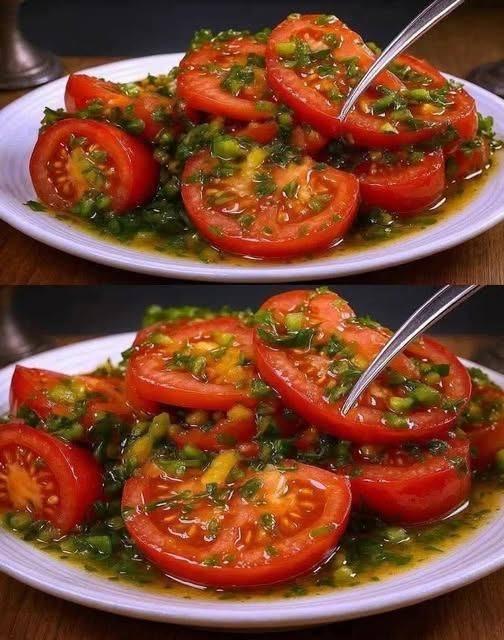
Magic Tomato Salad

There’s something undeniably enchanting about tomatoes—how they hold sunlight in their skins, how their juices burst with natural sweetness, and how they transform the simplest dish into something extraordinary. The Magic Tomato Salad is more than just another fresh side—it’s a vibrant, refreshing, flavor-packed creation that feels almost spellbinding from the very first bite. This recipe brings together luscious tomatoes, aromatic herbs, a whisper of garlic, and a tangy-sweet dressing that makes the whole bowl taste alive. If you’re looking for a salad that “wows” without effort, you’ve found it.

Let’s unlock the secret of this magical dish.

Why It’s Called “Magic”

This salad earned its name for three reasons:

  1. The Flavor Harmony: Every bite is a perfect balance of sweet, tangy, savory, and fresh—your palate lights up instantly.

  2. The Aroma: As soon as the dressing touches the tomatoes, the herbs release a fragrant burst that smells like a garden after rain.

  3. The Transformation: Simple ingredients combine into something unexpectedly gourmet. It’s the kind of dish people taste once and keep talking about.

This is the kind of salad you serve when you want something effortless yet unforgettable.

The Magic Tomato Salad – Full Unique Recipe

🧾 Ingredients

For the Salad:

  • 4 large ripe tomatoes (mixed heirloom colors if available)

  • 1 cup cherry tomatoes, halved

  • ½ small red onion, thinly sliced

  • 1 small cucumber, diced

  • ¼ cup fresh basil leaves, torn

  • 2 tbsp fresh mint leaves, finely sliced

  • 1 tbsp chopped fresh dill (optional but magical!)

For the Magic Dressing:

  • 4 tbsp extra virgin olive oil

  • 1 tbsp pomegranate molasses (or balsamic glaze)

  • 2 tbsp freshly squeezed lemon juice

  • 1 tsp honey

  • 1 garlic clove, grated into a paste

  • ½ tsp sea salt

  • ¼ tsp black pepper

  • A pinch of crushed red chili flakes

  • ½ tsp dried oregano

Finishing Touches (Optional but Perfect):

  • 2 tbsp crumbled feta OR small mozzarella pearls

  • A sprinkle of toasted sesame seeds

  • A drizzle of olive oil before serving

Step-by-Step Instructions

1. Prepare the Tomatoes with Care

Slice the large tomatoes into thick wedges—this keeps them juicy and prevents them from turning mushy. The cherry tomatoes should be halved so their sweetness bursts through. Place them in a wide bowl so they don’t get crushed.

2. Add the Fresh Crunch

Toss in your diced cucumber and thin red onion slices. The cucumber adds cooling crispness, while the onion provides a delicate sharpness that balances the sweetness of the tomatoes.

3. Fresh Herbs: The Real Magic

Add basil, mint, and dill. These herbs awaken the salad:

  • Basil adds sweet floral notes.

  • Mint brings cool freshness.

  • Dill adds a soft, grassy zing.

Together, they create a garden-fresh aroma you’ll inhale before you even taste the salad.

4. Make the Magic Dressing

In a small bowl whisk together olive oil, pomegranate molasses (or balsamic glaze), lemon juice, honey, garlic paste, oregano, chili flakes, salt, and pepper.

The combination creates a dressing that’s:

  • sweet,

  • tangy,

  • silky,

  • slightly spicy, and

  • beautifully aromatic.

This dressing is the spell that binds everything together.

5. Pour and Toss Gently

Drizzle the dressing over the salad and use your hands or a large spoon to gently coat everything. Tomatoes are delicate—treat them kindly.

Let the salad sit for 5–10 minutes. This short rest lets the tomatoes release their juices and mix with the dressing to form an irresistible natural marinade.

6. Finish with a Touch of Magic

Add feta or mozzarella for creaminess, sprinkle toasted sesame seeds for subtle crunch, and drizzle a little more olive oil for richness. Serve immediately.

Why This Salad Works So Well

The magic lies in contrast:

  • Juicy vs. crunchy

  • Sweet vs. tangy

  • Soft herbs vs. crisp veggies

  • Creamy cheese vs. bold dressing

The ingredients play off each other like instruments in a perfect orchestra. Each bite tastes slightly different depending on which combination ends up on your fork—and that keeps it exciting.

How to Serve Magic Tomato Salad

This salad shines in many settings:

  • As a refreshing side to grilled chicken or steak

  • As a beautiful starter for dinner guests

  • Spoon over crusty toasted bread

  • Toss with cooked pasta for a cold summer pasta salad

  • Enjoy on its own as a light meal

The Benefits of Tomatoes for the Skin: A Well-Kept Anti-Aging Secret

For generations, the humble tomato has sat quietly in kitchens around the world—bright, juicy, acidic, and subtly sweet. But beyond its role in salads, sauces, and sandwiches, this everyday fruit guards one of nature’s most underrated beauty secrets: powerful anti-aging benefits for the skin. While modern skincare aisles are filled with expensive serums and creams promising miracles, tomatoes provide many of the same effects naturally, gently, and effectively. When used consistently, tomatoes can help brighten the complexion, tighten pores, reduce fine lines, and protect the skin from harsh environmental damage.

A Natural Source of Lycopene – The Anti-Aging Powerhouse

The superstar nutrient in tomatoes is lycopene, a potent antioxidant responsible for their vibrant red color. What makes lycopene special is its ability to neutralize free radicals, unstable molecules that accelerate skin aging, break down collagen, and contribute to wrinkles. By reducing oxidative stress, lycopene preserves the skin’s elasticity and firmness. Studies show that people who consume tomatoes—or use tomato-based treatments—often exhibit a smoother, more youthful complexion with fewer visible signs of aging.

Vitamin C for Brighter, More Radiant Skin

Tomatoes are rich in Vitamin C, a key ingredient found in high-end brightening products. Vitamin C helps fade dark spots caused by sun exposure, acne scars, and uneven pigmentation. It boosts collagen synthesis, giving the skin a plumper and more radiant appearance. When applied topically, tomatoes can offer an instant glow, making the skin look refreshed and revitalized within minutes.

Natural Astringent Properties – Minimizes Pores

Oily skin and enlarged pores are common concerns, especially in warm climates. Tomatoes act as a natural astringent, meaning they help tighten pores and reduce excess oil without stripping the skin of moisture. This makes tomatoes ideal for individuals with oily, combination, and acne-prone skin. With regular use, pores appear smaller, breakouts reduce, and the skin develops a smoother texture.

Balances pH and Controls Oil Production

Many skin problems—acne, dullness, irritation—arise when the skin’s pH balance is disrupted. Tomatoes naturally help restore this balance due to their mild acidity. When the skin’s pH is stable, oil production becomes regulated, breakouts lessen, and the complexion appears healthier. A balanced pH also allows the skin to respond better to other skincare products.

Natural Protection Against Sun Damage

Continuous exposure to sunlight can lead to premature aging, sunspots, rough texture, and collagen loss. Lycopene, combined with beta-carotene and Vitamin E present in tomatoes, provides a mild protective effect against UV damage. While tomatoes are not a replacement for sunscreen, they enhance the skin’s natural defense system, reducing redness and inflammation caused by sun exposure.

Anti-Inflammatory Benefits for Calm, Clear Skin

Tomatoes contain flavonoids and carotenoids, both of which have strong anti-inflammatory effects. Whether your skin is irritated, inflamed from acne, or reacting to heat, tomatoes help calm the surface and soothe redness. A chilled slice of tomato placed on the skin can immediately cool and comfort sensitive areas.

Promotes Collagen Production Naturally

Collagen is the protein that keeps skin firm. As we age, collagen breaks down—and this is where tomatoes shine. The combination of Vitamin C, Vitamin A, potassium, and antioxidants supports natural collagen repair. This results in stronger skin structure, better elasticity, and a noticeable reduction in fine lines over time.

Unique Anti-Aging Tomato Face Mask Recipe

Below is a simple, effective tomato-based recipe that you can prepare at home. It’s designed to brighten, tighten, and rejuvenate the skin—unlocking the anti-aging power of tomatoes with just a few ingredients.

✨ Tomato Radiance Anti-Aging Mask (All-Natural & Easy)

Ingredients

  • 1 ripe tomato

  • 1 teaspoon honey

  • 1 teaspoon yogurt (or aloe gel for sensitive skin)

  • ½ teaspoon lemon juice (optional for dark spots)

Instructions

  1. Cut the tomato and scoop out the pulp.

  2. Mash the pulp or blend it until smooth.

  3. Mix in the honey, yogurt (or aloe), and lemon juice if using.

  4. Apply a thin layer to your clean face and neck.

  5. Leave it on for 10–12 minutes.

  6. Rinse with cool water and pat dry.

  7. Follow with moisturizer or a few drops of coconut or argan oil.

Benefits of This Mask

  • Tightens pores

  • Brightens the complexion

  • Reduces fine lines

  • Hydrates without clogging pores

  • Lightens dark spots and pigmentation

  • Adds a natural youthful glo

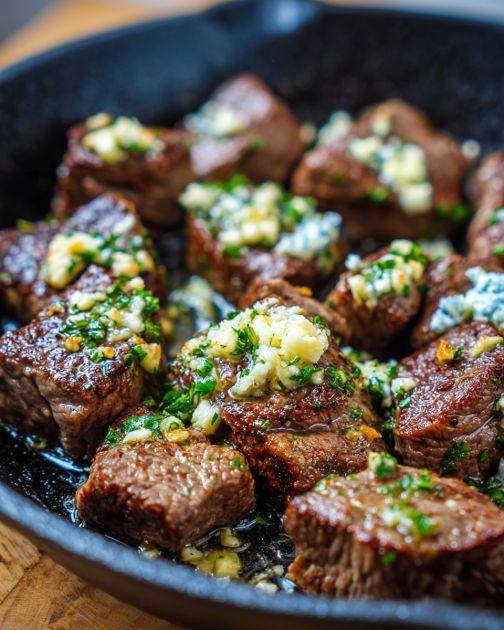
Garlic Butter Steak Bites

There are recipes that simply feed you, and then there are recipes that make you feel like you’ve stepped into a cozy steakhouse where sizzling aromas wrap around you like a warm blanket. Garlic Butter Steak Bites belong to the second category — small golden-seared chunks of beef, drenched in melted butter, kissed with garlic, and finished with herbs that make the whole dish come alive. This version is unique because it layers flavor from the inside out, turning every bite into a savory, buttery explosion. Whether you’re cooking for guests or treating yourself to a quick weeknight indulgence, these steak bites deliver restaurant-quality satisfaction with surprisingly little effort.

Why This Recipe Stands Out

Unlike the usual one-step garlic butter steak bite recipes, this one uses a two-stage flavor infusion. First, the beef is marinated in a simple umami-packed mixture that tenderizes and seasons it from within. Then, during cooking, the butter sauce is built slowly so every piece of steak gets coated in a glossy, garlicky finish. The result? Steak bites that are more flavorful, juicier, and more aromatic than any quick version.

Ingredients

For the Steak Bites

  • 1 ½ lbs sirloin, ribeye, or New York strip, cut into 1-inch cubes

  • 1 tablespoon soy sauce

  • 1 teaspoon Worcestershire sauce

  • 1 tablespoon olive oil

  • ¾ teaspoon salt

  • ½ teaspoon black pepper

  • ½ teaspoon smoked paprika

  • ¼ teaspoon garlic powder

For the Garlic Butter

  • 4 tablespoons unsalted butter

  • 5 garlic cloves, finely minced

  • 1 tablespoon fresh parsley, chopped

  • ½ teaspoon red pepper flakes (optional)

  • 1 teaspoon lemon juice (optional for brightness)

Instructions

1. Marinate for Depth (Unique Step!)

Place your steak cubes in a bowl and drizzle in soy sauce, Worcestershire sauce, olive oil, salt, pepper, smoked paprika, and garlic powder. Toss well until the meat is evenly coated.

Let the steak rest for 15–20 minutes. This quick marinade gently seasons the beef and enhances browning, giving you deeper flavor from the very start.

2. Preheat Your Pan for a Perfect Sear

Heat a heavy skillet — cast iron is best — over high heat for 3–4 minutes. You want it screaming hot.
A properly heated pan ensures:

  • caramelized crust

  • juicy interior

  • steakhouse-style aroma

Add just a thin film of oil once the pan is hot.

3. Sear the Steak Bites in Small Batches

Add the marinated steak bites in a single layer, leaving space between each piece. If the pan is crowded, the beef will steam instead of sear.

Cook for 1–2 minutes per side, turning with tongs. You want deep brown edges but a tender center. Remove the cooked pieces to a plate and repeat until all the steak is done.

This step alone makes your kitchen smell like a premium grill.

4. Build the Garlic Butter

Lower the heat to medium and add the butter to the same pan. As it melts, scrape up the browned bits — this is where the magic flavor lives.

Stir in the minced garlic. Let it cook for 30 seconds, just until fragrant.
Do not brown the garlic — you want it soft, mellow, and buttery.

Add red pepper flakes and lemon juice if using.

5. Combine and Finish

Return all the steak bites to the pan and toss them in the garlic butter until glossy and fully coated. Let them warm together for about one minute.

Sprinkle with chopped parsley.

Serving Ideas

1. Steakhouse Style

Serve with mashed potatoes, roasted vegetables, or a simple Caesar salad.

2. As a Party Appetizer

Pile the steak bites onto a platter with toothpicks. They disappear fast.

3. Over Rice or Pasta

A drizzle of extra butter sauce turns it into a complete comforting bowl.

4. With Bread

Dip crusty bread into the leftover garlic butter — you won’t regret it.

Tips for the Best Steak Bites

  • Use well-marbled steak for tenderness. Ribeye gives the richest flavor.

  • Cut pieces evenly so they cook at the same rate.

  • Don’t overcook — medium-rare to medium gives the juiciest results.

  • Let the pan get extremely hot before adding the meat.

  • Add garlic only at the end to avoid burning.

Final Thoughts

This unique Garlic Butter Steak Bites recipe is simple yet remarkably flavorful because every step builds intensity. The quick marinade boosts the meat from within, the hot sear creates an irresistible crust, and the silky garlic butter ties everything together. It’s one of those dishes that feels luxurious without being complicated, making it perfect for both busy nights and special occasions.

Asparagus casserole

Asparagus casserole is one of those timeless comfort dishes that brings together fresh vegetables, rich creaminess, and irresistible flavor in every bite. Whether you’re preparing it for a family dinner, a holiday table, a potluck, or simply craving something warm and satisfying, this classic casserole delivers beautifully. What makes it even more appealing is how easy it is to prepare—requiring simple ingredients, basic techniques, and very little time. Below is a detailed guide to making the perfect asparagus casserole, along with tips, variations, and serving ideas.


Why Asparagus Casserole?

Asparagus is a spring vegetable known for its delicate flavor, tenderness, and excellent nutritional profile. Packed with vitamins A, C, K, and folate, it brings a bright, fresh taste that pairs incredibly well with creamy sauces and melted cheese. Turning asparagus into a casserole brings out its comforting side—giving it richness, body, and indulgence while keeping things wholesome and flavorful.


Ingredients You’ll Need

  • Fresh asparagus (about 2 pounds), trimmed and cut into 2-inch pieces

  • Cream of mushroom soup (1 can, or homemade if preferred)

  • Milk or half-and-half (½ cup)

  • Shredded cheddar cheese (1 ½ cups, divided)

  • Grated Parmesan (¼ cup)

  • Garlic powder (½ teaspoon)

  • Onion powder (½ teaspoon)

  • Salt and black pepper (to taste)

  • Breadcrumbs or crushed Ritz crackers (1 cup)

  • Butter (2 tablespoons, melted)

These pantry-friendly ingredients come together to form a creamy, cheesy base that wraps every piece of asparagus in luscious flavor. The buttery breadcrumb topping adds the perfect contrast—crispy, golden, and irresistible.


Step-by-Step Instructions

1. Prepare the Asparagus

Begin by washing the asparagus thoroughly and trimming off the tough woody ends. Cut the spears into 2-inch pieces. To ensure perfect texture, blanch the asparagus: boil them for 2–3 minutes until they turn bright green, then shock them in ice water. This preserves both color and crisp tenderness, preventing the vegetable from becoming mushy when baked.

2. Make the Creamy Sauce

In a mixing bowl, whisk together the cream of mushroom soup, milk, garlic powder, onion powder, black pepper, and salt. Stir in about 1 cup of shredded cheddar cheese. This creates a velvety sauce that clings beautifully to the asparagus and forms the base of your casserole.

3. Assemble the Casserole

In a greased baking dish, combine the blanched asparagus with the creamy mixture. Toss gently to coat every piece evenly. Sprinkle the remaining cheddar cheese over the top for extra richness.

4. Add the Crispy Topping

Mix the breadcrumbs or crushed crackers with melted butter and grated Parmesan. These ingredients create a crunchy, golden topping that contrasts wonderfully with the creamy interior. Scatter the mixture evenly over the casserole.

5. Bake to Perfection

Bake in a preheated 350°F (175°C) oven for 25–30 minutes, or until the topping is crisp, golden brown, and the casserole is bubbling around the edges.


Tips for the Best Asparagus Casserole

  • Use fresh, firm asparagus: Thicker spears work especially well because they hold up during baking.

  • Don’t skip blanching: This step helps maintain great texture.

  • Add extra cheese: For a richer casserole, add Monterey Jack or mozzarella.

  • Make it lighter: Use low-fat milk and reduce cheese if you prefer a healthier version.

  • Make it gluten-free: Substitute crushed gluten-free crackers or almond flour for the topping.


Delicious Variations

  • Asparagus & Mushroom: Sauté sliced mushrooms and add them to the mix.

  • Chicken Asparagus Casserole: Stir in cooked shredded chicken for extra protein.

  • Asparagus & Bacon: Add crispy bacon pieces for a smoky, savory touch.

  • Asparagus & Rice: Add cooked rice to make it a complete one-dish meal.


Serving Suggestions

Asparagus casserole pairs well with roasted chicken, baked fish, grilled steak, or a simple loaf of crusty bread. It also shines on a holiday table alongside ham, turkey, or lamb. Serve it warm, allowing the cheesy, creamy flavors to shine.


Final Thoughts

This asparagus casserole is comfort food at its finest—simple, creamy, flavorful, and deeply satisfying. With minimal ingredients and easy preparation, it’s the perfect dish for busy weeknights, special occasions, or anytime you crave a wholesome homemade meal. Whether you enjoy it as a side dish or a main course, this casserole brings warmth and classic goodness to every table. Enjoy!

diabetic Sugar free lemon cake with vanilla glaze No calories! Only 3 ingredients! Low calorie

When you’re living with diabetes or simply trying to manage your sugar intake, finding a dessert that tastes bright, fresh, and indulgent—without the sugar crash—can feel impossible. That’s exactly why this Sugar-Free Lemon Cake with Vanilla Glaze is such a gem. It uses only 3 main ingredients, comes together in minutes, and lets you enjoy a soft, fragrant lemon cake that feels like a treat without spiking blood sugar. The vanilla glaze adds the perfect sweet finish, yet stays completely sugar-free.

This cake is light, fluffy, wonderfully citrusy, and surprisingly low in calories. It’s ideal for tea time, after dinner, or keeping in the fridge for a guilt-free snack. Best of all: you don’t need baking experience or complicated tools. This is one of the simplest diabetic-friendly desserts you can make.


Why This Cake Works for Diabetics

Traditional lemon cakes rely on sugar, flour, and butter—all ingredients that increase calories and spike glucose. This version is different:

1. No Added Sugar

The sweetness comes from a diabetic-friendly sweetener such as:

  • Stevia

  • Erythritol

  • Monk fruit sweetener
    These sweeteners don’t raise blood sugar and contain little to no calories.

2. Minimal Ingredients

With only 3 main ingredients, you avoid heavy fats, refined sugars, and calorie-dense additives. The recipe focuses on flavor through lemon and vanilla.

3. Low Calories

Since the base is made mostly from eggs, lemon, and sweetener (plus optional almond flour or yogurt for structure), the cake ends up incredibly light.


INGREDIENTS (Only 3 Main Ingredients!)

Main Cake Ingredients

  1. Eggs – 4 large
    (They create structure and fluffiness.)

  2. Lemon – 2 large (zest + juice)
    (Provides bright flavor without adding sugar.)

  3. Sweetener – ½ cup granulated erythritol, stevia blend, or monk fruit
    (Adjust to taste.)

Optional Supporting Ingredients (choose 1 for texture)

These do not break the low-calorie, diabetic-friendly profile:

  • 2 tbsp almond flour – for a more cake-like crumb

  • 2 tbsp Greek yogurt – for softness

  • 1 tbsp cornstarch – keeps the cake airy
    You only need one, but you may use none if you prefer an ultra-light soufflé-style cake.


VANILLA GLAZE (Sugar-Free)

  • 2 tbsp sugar-free powdered sweetener

  • 1 tsp vanilla extract

  • 1–2 tsp lemon juice or water

Mix to a smooth, pourable glaze.


STEP-BY-STEP INSTRUCTIONS

1. Prepare the Eggs

Separate the egg whites and yolks into two bowls.
Beat the egg whites until stiff peaks form. This step is crucial—it makes your cake rise without flour or baking powder.

2. Mix the Yolks

To the bowl of egg yolks, add:

  • Lemon zest

  • Lemon juice

  • Sweetener

Whisk until the mixture becomes pale and creamy. If you’re using almond flour, yogurt, or cornstarch, add it here.

3. Fold the Batter

Gently fold the beaten egg whites into the yolk mixture.
Use slow, upward motions so the batter stays airy. This is what keeps the cake soft and fluffy.

4. Bake

Pour the batter into a lined loaf pan or round pan.
Bake at 160°C (320°F) for 25–30 minutes, or until lightly golden and set.

5. Add Vanilla Glaze

When the cake cools, drizzle the sugar-free vanilla glaze over the top.
It adds sweetness and a bakery-style finish—without sugar.


TEXTURE & FLAVOR

Despite being nearly calorie-free, this cake tastes wonderfully bright:

  • The lemon gives freshness and tang.

  • The egg base makes it airy, sponge-like, and naturally moist.

  • The vanilla glaze brings a classic sweet aroma that balances the citrus.

It’s not a heavy, buttery cake—it’s light, delicate, uplifting, and perfect for people avoiding sugar.


LOW-CALORIE PROFILE (Approximate)

  • Per slice: 35–55 calories (depending on optional ingredient used)

  • Sugar: 0g added sugar

  • Carbs: Very low

  • Fat: Minimal

It’s an excellent dessert for weight loss, diabetes management, or anyone wanting a guilt-free treat.


TIPS FOR THE BEST RESULT

Use Fresh Lemons

Bottled lemon juice won’t give the same aroma. Zest is essential for the strongest flavor.

Do Not Overmix

After adding egg whites, mix gently. Overmixing destroys the air and creates a dense cake.

Let It Cool

The cake sets as it cools. Cutting too early may make it fall apart.

Adjust Sweetness

Taste the batter before baking—diabetic sweeteners vary in strength.


VARIATIONS

1. Lemon-Blueberry Version

Add a handful of fresh or frozen blueberries to the batter.
Still diabetic-friendly and low-calorie.

2. Lemon Coconut

Sprinkle a teaspoon of unsweetened shredded coconut before baking.

3. Almond-Lemon Cake

Add 2–3 tablespoons almond flour for a nutty aroma and richer body.

4. Lemon-Vanilla Cloud Cake

Skip all optional ingredients and leave it purely egg-based for an ultra-light dessert.


HOW TO STORE IT

This cake stays best when chilled.

  • Refrigerator: Up to 4 days

  • Freezer: Up to 1 month (slice first for easy thawing)

The flavor actually improves after a day!


SERVING SUGGESTIONS

  • With sugar-free whipped cream

  • With a cup of green tea or herbal tea

  • As a light breakfast or evening snack

  • With fresh raspberries or strawberries

  • With extra lemon zest on top for brightness

Because it’s low-calorie and sugar-free, you can enjoy a slice anytime without worrying about spikes or heaviness.


FINAL THOUGHTS

This Diabetic Sugar-Free Lemon Cake with Vanilla Glaze is proof that healthy desserts don’t have to be boring. With only three main ingredients, you can create a fresh, vibrant, low-calorie cake that feels indulgent yet stays fully diabetic-friendly.

Whether you’re trying to lose weight, manage diabetes, or simply want a no-guilt dessert, this simple recipe delivers big flavor with minimal ingredients. Bright lemon, sweet vanilla, and a fluffy cake base come together to create a treat you’ll want to make again and again.